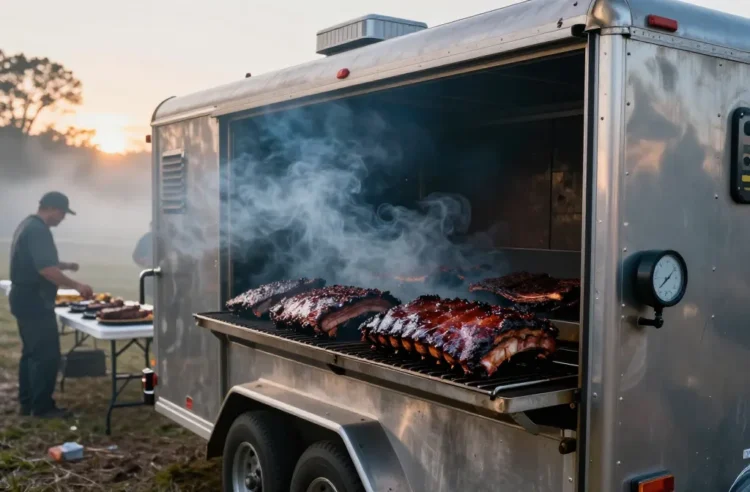
- Best for: Backyard events, reunions, and catering-scale cooks
- Make ahead: Yes — prep rubs/sauces 2–3 days; smoke 1 day ahead
- Serves: 80–120 guests depending on menu and sides
- Key tip: Track pit humidity and adjust airflow and time, not just temperature
How Humidity Affects Large BBQ Batches for 100 People can decide whether your briskets finish on time or stall through service. Moist air changes how your bark forms, your stall length, and even how much smoke your meat will actually take. For a crowd, those shifts multiply into real timing and texture problems. In this guide, you’ll learn how to predict humidity’s impact, tweak your cook, and deliver consistent results for 100 hungry guests.
Humidity 101: Why Moist Air Changes Your Cook
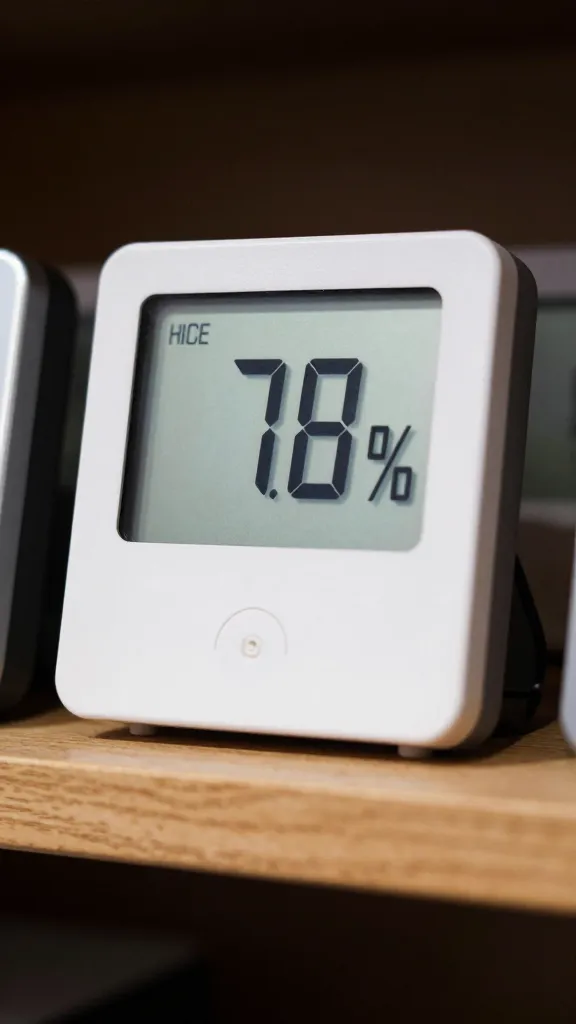
Humidity slows evaporation. When the air already holds moisture, your meat’s surface sheds water more slowly. That moderates cooling and can extend the stall.
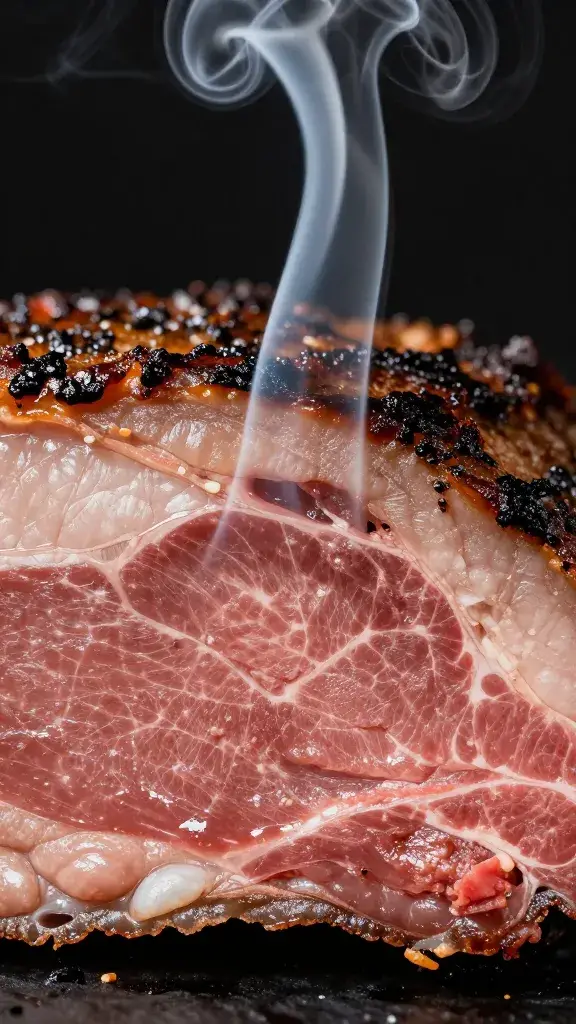
Bark formation depends on drying. High humidity delays crust development; low humidity speeds it up (sometimes too much). Bark isn’t just looks — it locks in texture and carries seasoning.
Smoke flavor shifts. Slightly humid air helps smoke compounds adhere. Too dry can yield harsher smoke notes; too wet can push soft bark and muted rub flavors.
Planning for a Crowd: Time and Yield Adjustments
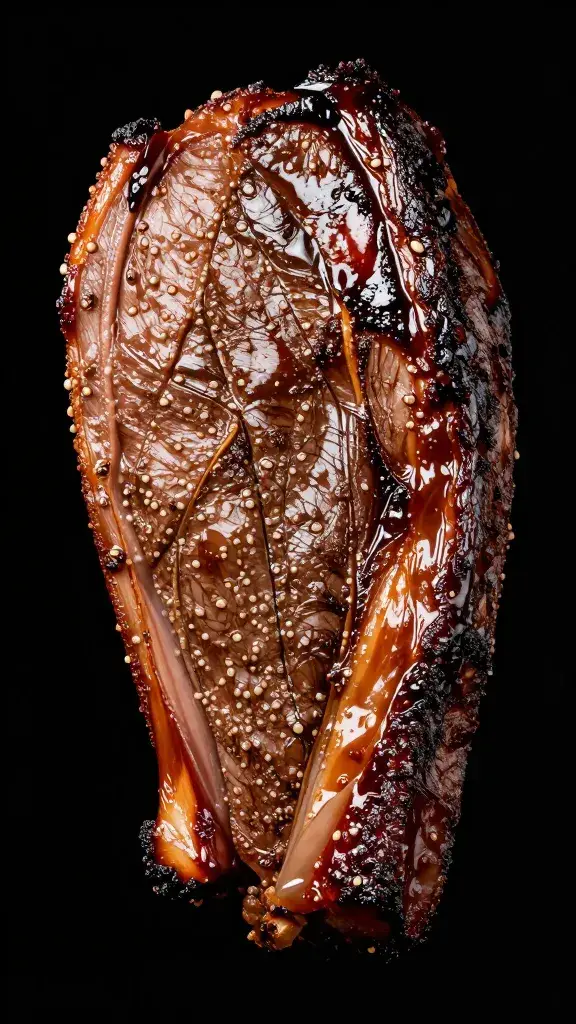
Build a humidity buffer into your schedule. For whole packer briskets and pork butts, add 10–20% extra cook time if relative humidity is above 70%.
Cook more than you think. Moist air can soften bark and make trimming losses feel bigger. Plan 1/2 pound cooked meat per person for mixed plates, 3/4 pound for meat-heavy events.
- Humid forecast (70–90% RH): Start earlier, aim for a drier smoke phase, and rest longer.
- Dry forecast (20–35% RH): Protect moisture with spritz or water pan and wrap earlier to avoid crumbly slices.
Controlling Pit Environment: Airflow, Water Pans, and Wraps
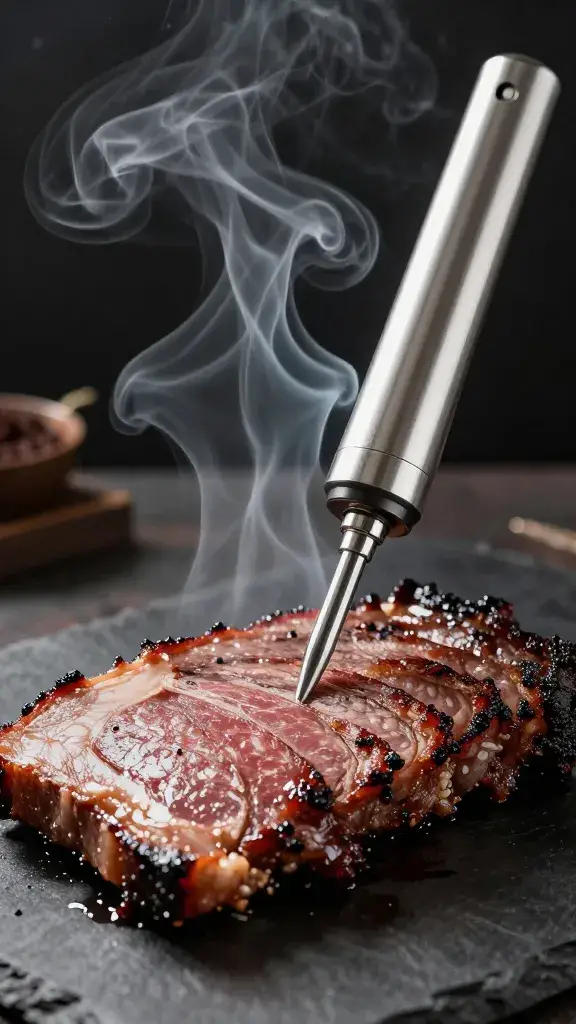
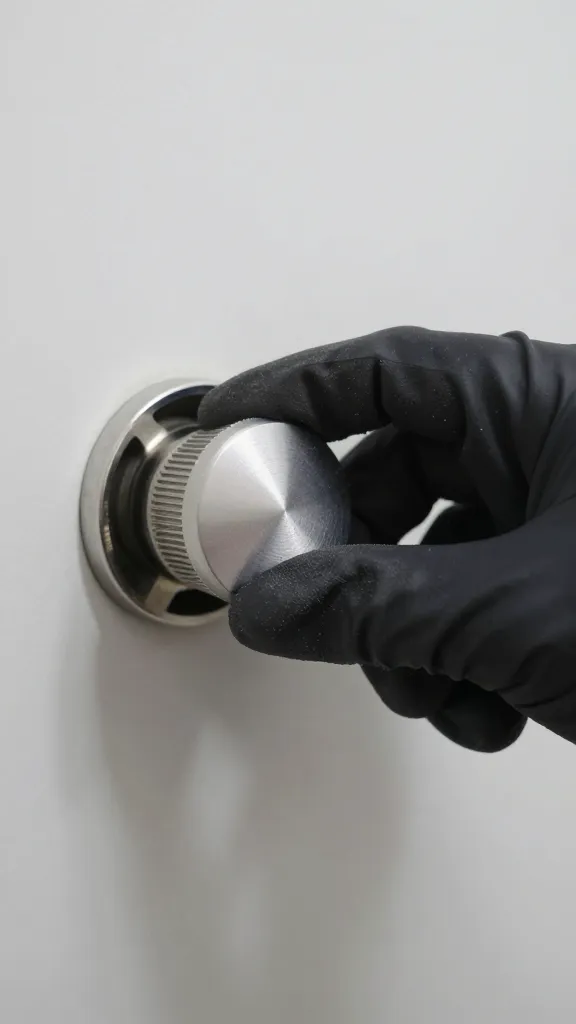
Airflow is your throttle. In humid conditions, open intakes slightly to keep surface drying active without spiking temp. In dry conditions, reduce airflow a touch once thin blue smoke is steady.
Water pans are tools, not rules. Skip or reduce the water pan volume on swampy days. On arid days, a half-full pan stabilizes temp and protects against bark over-drying.
Wrapping Strategy by Humidity
- High humidity: Delay wrap until bark is set and resists a fingernail scrape. Foil will speed through the stall but can soften bark further — consider butcher paper.
- Low humidity: Wrap earlier to preserve moisture. Paper first; foil only if you’re behind schedule.
Managing the Stall for 100 People
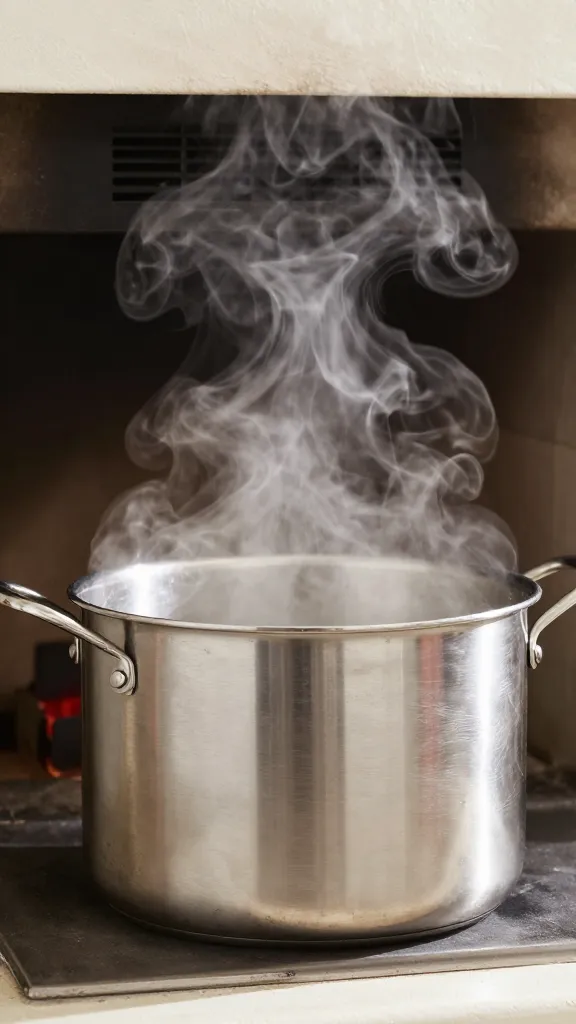
The stall is evaporation holding you at ~150–170°F internal. High humidity lowers the evaporation rate but may prolong the plateau because the surface never fully dries.
- Track internal and pit temps every 15–20 minutes during the stall. If the rise is flat for 45+ minutes, adjust.
- Increase pit temp by 15–25°F to push through without blasting the exterior.
- Wrap strategically. Paper maintains bark; foil speeds finish. For service deadlines, foil a subset of roasts to stagger completion times.
Rub, Spritz, and Sauce: What to Change on Muggy vs. Dry Days
Salt draws moisture. On humid days, dry brine a little earlier (16–24 hours) so moisture can redistribute before the cook. On dry days, 8–12 hours is plenty.
Sugar caramelizes fast in dry heat. In arid weather, cut sugar in rubs by 25% to avoid bitter notes. In humid weather, keep sugar as-is but ensure a firm bark before wrapping.
Spritzing Rules That Actually Help
- Humid: Spritz less. Use straight apple cider vinegar or water; avoid oil. Only spritz to cool hot spots or set rub dust.
- Dry: Spritz every 45–60 minutes with a 70/30 water-vinegar mix to prevent bark from getting brittle.
Serving salsa, chimis, or fresh sauces to brighten rich meats? Pairing smoky proteins with vibrant sides balances any texture shift from humidity. Try this chimichurri recipe for a fresh, herbaceous contrast that rescues softer bark days.
Equipment Matters: Smokers, Probes, and Holding Boxes
Offset smokers handle humidity swings well thanks to strong airflow. Manage with clean, hot fires and slightly wider vents on damp days.
Pellet smokers are humidity sensitive; pellets burn cooler in very humid weather. Bump setpoint by 10–15°F and verify with a calibrated grate probe.
Kamado/ceramic grills retain moisture. In muggy weather, reduce water pans and watch for soft bark; in dry weather, they’re your friend for overnight cooks.
Holding for Service
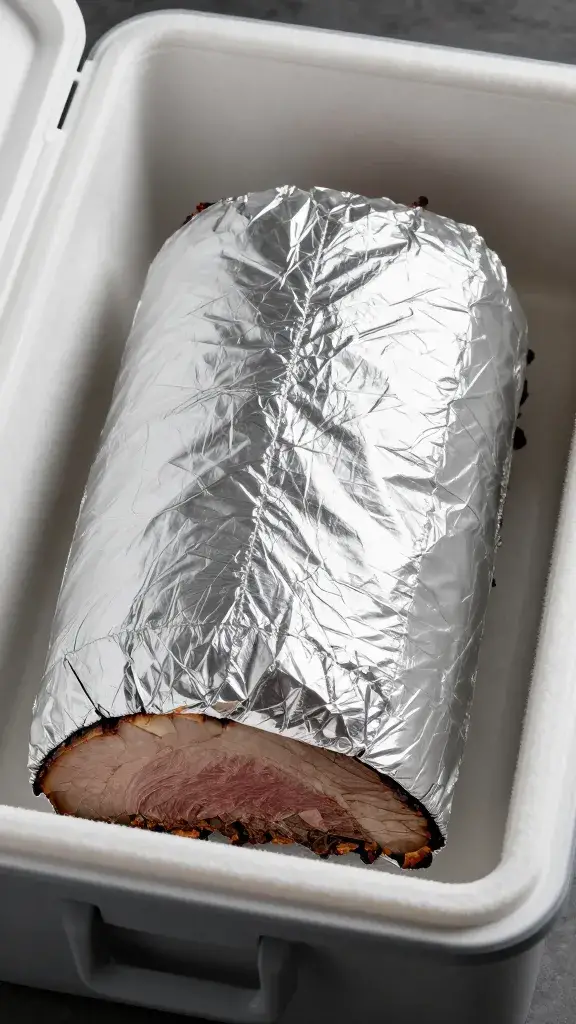
- Rest wrapped in a dry cooler or hot box at 150–165°F for up to 4 hours. High humidity cooks benefit from a longer rest to let bark firm slightly.
- Vent for 2–3 minutes before the hold if bark feels soft; steam is your enemy here.
Scheduling and Staffing: Staying on Time With Weather Swings

Cook in waves. Start a portion of briskets/butts 2–3 hours earlier than the main batch. If humidity stretches the stall, you still hit service windows.
Assign roles. One person watches pit temps and humidity; another manages wrapping and rest. Clear jobs prevent over-spritzing or unnecessary vent changes.
- Service math: Slicing brisket takes 2–3 minutes per packer. For 8 packers, that’s 16–24 minutes with two slicers — plan heat lamp space accordingly.
From My Kitchen: What Actually Works
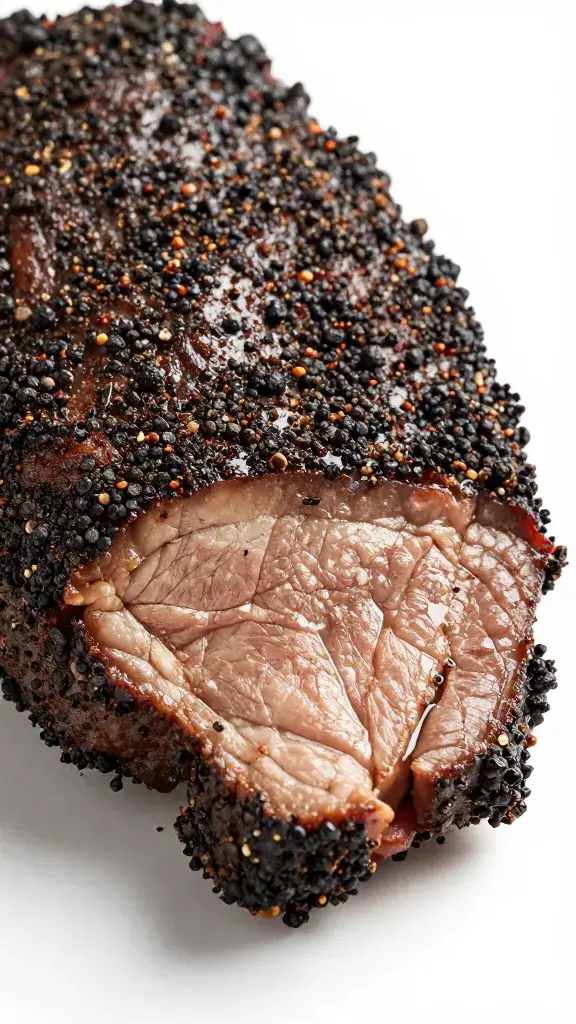
I log humidity alongside temps for every big cook. Above 75% RH, my briskets stall 30–60 minutes longer unless I push the pit from 250°F to 265–275°F once bark sets. I also switch from foil to paper on muggy days — the bark stays intact, and slices don’t weep as much on the board. For dry, windy days, a half-full water pan and earlier wraps keep my flats from crumbling, and I trim fat caps a little thicker (1/4–3/8 inch) to help with moisture retention.
Frequently Asked Questions
How does humidity affect large BBQ batches for 100 people on timing?
High humidity often adds 10–20% to your cook time by stretching the stall and slowing surface drying. Start earlier, plan a higher pit temp during the stall, and wrap part of your batch to stagger finishes.
Should I use a water pan when cooking for a crowd on a humid day?
Usually no, or use much less water. In high humidity, a water pan can over-soften bark and slow down the cook. Prioritize steady airflow and wrap later once the crust is set.
What’s the best way to hold brisket and pork shoulder after a humid cook?
Vent for 2–3 minutes to release steam, then hold wrapped at 150–165°F for up to 4 hours. The rest evens juices and helps bark firm slightly; re-vent briefly if the wrap feels steamy.
Can I make smoked meats ahead if the forecast is very humid?
Yes. Smoke to just shy of probe-tender, chill fast, and reheat gently in a 250°F oven or hot box to 165°F internal before service. Sauce or au jus at the end to restore sheen, not during storage.
How should rubs and spritz change for humid vs. dry cooks?
In humid weather, keep spritz minimal and delay wrapping until bark is sturdy. In dry weather, reduce sugar in rubs by 25% and spritz every 45–60 minutes to prevent brittle bark.
What sides or sauces help if my bark turns soft from humidity?
Bright, acidic sides balance softer textures and emphasize smoke. Consider herb sauces, pickles, and slaws; this pairs well with smoked chicken you can make ahead if you want a lighter protein option on the menu.
The Bottom Line
Humidity changes evaporation, bark, and timing — the trifecta that makes or breaks service for a crowd. Track RH, adjust airflow and wrap timing, and build a time buffer so 100 plates land hot and consistent.
Planning to try this? Save this post so you can find it when you need it — and tag us when you make it.