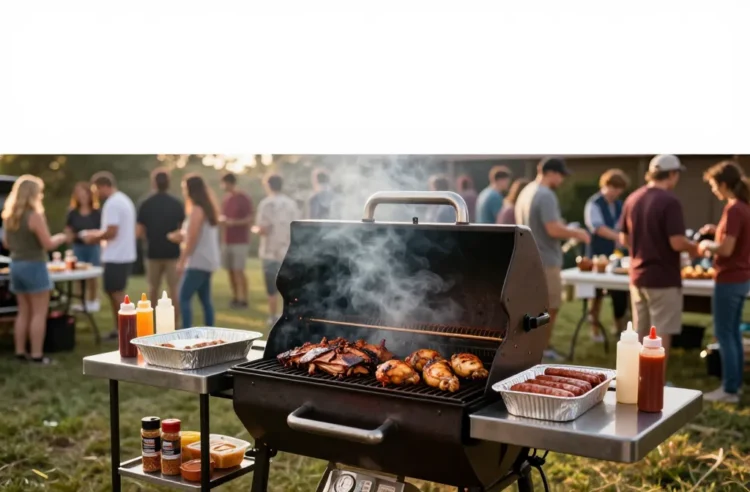
- Best for: Graduation parties, reunions, church picnics
- Make ahead: Yes — prep rubs/sauces 3 days ahead; cook meats 1 day ahead and reheat
- Serves: Up to 100 with the right menu and scheduling
- Key tip: Build a staggered cook plan with two proteins and one “set-and-hold” item
Using a Pellet Grill for 100 People — is it feasible? Yes, with the right menu, timeline, and gear, a single pellet grill can comfortably feed a big crowd without chaos. The secret isn’t more heat — it’s smarter scheduling, make-ahead choices, and holding temps that keep food juicy. In this guide, you’ll get a menu blueprint, cook schedules, equipment tips, and reheating tactics that actually work for 100.
Can One Pellet Grill Really Feed 100?
Short answer: yes, with limits. You’ll lean on low-and-slow proteins, strategic reheating, and a hot-hold plan. Think pulled pork, sausage, and chicken thighs — not six briskets at once.
Capacity varies. A mid-to-large pellet grill (24–36 inches, 700–1,000 sq in) can smoke 30–40 lb of pork shoulder at a time. That’s enough for about 60–80 sandwiches depending on sides. You’ll finish with a second round or add a helper cooker.
Menu Strategy: Choose “Crowd-Proof” Proteins
Pick proteins that cook evenly, shred or slice well, and hold without drying. Avoid thin cuts that overcook in minutes.
- Pulled Pork (Pork Shoulder/Boston Butt): Forgiving, affordable, and ideal for cooking a day ahead. Plan 4–5 oz cooked meat per person for sandwiches.
- Smoked Sausage/Kielbasa: Quick to cook, easy to hold, and great for late arrivals. Slice or serve links in buns.
- Chicken Thighs/Leg Quarters: Juicy, cost-effective, and fast to reheat. Bone-in handles hot-hold better than breasts.
- Optional Premium Cut: A single brisket or tri-tip for slicing at peak time. Use as a “feature,” not the whole menu.
Round it out with high-yield sides that can be made in bulk off-grill: slaw, beans, potato salad, buns, pickles, sauces.
How Much Food for 100? The Math That Works
People eat less when there are multiple sides and buns, more if it’s the main attraction. Here’s a proven baseline:
- Pulled pork: Buy 1 lb raw per person for generous portions if it’s the star; or 0.6–0.7 lb raw per person when paired with a second protein. Raw-to-cooked yield ~60–65%.
- Sausage: 0.4–0.5 lb per person if paired; 0.6 lb if it’s secondary to pork.
- Chicken thighs: 1 thigh per person (bone-in), 1.5 if it’s the main or you skip sausage.
- Buns: 0.8–1 per person if offering two proteins; 1.1–1.2 for single-protein pulled pork.
- Sides: Two hearty sides at 4–5 oz each per person; add a green or slaw at 3–4 oz.
Example two-protein plan for 100: 65 lb raw pork shoulder + 35 lb sausage + 90 buns + 40 lb beans + 20 lb slaw.
Using a Pellet Grill for 100 People: Timeline and Cook Plan
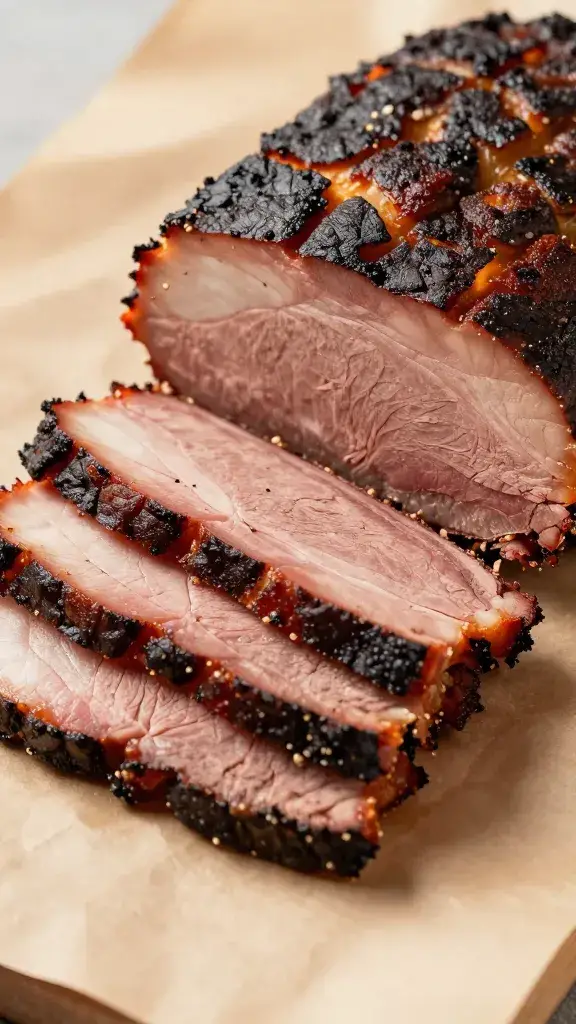
The Day-Before Strategy (Most Reliable)
- Two days out: Trim and rub shoulders. Mix sauces. Prep slaw dressing. Soak wood pellets? Not needed.
- One day out: Smoke pork at 225–250°F for 10–14 hours until probe-tender (195–205°F internal). Rest, pull, sauce lightly, and chill flat in shallow pans (with some juices) for safe, fast cooling.
- Party day: Reheat pork covered in pans at 275–300°F on the pellet grill or oven until 165°F, then hold at 150–160°F. Grill or smoke sausage in batches. Finish chicken last for fresh-serve appeal.
Same-Day Cook (Only with Very Early Start)
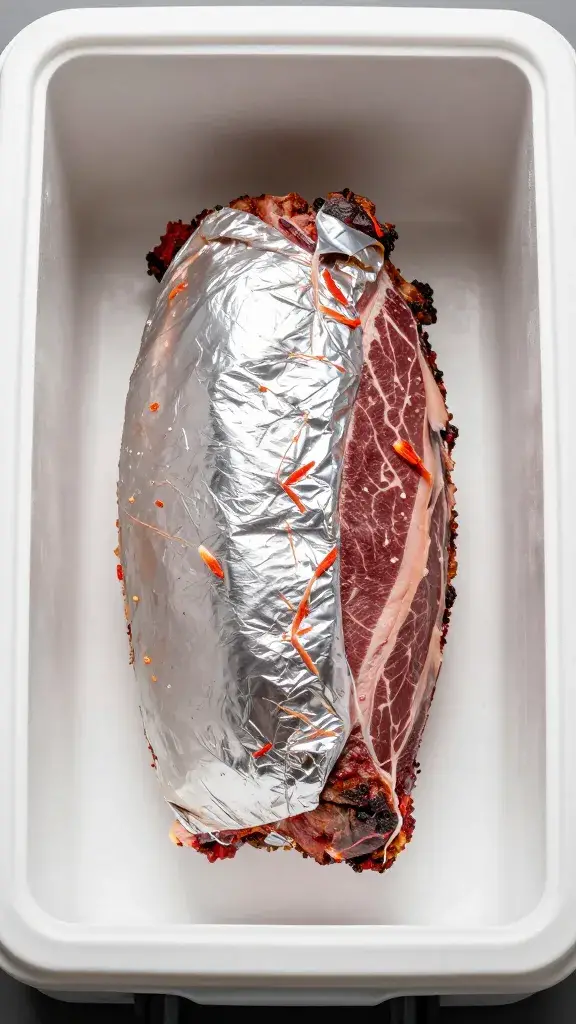
- Overnight smoke pork shoulders. Wrap in butcher paper at the stall (160–170°F) to save time.
- Midday: Hold finished pork in a 150–160°F hot box or cooler with towels up to 4 hours.
- Late afternoon: Cook sausage and chicken. Slice sausage as needed to control portions.
Hot-Holding, Reheating, and Food Safety
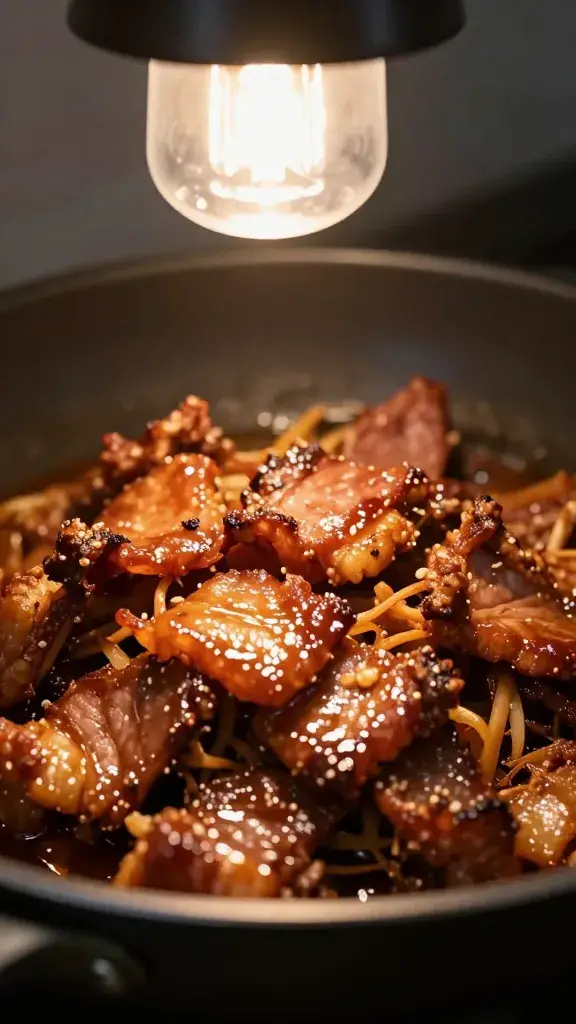
Hold safely at 140°F+. Aim for 150–160°F for pork pans and 145–155°F for sausage. Use a probe thermometer for pans, not just air temp.
- Best reheat method: Covered hotel pans with a splash of reserved juices or apple cider. Low fan ovens prevent drying better than open-grate reheats.
- Cool safely: Shallow pans, uncovered in fridge until steam dissipates, then cover. Get below 40°F within 6 hours total.
- Serving line: Keep small batches out and refill often. The rest stays hot-held and covered.
Equipment That Makes 100 Feel Easy
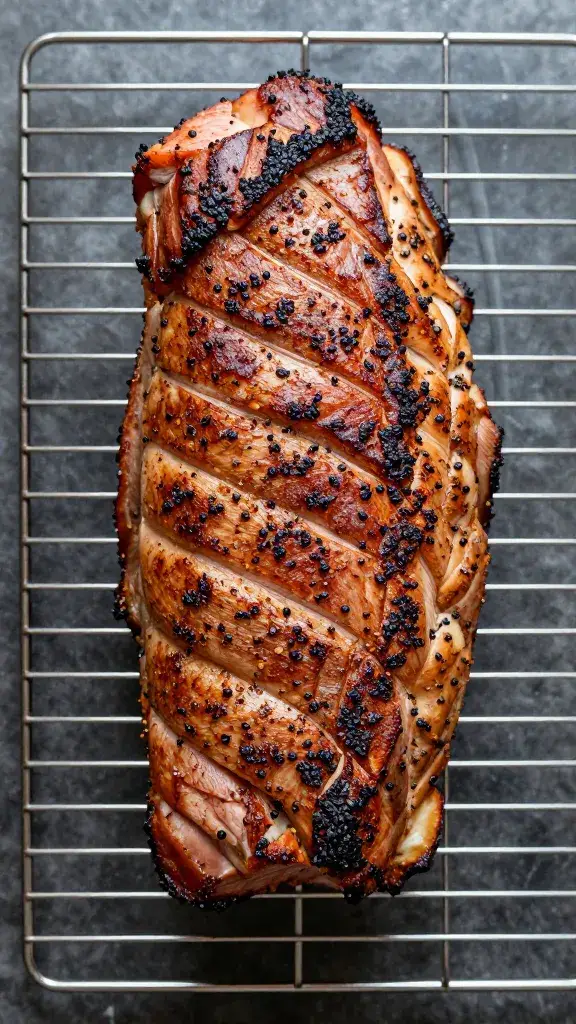
- One large pellet grill (700–1,000 sq in) plus an auxiliary cooker if available: an oven, a second pellet or gas grill, or even electric roasters for hold.
- Hotel pans (2–4 deep, 2–3 shallow) with lids or foil. These are your reheating and serving workhorses.
- Instant-read and leave-in probes. Trust temperature, not vibes.
- Cambro or insulated coolers with towels for resting or transporting hot pans.
- Extra pellets: Plan 1–2 lb per hour at 225–250°F; more in cold/windy weather.
Flavor and Serving: Make It Memorable, Not Complicated
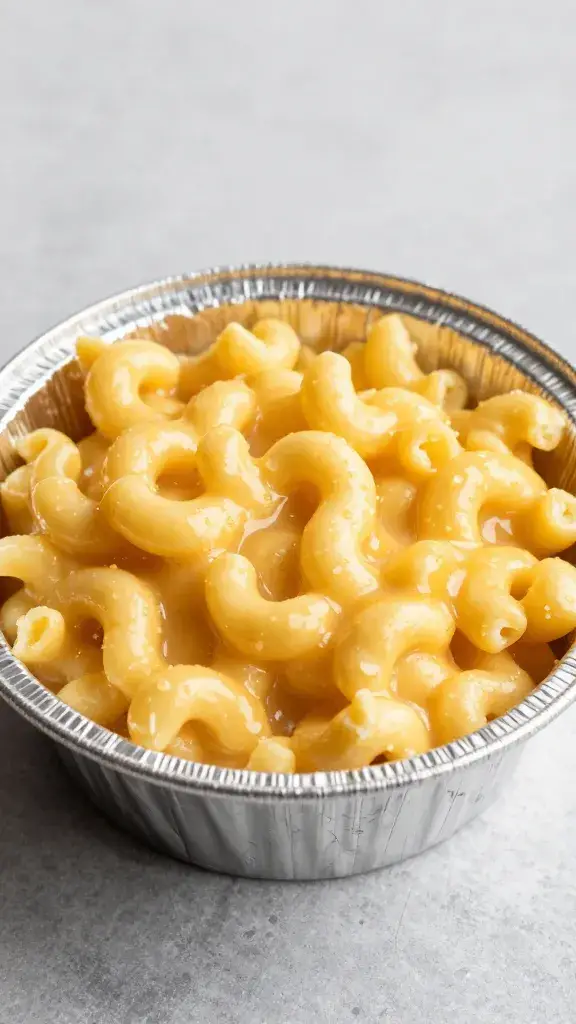
Keep the base seasoning simple and layer flavor on the line. That way picky eaters and heat-lovers both win.
- Rubs: Salt-forward all-purpose for pork and chicken. Peppery sausage needs little more.
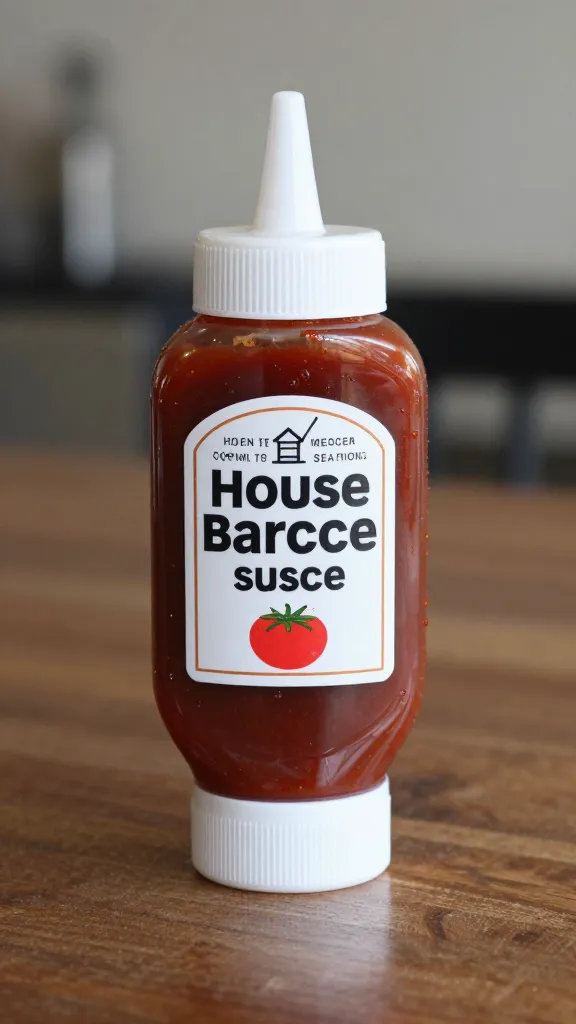
- Sauces: Offer two: a sweet-tangy and a vinegar-forward. Add a fresh herb topper like this chimichurri recipe for grilled chicken or sausage.
- Textural sides: Slaw for crunch, beans for heft, pickles/onions for brightness. Consider a pan of cheesy potatoes if you’re skipping chicken.
Pellet Grill Settings and Wood Choices
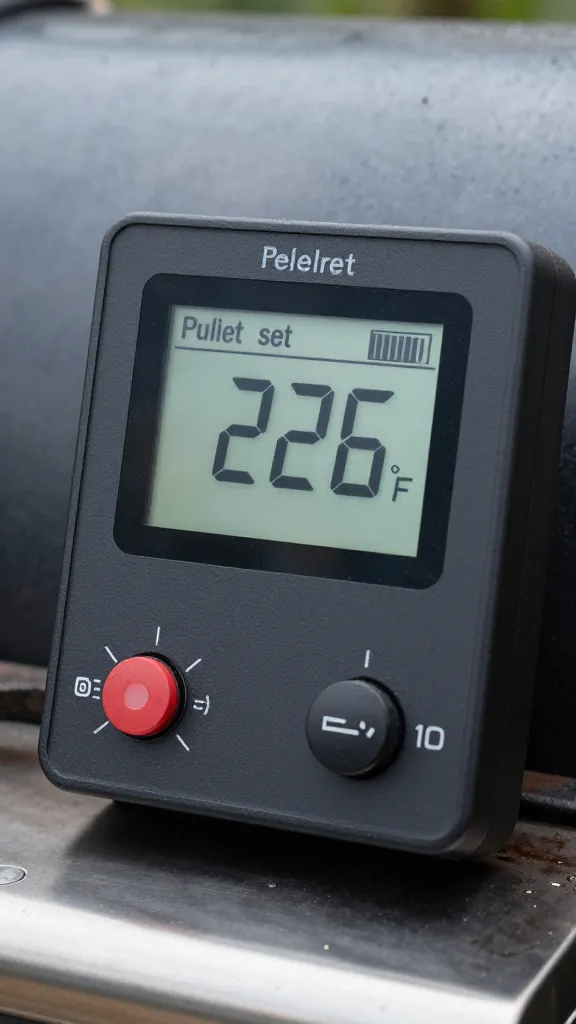
Temps: 225–250°F for shoulders; 250–275°F for chicken; 225–250°F smoke then 300°F finish for sausage if you want snap. Avoid max smoke mode during peak service — it slows recovery when you open the lid.
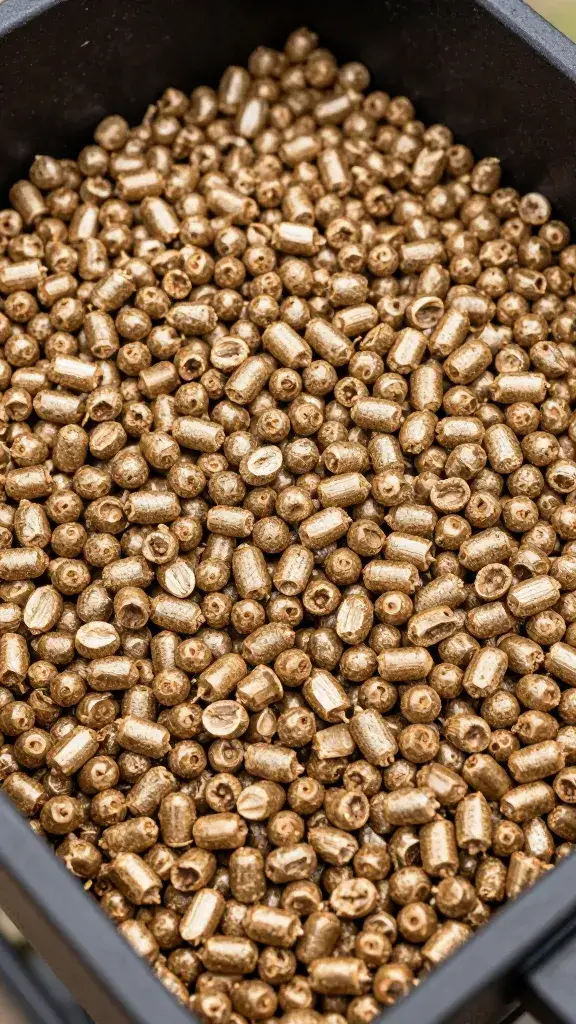
Pellets: Hickory or oak for pork, cherry or apple for chicken, oak for sausage. Blends are consistent and budget-friendly for long cooks.
From My Kitchen: What Actually Works
I’ve cooked for 80–120 on a single 1,000-sq-in pellet grill by finishing pork the day before. The biggest win is cooling the pulled pork flat in shallow pans — it reheats evenly and stays moist with 1/4 cup of reserved juices per pan. I also schedule sausage for 45 minutes before service at 250°F, then hold it covered; slicing right before it hits the tray keeps fat from bleeding out. Finally, if I run both racks, I rotate pans every 30 minutes — the back right corner on my unit runs 10–15°F hotter, and swapping pans evens everything out.
Sample Timeline for a 5 p.m. Serve
- Two days out (evening): Trim/rub pork, mix sauces, chop slaw veg.
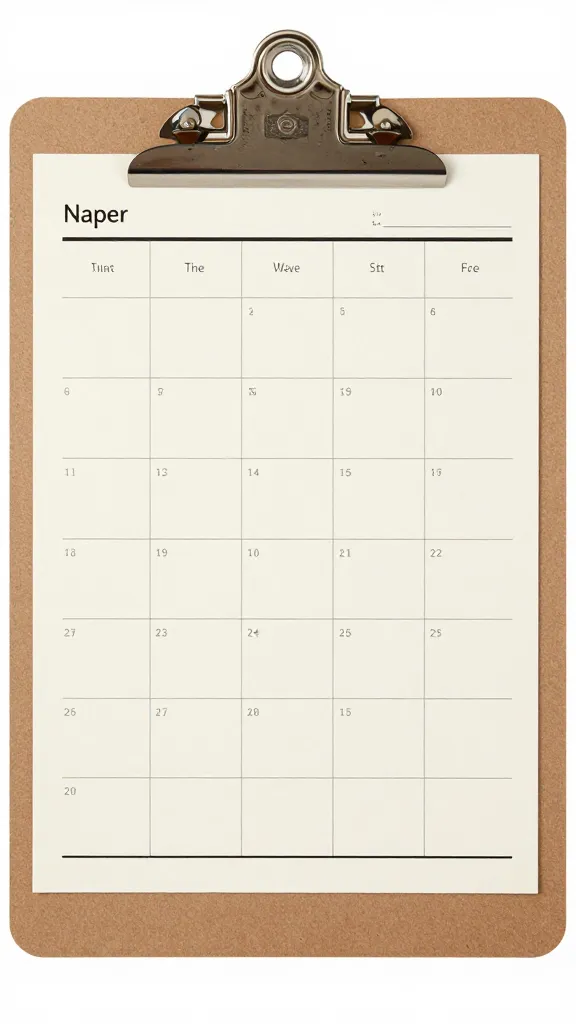
- One day out 4 a.m.: Start pork at 225–250°F. Wrap at stall. Finish 195–205°F. Rest 1–2 hours. Pull, pan with juices, chill.
- Party day 1 p.m.: Reheat pork covered at 275–300°F to 165°F internal. Move to 150–160°F hold.
- 3:30 p.m.: Smoke sausage 225–250°F until 155–160°F internal; hold covered.
- 4:00 p.m.: Cook chicken at 250–275°F to 175–185°F thighs; quick sear if desired. Hold briefly, then tray for 5 p.m.
Common Pitfalls to Avoid
- Overpromising brisket: One brisket won’t feed 100. Make it a highlight, not the menu.
- No hot-hold plan: Without covered pans or an auxiliary oven, service will lag and dry out.
- Big trays on the line: Use smaller pans and refill. Food stays hotter and fresher.
- Skipping rest times: Pork needs the rest to reabsorb juices; rushing leads to dryness later.
Want a fast, make-ahead side that holds beautifully with smoked meats? Try these skillet cowboy beans — they reheat like a dream and stretch your portions.
Frequently Asked Questions
Is using a pellet grill for 100 people realistic without a second cooker?
Yes, if you pick make-ahead proteins like pulled pork and add a fast finisher like sausage. Use your oven or electric roasters for reheating and holding if you don’t have a second grill. The pellet grill handles the smoke work; auxiliary heat handles the crowd.
How much pulled pork do I need for 100 people?
Plan 40–45 lb cooked, which is about 60–70 lb raw shoulder depending on your yield. If you’re also serving sausage or chicken, you can drop to 35 lb cooked and backfill with the second protein.
What temperature should I reheat pulled pork for a crowd?
Reheat covered to 165°F internal in pans at 275–300°F. Hold at 150–160°F and add a splash of reserved juices or cider if it looks dry. Stir every 20–30 minutes on the line.
What’s the best way to serve from a pellet grill at a party?
Stagger service: keep most meat hot-held and bring out small batches. Use buns, two sauces, and a crunchy slaw so people can customize. Assign one person to carve/slice and one to refill pans.
Which pellets work best for pork, chicken, and sausage?
Hickory or oak for pork shoulders, fruit woods like apple or cherry for chicken, and oak for sausage. Blends provide steady burn and a balanced profile when you’re running long cooks.
The Bottom Line
Feeding 100 with a pellet grill is absolutely doable when you choose forgiving proteins, cook the big stuff ahead, and hot-hold like a pro. Build a staggered plan, keep portions moving in small batches, and let sauces and sides do the variety work.
Planning to try this? Save this post so you can find it when you need it — and tag us when you make it.