- Best for: Backyard parties, tailgates, and family reunions
- Make ahead: Yes — 1 to 4 days in advance
- Serves: 50 people with mixed meats and sides
- Key tip: Chill sealed meats in an ice bath before refrigerating for safer, faster service
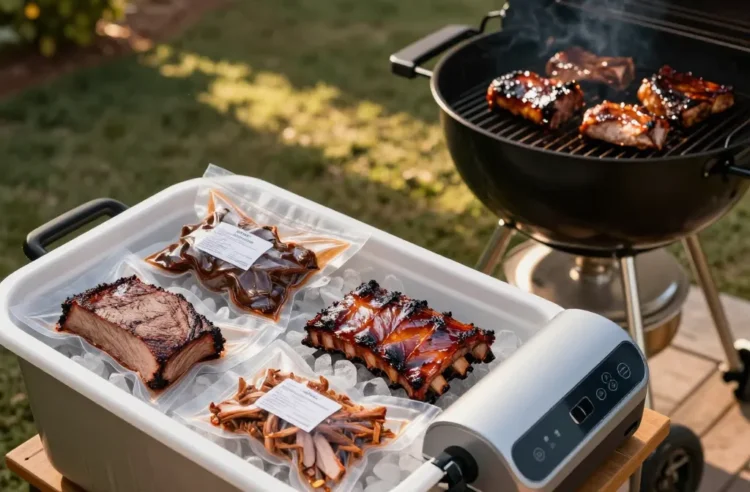
How to Use a Sous Vide to Pre-Cook BBQ for 50 People sounds ambitious, but it’s exactly how caterers pull off tender meat and stress-free timing. With sous vide, you nail doneness days ahead, then finish hot and fast right before serving. No guessing, no dry brisket, and your grill becomes a finishing station instead of a choke point. By the end, you’ll have a step-by-step game plan, time and temp guides, and quantities that work for a 50-person crowd.
Why Pre-Cook BBQ with Sous Vide for a Crowd
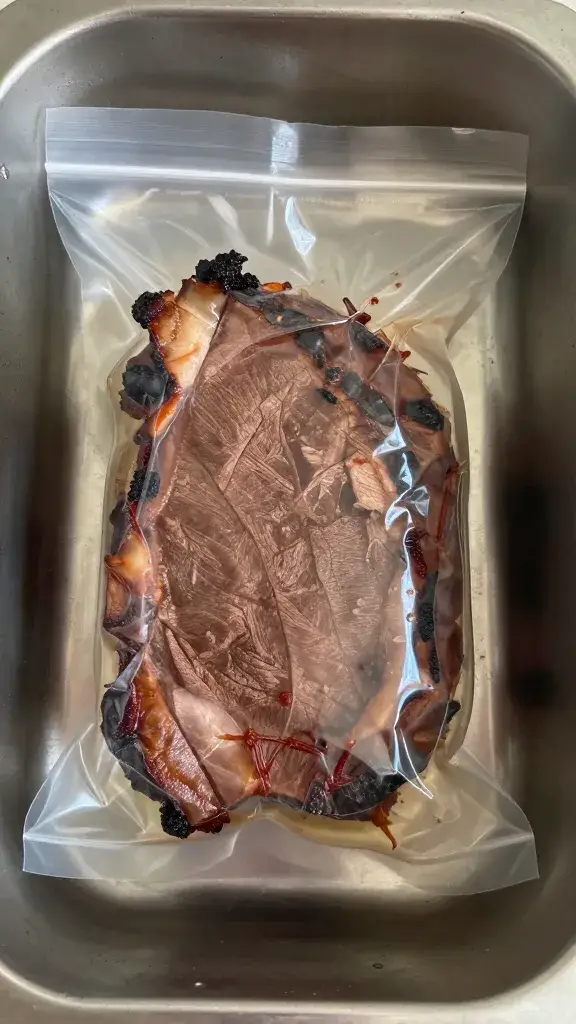
Consistency and timing matter more than anything when feeding 50. Sous vide locks in exact doneness across every bag, so you’re not juggling hot spots or random overcooked ends.
Make-ahead flexibility lets you cook 1–4 days early, chill safely, and reheat/finish in minutes. That frees you to actually host.
Better yield means less shrinkage than oven or smoker-only methods. You keep more juices in the meat, which helps portioning for large groups.
Planning Portions and Menus for 50
Mix cuts so everyone gets what they love without breaking the bank. Aim for 1/2 pound cooked meat per adult when serving multiple proteins and sides.
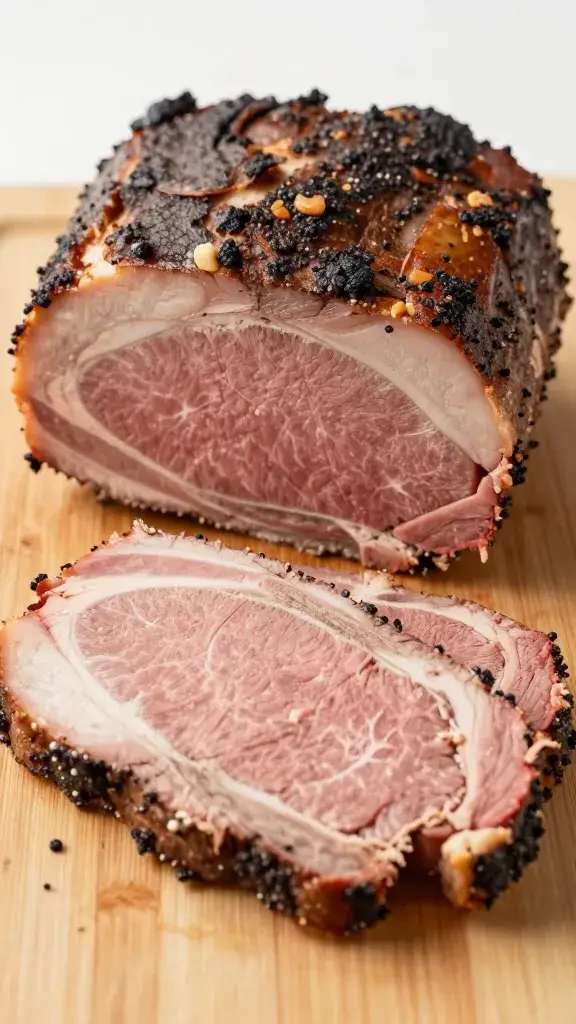
- Brisket (flat and point): 12–14 lb raw total yields ~7–8 lb cooked sliced + burnt ends
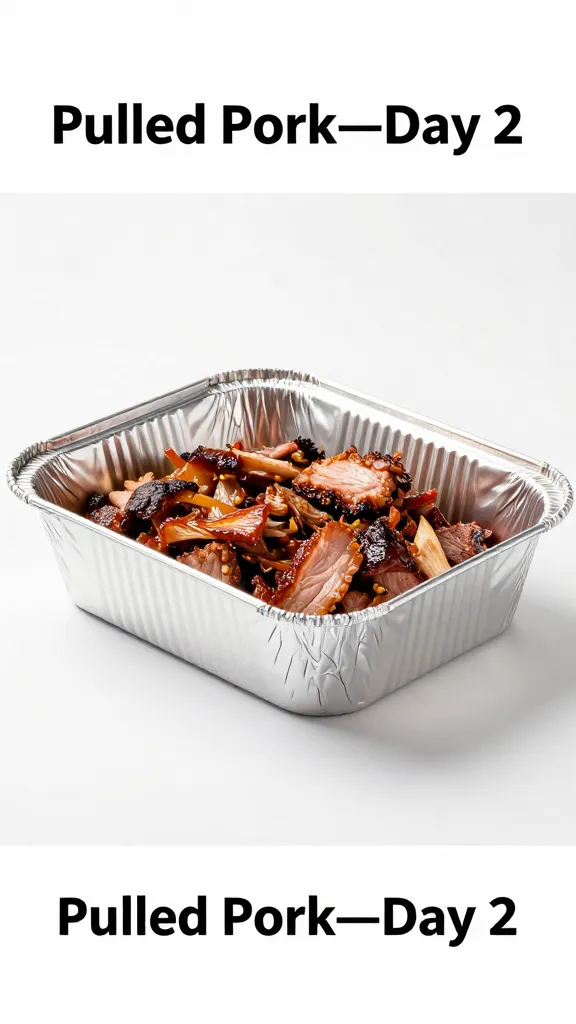
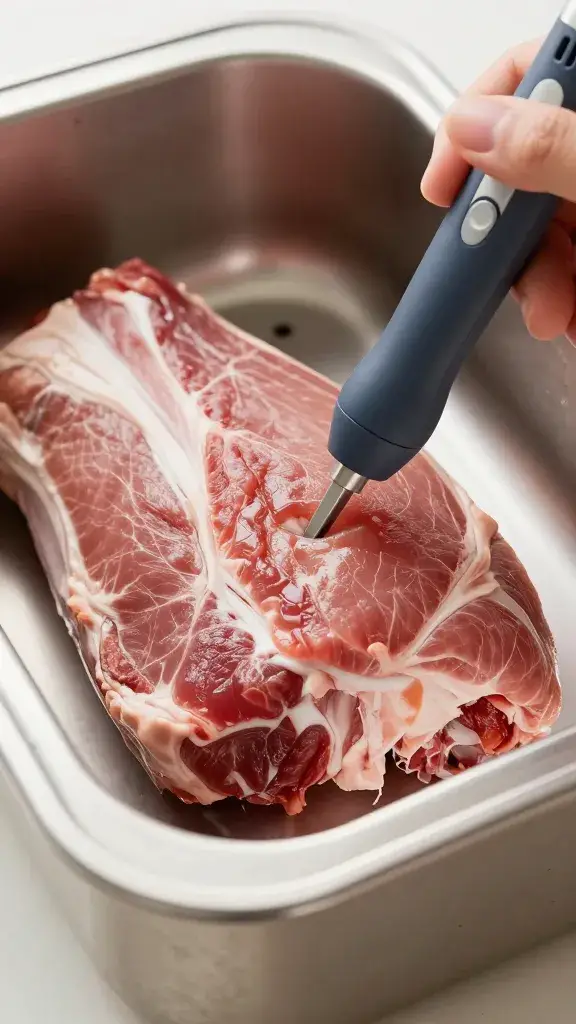
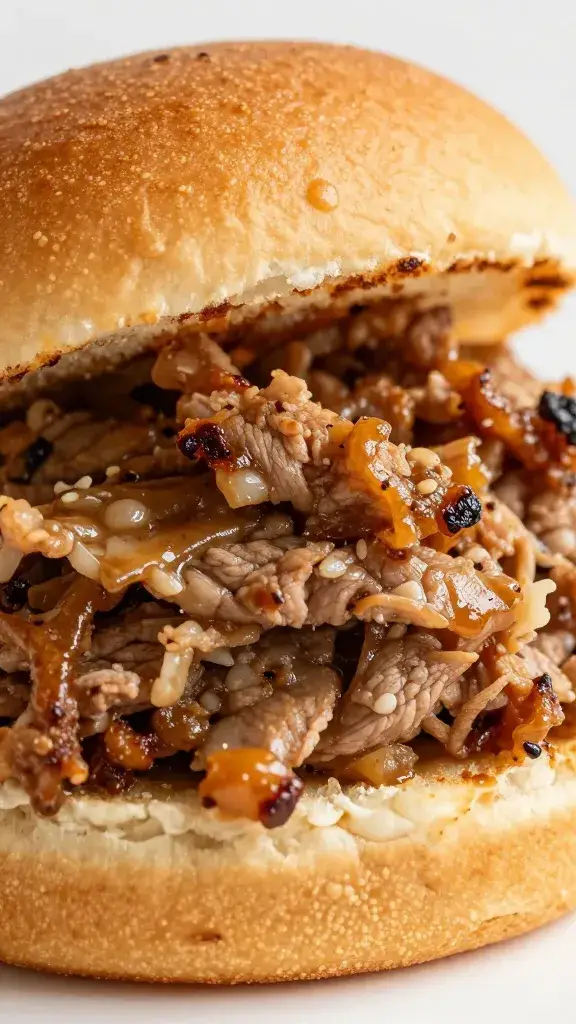
- Pulled pork (shoulder/butt): 18–20 lb raw yields ~10–12 lb cooked, shredded
- Chicken thighs (boneless, skin-on if finishing on grill): 12–14 lb raw yields ~10–11 lb cooked
- Ribs (spares or baby backs): 12 racks for 50 if served as part of a mixed platter
Add two sides, buns/tortillas, and pickles/onions/slaw. Want a bright sauce to cut richness? Try this chimichurri recipe on sliced brisket or chicken.
Sous Vide Time and Temp: The Core Guide
These ranges balance tenderness and texture. Season and bag with your rubs before they go in.
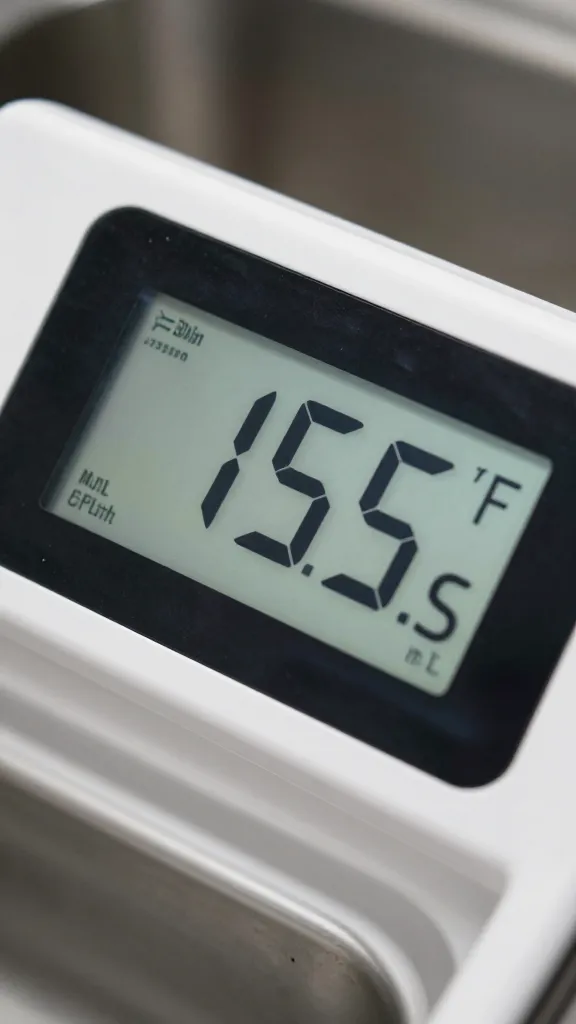
- Brisket: 155–165°F for 24–36 hours. 155°F = sliceable with texture; 165°F = softer, edging toward shreddable.
- Pork shoulder: 165–167°F for 18–24 hours for shreddable pork with bite; or 155–160°F for 24–30 hours for juicy slice/pull.
- Chicken thighs: 160–165°F for 1.5–4 hours. 165°F feels classic; 160°F stays extra juicy if you sear hot to finish.
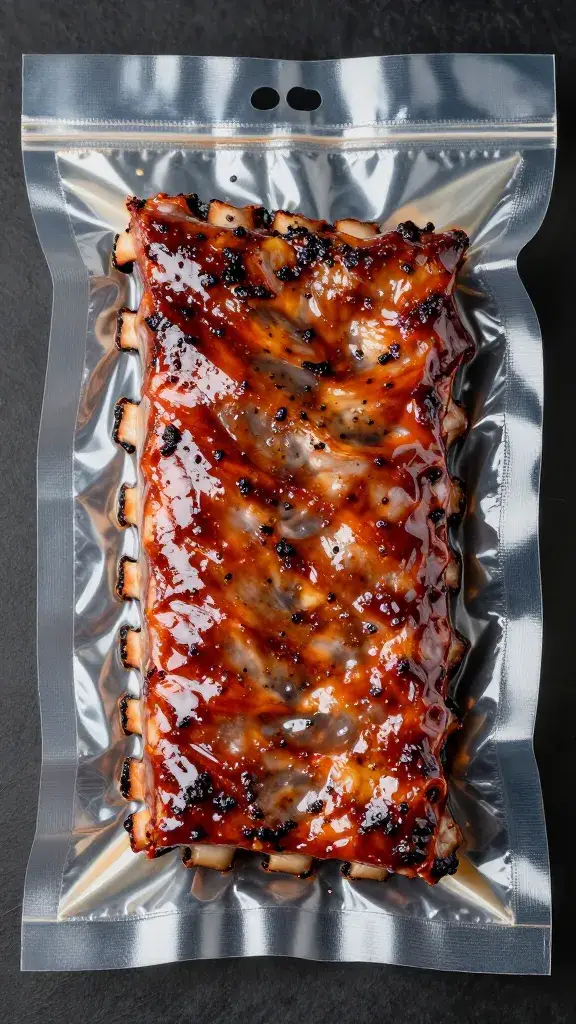
- Ribs (baby backs/spares): 165°F for 12–18 hours. Shorter = more bite; longer = more tender.
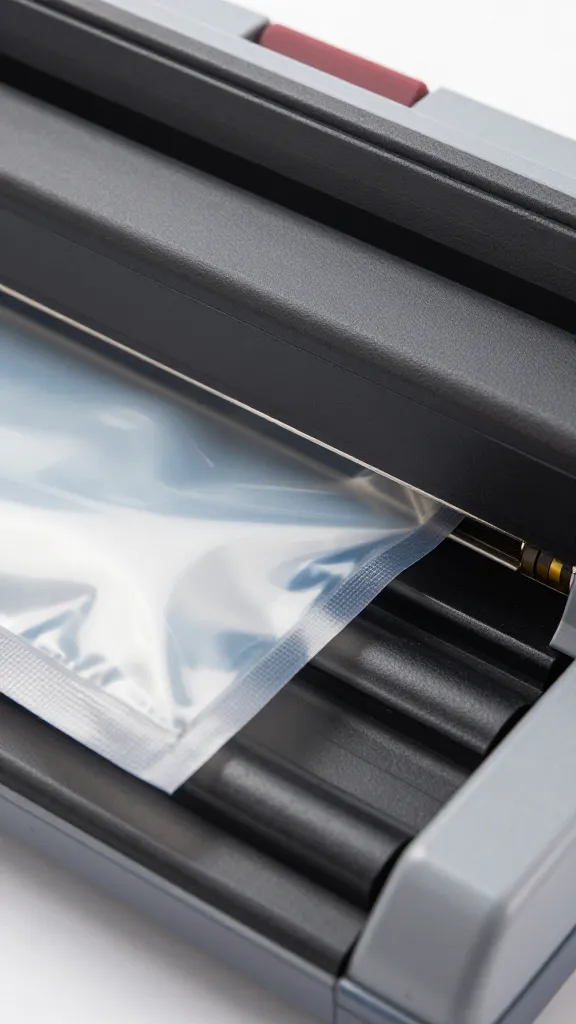
Bagging tips: Keep bags single layer, avoid bone punctures (use parchment between bones and bag), and label each with cut, temp, start time.
Rub, Smoke, and Sauce Strategy
Rub before sous vide to build flavor throughout. Salt 0.75–1% of raw meat weight, then add your rub.
Smoke flavor options: You can smoke either before or after sous vide. After is easiest on event day.
Option A: Smoke After Sous Vide
Finish on the smoker at 250–300°F for 45–90 minutes to set bark and add fresh smoke. This works brilliantly for brisket and ribs.
Option B: Smoke Before, Then Bag
Smoke at 180–200°F for 1–2 hours, chill, then bag and sous vide. The water bath won’t wash off smoke; it melds in. Finish with a quick high-heat sear or a short smoke touch-up.
Sauce on the side. Brush a thin layer in the last 10–15 minutes if you want glaze, but let guests add more. For a vinegar kick on pulled pork, keep a tangy mop ready. For something herby, pair with this cilantro-lime sauce.
Workflow: Make-Ahead Schedule for 50
- 4–5 days out: Shop. Trim brisket, portion pork shoulders, and mix rubs. Set labels.
- 3–4 days out: Season and bag large cuts. Start brisket and pork shoulder in batches if needed. Keep the bath covered.
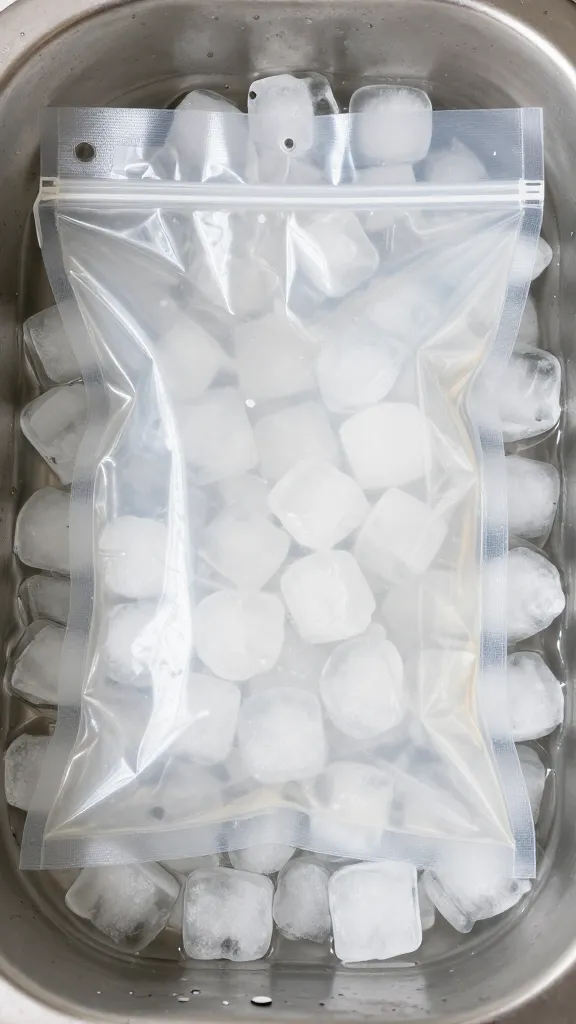
- 2–3 days out: Finish sous vide on first batches. Shock in ice bath 30–45 minutes until under 40°F, then refrigerate.
- 1–2 days out: Sous vide ribs and chicken. Chill and refrigerate.
- Event day morning: Preheat smoker/grill/ovens. Prepare finishing glazes and holding pans. Make sides and slaws.
- 1–2 hours before serve: Reheat sealed bags in a 150–160°F bath for 20–45 minutes (depending on thickness) or in a covered pan with a splash of stock. Then finish on smoker/grill for bark and color.
- Service: Slice brisket across the grain, pull pork, glaze ribs, and sear chicken thighs skin-side down to crisp.
Food Safety and Holding for Crowds
Chill fast. After sous vide, go straight from bath to an ice bath (half ice, half water) until the core is below 40°F. Then refrigerate at 34–38°F.
Reheat properly. Keep sealed to reheat, then open and finish hot to at least 145°F internal for red meats and 165°F for poultry when serving mixed-crowd buffets.
Hold safely. Use chafers at 145–160°F or insulated cambros. Add a little reserved juice to pans to prevent drying.
Finishing Methods That Scale
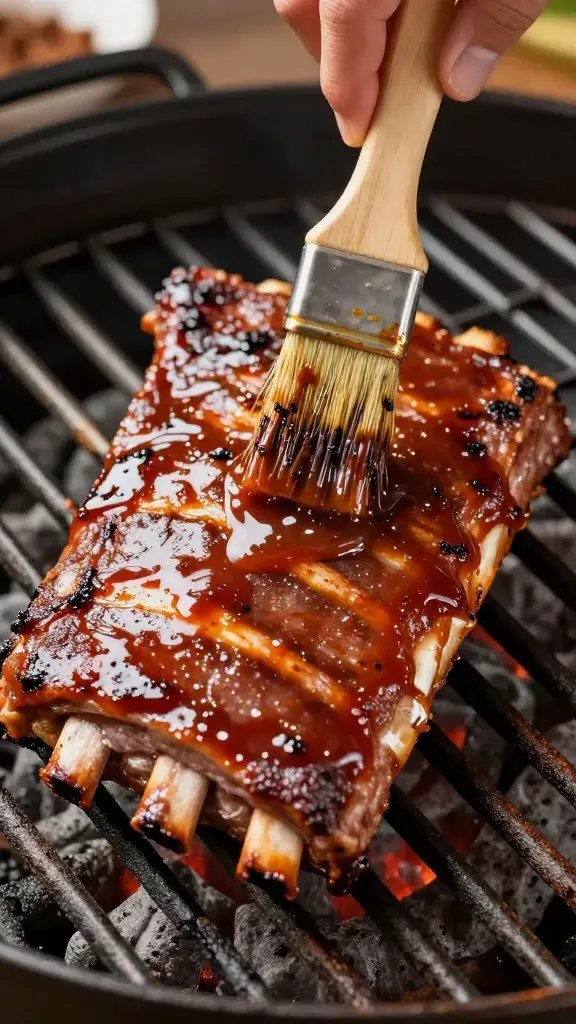
You’ve done the hard part. Now choose the right finishing tool for your space and weather.
- Smoker/Grill: Best flavor and bark. Run 275–325°F. Use wood chunks (oak, hickory, apple) and keep vents steady.
- Oven Broiler: Great for chicken skin and quick rib glaze. Watch closely — 2–5 minutes is plenty.
- Hot Gas Grill + Plancha/Griddle: Fast sear for chicken and pork. Add a touch of oil and don’t crowd.
- Torch (as supplement): Useful for touch-ups on fat caps after a short oven run.
From My Kitchen: What Actually Works
I’ve tested brisket at 155°F, 160°F, and 165°F for events, and 160°F for 30 hours hits the sweet spot: tender slices that don’t crumble when held hot for service. For pulled pork, I bag a splash (2–3 tablespoons per shoulder) of apple cider vinegar before the bath; it brightens the final shred without tasting sour. When scaling to 50, I reduce salt in the rubs to 0.75% of raw weight because evaporation during finishing concentrates it — full 1% can run salty after smoke. I always chill bags flat, then reheat flat; they rewarm evenly in 25–30 minutes instead of 45. Finally, I separate point and flat on brisket before finishing — the point gets cubes and extra glaze for “burnt ends,” which stretch portions and make everyone happy.
Troubleshooting Common Pitfalls
- Mushy bark after sous vide: Chill, reheat sealed, then finish uncovered at higher heat (300–325°F) for 20–30 minutes to reset crust.
- Bags floating: Use a rack or weights, or add a few stainless spoons inside a secondary bag to sink them.
- Watery juices: Reduce collected bag juices on the stove with a spoon of butter and a splash of vinegar; use to moisten pulled meats.
- Dry slices at service: Hold sliced brisket in a pan with 1/2 cup reduced juices, covered, at 150–160°F.
Frequently Asked Questions
Can I make sous vide BBQ for 50 people ahead of time?
Yes. Cook 1–4 days in advance, then chill sealed in an ice bath and refrigerate. Reheat sealed, then finish on the smoker or grill just before serving.
What’s the best sous vide temperature for brisket when feeding a crowd?
Go 155–165°F for 24–36 hours. For balanced tenderness and sliceability, 160°F for ~30 hours works well for buffet service without crumbling.
How do I reheat sous vide meats safely on event day?
Keep them sealed and reheat in a 150–160°F bath until hot in the center, usually 20–45 minutes. Then unbag, pat dry, and finish hot to set bark or crisp skin.
Can I freeze sous vide BBQ after cooking?
Yes. Chill in an ice bath, then freeze in the same sealed bags for up to 2 months. Thaw overnight in the fridge and reheat sealed in a 150–160°F bath before finishing.
How many pounds of meat do I need for 50 people?
Plan about 1/2 pound cooked meat per person when serving multiple proteins and sides. For mixed menus, that’s roughly 12–14 lb cooked total, which means 30–40 lb raw across brisket, pork shoulder, chicken, and ribs.
Should I sauce ribs before or after sous vide?
After. Finish ribs on the smoker or grill, then glaze in the last 10–15 minutes to set. Keep extra sauce on the side so guests can customize.
The Bottom Line
Sous vide turns big-BBQ stress into a make-ahead plan you can trust, then the smoker or grill brings the fire-kissed finish. Cook days early, chill safely, reheat sealed, and finish fast — your line moves, your meat stays juicy, and you get to enjoy the party.
Planning to try this? Save this post so you can find it when you need it — and tag us when you make it.