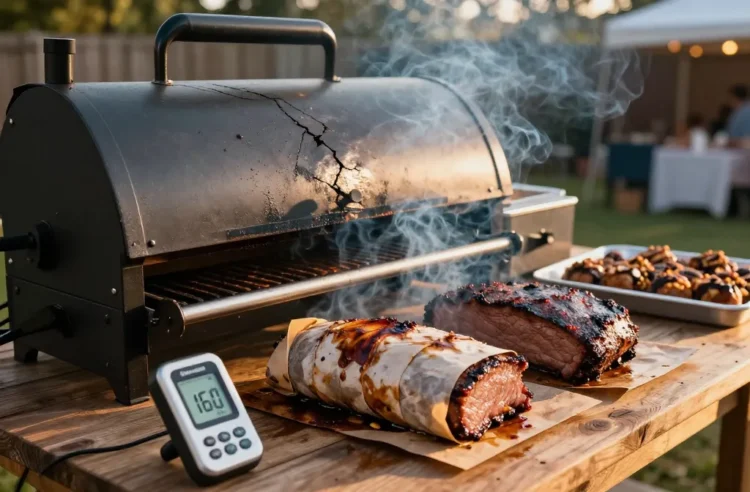
- Best for: Backyard parties, tailgates, and family reunions
- Make ahead: Yes — smoke a day ahead, rest, and reheat
- Serves: 50 people with 2 whole packer briskets or 4–5 pork shoulders
- Key tip: Wrap at the first sign of the stall to control timing
The Science of the Stall When Smoking Meat for 50 People can feel like a boss battle. Your brisket hits 150°F and… nothing. Hours pass, the thermometer mocks you, and guests are arriving at six. Here’s the good news: the stall is predictable, explainable, and manageable. In this guide you’ll learn exactly why it happens, how to beat it, and how to plan a rock-solid timeline for feeding a crowd.
What Causes “The Stall” — And Why It’s Worse for Crowds
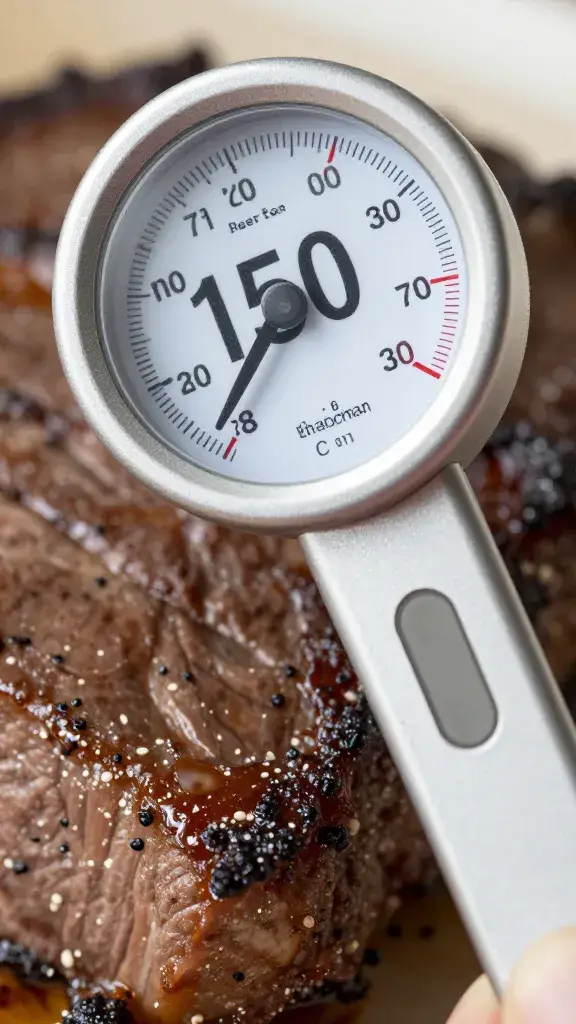
The stall is a plateau in internal temperature, usually between 150–170°F, where big cuts seem to stop cooking. It happens because of evaporative cooling: moisture at the meat’s surface evaporates and carries heat away, roughly matching the heat input from your smoker.
Scaling up for 50 people means more total meat mass and longer cooks. More surface area equals more evaporation, which can prolong the stall by hours if unplanned. Long cooks also magnify small issues like draft swings, door peeking, and unstable fire.
The Physics, Short and Sweet
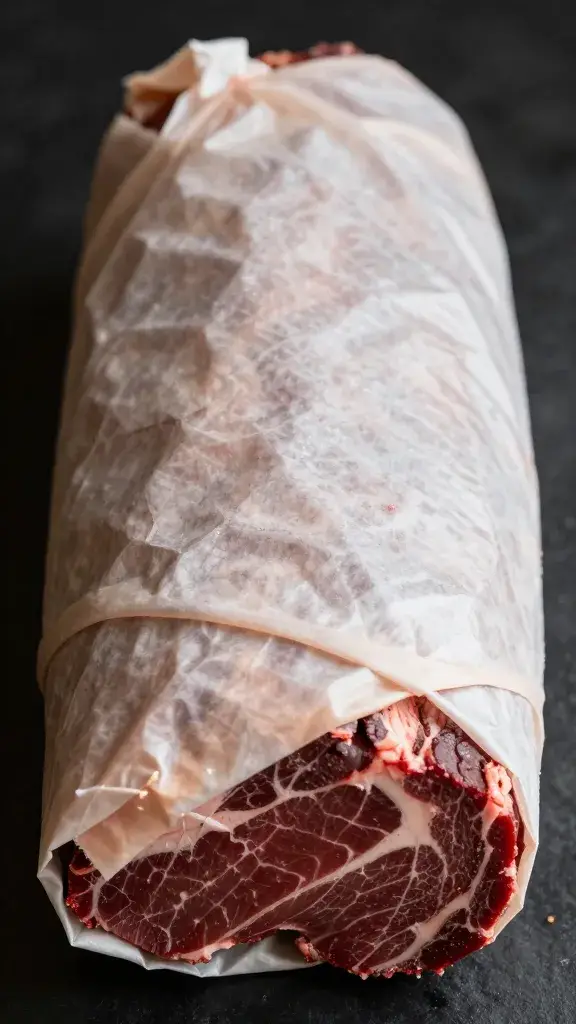
Think of the stall like sweat. As the meat heats up, it “sweats” moisture that cools the surface. That evaporation rate can match your smoker’s heat energy, leveling the temp. The only ways through are: reduce evaporation, add heat, or wait it out.
Three proven levers help you regain control: wrapping (reduces evaporation), raising pit temp (adds heat), and timing and resting (builds buffer so you don’t rush).
Planning the Cook for 50 People
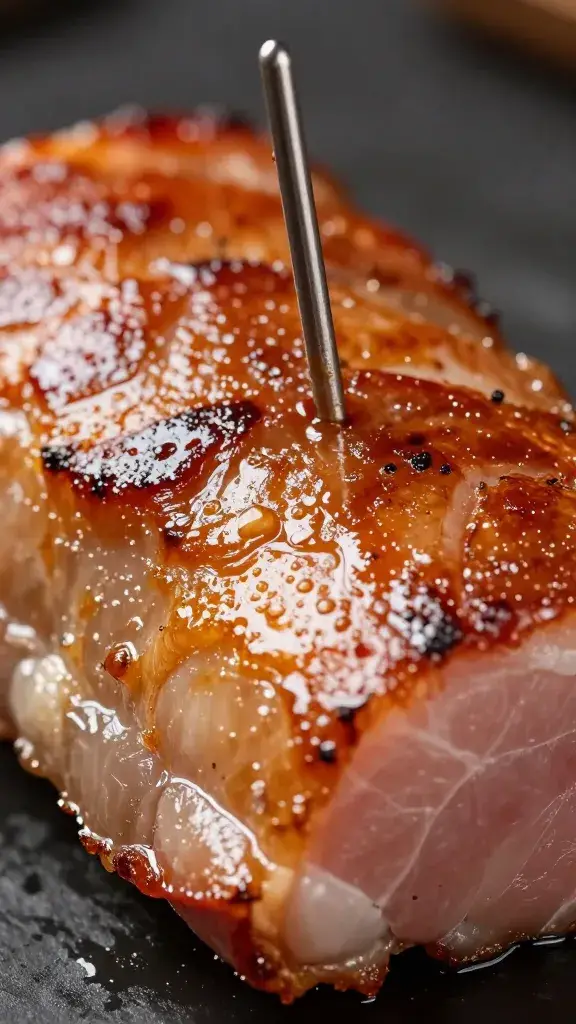
Serving 50? You’ll likely choose brisket, pork shoulder, or both. Plan on 1/2 pound cooked meat per adult, or 3/4 pound for hearty eaters. Yields run about 50–60% after trimming and cooking.
- Brisket: Two 14–16 lb packers feed ~45–55 with sides.
- Pork shoulder: Four 8–10 lb butts feed ~45–55 with buns and slaw.
- Mixed: One packer plus two butts comfortably serves 50.
Build a cushion. Aim to finish 3–5 hours early, then hold hot. A long rest improves texture and lets you glide past any stall surprises.
Beating the Stall: Wrap, Temp, and Timing
When to Wrap
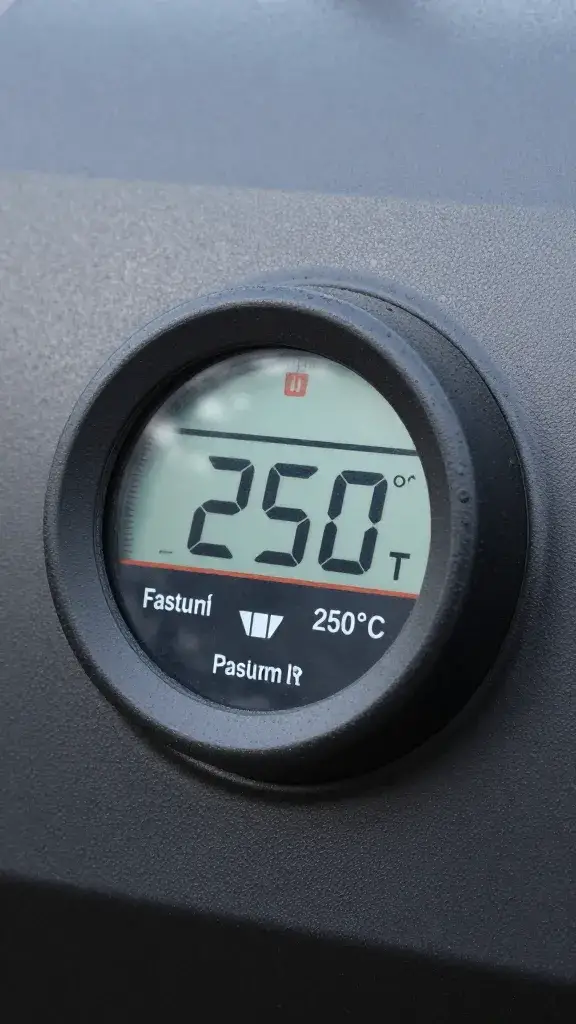
Wrap when the bark is set and the internal temp is in the early stall, typically 155–165°F. The bark should feel dry, not muddy, and resist a light finger press.
- Butcher paper: Preserves bark, speeds the cook moderately.
- Foil (Texas crutch): Fastest through the stall, softens bark slightly.
- Boat method: Foil “boat” under brisket, open on top to protect fat cap while keeping bark.
Adjusting Pit Temperature
Running 225°F is fine for small cooks, but for crowds, 250–275°F gives you margin. After wrapping, you can safely bump to 275°F without drying the meat because evaporation is reduced.
Know Your Targets
- Brisket: Probe tender around 200–205°F in the flat; go by feel, not number.
- Pork shoulder: Shreds easily around 203–208°F; bone should wiggle clean.
Step-by-Step Timeline for a No-Drama Service
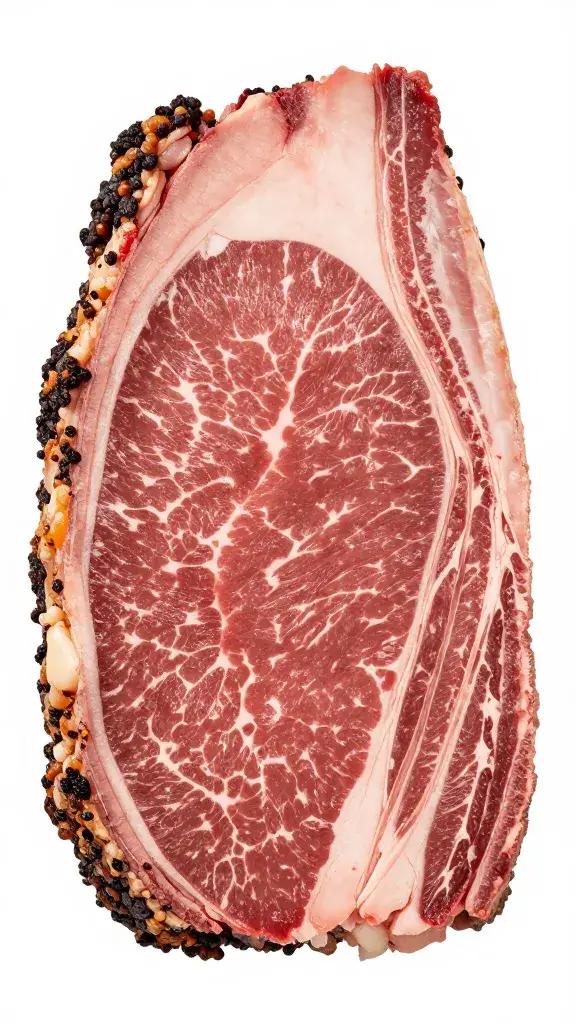
- Two days out: Trim briskets/butts; dry brine with 0.7–1.0% salt by weight. Refrigerate uncovered for better bark.
- Night before: Lightly oil, season, and preheat smoker to 250°F. Put meat on by 9–10 p.m. for next-day dinner service.
- Overnight: Maintain clean smoke. Avoid opening the lid. Use a water pan if your pit runs dry.
- Morning: Around 155–165°F internal, wrap. Increase pit to 265–275°F.
- Midday: Start probing at 198°F. Pull when probe slides like warm butter.
- Rest: Vent steam for 3–5 minutes, then wrap tight and hold in a 150–165°F warming drawer or a cooler with towels for 3–6 hours.
- Service: Slice brisket across the grain at the last minute; pull pork and mix juices.
Moisture Management: Bark vs Juiciness for 50 People
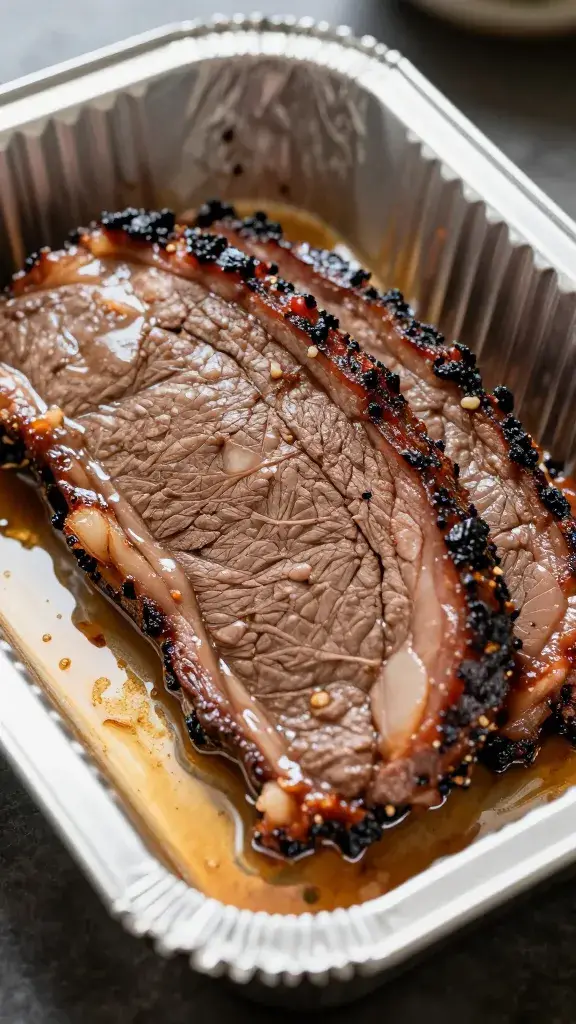
For a crowd, consistent slices and juicy shreds matter more than chasing the crunchiest bark. Wrapping earlier favors juiciness and predictability. Holding long in a hot box re-distributes juices and evens texture across multiple roasts.
- Spritzing: Use sparingly. Over-spritzing prolongs the stall. Limit to once or twice pre-wrap if the surface looks dry.
- Fat orientation: On offsets, fat cap up shields the flat from radiant heat; on verticals, fat cap down often works better.
- Drip pans: Catch juices for re-glazing pulled pork or brushing slices.
Tools That Make the Stall a Non-Issue
- Dual-probe thermometer: One probe for pit, one for meat. Wireless makes overnight cooks sane.
- Shelter and fuel: Wind and rain increase evaporative cooling. Shield your pit and stock extra fuel.
- Holding gear: An insulated cooler with towels, a cambro, or an oven set to 160°F buys you hours.
- Sharp slicing knife: A long slicer makes brisket service smoother and faster.
Menu Pairings That Ease the Timeline
Round out the menu with sides that can be made ahead and hold well. Bright, acidic sauces also balance rich smoked meats.
- Make-ahead slaws and beans that reheat beautifully
- Pickles and quick-pickled onions for punch
- Herb sauces like this chimichurri recipe to cut through fattiness
- Soft rolls or tortillas for speed at the buffet
Want a crowd-friendly rub that works on both brisket and pork? Try the blend in this all-purpose barbecue dry rub and scale it up with confidence.
From My Kitchen: What Actually Works
I plan to be at wrap no later than 10 a.m. for a 6 p.m. service. If the bark isn’t set by 160°F, I wait another 30 minutes, then wrap anyway and accept a slightly softer crust. I’ve tested 225°F vs 275°F after wrapping on briskets side-by-side; the 275°F brisket finished 90 minutes earlier with no moisture penalty once rested 3 hours. For pulled pork, I intentionally overshoot to 206–208°F, then hold 4 hours — it pulls cleaner and tastes richer from the melted collagen. Salt-wise, I scale everything linearly but cap total salt at 0.9% of raw meat weight; above that, it reads too salty after the hold.
Frequently Asked Questions
What is the stall when smoking meat, and how long does it last?
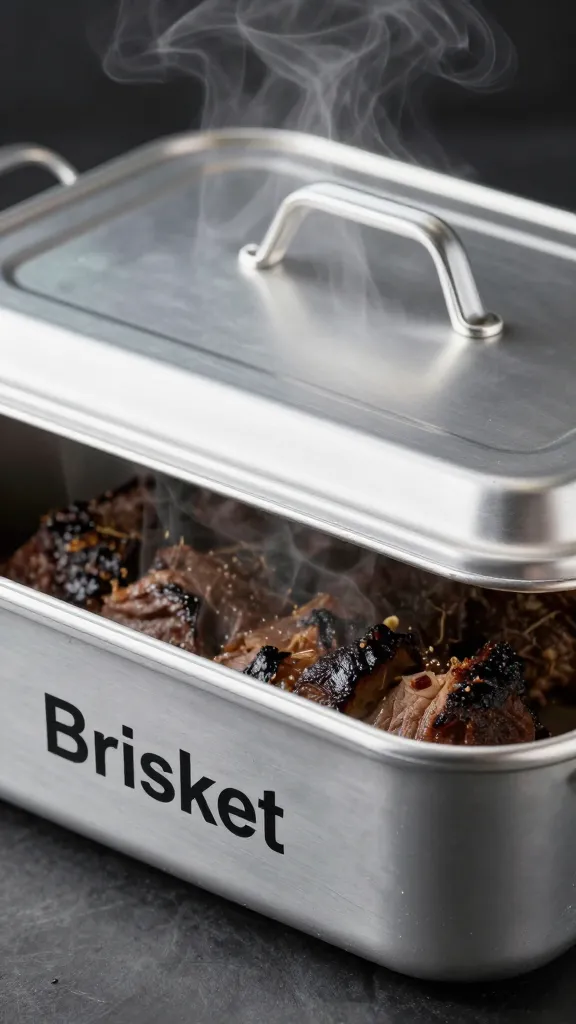
The stall is a temperature plateau around 150–170°F caused by evaporative cooling. It can last 1–4 hours depending on pit temp, humidity, and meat size. Wrapping and raising pit temp shorten it dramatically.
How do I handle the stall when smoking meat for 50 people?
Start early, wrap at 155–165°F, and cook at 250–275°F. Build a 3–5 hour holding window so you’re serving on your schedule, not the stall’s. Use a cambro or insulated cooler to hold hot.
Should I wrap brisket during the stall or wait it out?
Wrap when the bark is set to control timing for a crowd. Butcher paper keeps better bark; foil is faster. If you have a long rest planned, foil’s speed advantage often wins for events.
What internal temperature should brisket and pork shoulder reach?
Brisket is typically done when probe-tender around 200–205°F in the flat. Pork shoulder pulls best around 203–208°F with a bone that wiggles free. Always validate with feel, not just numbers.
Can I make smoked meat ahead of time for a party?
Yes. Smoke a day ahead, chill whole (still wrapped), then reheat at 250°F to 140–150°F internal and hold. Slice or pull right before serving and re-incorporate collected juices.
What if my stall is taking forever?
Confirm pit temp with a reliable probe, then wrap (or re-wrap tighter) and increase pit to 275°F. Reduce spritzing and shield the cooker from wind. If timing is tight, start your hold as soon as it’s probe-tender.
The Bottom Line
The stall isn’t a mystery; it’s physics. Plan your timeline, wrap with intention, cook a touch hotter, and use a long, hot rest to turn a crowd-sized smoke into a predictable, delicious service.
Planning to try this? Save this post so you can find it when you need it — and tag us when you make it.