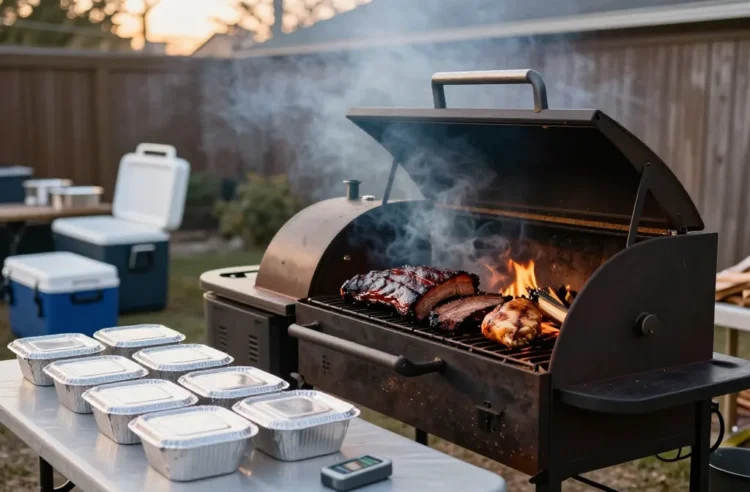
- Best for: Backyard parties, graduations, tailgates, and church events
- Make ahead: Yes — smoke meats 1–2 days ahead; reheat with broth
- Serves: 50 people (mix of brisket, pork, and chicken)
- Key tip: Build clean heat with small splits and steady airflow — not big logs
Using an Offset Smoker for 50 People sounds ambitious, but it’s absolutely doable with the right plan. The pit becomes easy to manage when you break it into fuel, timing, and workflow. You’ll learn how much meat to buy, when to start, and how to keep temps steady without babysitting every minute. By the end, you’ll have a realistic, step-by-step game plan for smooth, scalable barbecue.
Plan Your Menu and Quantities
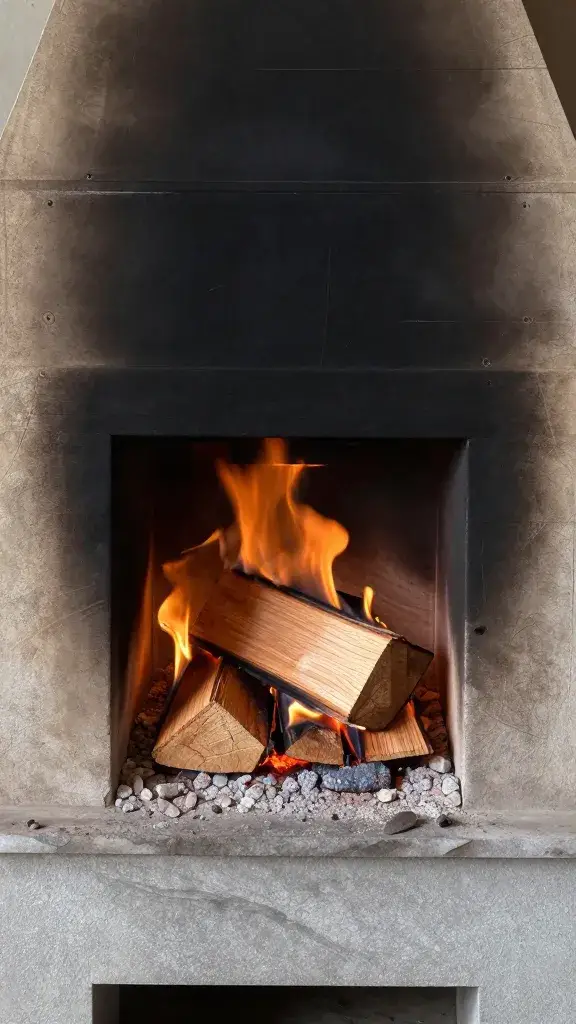
Start by choosing cuts that forgive timing swings and reheat well. Brisket, pork butt, and chicken thighs are reliable. Ribs are great as an add-on, but they require more space and attention.
- Meat math (cooked, trimmed yield): Brisket ~50–60%, Pork butt ~55–65%, Chicken thighs ~70–75%.
- Per-person targets: Adults 1/2 lb cooked total; kids 1/3 lb. For mixed platters, plan 1/4 lb beef + 1/4 lb pork per adult.
- Buy list for 50: 35–40 lb raw brisket (2–3 packers), 35–40 lb raw pork butt (4–6 butts), 20–25 lb chicken thighs (optional add).
Want a bright, herby sauce that boosts everything on the platter? Pair the rich meats with this chimichurri recipe for a fresh counterpoint.
Timeline: When to Start Smoking
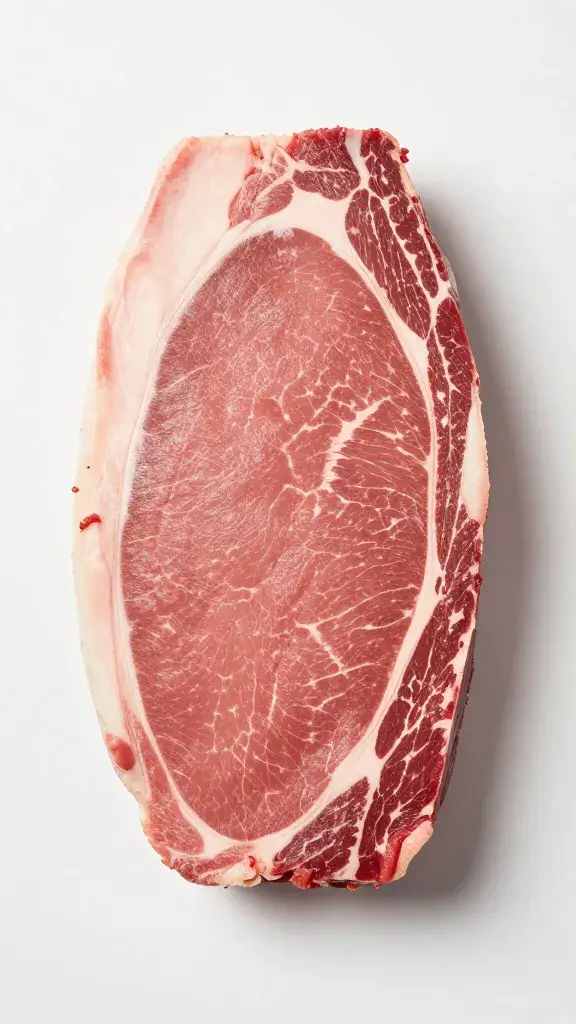
Large cuts don’t care about your schedule — give them margin. Brisket and pork can be finished early, rested, and held hot without losing quality.
- 48–24 hours out: Trim briskets and butts. Salt lightly (0.75–1% by weight) and refrigerate. Mix rubs and label pans.
- Night before (8–12 hours): Light the offset, stabilize at 250–275°F. Put butts on first; start briskets 2–3 hours later.
- Morning of: Wrap when bark sets and internal hits 165–175°F. Add chicken 2–3 hours before service.
- 3–1 hours before service: Finish to probe-tender (brisket/pork ~200–205°F). Rest wrapped in a dry cooler with towels.
- Service: Slice brisket right before serving. Pull pork just before plating to keep it juicy.
Fire Management on an Offset for a Crowd
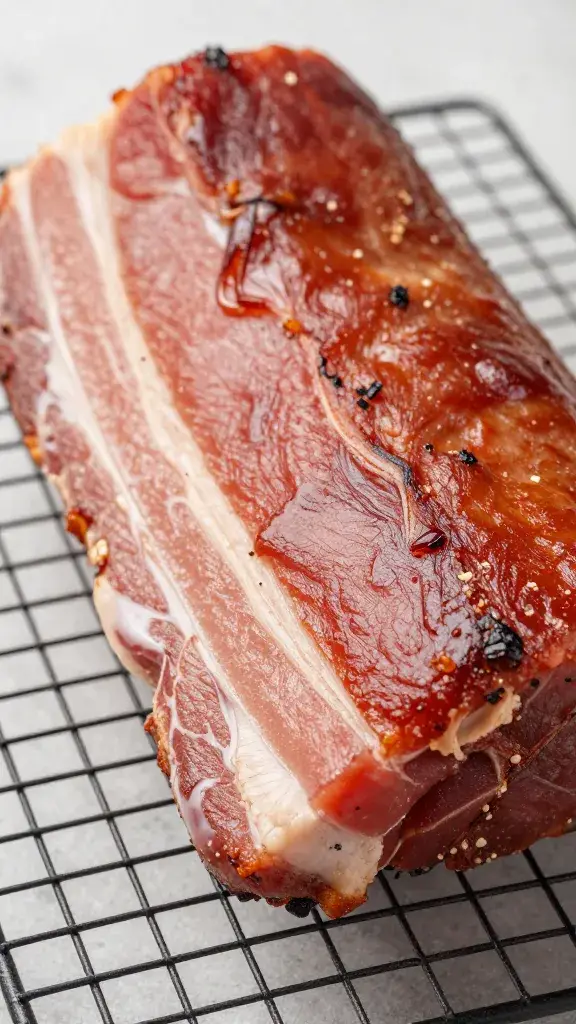
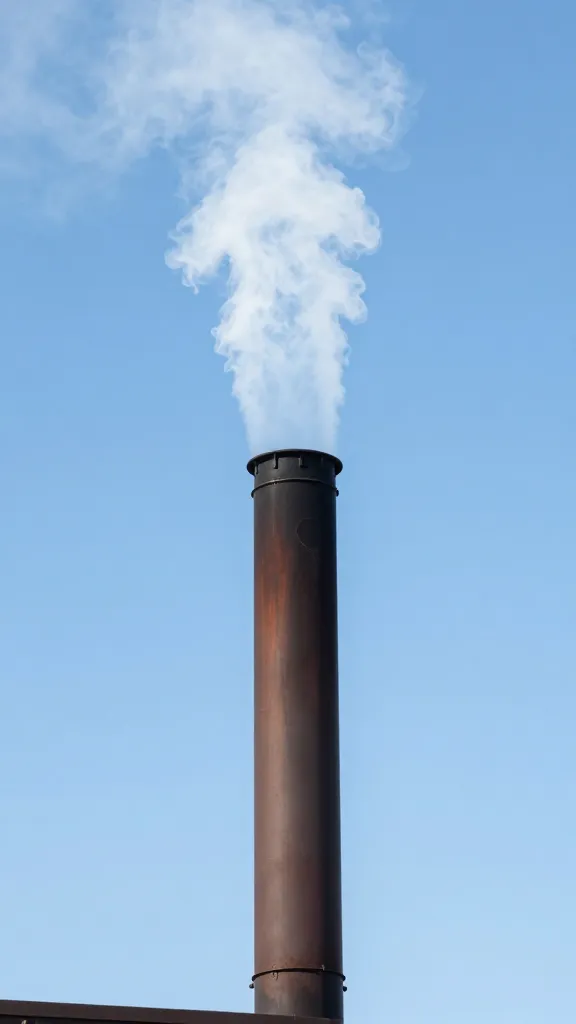
Consistent heat beats perfect heat. Aim for clean blue smoke, not white billows. Thin, almost invisible smoke means efficient combustion.
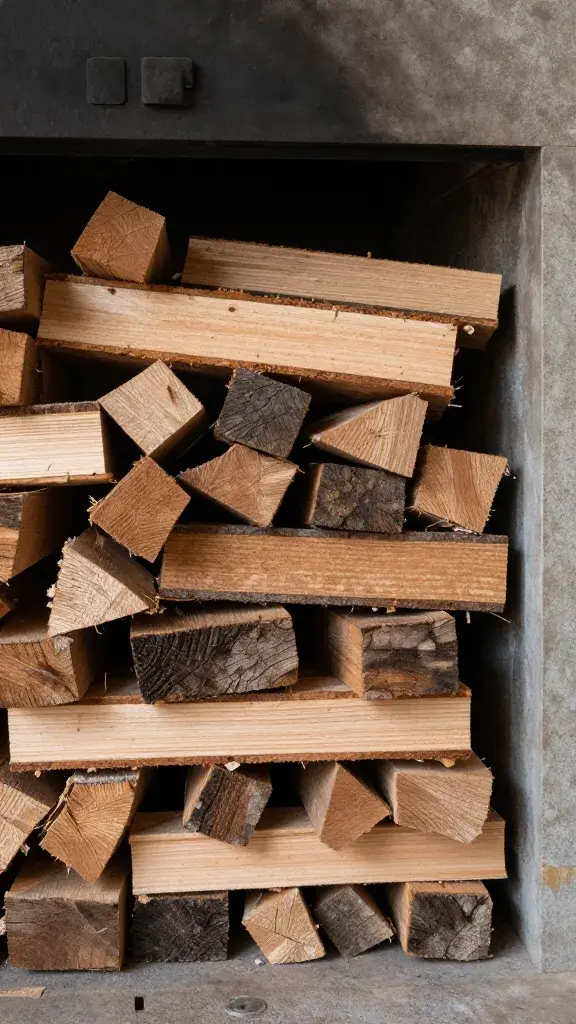
- Fuel: Use seasoned post oak, hickory, or pecan. Split to wrist-size. Pre-warm splits on the firebox.
- Airflow: Keep exhaust wide open. Control temps with the fire size and intake, not by choking the stack.
- Feed rate: Add a small split every 30–45 minutes at 275°F. If temps dip, add one split and crack the door briefly.
- Clean fire: If smoke turns gray, open intake, add a small split, and let it catch fully before closing.
Target pit temp: 250–275°F for big cuts; chicken can ride at the same temp on the hot side. This range gives good bark without dragging the timeline.
Rack Space, Rotation, and Wrapping
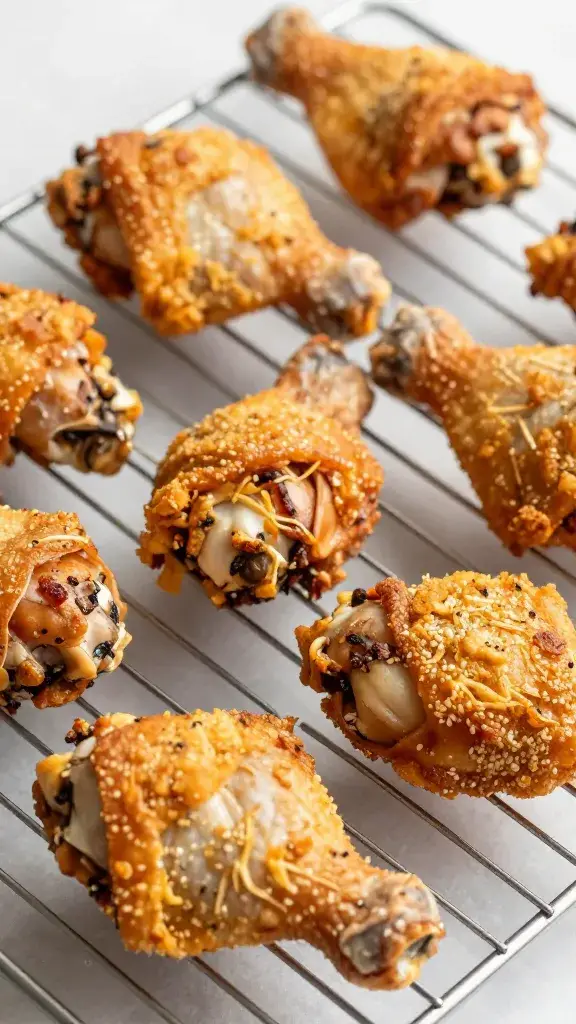
Load the pit so air can flow around each piece. Leave gaps between meats; overcrowding creates bitter, steamy bark.
- Placement: Briskets flat-side toward the hotter zone, point toward cooler. Pork butts in the middle. Chicken on the hot side last.
- Rotation: Swap positions front-to-back every 2–3 hours if your pit runs uneven. Rotate briskets, then butts.
- Spritz: After the bark sets (~3 hours), spritz every 60–90 minutes with water/apple cider vinegar to prevent bark scorching.
- Wrap timing: When bark is set and fat renders on the surface, wrap in pink paper for drier bark or foil for faster finish and juicier slices.
Seasoning, Bark, and Doneness Cues
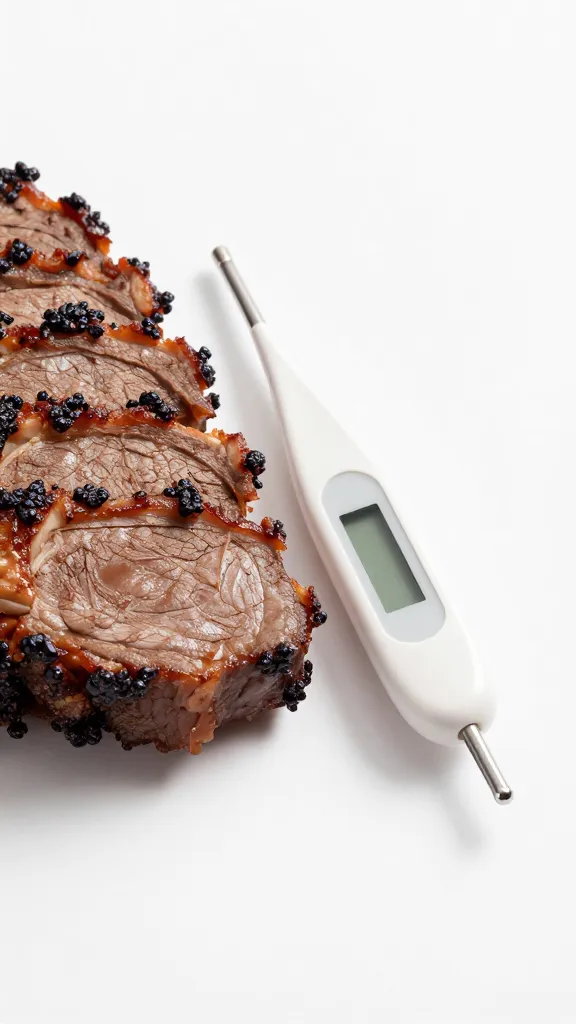
For scale, keep rubs simple. Salt, pepper, and a touch of garlic/onion let the smoke lead. Sweet rubs can scorch at higher temps.
- Brisket rub: 50/50 kosher salt and 16-mesh black pepper; optional 10% granulated garlic.
- Pork butt rub: Salt, pepper, paprika, garlic, onion; optional 5–10% brown sugar.
- Chicken: Salt-forward rub; light oil; finish with glaze in the last 10 minutes if desired.
Doneness: Don’t chase numbers alone. Brisket and pork should be probe-tender like warm butter in multiple spots. Internal temp typically lands 200–205°F. Thighs 175–185°F for tender, juicy meat.
Holding, Reheating, and Service Flow

Great barbecue improves with a proper rest. Long holds smooth service for 50.
- Hot hold: Rest wrapped meats in a 150–170°F Cambro or a cooler with towels for up to 4 hours. Keep the juices in the wrap.
- Reheating (make-ahead): Chill whole, wrapped in foil with drippings. Reheat at 275°F to 165°F internal; add a splash of warm beef tallow or broth for brisket, apple juice or pork stock for butts.
- Slicing and pulling: Slice brisket across the grain: flat into 1/4-inch slices, point into thicker slices or cubes. Pull pork just before serving; moisten with drippings.
- Service line: Two cutting boards, one server plating, one runner replenishing. Keep a clean, sharp slicing knife and towel rotation.
Side Dishes and Sauces That Scale
Choose sides that hold well and don’t clog the line. Think beans, slaw, potato salad, cornbread, and a bright herb sauce.
- Hold-hot sides: Beans in a slow cooker or chafer at 160–170°F.
- Cold-crunch sides: Vinegar slaw keeps texture and cuts richness.
- Sauces: Offer one sweet, one tangy, and one fresh herb sauce. Try pairing with this easy pickled red onions guide for acidity and color on the platter.
From My Kitchen: What Actually Works
The single best efficiency boost I’ve tested is running 275°F instead of 225°F — it shortens brisket time by 2–3 hours without hurting tenderness, as long as I wrap at a well-set bark. I pre-warm every split on the firebox; cold wood consistently gave me 15-minute temp dips and dirty smoke. For serving, I switched to slicing brisket only as needed — holding it whole kept slices juicier for over two hours compared to pre-slicing. When reheating make-ahead brisket, 2 tablespoons of warm tallow per flat brought the texture back better than any broth test I tried. Finally, salting meat the day before improved bark adhesion and reduced stall time across five runs.
Frequently Asked Questions
How much meat do I need when using an offset smoker for 50 people?
Plan about 25 pounds cooked meat total, which means 60–70 pounds raw across brisket, pork butt, and chicken due to trim and moisture loss. A solid mix is 35–40 lb brisket, 35–40 lb pork butt, plus 20–25 lb chicken thighs if you want variety.
What temperature should I run an offset smoker for a crowd?
Hold 250–275°F. This range builds bark, keeps a clean fire, and shortens cook time so you’re not serving late. Keep the stack open and manage with fire size and pre-warmed splits.
Can I make brisket and pork ahead of time for 50 people?
Yes. Cook 1–2 days ahead, chill wrapped with drippings, and reheat at 275°F to 165°F internal. Add a bit of tallow (brisket) or apple juice/stock (pork) to restore moisture during reheat.
How do I keep smoked meat hot and juicy before serving?
Rest wrapped meats in a 150–170°F holding box or a cooler packed with towels for up to 4 hours. Don’t slice or pull until right before serving; whole pieces retain moisture far better.
What wood is best for using an offset smoker for 50 people?
Use seasoned oak (post oak is ideal) with hickory or pecan for complexity. Split to wrist size and pre-warm each piece; small, frequent feeds keep smoke clean and temps steady.
How do I prevent bitter smoke when cooking this much meat?
Keep airflow strong, exhaust fully open, and avoid smoldering logs. If smoke turns white or gray, add a small pre-warmed split, increase intake briefly, and let the fire reestablish a clean burn.
The Bottom Line
Cooking for 50 on an offset comes down to clean heat, smart timing, and a calm service plan. Choose forgiving cuts, run 250–275°F with small pre-warmed splits, and hold meats hot until you’re ready to slice.
Planning to try this? Save this post so you can find it when you need it — and tag us when you make it.