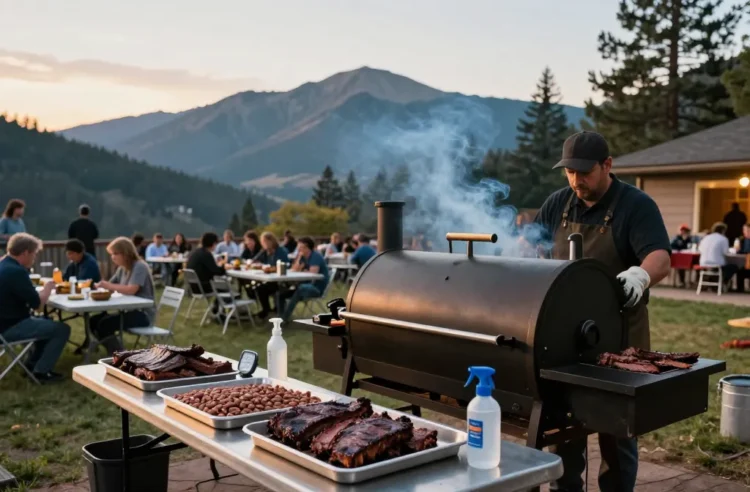
- Best for: Hosting large backyard cookouts in mountains or high plains
- Make ahead: Yes — rubs/sauces 3 days; par-cook beans/meats 1 day
- Serves: 50 people with standard portions and sides
- Key tip: Increase cook times and moisture; watch temps, not the clock
The Impact of Altitude on BBQ for 50 People shows up fast when your brisket stalls longer, your ribs dry out, and water won’t quite hit a rolling boil. High elevation changes boiling points, airflow, and evaporation rates — and that affects flavor and timing. Planning for a crowd magnifies every small mistake. In this guide, you’ll get altitude-smart timelines, temperature targets, and practical adjustments so your big-batch barbecue hits the table hot and juicy.
Why Altitude Changes Your BBQ Math
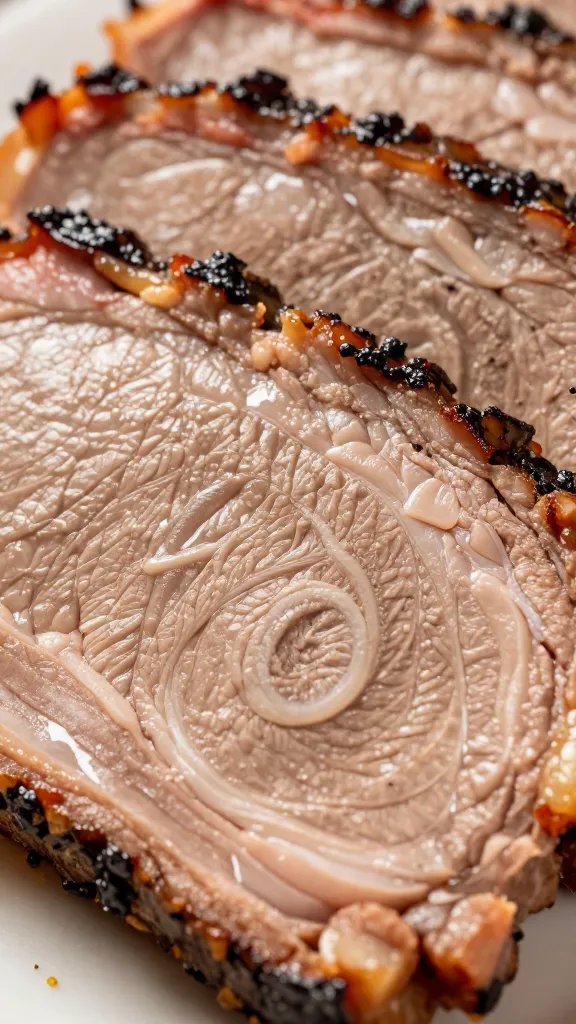
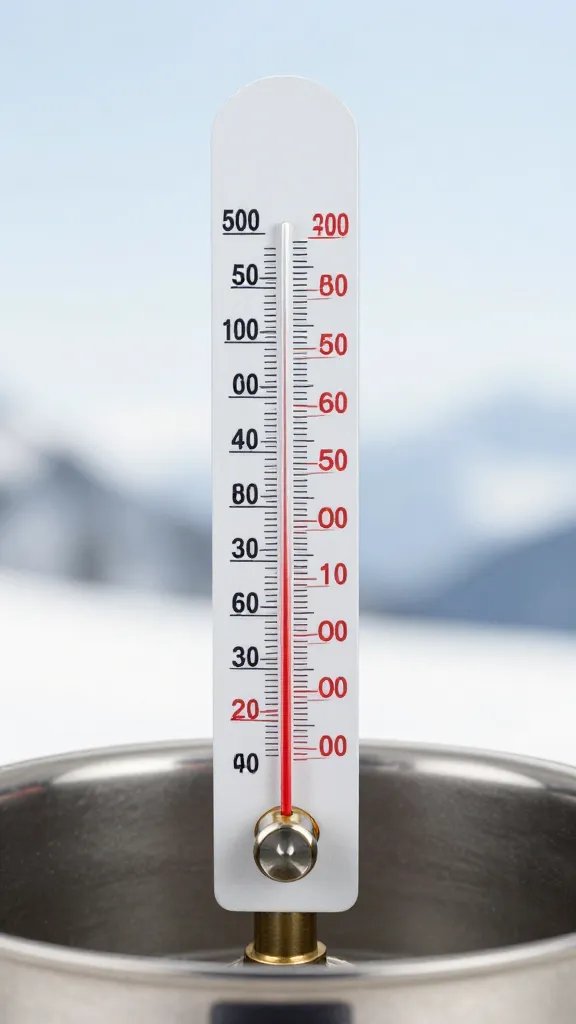
At higher elevations, water boils at a lower temperature — about 2°F less for every 1,000 feet. That means anything relying on steam or braising runs cooler and evaporates faster.
Air is also thinner and drier, so fires burn differently and meat loses moisture faster. Expect longer cooks, more stall time, and a bigger need for wrap and spritz strategies.
- 3,000–5,000 ft: Modest time increases; manage moisture.
- 5,000–7,500 ft: Significant stall; wrap earlier; bump pit temps 15–25°F.
- 7,500+ ft: Aggressive moisture control; pressure cooker aids for beans; plan generous buffers.
Planning for 50: Portions, Timing, and Gear
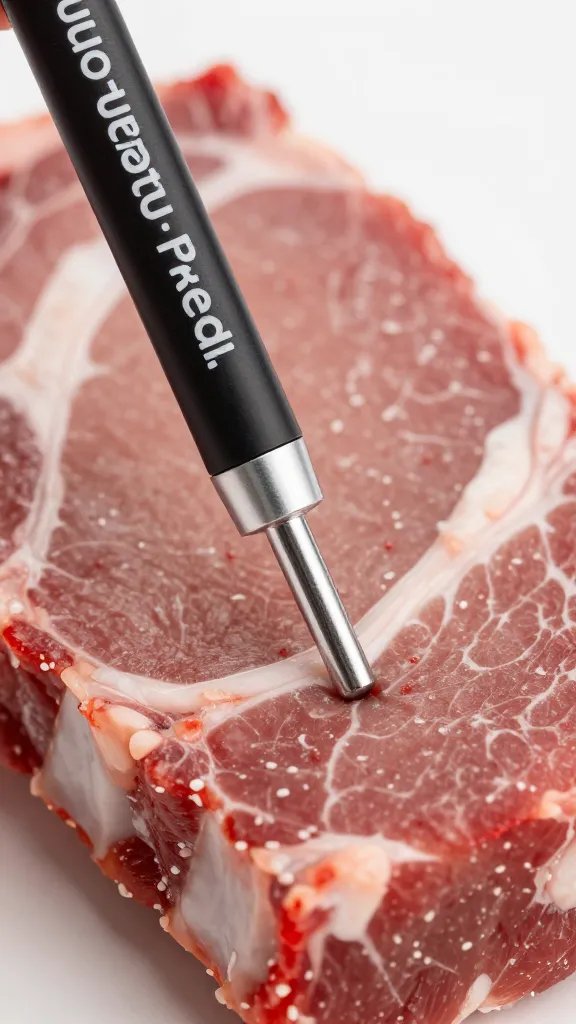
Scaling up at altitude means padding timelines and having redundancy. You don’t want 50 hungry guests watching a brisket stall at 175°F.
- Protein math: Brisket 1/2 lb cooked per adult; pork shoulder 1/3–1/2 lb; ribs 2–3 bones; chicken 1 thigh or 1/2 breast. Add 10% extra at altitude for moisture loss.
- Cook order: Long smokes (brisket, pork) go overnight. Ribs next. Chicken and sausages last-minute.
- Gear: At least two probes per cooker, a reliable instant-read, water pans, heavy-duty foil/butcher paper, and wind screens. Consider a pellet smoker for stable temps.
Altitude-Smart Temps, Wraps, and Moisture Management
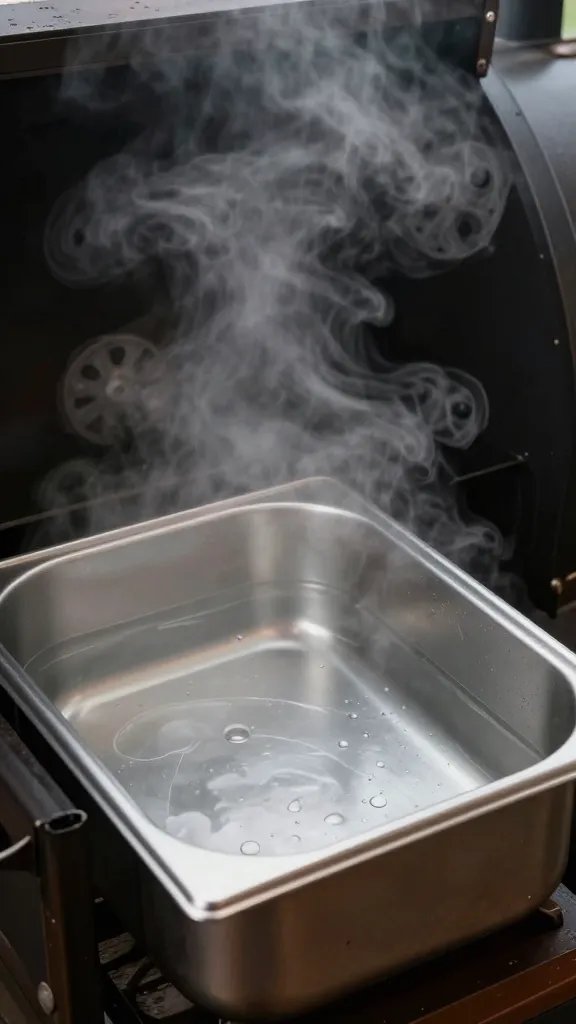
Lower boiling points mean your meat’s surface dries quicker and the stall lasts longer. Fight back with smart moisture strategies.
Target Pit Temperatures
- Brisket/Pork Shoulder: Sea level 225–250°F; at 5,000–8,000 ft run 240–275°F to maintain energy through the stall.
- Ribs: Sea level 225°F; at altitude run 240–260°F for similar texture in similar time.
- Chicken: Keep 300–325°F for crisp skin; drier air helps skin but dries meat — use a mild brine.
Wrap Timing (Texas Crutch)
- Brisket: Wrap earlier at altitude — around 155–160°F internal (vs. 165°F at sea level).
- Pork shoulder: Wrap at 160–165°F internal; add 1/4 cup apple juice or tallow for moisture.
- Ribs: If doing 3-2-1, shorten to 2.5-1.5-0.5 at higher pit temps, or try 275°F unwrapped with a spritz every 45 minutes.
Humidity Helps
- Run a water pan filled with hot water to stabilize humidity and temps.
- Spritz lean cuts every 45–60 minutes with apple cider/water 1:1; stop after wrapping.
- Use tallow or butter when wrapping brisket to counteract evaporation.
Fuel, Fire, and Airflow at Elevation
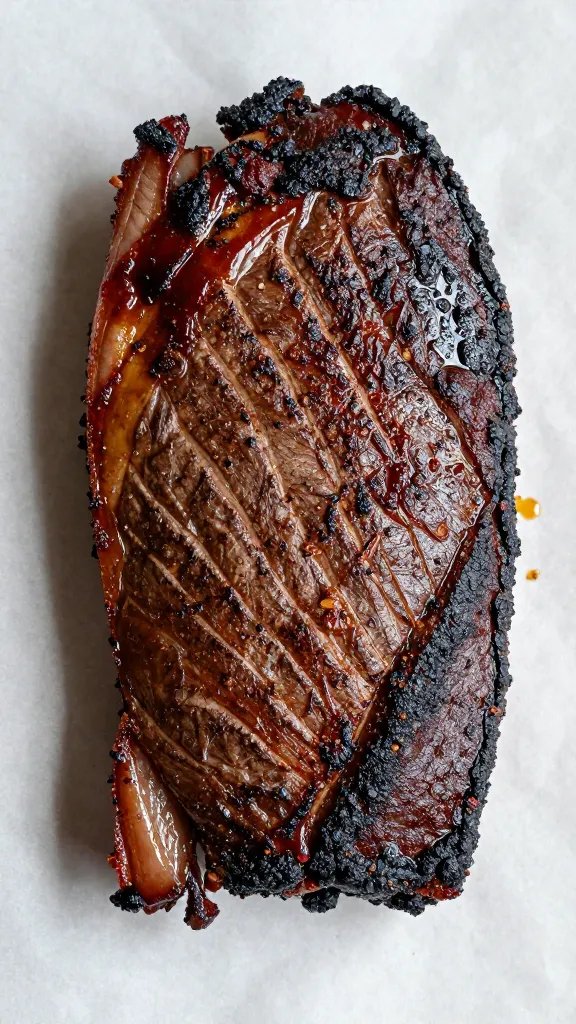
Thinner air means combustion behaves differently. Charcoal can burn faster, and wind steals heat.
- Charcoal: Start with 10–15% more. Use a chimney plus a starter cube; preheat longer to stabilize the pit.
- Wood: Prefer seasoned hardwood chunks; smaller pieces ignite easier. Avoid too much wood early — thin blue smoke only.
- Pellet smokers: Reliable at altitude; keep pellets dry. Set 15–25°F hotter than your normal recipes.
- Wind management: Position cookers leeward; use windbreaks; close unused vents partially but avoid choking the fire.
Make-Ahead Strategy for Big Crowds
Altitude stretches your timeline. Making strategic elements ahead reduces stress and protects quality.
- 72 hours out: Mix rubs and sauces. Rub large cuts 12–24 hours before cooking.
- 24–36 hours out: Smoke brisket and pork to 90–95% doneness (195–200°F), chill rapidly, and reheat day-of in a 250°F oven or smoker with added broth/tallow.
- Day-of: Finish ribs and chicken fresh. Hold finished meats in a 150–165°F cambro or insulated cooler with hot water preheat.
Need a bright sauce to cut richness? Try this chimichurri recipe — it stays vibrant even at altitude and pairs with brisket and chicken.
Sample Timeline: 6,500 Feet, Dinner at 6 PM
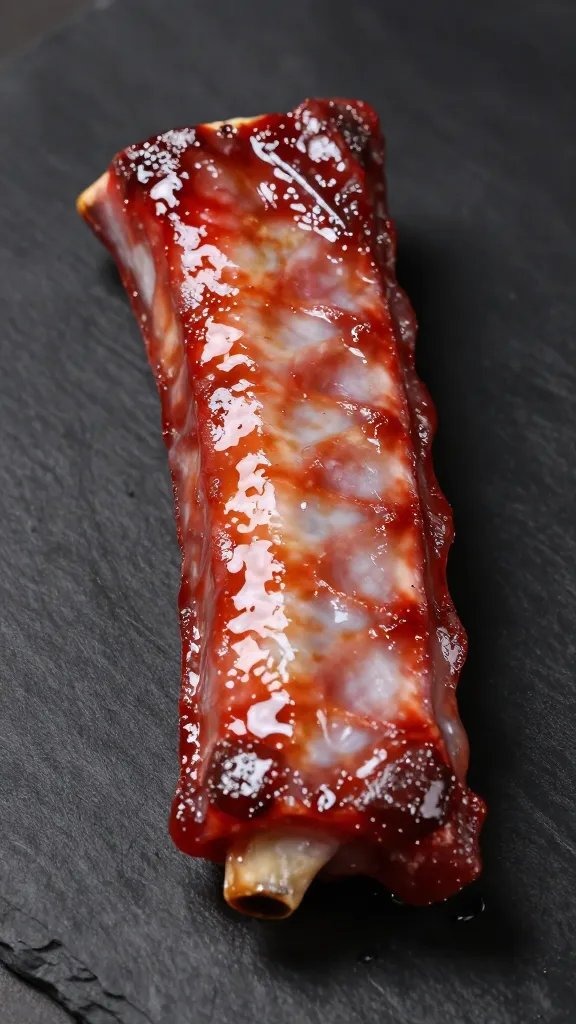
- Day -2 (Evening): Trim and rub briskets and pork shoulders. Refrigerate.
- Day -1 (8 AM): Light smoker to 260°F. Add water pan. Start briskets and shoulders.
- Day -1 (1–3 PM): Wrap at 160°F internal. Maintain 260–270°F.
- Day -1 (6–9 PM): Pull at probe-tender 200–205°F. Vent 5 minutes, then chill covered over an ice bath; refrigerate.
- Day 0 (Noon): Reheat wrapped briskets/shoulders at 250°F with 1/2 cup broth/tallow per pan to 165°F internal. Start ribs at 250°F.
- Day 0 (3 PM): Wrap ribs if using; hold finished big cuts in a cambro.
- Day 0 (4:30 PM): Cook chicken at 325°F to 160°F breast/175°F thigh. Rest 10 minutes.
- Day 0 (5:30 PM): Slice/pull, sauce on the side, serve at 6 PM.
Food Safety and Holding for 50 at Altitude
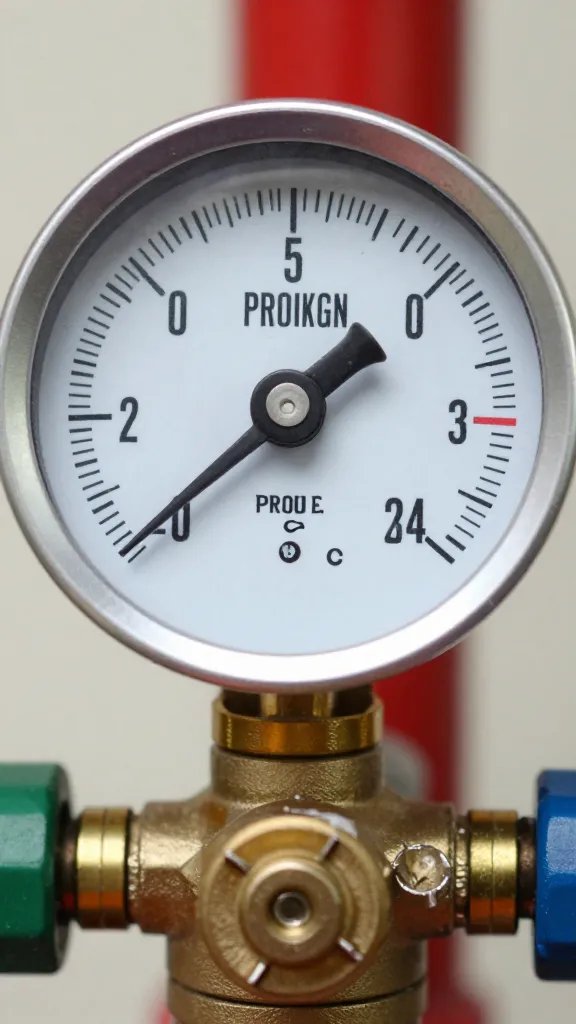
Altitude doesn’t change safety temps, but longer cooks raise risk windows. Be precise.
- Safe minimums: Poultry 165°F; pork shoulder “done” when tender 200–205°F; brisket by feel, typically 200–205°F.
- Holding: Keep hot foods at 140°F+. Use insulated coolers, preheated with hot water, and sealed pans.
- Reheating: Go to 165°F internal quickly, then hold. Add liquid to prevent drying in thin air.
For a crowd-pleasing side that loves make-ahead, try these smoked baked beans. At altitude, finish them covered to prevent drying.
From My Kitchen: What Actually Works
I cook in Denver and Leadville several times a year, and the biggest delta is stall length. Briskets that push through at 165–170°F at sea level often sit until 180°F here unless I wrap earlier and bump the pit to 265°F. I also switched to adding 2–3 tablespoons of tallow in the wrap — it keeps the flat from drying out. For beans, I pressure-cook them first at altitude, then smoke to finish; starting them raw in the smoker takes forever and dries them out. Finally, I build a 90-minute buffer into any large cook — it’s saved service more than once.
Frequently Asked Questions
How does altitude change BBQ cook times for 50 people?
Expect 10–30% longer overall at 5,000–8,000 feet due to lower boiling points and faster evaporation. Bump pit temps 15–25°F, wrap earlier, and add a 60–90 minute buffer for large cuts. Use a water pan and monitor internal temps, not just the clock.
What are the best temperatures for brisket and ribs at high altitude?
Run brisket and pork shoulder at 240–275°F and wrap near 155–160°F internal. For ribs, target 240–260°F for similar tenderness windows. Always cook to texture: ribs bend cleanly; brisket probes like warm butter.
Can I make BBQ for 50 ahead of time at altitude without drying it out?
Yes. Cook brisket and pork shoulders to 195–200°F, chill quickly, then reheat wrapped with added broth or tallow to 165°F internal. Hold in a cambro at 150–165°F. Slice right before serving to retain juices.
Do I need to change rubs or sauces at elevation?
Keep rubs the same but reduce sugar slightly if running hotter pits to avoid scorching. Sauces may reduce faster on the stove; simmer gently and watch viscosity. Acidic, herb-forward sauces cut richness nicely for big crowds at altitude.
How much meat should I buy for BBQ for 50 people?
Plan 1/2 lb cooked brisket per adult, 1/3–1/2 lb pulled pork, 2–3 ribs per person, and one chicken thigh or half breast. Add 10% extra at altitude for moisture loss and seconds. Leftovers reheat well for sandwiches.
What’s the best way to keep BBQ hot when serving outdoors in the mountains?
Use foil-wrapped pans in an insulated cooler preheated with hot water, or a cambro. Keep hot foods above 140°F and open lids minimally. Reserve some warm sauce or au jus to add moisture if holding over an hour.
The Bottom Line
Altitude amplifies evaporation and extends stalls, so adjust heat, wrap earlier, and build in time buffers — especially when feeding 50. Watch internal temperatures, control humidity, and lean on make-ahead techniques to serve juicy, on-time barbecue.
Planning to try this? Save this post so you can find it when you need it — and tag us when you make it.