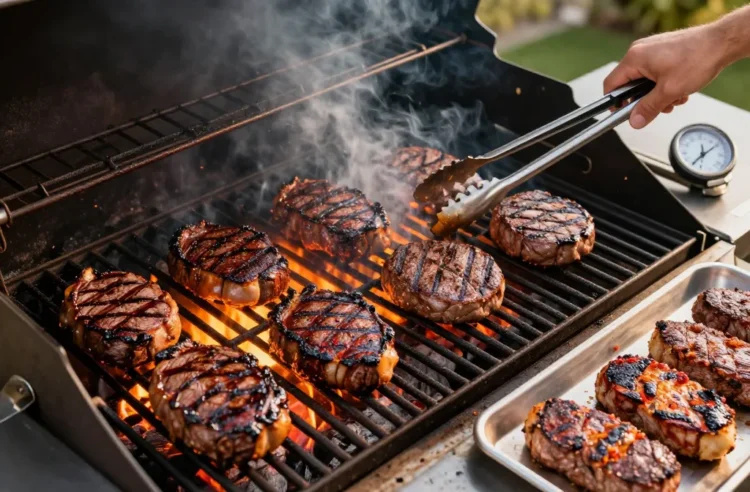
- Best for: Backyard parties, tailgates, and reunion cookouts
- Make ahead: Yes — season up to 24 hours; pre-sear 2 hours ahead
- Serves: 50 people (scale notes included)
- Key tip: Start hot, flip early, and finish indirect to keep color
Let’s get right to it: how to avoid gray meat when grilling for 50 people starts with heat control and smart batching. Gray meat happens when the surface steams instead of sears. Big crowd, crowded grill, cold protein — that combo invites the gray. In this guide, you’ll learn the exact setup, timing, and batching strategy to keep everything browned, juicy, and on-time.
Understand Why Meat Turns Gray
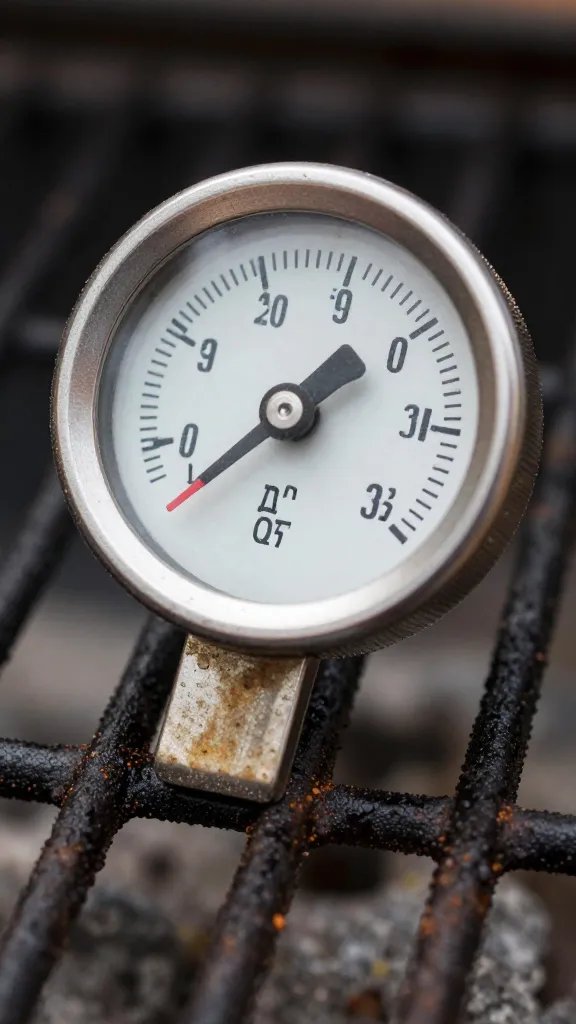
Gray meat isn’t “undone” — it’s unseared. When the surface temperature can’t hit ~300°F+, moisture sits on top and you get a sad, pale exterior.
The most common culprits for a crowd are overloaded grates, cold meat, and low preheat. Fix those, and color comes back fast.
Preheat Like You Mean It
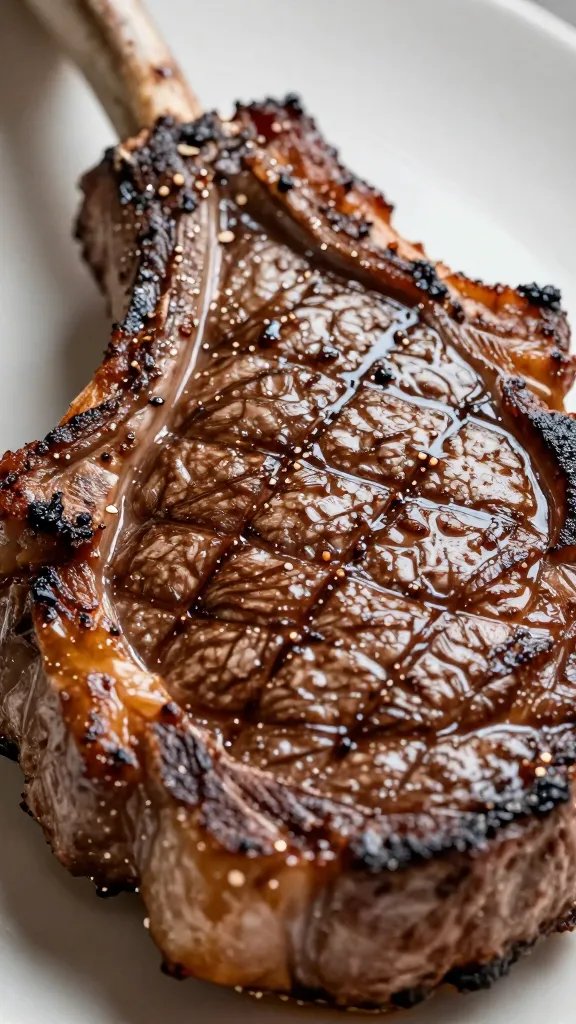
Target Temperatures
- Gas grill: Preheat 15–20 minutes, lid down, aiming for 500–550°F at the grate.
- Charcoal grill: Use a full chimney. Bank coals to create a two-zone fire — ripping hot side and cooler side.
- Pellet grill: Crank to 500°F for searing, then drop to 375–400°F to finish.
Why it matters: A truly hot grate evaporates surface moisture instantly and jump-starts browning. Lukewarm metal steams the meat and turns it gray.
Prep Meat for High-Heat Success
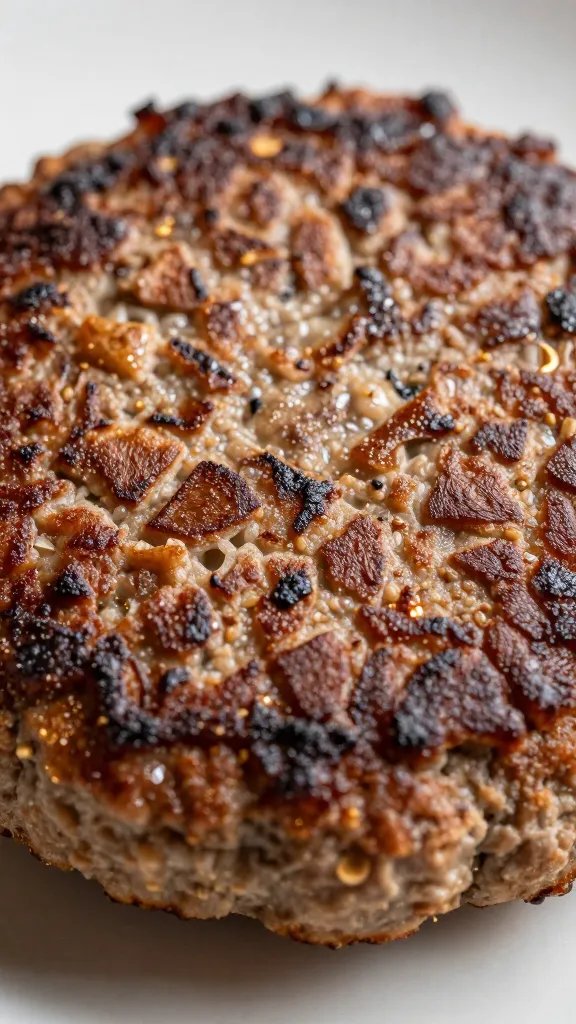
Dry, Tempered, and Lightly Oiled
- Pat dry aggressively with paper towels. Water blocks browning.
- Room-temp rest: Pull meat from the fridge 30–45 minutes before grilling. Cooler meat sheds more liquid and chills the grate.
- Season early: Salt 45–90 minutes ahead for chicken and pork; up to 24 hours for steaks. Salt helps draw and reabsorb moisture for better browning.
- Light oil coat: Brush the meat, not the grates, to prevent sticking without flare-ups.
Skip wet marinades right before grilling. If using one, blot the surface and finish with a glaze in the last 2 minutes.
Batching Strategy for 50: Sear, Shift, Serve
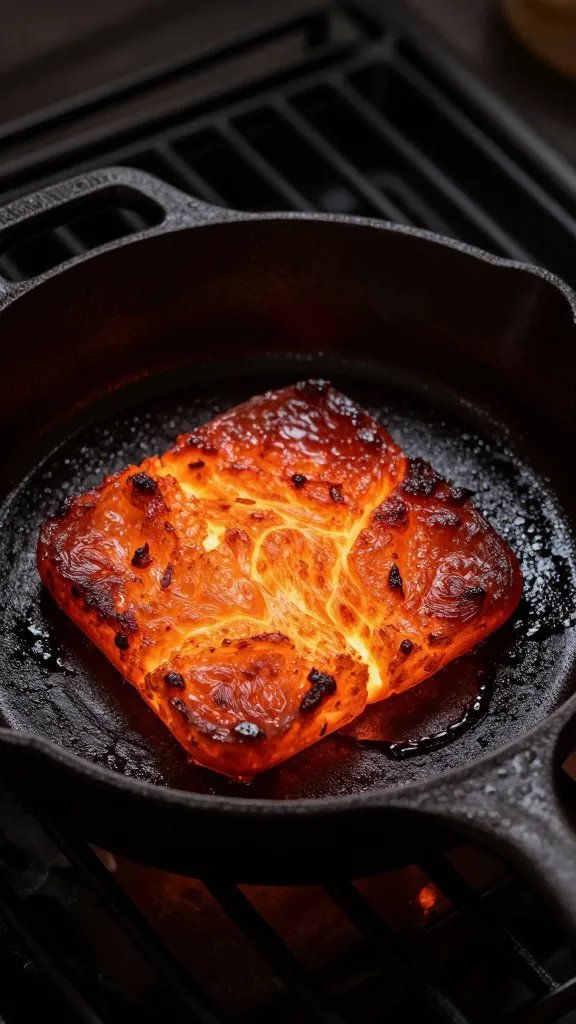
Set Up Two Zones
Reserve half your grill for a hot sear zone and the other half for indirect finishing. This prevents gray meat and burnt exteriors.
The 3-Stage Flow
- Sear hot and fast: Lay down 6–10 pieces (30–40% of grate capacity) with at least 1 inch between. Sear 60–120 seconds until golden-brown.
- Flip early: Don’t wait for “deep mahogany” on side one. Flip once you see strong color, then move to indirect heat.
- Finish indirect: Close the lid and bring to temp without scorching. Rotate batches every 2–5 minutes.
Holding Without Going Gray
- Sheet pan + rack + foil tent: Keeps crust intact and prevents steaming.
- Cooler hack: Line a clean cooler with towels and warm pans. Hold cooked meat at 145–160°F for up to 45 minutes.
Grill-Specific Tactics to Avoid Gray Meat
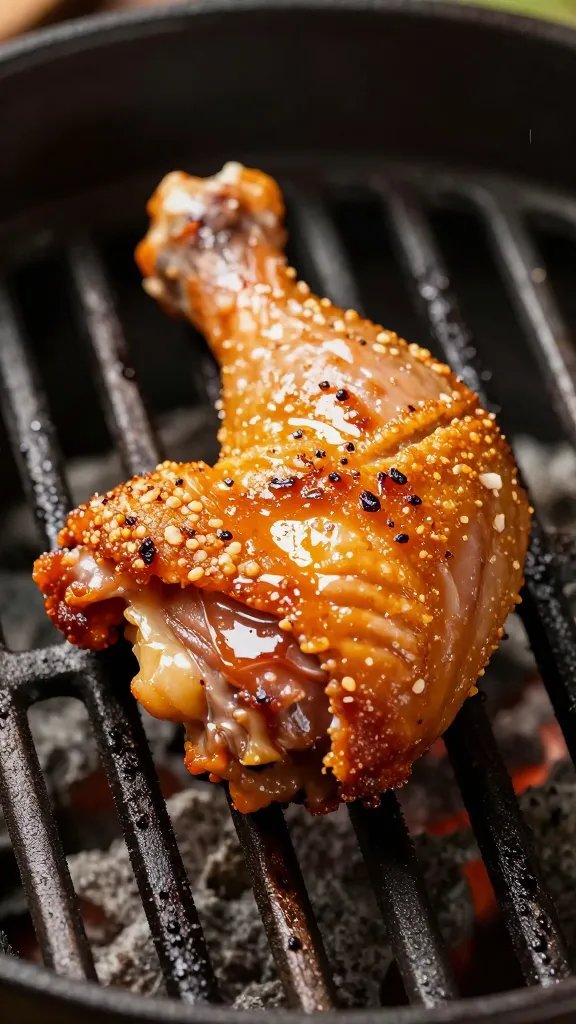
For Burgers
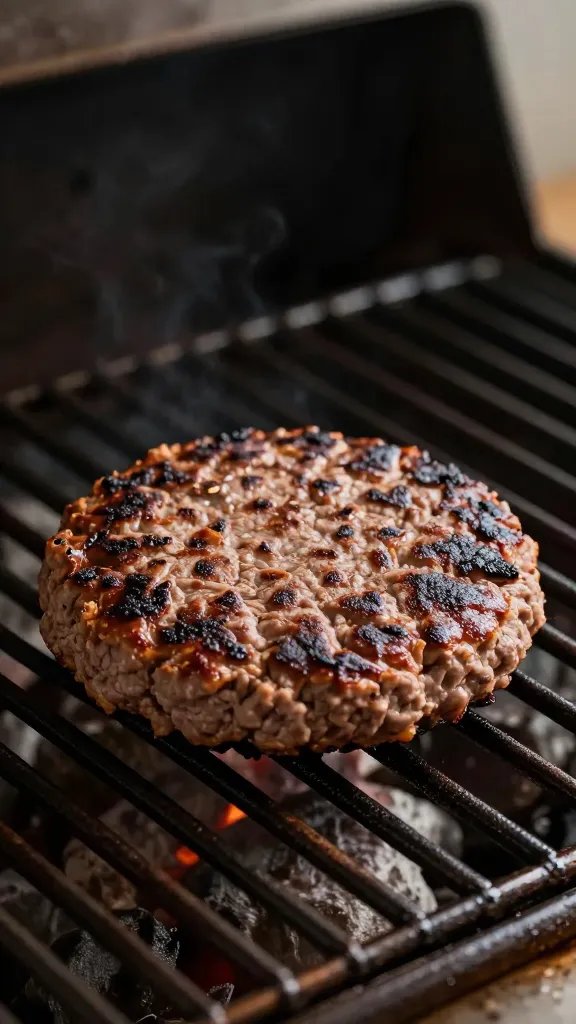
- Use 80/20 and 5–6 oz patties, 3/4-inch thick. Thumb indent in the center.
- Sear 2 minutes per side over high heat, then finish indirect. Avoid smashing — it forces out juices and dulls color.
- Toast buns on the indirect side to reduce grate congestion.
For Chicken
- Thighs/drums handle heat better than breasts for crowds.
- Skin-on? Start skin side down over high heat 3–4 minutes, then finish indirect to 175–185°F for thighs.
- Glaze in the last 2 minutes only to avoid burning sugar.
For Steak
- Choose thicker cuts (1–1.25 inches): sirloin, strip, or tri-tip slices after resting.
- Hard sear 90 seconds per side, finish indirect to temp. Rest 8–10 minutes before slicing.
- Serve with big-flavor sauces like this chimichurri recipe so you can season lighter and move faster.
For Sausages
- Par-cook gently in 160–170°F beer/water bath for 10–12 minutes ahead, then sear on high for color.
- This prevents burst casings and speeds service.
Timing and Throughput: The 50-Person Game Plan
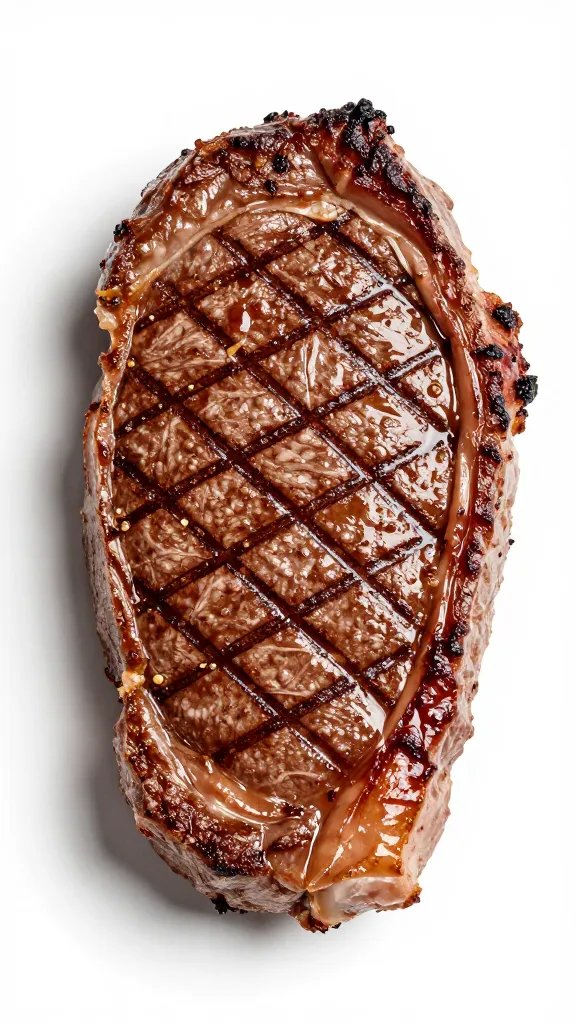
Sample Timeline (90 Minutes Total)
- T–90: Light charcoal or preheat gas/pellet. Set up two zones. Season and oil meat. Lay out trays with racks.
- T–60: Start first sear batch (burgers or thighs). Flip early, shift to indirect. Start second batch on hot zone.
- T–45: First batch hits temp; hold on rack, loosely tented.
- T–30: Begin steaks or second protein. Glaze chicken now if using sauce.
- T–10: Toast buns, warm tortillas, or finish veg.
- Service: Slice steaks, replenish trays in small waves to keep heat and color.
Throughput Tips
- Never fill the grate edge-to-edge. Leave gaps for air flow.
- Rotate positions — back corners often run hotter; use them for thick cuts.
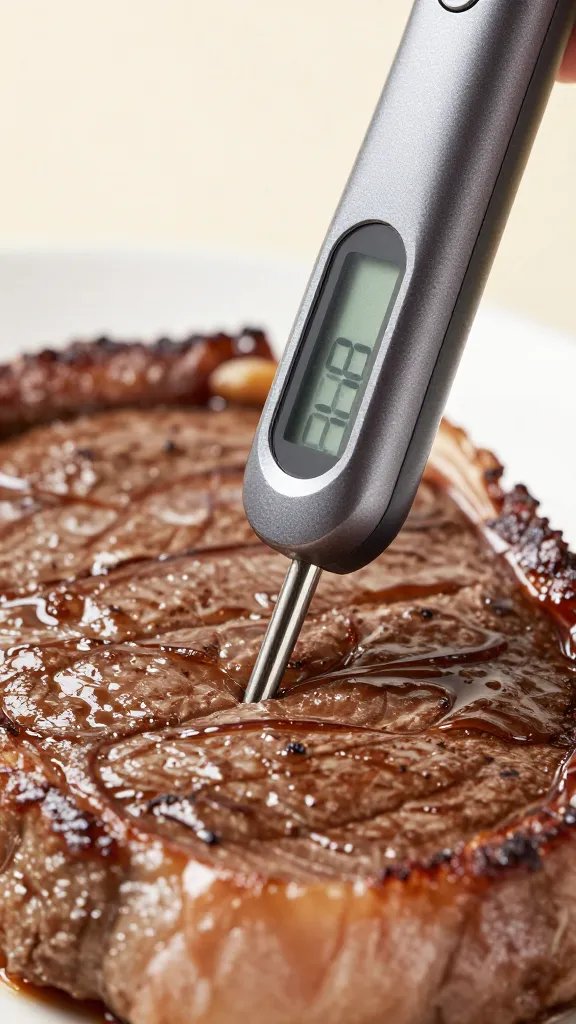
- Use two thermometers: one at grate level, one instant-read for doneness.
Moisture Management: The Anti-Gray Secret
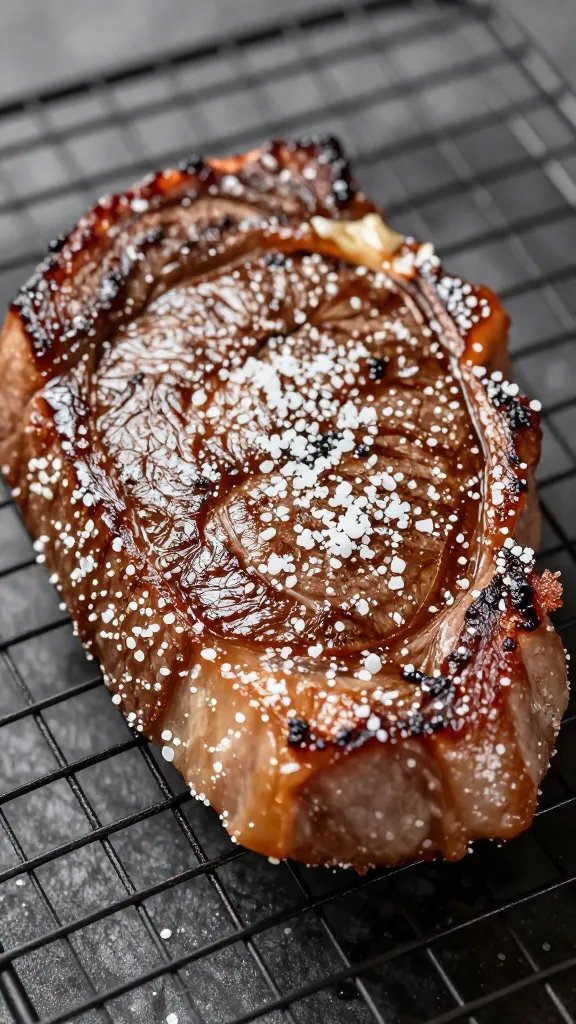
- Don’t sauce early. Sugary sauces trap steam and block browning. Brush at the end.
- Avoid foil pans on the grill for searing. They reflect heat and create steam; use them only for holding.
- Vent smoke, not heat: Lid on for finishing, but crack it briefly if you see white, billowy smoke, which can sour flavor and dampen color.
Seasoning and Finishes That Highlight Browning
- Salt + pepper base for steak and burgers. Add granulated garlic/onion, not powders that clump.
- Dry rubs with low sugar for chicken thighs. Add a light honey or BBQ glaze at the end.
- Finish with acid and herb: lemon, vinegar, or a bright sauce like this herby yogurt sauce for chicken — it lets you pull slightly early and keep color.
From My Kitchen: What Actually Works
I batch for 40–60 often, and the biggest shift was flipping earlier than feels right. If I chase perfect color on side one, I overcook before the center’s ready. Flipping at first solid browning and finishing indirect gives me better crust overall. I also park finished meat on a rack over a sheet pan — not flat in a pan — so steam can escape; side-by-side, the racked batch stays browned while the pan-only batch turns dull in 10 minutes. Finally, I keep one small “sacrificial zone” screaming hot to refresh color: 20–30 seconds there revives pallid pieces without pushing them past temp.
Frequently Asked Questions
How do I avoid gray meat when grilling for a crowd?
Use a true two-zone fire, keep batches small, and flip early. Start over high heat to sear, then finish indirect with the lid down. Pat meat dry, season ahead, and avoid wet marinades on the surface right before grilling.
Why do my burgers look gray instead of browned?
They’re likely steaming from overcrowding or low grate heat. Preheat longer, reduce batch size, and don’t press them. Sear 2 minutes per side, move indirect, and toast buns separately to free up hot-zone space.
Can I make grilled chicken ahead without it turning gray?
Yes. Sear and cook to 165–175°F, then hold on a rack-tented tray up to 45 minutes. Re-crisp skin with a 30–60 second hot-zone pass just before serving, and glaze at the end to keep color.
What’s the best way to serve steaks for 50 without losing sear?
Choose thicker cuts, sear hot, finish indirect, and rest fully. Slice against the grain and serve on warmed platters; a brief hot-zone kiss right before plating revives crust if needed.
Do pellet grills cause gray meat more than charcoal?
Pellet grills can struggle to sear at capacity. Use a cast iron griddle or sear plate preheated to 500°F, then finish on the rack at 375–400°F. The high-conductivity surface restores that deep brown crust.
The Bottom Line
Gray meat is a crowd-control issue, not a flavor destiny. Run a hot sear zone, finish indirect, keep batches lean, and manage moisture — your platters will stay browned and juicy, even for 50.
Planning to try this? Save this post so you can find it when you need it — and tag us when you make it.