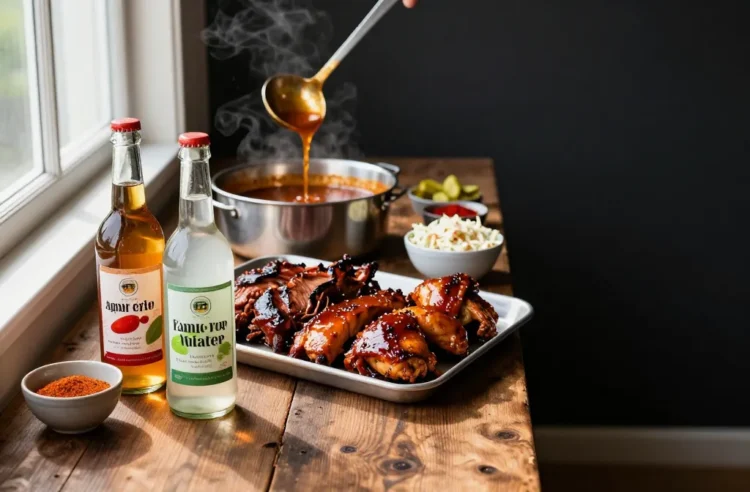
- Best for: Feeding big groups without overspending on sauce
- Make ahead: Yes — 1–5 days; flavors meld overnight
- Serves: 12–50+ depending on meat yield and sides
- Key tip: Use two acids — apple cider vinegar for body, white vinegar for brightness
Vinegar Is the Secret to Balanced Bulk BBQ because acidity rescues rich meats, stretches sauce without watering it down, and keeps crowds coming back for seconds. When you scale up pulled pork or smoked chicken, fat and sweetness multiply fast — so does palate fatigue. Vinegar resets the bite, balances salt and sugar, and makes leftovers taste even better on day two. In this article you’ll get the why, the how, and exact ratios to keep big-batch BBQ sharp, juicy, and economical.
The Science: Why Acid Balances Big-Batch BBQ
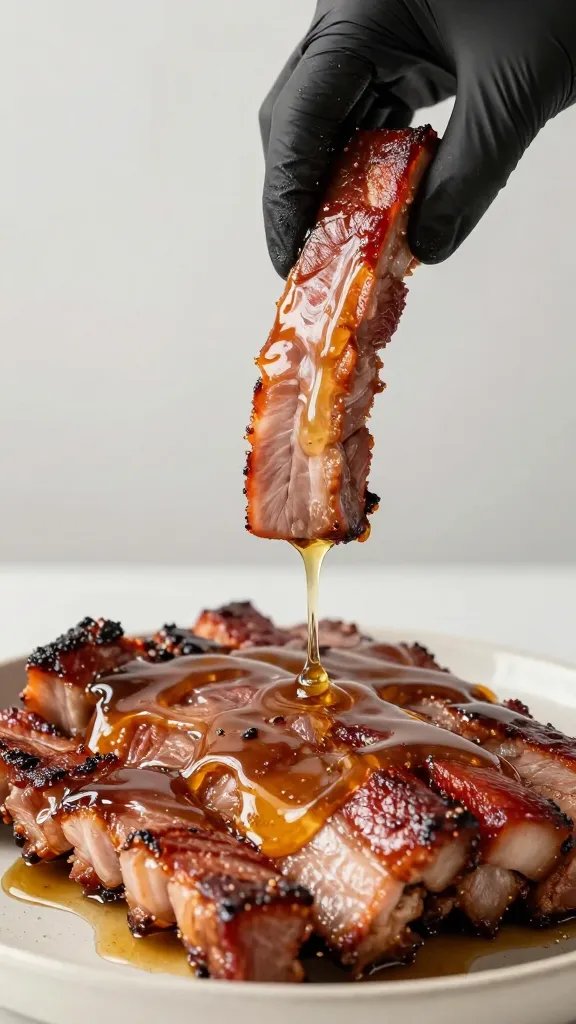
Fat carries smoke flavor, but too much blurs definition. Acid cuts through fat, lifting spice and smoke so each bite tastes clean. In bulk, sweetness and salt stack; acidity pulls them back into range.
Vinegar also tightens shredded meats by lowering pH, which subtly firms strands and keeps them juicy instead of mushy. Bonus: it’s a natural preservative that helps sauces hold better over several days.
Best Vinegars for BBQ, Ranked
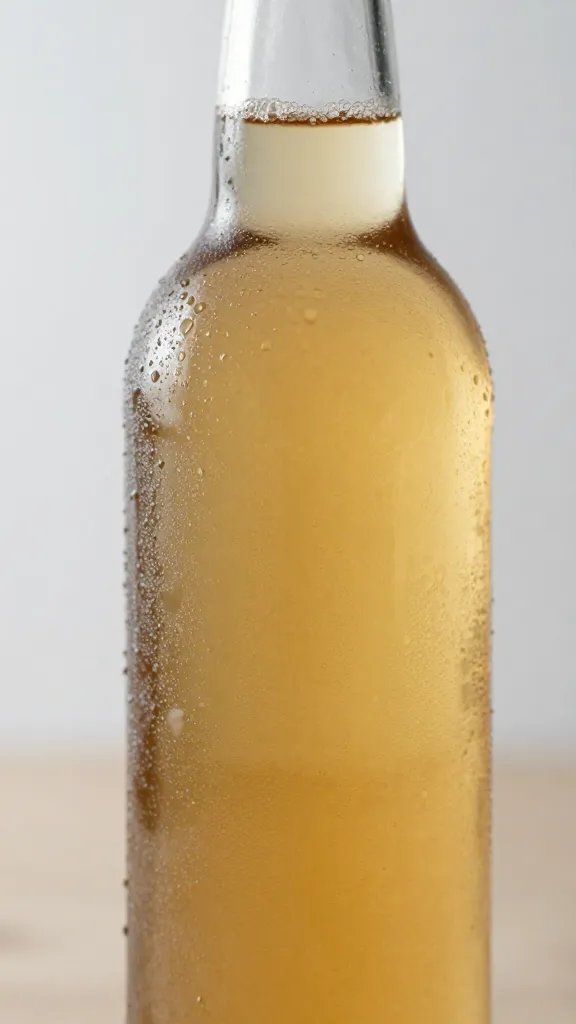
- Apple Cider Vinegar (ACV): Rounded fruitiness that loves pork and chicken. Great base for Eastern-style and finishing spritzes.
- White Distilled Vinegar: Clean, bright, inexpensive. Perfect for cutting sweetness in thick sauces and for spritz bottles.
- Malt Vinegar: Toasty depth for beef ribs or burnt ends. Use sparingly; it can take over.
- Red Wine Vinegar: Adds berry-like tang to tomato-based sauces and mop sauces.
- Rice Vinegar (unseasoned): Subtle, slightly sweet; good when cooking for kids or vinegar-shy crowds.
Dialing In Ratios for Bulk Batches

Use these starting points, then adjust to taste. Scale linearly.
- Eastern-Style Vinegar Sauce (1 gallon): 10 cups ACV, 6 cups water, 1/2 cup white vinegar, 1/2 cup brown sugar, 1/2 cup kosher salt, 3 tbsp red pepper flakes, 2 tbsp black pepper. Simmer 5 minutes; cool.
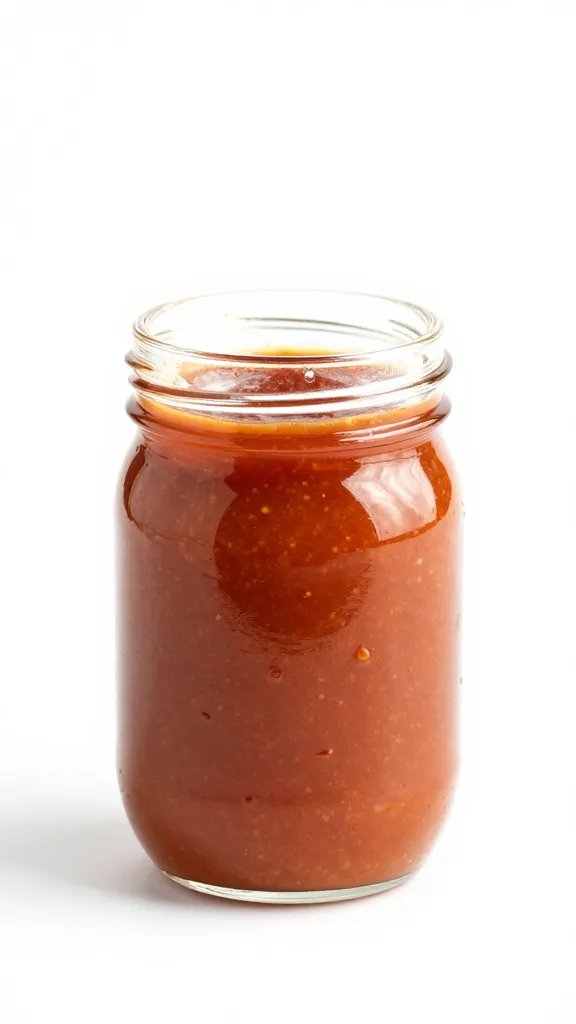
- Balanced Red BBQ Sauce (1 gallon): 12 cups tomato sauce, 2 cups ACV, 1/2 cup white vinegar, 1.5 cups brown sugar, 1/3 cup molasses, 1/3 cup yellow mustard, 1/4 cup Worcestershire, 2 tbsp smoked paprika, 1 tbsp garlic powder, 1 tbsp onion powder, 2 tsp black pepper, 1–2 tsp cayenne. Simmer 25–30 minutes to thicken.
- Finishing Spritz (1 quart): 2 cups ACV, 1 cup water, 1/4 cup white vinegar, 1 tbsp Worcestershire, 1 tsp hot sauce. Bottle for the cook.
Taste test: Dip a bite of meat into sauce, not the other way around. If the meat tastes saltier after sauce, add 1–2 tbsp vinegar per cup of sauce to pull salt back in line.
Using Vinegar at Every Stage of the Cook
1) Rub and Rest
For fatty cuts, add 1 tsp ACV per pound into your binder (mustard or oil). It won’t taste sour; it just brightens the bark and helps the rub stick.
2) Spritz Smart
Start spritzing after bark sets (usually 2–3 hours in). Light mists every 45–60 minutes prevent drying without washing rub off. White vinegar keeps brisket ends snappy; ACV flatters pork shoulder.
3) Braise or Boat
When panning ribs or boating pork, use 1/4 cup vinegar per cup of liquid (stock or apple juice). It balances sweetness and keeps the braise savory.
4) Finishing Move
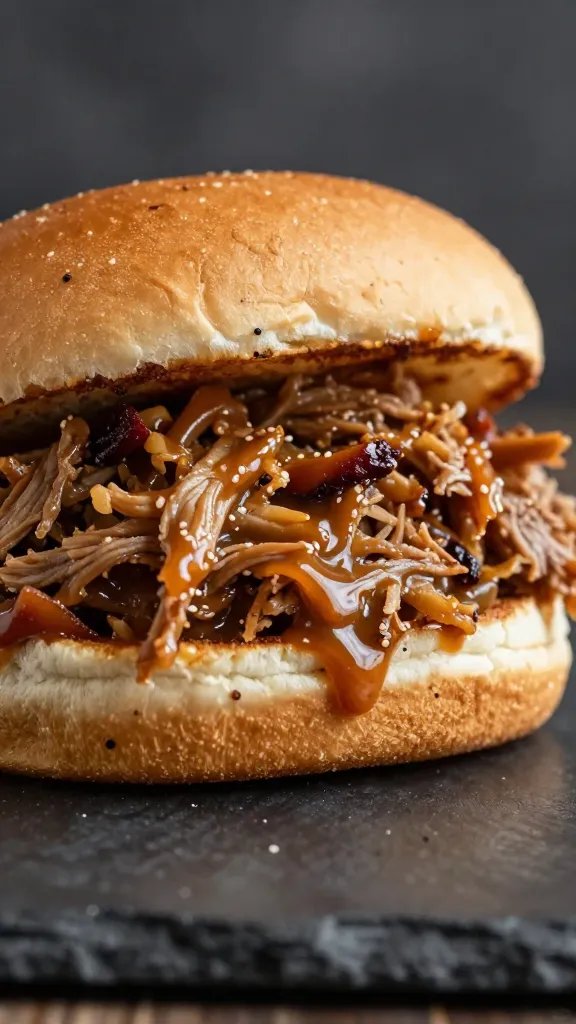
For pulled meats, finish with 2–4 tbsp vinegar per pound of cooked, shredded meat, added while warm. Toss well, rest 10 minutes, taste again.
Bulk Service: Holding, Reheating, and Moisture Control
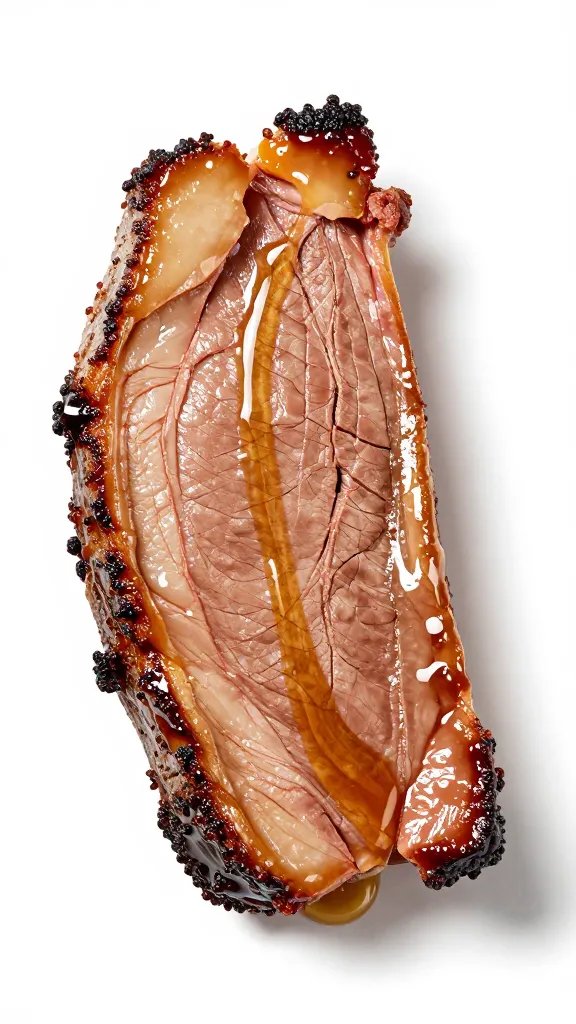
In hotel pans, hold sauced meats at 150–160°F. Stir every 20–30 minutes. Add 2–3 tbsp vinegar plus 1/4 cup warm water to refresh if flavor dulls.
Reheat gently at 300°F covered, with 2 tbsp vinegar per pound and a splash of stock. For sandwiches, warm sauce separately so you can control wetness at the line.
Flavor Profiles by Region, Scaled Up
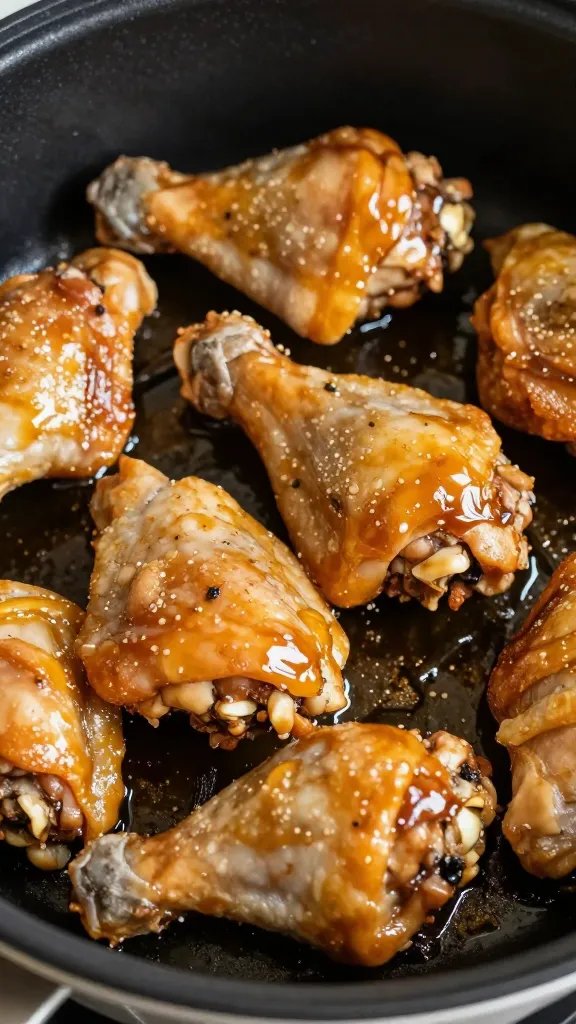
- Carolina Vinegar: Mostly ACV, pepper, a little sugar. Great for pork. Toss meat lightly; serve extra on the side.
- Kansas City: Thick, sweet, smoky tomato base. Use white vinegar to keep it from cloying at volume.
- Alabama White: Mayo, horseradish, ACV. Thins as it warms; add vinegar last and whisk hard to emulsify.
- Texas Mop: Beef stock, Worcestershire, chili, red wine vinegar. Mop thin; it’s for layering, not glazing.
Want a bright, herb-forward option for grilled meats? Try this chimichurri recipe — its acidity fills the same balancing role as vinegar sauces.
Common Mistakes When Scaling Acid
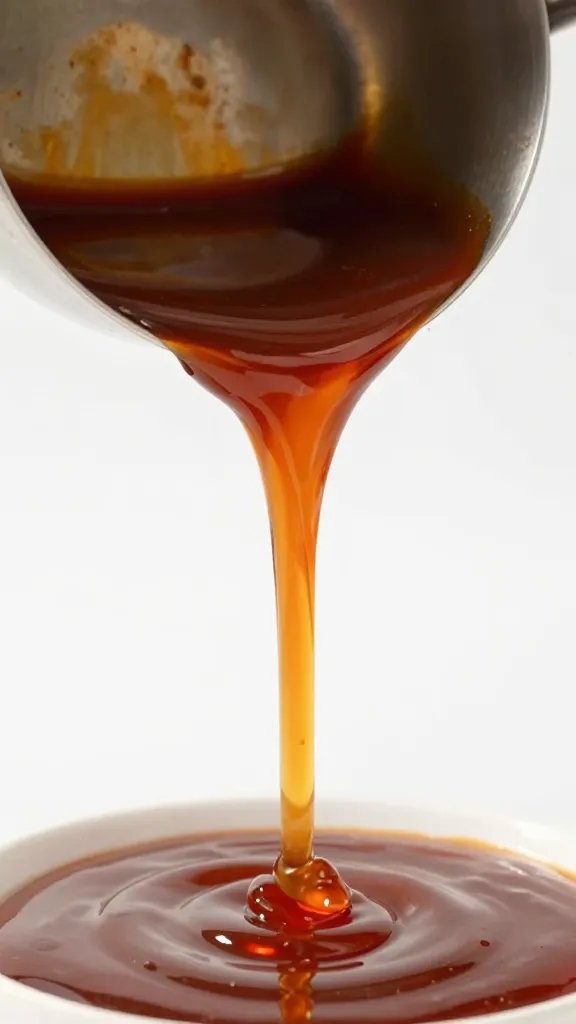
- Overcorrecting late: Dumping in a cup of vinegar at the end can shock the sauce. Add in 1–2 tbsp increments, simmer 2 minutes, retaste.
- Forgetting sugar-salt balance: More acid makes salt pop. When you add vinegar, you may need a pinch of sugar to maintain harmony.
- Seasoning cold: Vinegar tastes sharper when cold. Finalize seasoning warm, then chill.
- One-note acidity: Blend vinegars. ACV for body + white for sparkle prevents flat sourness.
From My Kitchen: What Actually Works
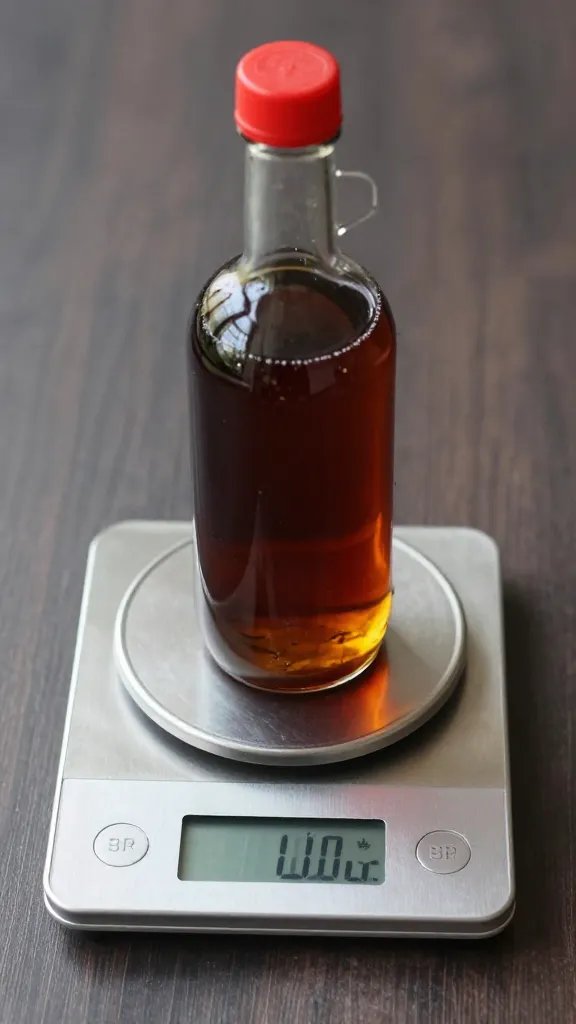
I track batches by weight: for pulled pork, 3% sauce by meat weight keeps things juicy without sliding off buns. If the pan juice is rich, I cut my added sauce by a third and spike with 1 tbsp white vinegar per pound instead. When I tried finishing cold, acidity read harsh; warming the meat and sauce together for 5–7 minutes mellowed the edges. For rib glazing, 1 part vinegar to 3 parts sauce tightens the gloss without making it runny — less slips off on the grill grates.
Frequently Asked Questions
How much vinegar should I add to bulk pulled pork?
Start with 2 tablespoons per pound of warm, shredded pork, toss, rest 10 minutes, then taste. Add up to 2 tablespoons more if it still feels heavy or sweet.
Can I make vinegar-based BBQ sauce ahead of time?
Yes. It’s actually better the next day. Store in the fridge up to 2 weeks; the flavors meld and the heat from pepper flakes rounds out.
What vinegar is best for brisket?
Use white distilled vinegar for spritzing and red wine vinegar in a thin mop for depth. Finish sliced brisket with a light drizzle of mop rather than mixing into the meat.
Why is vinegar Is the Secret to Balanced Bulk BBQ for big crowds?
Acidity balances fat, salt, and sugar that scale up in large cooks. It keeps flavors bright across a full tray service and helps leftovers reheat cleanly.
Can I freeze vinegar BBQ sauce?
Yes. Freeze up to 3 months in airtight containers, leaving headspace. Whisk after thawing; add 1–2 teaspoons fresh vinegar to wake it up.
What if my sauce turned too sour?
Simmer 5 minutes with 1–2 teaspoons sugar per cup of sauce and a splash of stock. A pinch of baking soda can soften sharpness, but add sparingly and taste as you go.
The Bottom Line
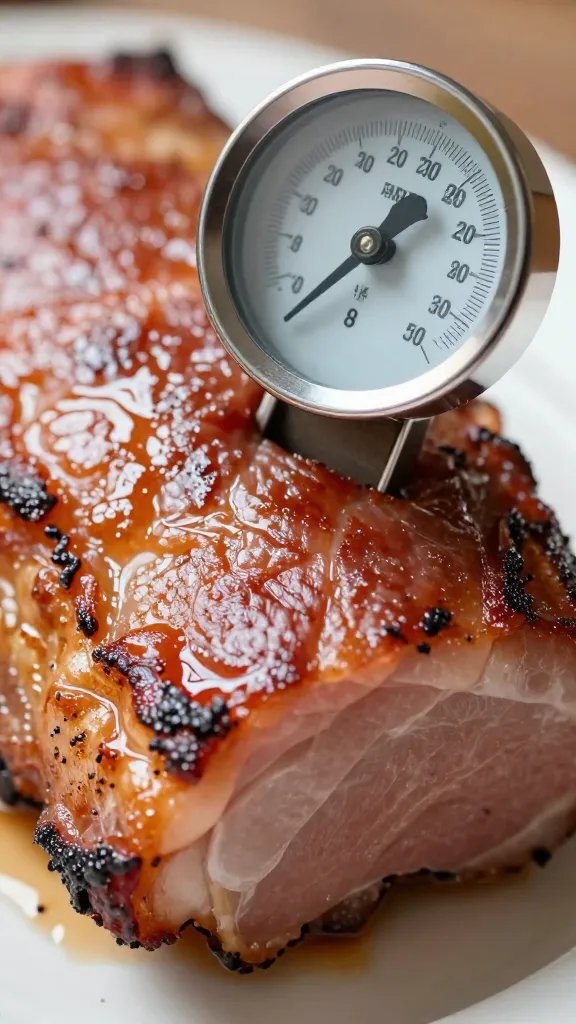
Vinegar is the quiet workhorse that makes bulk BBQ taste balanced, bright, and repeat-worthy. Blend ACV and white vinegar, layer it from spritz to finish, and season warm for a clean, crowd-pleasing result every time.
Planning to try this? Save this post so you can find it when you need it — and tag us when you make it.
For sides that play well with vinegar-forward meats, check out this make-ahead slaw — it stays crisp on the buffet and doubles as a sandwich topper.