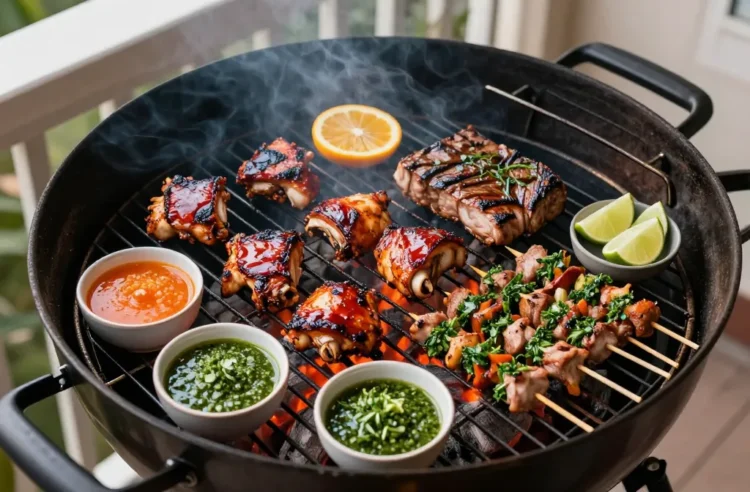
I grill on a small balcony with a basic kettle and a bag of charcoal, so I need marinades that work hard with simple tools. Neighbors always lean over the railing when they smell citrus, garlic, and herbs hitting hot grates. Below you’ll learn six reliable Latin American marinades, why they work, and exactly how to use them with supermarket cuts and pantry staples. You’ll get clear measurements, timing, and tips so your 4th of July spread tastes like you cooked with a pro setup — even if you’re flipping on a compact grill.
1. Peruvian Pollo a la Brasa Marinade: Citrus, Garlic, and Smoky Heat
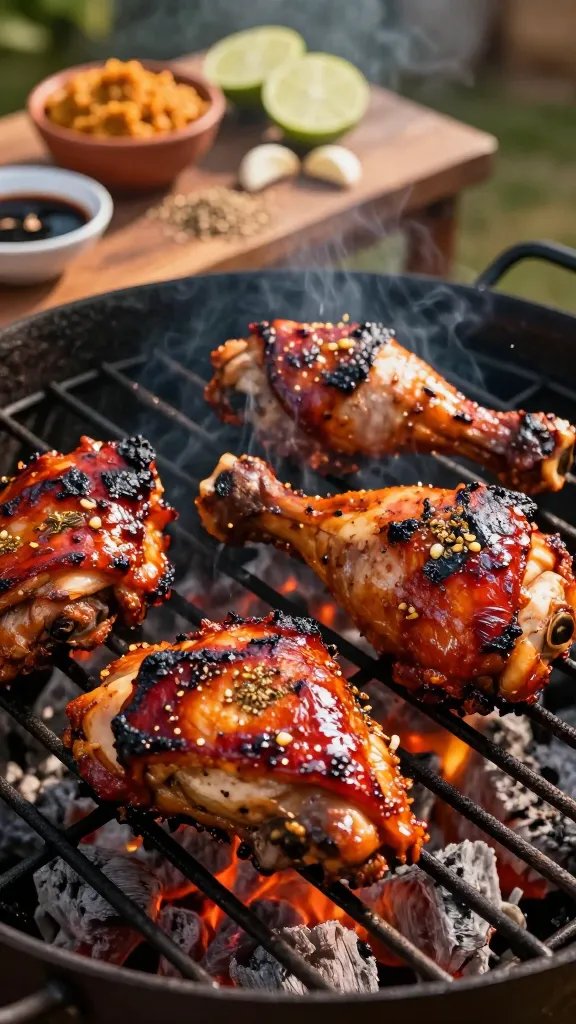
If chicken dries out or tastes flat, the party stalls. This marinade floods poultry with moisture and deep savory flavor, then caramelizes into a lacquer over the coals.
What’s Inside and Why It Works
- Aji panca paste (or mild chili paste): gentle smoke and fruitiness
- Fresh lime juice and a splash of vinegar: tenderizes and brightens
- Garlic, cumin, oregano, soy sauce: umami backbone
- Vegetable oil: helps browning and prevents sticking
Recipe (For 2 lb bone-in chicken thighs or drumsticks)
- 2 tbsp aji panca paste (or 1 tbsp mild chili paste + 1 tsp smoked paprika)
- 4 cloves garlic, grated
- 2 tbsp soy sauce
- 2 tbsp lime juice + 1 tbsp red wine vinegar
- 1 tsp ground cumin
- 1 tsp dried oregano
- 2 tbsp vegetable oil
- 1 tsp kosher salt, 1/2 tsp black pepper
Whisk, coat chicken, and marinate 4–12 hours in the fridge. Pat lightly before grilling over medium heat, turning every 4–5 minutes until 175°F at the thickest part.
Balcony Grill Tips
- Set up a two-zone fire: half the grill with coals, half without, to prevent flare-ups.
- Add a small chunk of hardwood or a handful of soaked chips for extra smoke if allowed.
Action today: Mix the marinade in a zip-top bag this morning and toss in chicken thighs — they’ll be perfect by dinner.
2. Argentine Chimichurri Marinade: Herb Punch That Doubles as a Sauce
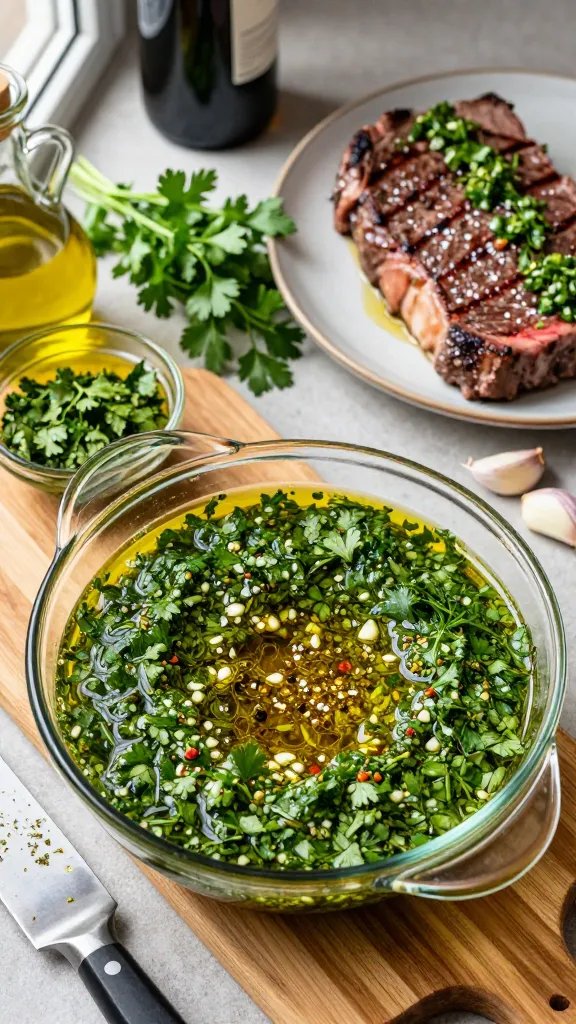
Steaks often emerge gray and chewy when you miss seasoning depth. This bright, garlicky herb blend both marinates and finishes, so you lock in flavor before and after the fire.
Two Uses, One Bowl
- As a marinade: acid and salt penetrate, loosening tough fibers.
- As a sauce: fresh herbs cut through fat and smoke at the table.
Recipe (For 1.5–2 lb skirt, flank, or hanger steak)
- 1 cup flat-leaf parsley, finely chopped
- 2 tbsp fresh oregano or 2 tsp dried
- 4 cloves garlic, finely minced
- 1/2 cup olive oil
- 3 tbsp red wine vinegar
- 1 tsp kosher salt, 1/2 tsp red pepper flakes, black pepper to taste
Stir well. Split into two bowls. Marinate steak with half for 30–60 minutes at room temp. Grill hot and fast to medium-rare, 3–4 minutes per side. Rest 5 minutes, then slice against the grain. Spoon the unused half on top.
Signs You Nailed It
- Crust forms quickly without burning
- Pink center and juices when sliced
- Vibrant herb aroma even off the grill
Takeaway: Always keep half the chimichurri untouched for serving; it’s your insurance policy against bland beef.
3. Mexican Achiote-Citrus Marinade: Brick-Red Color and Subtle Warmth
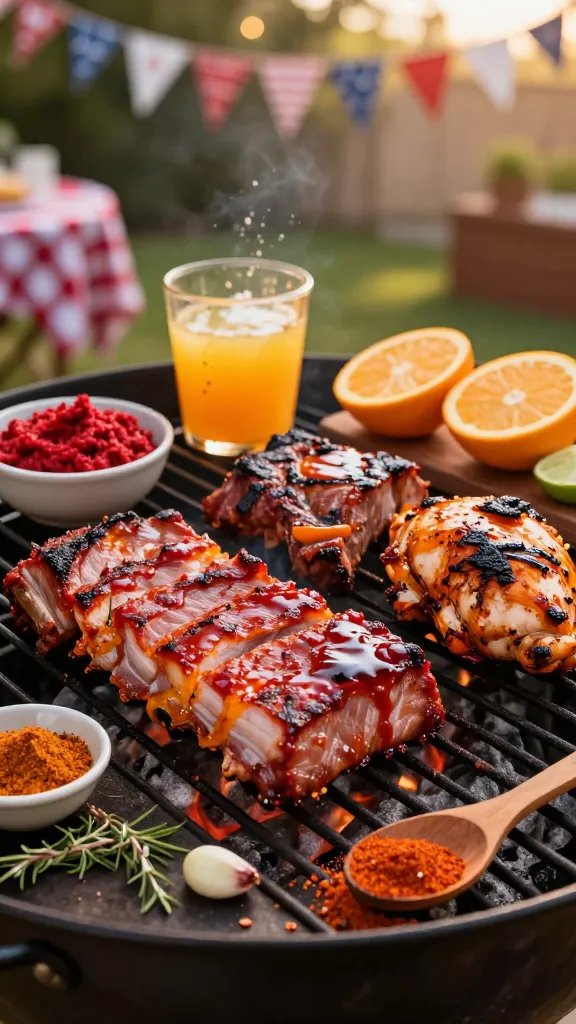
Chicken breasts and pork chops often taste plain. Achiote brings color, citrus tang, and earthy spice that turns basic cuts into grill stars.
What to Use Instead of Hard-to-Find Items
- Achiote paste is common in Latin aisles; if unavailable, use 1.5 tbsp sweet paprika + 1 tsp ground annatto if stocked, or 1 tsp smoked paprika + 1 tsp turmeric for color.
- Seville orange juice can be swapped with half orange juice, half lime juice, plus 1 tsp white vinegar.
Recipe (For 2 lb boneless pork shoulder slices or chicken thighs)
- 2 tbsp achiote paste
- 1/3 cup orange juice, 1/4 cup lime juice, 1 tsp white vinegar
- 3 cloves garlic, smashed
- 1 tsp oregano, 1/2 tsp allspice
- 1.5 tsp kosher salt, black pepper to taste
- 2 tbsp neutral oil
Blend to loosen the paste. Marinate at least 2 hours, up to overnight. Grill over medium heat, brushing with leftover marinade in the last 2 minutes for shine. Cook chicken to 175°F thighs or pork to tender, about 145–155°F for chops or 190°F if using thicker shoulder slices, moving to the cool zone as needed.
Serving Move
- Slice and serve with warm tortillas, pickled red onions, and lime wedges.
Action today: Buy a small block of achiote paste from the international aisle — it keeps for weeks and unlocks instant color and flavor.
4. Brazilian Garlic-Lime Picanha Marinade: Minimalist Salty-Citrus for Big Beef Flavor
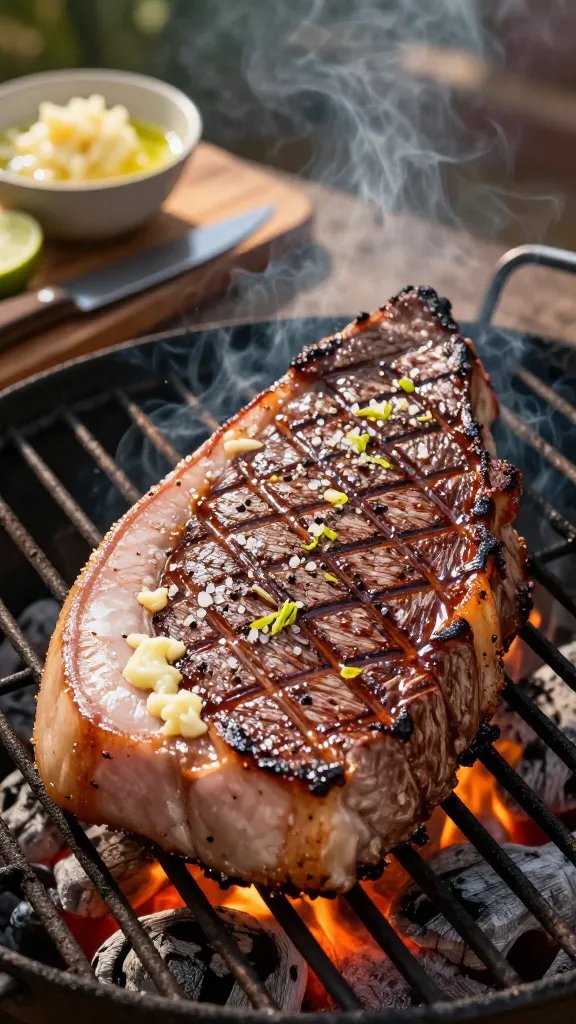
Fancy marinades can smother quality beef. For picanha (top sirloin cap) or any thick steak, simple salt, garlic, and lime create a crisp crust and juicy interior without masking the meat.
Why Simplicity Wins
- Coarse salt draws surface moisture for a better sear.
- Garlic and lime add brightness without breaking down the texture.
Recipe (For 2–2.5 lb picanha or sirloin cap)
- 5 cloves garlic, mashed with 2 tsp kosher salt to a paste
- 2 tbsp lime juice + 1 tsp lime zest
- 1 tbsp olive oil
- Black pepper to taste
Score the fat cap in a crosshatch (do not cut into the meat). Rub with the paste and rest 45 minutes at room temp. Grill fat-side down first over medium heat to render, then move to hot side to finish. Target 125–130°F for medium-rare. Rest 10 minutes, slice thinly against the grain.
Apartment-Safe Tip
- Keep a spray bottle of water nearby for flare-ups when rendering fat; brief spritzes only.
Takeaway: Resist over-marinating beef like this — 45 minutes is enough for flavor without mushy texture.
5. Cuban Mojo Marinade: Zesty Garlic-Orange That Perks Up Pork and Seafood
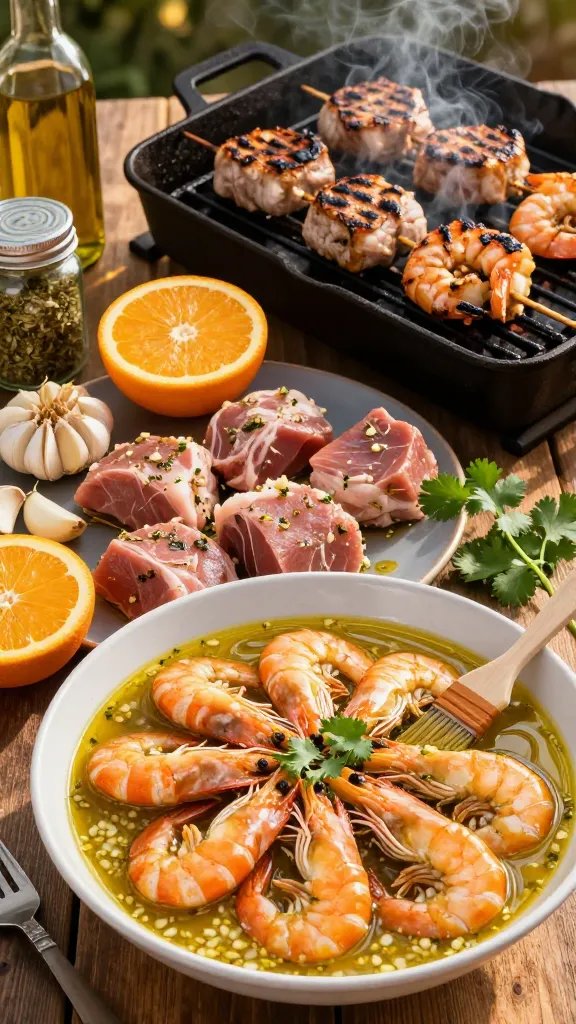
Pork loin and shrimp turn bland or rubbery if you miss the timing. Mojo adds huge citrus-garlic character and stays light and fresh when you respect the clock.
Key Ratios and Timing
- Acid tenderizes quickly — great for seafood, risky for long soaks.
- Oil + garlic help caramelization; oregano adds savory depth.
Recipe (For 2 lb pork loin medallions or 1.5 lb large shrimp, peeled)
- 1/2 cup sour orange juice (or 1/3 cup orange + 3 tbsp lime)
- 5 cloves garlic, minced
- 1/3 cup olive oil
- 1 tsp dried oregano
- 1 tsp kosher salt, 1/2 tsp black pepper
- Optional: 1/2 tsp ground cumin
Whisk until emulsified. Marinate pork 2–4 hours; shrimp 20–30 minutes only. Grill pork over medium heat to 145°F, rest 5 minutes. Grill shrimp 2–3 minutes per side until just opaque.
What to Use Instead
- If fresh citrus is low, use bottled orange juice plus bottled lime, then add a pinch of zest for aroma.
Action today: Set a phone timer the moment shrimp hit the marinade — pull them at 30 minutes to avoid a mealy texture.
6. Colombian-Style Cumin-Cilantro Marinade: Everyday Pantry Hero for Mixed Grills
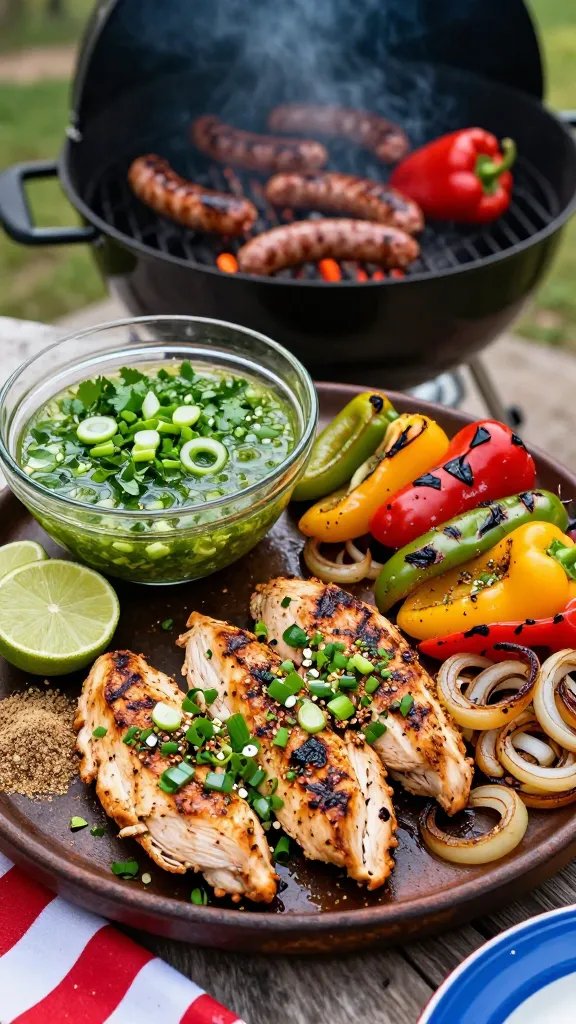
Mixed platters often taste disjointed when each protein has a different profile. This cumin-forward, cilantro-lime base ties chicken, sausage, and veggies together with one bright, savory thread.
Why This Balances a Platter
- Cumin and scallions add warmth and savoriness that complement smoke.
- Cilantro and lime keep everything lively, even after resting.
Recipe (For 2 lb mixed chicken breast strips, bell peppers, and onions)
- 1 cup cilantro, finely chopped
- 4 scallions, thinly sliced
- 3 tbsp lime juice
- 3 tbsp neutral oil
- 1 tsp ground cumin
- 1 tsp kosher salt, black pepper to taste
- 1 small jalapeño, minced (seeds removed for less heat)
Marinate chicken 45–60 minutes; toss veggies in a separate bowl with a few spoonfuls right before grilling. Thread onto skewers or use a grill basket. Grill over medium-high, flipping every 2–3 minutes. Chicken to 165°F; veggies to tender-crisp with char at the edges.
Skewer Safety
- Soak wooden skewers 20 minutes in water to prevent burning.
Takeaway: Keep a small cup of unused marinade to toss with grilled veggies right off the heat for a final burst of flavor.
Frequently Asked Questions
How long should I marinate different proteins?
Chicken thighs and drumsticks take 4–12 hours; breasts do best at 45–90 minutes to avoid a tough exterior. Beef skirt or flank works at 30–60 minutes; thicker steaks get 30–45 minutes if using acidic marinades. Pork chops or medallions like 2–4 hours. Shrimp and fish need only 20–30 minutes with acid — any longer and the texture turns chalky.
Can I reuse marinade as a sauce?
Yes, but only after boiling it hard for at least 3 minutes to kill bacteria, and even then, it often tastes muddier than a fresh batch. A better plan: make a double portion, use half for marinating, and keep half clean in the fridge for serving. For herb sauces like chimichurri, always reserve some before it touches raw meat.
What cuts should I buy if my store is limited?
Look for bone-in chicken thighs, drumsticks, or leg quarters; they’re forgiving and juicy. For beef, grab skirt, flank, or sirloin cap (picanha if labeled), which love high heat and quick cooking. For pork, shoulder slices or boneless country ribs handle longer marinades and stay tender. Large shrimp (16–20 per pound) grill evenly and don’t fall through grates.
How do I prevent sticking on a basic grill?
Start with a clean, hot grate — heat for 10 minutes, then scrub with a grill brush. Lightly oil the food, not the grates, right before it goes on. Don’t force a flip; proteins release naturally when the crust forms, usually after 2–4 minutes. If using sugary marinades, move to a cooler zone near the end to avoid burning.
What if I’m short on time before guests arrive?
Choose fast-acting marinades with bright acid, like chimichurri or mojo, and use thin cuts such as skirt steak or chicken breast strips. Even a 20–30 minute soak adds noticeable flavor. Score fat caps or butterfly thicker cuts to speed cooking, and keep a reserved sauce to finish at the table so it tastes like you marinated longer.
How much salt should I use inside a marinade?
For most mixes, 1 to 1.5 teaspoons of kosher salt per pound of meat seasons well without brining. If soy sauce is included, drop added salt by 25–50% to avoid over-seasoning. Taste a small piece of vegetable tossed in the marinade to gauge salinity before committing the protein.
Conclusion
Pick one marinade and run it tonight — chimichurri for fast steak, mojo for shrimp, or achiote for color that pops on a party platter. Once you see how much flavor you pull from a small grill and a short soak, build a two-sauce routine: one for marinating, one reserved to finish. Your 4th of July lineup will taste intentional, coordinated, and confidently grilled.