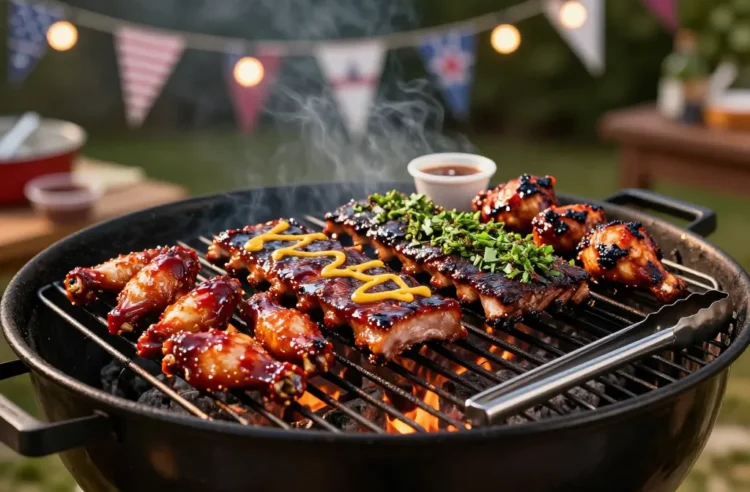
I grew up grilling on a tiny apartment balcony where smoke alarms were as common as sparklers. I learned fast that the right sauce rescues uneven heat, dry chicken, and store-brand sausages. In this guide, I’ll show you five global BBQ sauces that fit American 4th of July menus using ingredients from a standard grocery store and hardware-store grill tools. You’ll get flavor roadmaps, easy substitutions, and exact timing so you can glaze confidently and crowd-please without specialty gear.
1. Korean Gochujang Glaze: Sweet Heat That Clings and Lacquers
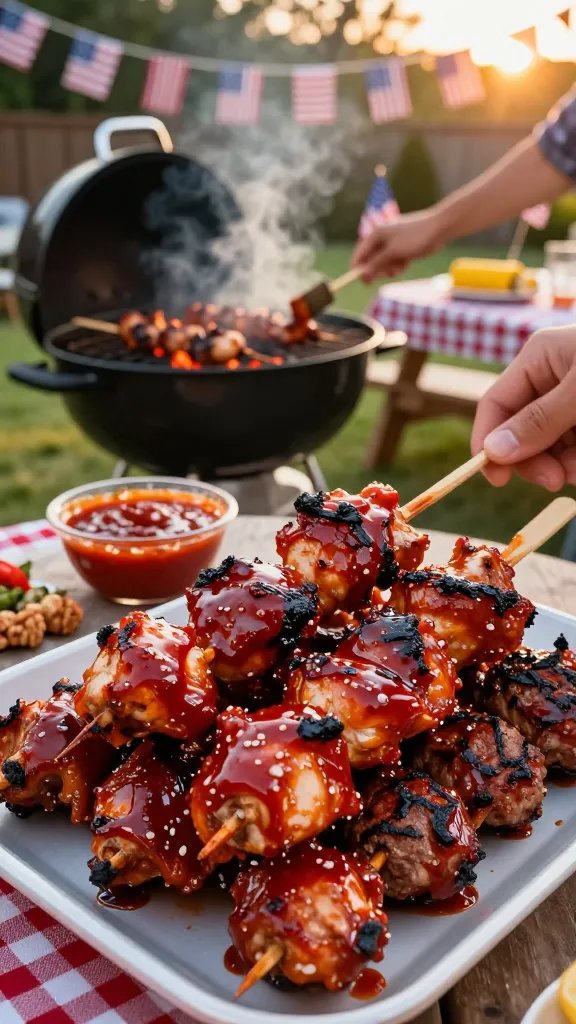
Dry chicken skewers and plain burgers go from forgettable to glossy and rich with a proper gochujang glaze. The consequence of skipping this style is meat that tastes flat once the smoke fades. A thick, balanced Korean glaze sticks well at the end of grilling and gives a deep-red sheen that screams celebration.
What You’ll Taste
- Heat-sweet balance: gentle chili warmth, caramel notes, and a savory soy backbone
- Sticky finish: a lacquer that adheres to wings, thighs, and burgers without burning if timed right
Simple Pantry Recipe (10 Minutes on the Stove)
- 3 tablespoons gochujang (Korean chili paste; find in the international aisle)
- 2 tablespoons ketchup
- 1 tablespoon soy sauce
- 1 tablespoon brown sugar
- 1 tablespoon rice vinegar (or apple cider vinegar)
- 1 teaspoon sesame oil
- 1 small clove garlic, minced (or 1/4 teaspoon garlic powder)
Simmer 3–4 minutes until glossy and thick enough to coat a spoon.
How to Use It on the Grill
- Protein picks: chicken thighs or wings, burger patties, and grilled mushrooms
- Timing: brush on during the last 2–3 minutes per side over medium heat; flip once, brush again off heat
- Burn control: if you see dark spots forming fast, move meat to a cooler zone or the upper rack
Action today: Grill a pack of chicken thighs over medium heat and brush this glaze on for the final 5 minutes; let rest 3 minutes, then scatter sesame seeds and sliced scallions from your crisper.
2. Jamaican Jerk Mop: Fragrant Heat That Wakes Up Pork and Veg
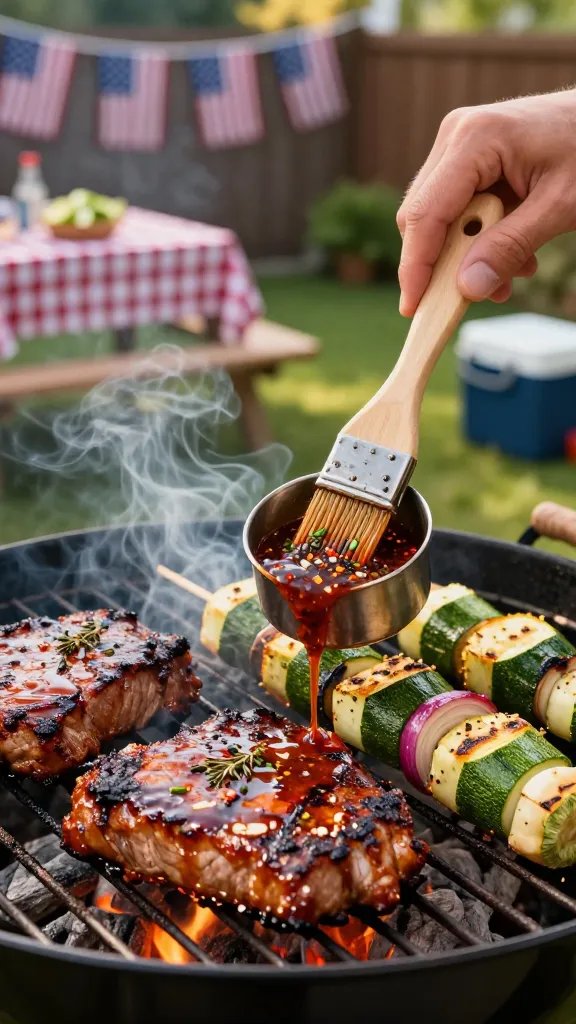
Plain pork chops and zucchini skewers often limp to the table, especially if the grill runs a little hot. A jerk-style mop adds citrus, herbs, and spice that cut through richness and revive soft textures. You get bold aroma and a lively tingle without specialty equipment.
Signs You Need a Jerk Lift
- Pale pork with beading moisture and no crust
- Vegetables taste sweet but one-note after charring
- Guests reach for salt first, not seconds
Quick Jerk Mop (No Blender Needed)
- 1 tablespoon dried thyme
- 1 teaspoon each ground allspice and cinnamon
- 1 teaspoon black pepper, 1 teaspoon kosher salt
- 1–2 teaspoons cayenne or crushed red pepper (adjust for heat)
- 2 tablespoons brown sugar
- 2 green onions, finely sliced
- 2 cloves garlic, minced
- 1 tablespoon fresh ginger, grated (or 1/2 teaspoon ground)
- Juice of 1 lime + 1/4 cup orange juice
- 1/4 cup soy sauce
- 2 tablespoons vegetable oil
Stir to combine. The liquid consistency makes it perfect for mopping.
How to Use It on the Grill
- Protein picks: pork chops, drumsticks, shrimp; for veg: zucchini, bell pepper, pineapple
- Mop strategy: start basting after the first flip; every 2–3 minutes until done
- Char management: move to indirect heat if sugars start to blacken early; finish with one last light mop off heat
Takeaway: Mix this mop in a mason jar before guests arrive and baste pork chops at every flip; the citrus-herb steam perfumes the whole patio and fixes blandness fast.
3. Argentine Chimichurri: Fresh, Garlicky Brightness That Cuts Through Fat
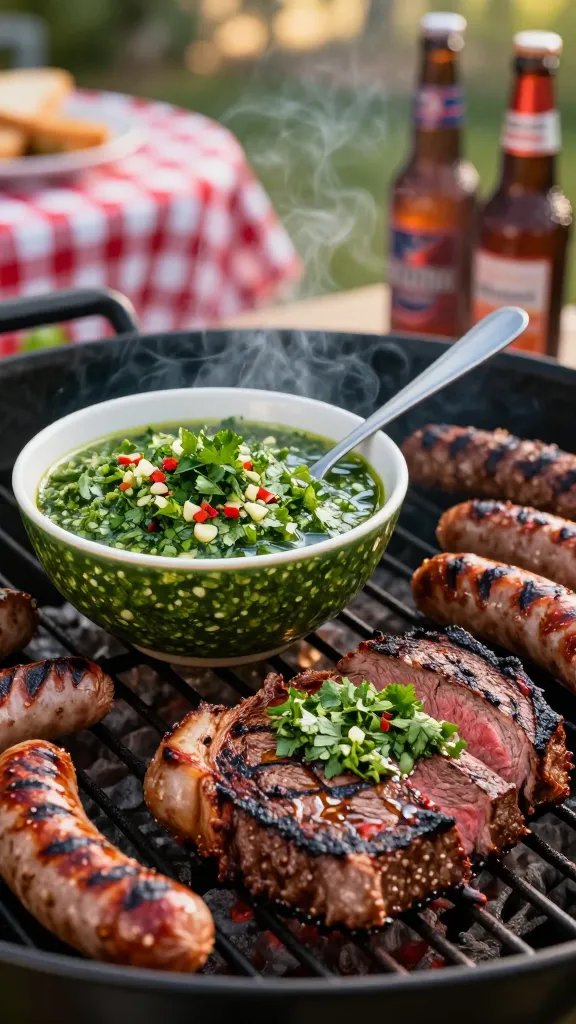
Steaks and sausages often land heavy, especially with beers and sides. Without a bright counterpoint, richness dulls the palate and people slow down after a few bites. A classic chimichurri adds sharp herbs, vinegar, and garlic that slice through fat and make each bite pop.
Fresh Chimichurri in One Bowl
- 1 cup packed fresh parsley, finely chopped
- 2 tablespoons fresh oregano, chopped (or 1 teaspoon dried)
- 3 cloves garlic, minced
- 1/2 teaspoon red pepper flakes
- 1/3 cup red wine vinegar (or apple cider vinegar)
- 1/2 cup olive oil
- 3/4 teaspoon kosher salt, 1/2 teaspoon black pepper
Stir and let sit 20–30 minutes while you grill to let flavors marry.
How to Use It
- Protein picks: skirt steak, flank, sausage (chorizo or bratwurst), portobello caps
- Timing: serve as a spoon-on finishing sauce, not a marinade; drizzle right before serving and again at the table
- Texture tip: keep it chunky; avoid blending to a paste which turns muddy
Action today: Grill a skirt steak 3–4 minutes per side on high heat, rest 5 minutes, slice thinly, and spoon chimichurri over a cutting board so juices and sauce mingle.
4. Japanese Yakitori Tare: Shiny, Savory-Sweet Sauce That Glazes Cleanly
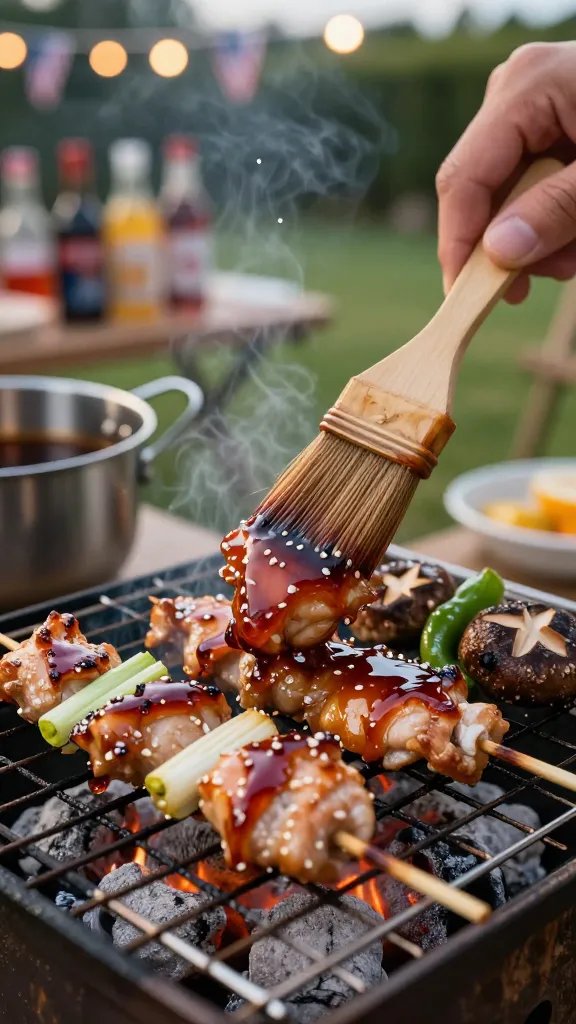
Bamboo skewers of chicken or veggies can dry out and fall apart. A proper tare binds surface moisture and adds umami sheen that stays put. You get consistent browning and a professional finish without complex technique.
Small-Batch Tare (15 Minutes)
- 1/2 cup soy sauce
- 1/2 cup mirin (or 1/2 cup white wine + 1 tablespoon sugar)
- 1/4 cup sake (or water with a splash of vinegar)
- 2 tablespoons brown sugar
- 1 small piece ginger, sliced; 1 clove garlic, smashed
Simmer 10–12 minutes to a syrupy consistency that lightly coats a spoon. Strain out aromatics.
How to Use It on Skewers
- Protein picks: chicken thighs, scallion-chicken (negima), firm tofu, or salmon
- Skewer prep: soak wooden skewers in water 20 minutes to reduce scorching
- Glaze timing: grill skewers over medium heat; dip or brush with tare in the last 3–4 minutes, turning and brushing each minute for layers
- Finish: one final brush off heat; sprinkle with sesame seeds
Takeaway: Make one saucepan of tare in the morning and use it as your universal skewer finisher; repeat thin coats at the end instead of one heavy brush to prevent flare-ups.
5. South African Peri-Peri: Tangy Chili Marinade That Also Doubles as a Table Sauce
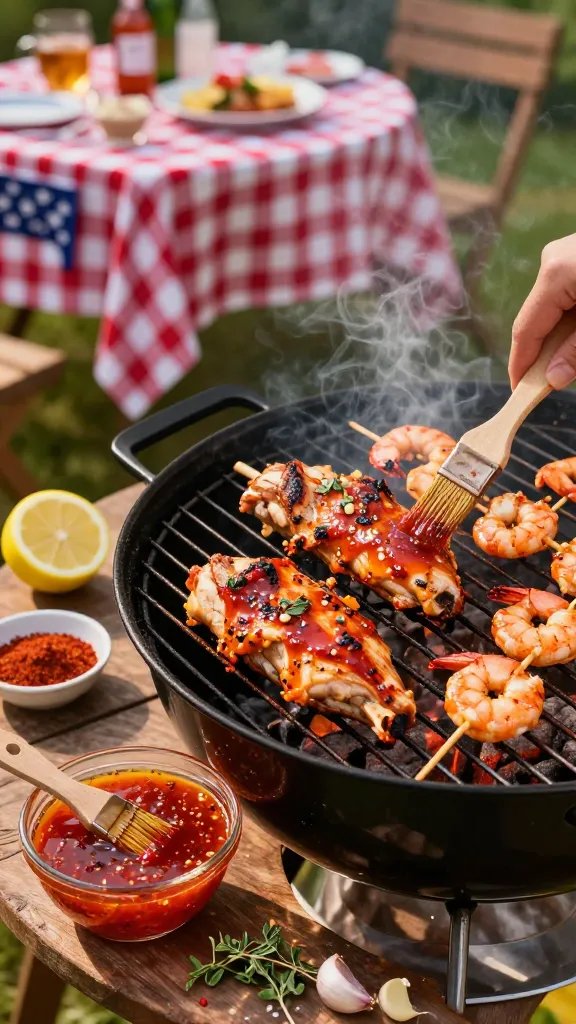
Boneless chicken breasts and shrimp often swing from underdone to chalky in minutes. A peri-peri marinade seasons the interior and gives you a built-in basting sauce with citrus and chili that reads festive. Used correctly, it keeps lean proteins juicy and lively.
No-Special-Equipment Peri-Peri
- 1/4 cup olive oil
- 1/4 cup lemon juice
- 2 tablespoons white vinegar
- 2 teaspoons smoked paprika
- 1–2 teaspoons red pepper flakes (adjust heat)
- 3 cloves garlic, minced
- 1 teaspoon oregano, 1 teaspoon salt, 1/2 teaspoon black pepper
Whisk until emulsified. Reserve 1/4 cup in a clean bowl for serving; use the rest to marinate.
How to Use It Safely and Effectively
- Marinade window: chicken breasts 30–45 minutes; shrimp 15–20 minutes in the fridge
- Grilling: cook over medium-high; pat proteins lightly before grilling to reduce flare-ups
- Baste: brush with fresh reserved sauce in the last minute off heat; never reuse raw marinade
Action today: Marinate two chicken breasts for 40 minutes, grill 4–5 minutes per side, rest 3 minutes, then spoon over 2 tablespoons of the reserved peri-peri for a bright finish.
Frequently Asked Questions
How do I stop sweet sauces from burning on the grill?
Apply sugary sauces like gochujang glazes and tare in the last 3–5 minutes of cooking over medium heat, not high. Keep one cool zone by leaving a burner off or banking coals to one side. If you see fast darkening, move meat to the cool zone and finish with thinner coats. Rest off heat, then add a final brush right before serving.
Can I prep these sauces a day ahead?
Yes. Make gochujang glaze, tare, and chimichurri up to 24 hours ahead and refrigerate in jars. Chimichurri tastes brighter if you stir in a splash of fresh vinegar and olive oil right before serving. Shake or whisk each sauce to re-emulsify before using.
What proteins work best with each sauce if I’m on a budget?
Choose chicken thighs for gochujang and tare—they’re forgiving and flavorful. Pork shoulder steaks or bone-in chops love jerk mop. For chimichurri, skirt steak or grilled sausages are affordable winners. With peri-peri, use boneless chicken thighs or drumsticks, and reserve some sauce for the table to stretch flavor.
How spicy are these sauces, and how do I tone them down for kids?
Gochujang and jerk can be medium-hot; peri-peri ranges from mild to hot; tare and chimichurri are mild unless you add extra flakes. To soften heat, halve the chili components and add 1–2 teaspoons extra sugar or honey to glazes, and an extra tablespoon of oil or vinegar to fresh sauces. Serve heat on the side so adults can add more at the table.
What if I don’t have a grill—can I still use these for a 4th of July meal?
Yes. Use a stovetop grill pan or a sheet pan with a wire rack under the broiler set to high. Cook to near-done without sauce, then brush glazes in the final 2–3 minutes, watching closely. Finish with a last brush off heat and rest the meat before slicing.
How do I keep chicken juicy when using these sauces?
Start with thighs or drumsticks, which stay moist under heat. Salt the meat 30 minutes ahead, grill over medium to medium-high, and sauce only at the end to avoid scorching before the inside cooks. Rest 3–5 minutes, then add a final spoon of sauce to catch the juices. A thin, repeated glaze beats a single heavy coat.
Conclusion
Pick one sauce from this list and run it start-to-finish on a single protein today—don’t juggle all five. Once you see how timing and thin coats change the result, you’ll be ready to build a full 4th of July lineup with bright chimichurri, glossy gochujang, and crowd-pleasing peri-peri without any specialty gear.