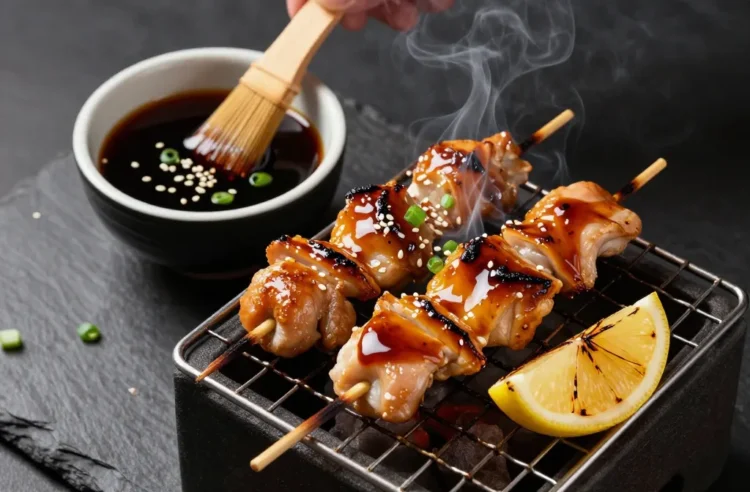
- Best for: Weeknight grilling, backyard parties, and bento prep
- Make ahead: Yes — up to 2 weeks refrigerated or 3 months frozen
- Serves: About 1 1/2 cups sauce — enough to glaze 2–3 pounds of chicken
- Key tip: Reduce gently until glossy; the sauce should coat a spoon in a thin, even film
Japanese Tare Sauce for Chicken Yakitori Skewers is the caramel-salty glaze that makes those smoky bites unforgettable. It’s a balanced blend of soy, mirin, sake, and a touch of sweetness that turns simple chicken into street‑stall magic. You’ll learn how to make a reliable base tare, how to tweak thickness for basting vs. dipping, and how to store and reheat without losing shine. By the end, you’ll have a make-ahead, freezer-friendly sauce and a plan to nail yakitori at home.
What Is Tare and Why It Works
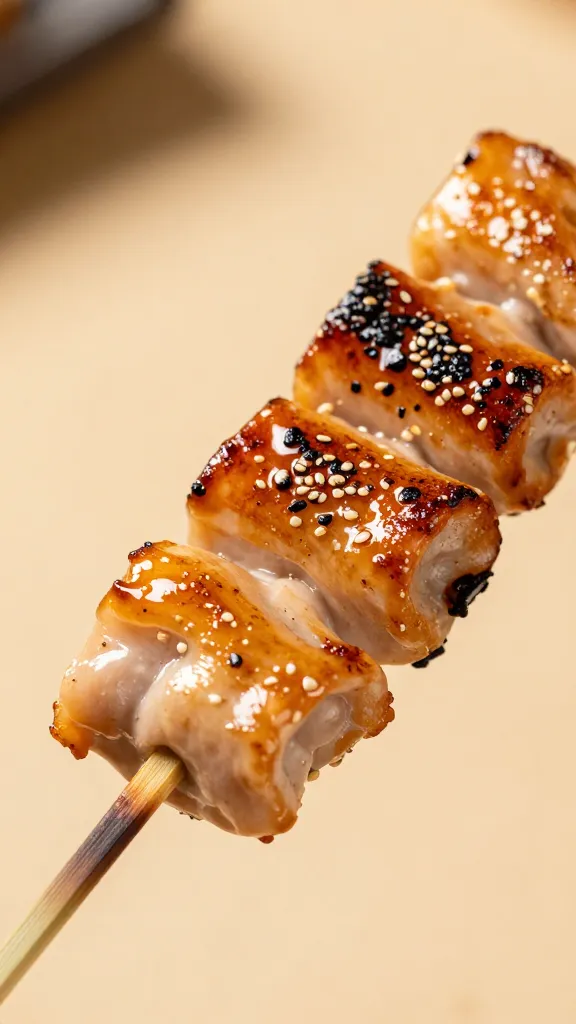
Tare (pronounced tah-reh) is a concentrated seasoning sauce used to glaze and finish grilled foods like yakitori. Think of it as the savory backbone that adds umami, sweetness, and shine in one brush.
Classic tare relies on a simple ratio: salty (soy), sweet (mirin/sugar), aromatic (sake), and depth (aromatics + optional stock). Reduced over gentle heat, the sugars caramelize enough to cling to chicken without burning over the coals.
Core Ingredients for Yakitori Tare
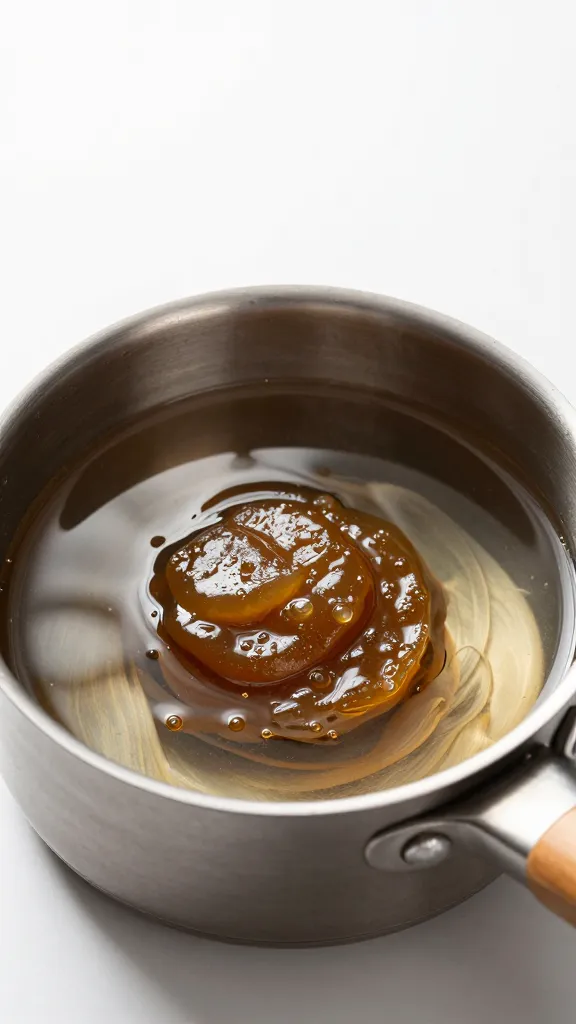
- Soy sauce: Use regular Japanese-style soy (koikuchi). Low-sodium works, but season to taste at the end.
- Mirin: Real mirin adds sweetness and a light, syrupy body. If using aji-mirin, reduce added sugar slightly.
- Sake: Dry, inexpensive sake is fine; it softens the soy’s edge and adds aroma.
- Sugar: White or light brown sugar both work. Brown sugar gives a hint of molasses depth.
- Aromatics: Smashed garlic, sliced ginger, and a scallion or two. They perfume the sauce without overpowering.
- Optional boosters: A splash of rice vinegar for brightness, dashi for savory depth, or a piece of chicken skin/bones for richness if you’re simmering longer.
How to Make Japanese Tare Sauce (Step by Step)
- Add to a saucepan: 1 cup soy sauce, 1 cup mirin, 1/2 cup sake, 1/4 cup sugar, 2 smashed garlic cloves, 6 slices ginger, and 1 chopped scallion.
- Bring to a gentle boil over medium heat, then reduce to a steady simmer.
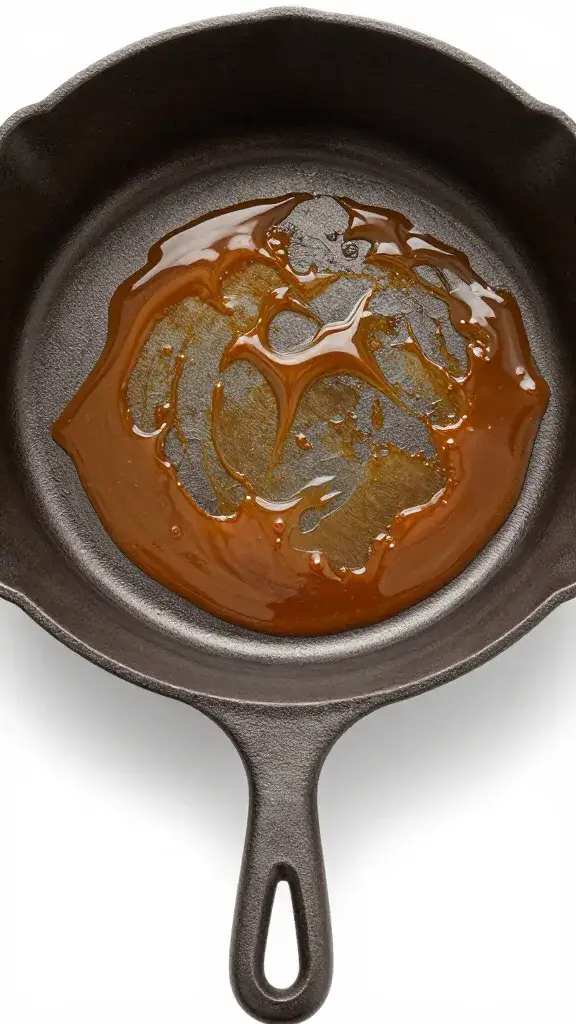
- Simmer 8–12 minutes, stirring occasionally, until the bubbles look syrupy and the sauce lightly coats the back of a spoon.
- Off heat, strain out aromatics. If you want extra gloss, whisk in 1 teaspoon honey while warm.
- Taste and adjust: a dash of rice vinegar if it’s too sweet, or a tablespoon of water if it’s too salty.
Consistency check: Drag a finger across a sauce-coated spoon; the line should hold for 1–2 seconds. Too thin? Simmer 1–2 minutes more. Too thick? Whisk in warm water, a tablespoon at a time.
Yakitori Game Plan: Skewers, Baste, and Finish
Prep the Chicken
- Cut boneless thighs into 1-inch pieces for better juiciness than breast.
- Thread onto soaked bamboo or metal skewers, packing lightly so heat penetrates evenly.
- Season lightly with salt; you don’t need much because the tare is salty.
Grill and Glaze
- Grill over medium-high heat, turning every 1–2 minutes.
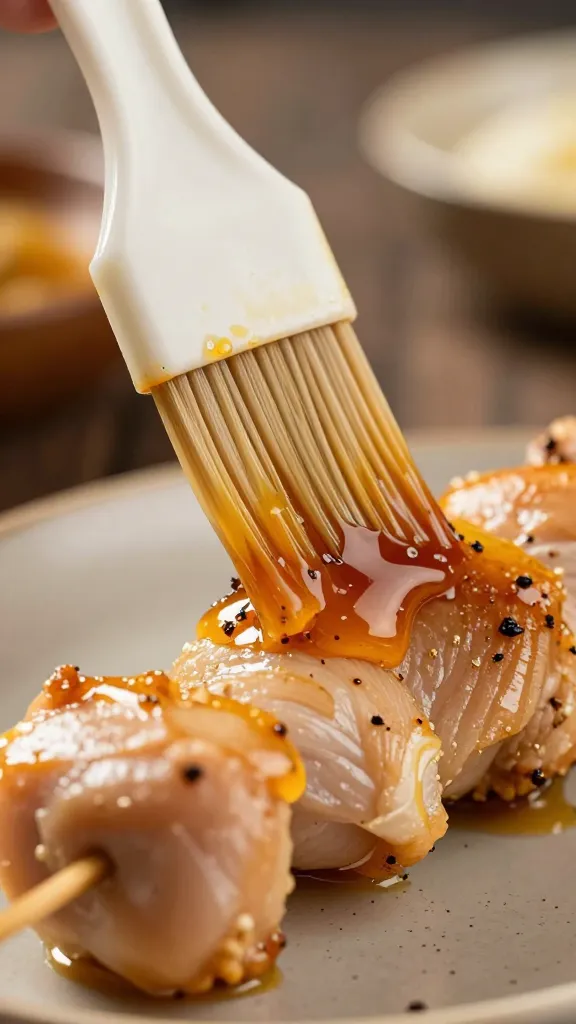
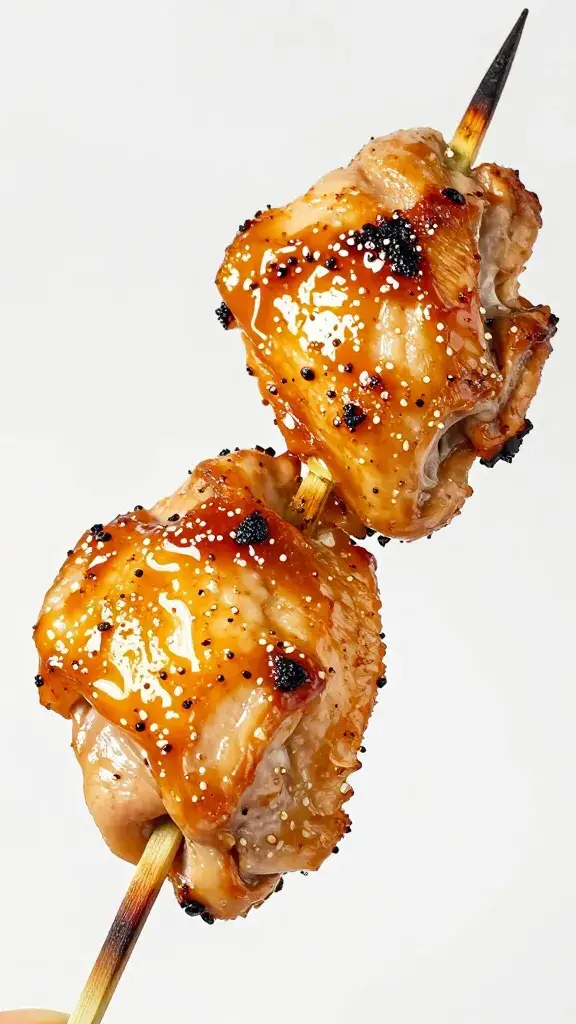
- Start basting after the first flip, once the chicken has some color. Brush lightly with tare each turn.
- For the last minute, baste generously to build a lacquered finish. Watch for flare-ups; move skewers to a cooler zone if needed.
Food safety tip: Keep a separate small bowl of tare for final glazing at the end, untouched by raw chicken brushes. Or boil any “working” tare for 1 minute before a finishing pass.
Dial It In: Variations and Adjustments
- For thicker glaze: Simmer 2–3 minutes longer or add 1/2 teaspoon cornstarch slurry (1:1 with water) and cook 30 seconds.
- Sweeter profile: Add 1–2 teaspoons honey or more mirin near the end to avoid scorching.
- Smoky heat: A pinch of shichimi togarashi or a few drops of chili oil balances richness.
- Extra umami: Simmer with a 2-inch piece of kombu for 5 minutes, then remove before it gets slimy.
- No alcohol version: Replace sake with water and 1 teaspoon rice vinegar; increase mirin slightly.
Make-Ahead, Storage, and Reheating
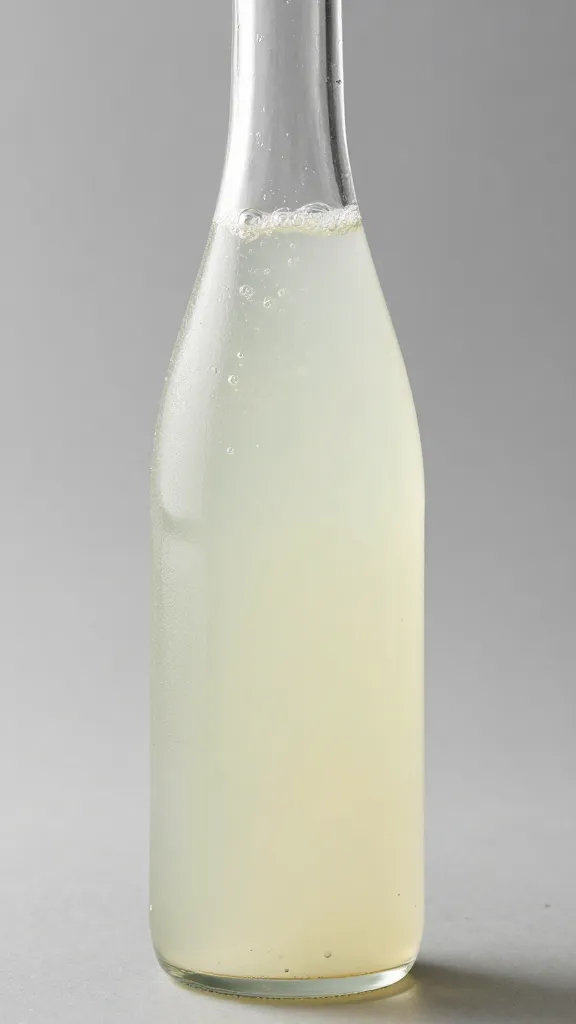
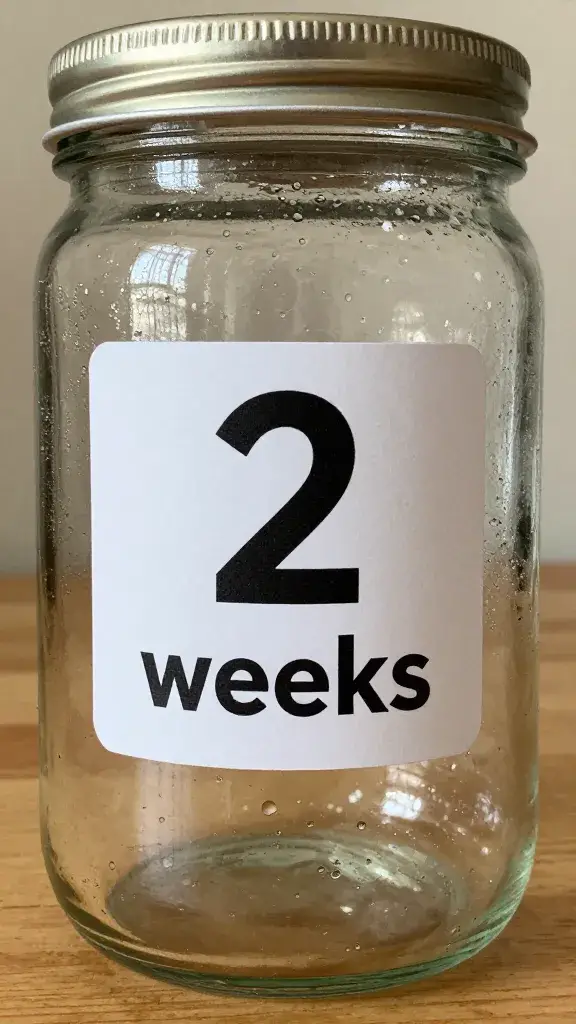
Cool completely, then store in a clean jar. Refrigerate up to 2 weeks. The flavor actually improves after day one as it melds.
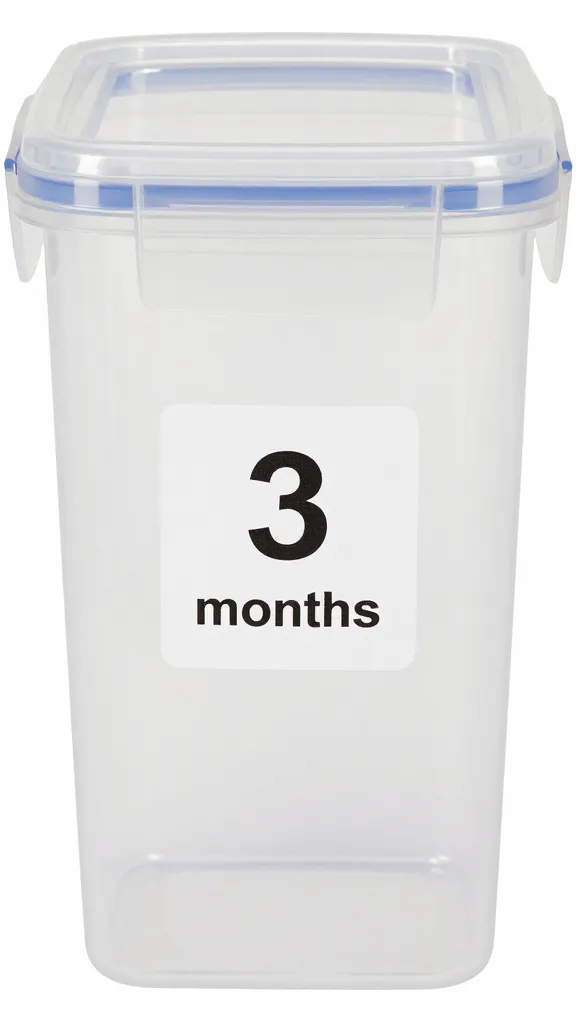
For longer storage, freeze up to 3 months in small containers or ice cube trays. Thaw overnight in the fridge or gently in a saucepan.
Reheat over low heat until just warm and glossy. If it thickens too much in the fridge, whisk in a teaspoon of hot water to loosen.
Serving Ideas Beyond Yakitori
- Brush on salmon or eggplant in the last minutes of broiling.
- Toss with pan-seared tofu and blanched green beans for a quick bowl.
- Drizzle over rice with a soft-boiled egg and sesame seeds.
- Use a spoonful to season fried rice or noodles instead of soy alone.
Planning a mixed-grill night? Pair yakitori with a fresh, zippy sauce like this chimichurri recipe for beef or veg skewers on the same platter. And if you’re stocking sauces for the week, consider making a batch of homemade teriyaki sauce to keep variety without extra work.
From My Kitchen: What Actually Works
The most common mistake I’ve tested is reducing the tare too fast. A hard boil thickens quickly but tastes flat; a gentle simmer for at least 8 minutes keeps the aromatics bright and prevents bitterness. I also keep two brushes at the grill: one for mid-cook basting and a clean one for the final glossy pass. When scaling up for parties, I reduce the sugar by about 15% because repeated basting concentrates sweetness on the grill. Finally, if I’m using breast meat, I loosen the sauce slightly with water so it doesn’t over-caramelize before the chicken cooks through.
Frequently Asked Questions
How long does Japanese Tare Sauce for Chicken Yakitori Skewers keep in the fridge?
Properly stored in a clean, sealed jar, it keeps for up to 2 weeks. If you added chicken drippings or reused a basting brush, bring it to a boil for 1 minute before refrigerating and use within 5–7 days.
Can I make Japanese Tare Sauce for Chicken Yakitori Skewers ahead of time?
Yes. Make it up to a week ahead for best flavor and convenience. The sauce thickens in the fridge; warm gently and thin with a splash of water if needed.
Can I freeze tare sauce?
Absolutely. Freeze in small portions for up to 3 months. Thaw in the fridge and reheat gently; whisk if it looks separated and adjust thickness with hot water.
What’s the best way to use tare on the grill without burning?
Start glazing after the chicken has seared and developed color. Apply thin coats with each turn, saving a generous final brush for the last minute over medium heat or a cooler zone to prevent scorching.
Is there a non-alcohol substitute for mirin and sake?
Replace sake with water plus 1 teaspoon rice vinegar per 1/2 cup. For mirin, use 1/2 cup water with 1–2 tablespoons sugar; adjust sweetness to taste and reduce gently for body.
The Bottom Line
A balanced tare turns simple skewers into glossy, savory-sweet yakitori with minimal effort. Make it once, stash a jar, and your next grill night practically runs itself.
Planning to try this? Save this post so you can find it when you need it — and tag us when you make it.