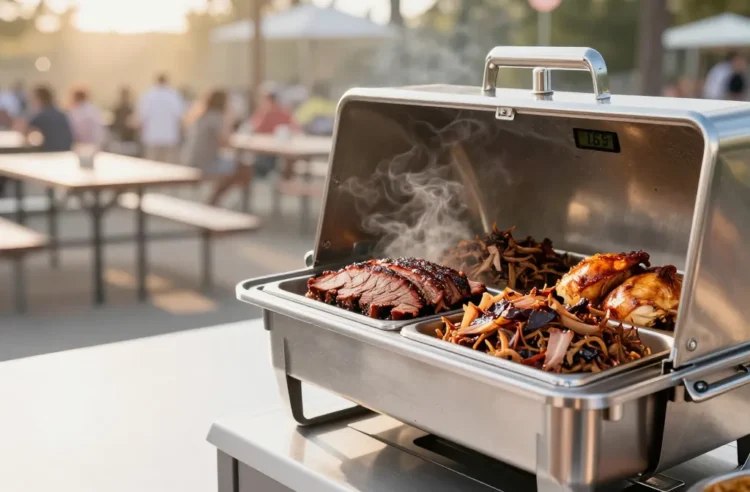
- Best for: Backyard weddings, company picnics, neighborhood cookouts
- Make ahead: Yes — hold cooked meats 2–4 hours safely
- Serves: 100 guests with staggered service
- Key tip: Preheat the cabinet to 160–170°F before the first tray goes in
How to Use a Warming Cabinet for a 100-Person BBQ can make or break your event. Cooked too soon and it dries out; served too late and the line gets hangry. A properly managed warming cabinet buys you time without sacrificing juicy brisket or crispy-skinned chicken. Below you’ll get temps, timelines, moisture control, and a sample service flow to feed 100 without stress.
Know Your Cabinet: Dry vs. Humid Heat
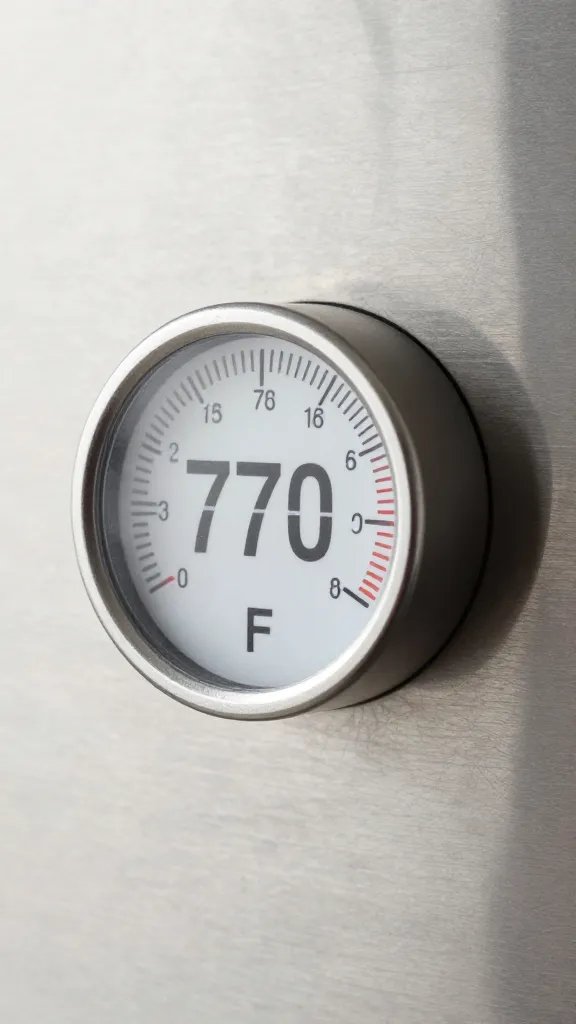
Not all warming cabinets are the same. Some are dry-hold, others have humidity controls or a water pan.
- Dry cabinets are fine for bread and fried items you want to stay crisp. Use covered pans for meats to prevent drying.
- Humid cabinets shine for smoked meats, pulled pork, and chicken. A small amount of humidity keeps proteins juicy and prevents surface hardening.
- Target ranges: Hold at 140–170°F cabinet temperature. Add 10–20% humidity (or a shallow water pan) for most BBQ meats.
Food-Safe Holding Temperatures (Without Drying Out)
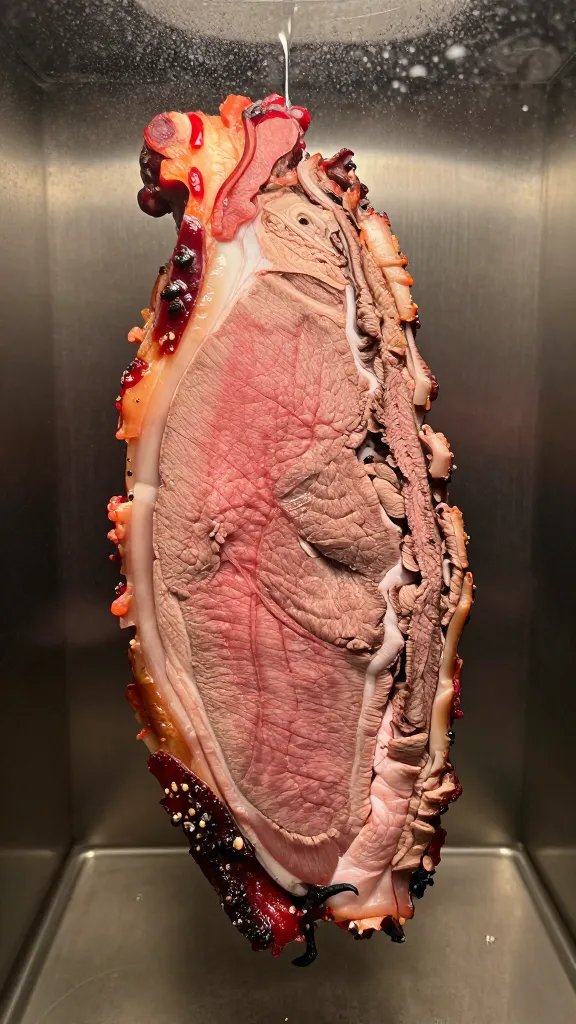
Safety first, then texture. The USDA hot-hold minimum is 135°F, but aim higher to maintain quality.
- Ideal cabinet temp: 160–170°F for most meats. This keeps internal temps above 140°F safely.
- Internal temps during hold:
- Brisket/pork shoulder: 150–160°F
- Pulled pork (shredded): 150–160°F
- Chicken (bone-in): 150–160°F
- Sausages/ribs: 150–160°F
- Max hold time: 4 hours for highest quality. You can go longer for safety, but texture will suffer.
Preheat, Load, and Rotate: Step-by-Step
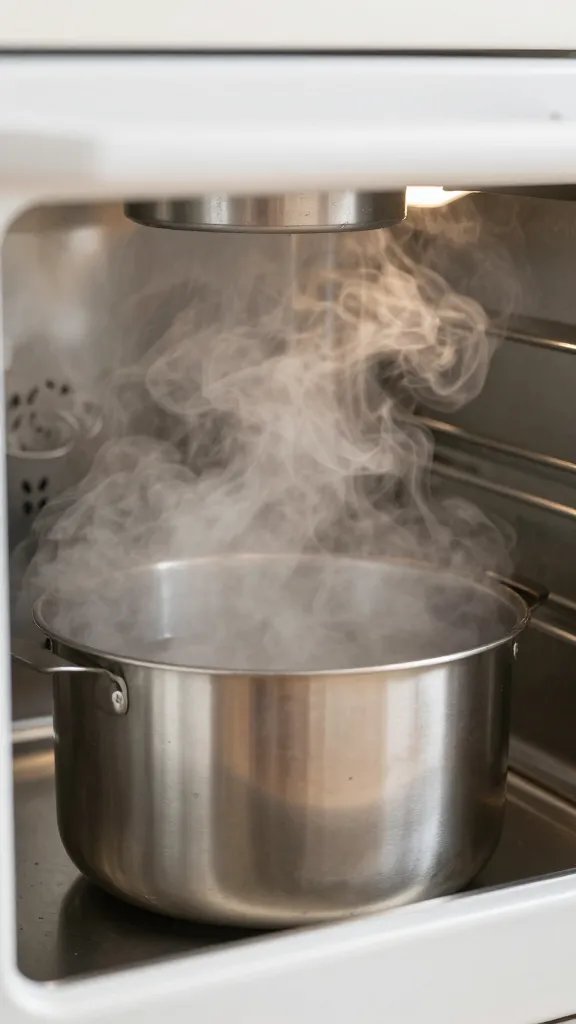
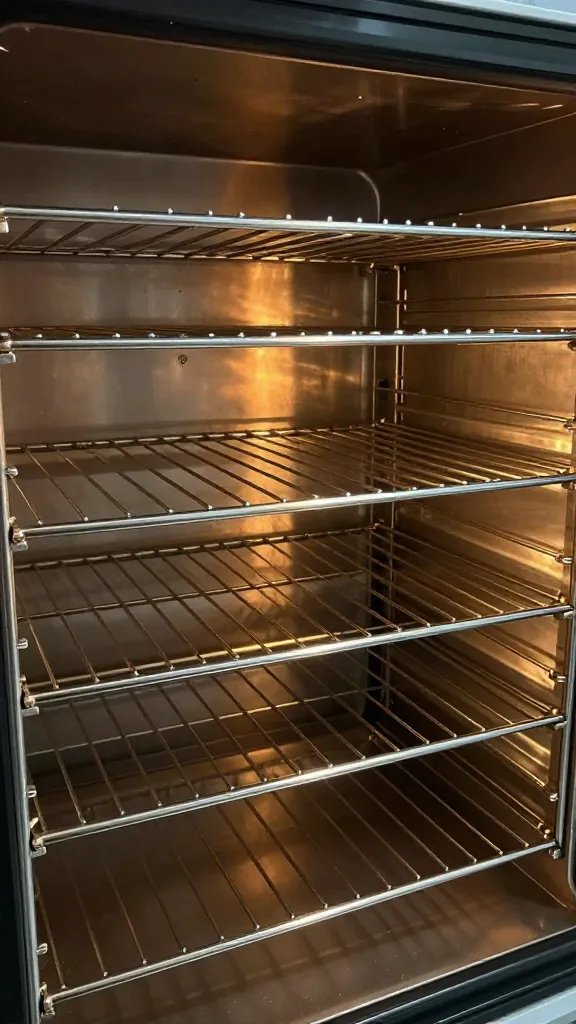
- Preheat 45 minutes out. Set cabinet to 165°F. If humidified, add water and set to low humidity (10–20%).
- Vent lids, not flavor. Cover hotel pans with foil or lids and crack one corner. This balances moisture and prevents steaming the bark.
- Load by density. Heavier meats (brisket/pork) on lower shelves, lighter (chicken/sausages) on upper shelves for even holding.
- Rotate every 45–60 minutes. Swap top and bottom shelves and flip pan positions front-to-back for even heat.
- Rest before you hold. Rest brisket/pork shoulders 30–60 minutes wrapped before they go into the cabinet. This locks in juices.
Pan Choices, Moisture Tricks, and Bark Protection
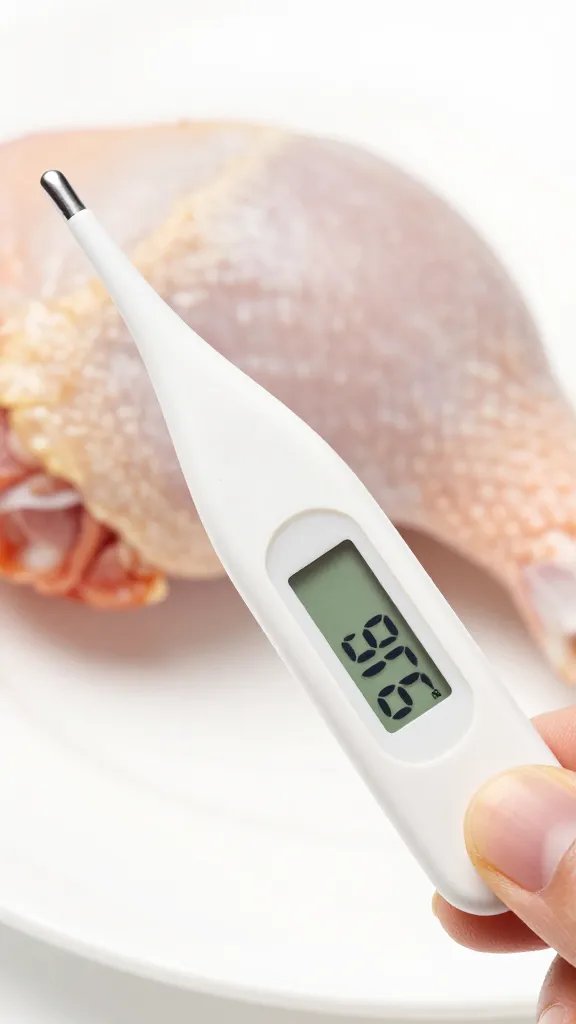
Small changes here keep meats tender and sides appetizing.
- Pans: Use deep hotel pans (2.5–4 inch). Stainless holds heat better than disposable, but heavy-duty foil pans are fine if double-stacked.
- Moisture control: For pulled meats, add a few tablespoons of reserved fat or sauce and toss before holding.
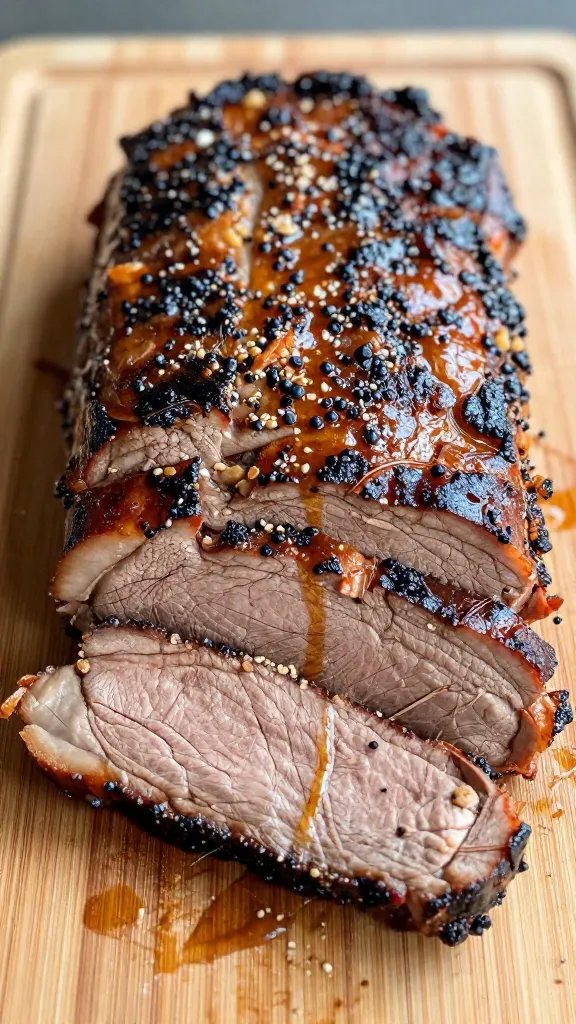
- Bark preservation: Keep brisket and ribs wrapped in butcher paper or vented foil. Too tight and the bark softens; too open and it dries.
- Chicken skin: Hold uncovered for the last 20–30 minutes in a dry zone to keep skin from going rubbery.
Service Flow for 100: Timing That Works
Serving 100 goes smoothly when you batch the cook and hold.
- T–4 hours: Finish long-cook meats (brisket, pork shoulder). Rest wrapped.
- T–3 hours: Preheat cabinet. Pan and load rested brisket/shoulder, vented.
- T–2 hours: Cook ribs/sausages. Load into cabinet in covered pans. Add a splash of sauce or au jus to prevent drying.
- T–60 minutes: Cook chicken. Hold covered for 30 minutes, then uncover for 20 minutes in a drier zone to keep skin texture.
- T–15 minutes: Slice brisket as needed, not all at once. Keep slices in a covered pan with a little warm au jus.
Plan 6–8 two-thirds pans of protein for 100 people, depending on menu variety. Stagger slicing and pulling to keep things fresh.
Labeling, Thermometers, and Safe Reheats
A little organization prevents the dreaded mystery pan.
- Label every pan with meat type, sauced/unsauced, and time in.
- Probe thermometers stay in a “sacrificial” piece or a small test cube in each pan. Check every 45 minutes.
- If temps dip below 140°F: Reheat quickly on the grill or oven to 165°F, then return to the cabinet.
What Not to Put in the Warming Cabinet
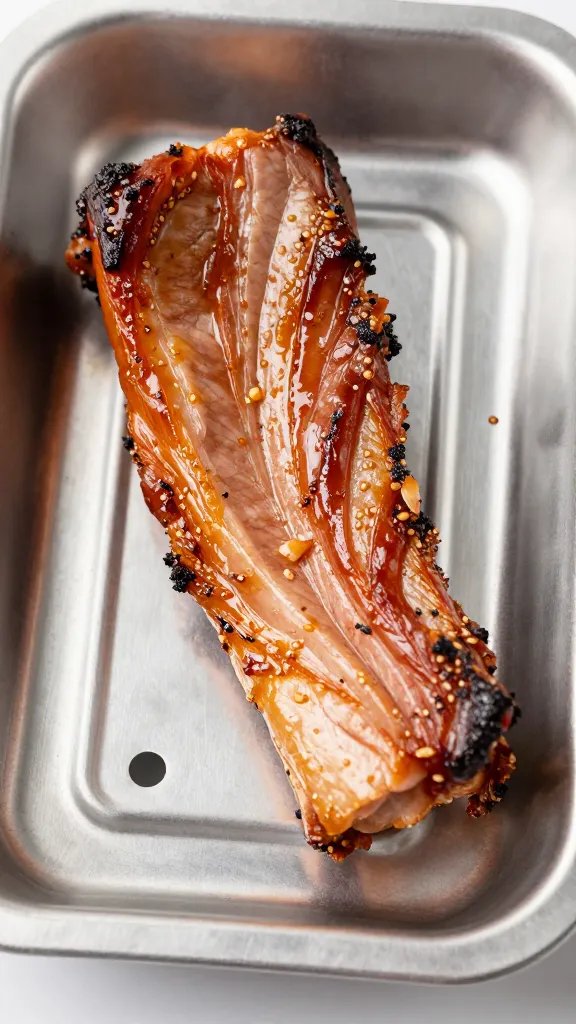
Some sides and condiments do better elsewhere.
- Coleslaw, pickles, and greens stay cold and crisp in coolers with ice packs.
- Mac and cheese, beans, cornbread hold well, but keep them covered and stir every 30 minutes. Add a splash of milk or stock to creamy sides if they tighten up.
- Grilled vegetables can steam into mush. Hold briefly, then finish on a hot grill before service.
From My Kitchen: What Actually Works
I track moisture with a “half-cover rule” on pulled pork: cover the pan tightly for the first hour to rehydrate, then switch to a cracked lid so the surface doesn’t go soggy. For brisket, I keep it whole in butcher paper in the cabinet and only slice for 15–20 people at a time; slices stay juicier and the bark holds. Chicken stays best when I hold it covered for 30 minutes, then uncover in the last 20 minutes in a dry zone — the skin stays bite-through. When cabinet temps creep up, I crack the door for 10–15 seconds instead of lowering the dial; recovery is faster and steadier.
Frequently Asked Questions
How long can I use a warming cabinet for a 100-person BBQ without drying out the meat?
For best quality, hold meats 2–4 hours. Keep the cabinet at 160–170°F and pans covered with a small vent. Add a splash of au jus or sauce to sliced meats to maintain moisture.
What temperature should a warming cabinet be for BBQ?
Set the cabinet to 160–170°F. This keeps internal food temps safely above 140°F while avoiding overcooking. Use low humidity for barky meats and slightly higher humidity for pulled items.
Can I put freshly cooked ribs and chicken straight into the cabinet?
Let them rest 10–20 minutes first. Resting stabilizes juices and prevents steam build-up that softens bark or skin. Then load them covered, venting the lid slightly.
How do I keep brisket moist in a warming cabinet for a crowd?
Hold it whole, wrapped in butcher paper, then slice in small batches. Place sliced brisket in a covered pan with a little warm au jus. Rotate pans every 45–60 minutes for even heat.
Should sides like mac and cheese go in the warming cabinet?
Yes, but keep them covered and stir every 30 minutes. If it thickens, stir in a bit of hot milk or stock. Keep the cabinet at 160–170°F to prevent scorching.
The Bottom Line
A well-managed warming cabinet turns a 100-person BBQ from stressful to smooth. Control temp, manage moisture, and slice or pull in small batches, and your last plate will taste like the first.
Planning to try this? Save this post so you can find it when you need it — and tag us when you make it.