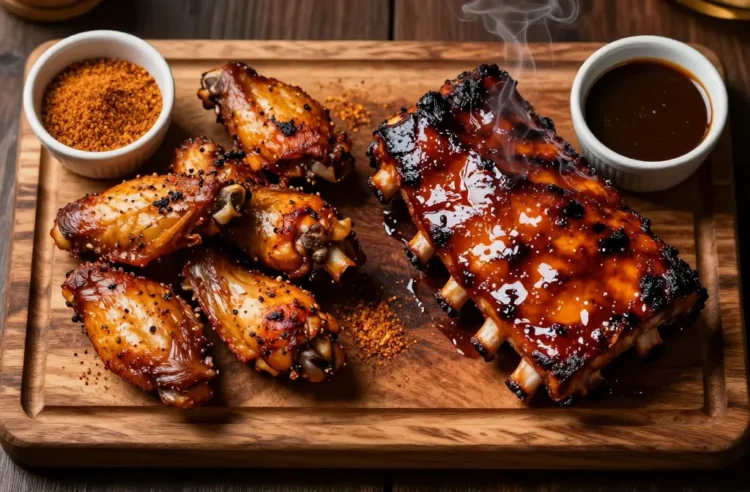
- Best for: Backyard cookouts, weeknight grilling, and smoker weekends
- Make ahead: Yes — rub up to 24 hours; sauce 1–2 weeks
- Serves: Flexible — rub/sauce yields cover 2 racks ribs or 8–10 thighs
- Key tip: Season with rub early, sauce late — heat sets sugar and spices
Dry Rub vs BBQ Sauce — the debate pops up anytime grills fire up. Both bring flavor, but they don’t do the same job. Think of rub as the foundation and sauce as the finish. By the end, you’ll know when to use each, how to time them, and smart ways to combine them without burning or turning meats soggy.
What a Dry Rub Actually Does
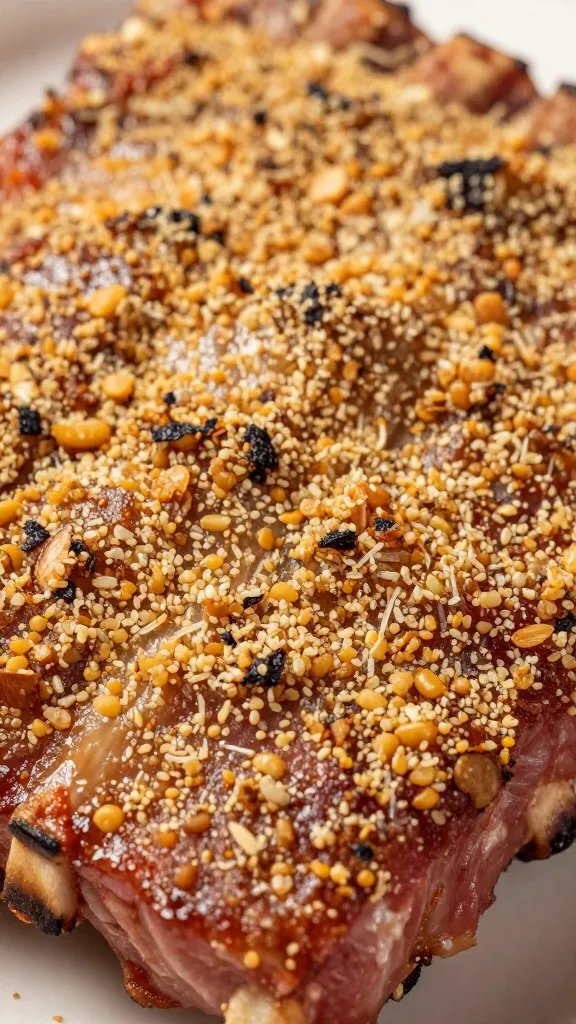
A dry rub is a mix of salt, spices, and sometimes sugar. It sticks to the surface, draws a little moisture, and forms a seasoned crust. That crust — the bark — delivers concentrated flavor and texture.
Use rub when you want:
- Crust and bark: Ribs, brisket, pork shoulder, wings.
- Defined spice profile: Chili-forward, peppery, or herb-heavy.
- Lower mess factor: Easier handling on the grill.
What BBQ Sauce Actually Does
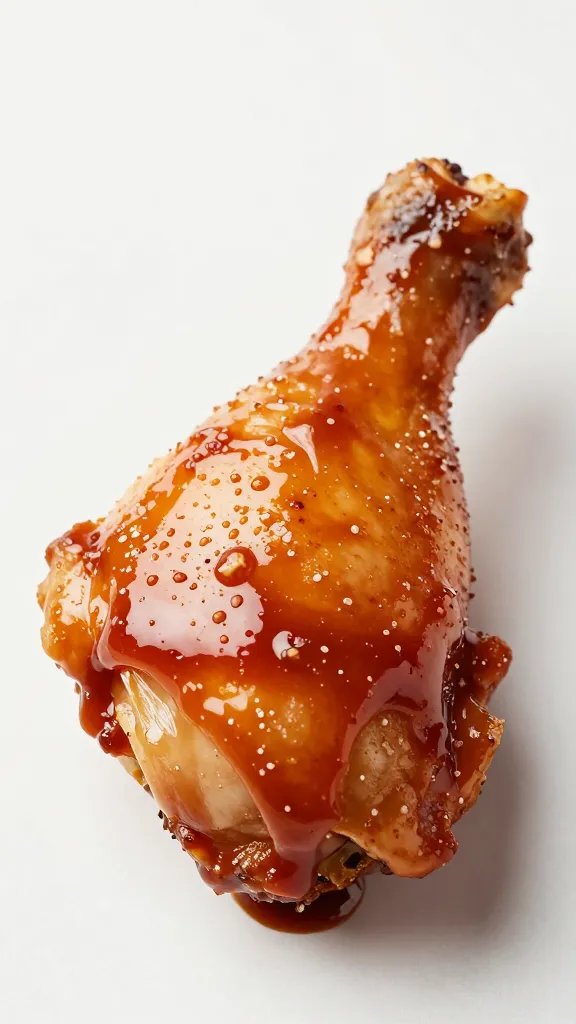
BBQ sauce adds moisture, sweetness, tang, and shine. Most sauces contain sugar, which caramelizes and can burn if applied too early at high heat.
Use sauce when you want:
- Sticky glaze and shine: Great for chicken, ribs, and meatloaf.
- Regional flair: Kansas City sweet, Carolina vinegar, Alabama white.
<liContrast and moisture: Sauces balance spice and add juiciness.
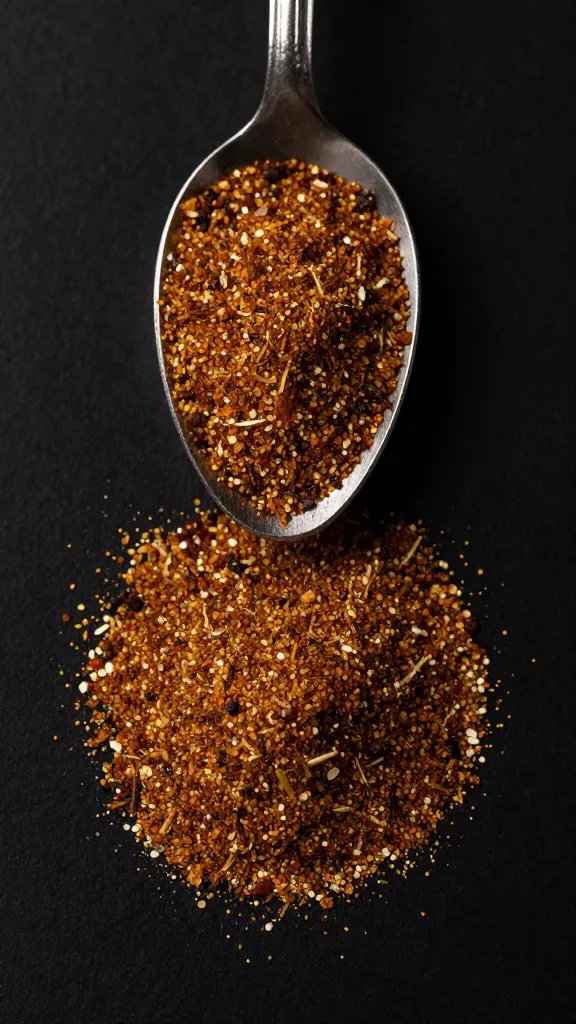
Dry Rub vs BBQ Sauce: When to Choose One or Both
Best times to go rub-only
- Long smokes: Brisket and pork butt benefit from a solid bark and don’t need sauce during the cook. Serve sauce on the side.
- High heat searing: Steaks and burgers prefer spice without sticky sugars that burn.
Best times to go sauce-only
- Quick cooks: Thin pork chops or grilled shrimp with a light mop near the end.
- Delicate proteins: Turkey breast or smoked fish with a thin, tangy glaze.
Best times to combine both
- Ribs and chicken: Rub for backbone, sauce for glossy finish.
- Pulled pork: Rub during smoke, toss with a splash of vinegar sauce after shredding.
How to Apply Rub Like a Pro
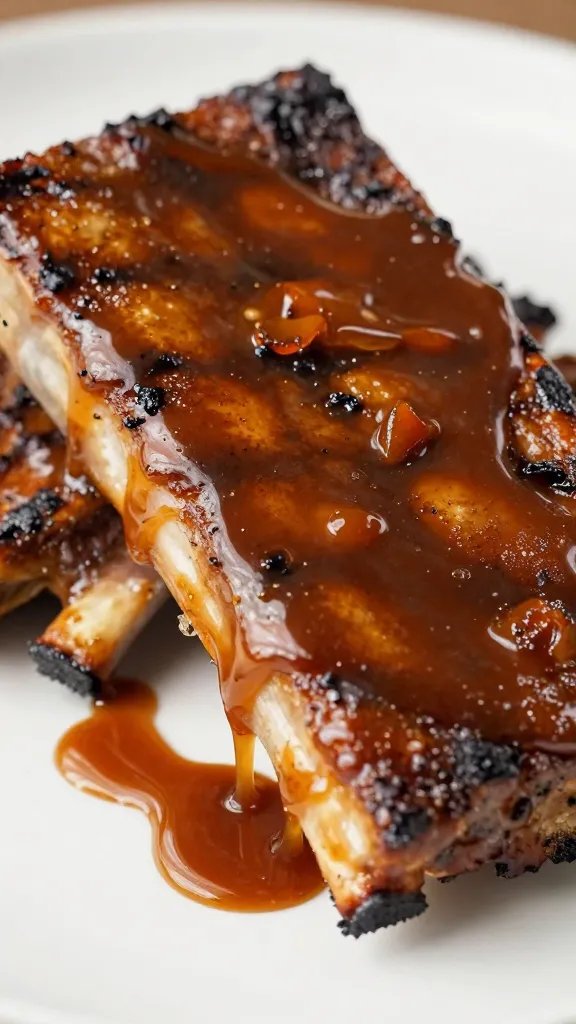
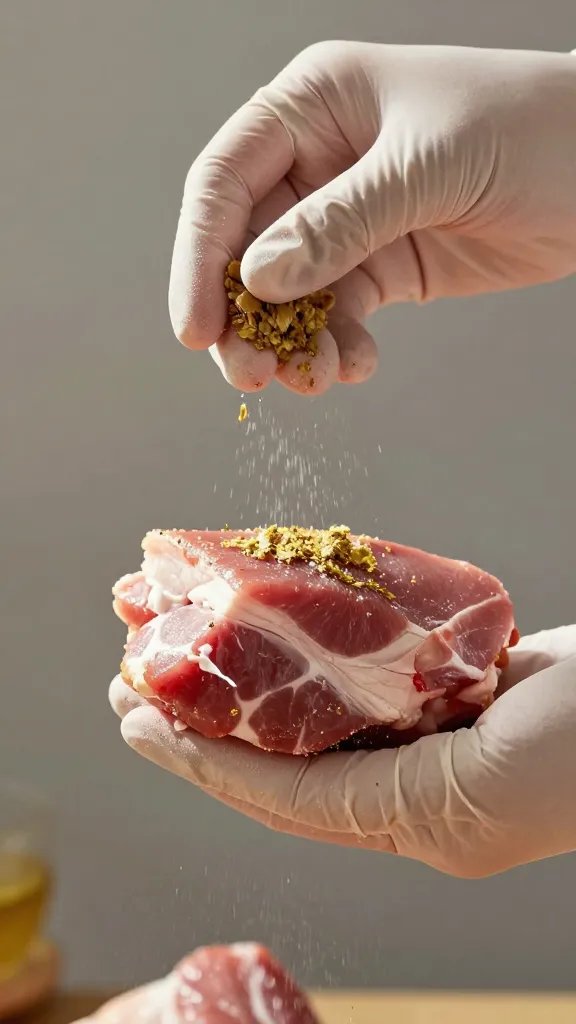
- Pat dry, then oil lightly: A thin film helps spices stick without clumping.
- Season evenly: Aim for a light, even coat — you should still see the meat.
- Rest time: 15–30 minutes for weeknights; up to 24 hours (uncovered in the fridge) for deeper penetration and tacky surface.
- Salt smart: If your rub includes salt, go lighter when dry-brining overnight to avoid oversalting.
Rub ratio guide:
- Chicken thighs/wings: 1–1.5 tsp rub per piece.
- Ribs: 2–3 tbsp per rack (both sides).
- Brisket/pork shoulder: 1/4–1/2 cup total, depending on size.
How to Sauce Without Burning
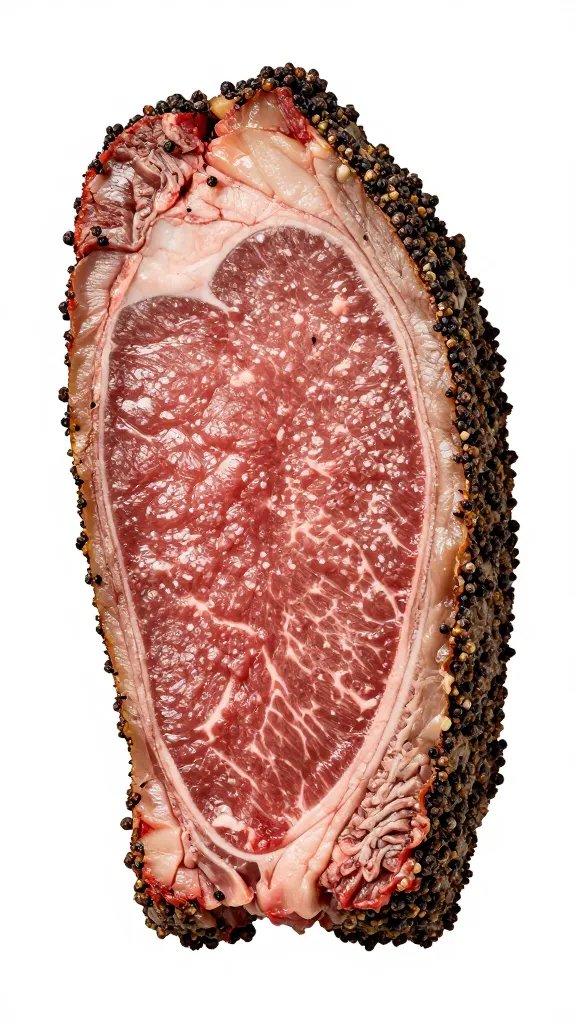
- Wait for the last 10–15 minutes: Apply sauce when the meat is nearly done. Sugars set instead of scorche.
- Use indirect heat: Move meat off direct flames to prevent flare-ups.
- Layer thin coats: Two or three light brushes beat one thick, gloopy layer.
- Finish hot, rest briefly: A final 1–2 minute kiss of heat sets the glaze; rest 5–10 minutes before cutting.
Low-sugar workaround: For earlier saucing, use a thin, vinegar-forward sauce (like Carolina style) that won’t burn easily.
Pairing Matrix: What Works with What
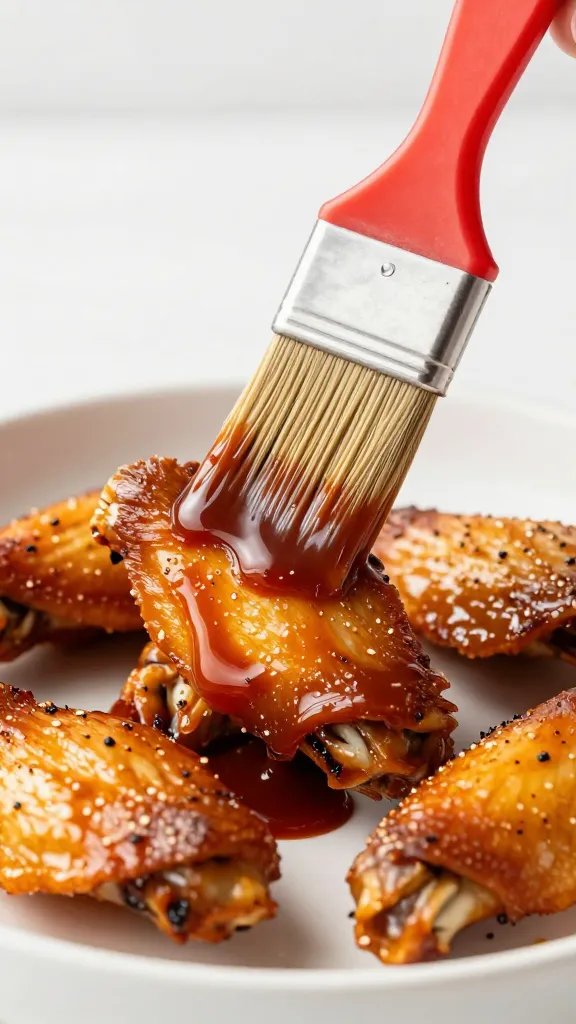
Chicken
- Rub: Paprika, garlic, onion, brown sugar, black pepper.
- Sauce: Sweet and tangy for thighs and legs; Alabama white for breasts.
Pork
- Rub: Brown sugar, chili powder, cumin, mustard powder.
- Sauce: Kansas City sweet for ribs; vinegar-pepper for pulled pork.
Beef
- Rub: Salt, coarse black pepper, garlic — keep it simple on brisket.
- Sauce: Thinner, savory sauces or a peppery glaze; serve heavy sweets on the side.
Seafood
- Rub: Citrus zest, coriander, mild chili, dill.
- Sauce: Light butter-citrus mop or a herby drizzle like chimichurri after cooking. Try this chimichurri recipe for a fresh finish.
Timing: The Simple Timeline That Prevents Burnt Sugar
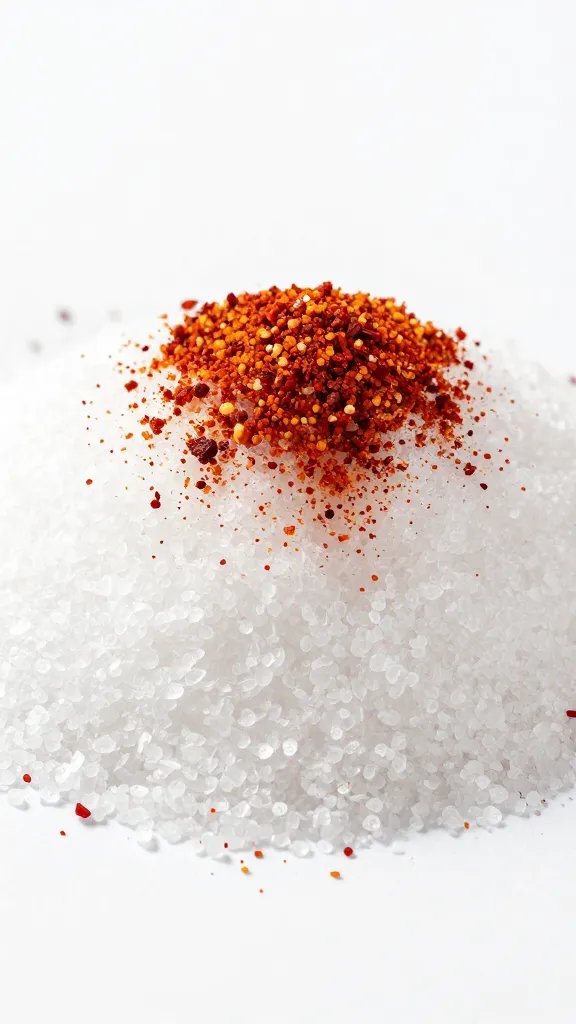
- Season: Apply rub and rest (15 minutes to overnight).
- Cook: Smoke or grill until 10–15 minutes from target doneness.
- Sauce: Brush on a thin coat; close the lid 3–5 minutes.
- Repeat: Add 1–2 more thin layers as needed.
- Set and rest: Final quick set over indirect heat, then rest before slicing.
From My Kitchen: What Actually Works
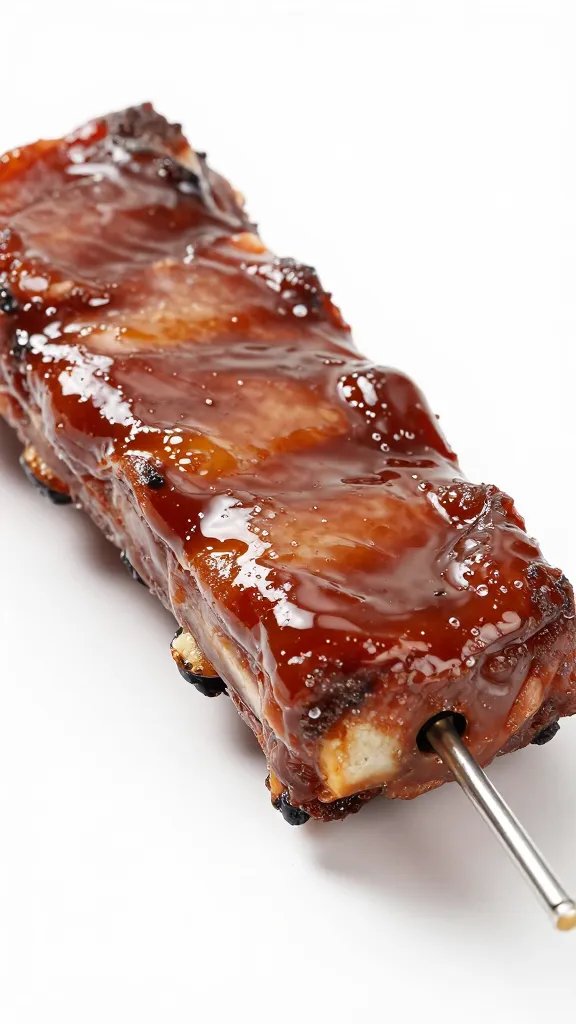
I get the best ribs when I skip spritzing for the first two hours; the rub sets faster and the bark doesn’t go patchy. For chicken thighs, I brush a 1:1 blend of BBQ sauce and apple juice — straight sauce is too thick and burns before the meat hits temp. On brisket, I keep sugar out of the rub entirely and don’t sauce until slicing; a sweet glaze muddies the pepper crust. When scaling for a crowd, I double the rub but only increase salt by 1.5x — it concentrates during long cooks. A final 2-minute indirect set after saucing prevents tacky fingers at the table.
Make-Ahead and Storage
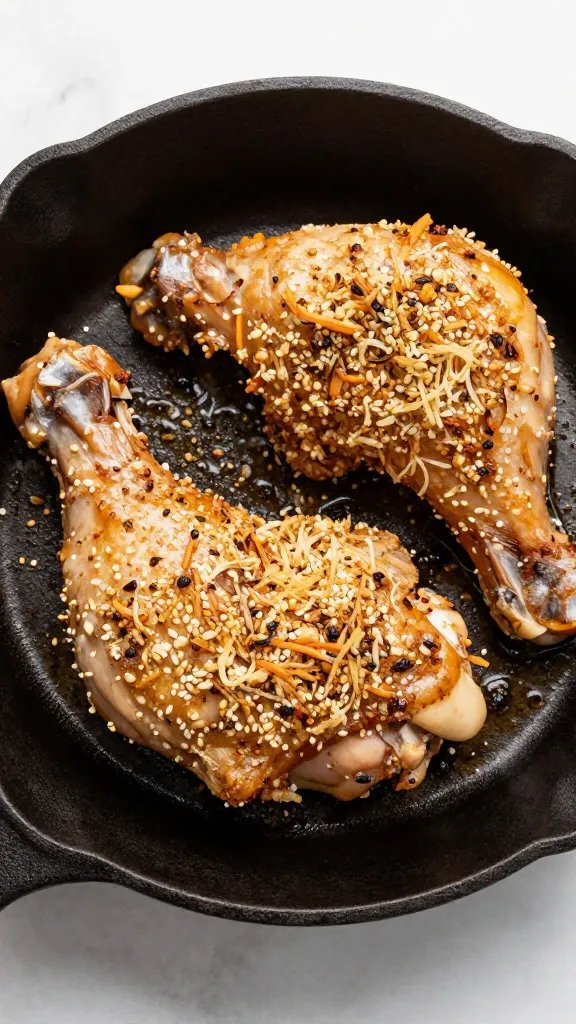
- Dry rub: Mix and store up to 6 months in an airtight jar. Label salt level to avoid double-salting later.
- BBQ sauce: Refrigerate homemade sauce 1–2 weeks; freeze up to 3 months. Thin with water or apple juice after thawing if needed.
- Prepped meats: Rubbed meats can sit refrigerated up to 24 hours; covered to avoid fridge smells, uncovered the last 2–4 hours for a tackier surface.
Two Foolproof Combo Methods
Sweet-Heat Rib Finish
- Rub ribs with a brown sugar–chili blend; smoke at 250°F.
- At 10–15 minutes from tender, brush a thin coat of sauce.
- Set, flip, light second coat, then rest 10 minutes before slicing.
Tangy Chicken Thigh Glaze
- Season with a paprika-garlic rub; grill over indirect heat to 165°F.
- Mix 1/2 cup BBQ sauce with 1/2 cup apple juice and a splash of cider vinegar.
- Brush twice in the last 8 minutes; finish 1 minute over higher heat to set.
Serving these with a bright salad? Pair with this crisp slaw for balance and crunch.
Frequently Asked Questions
Should I put dry rub on overnight or right before cooking?
Both work. Overnight builds deeper flavor and a tackier surface for better bark; just moderate the salt. For weeknights, 15–30 minutes is enough to get the spices to adhere.
When do I apply BBQ sauce so it doesn’t burn?
Brush it on during the last 10–15 minutes over indirect heat. Use thin layers and let each set. High sugar sauces burn if applied early over direct flames.
Can I use dry rub and BBQ sauce together on ribs?
Yes. Rub first to build flavor and bark, then sauce near the end for gloss and balance. Keep coats light and allow a brief set between layers.
What’s the best dry rub vs BBQ sauce combo for chicken?
Go with a paprika-garlic rub, then finish thighs with a slightly thinned sweet-tangy sauce. For breasts, use less sugar and consider a mayo- or vinegar-based glaze to avoid burning.
How long does homemade BBQ sauce keep, and can I freeze it?
Refrigerate 1–2 weeks in a sealed jar. Freeze up to 3 months; thaw overnight and thin with water or apple juice if it’s too thick.
Do I need oil before applying a dry rub?
A light film helps spices stick on lean cuts like chicken breast. On fatty cuts like pork shoulder, it’s optional — surface moisture and fat handle adhesion.
The Bottom Line
Use rub to build a seasoned crust and structure, and sauce to add shine, moisture, and balance at the end. Layer them with intention — rub early, sauce late — and you’ll get bark that bites and glaze that sticks, not burns.
Planning to try this? Save this post so you can find it when you need it — and tag us when you make it.