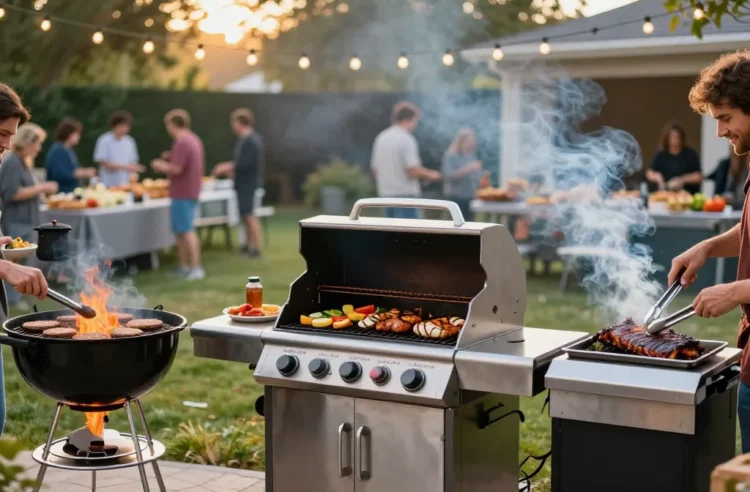
- Best for: Feeding a large group with reliable timing and great flavor
- Make ahead: Yes — prep rubs, sauces, and sides 1–2 days ahead
- Serves: 50 people (plan 1.25 servings per guest)
- Key tip: Use two heat zones no matter the fuel — it prevents overcooking and keeps service moving
Planning Charcoal vs. Gas vs. Wood for a 50-Person BBQ can feel like choosing a team: flavor, speed, or tradition. The truth? Each fuel shines for different menus and timelines. We’ll break down flavor, capacity, cost, gear, timing, and workflow. By the end, you’ll know exactly which fuel (or combo) fits your crowd, your space, and your sanity.
Flavor Showdown: Smoke, Sear, and Signature Notes
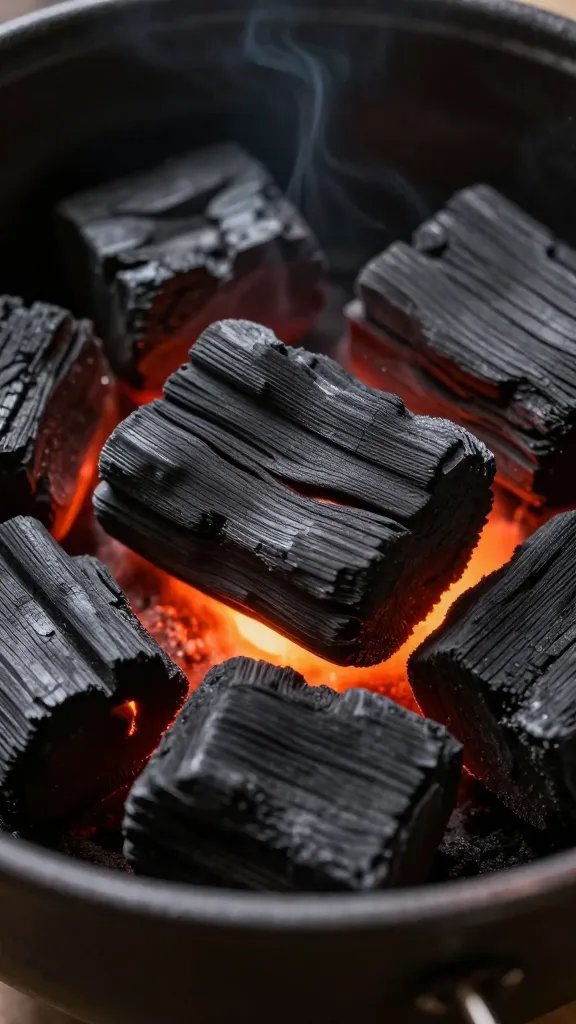
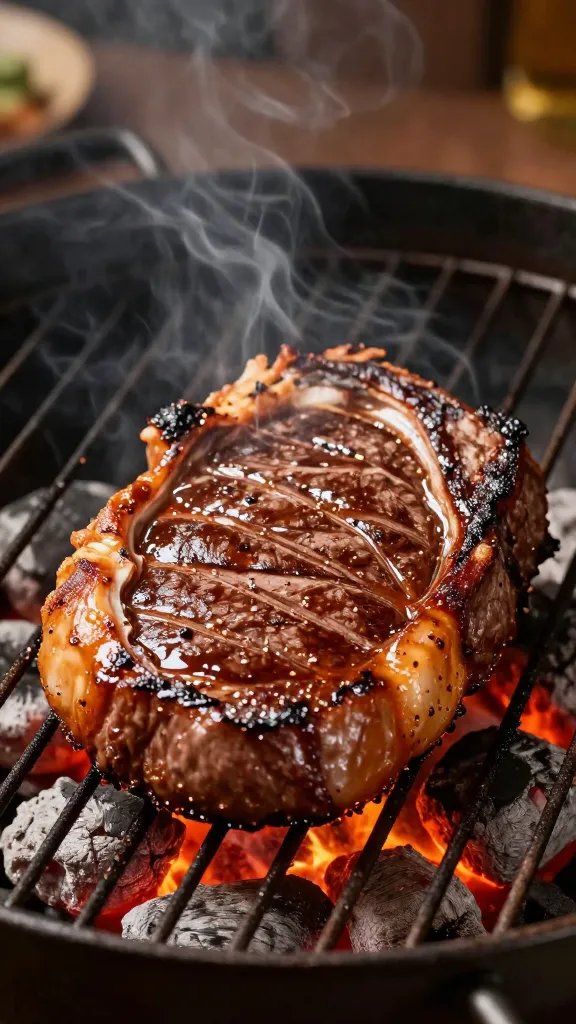
Charcoal brings deep browning and a gentle smoky edge. It’s fantastic for burgers, wings, and steaks that love high heat and a kiss of smoke.
Gas excels at clean, consistent heat. It won’t add smoke on its own, but it delivers picture-perfect grill marks and control. Add a smoker box with chips for a light smoke note.
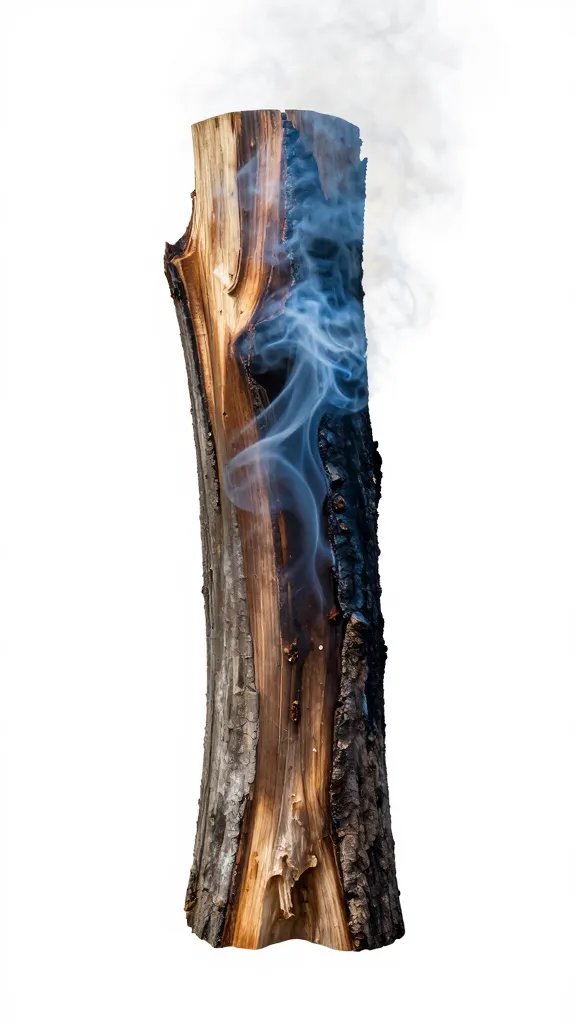
Wood is pure smoke and character. Think oak for beef, hickory for ribs, fruit woods for chicken and pork. It’s unbeatable for low-and-slow meats where smoke is the star.
- Best pure sear: Charcoal (lump runs hotter than briquettes)
- Best clean grill flavor: Gas
- Best smoke depth: Wood (offset or pellet)
Capacity and Throughput for 50 Guests
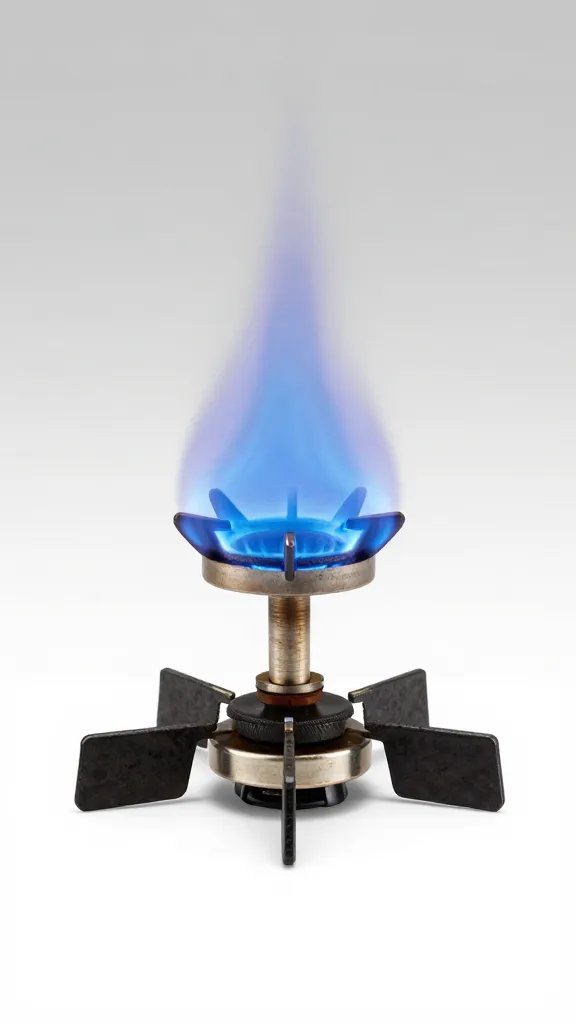
Feeding 50 is about throughput. Plan to serve hot food in steady waves.
- Gas grills: Wide grates and fast recovery make high-volume cooking easier. A 4–6 burner model handles 20–25 burgers per batch.
- Charcoal kettles: Two 22-inch kettles can push similar volumes with dual-zone setups. Kamados do great, but lid-down time reduces batch size.
- Wood smokers: Offset or pellet cookers crush volume for pulled pork, ribs, and brisket. They cook while you prep sides and finish on a hot grill.
Ideal approach? Cook slow-smoked mains ahead on wood, then finish or sear on gas or charcoal during service.
Cost, Convenience, and Fuel Math
Charcoal costs more per cook than gas but less setup investment. Plan 1–1.5 standard bags per hour for two kettles at party pace.
Gas is cheapest per serving over time. One full propane tank often powers a 3–4 hour service; have a backup tank ready.
Wood varies. Split logs are inexpensive if you have storage; pellets are predictable and tidy. For a long smoke, expect 1–2 bags of pellets or a small stack of splits.
- Hidden costs: Chimney starters, drip pans, disposable trays, and extra grates or warming racks pay off in speed and cleanup.
Setup and Timing: A Realistic Party Timeline
Two Days Out
- Shop, trim proteins, and dry brine large cuts (pork shoulder, brisket).
- Make sauces and at least one cold side. Consider this chimichurri recipe to brighten rich meats.
Morning Of
- Start wood-smoked meats early (8–10 hours for shoulders/brisket, 4–6 for ribs).
- Ice drinks, set buffet flow, label allergens.
One Hour Before Guests
- Light charcoal or preheat gas. Build two zones: hot/direct and warm/indirect.
- Hold smoked meats wrapped in a cooler (towels + empty cooler = 3–4 hours of safe hold).
Service Window
- Batch grill burgers/dogs/wings on gas or charcoal while slicing or pulling smoked meats.
- Rotate trays to keep a hot, steady flow and avoid bottlenecks at the grill.
Food Safety and Workflow for Crowds
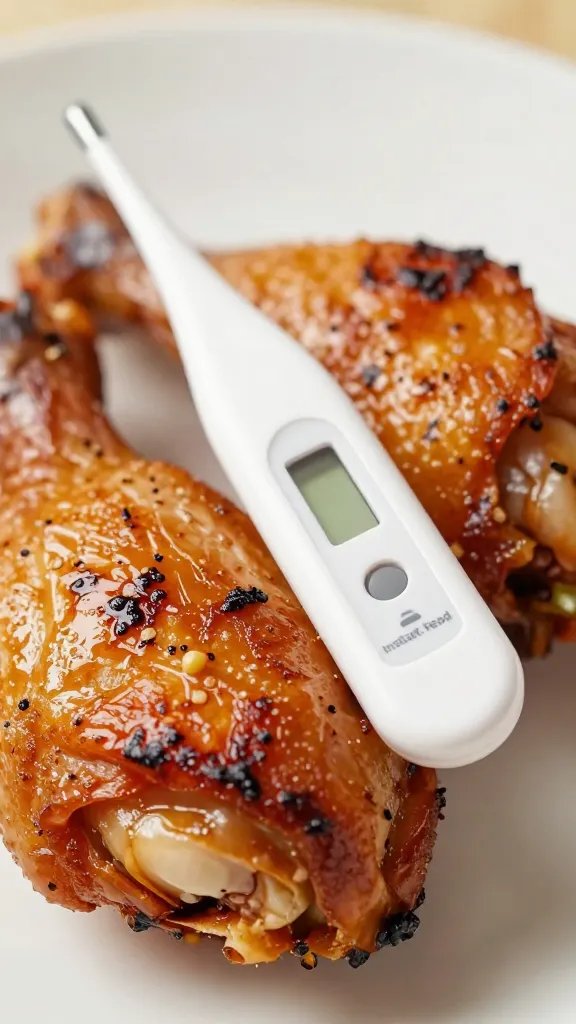
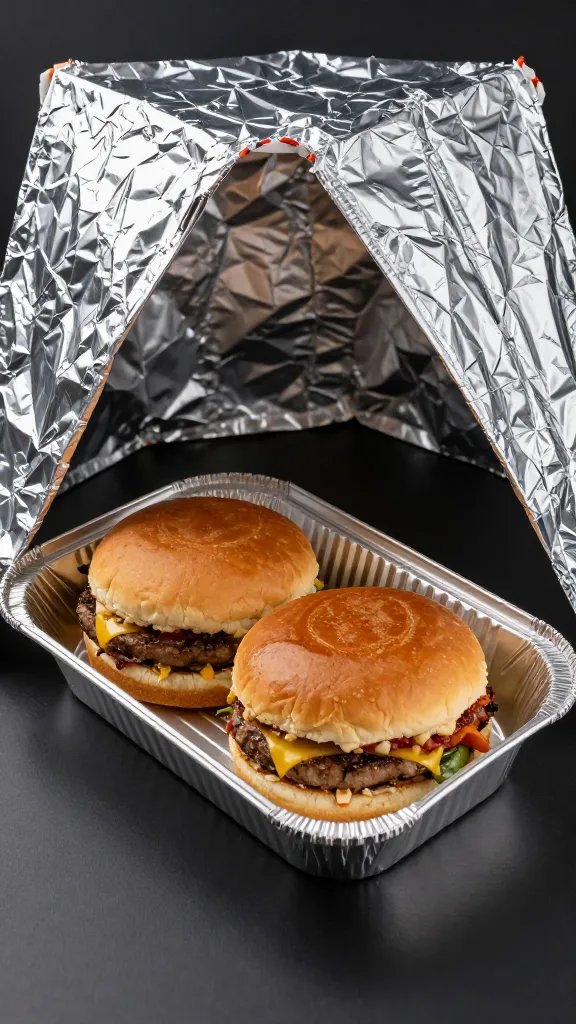
Keep hot foods above 140°F in foil pans over the indirect zone or on a chafing rack. Use instant-read thermometers and label one “raw” and one “cooked.”
Separate tongs for raw and cooked protein. Swap trays as soon as they’re emptied; don’t top off a pan that’s been sitting out.
- Target temps: Chicken 165°F, Pork shoulder 203°F (probe tender), Brisket 200–205°F (but go by feel), Burgers 160°F unless using grind-you-trust medium at 145°F.
- Hold strategy: Wrapped smoked meats stay juicy if rested at least 45 minutes.
Charcoal vs. Gas vs. Wood: Best Uses for 50 People
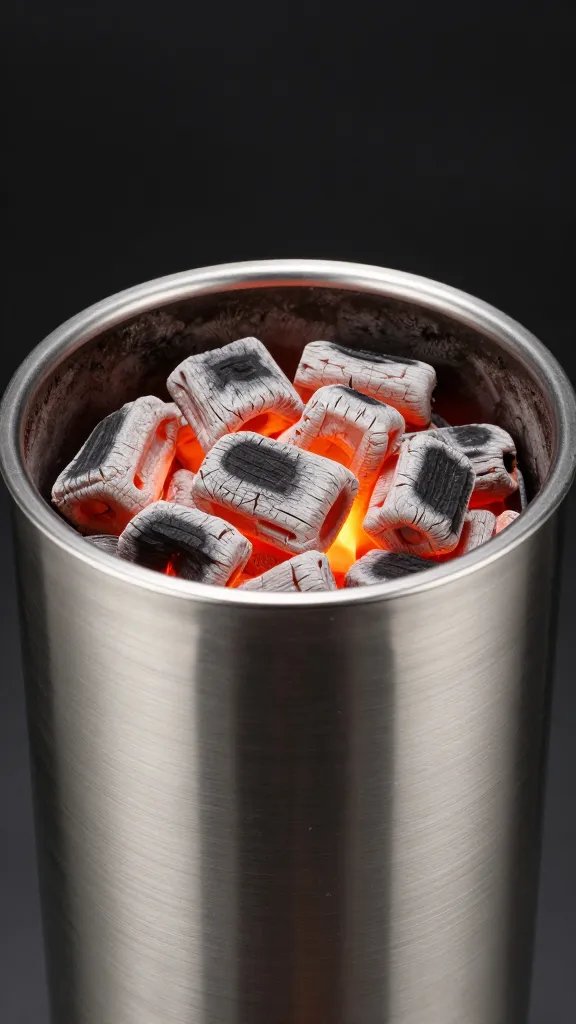
Charcoal: High-Heat Crowd Pleaser
- Best for: Burgers, skewers, steaks, wings.
- Pros: Big sear, classic aroma, affordable gear.
- Cons: Slower recovery, more ash, wind-sensitive.
Gas: Speed and Control
- Best for: High-volume burgers and dogs, veggies, finishing and searing.
- Pros: Instant heat, consistent temps, huge grates.
- Cons: Less smoke unless you add a box; lower max radiant heat than roaring charcoal.
Wood: Low-and-Slow Star
- Best for: Brisket, pork shoulder, ribs, leg quarters.
- Pros: Real smoke flavor, set-and-hold workflow, cooks while you prep.
- Cons: Time investment, learning curve, space needs.
Menu Builder: Mix-and-Match Fuel Strategy
For 50 guests, combine fuels to balance flavor and logistics.
- Smoke ahead on wood: 2 pork shoulders (16–18 lb total) + 6 racks of ribs. Wrap and hold.
- Grill to order on gas: 60 burgers + 40 dogs in waves, 15–20 per batch.
- Charcoal for “wow” moments: Sear tri-tip or flank steak for slicing; char corn and peppers.
- Sides that scale: Big-batch slaw, beans, watermelon-feta, and grilled veg. For a fresh topper over rich meats, make this quick-pickled red onion.
Equipment You Actually Need (and What to Skip)
- Must-haves: Two-zone capability on every cooker, instant-read thermometer, long tongs, sheet pans, foil, and hotel pans.
- Nice-to-haves: Extra warming rack, chafers, heat-proof gloves, headlamp for late cooks.
- Skip: Constant flipping tools and novelty baskets. Batch cooking beats micromanaging.
From My Kitchen: What Actually Works
I’ve cooked for 40–70 using all three fuels, and the biggest unlock is cooking 60–70% of the meat ahead on wood, then finishing hot on gas. Pulled pork smoked to 203°F, held wrapped for 2–3 hours, stays juicier than pork grilled to order. When scaling burgers, I season only the top side on the tray, then the second side on the grill — faster and more even than pre-mixing salt. One more: I run a water pan in the smoker for crowds; it stabilizes temp and reduces stall time fluctuations, which keeps service on schedule.
Frequently Asked Questions
What’s the best fuel for Charcoal vs. Gas vs. Wood for a 50-Person BBQ?
For pure efficiency, gas wins. For flavor depth, wood wins. For high-heat sear and classic grill taste, charcoal wins. Most hosts mix fuels: smoke big cuts on wood, then use gas or charcoal for fast, fresh grilling during service.
How much meat do I need for a 50-person BBQ?
Plan 1.25 servings per person. That’s about 18–20 lb cooked pulled pork or brisket plus 60 burgers and 40 dogs, or swap in chicken quarters and sausages. Include two hearty sides to balance the plate and reduce meat waste.
Can I make parts of a 50-person BBQ ahead of time?
Yes. Smoke large cuts a day ahead, chill, and reheat gently in covered pans at 300°F with a splash of stock. Make slaw, sauces, and beans 1–2 days ahead. Grill burgers and veggies fresh for best texture.
Is gas grilling worse for flavor than charcoal or wood?
Gas is cleaner, not worse. You can add a smoker box with chips to layer mild smoke. For deep smoke, cook proteins on wood or charcoal first, then finish on gas for speed.
How do I keep food hot and safe during a big BBQ?
Hold hot foods above 140°F in covered foil pans over an indirect zone or in chafers. Rest smoked meats wrapped in a cooler. Keep cold salads under 40°F on ice. Use separate tongs for raw and cooked items.
What’s the simplest setup to feed 50 without stress?
One pellet smoker or offset for pork shoulders and ribs, plus one 4–6 burner gas grill for burgers, dogs, and veggies. That combo covers flavor, capacity, and timing with minimal juggling.
The Bottom Line
For 50 guests, wood gives you unforgettable flavor, gas keeps service smooth, and charcoal brings the sear and aroma. Use them together and you’ll feed faster, tastier, and with fewer headaches.
Planning to try this? Save this post so you can find it when you need it — and tag us when you make it.