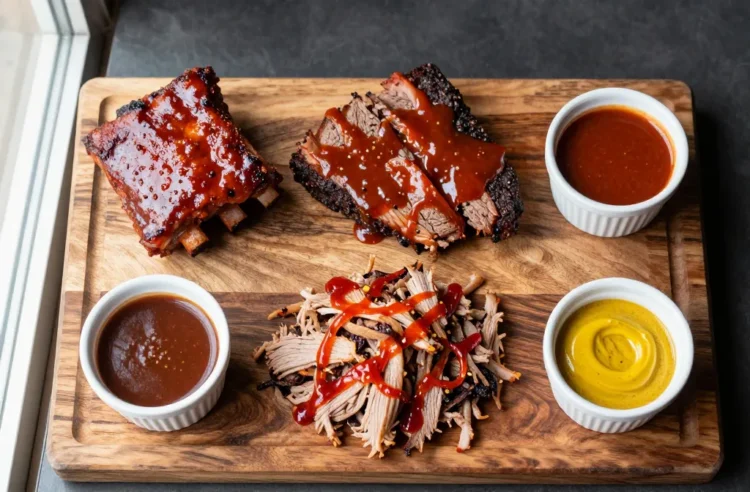
- Best for: Backyard cookouts where guests like different heat and sweetness levels
- Make ahead: Yes — 1 week for KC/Texas, 2 weeks for Carolina vinegar
- Serves: Each batch yields about 2 cups, enough for 8–10 sandwiches
- Key tip: Match sauce to meat: vinegar for pork, tomato-molasses for ribs, peppery tomato for beef
Kansas City vs Texas vs Carolina BBQ Sauce — the Full Comparison starts with one simple truth: great barbecue is regional on purpose. Each style evolved to match local meats and palates. If you’ve ever wondered why KC sauce sings on ribs but Texas sauce makes brisket pop, you’re in the right place. By the end, you’ll know the flavor profile, best meats, typical ingredients, and when to reach for each sauce — plus quick tweak ideas.
What Defines Each Style
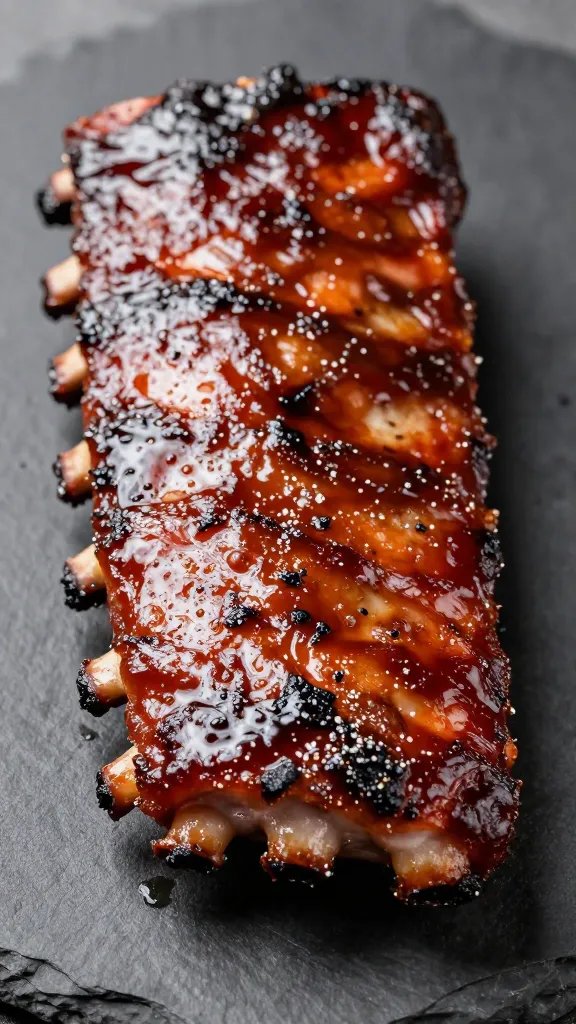
Kansas City is thick, sweet-tangy, and glossy, built on tomato and molasses or brown sugar. It clings to ribs and chicken and caramelizes beautifully.
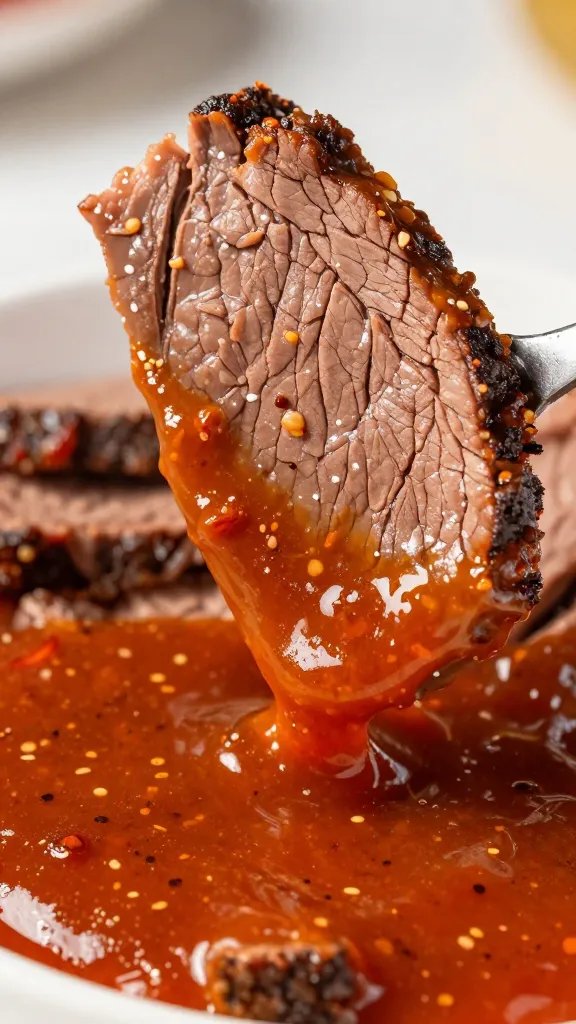
Texas leans savory and pepper-forward with restraint on sweetness. Think thinner tomato base, beef-friendly spices, and a touch of vinegar for balance.
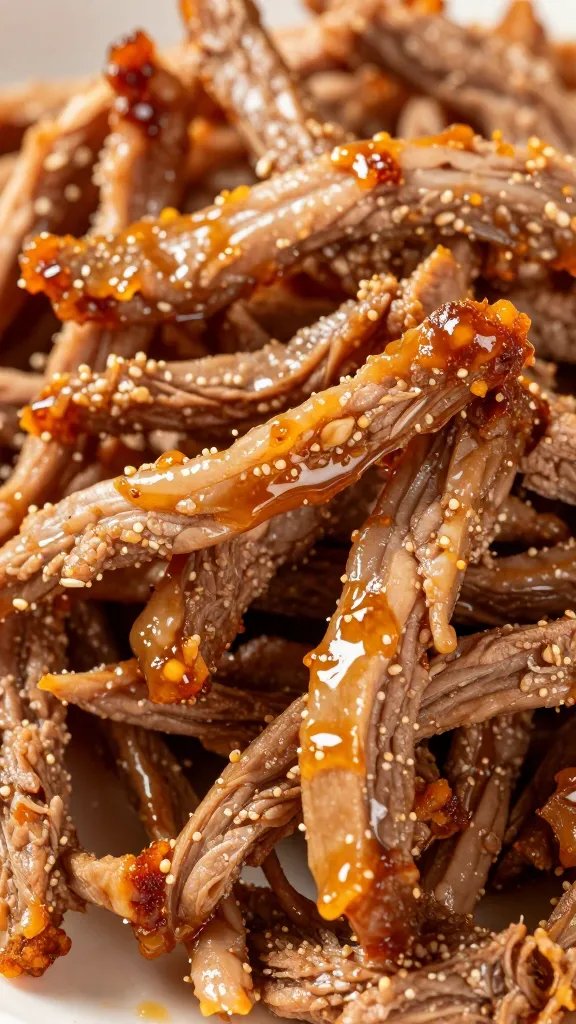
Carolina is really two lanes: vinegar-pepper (Eastern) and mustard-gold (South Carolina). Both are thinner and sharper, designed to cut through rich pork.
Kansas City Sauce: Thick, Sweet, Crowd-Pleasing
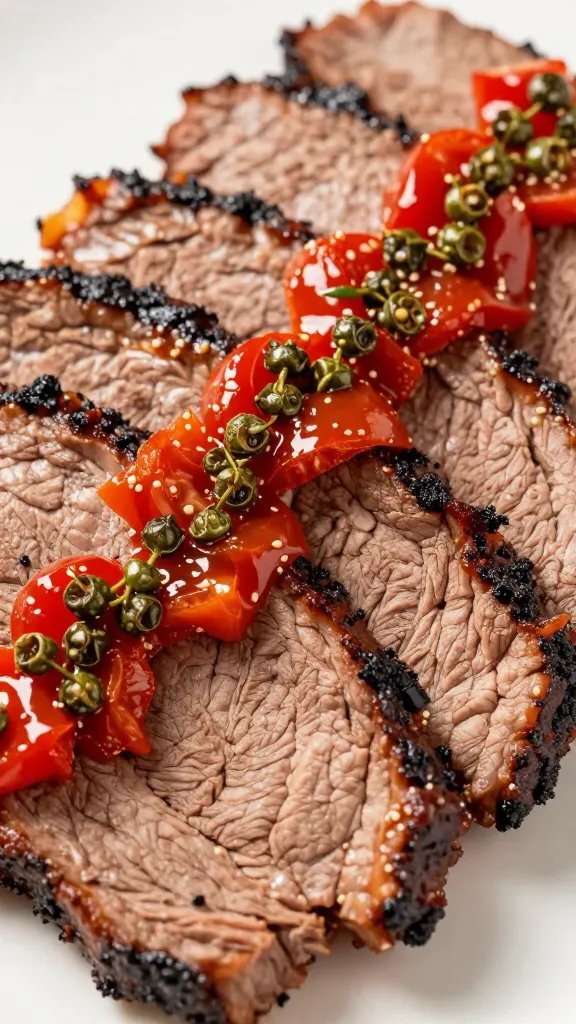
Core ingredients: Tomato (ketchup or puree), brown sugar or molasses, vinegar, Worcestershire, onion/garlic powder, mild chili powder, and sometimes liquid smoke.
Texture and flavor: Thick and sticky, with pronounced sweetness and balanced tang. Mild heat unless you spice it up.
Best pairings
- Pork ribs and burnt ends: The sugar helps lacquer the bark.
- Grilled chicken: Brush in the last 5–10 minutes to avoid scorching.
- Burgers and meatloaf: Works as a glaze and dip.
When to choose it
- Serving a mixed-age crowd or sweetness fans.
- Looking for that shiny rib finish in photos or competitions.
Texas BBQ Sauce: Savory Heat for Beef
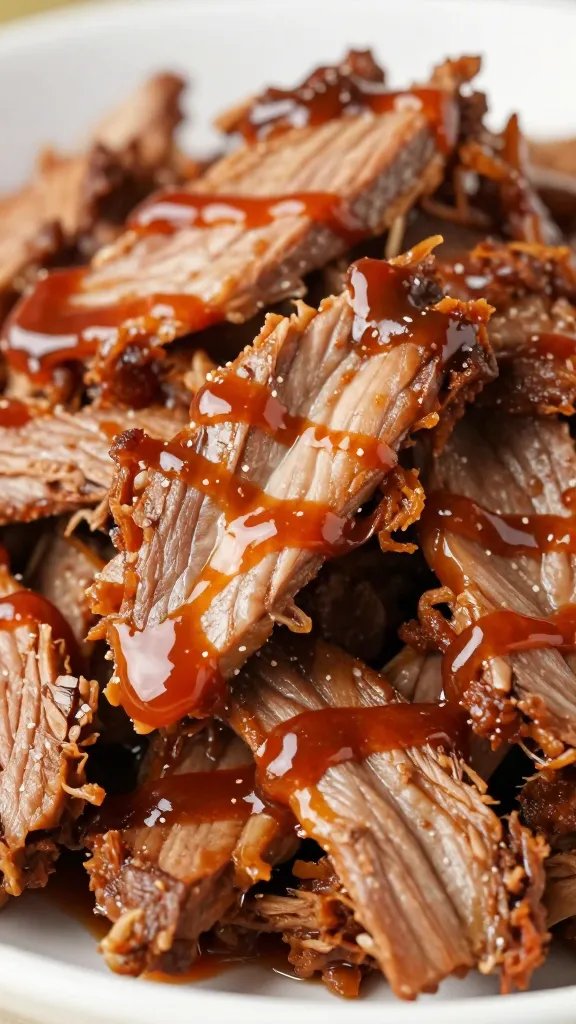
Core ingredients: Tomato sauce or paste, beef drippings or stock, black pepper, chili powder, cumin, onion, garlic, a splash of vinegar, and minimal sugar.
Texture and flavor: Thinner than KC, with assertive black pepper and a round, meaty backbone. The vinegar sharpens without dominating.
Best pairings
- Brisket and beef ribs: Accents smoke and fat rather than masking them.
- Sausage links: A natural fit on a Texas tray.
When to choose it
- Smoking heavy beef cuts and want the meat to stay center stage.
- Prefer savory over sweet, with a gentle kick.
Carolina BBQ Sauce: Vinegar Snap and Mustard Gold
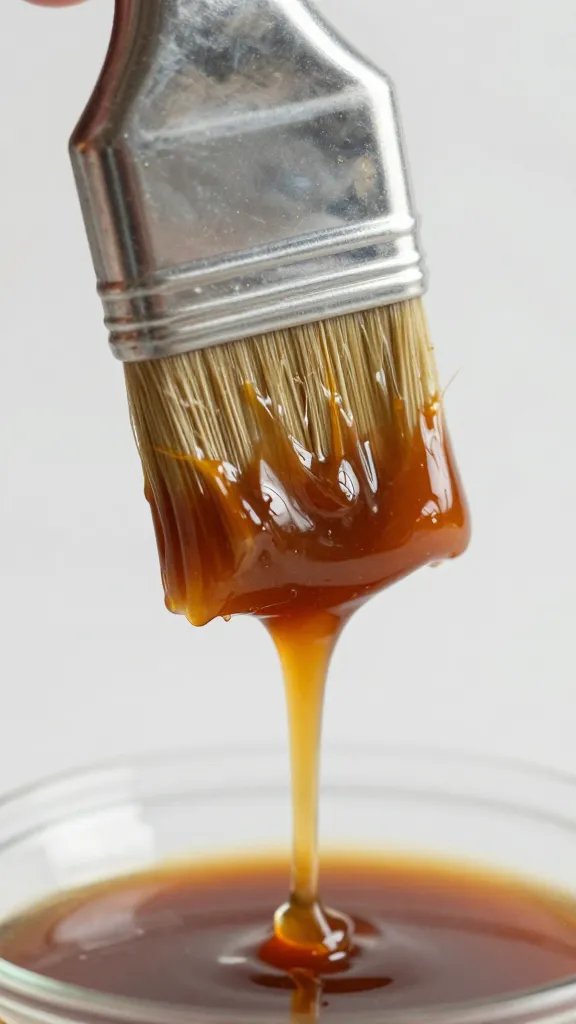
Vinegar-Pepper (Eastern NC): Apple cider vinegar, red pepper flakes, black pepper, a little brown sugar, and salt. Watery-thin, intentionally sharp.
Mustard (South Carolina “Gold”): Yellow mustard, vinegar, honey or brown sugar, black pepper, and spices. Medium-thin with tangy warmth.
Best pairings
- Pulled pork and whole hog: Vinegar cuts fat; mustard hugs pork shoulder beautifully.
- Coleslaw dressing: The vinegar sauce doubles as a quick slaw toss.
When to choose it
- Serving pork-centric plates or chopped pork sandwiches.
- Want brightness that wakes up rich, smoky meat.
Ingredient Benchmarks: A Quick Side-by-Side
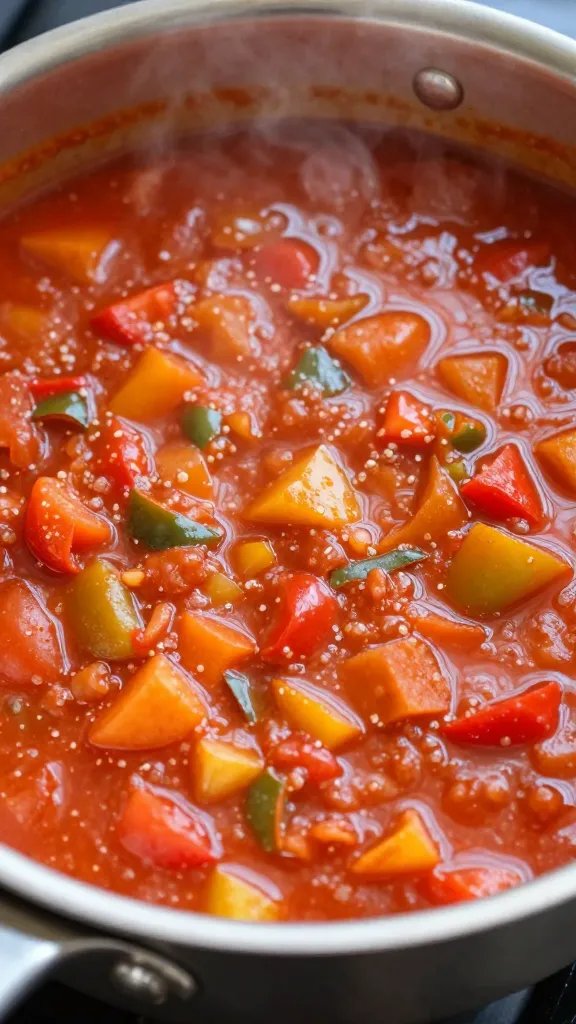
- Sweetness: High (KC) • Low/Moderate (Texas) • Low, tang-first (Carolina)
- Acid: Moderate (KC) • Moderate (Texas) • High (Carolina)
- Heat: Mild (KC) • Medium pepper heat (Texas) • Variable, chili flake bite (Carolina)
- Body: Thick (KC) • Medium-thin (Texas) • Thin to medium (Carolina)
- Best meats: Ribs/chicken (KC) • Brisket/beef ribs/sausage (Texas) • Pork shoulder/whole hog (Carolina)
How to Use Each Sauce Without Ruining Your Bark
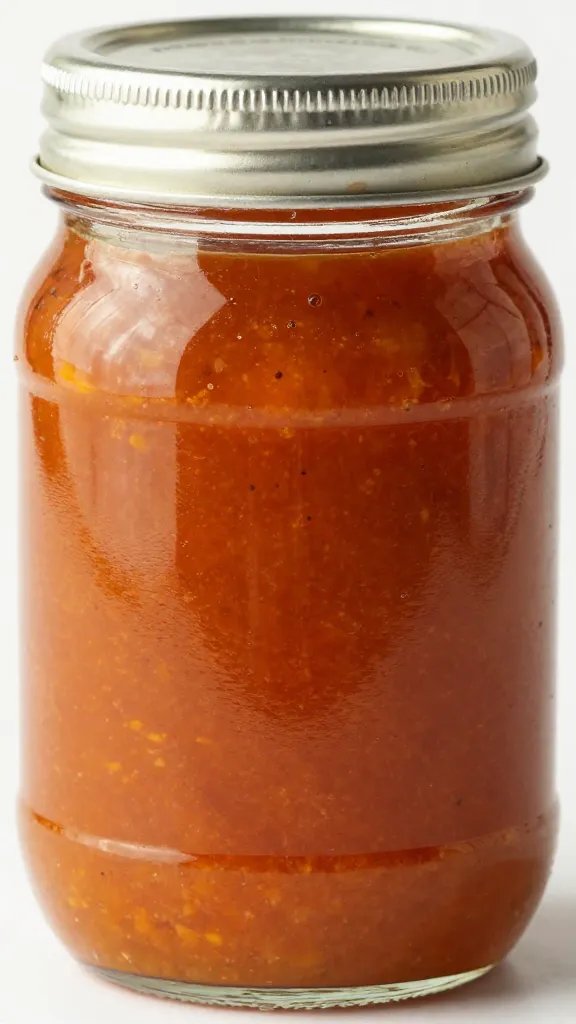
Brush late, serve more on the side. Sugar burns. Apply KC sauce during the last 10–15 minutes at 275–300°F. For higher heat grilling, make that 5–7 minutes.
Texas sauce can warm gently and be served tableside; spoon over sliced brisket rather than the bark to keep it crisp.
Carolina vinegar is ideal as a mop or post-chop toss for pork. Add gradually to avoid washing out smoke.
Simple Starter Ratios (No Fuss)
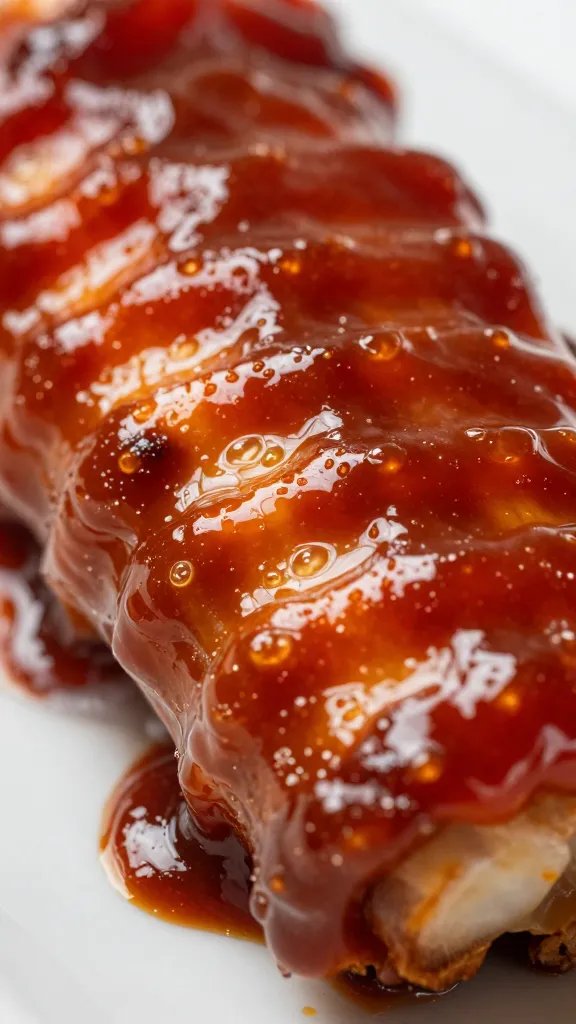
Kansas City (about 2 cups)
- 1 cup ketchup, 1/3 cup brown sugar, 1/4 cup molasses, 1/4 cup apple cider vinegar
- 1 tbsp Worcestershire, 1 tsp each garlic and onion powder, 1 tsp mild chili powder, pinch cayenne
- Simmer 8–10 minutes until glossy.
Texas (about 2 cups)
- 1 cup tomato sauce, 1 cup beef stock, 2 tbsp apple cider vinegar
- 1 tbsp chili powder, 2 tsp coarse black pepper, 1 tsp cumin, 1 tsp smoked paprika, 1 tsp brown sugar, 2 tsp Worcestershire
- Simmer 12 minutes to thicken slightly.
Carolina Vinegar (about 2 cups)
- 1 1/2 cups apple cider vinegar, 1/2 cup water, 1–2 tbsp brown sugar
- 1 tsp red pepper flakes, 1 tsp black pepper, 1 tsp salt
- Warm until sugar dissolves; don’t boil.
Carolina Mustard (about 2 cups)
- 1 cup yellow mustard, 1/3 cup honey, 1/4 cup apple cider vinegar
- 1 tbsp ketchup, 1 tsp Worcestershire, 1/2 tsp black pepper, pinch cayenne
- Simmer 5 minutes to meld.
Kansas City vs Texas vs Carolina BBQ Sauce: Picking for Your Menu
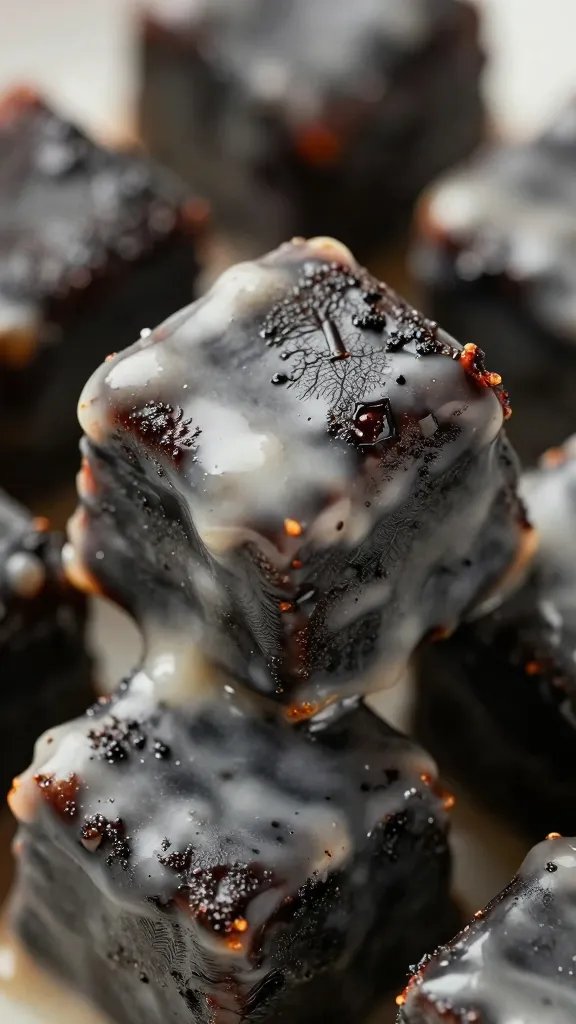
Ribs night? Start with KC for glaze, offer Texas on the side for the savory crowd.
Brisket or tri-tip? Texas wins, with a small ramekin of vinegar sauce to cut richness for fatty slices.
Pulled pork sandwiches? Toss in Carolina vinegar, then drizzle mustard gold to finish. KC becomes the sweet option at the table.
Want a fresh, herb-forward contrast for grilled steaks? Try adding this chimichurri recipe to the sauce lineup as a non-sweet option.
From My Kitchen: What Actually Works
The biggest mistake I see is simmering KC sauce too briefly. It needs a steady 8–10 minutes to lose the raw ketchup edge and get that lacquered finish. I’ve timed side-by-side batches: at 5 minutes it’s thinner and tastes sharper, at 10 minutes it coats ribs perfectly.
For brisket trays, I use beef drippings in the Texas sauce instead of stock; even 2 tablespoons deepen the flavor noticeably. And when scaling for a crowd, I multiply everything equally except salt — I start at 75% and adjust later because sauces concentrate as they sit.
Smart Tweaks and Troubleshooting
- Too sweet (KC)? Add 1–2 tbsp cider vinegar and a pinch of salt; simmer 2 minutes.
- Too thin (Texas)? Simmer uncovered 5 more minutes or whisk in 1 tsp tomato paste.
- Too sharp (Carolina vinegar)? Add 1–2 tsp brown sugar and a splash of water.
- Heat balance: Use fresh-cracked black pepper for aroma without turning up chili heat.
- Smoke note without liquid smoke: Stir in 1/2 tsp smoked paprika or a spoon of rendered rib drippings.
If you’re planning sides, tangy sauces love contrast. Pair with creamy beans and a bright herb sauce like this cilantro-lime dressing to round out the plate.
Frequently Asked Questions
How long does Kansas City vs Texas vs Carolina BBQ Sauce keep in the fridge?
KC and Texas tomato-based sauces keep 1 week refrigerated in a sealed jar. Carolina vinegar and mustard sauces keep 2 weeks thanks to higher acidity. Always use clean utensils and reheat only what you’ll serve.
Can I make Kansas City vs Texas vs Carolina BBQ Sauce ahead of time?
Yes. Make KC and Texas sauces up to 7 days ahead; flavors meld and improve. Vinegar and mustard Carolina sauces are best after 24 hours and hold up to 14 days.
What’s the best way to serve these sauces for a crowd?
Offer all three in labeled squeeze bottles. Keep KC slightly warm for easy pouring, serve Texas warm or room temp, and keep Carolina vinegar at room temp with a shaker top. Put them on the side to protect bark and let guests customize.
Can I freeze BBQ sauce?
Freeze KC and Texas sauces up to 3 months; thaw overnight and whisk. Vinegar and mustard Carolina sauces can separate after freezing — better to make those fresh.
Which sauce is best for pulled pork?
Carolina vinegar is classic for tossing pulled pork, with mustard gold drizzled over in the bun. If your crowd prefers sweet, serve KC on the side as an alternative.
What’s the key difference between Texas and Kansas City sauces?
Texas is savory, peppery, and thinner with minimal sweetness, tailored to beef. Kansas City is thicker, sweeter, and tangier, designed to glaze ribs and chicken.
The Bottom Line
Match the sauce to the meat and the moment: KC for sticky-sweet rib shine, Texas for peppery beef clarity, Carolina for bright pork balance. Keep applications late, serve extras on the side, and let your guests choose their adventure.
Planning to try this? Save this post so you can find it when you need it — and tag us when you make it.
Pingback: Master Texas-Style Dry Rub for Brisket — Salt, Pepper, and Nothing Else - Whaley Cooks