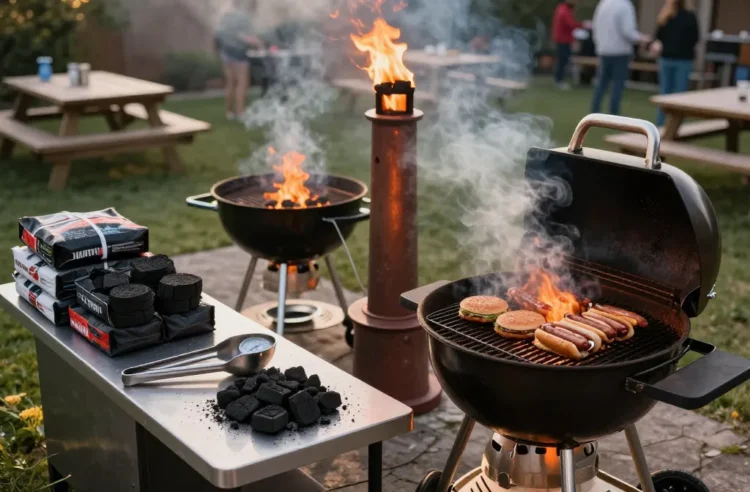
- Best for: Cookouts where you’re grilling burgers, dogs, and a few sides
- Make ahead: Yes — pre-measure charcoal and prep chimneys 1–2 days ahead
- Serves: 50 hungry guests with time for seconds
- Key tip: Start two chimneys early and keep a third batch ready as a hot reserve
How Much Charcoal for a BBQ for 50 People — Fuel Calculation scares a lot of hosts more than the menu does. Relax: with a few rules of thumb, you can nail the math and the timing. We’ll cover charcoal types, burn rates, setup, and a simple formula you can tweak to your menu and grills. By the end, you’ll know exactly how much to buy — and how to keep the heat steady all service long.
The Core Formula: Charcoal Needed for 50 People
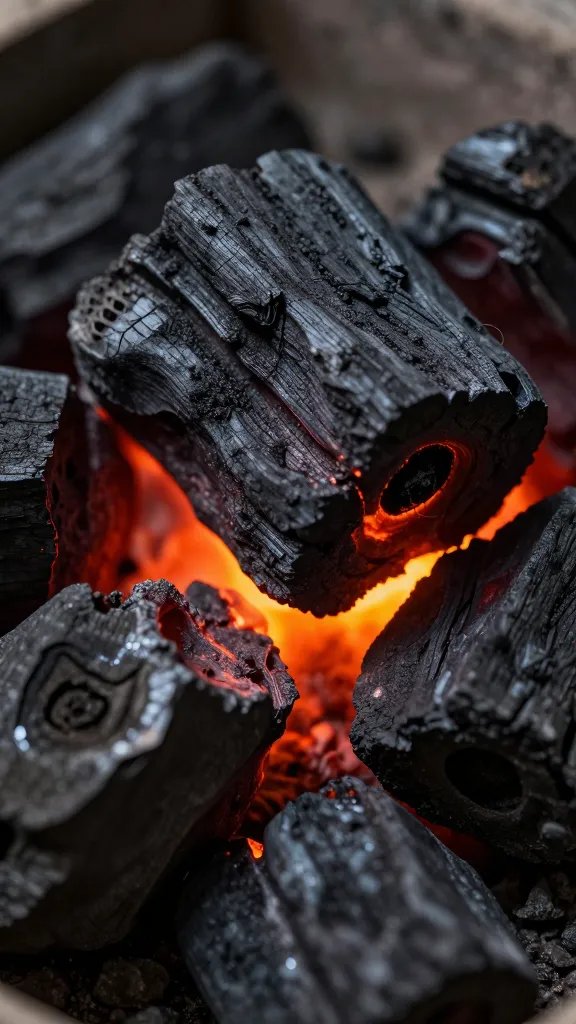
The fastest way to estimate is by time-on-heat, not just headcount. For a standard grill session of 2.5 hours active cooking (staggered), plan on 1.5–2 pounds of briquettes per grill per hour or 2–2.5 pounds of lump per grill per hour.
- Quick math (briquettes): 2 grills × 2.5 hours × 1.75 lb ≈ 9 pounds per grill, about 18 pounds total. Add a 50% buffer for rushes and wind: ~27 pounds (one large bag plus a backup).
- Reality check for parties: You’ll likely run closer to 3–4 hours with warmup and top-ups. For 2 grills, budget 40–50 pounds briquettes or 55–65 pounds lump to be safe.
Rule of thumb for 50 guests: Buy 2 large 20-lb bags of briquettes (40 lb total) for efficient grills and short menus; bump to 60 lb if you’re cooking bone-in chicken or doing multiple courses.
Choosing Charcoal: Briquettes vs. Lump
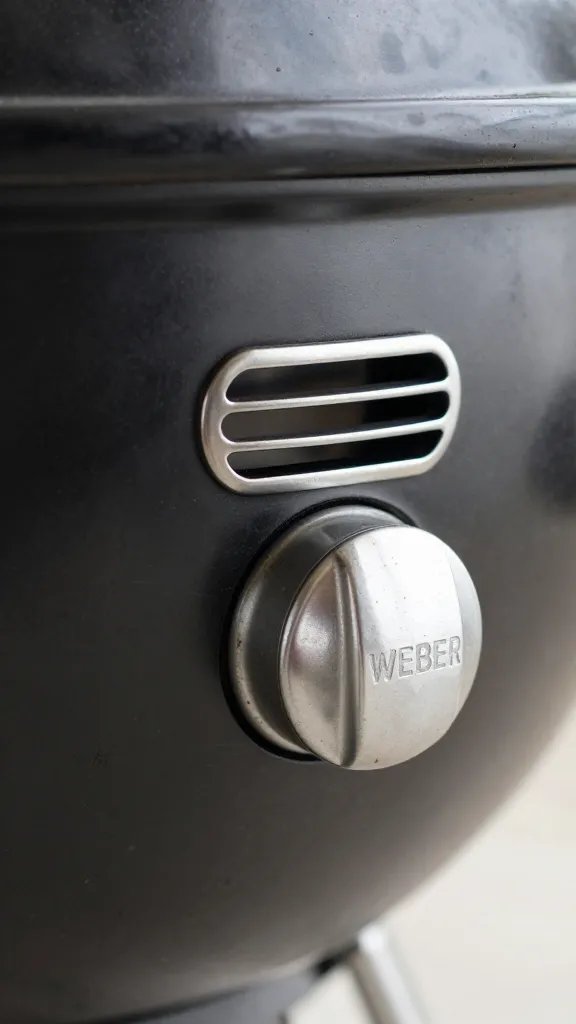
Both work; pick based on control and flavor goals.
- Briquettes: Even burn, longer life, simpler planning. Best for burgers, dogs, sausages, skewers, and mixed grills. Use 1.5–2 lb/hour per grill.
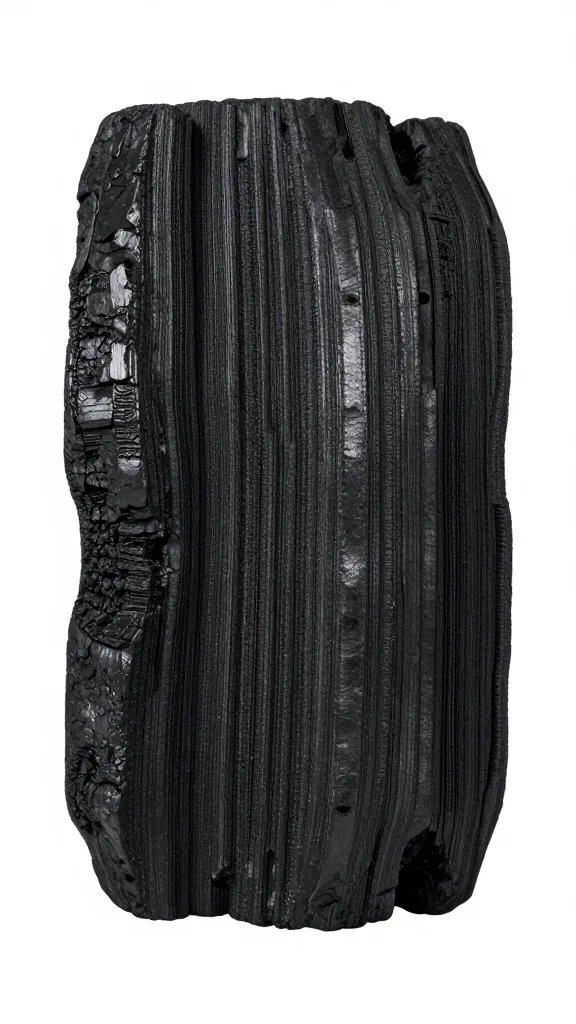
- Lump: Hotter and more responsive with great flavor. Burns faster and irregularly. Use 2–2.5 lb/hour per grill; keep a hotter reserve ready.
When to mix
Use a hybrid bed: briquettes as the foundation for longevity, lump on top for searing zones. It’s a smart move for a crowd with mixed proteins.
Menu Impacts the Fuel: Adjust Your Numbers
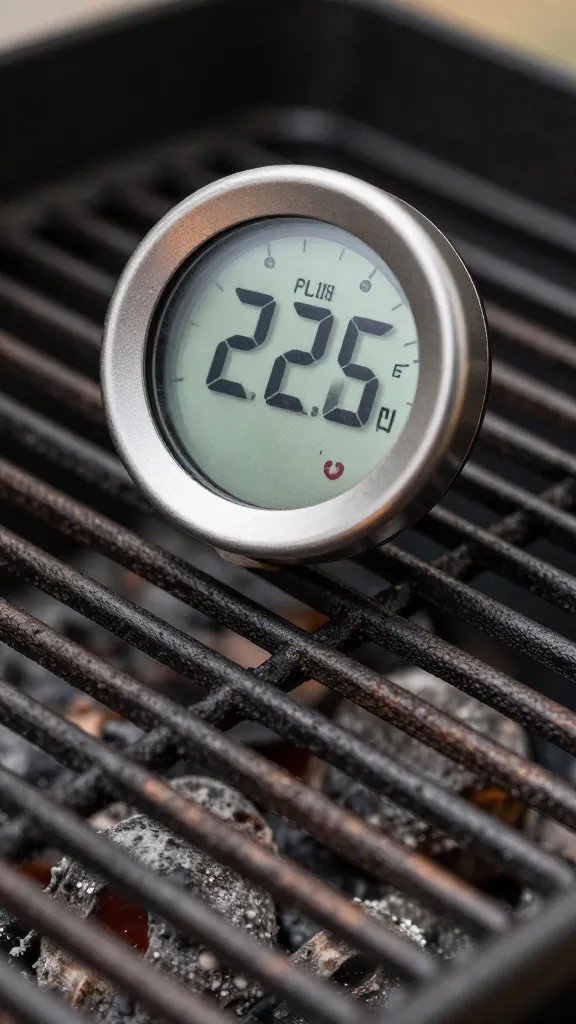
What you’re cooking changes the burn.
- Fast cook (burgers, dogs, thin steaks): Baseline numbers above hold. Expect 2–2.5 hours of heavy activity.
- Bone-in chicken or leg quarters: Add 30–40% more fuel. You’ll maintain medium heat longer and avoid flare-ups by topping with fresh coals.
- Ribs or indirect cooks: Plan 2–3 lb/hour per grill (briquettes) or 3–3.5 lb/hour (lump), and consider a separate smoker so the grilling line doesn’t stall.
- Veg-heavy menus: Slightly less fuel, but you’ll relight more often for batches. Keep one chimney always staging.
Grill Count, Size, and Setup
Two standard 22-inch kettles or one large offset plus a kettle is the sweet spot for 50 people. The layout matters more than size.
- Two-zone fire: Bank coals to one side for a hot sear zone and a cooler holding zone. Reduces fuel waste and flare-ups.
- Chimney rotation: Run two chimneys during service; one igniting while one is in use. Refill every 30–40 minutes as needed.
- Wind and cold: Add 20–30% more fuel if it’s windy or under 55°F. Use windbreaks, close lid vents slightly, and keep lids down.
Step-by-Step: Fuel Planning for the Day
- Pick your charcoal: Briquettes for steady heat; lump for high-heat sears. For mixed menus, use both.
- Calculate base fuel: 2 grills × 3.5 hours total cycle × 1.75 lb (briquettes) ≈ 12 lb per grill → 24 lb total.
- Add buffers: +30% for conditions + extra 20% for long-cook proteins → ~40 lb briquettes total.
- Prep chimneys: Label buckets or bags in 8–10 lb portions so you can refill fast without guessing.
- Stage heat zones: Start with a full chimney per grill. Bank for two-zone cooking. Light a second chimney immediately as your reserve.
- Top up in small doses: Add 1/3 chimney at a time to maintain, not spike, heat.
- Use vents smartly: Bottom vent ~50–75% open; top vent mostly open. Throttle heat with the bottom vent and lid position.
Sample Menus and Exact Fuel Estimates
Burgers + Dogs + Veg Skewers (2.5–3 hours)
- Briquettes: 35–40 lb
- Lump: 50–55 lb
- Notes: Keep a hot zone for smash burgers, cooler zone to finish thick dogs and hold skewers.
Chicken Quarters + Sausages + Corn (3–4 hours)
- Briquettes: 45–55 lb
- Lump: 60–70 lb
- Notes: Chicken needs indirect heat after sear. Top with small amounts of fresh coal often to maintain 350–400°F dome temp.
Mixed Steak (4–6 oz) + Burgers + Grilled Veg (3 hours)
- Briquettes: 40–45 lb
- Lump: 55–65 lb
- Notes: Use lump on top for ripping-hot sears; briquettes below for consistent finish temps.
Tools and Tricks That Save Fuel
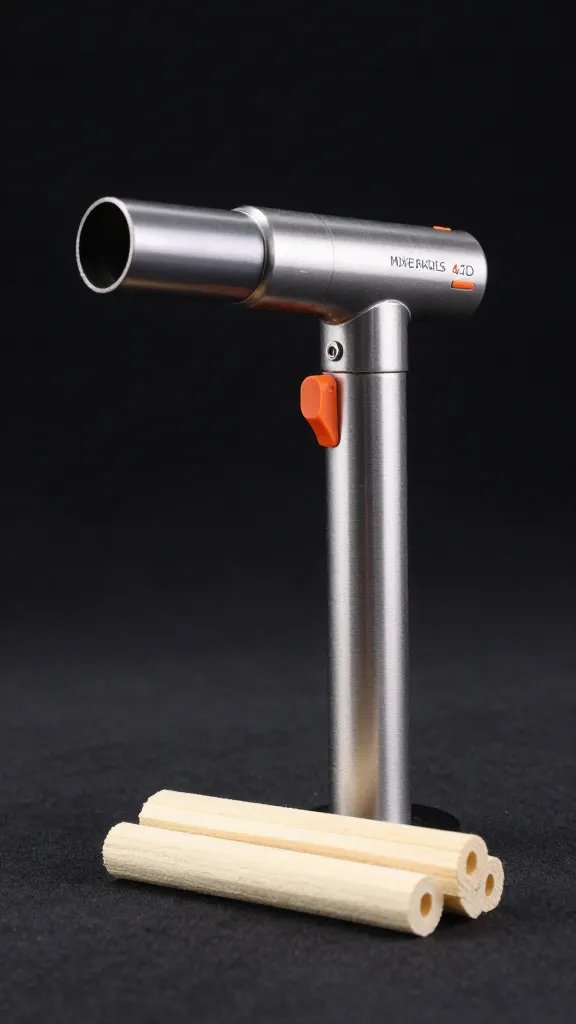
- Chimney starters: Non-negotiable. Two chimneys make service smooth.
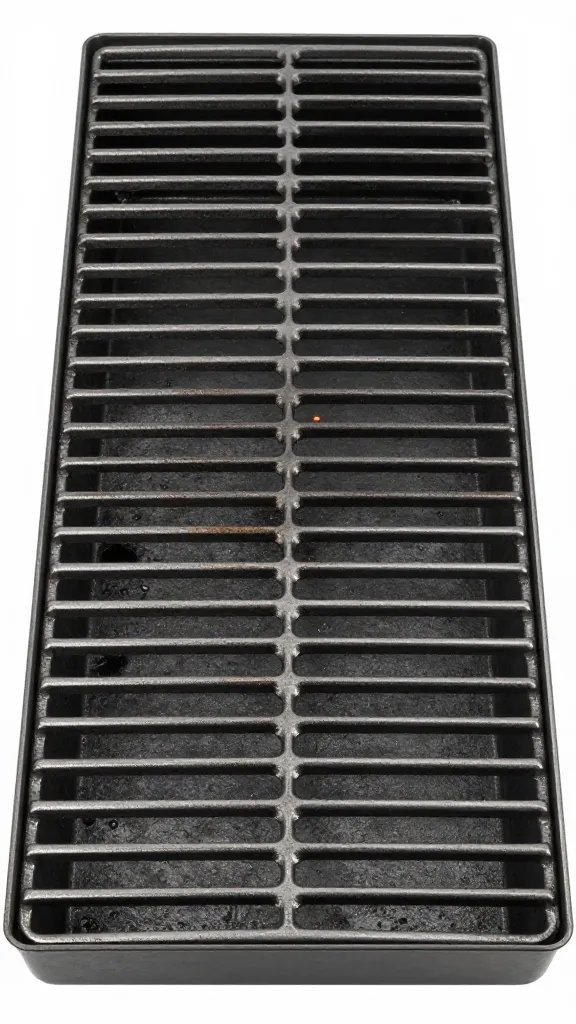
- Grill grates and racks: Extra racks let you hold finished food without burning more fuel.
- Water spray bottle: Tames flare-ups without choking the fire.
- Thermometers: A probe or instant-read prevents overcooking and wasted time at high heat.
- Foil pans and lids: Rest and hold proteins off direct heat; you’ll refuel less often.
From My Kitchen: What Actually Works
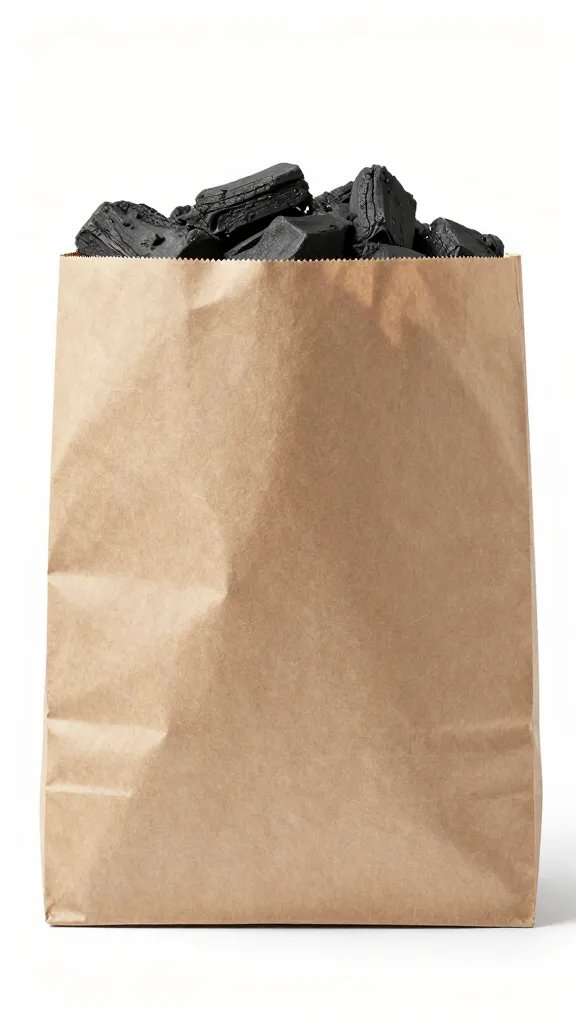
I pre-portion charcoal into 8–10 lb paper bags the night before. That makes top-ups during service dead simple, and I can track how much I’ve used at a glance. The other big win: I always light a second chimney when the first gets poured — never after. If I wait, the grill temp dips and I end up dumping too much fresh coal to recover, which wastes fuel. Finally, for chicken quarters, I bank coals on one side only and rotate pieces every 5–6 minutes; temps stay steadier and I burn 15–20% less charcoal than spreading coals evenly.
Smart Pairings and Sides
Max out your grill space for proteins and hand off punchy flavor with cold or room-temp sides. Bright sauces and salads carry the meal without extra fuel.
- Make a herb-driven sauce like this chimichurri recipe — it turns budget cuts into a crowd-pleaser.
- Serve a hearty grain salad or slaw; here’s a grilled corn salad that travels well to keep guests happy while batches finish.
Frequently Asked Questions
How much charcoal for a BBQ for 50 people if I only have one grill?
Plan on 30–35 lb briquettes or 45–50 lb lump and expect longer service time. You’ll cook in waves. Keep two chimneys running, and use a warming rack or foil pans to hold finished food.
Is lump charcoal better than briquettes for a crowd?
Lump burns hotter and faster with great flavor, but it needs more frequent top-ups. For large groups, briquettes offer steadier heat and simpler math. If you want the best of both, run briquettes as the base and toss a few handfuls of lump for searing.
What’s the best way to start that much charcoal quickly?
Use two chimneys simultaneously. Fill each 3/4 full for faster ignition, then top off as they catch. Avoid lighter fluid; use paraffin cubes or paper. While you pour the first chimney, the second should already be 60–70% lit.
How do I keep temperature steady without burning extra fuel?
Set a two-zone fire, keep lids down, and throttle the bottom vent. Top up in small, frequent amounts (1/3 chimney) instead of dumping a full load. Rotate food through hot and cool zones to reduce flare-ups and wasted heat.
Can I reuse unburned charcoal after the party?
Yes. Close all vents to extinguish, then sift out ash. Store the remaining chunks in a dry bin. Reuse as the base layer next time and supplement with fresh fuel.
The Bottom Line
For 50 guests, plan on 40–55 lb of briquettes (or 55–70 lb of lump) depending on menu and weather, split across two grills with a steady chimney rotation. Build two zones, top up modestly, and stage a hot reserve so the line never stalls.
Planning to try this? Save this post so you can find it when you need it — and tag us when you make it.