- Best for: Backyard parties, graduations, tailgates, and casual weddings
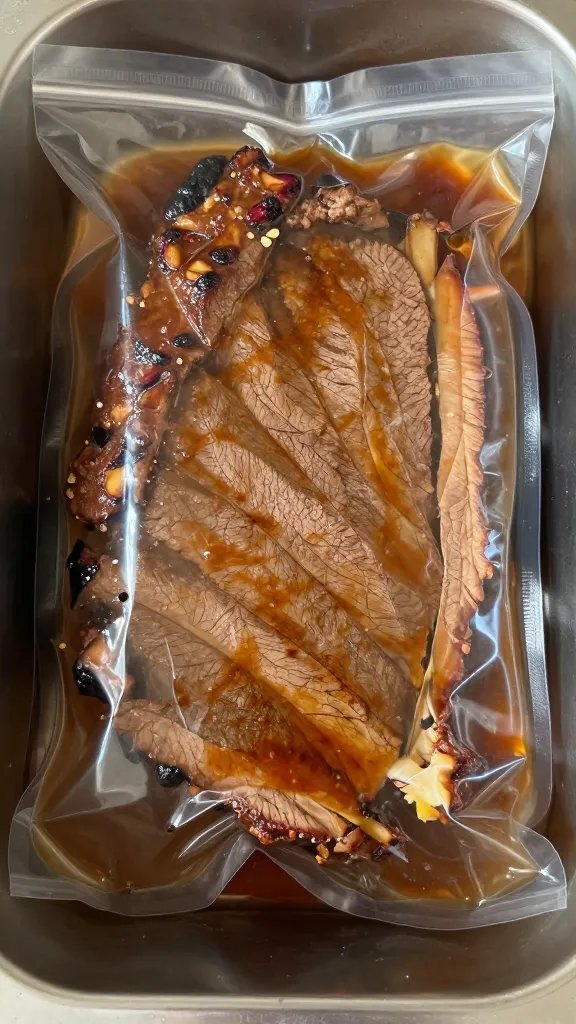
- Make ahead: Yes — smoke 1 day ahead, reheat sealed in au jus
- Serves: 50 people (about 25–30 lb cooked brisket total)
- Key tip: Use charcoal for heat and wood for flavor — you’ll burn less wood and hold steadier temps
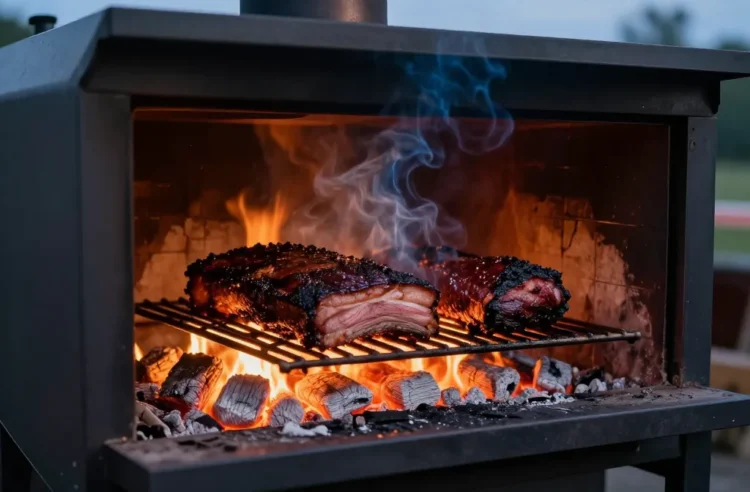
How Much Wood for a 12-Hour Smoked Brisket for 50 People trips up even confident pitmasters. The cook is long, the crowd is hungry, and wood use can swing wildly depending on your smoker. This guide gives you proven wood estimates, plus adjustments for different pits and wood types. You’ll get simple math, fuel plans by smoker style, and a timeline you can copy.
Start With The Meat Math
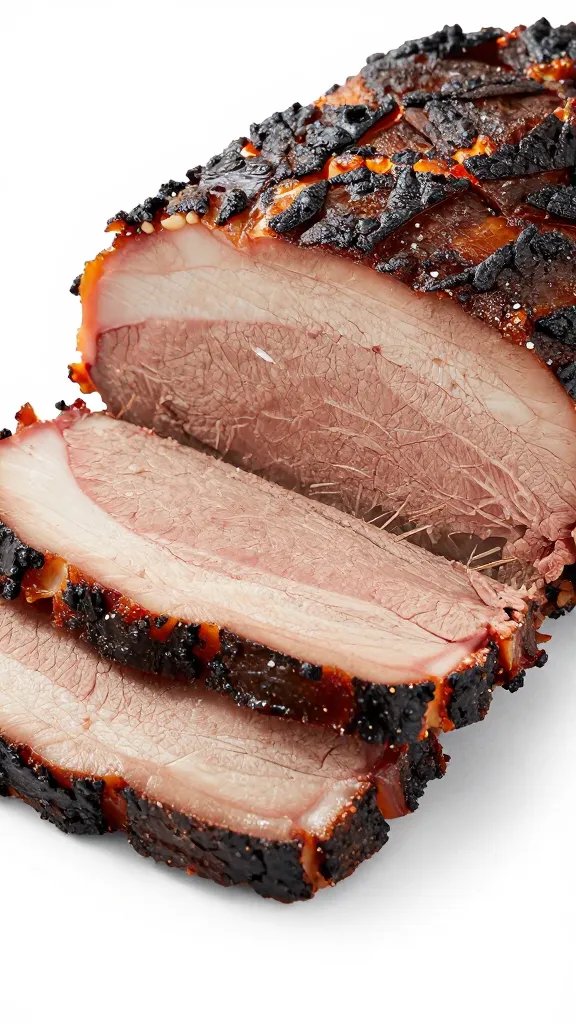
Plan portions first, then fuel. For 50 people, figure 1/2 pound cooked brisket per person if it’s the main protein, or 1/3 pound if there are multiple mains.
- Cooked yield target: 25 lb (generous) to 17 lb (mixed-menu)
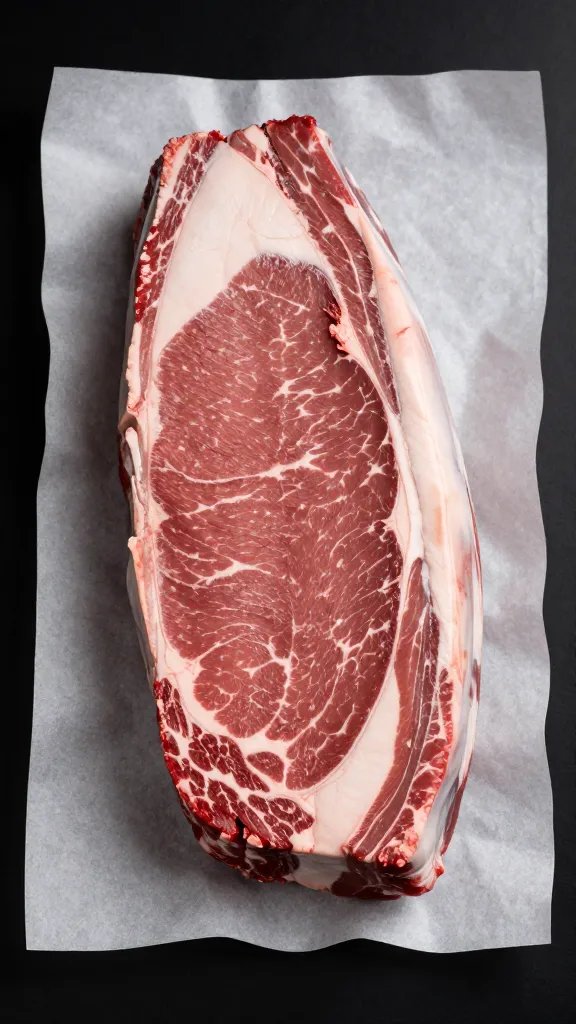
- Raw brisket needed: Multiply cooked weight by ~1.6 (fat/water loss)
- 25 lb cooked → ~40 lb raw (two 18–22 lb packers)
- 20 lb cooked → ~32 lb raw (two 15–18 lb packers)
This size batch lines up well with two full packers over a 10–14 hour smoke at 225–275°F.
Quick Answer: Wood Needed For 12 Hours
Fuel use depends on whether wood is your primary heat or a flavor accent over charcoal or gas.
- Stickburner (offset, wood as heat): 0.75–1.5 cubic feet of seasoned splits per hour. For 12 hours: 9–18 cu ft (about 60–120 splits, 16″ long, 3–4″ thick). Plan high if it’s cold or windy.
- Charcoal with wood chunks (kettle, WSM, kamado): 1–1.5 chimneys lump/2–3 lb briquettes per hour for heat, plus 2–4 chunks per hour for smoke. For 12 hours: 12–18 chunks total (fist-size) + charcoal base.
- Pellet grill: 1–2 lb pellets per hour at 225–250°F. For 12 hours: 12–24 lb pellets (plus optional finishing splits/chunks if your model allows).
- Gas/electric with wood tray: 10–16 chunks over 12 hours; replace when the previous is ash.
Translation you can shop with: For an offset, a face cord (1/3 of a full cord) easily covers it; for charcoal rigs, grab a large bag of lump/2 bags briquettes plus a 20–30 lb box of chunks.
Choosing The Right Wood Species
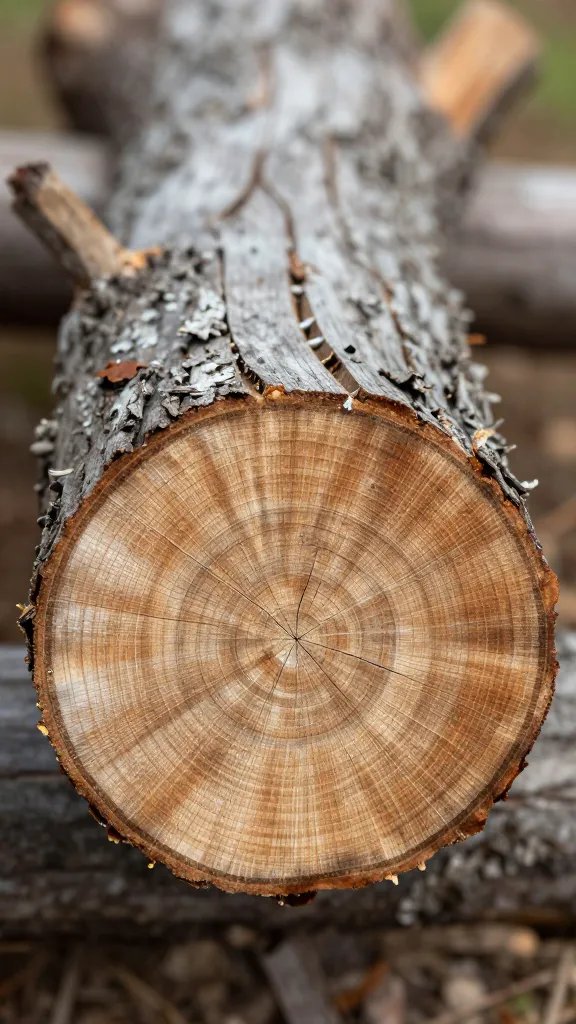
Brisket loves medium-to-strong hardwoods. Balance smoke strength with your cooker’s efficiency.
- Post oak/white oak: Classic Texas profile, clean and steady. Great for all pits. Baseline recommendation.
- Hickory: Stronger smoke, great bark. Use slightly fewer chunks in tight-sealing cookers (kamado).
- Pecan: Milder hickory cousin, nutty-sweet. Excellent for long cooks.
- Fruitwoods (apple, cherry): Mild; blend 50/50 with oak or hickory to avoid going too light.
Avoid: Softwoods, unseasoned (green) wood, and wood with mold or paint. Use seasoned splits at 15–20% moisture for clean combustion.
How Wood Consumption Changes By Smoker Type

Offset Stickburner (Traditional)
- Startup: 3–4 splits to establish a coal bed (30–45 min).
- Cruise: 1 split every 30–60 minutes, sized to your firebox.
- Estimate for 12 hours: 60–90 lb of wood (9–18 cu ft by how it’s stacked).
- Tip: Use smaller splits more frequently for cleaner blue smoke.
Charcoal Smokers (WSM, Kettle, UDS)
- Heat: Minion/Snake method with 12–16 lb briquettes or a large bag of lump.
- Smoke: Add 2–3 chunks at start, then 1 chunk every 60–90 minutes until the wrap.
- Estimate: 12–18 chunks total (fist-size).
- Tip: Stop adding wood after wrapping; let the charcoal carry you to probe-tender.
Kamado (Big Green Egg, Kamado Joe)
- Heat efficiency: Very high — you’ll burn less overall.
- Load: 3/4 firebox of lump; bury 8–12 chunks throughout.
- Tip: Hickory can get heavy here; oak/pecan stays cleaner.
Pellet Grills
- Pellet rate: 1–2 lb/hour; colder temps or higher heat burn more.
- Estimate: 12–24 lb pellets for a 12-hour cook.
- Tip: For more bark, run 225°F during smoke phase, then 250–275°F after wrap.
Gas/Electric Cabinet Smokers
- Heat source: Propane or element; wood only for flavor.
- Estimate: 10–16 chunks across 12 hours, swapped when ashed.
- Tip: Use a water pan to stabilize temp; it reduces flare-ups and keeps smoke quality even.
Timing Your Wood: A 12-Hour Game Plan
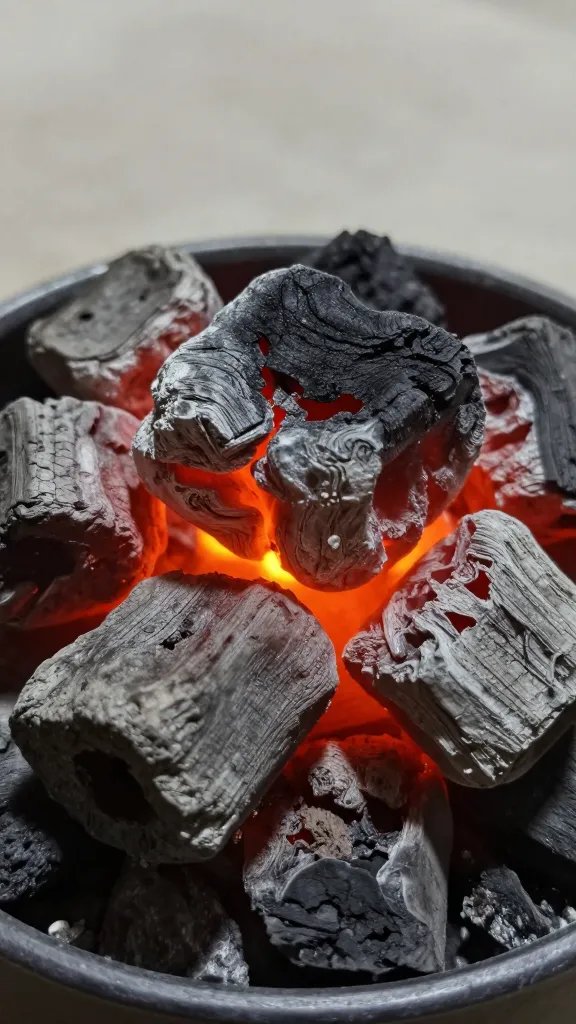
- Build a clean fire (0:00–0:45): Preheat the pit and establish a coal bed. Aim for thin blue smoke, not white billows.
- Early smoke (0:45–4:00): This is where wood choice matters most. Keep smoke steady and light. Add splits/chunks as needed to hold 225–275°F.
- Bark set (4:00–6:00): Once bark is set and color is right, reduce smoke intensity. If running charcoal/gas/electric, slow chunk additions.
- Wrap (usually at 165–175°F internal): Foil or butcher paper. After wrapping, stop adding wood and ride the primary heat.
- Finish (6:00–10:00+): Cook to probe-tender in the flat, typically 200–205°F internal. Keep vents tuned; clean fire beats heavy smoke.
- Rest (at least 1–2 hours): Cooler-cambro rest, still wrapped, to settle juices. This buys you time if guests run late.
Practical Ways To Reduce Wood Use
- Use charcoal for the base heat and wood for flavor. It’s steadier and cheaper than pure wood in many regions.
- Right-size your splits: Smaller, dry splits ignite faster and smoke cleaner, so you use fewer overall.
- Seal leaks: Gasket tape on doors and firebox gaps cuts consumption by improving draft control.
- Shield from wind: Wind is a wood tax. A simple windbreak saves fuel and sanity.
- Don’t over-smoke: Past the wrap, additional wood won’t help flavor and can turn harsh.
Flavor Pairings And Serving For 50
Seasoning: Keep it simple — salt, pepper, maybe a touch of garlic. Big crowds prefer classic bark over sugary rubs.
Offer bright sides that cut richness. A punchy green sauce like this chimichurri recipe wakes up slices and burnt ends. For a make-ahead starch that holds heat, try sheet-pan roasted potatoes or creamy mac to balance the smoke.
From My Kitchen: What Actually Works
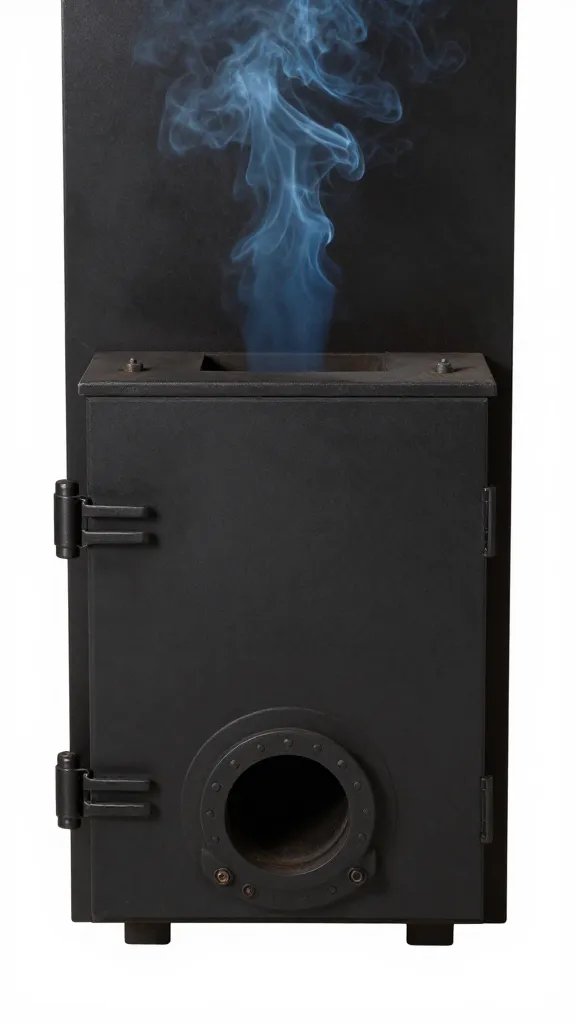
I log fuel on every big cook. On my 250-gallon offset, two 18–20 lb packers at 265°F used about 70 splits of post oak in 12 hours on a mild day, closer to 90 on a windy one. On a WSM 22, the same volume split across two grates used one large bag of briquettes plus 14 oak chunks, with clean smoke until the wrap. The biggest saver? Stopping wood after wrapping — the bark stays intact and the flavor stays clean. If my smoke ever turns white, I open the firebox a crack and feed a smaller split; thin blue returns in minutes.
Frequently Asked Questions
How much wood do I need for a 12-hour smoked brisket for 50 people?
For an offset burning wood as the main heat, plan 9–18 cubic feet of seasoned splits for 12 hours. For charcoal smokers, expect 12–18 fist-size chunks plus enough charcoal for the cook. Pellet grills will use 12–24 lb of pellets.
What’s the best wood for brisket when cooking for a crowd?
Post oak is the most forgiving and traditional. Hickory gives a stronger profile; pecan is a slightly sweeter middle ground. If using fruitwood, blend 50/50 with oak or hickory so the smoke doesn’t run too mild over long cooks.
Can I make smoked brisket ahead for 50 people?
Yes. Smoke to probe-tender, rest, then chill whole (or in large chunks) wrapped in its juices. Reheat sealed in a 275°F oven or in a covered pan with a little beef stock until slicing temp; it stays juicy and you avoid day-of chaos.
Do I keep adding wood after I wrap the brisket?
No. Once wrapped, you won’t gain smoke flavor. Let charcoal, pellets, or a small clean fire carry you to finish. This reduces the risk of bitter smoke and saves fuel.
How much charcoal and wood chunks for a Weber kettle or WSM for 12 hours?
For a WSM 22, use the Minion method with a full ring of briquettes (12–16 lb) and 12–18 chunks of oak or pecan spaced through the coal bed. For a kettle snake, build a two-briquette-wide, two-high ring with a chunk every 4–6 inches and add more only until you wrap.
What internal temp should I target, and how long should it rest?
Cook until the flat is probe-tender, usually around 200–205°F. Rest at least 1–2 hours, wrapped and insulated in a cooler; for make-ahead service, rest longer, then chill and reheat gently.
The Bottom Line
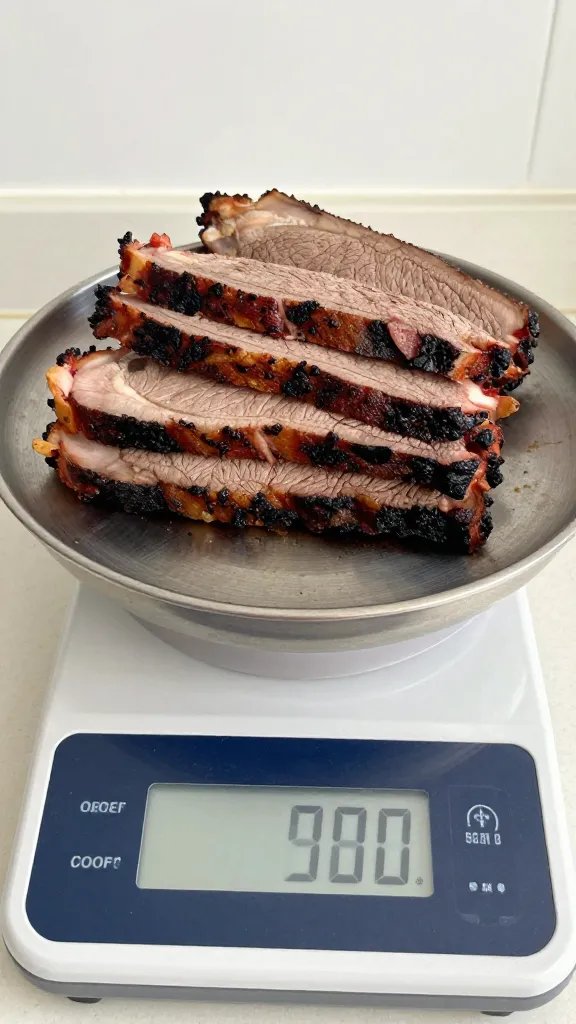
Plan your meat first, then match your fuel to the cooker. For a 12-hour brisket for 50, expect a face cord’s worth of splits on an offset, or a bag of charcoal plus a dozen-plus chunks on tight pits — and stop adding wood after the wrap.
Planning to try this? Save this post so you can find it when you need it — and tag us when you make it.