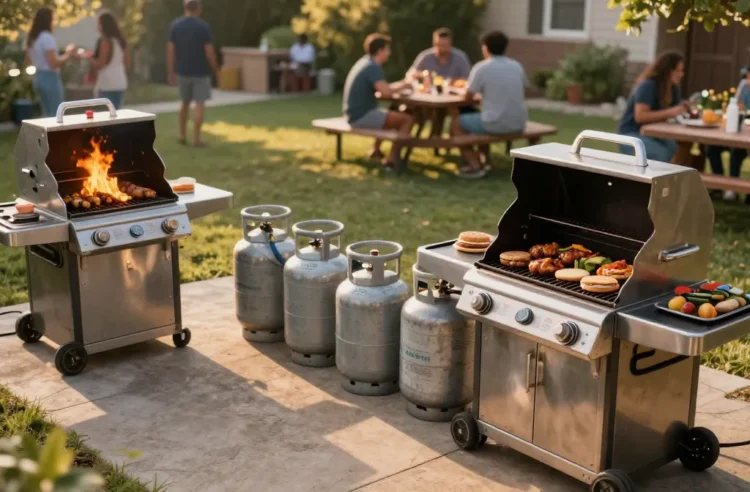
- Best for: Large backyard cookouts, reunions, company picnics
- Make ahead: Yes — pre-trim and marinate meats 1–2 days ahead
- Serves: 100 people on 2–3 standard grills
- Key tip: Plan 1 full 20-lb tank per grill per 4–5 hours of active cooking
How Much Propane for a BBQ for 100 People — Tank Safety can feel like guesswork, but it doesn’t have to. The right math saves you from mid-burger flameouts and keeps your crew safe. We’ll cover how much propane you actually need, how to size your tanks, and the safety checks that matter. By the end, you’ll have a simple plan you can print, shop, and cook from with confidence.
Propane Math for 100 Guests
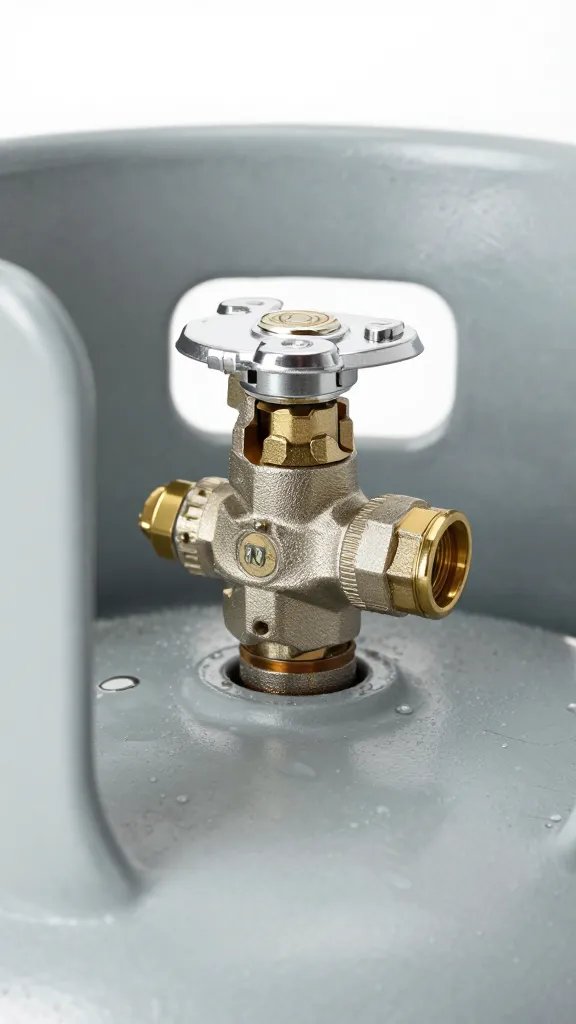
Rule of thumb: A standard 20-lb propane tank holds about 4.7 gallons and fuels roughly 18–20 hours of medium-heat grilling on a typical 2–3 burner backyard grill.
For 100 people, most cooks run 2–3 grills for 4–5 hours of on-and-off cooking. That translates to:
- 2 grills × 5 hours = ~10 grill-hours → 0.5–0.6 tanks per hour total → 3–4 tanks
- 3 grills × 4 hours = ~12 grill-hours → 0.5–0.6 tanks per hour total → 4–5 tanks
Want an easy plan? Secure 5 full 20-lb tanks for 2–3 grills. That covers the event with a built-in buffer for higher heat, wind, or extra searing.
Menu Variables That Change Fuel Use
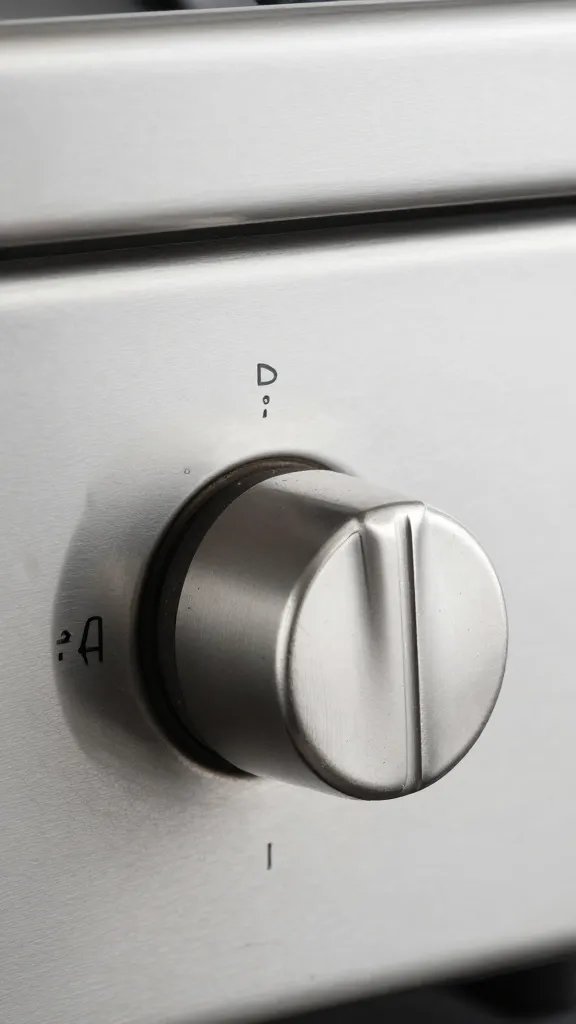
High heat = higher burn rate. Burgers, hot dogs, and chicken thighs at medium heat sip less fuel than all-steak, high-heat searing.
- Efficiency saver: Use two-zone grilling (one hot side, one cooler side). You’ll run fewer burners, save propane, and reduce flare-ups.
- Lids down: Cooking with the lid closed keeps heat stable and uses 10–20% less fuel, especially in wind.
- Batch cooking: Fill the grate, rest, then refill. Constant lid openings waste fuel.
How Many Grills and Tanks Do You Need?
Throughput matters. For 100 guests, aim to plate 25–35 servings every 15 minutes to avoid lines.
Sample Setups
- Two full-size grills (3–4 burners each): Good for burgers, dogs, and one chicken station. Plan 4–5 tanks total.
- Three grills: Adds a dedicated sear or vegetarian station. Plan 5–6 tanks total.
- Flat-top + grill combo: Flat-top handles onions, buns, smashburgers. Plan one extra tank for the flat-top.
Backup plan: Keep 1 spare tank per two grills near the cooking area, capped and shaded.
Tank Safety: The Non-Negotiables
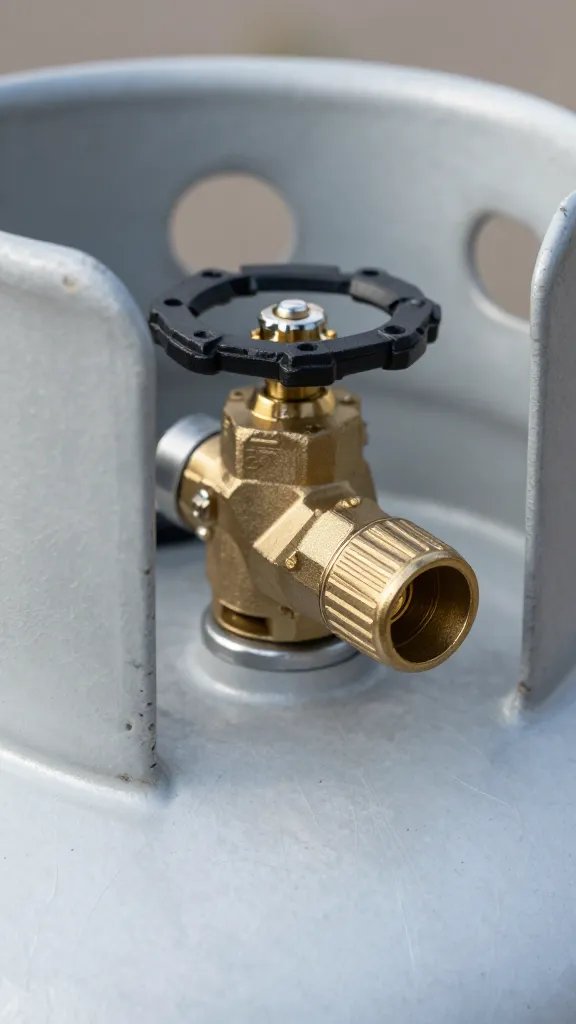
Propane is safe when respected. A few habits prevent nearly every incident.
- Transport upright and secure tanks in your car. No laying on the side.
- Store outdoors, upright, in shade. Keep 10 feet from grills and ignition sources.
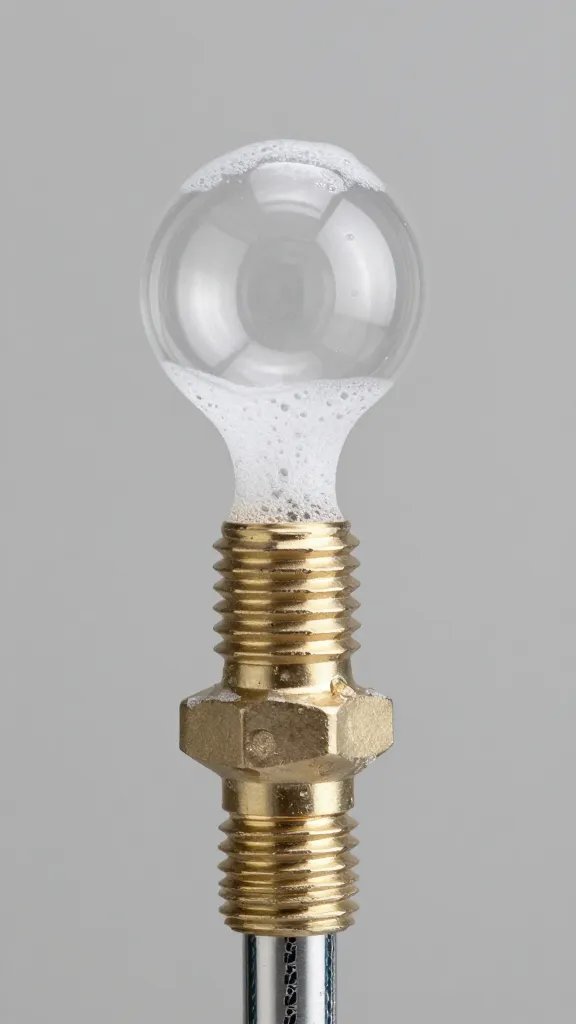
- Leak check every connection with soapy water. Bubbles = leak. Shut off and re-tighten or replace the hose/regulator.
- Never grill in garages, tents, or enclosed patios. Carbon monoxide and fire risk are real.
- Keep a Class B fire extinguisher within reach. Know the PASS method.
- Open the tank valve slowly. Opening too fast can trip the regulator’s safety and choke the flame.
Estimating Portions So Fuel Matches the Plan
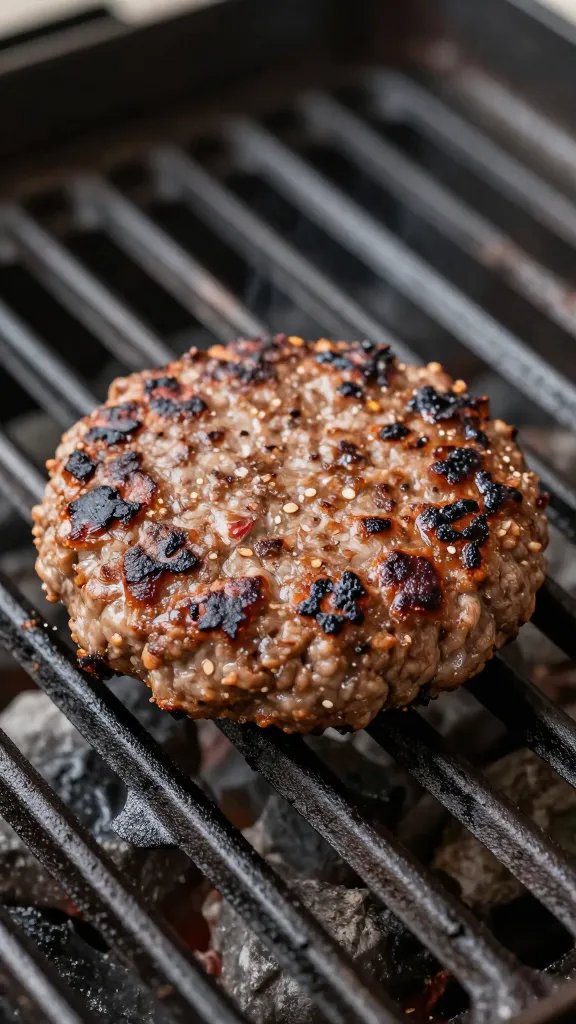
Right-sizing food reduces grill time. For 100 guests, a typical mix looks like:
- 60–70 burgers (4–6 oz patties)
- 60–80 hot dogs or sausages
- 20–30 lb chicken thighs or drumsticks
- 10–15% vegetarian options (portobellos, veggie burgers, halloumi)
Pre-shape patties and pre-season chicken 24 hours ahead. That speeds cooking and reduces lid-open time, which saves propane.
Need a killer sauce that holds up for crowds? Try this chimichurri recipe — it brightens burgers, steak, and grilled veg without extra grill time.
Smart Fuel Management During Service
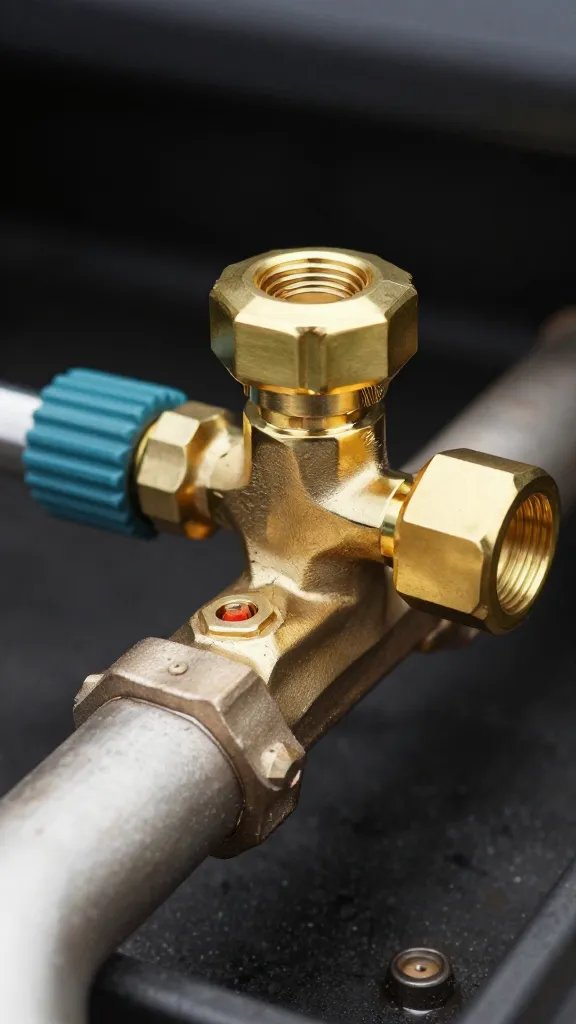
- Stagger tanks: Start one grill on a fresh tank; keep others mid-level. Swap during natural lulls, not at peak line time.
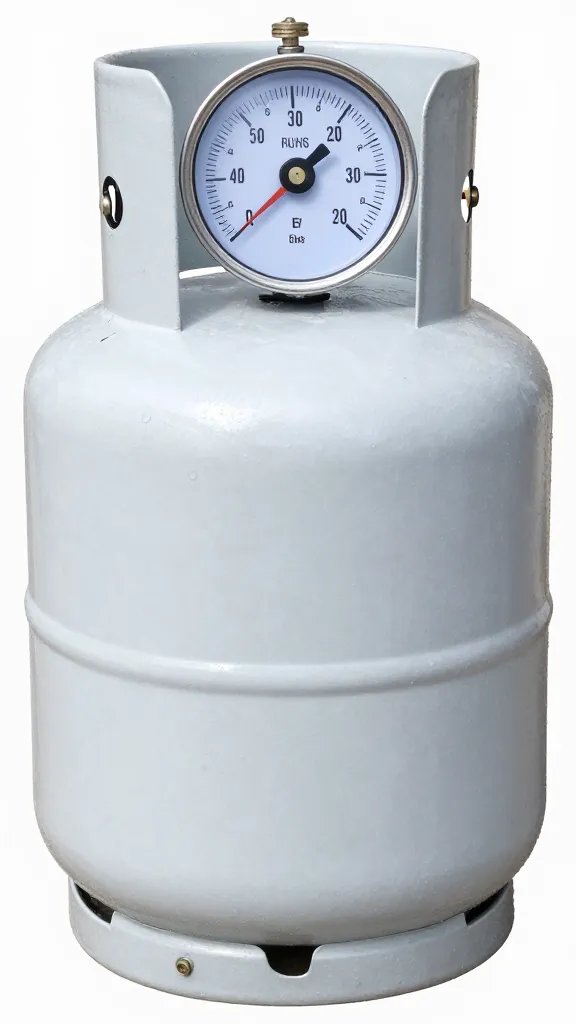
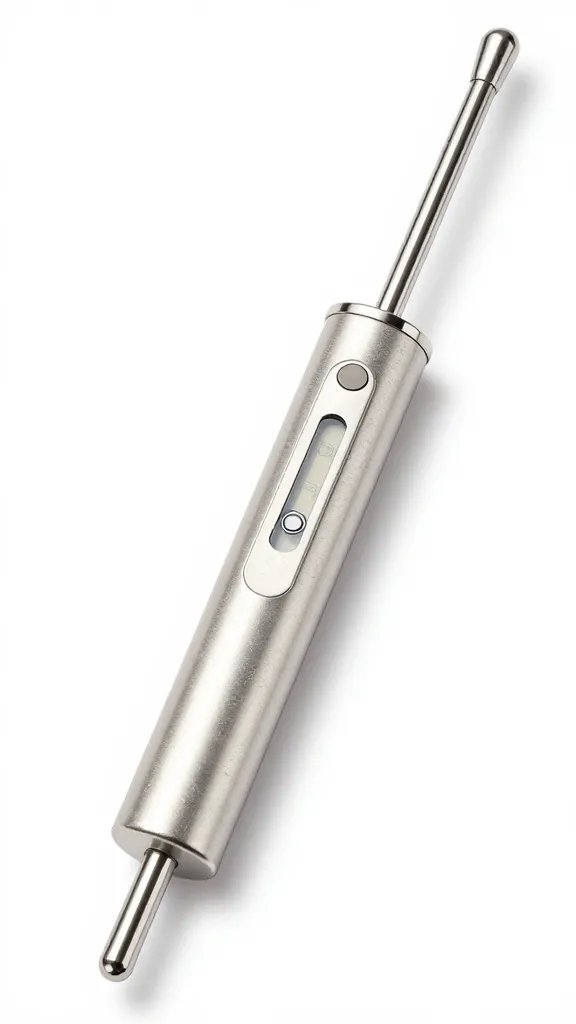
- Weigh to check level: A full 20-lb tank weighs ~37 lb. Subtract the tare weight (stamped on the collar, often 16–18 lb) to estimate propane left.
- Keep lids closed between batches. Each minute open can cost several minutes of recovery and extra fuel.
- Wind shields help. Set grills with backs to the wind or use wind guards to prevent heat loss.
Propane Alternatives and When to Use Them
Hybrid events run smoother. Use propane for main proteins; offload sides elsewhere.
- Electric warmers or chafers for holding burgers, sausages, and grilled veg.
- Oven-finished chicken: Sear on the grill, finish on sheet pans in the oven to save propane and avoid flare-ups.
- Ice-cold sides like slaws and salads cut grill demand. If you need a no-cook crowd-pleaser, make a batch of homemade tzatziki for grilled chicken and veg.
From My Kitchen: What Actually Works
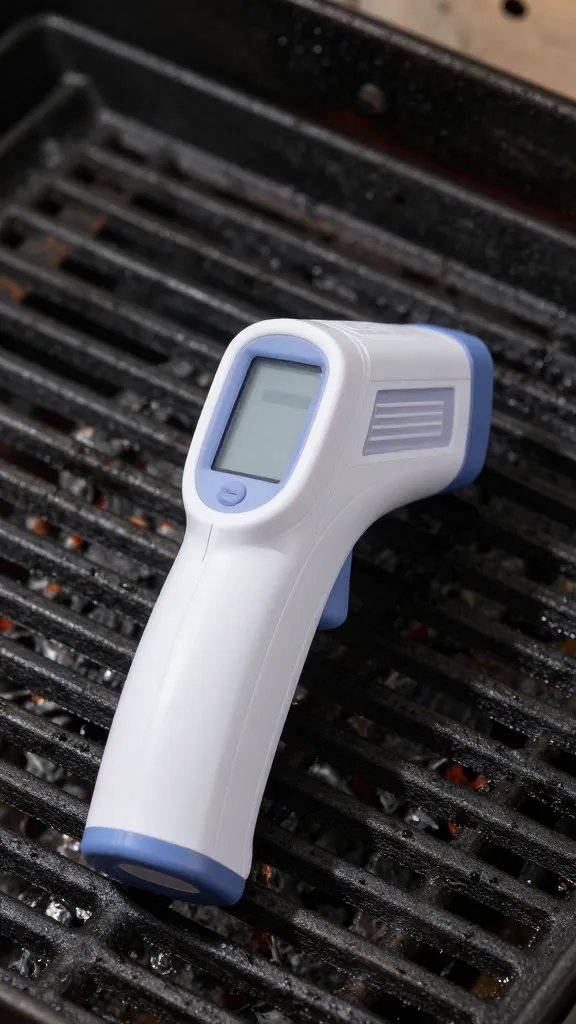
I plan one 20-lb tank per grill for every 4–5 active cooking hours and keep a single spare in the shade. The only times I’ve blown past that were windy days with constant lid opening — wind guards and closing the lid cut my fuel use by about 15%. When cooking chicken for crowds, I sear for color, then tray it into a 300°F oven; propane use drops and the chicken stays juicier. I also label every tank with painter’s tape and start time — it makes swapping predictable instead of a scramble.
Frequently Asked Questions
How much propane do I need for a BBQ for 100 people?
Plan on 5 full 20-lb tanks for 2–3 standard grills running 4–5 hours. That covers typical menus with a buffer for wind, higher heat, or overtime. Heavy steak searing or a flat-top may push you to a sixth tank.
How long does a 20-lb propane tank last on a grill?
About 18–20 hours at medium heat on a typical 2–3 burner grill. High heat, wind, and frequent lid opening reduce that to 10–15 hours. Two-zone cooking and lids down extend runtime.
What’s the safest way to store extra propane tanks during an event?
Keep them outdoors, upright, and shaded, at least 10 feet from grills and ignition sources. Cap valves with the protective plug, don’t store in vehicles, and keep kids away from the storage area.
How do I check a propane tank level without a gauge?
Weigh the tank and subtract the tare weight stamped on the collar to estimate fuel left. Or pour hot water down the side and feel for the cool line — that’s the propane level. Neither method requires tools on-site.
Can I connect two tanks to one grill for a big crowd?
Use a properly rated Y-splitter only if the grill manufacturer allows it. For most backyard grills, it’s safer to run single tanks and swap spares. Commercial multi-tank setups require correct regulators and hoses.
What’s the best way to keep food hot without burning more propane?
Use chafing dishes or insulated pans. Cook in batches, rest briefly, then transfer to warmers. This keeps the grill free for active cooking and cuts overall fuel consumption.
The Bottom Line
For 100 guests, plan on 2–3 grills and 5 full 20-lb tanks, plus smart safety and fuel habits. Close the lids, cook in zones, and keep spares ready — smooth service follows.
Planning to try this? Save this post so you can find it when you need it — and tag us when you make it.