- Best for: Backyard parties, tailgates, weddings, and church cookouts
- Make ahead: Yes — rest and hold 4–8 hours safely
- Serves: 50 hungry guests (one full packer brisket ~14–18 lb, plus sides)
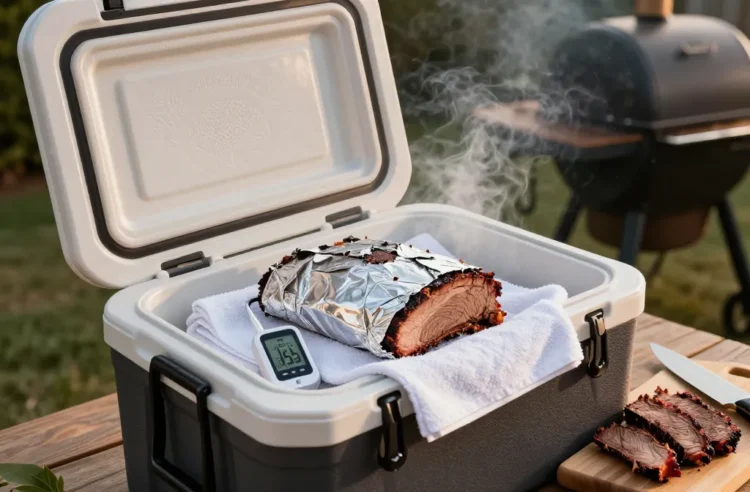
- Key tip: Preheat your cooler with hot water and pack with clean towels to maintain 145–165°F during the hold
If you’re feeding a crowd, the Best Cooler for Rested Brisket for 50 People isn’t just about brand hype. It’s about safe temperature, capacity, and how well it mimics a low-temp holding cabinet. Nail those, and serving becomes easy. In this guide, you’ll learn what size and type to buy, how to preheat and pack it, and exactly how to hold brisket so it slices like butter hours later.
What “Best” Actually Means for Brisket Holding
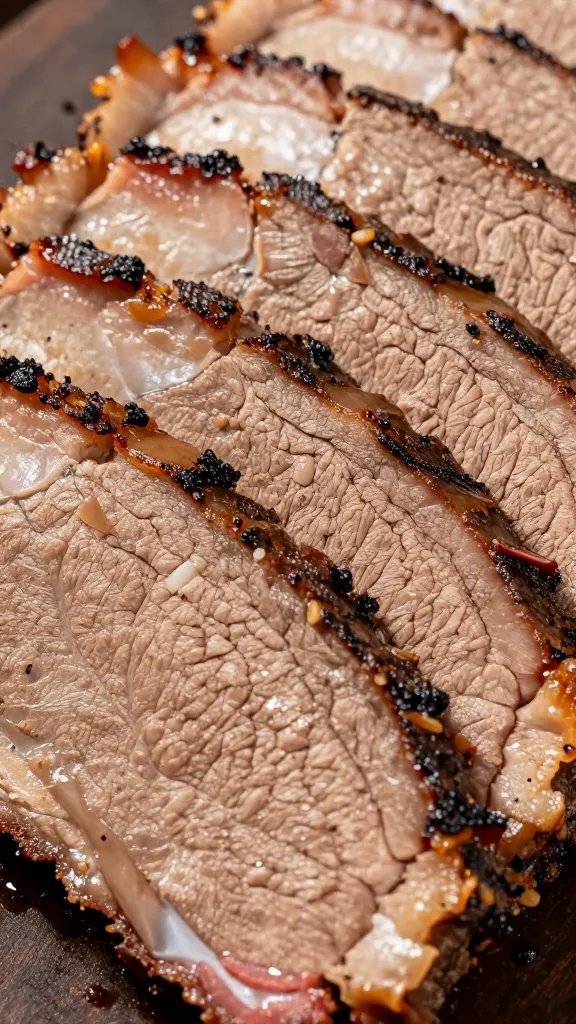
We’re not talking about ice retention; we’re talking about heat retention. A great resting cooler maintains a safe range without drying out your meat. For brisket, ideal hold is 145–165°F internal for up to 6–8 hours.
That means thick insulation, a tight seal, and enough headroom for towels and airflow. Bonus points if the lid is hinged and sturdy enough to sit on while you slice (you know it happens).
Size Matters: How Big a Cooler for 50 People?
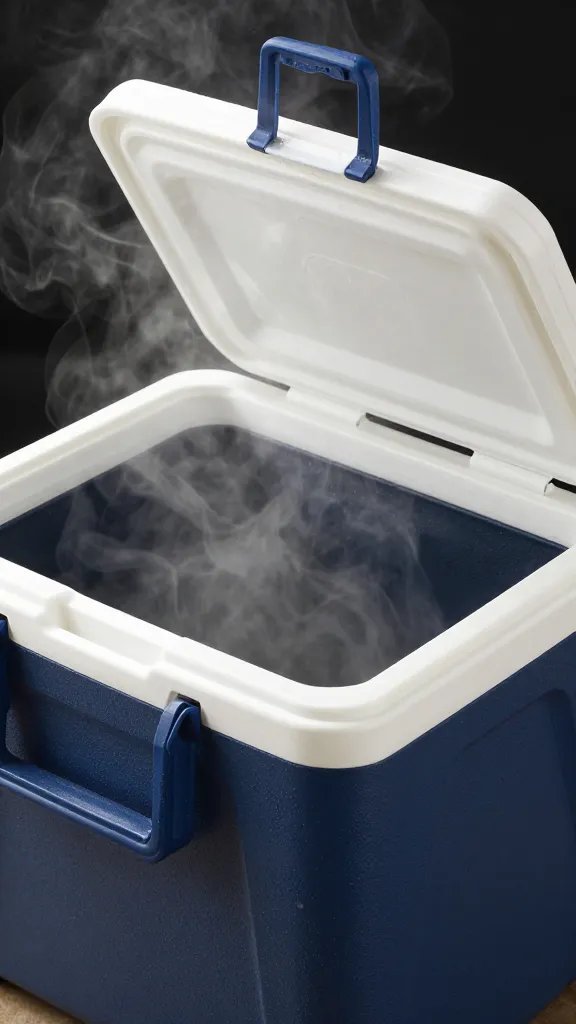
For one full packer brisket (14–18 lb) wrapped and padded with towels, aim for a 55–75 quart cooler. This gives space for towels and reduces heat loss when opening the lid.
- Single brisket (serves ~30–40 with sides): 55–65 qt
- Two briskets (serves ~60–80): 75–110 qt or two 55–65 qt coolers
- Add-ons inside: At least 2–3 thick bath towels and a rack or inverted pan to keep the meat off direct contact with the bottom
Serving 50? If sides are generous, you can squeak by with one big brisket in a 65 qt. If your crowd skews meat-heavy, plan two briskets or add a pan of pulled pork as insurance.
Best Types of Coolers for Resting Brisket
Premium Rotomolded (Yeti, RTIC, Orca)
Pros: Exceptional insulation, gasketed lids, rock-solid latches, holds temp longest. Great for 6–8 hour holds.
Cons: Heavy and pricey. Rotomolded 65 qt can exceed 30 lb empty.
Mid-Range Insulated (Coleman Xtreme, Igloo MaxCold)
Pros: Affordable, lighter, surprisingly capable for 3–6 hour holds when preheated and packed correctly.
Cons: Gasket seal isn’t as tight; temperature drop is quicker after hour 4.
Budget or Thin-Walled
Pros: Cheap and easy to find in a pinch.
Cons: Not reliable beyond 2–3 hours without constant management; heat loss is significant. Use only if you can time slicing sooner.
How to Turn Any Good Cooler into a Holding Cabinet
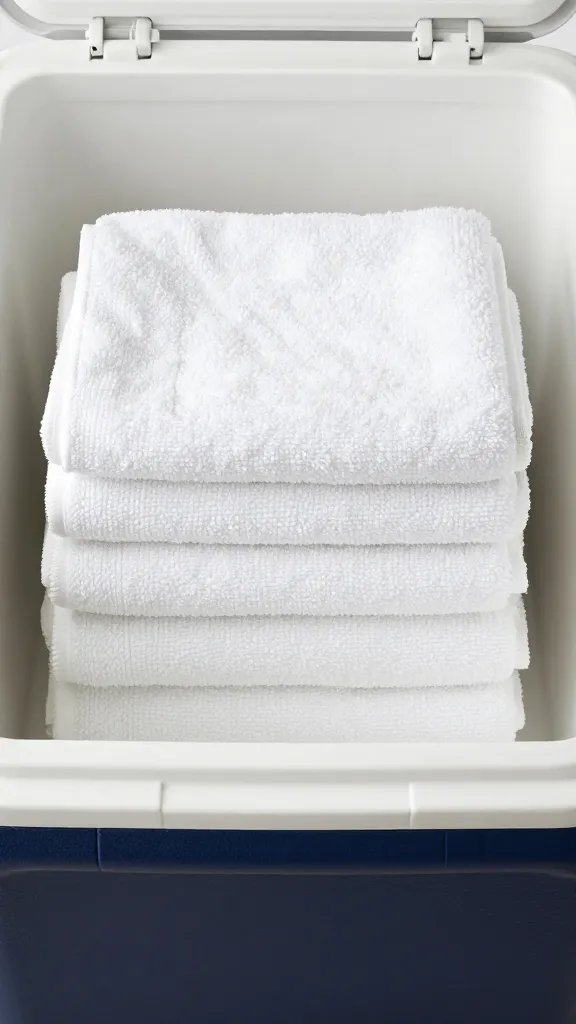
- Preheat the cooler: Fill halfway with the hottest tap water (or pour in kettles of near-boiling water), close the lid for 20–30 minutes. Dump and towel-dry.
- Build a heat barrier: Place a small rack or an inverted foil pan at the bottom so the brisket doesn’t sit directly on plastic.
- Add insulation: Line with 2–3 clean bath towels, leaving enough to fold over the top.
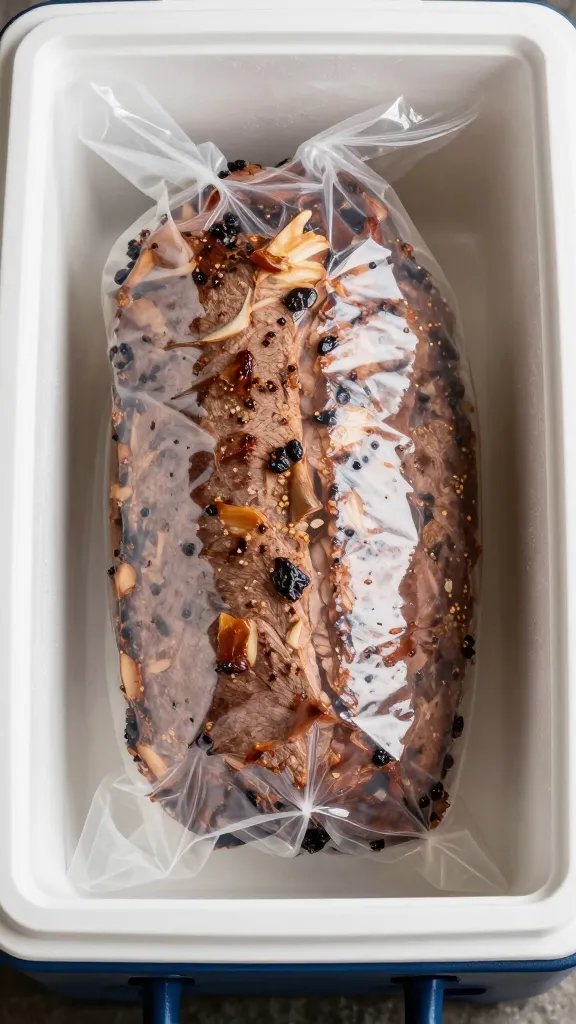
- Wrap the brisket: Keep it in its foil or butcher paper wrap. Consider an extra layer of foil if paper-wrapped to reduce evaporation.
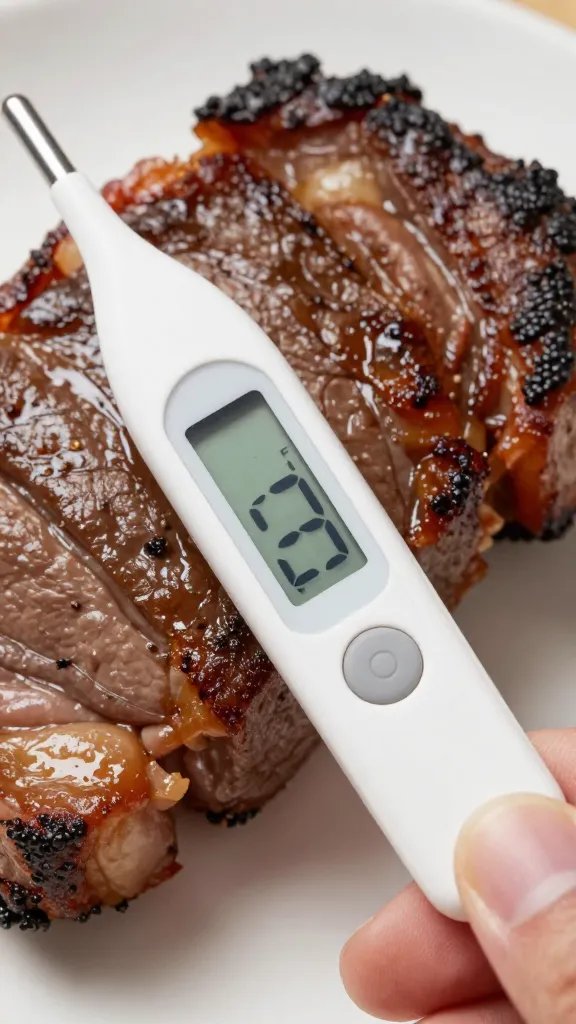
- Pack it tight: Brisket goes in hot (195–205°F finished, 203°F sweet spot), probe still inserted if you have a leave-in thermometer. Tuck towels snugly around and over.
- Seal and leave it: Resist peeking. Every open drops chamber temp fast.
Target hold: 145–165°F internal. If it dips near 145°F and you need more time, place a microwave-warmed, wrapped brick or heat pack under the rack to extend the hold safely.
Safety First: Holding Temperatures and Timelines
Food safety matters when feeding 50. The danger zone starts below 135°F. Keep internal brisket temp above that throughout the rest. Aim for 4–6 hours as the sweet spot; with a top-tier rotomolded cooler and proper preheat, 8 hours is achievable.
If you must hold longer, consider a 150–165°F oven or warming drawer for the last stretch. Or separate the point and flat and hold them in covered pans with a splash of tallow or au jus.
Rested Brisket for 50 People: Slicing and Serving Strategy
Timing the Rest
Pull brisket when probe-tender (195–205°F). Plan a minimum 1.5–2 hour rest in the cooler before slicing for max juiciness. For big events, schedule a 4-hour rest so you’re not slicing in a rush.
Slicing Setup
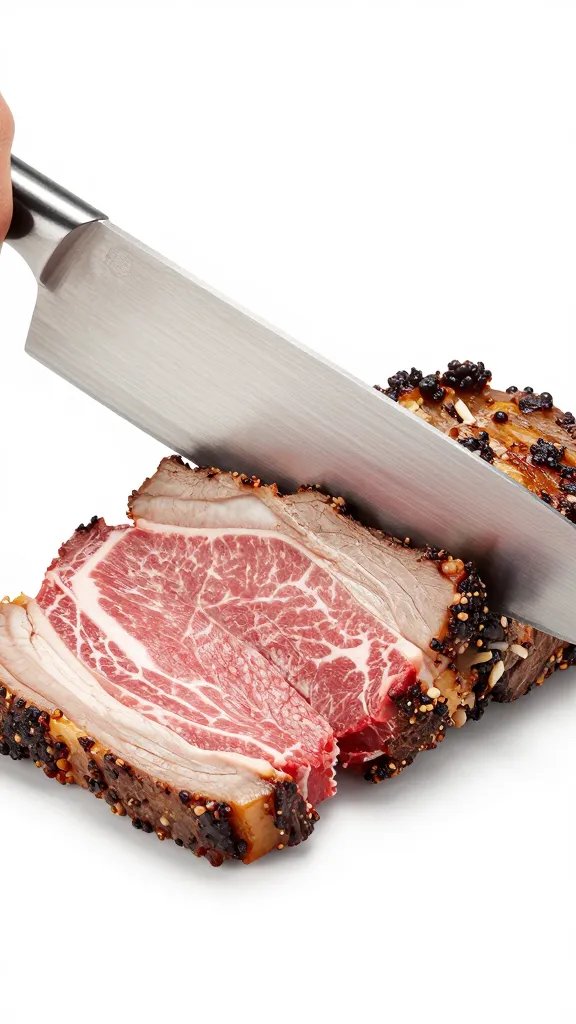
- Use a 12–14 inch slicing knife or brisket knife; keep a towel for wiping.
- Separate point from flat; slice flat across the grain into 1/4-inch slices. Cube the point for burnt ends or slice thicker.
- Pan the slices immediately and cover. Add a ladle of warm tallow or au jus to keep moisture.
Portioning for 50
- With sides: 1/3 lb cooked meat per person (about 17 lb cooked total)
- Meat-forward crowd: 1/2 lb per person (25 lb cooked)
- Cooked yield is ~60% of raw. Two 16 lb packers yield ~19 lb cooked each? Not quite — more like 9.5–10.5 lb each. So two packers comfortably feed 50–60.
Brands and Models That Consistently Deliver
- Yeti Tundra 65: Gold standard for all-day holds; tight gasket, bombproof build.
- RTIC 65 QT Hard Cooler: Similar performance to Yeti at a friendlier price.
- Orca 58: Excellent seal, slightly smaller footprint, great efficiency.
- Coleman Xtreme 70 QT: Budget hero; with aggressive preheating and towels, holds 4–6 hours reliably.
- Igloo MaxCold 70: Solid mid-tier option; watch your preheat and don’t open the lid.
Want a bright, herby sauce to cut the richness? Try this chimichurri recipe alongside your sliced brisket. It keeps guests coming back for seconds without weighing them down.
From My Kitchen: What Actually Works
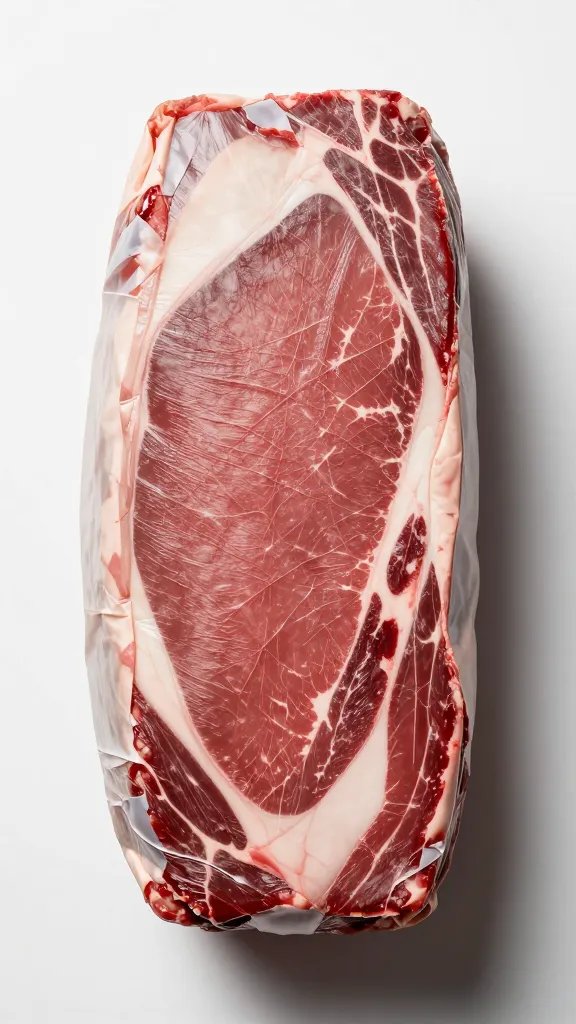
I’ve held briskets in everything from cheap party coolers to a Yeti Tundra 65. The biggest difference isn’t brand — it’s preheating. When I skip the hot-water preheat, internal temp drops below 150°F by hour 3; with a 25-minute preheat and heavy towels, I comfortably hit 6 hours.
I also keep the brisket elevated on a rack. Direct contact with the cooler bottom wicks heat away faster; a simple inverted foil pan slows the drop by about an hour in my tests.
Finally, I leave a probe in the flat and route the cable out the lid. If it nears 145°F early, I’ll add a wrapped heat pack under the rack rather than opening and re-wrapping the meat. It’s less disruptive and keeps the environment stable.
Extra Gear That Makes Service Smoother
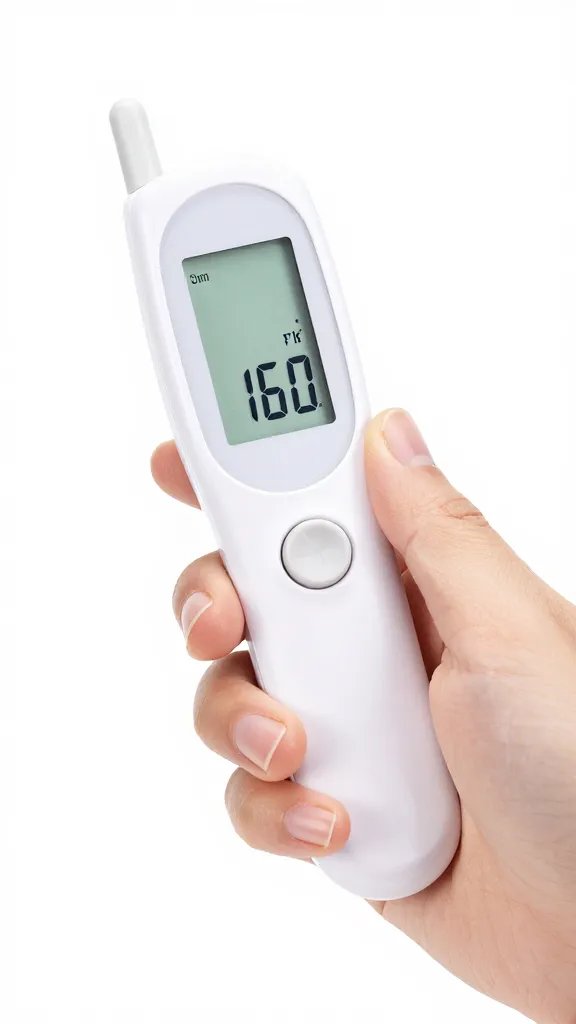
- Full-size steam pans and lids: For sliced brisket with a splash of jus.
- Cambro or insulated carriers: If you’re transporting to a venue, these keep pans hot.
- Carving board with juice groove: Saves your table and your shoes.
- Two good thermometers: One leave-in probe, one instant-read for spot checks.
Planning sides too? Balance the richness with bright salads or pickled onions. I pair brisket with these roasted potatoes when I want something hearty that holds well alongside the meat.
Frequently Asked Questions
What size cooler do I need for rested brisket for 50 people?
Use a 65–75 quart cooler for one large brisket with towels, or two 55–65 quart coolers for two briskets. This allows proper insulation and minimal heat loss when you open the lid.
How long can I hold brisket safely in a cooler?
With a preheated, well-insulated cooler, 4–6 hours is easy; 6–8 hours is possible with high-end rotomolded models. Keep internal temp above 135°F, aiming for 145–165°F for best texture and safety.
What’s the best cooler setup to keep brisket hot?
Preheat with hot water for 20–30 minutes, dry, add a rack, then line and cover with thick towels. Keep the brisket wrapped in foil or butcher paper, and avoid opening the lid until serving.
Can I rest two briskets in one cooler?
Yes, if the cooler is 75–110 qt and you can pack them snugly with towels. Use a rack to elevate them and place towels between to reduce heat loss; monitor with a probe in the cooler and in one brisket.
Is foil or butcher paper better for cooler resting?
Foil holds moisture and heat more aggressively, which is helpful for long holds. Butcher paper breathes slightly and preserves bark texture; for 6+ hour holds, many pitmasters wrap in paper, then add a loose foil outer layer.
The Bottom Line
The best cooler for rested brisket for 50 people is a 65–75 qt, well-insulated model that you preheat and pack properly. Focus on temperature retention, not brand hype, and you’ll slice tender, juicy brisket right on schedule.
Planning to try this? Save this post so you can find it when you need it — and tag us when you make it.