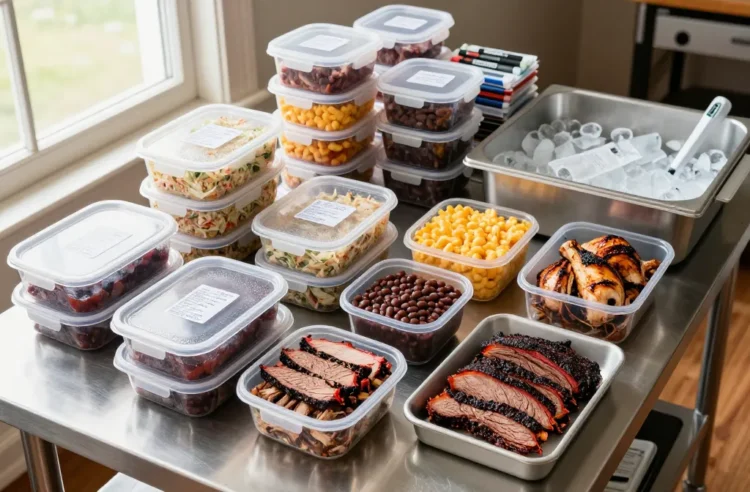
- Best for: Post-party leftovers from weddings, reunions, and tailgates
- Make ahead: Yes — portion, chill, and freeze within 2 hours
- Serves: 50 people with mixed proteins and sides
- Key tip: Cool fast in shallow pans, then pack airtight in labeled portions
Hosting a big cookout is fun — managing the aftermath, less so. If you’re wondering how to store leftover BBQ for 50 people — freezing and safety included — you’re in the right place. The trick is moving food through the “danger zone” quickly and packing it so it reheats like it was just pulled off the smoker. You’ll get clear steps for chilling, freezing, thawing, and reheating every common BBQ dish, plus safety timing you can trust.
Work Fast: Food Safety Basics for Big-Batch BBQ
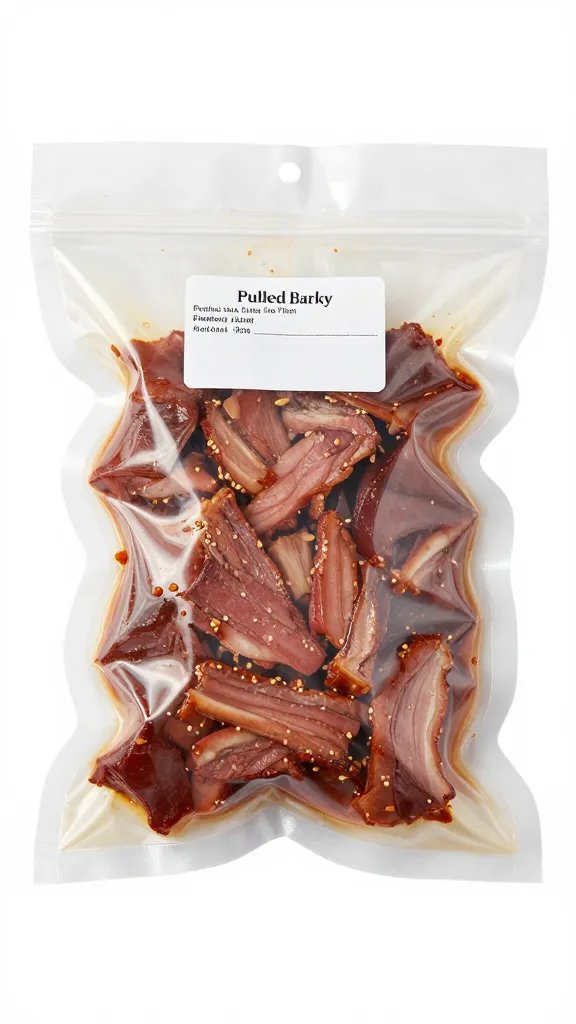
Leftovers live or die by time and temperature. Keep hot foods at or above 140°F (60°C) during service and cold foods at or below 40°F (4°C).
- 2-hour rule: Perishables shouldn’t sit out more than 2 hours (1 hour if above 90°F/32°C).
- Shallow is safe: Cool in shallow pans (2 inches deep) so heat escapes quickly.
- Label everything: Write the item, date, and portions on each container. First in, first out.
- Reheat to 165°F (74°C): Stir mid-reheat. Hold hot foods above 140°F for serving.
Quick-Chill Strategy for a Crowd
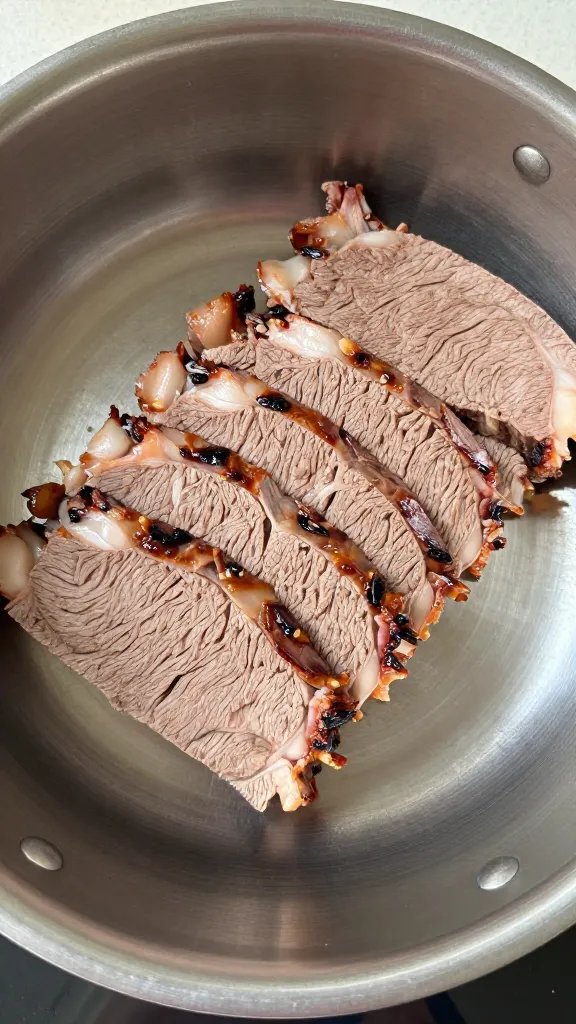
You can’t toss a hotel pan of pork into the fridge and hope. You need a plan.
- Pan it shallow: Spread meats and sides into shallow, wide pans. Aim for a 2-inch depth.
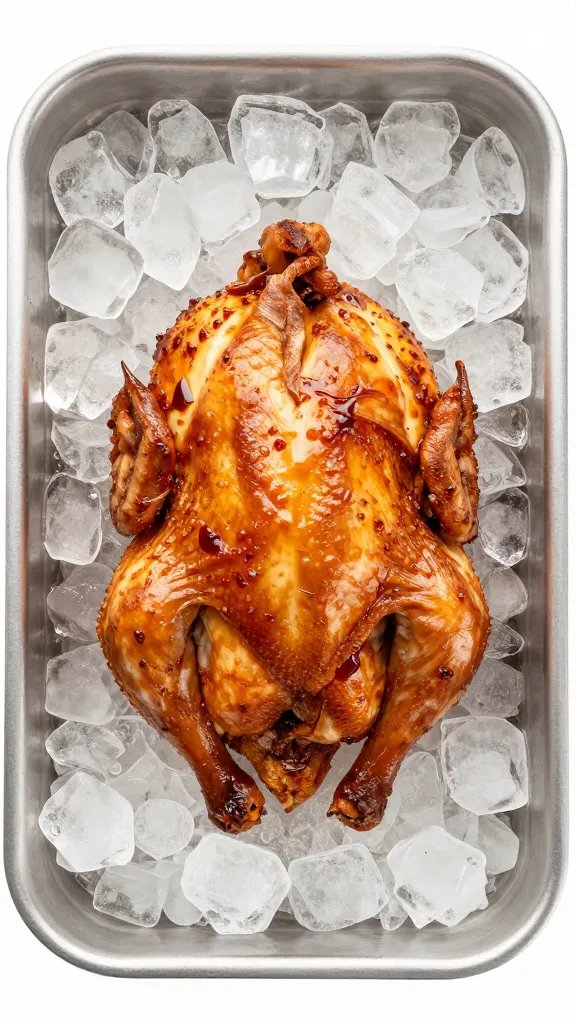
- Add ice where safe: For non-dilutable dishes like vacuum-bagged meats, set pans in an ice bath to drop below 70°F within 2 hours.
- Vent, then cover: Leave lids ajar until steam subsides, then cover tightly to prevent drying.
- Portion early: Move cooled food into meal-size bags or deli quarts before freezing.
What Freezes Best (and What Doesn’t)
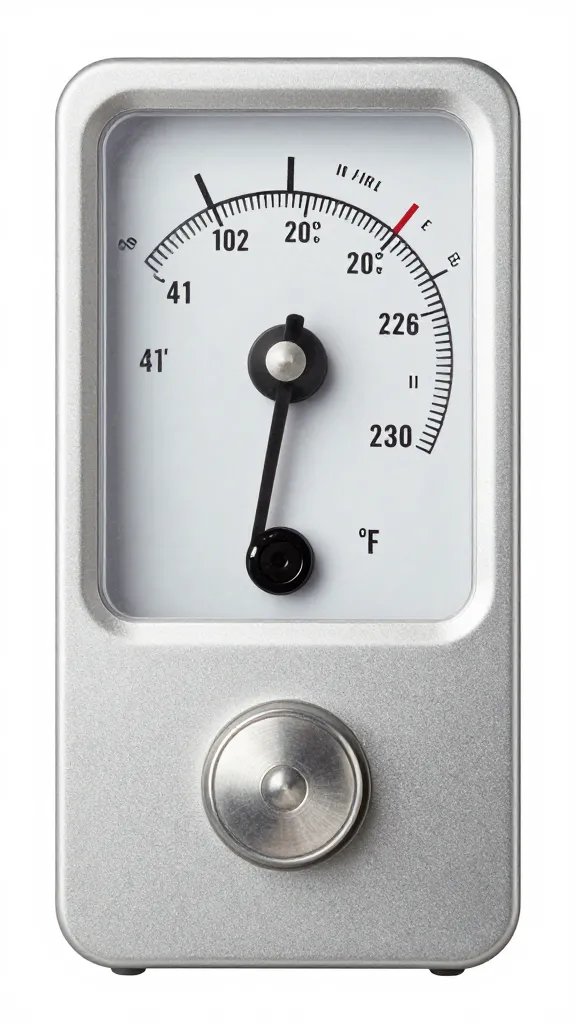
Some BBQ items are freezer all-stars; others need a tweak first.
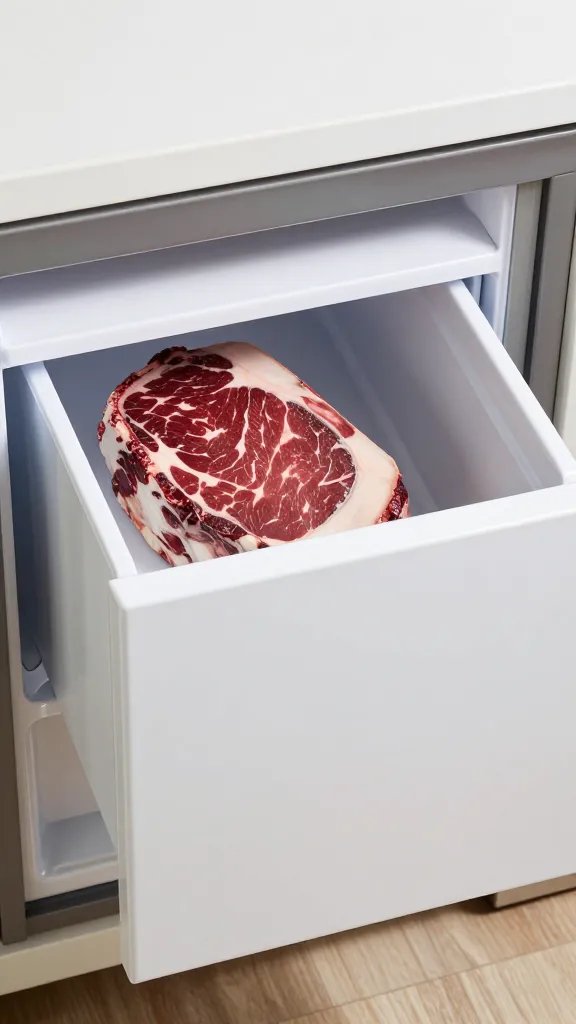
- Pulled pork, chopped brisket, smoked chicken (off the bone), and sausage: Freeze beautifully if packed with a little sauce or pan juices.
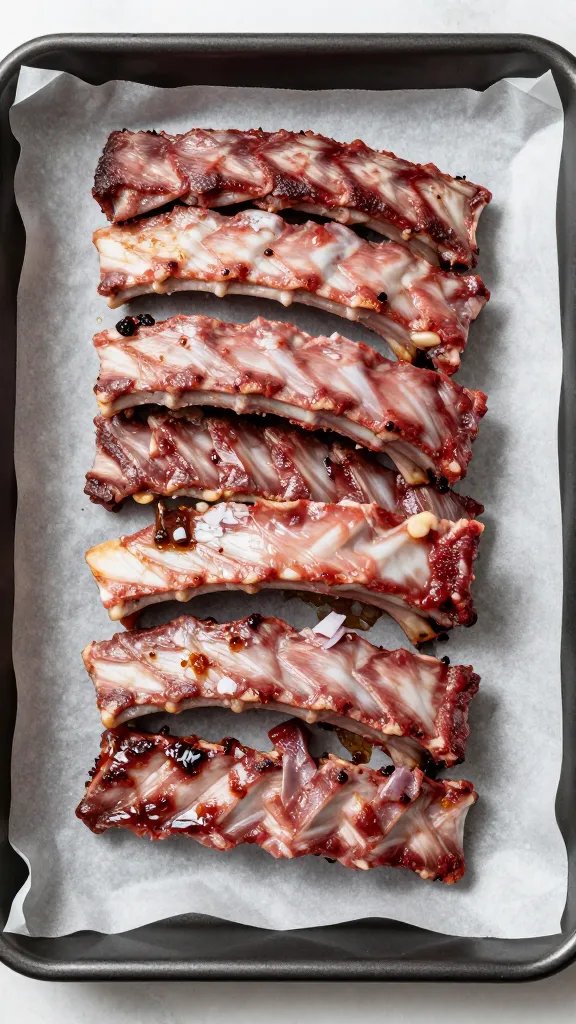
- Ribs and sliced brisket: Good if portioned and wrapped tight with added moisture (jus or thin sauce).
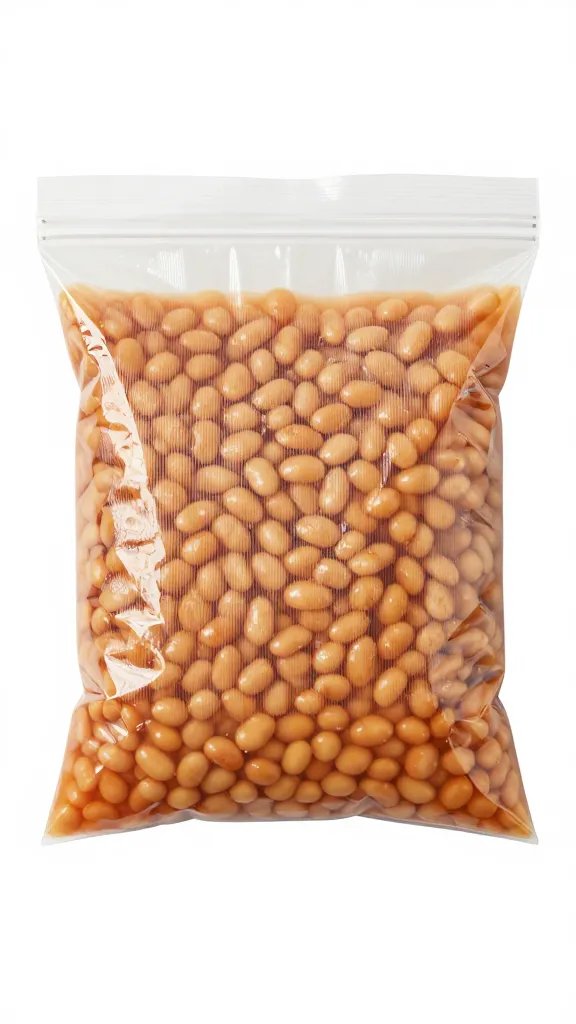
- BBQ beans and chili: Excellent. Cool fully; leave headspace for expansion.
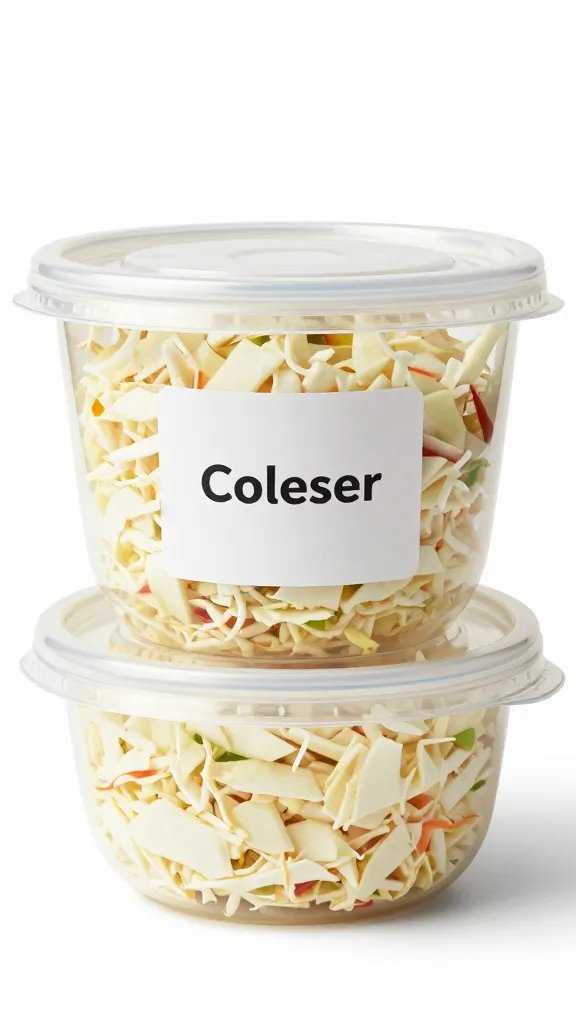
- Mac and cheese, creamy slaws, mayo salads: Tricky. Mac freezes if sauced looser; slaws do not freeze well — keep refrigerated only.
- Buns and cornbread: Freeze great when wrapped airtight. Thaw at room temp.
Packaging: How to Keep Flavor and Texture
Air is the enemy. Moisture is your insurance policy.
- Vacuum bags or freezer-grade zipper bags: Best for pulled meats. Add 2–4 tablespoons of pan juices, broth, or thin sauce per pound. Press air out.
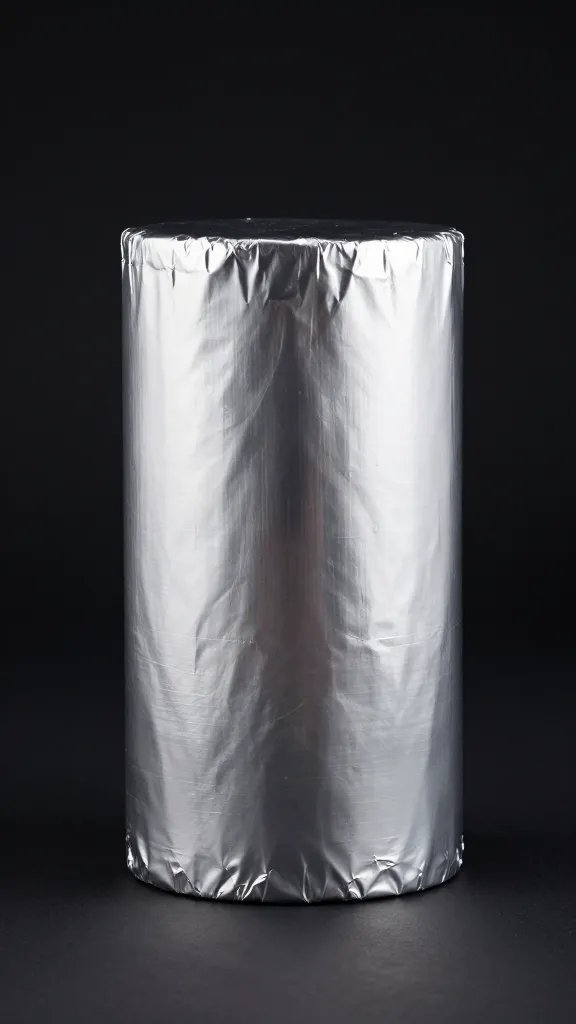
- Foil + freezer wrap for ribs: Wrap ribs tightly with a light coat of sauce. Then bag to prevent freezer burn.
- Deli containers for sides: Fill to within 1/2 inch of the lid. For mac, top with a splash of milk before freezing.
- Label clearly: “Pulled Pork — 1.5 lb — 8/23 — reheat 165°F.” Smaller packs thaw faster and reduce waste.
Freezing and Safety Timelines
Use these timelines to stay in the safe zone and maintain quality.
- Refrigerator window: 3–4 days for cooked meats and beans; 3–5 days for cooked grains; 3 days for mayo-based salads.
- Freezer window (quality): 2–3 months for best texture on meats; 2–3 months for beans and chili; 1–2 months for mac and cheese.
- Absolute safety: Frozen food is safe indefinitely if continuously frozen, but quality drops over time.
Thawing and Reheating Without Drying It Out
Moisture and gentle heat bring BBQ back to life. Skip microwaving big blocks from frozen — thaw first when possible.
Thawing
- Refrigerator: Safest. 24 hours per 4–5 pounds of food.
- Cold-water bath: For sealed bags only. Submerge in cold water, change water every 30 minutes. About 1 hour per pound.
- From frozen: OK for vacuum-sealed meats warmed gently in a simmering water bath (not boiling).
Reheating Targets
- Pulled pork/chicken/brisket (chopped): Toss with 2–3 tablespoons liquid per pound. Reheat covered at 300°F until 165°F, 20–45 minutes depending on quantity. Or reheat sealed bag in simmering water 15–25 minutes.
- Sliced brisket: Steam gently or cover with foil and a splash of broth at 275–300°F. Don’t overcook — slices toughen if hot too long.
- Ribs: Wrap in foil with a tablespoon or two of sauce. Warm at 300°F to 165°F, then unwrap and glaze for 5–8 minutes.
- Beans/chili: Stovetop on low with occasional stirring. Add water if thick.
- Mac and cheese: Stir in milk, cover, and warm gently; finish under a broiler briefly if you like a crust.
Portioning for 50: How Much Per Pack
Make future you grateful with right-sized packs.
- Pulled meats: 1.25–1.5 pounds per gallon bag (serves 4–6 in sandwiches), or 8–12 oz deli containers for single servings.
- Ribs: 1/2 rack per pack for easy thawing.
- Beans/chili: 1-quart containers serve 4; 2-quart for 6–8.
- Buns/cornbread: 6–8 per bag to avoid repeated thawing.
Smart Add-Ons for Later Service
Fresh toppings turn leftovers into a “new” meal.
- Red onion, pickles, and slaw: Keep fresh in the fridge; assemble day-of. If you need a vibrant sauce, try this chimichurri recipe for a bright, herby counterpoint to rich meats.
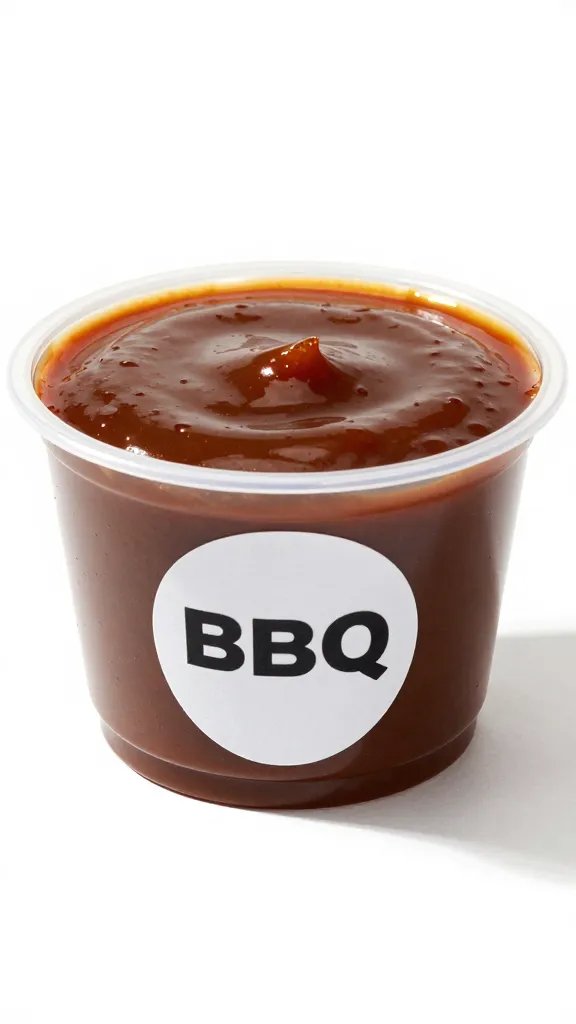
- BBQ sauce: Freeze extra in ice cube trays, then bag the cubes. Easy to portion.
- Roasted veggies or grilled corn: Reheat quickly and pair with sliced brisket for non-sandwich nights. For a fresh side, see this make-ahead potato salad.
From My Kitchen: What Actually Works
I portion pulled pork into 1.25-pound vacuum bags with exactly 3 tablespoons of reserved juices per bag — that ratio keeps it moist without turning soupy. Sliced brisket dries fast, so I reheat it stacked in overlapping layers with 1/4 cup beef broth per pound, covered tightly; going uncovered for even 10 minutes made the edges tough in my tests. Mac and cheese only reheats well if the sauce starts looser than you’d serve; I add 10% extra milk before chilling, then another splash when reheating. For ribs, I’ve compared dry-wrap vs. sauced-wrap after freezing — a thin sauce layer consistently preserves texture and shine.
Frequently Asked Questions
How long does leftover BBQ for 50 people keep in the fridge?
Most cooked meats and beans keep 3–4 days in the refrigerator when stored airtight. Cool quickly in shallow pans before covering. If you won’t use them within that window, freeze for best quality.
Can I freeze leftover BBQ for 50 people without it drying out?
Yes. Portion into airtight bags with a little pan juice or broth, remove as much air as possible, and freeze promptly. Reheat gently to 165°F and avoid prolonged holding once hot.
What’s the best way to reheat large batches of pulled pork?
For bulk, place sealed bags in a simmering water bath until 165°F — it’s even and prevents drying. Alternatively, pan with added liquid, cover tightly, and bake at 300°F, stirring once.
Is it safe to refreeze BBQ after thawing?
If you thawed it in the refrigerator and kept it below 40°F, you can refreeze, though quality may dip. Do not refreeze if it was thawed at room temperature or held warm.
How do I store leftover ribs so they reheat well?
Wrap rib sections tightly with a light coat of sauce, then bag and freeze. Reheat in foil at 300°F with a splash of liquid to 165°F, then uncover to set the glaze.
Can I freeze coleslaw and potato salad?
Mayo-based slaws and potato salads don’t freeze well — they separate and get watery. Keep them refrigerated and use within 3 days, or dress with vinegar-based sauces for better longevity.
The Bottom Line
Cool fast, pack airtight with a bit of moisture, and reheat gently — that’s how you turn a mountain of leftovers into future, crowd-pleasing meals. With smart portioning and clear labels, your freezer becomes a ready-to-serve BBQ buffet.
Planning to try this? Save this post so you can find it when you need it — and tag us when you make it.