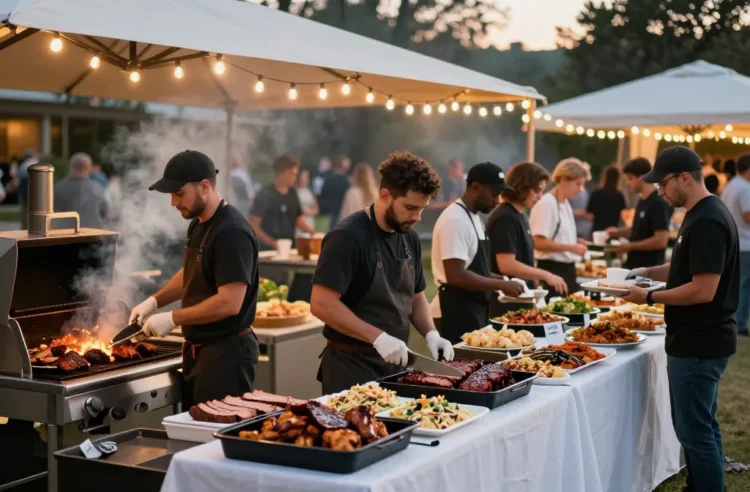
- Best for: Corporate picnics, reunions, block parties
- Make ahead: Yes — sauces and rubs 3–5 days, sides 1–2 days
- Serves: 100 guests with buffet service
- Key tip: Assign one lead per station and run a written timeline
How to Manage a BBQ Team of 10 for a 100-Person Event sounds simple until the smokers are hot, the line is long, and buns run out. The fix is structure, not heroics. Give every person a clear role, build a clock-tight timeline, and prep like a caterer. By the end, you’ll have a complete plan: staffing map, gear list, prep schedule, food quantities, and service flow that actually works.
Start With the Plan: Roles, Stations, and Flow
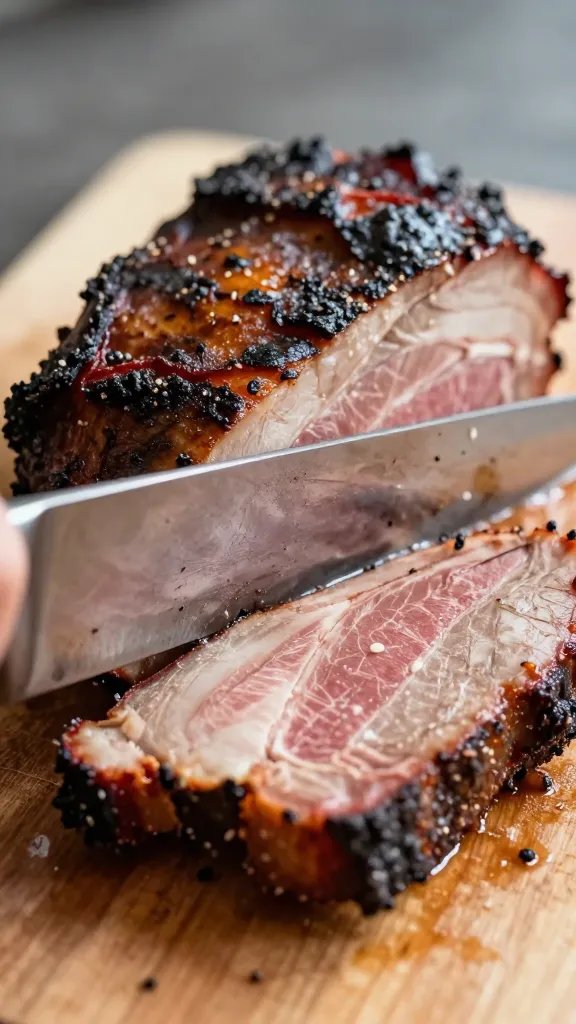
Give every team member a job title and a station. No floaters until service is smooth. Fewer handoffs mean fewer errors.
- Pit Lead (1): Owns smokers/grills, temps, and meat doneness calls.
- Grill Team (2): Manages ribs/chicken/burgers, rotates trays, watches flare-ups.
- Hot Holding & Slicing (2): Slices brisket/pork, pans to hot boxes, monitors temps.
- Sides & Sauces (2): Sets up salads, beans, slaw, replenishes pans, labels allergens.
- Runner/Expediter (1): Moves food from cook line to service, updates the board.
- Front-of-House Lead (1): Directs buffet line, portion control, guest questions.
- Floater/Cleanup (1): Swaps pans, trash, ice, handwashing station checks.
Design your site as a U-shaped flow: Cook Line → Hot Hold → Buffet → Bus/Trash. Keep guests 10–15 feet from heat.
Quantities That Feed 100 Without Massive Leftovers
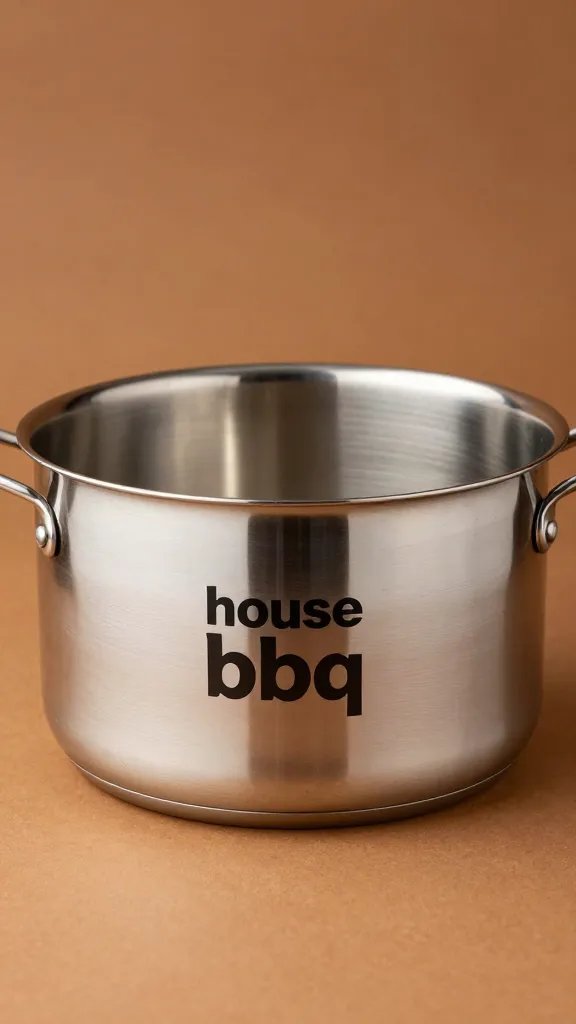
Plan by cooked yield, not raw weight. BBQ loses moisture and trim — especially brisket and pork shoulder.
- Brisket or Pulled Pork: 4–5 oz cooked per person (25–31 lbs cooked; ~50–62 lbs raw brisket, ~42–50 lbs raw pork shoulder).
- Chicken (thighs/drums): 1 piece per person plus 20% buffer (120–130 pieces).
- Sausage/Hot Dogs or Burgers: 0.5–0.7 per person if secondary protein (50–70).
- Buns: 90–100 for sandwiches; reserve 20% gluten-free/lettuce wraps.
- Sides (choose 3): Slaw 1 oz pp as topping + 2–3 oz pp as side; beans 3–4 oz pp; potato salad or mac 3–4 oz pp; green salad 2–3 oz pp.
- Sauces: 1.5–2 oz pp total across varieties (sweet, tangy, spicy, white/Alabama).
- Pickles/onions/jalapeños: 1–1.5 oz pp.
Serving kids-heavy crowds? Shift 10% from brisket to hot dogs/sausage and add fruit trays.
Build the Timeline: Two Days Out to the Final Slice
Write this on a whiteboard and text a photo to the team. Everyone follows the same clock.
T-48 to T-24 Hours
- Rub and brine: Trim briskets/shoulders, rub and wrap. Dry brine chicken.
- Make sauces and pickles: Batch and label; refrigerate.
- Prep sides: Cook beans, chill; boil potatoes/pasta; chop slaw veg (dress day-of).
- Fuel check: Charcoal/wood/propane topped off; thermometers calibrated.
T-12 to T-6 Hours
- Fire up smokers: Stabilize at target temp.
- Start big cuts: Brisket/pork on first; aim to finish early and hold.
- Set stations: Tables, cambros/hot boxes, handwash, sanitizer buckets, lighting.
T-4 to T-1 Hour
- Finish proteins: Chicken and sausages last for best skin/snap.
- Rest and hold: Wrap big meats; hold at 145–165°F in cambros for up to 4 hours.
- Assemble buffet: Pans, labels, utensils, allergy notes, tip signage for portions.
- Dress slaw/greens: Last minute to avoid sog.
Service Window
- Open with half-pans: Refill often. Full pans lose heat and get crusty.
- Portion control: 4–5 oz meat; use 2 oz ladles and 6–8″ plates to guide portions.
- Runner cadence: Check every 8–10 minutes; swap pans, stir beans, rotate tongs.
After Service
- Cool safely: Shallow pans, ice bath to 70°F in 2 hours, 41°F in 4.
- Pack leftovers: Label date/time; share reheating card if sending home.
Gear You Actually Need (And What You Don’t)
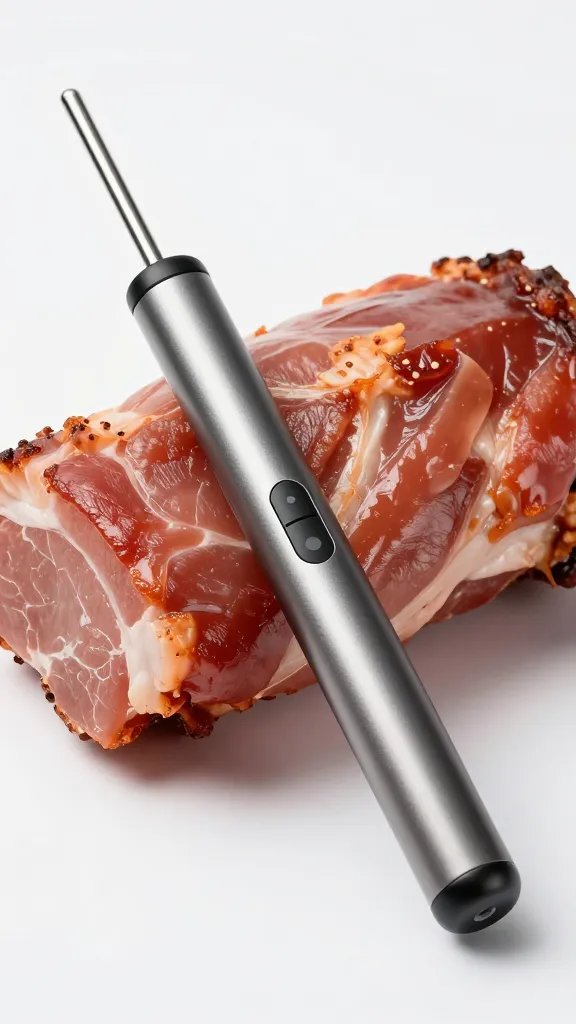
Overpacking clutters stations. Focus on throughput and safety.
- Cooking: 2 smokers or 1 large offset, 1–2 propane grills, instant-read and probe thermometers, charcoal chimney, fire extinguisher.
- Holding/Service: 2–3 cambros or insulated coolers, chafers with fuel, sheet pans, half pans, cutting boards (color-coded), 2 oz ladles, 8–10″ tongs.
- Sanitation: Handwash station (soap, paper towels), sanitizer buckets, gloves, aprons, hair ties/hats.
- Logistics: Headlamps, timers, sharpies, labels, whiteboard, foil, film wrap, hotel pan lids.
Skip unnecessary gadgets. A good probe thermometer and enough cambros beat fancy slicers every time.
Food Safety and Holding: Non-Negotiables
Large crowds mean tighter controls. Keep hot foods above 135°F, cold below 41°F.
- Critical temps: Chicken to 165°F; pork shoulder to 195–203°F for pullability; brisket probe-tender ~200–205°F.
- Hot holding: Wrap meats, place in preheated cambros with towels. Vent briefly to prevent overcooking.
- Allergens: Separate tools/pans for gluten-free and nut-free; label prominently.
- Water: Stock 5–10 gallons potable water for handwash and cleanup if off-site.
Set Up the Buffet to Prevent Bottlenecks
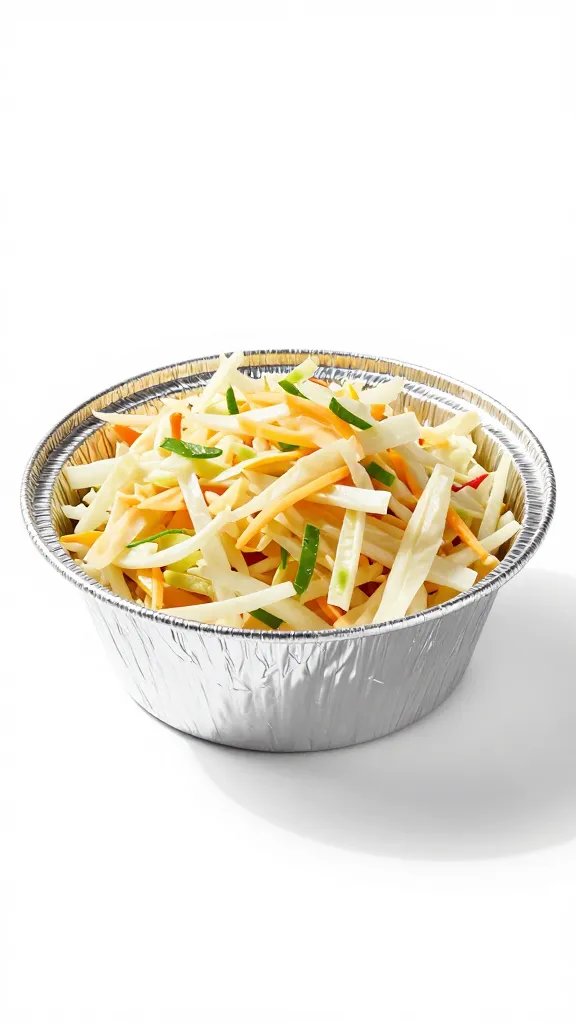
Buffet layout controls speed and costs. Lead with sides to normalize portions.
- Order: Plates → buns → sides → proteins → sauces → pickles → napkins/cutlery.
- Duplicate high-traffic items: Two sauce stations, two tongs at brisket.
- Signage: “One sandwich + 2 sides” keeps flow fair; use large, legible labels.
- Kids lane: Separate line with hot dogs and fruit reduces mainline pauses.
Want a bright, herby sauce to cut the richness? Add this chimichurri recipe as a fresh option next to your sweet and spicy BBQ sauces.
Team Comms: How to Keep 10 People in Sync
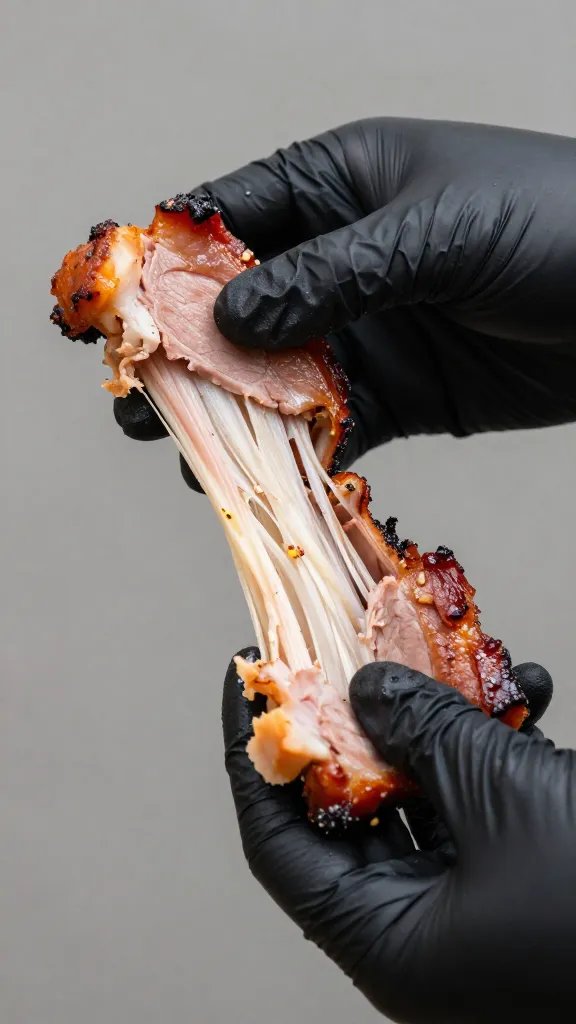
Clarity beats volume. Use short, consistent calls and a visible board.
- Whiteboard columns: Protein | Done Temp | Hold Time | Pan Count | Next Refill.
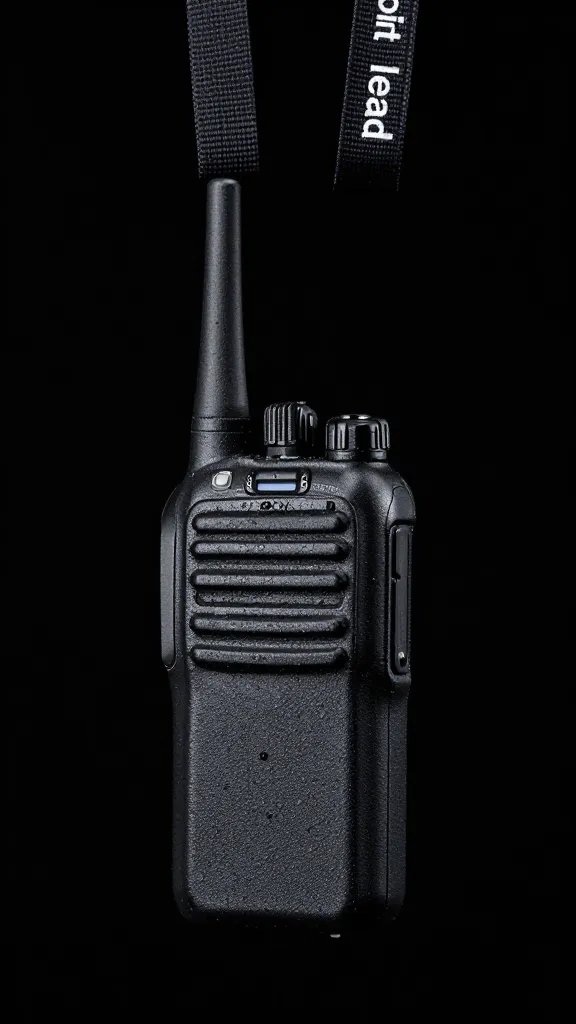
- Radio or group chat: “Runner to grill for chicken refill,” not “We need more.”
- Micro-briefs: 3-minute huddles at T-120, T-30, and midway through service.
- Checklist cards: Laminate station SOPs: portion sizes, allergen notes, refill triggers.
For a vibrant side that holds well, pair the meats with these grilled vegetable platters — they serve at room temp and add color to the buffet.
From My Kitchen: What Actually Works
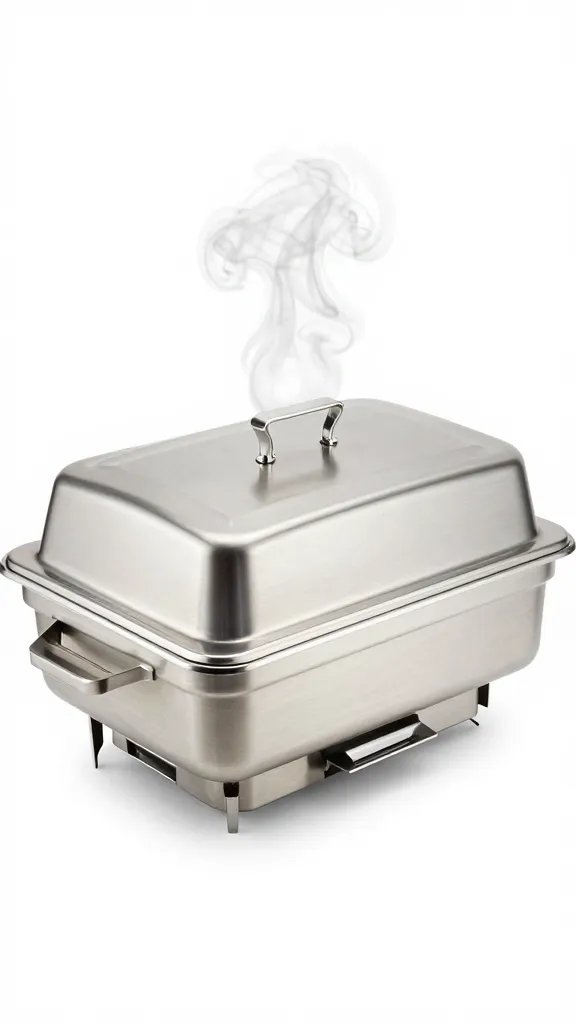
The single biggest lever is finishing early and holding hot. Briskets that rest 2–4 hours in a cambro slice cleaner and serve juicier than “right off the pit.” I also scale salt to 75–80% when cooking a day ahead because it intensifies during the hold. Portion tools matter: when I switched to 2 oz ladles and 8″ plates, my meat costs dropped ~12% with zero complaints. Finally, I set a 10-minute runner cadence on a timer — it prevents dry pans and keeps the buffet looking fresh.
Frequently Asked Questions
How much meat do I need to manage a BBQ team of 10 for 100 guests?
Plan 4–5 oz cooked meat per person if you’re offering multiple proteins. That’s 25–31 lbs cooked total brisket/pork, plus 120–130 chicken pieces if using both. Build in a 10–15% buffer for big eaters and late arrivals.
Can I make How to Manage a BBQ Team of 10 for a 100-Person Event easier by cooking ahead?
Yes. Cook big cuts earlier, then rest and hot-hold for hours. Sauces and pickles can be made 3–5 days ahead; beans and potato salad 1–2 days. Dress slaw and greens just before service.
What’s the best way to serve How to Manage a BBQ Team of 10 for a 100-Person Event without long lines?
Lead with sides, duplicate sauces, and use portion tools. Add a kid-friendly lane and place pickles and napkins at the end. Open with half-pans and refill often to keep traffic steady.
How do I keep brisket and pulled pork hot and juicy for a crowd?
Wrap tightly in foil or butcher paper and hold in a preheated cambro or insulated cooler at 145–165°F. Vent briefly every hour to release steam, then rewrap. Slice or pull only as needed to reduce moisture loss.
What safety steps are essential for a 100-person BBQ?
Keep hot foods above 135°F and cold below 41°F. Use separate boards and tongs for raw and cooked items, label allergens, and maintain a handwashing station. Cool leftovers quickly in shallow pans before refrigerating.
The Bottom Line
A 100-person BBQ runs smoothly when every person and pan has a place on the map. Lock the roles, prep smart, portion with intent, and keep a tight service rhythm — you’ll feed everyone hot, happy, and on time.
Planning to try this? Save this post so you can find it when you need it — and tag us when you make it.