- Best for: Backyard cookouts, tailgates, or catering a big family event
- Make ahead: Yes — fix and rest 12–24 hours if possible
- Serves: 50 people (about 12–15 lbs cooked meat, style-dependent)
- Key tip: Dilute with neutral bulk (salt/sugar/starch), not more heat
Accidentally heavy-handed with the pepper? Here’s how to fix a rub that is too peppery for 50 people without scrapping your meat or your budget. Whether it’s brisket, pork shoulder, or chicken, you can rebalance flavor smartly. This guide covers immediate triage, make-ahead fixes, and service-time strategies so your crowd gets bold, not biting.
Diagnose the Pepper Problem Fast
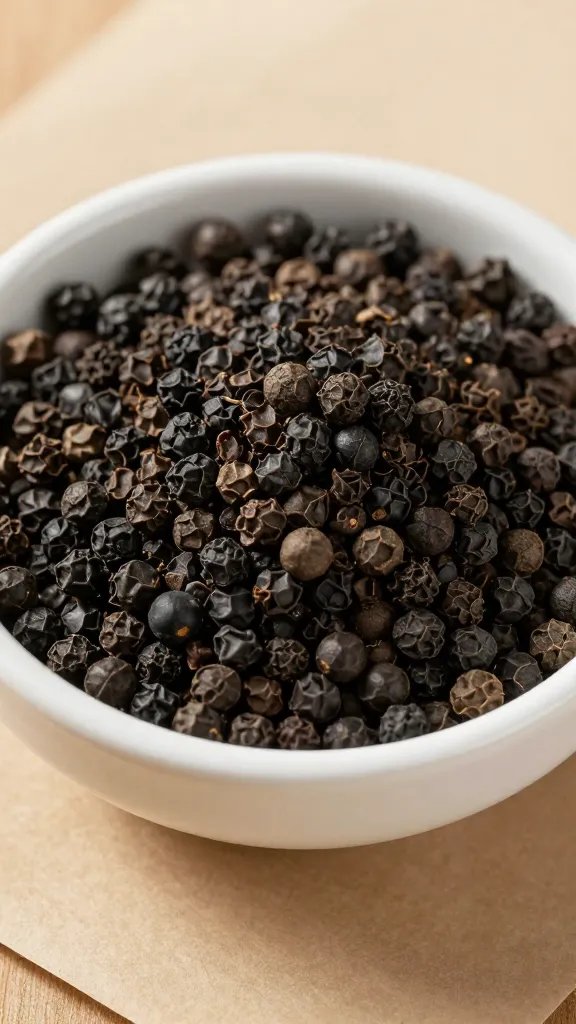
Pepper heat shows up three ways: surface burn (too much on the crust), blend imbalance (rub mix itself is spicy), and carryover heat (cracked black pepper or coarse grind blooming during cook). Identify which one you have before you add anything.
- Taste the rub dry: If it’s prickly on the tongue, your base is hot.
- Check texture: Lots of coarse cracked pepper = big spikes of heat.
- Do a test cook: Rub a small cut, cook a bite, and taste for crust burn vs. internal balance.
Fix the Rub Mix: Dilute, Don’t Mask
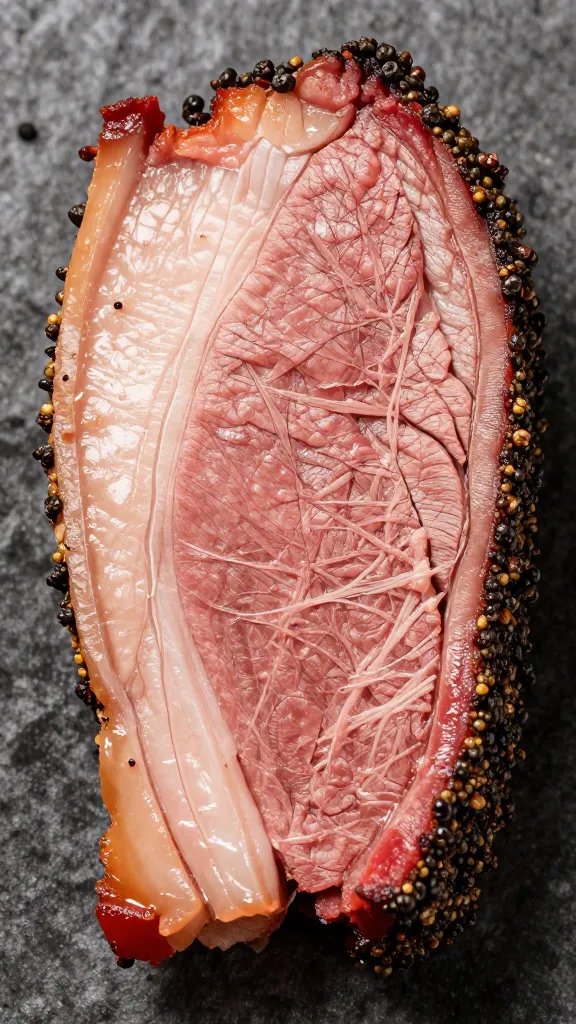
When the blend itself is the issue, bulk it out with neutral flavors. You’re aiming to reduce pepper percentage, not bury it under new spices.
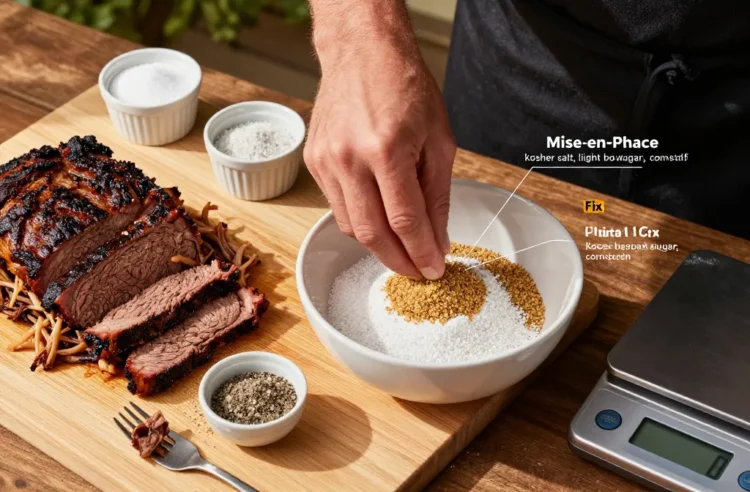
- Add neutral bulk: 2 parts kosher salt + 2 parts light brown sugar + 1 part paprika to every 1 part pepper-heavy rub. This keeps color and bark while lowering heat.
- Starch buffer (dry meats): Whisk in 1–2% by weight cornstarch or potato starch to soften prickle and help adhesion.
- Warm aromatics: Add small amounts of granulated garlic and onion powder (0.5–1% each) for body without extra heat.
- Avoid more heat: Skip chili powder, cayenne, and mustard powder here.
Scaling for 50 People
For 50, plan ~3/4–1 cup rub per 5 lbs meat (style and surface area vary). If you have 2 cups of too-peppery rub, blend in 4 cups neutral bulk using the ratio above. Mix thoroughly and taste again dry.
If the Meat Is Already Rubbed: Triage Options
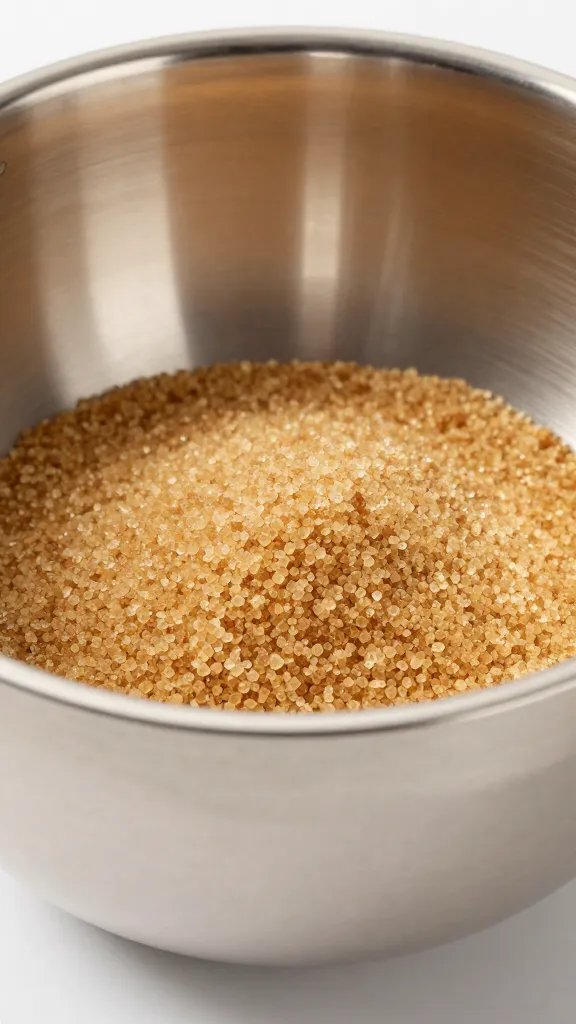
Rubbed but not cooked? You still have moves. Choose one based on time and mess tolerance.
- Brush-and-Recoat: Lightly brush off excess rub with a dry pastry brush. Recoat with a neutral bulk blend (salt/sugar/paprika) at 1–1.5% salt by meat weight. This lowers surface pepper concentration.
- Oil Scrape: Wipe with a thin film of neutral oil, then gently scrape with the back of a knife. Re-season lightly with the fixed rub.
- Buttered Bandage (poultry/lean cuts): Spread a very thin layer of softened butter, then dust with the diluted rub. Fat tamps down pepper bite and evens bark.
Cook-Time Adjustments to Soften Pepper Bite
Pepper volatile compounds mellow with heat and moisture. Use the cook to your advantage.
- Lower pit temp: Cook 10–15°F lower than usual for the first half. Slower rendering softens sharp edges.
- Spritz smart: Use apple juice + water or dilute apple cider vinegar (1:3 with water) every 45–60 minutes. A light acid plus moisture rounds out heat.
- Wrap earlier: When bark sets, wrap in unwaxed butcher paper or foil with 1–2 tbsp unsalted butter per large cut. Steam and fat temper pepper.
- Mind smoke: Avoid heavy mesquite or hickory early; choose oak, apple, or cherry to keep bitterness down.
Serving 50: Balancing Plates So No One Notices
Even with a hot rub, sides and finishing touches can rebalance the meal. Build the plate to dilute heat bite-per-bite.
- Neutral starches: Serve with buns, plain rice, or potatoes. Starch is your best heat sponge.
- Creamy coolers: A tangy slaw or ranch-style sauce calms pepper fast.
- Slightly sweet finishes: Offer a light honey-butter drizzle for chicken or a molasses-thin BBQ sauce for pork to counter pepper without masking smoke.
- Acid accents: Pickled onions, dill pickles, or a spoon of this chimichurri recipe add brightness that tames sharpness.
Make-Ahead Sauces That Save the Day
If you taste-test and it’s still pepper-forward, finish with a balancing sauce at service. Keep it thin so it complements, not cloaks.
- Brown sugar vinegar mop: 1 cup apple cider vinegar, 1/2 cup brown sugar, 1 cup water, pinch of salt. Warm to dissolve. Brush on sliced meat.
- Yogurt-garlic sauce (beef/chicken): Greek yogurt, lemon juice, garlic, olive oil, salt. Cool, tangy, fast.
- White BBQ (poultry): Mayo, cider vinegar, lemon, horseradish (skip if too peppery already), sugar, salt.
- For herb brightness without heat, try this cilantro-lime sauce on the side.
Pepper-Safe Re-Rub Formula (Crowd-Size)
Use this base to rebuild 6 cups of rub suitable for 50 servings. It yields a pepper-present but not punchy profile.
- Kosher salt: 1.5 cups
- Light brown sugar: 1.5 cups
- Paprika (sweet): 1.25 cups
- Granulated garlic: 1/2 cup
- Onion powder: 1/3 cup
- Black pepper, fine grind: 1/3 cup
- Black pepper, coarse grind: 2 tbsp (optional for speckle)
- Cornstarch: 2 tbsp (adhesion + smoothing)
Mix thoroughly and taste a pinch. If you still want a little kick, add 1–2 tsp more fine black pepper — small moves only.
From My Kitchen: What Actually Works
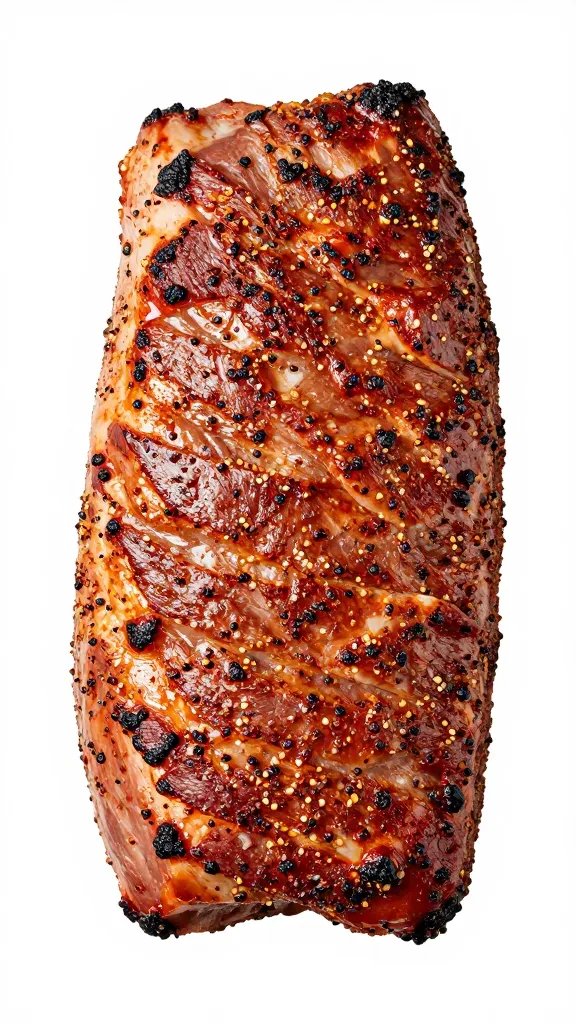
The fastest save I use when a rub gets too peppery is a 2:2:1 dilution with salt, brown sugar, and paprika, then a light cornstarch whisk-in. It keeps bark development consistent without a hot crust. When meat is already rubbed, I brush off excess, oil-wipe, and re-dust with the neutral bulk — it’s messy, but it rescues the surface. For service, a thin brown sugar–vinegar mop brushed on slices calms the bite instantly, especially for brisket flat. And if you can rest cooked meats 20–30 minutes before slicing, the perceived heat drops noticeably as juices redistribute.
Frequently Asked Questions
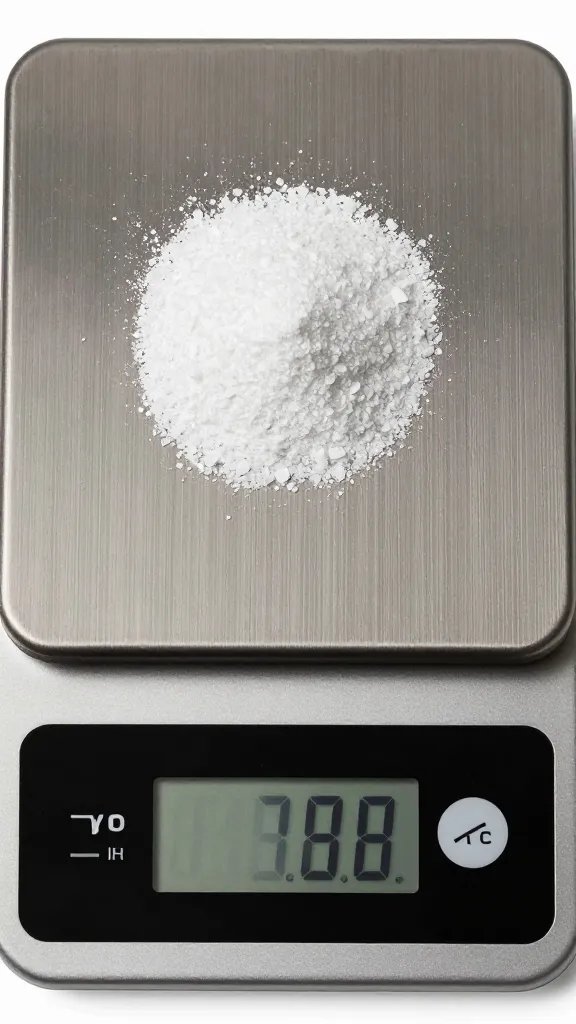
How do I fix a rub that is too peppery without starting over?
Bulk it out with neutral ingredients: equal parts kosher salt and brown sugar plus paprika. Aim to at least double or triple the total volume to drop the pepper percentage. Re-taste dry before applying.
Can I save already-seasoned meat that tastes too peppery after cooking?
Yes. Slice against the grain, then brush a thin vinegar-sugar mop over the slices and rest 5 minutes. Serve with neutral starches and a creamy or tangy sauce to dilute bite-per-bite.
What’s the best way to adjust a peppery rub for 50 people?
Scale by dilution, not by adding new spices. For every 1 cup of hot rub, add 2 cups salt/sugar/paprika mix. Prepare balancing sauces and neutral sides so the total plate stays comfortable for everyone.
Will wrapping meat in foil or paper reduce pepper heat?
It won’t remove pepper, but it softens the sharp edge. Wrap once bark sets and add a little butter or stock. The steamy environment mellows volatile compounds and evens out the crust.
Is coarse or fine black pepper better for big crowds?
Use mostly fine grind for even distribution and predictable heat. Add a small amount of coarse for appearance if you like, but too much coarse pepper creates hot spikes in a crowd setting.
The Bottom Line
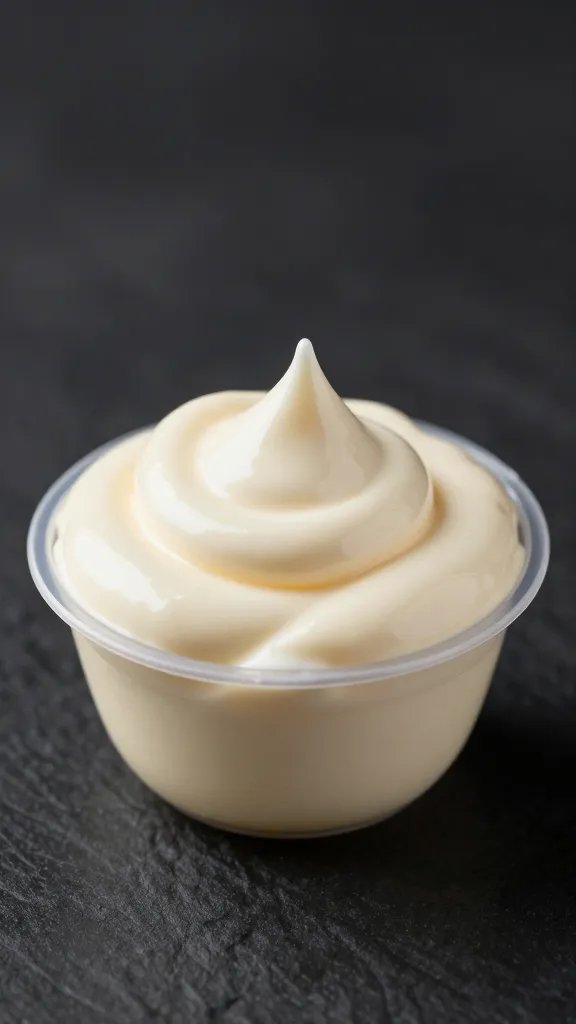
When a rub leans too peppery, think dilution, moisture, and balance. Fix the mix, adjust the cook, and plate with cooling sides and bright sauces so 50 guests taste flavor, not fire.
Planning to try this? Save this post so you can find it when you need it — and tag us when you make it.