
- Best for: Large-batch desserts, ham glazes, doughnuts, and bundt cakes
- Make ahead: Yes — up to 3 days refrigerated; rewarm gently
- Serves: 50 people (scalable up or down)
- Key tip: Cut darkness by dilution first, then balance sweetness and acidity
How to Fix a Glaze That Is Too Dark for 50 People can feel intimidating when you’re staring down a pot that looks more mahogany than honey. The fix depends on what made it dark: over-caramelization, too much molasses, or a heavy hand with soy or cocoa. The good news? You can lighten color and flavor without starting over. In this guide, you’ll learn fast, reliable methods to rescue big-batch glazes, plus exact ratios, timing, and storage tips for crowds.
First, Identify Why the Glaze Is Dark
Not all “too dark” problems are the same. Pinpoint the cause so you choose the right fix.
- Over-caramelized sugars (burnt/bitter notes, deep amber to brown): needs dilution and acidity; may need straining.
- Dark ingredients like molasses, soy sauce, balsamic, or cocoa: needs lightening with neutral base and sweetness.
- Spice load (cinnamon, espresso, black pepper): reduce intensity with neutral syrup and salt balance.
- Over-reduced (thick, sticky, concentrated): add liquid, then re-balance salt/sour/sweet.
Quick Fixes: Choose the Right Strategy
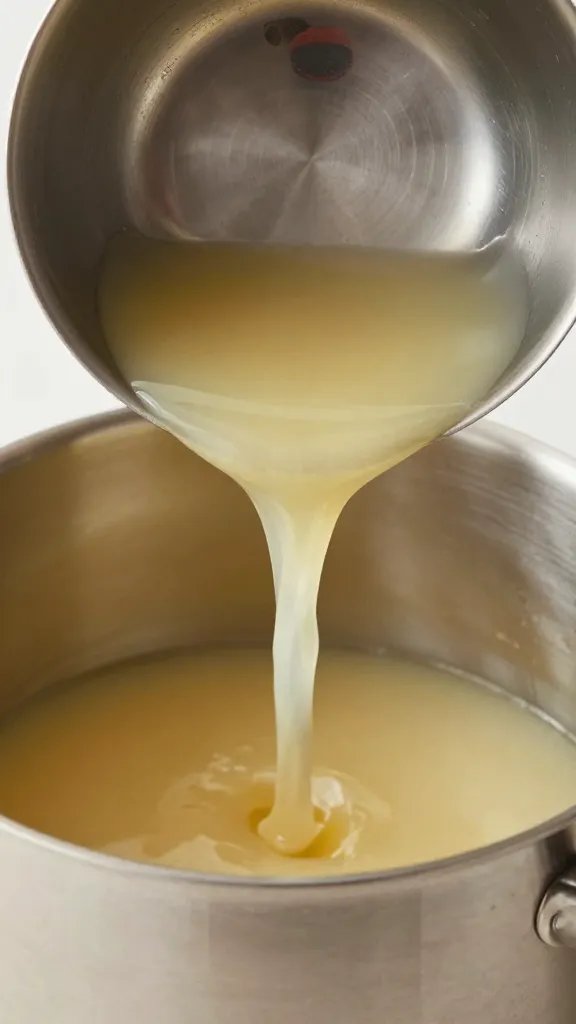
Dilute and Rebalance (Best All-Purpose Fix)
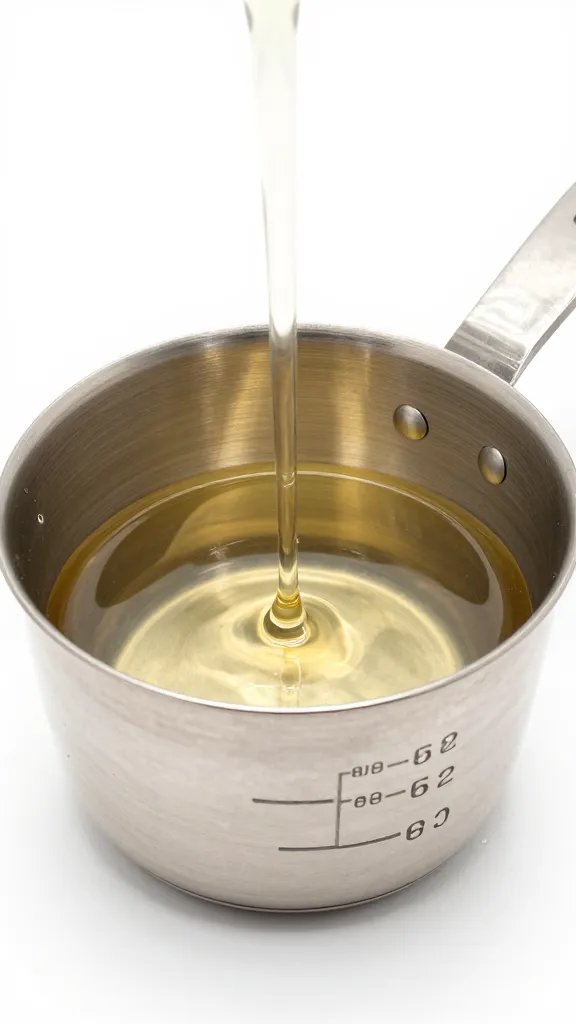
- Make a neutral base: Heat 2 cups water with 1 cup sugar until dissolved (simple syrup). For savory glazes, use low-sodium stock instead of water and skip the sugar.
- Blend in stages: Whisk 1 part neutral base into 3 parts dark glaze. Taste. Repeat until color and intensity ease up.
- Re-balance: Add small amounts of acid (see below) and a pinch of salt to sharpen flavor.
Acid to Brighten (When Bitterness Leads)
- Options: Lemon juice, apple cider vinegar, rice vinegar, or orange juice for citrus glazes.
- Ratio: Start with 1 teaspoon per cup of glaze; increase to 1 tablespoon if still flat or bitter.
- Pro tip: Add acid after dilution so you don’t overshoot tanginess.
Sweetness to Soften (When Savory or Cocoa Dominates)
- Options: Honey, light brown sugar, maple syrup (light grade), or corn syrup for sheen.
- Ratio: 1–2 tablespoons per cup of glaze, whisked in warm. Taste between additions.
- Note: Sweetness won’t lighten color much, but it will mask harsh edges.
Dairy or Fat for Opacity (For Dessert Glazes)
- Options: Heavy cream, whole milk, unsalted butter. For dairy-free: coconut milk (lite for less coconut flavor).
- Effect: Lightens color visually and softens bitterness. Adds body and shine.
- Ratio: 1–3 tablespoons per cup, warmed and whisked in slowly to prevent splitting.
Batch Math for 50 People

For a crowd, plan 2–3 tablespoons glaze per person for desserts and 1/4 cup per pound for meats. That’s about 6–7 cups glaze total for 50 small-dessert portions or 3–4 cups for a large ham or salmon side spread.
- Starting point: 6 cups dark glaze.
- Dilution plan: Prepare 2–3 cups neutral base. Add gradually until color/flavor land where you want.
- Acid: 1/4–1/3 cup total, added in 1-tablespoon increments.
- Sweetener (if needed): 1/2–3/4 cup total, added by tablespoons.
Step-by-Step: Rescue Paths for Common Glazes
Dark Brown Sugar or Molasses Glaze (Ham, Meatballs)
- Warm the glaze gently until pourable.
- Whisk in simple syrup or low-sodium stock, 1/4 cup at a time per cup of glaze.
- Add 1 teaspoon apple cider vinegar per cup; taste and add up to 1 tablespoon.
- Add a pinch of salt per cup to brighten sweetness.
- Finish with 1 tablespoon unsalted butter per cup for shine and smoother taste.
Soy or Balsamic-Based Glaze (Savory, Stir-Fry, Salmon)
- Switch to low-sodium elements for dilution: water or unsalted stock.
- Add 1/4 cup liquid per cup of glaze, simmer 1 minute.
- Stir in 1–2 teaspoons rice vinegar or lemon juice per cup.
- Balance with 1–2 teaspoons honey per cup if still sharp.
- Optional: Slurry 1 teaspoon cornstarch with 2 teaspoons water per cup if thinning reduced body too much; simmer 30–60 seconds.
Chocolate or Cocoa Glaze (Cakes, Doughnuts)
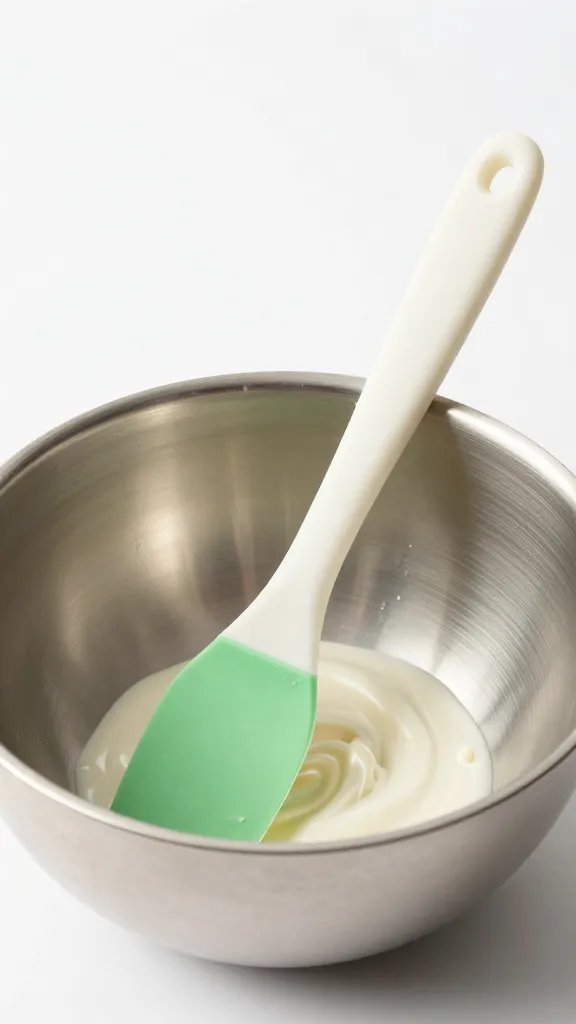
- Whisk in warm cream or milk, 1 tablespoon at a time per cup, to lighten color and bitterness.
- Add 1–2 teaspoons corn syrup per cup for gloss and smoother set.
- Round edges with a pinch of salt and 1/2 teaspoon vanilla per cup.
- If still too dark, sift in 1–2 tablespoons powdered sugar per cup; whisk until silky.
Citrus or Fruit Glaze Gone Too Amber (Over-Reduced)
- Add 2 tablespoons water per cup, whisking to loosen.
- Stir in 1 teaspoon fresh lemon juice per cup to lift the color and taste.
- Sweeten with 1–2 teaspoons honey if tartness spikes after dilution.
- Strain through a fine sieve if there are caramel flecks.
Color Control Without Killing Flavor

- Use lighter sweeteners: Choose white sugar, light corn syrup, or light honey instead of dark brown sugar or blackstrap molasses in your rescue syrup.
- Add opacity strategically: A small amount of dairy or coconut milk makes glazes look lighter and more luxurious.
- Strain out scorched bits: Fine-mesh strainer or cheesecloth removes the dark specks that visually deepen the glaze.
- Go fresh on top: Citrus zest, chives, or flaky salt draws the eye, making a slightly darker glaze feel intentional.
Timing, Holding, and Reheating for a Crowd

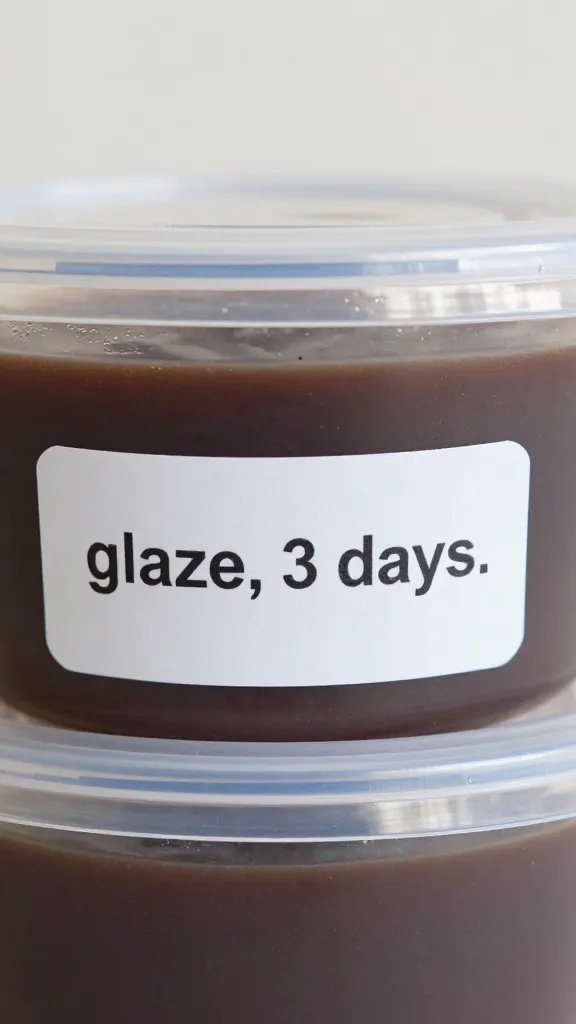
- Make ahead: Up to 3 days refrigerated in airtight containers. Label sweetness/acid notes.
- Reheat gently: Low heat or a warm water bath. Avoid boiling which darkens sugars further.
- Keep warm for service: 140–160°F in a bain-marie or slow cooker on Warm. Stir every 10–15 minutes to prevent a skin.
- Final brush vs. bake-on: For meats, do one thin bake-on layer, then finish with a fresher final brush for brighter color.
From My Kitchen: What Actually Works
The fastest save I’ve tested is a 3:1 glaze-to-simple-syrup blend, then 1 teaspoon acid per cup, tasted and adjusted. Pulling the pot off heat early prevents sugars from drifting darker while you tweak. When I’ve scaled to 50 servings, I add only half the salt during the fix, then finish with pinches at service — salt intensifies as glazes sit. For cocoa glazes, 1 tablespoon cream per cup changes both color and texture noticeably; more than 3 tablespoons starts to taste like ganache instead of glaze.
Smart Pairings and Menu Planning
When your glaze leans darker, pair it with contrast. Think brightness, crunch, or freshness.
- For savory: Serve with citrus segments, quick pickles, or a crisp slaw.
- For sweet: Add fresh berries, a dusting of powdered sugar, or a tangy yogurt drizzle.
- Texture helps: Toasted nuts or seeds cut through concentrated glazes.
Planning a bigger spread? Round out the flavors with something herbal like this chimichurri recipe for savory boards, or a bright, no-cook sauce such as this quick strawberry coulis for dessert bars.
Frequently Asked Questions
How do I fix a glaze that is too dark for 50 people without starting over?
Make a neutral base (simple syrup for sweet, low-sodium stock for savory), then blend in 1:3 increments until color and taste mellow. Add 1 teaspoon acid per cup, taste, and adjust sweetness or salt. Re-thicken with a small cornstarch slurry if needed.
Can I make a repaired glaze ahead of time for a crowd?
Yes. Store up to 3 days refrigerated in airtight containers. Reheat gently over low heat or in a warm water bath, stirring often. Avoid boiling, which darkens sugar and can separate dairy.
What’s the best way to serve a darker glaze so it looks appealing?
Apply a thin set during cooking, then finish with a fresh, lighter coat right before serving. Garnish with bright elements (citrus zest, herbs, berries) to create visual contrast. Strain out dark specks for a cleaner look.
How long does a fixed glaze keep in the fridge?
Most glazes keep 3–5 days refrigerated. Dairy-enriched versions lean closer to 3 days, while sugar- or vinegar-heavy glazes can stretch to 5. Always reheat gently and discard if the aroma turns sharp or yeasty.
Can I freeze a glaze after adjusting it?
Many glazes freeze well for 1–2 months, especially sugar-based or soy glazes. Dairy-heavy glazes can split; if freezing, keep dairy out and whisk it in after thawing. Thaw overnight in the fridge, then reheat slowly and whisk smooth.
The Bottom Line
A glaze that’s too dark isn’t a lost cause — dilute first, then balance acid, sweetness, and a touch of salt. Work slowly, keep heat low, and let contrast on the plate do the rest. Your crowd will taste harmony, not a rescue.
Planning to try this? Save this post so you can find it when you need it — and tag us when you make it.