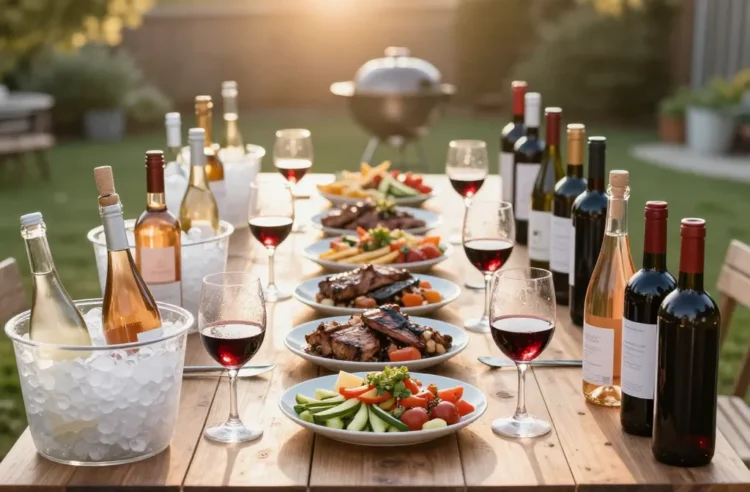
- Best for: Backyard BBQs with mixed drinkers and grilled meats
- Make ahead: Yes — chill whites/rosé 24 hours; open reds 30 minutes early
- Serves: 50 guests (estimate 1.5–2 glasses per hour per person)
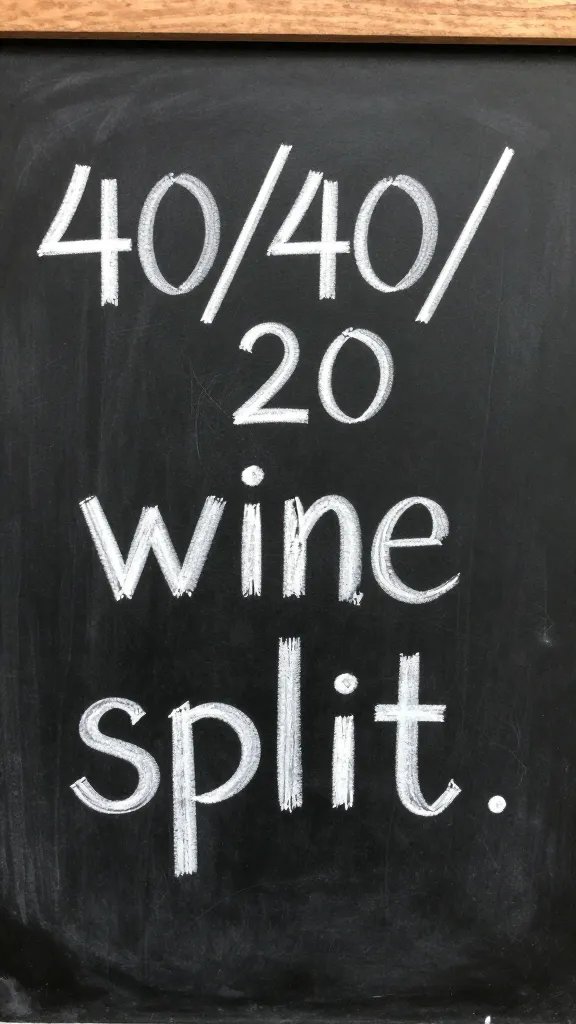
- Key tip: Stock a 40/40/20 split of white, red, and rosé to cover tastes and weather
You’re hosting a crowd and wondering how much wine for a BBQ for 50 people actually looks like in bottles and boxes. Let’s break it down into simple, realistic numbers and a smart red vs. white vs. rosé plan that works for a summer grill-fest. We’ll cover quantities, pairings, serving temperatures, and easy budgeting. By the end, you’ll have a ready-to-shop list and a plan to keep glasses full without drowning in leftovers.
How Much Wine Do 50 People Really Drink?
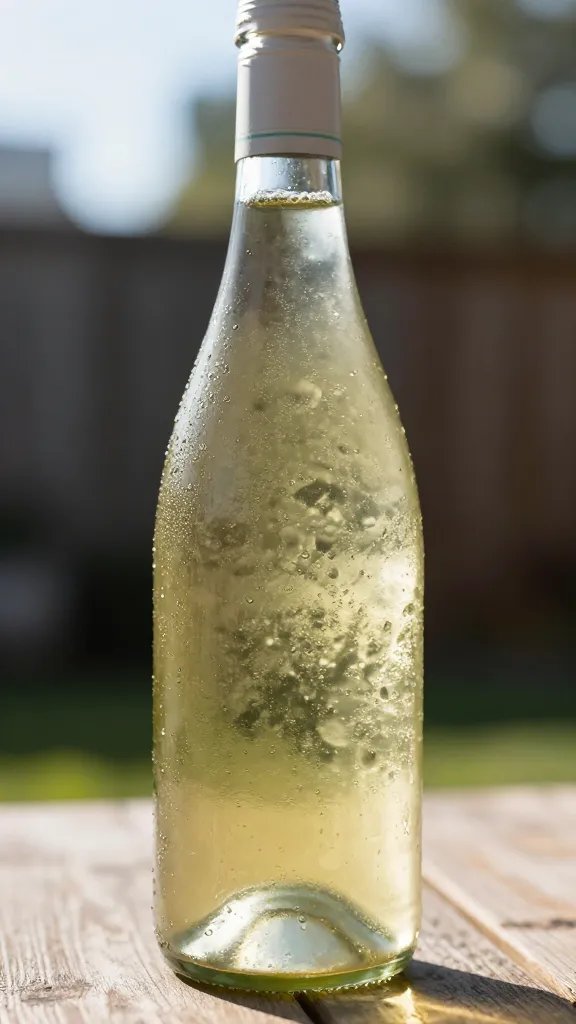
At casual BBQs, most adults average 1.5–2 glasses per hour for the first couple of hours, then taper. One standard 750 ml bottle equals five 5-ounce pours.
- Rule of thumb for 3–4 hours: 3–4 glasses per wine drinker
- Assume 80% of guests drink alcohol: 40 alcohol drinkers out of 50
- Total glasses: 40 people × 3.5 glasses ≈ 140 glasses
- Total bottles: 140 ÷ 5 ≈ 28 bottles (round up to 30)
If your crew skews wine-heavy or it’s hot out, bump to 36–40 bottles. Offering beer and a pitcher cocktail? You can hold at 28–32.
Red vs. White vs. Rosé: The Smart Split
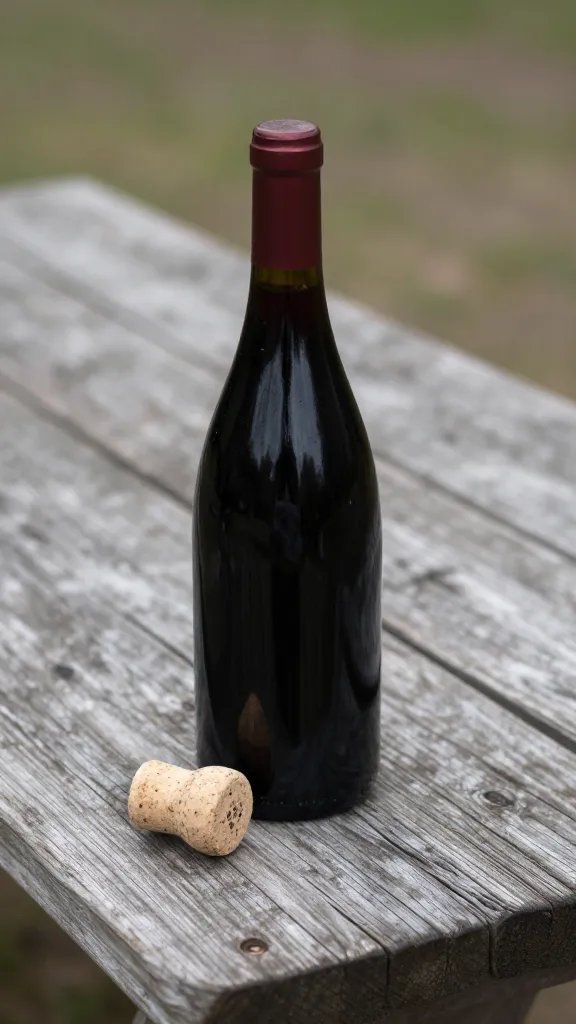
BBQs live outdoors, and heat changes preferences. Whites and rosé spike when it’s warm; reds rebound at dinner time and with richer meats.
- Baseline split (balanced, any weather): 40% white, 40% red, 20% rosé
- Hot afternoon (80°F+/27°C+): 45% white, 35% rosé, 20% red
- Cool evening or fall BBQ: 30% white, 60% red, 10% rosé
For 30 bottles at a summer BBQ, buy 12 white, 10 red, 8 rosé. If you’re going to 36 bottles, scale to 14 white, 12 red, 10 rosé.
What Styles to Buy (Crowd-Pleasers That Don’t Clash)
White Wine Picks
- Sauvignon Blanc: Zesty and refreshing, great with grilled veg, herby marinades, and seafood.
- Unoaked Chardonnay or Pinot Grigio: Easy-sipping; won’t fight spice rubs or sauces.
- Avoid: Heavily oaked Chardonnay (too heavy in heat), super-aromatic off-dry whites if your sides are very smoky.
Rosé Picks
- Provence-style dry rosé: Crisp, versatile, and BBQ-friendly with chicken, pork, and salmon.
- Tip: Go dry over sweet; it keeps pace with savory rubs and salty sides.
Red Wine Picks
- Pinot Noir: Chill slightly; perfect with burgers, sausages, and grilled mushrooms.
- Zinfandel or Tempranillo: Handles ribs, brisket, and sticky sauces without tasting bitter.
- Avoid: Big, tannic Cabs for daytime heat — they can taste harsh without food.
Serving Temperatures and Easy Chilling Math
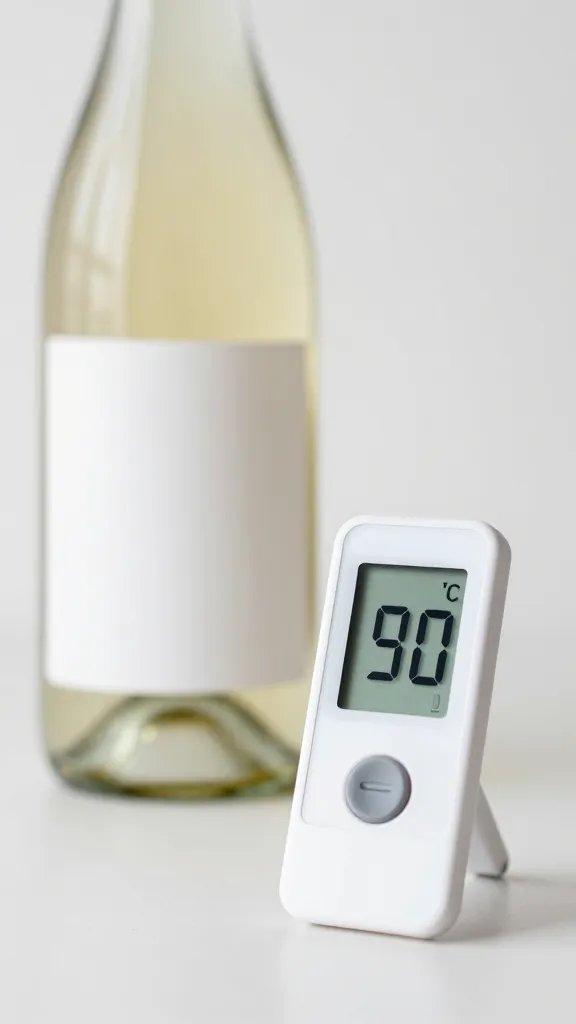
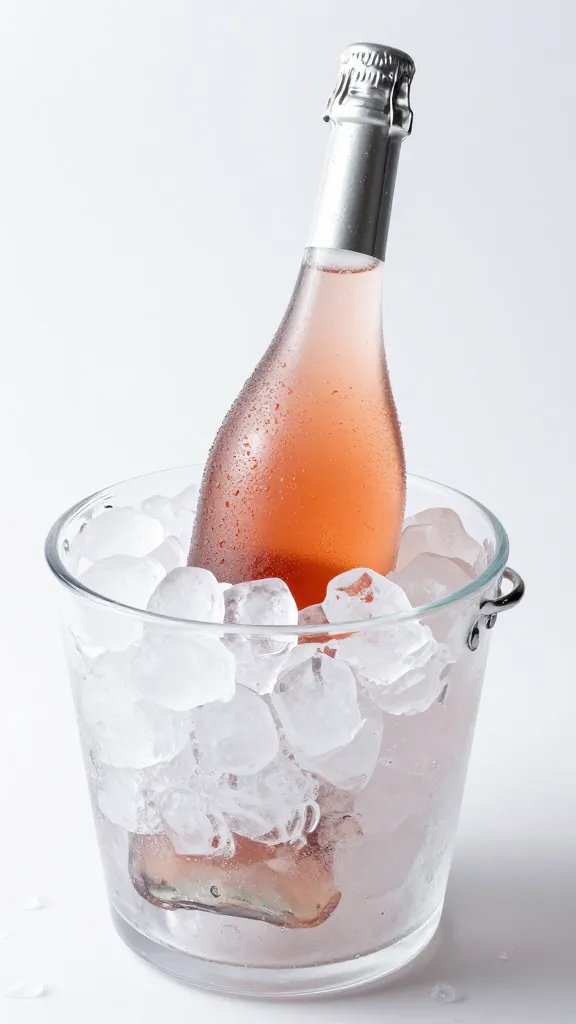
- Whites/Rosé: 45–50°F (7–10°C). Chill 24 hours; keep on ice with some water and a handful of salt to drop temp fast.
- Light Reds: 55–60°F (13–16°C). Pop into the fridge for 30–45 minutes before serving.
- Full Reds: 60–65°F (16–18°C). Shade and a cool room are enough; avoid direct sun.
Need rapid chill? Submerge bottles in a cooler with 50/50 ice and water plus salt. You’ll get pour-ready temps in 15–20 minutes.
Glasses, Pours, and Preventing Waste
- Use 5-ounce pours: Mark a discreet line on compostable cups or train a helper on the count.
- Buy extra cups: People misplace them; you’ll pour less if guests keep track.
- Open gradually: Stage 6–8 chilled whites/rosés at a time; rest stay on ice sealed. Fewer leftovers.
- Offer water visibly: A self-serve dispenser slows over-pouring and keeps guests comfortable.
Menu Pairing: Match the Wine to What’s On the Grill
Classics
- Burgers and Brats: Pinot Noir, Zinfandel; Sauvignon Blanc for toppings with pickles and onions.
- BBQ Chicken: Dry rosé or unoaked Chardonnay.
- Ribs/Brisket: Zinfandel or Tempranillo; keep whites for coleslaw and sides.
Seafood and Veg
- Grilled Shrimp/Salmon: Sauvignon Blanc or rosé.
- Veg Skewers/Corn/Zucchini: Sauvignon Blanc; lightly chilled Pinot Noir for mushrooms.
Serving chimichurri with steak? Pair it with Sauvignon Blanc or a bright Tempranillo — and consider this chimichurri recipe for a make-ahead sauce that sings with grilled meats.
Cost-Saving Moves Without Compromising Taste
- Mix bottles and boxes: Quality boxed Sauvignon Blanc or rosé in 3-liter formats (4 bottles) are budget-friendly and stable outdoors.
- Mid-shelf sweet spot: $10–15 bottles pour well for crowds; nobody needs reserve labels in the heat.
- Retailer deals: Many shops do 10–20% off 6–12 bottles. Build your split and ask for a case discount.
- Ice math: Plan on 1–1.5 pounds of ice per guest for chilling and drinks over 4 hours.
If you’re planning sides that can be prepped early, pair your wines with bold condiments like these make-ahead grilled vegetable marinades to keep flavors bright as the party goes on.
From My Kitchen: What Actually Works
I’ve poured for multiple 40–60 person backyard parties, and the most reliable pattern is that whites and rosé vanish in the first 90 minutes if it’s warm. I now chill 70% of my whites/rosé ahead and keep a backup case in the shade, unopened, so leftovers stay shelf-stable. Another saver: I pre-chill two light reds and put them out slightly cool — they pour faster early, then the fuller reds come out with ribs. Lastly, a sharpie dot 1 inch up on clear cups nails a consistent 5-ounce pour and cuts my bottle count by 2–3 every time.
Frequently Asked Questions
How much wine for a BBQ for 50 people if I’m also serving beer?
Plan 1–2 beers per person for the first hour and one per hour after, then reduce wine to about 24–30 bottles. Keep the split at 40% white, 40% red, 20% rosé unless it’s very hot, in which case swing more toward whites/rosé.
What’s the best red vs. white vs. rosé ratio for a hot summer BBQ?
Go 45% white, 35% rosé, 20% red. People reach for chilled wines when it’s hot. Keep a couple of light reds slightly chilled for burger hour.
Can I use boxed wine for a crowd without sacrificing quality?
Yes. Many 3-liter boxes of Sauvignon Blanc, rosé, and some reds are solid and cost-effective. Boxed wine stays fresh longer and is perfect for outdoor service with less glass breakage risk.
How early should I chill wine for a BBQ?
Refrigerate whites and rosé 24 hours in advance if possible. For a fast fix, use an ice-water-salt bath to chill bottles in 15–20 minutes. Light reds can go in the fridge for 30–45 minutes before serving.
What if my guests prefer red wine — how much should I buy?
If your group leans red, shift to 60% red, 30% white, 10% rosé. For 30 bottles, that’s about 18 red, 9 white, 3 rosé. Make sure you have food that supports reds, like ribs, brisket, and burgers.
How many cups and corkscrews do I need?
Plan on 2–3 cups per guest and at least two corkscrews (or go screwcap to simplify). A couple of drip-free pour spouts also reduce waste and mess at the beverage station.
The Bottom Line
For a BBQ of 50, start with 30–36 bottles and a 40/40/20 split of white, red, and rosé, adjusting for heat and your menu. Keep pours consistent, chill ahead, and open gradually — you’ll hit the sweet spot of plenty without piles of leftovers.
Planning to try this? Save this post so you can find it when you need it — and tag us when you make it.