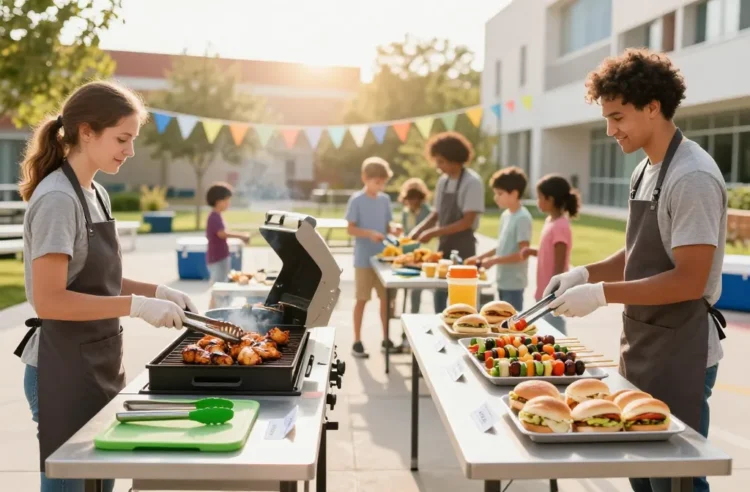
- Best for: School fairs, field days, and community fundraisers
- Make ahead: Yes — finalize menus 2 weeks out; prep signage and ingredient lists 3–5 days ahead
- Serves: 100 people with clear roles and a nut-free plan
- Key tip: Separate prep, tools, and serving lines for nut-free foods from anything uncertain
Nut-Free BBQ Safety for a 100-Person School Event sounds simple until you count grills, condiments, and helping hands. One stray spatula can undo your careful planning. This guide keeps your menu, setup, and service line nut-safe without killing the vibe. You’ll get a straightforward plan, exact labeling language, and roles for volunteers so families with allergies feel truly welcome.
Set a Clear Nut-Free Policy (And Communicate Early)
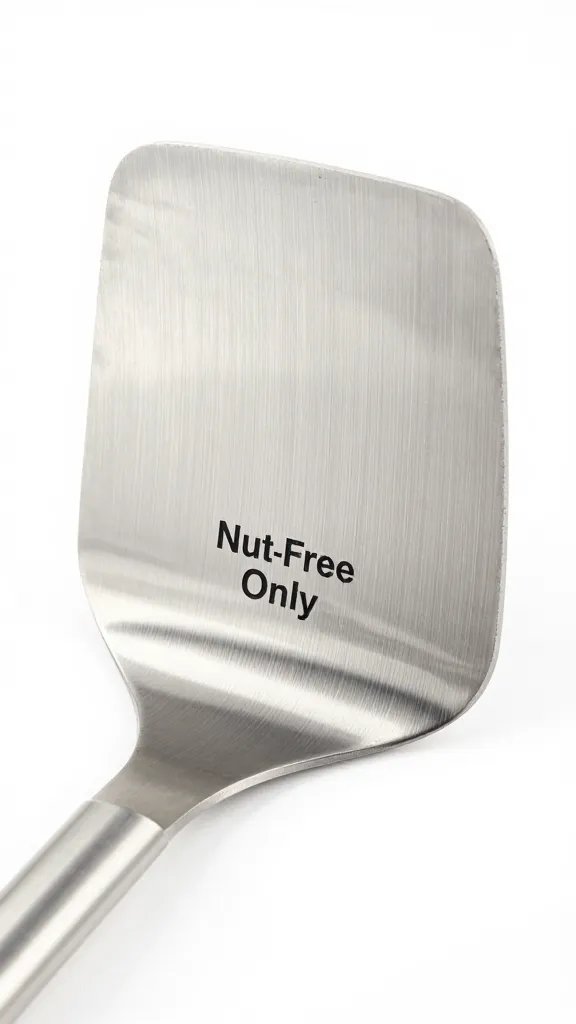
Decide your scope: peanuts and tree nuts excluded from all food, or just the main buffet? For school events, make the entire menu nut-free. It removes ambiguity and stress.
Announce it early in signups and flyers. Use direct language: “This is a nut-free event. Please do not bring peanuts, tree nuts, or products processed with nuts.” Add it to pre-event emails and volunteer briefings.
Menu Planning: Safe By Design
Build a menu that avoids high-risk items and hidden nut traps. Keep it simple, crowd-pleasing, and label-friendly.
- Proteins: Plain salt-and-pepper grilled chicken, hot dogs, burgers, or veggie burgers. Use single-ingredient seasonings or verified nut-free blends.
- Buns and breads: Choose brands with no nut ingredients and no “may contain” warnings. Save the packaging for inspection.
- Sides: Corn on the cob, baked potatoes, coleslaw, pasta salad with olive oil and herbs, green salad with simple vinaigrette, watermelon wedges.
- Condiments: Ketchup, mustard, mayo, relish — check each bottle for advisory statements. Avoid pesto and satay-style sauces.
- Desserts: Fruit platters, nut-free brownies or cookies from a dedicated facility. Skip granola-topped anything.
For a fresh, nut-free flavor boost, offer sauces like this chimichurri recipe made in a clean kitchen with clean tools.
Procurement: Read Every Label, Keep Every Box
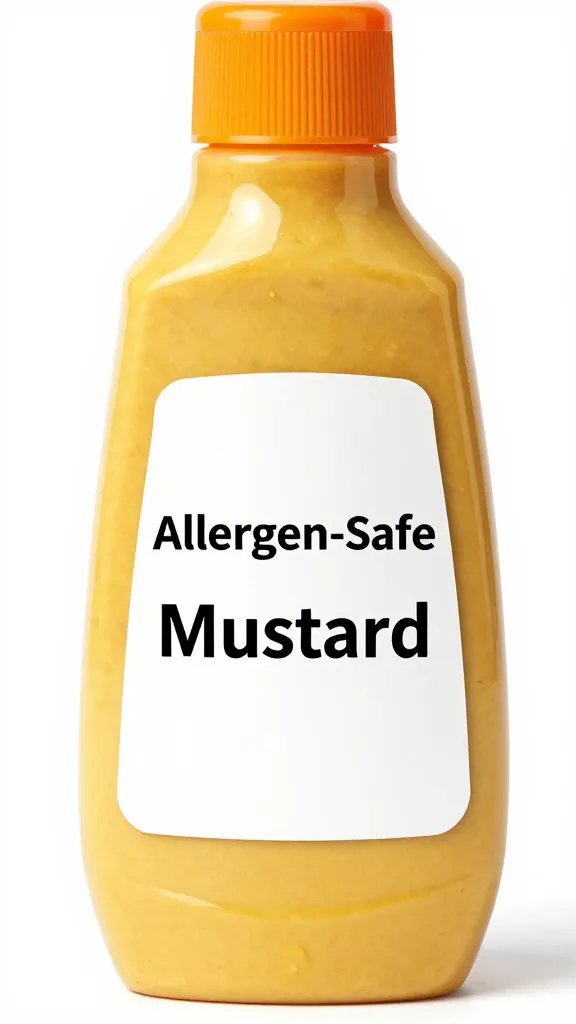
Buy all food and condiments yourself; don’t crowdsource. Read labels twice: once while shopping, once when unpacking. Watch for “may contain,” “processed on shared equipment,” or “made in a facility with nuts.”
Keep outer packaging on-site for the event. Set up a “label station” so parents can check ingredients. It builds trust and reduces repeat questions at the line.
Prevent Cross-Contact: Gear, Zones, and Flow

Cross-contact, not ingredients, is the top risk at BBQs. Plan your equipment and layout to keep nut-free food truly separate.
Dedicated Tools
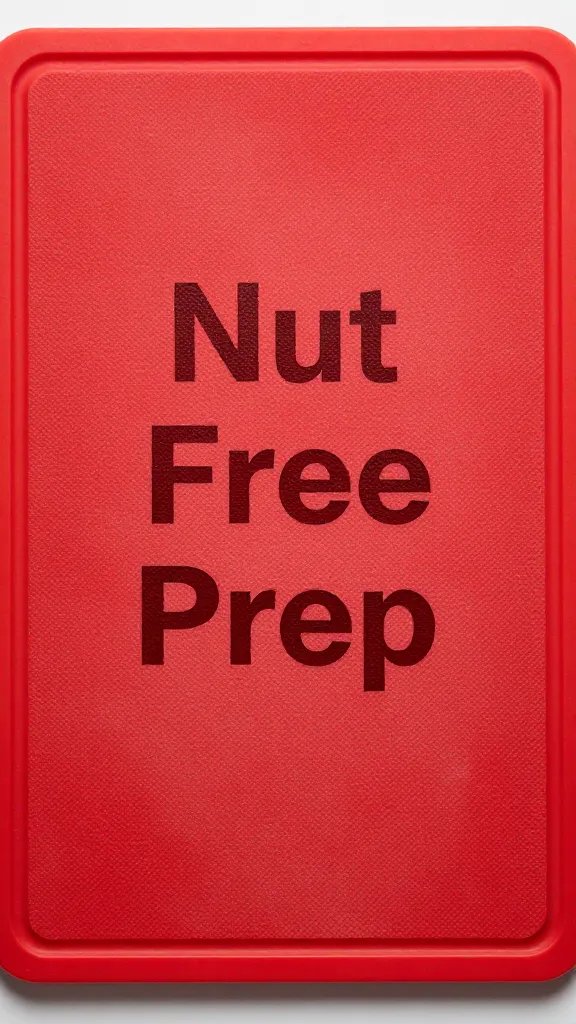
- Color-code tongs, spatulas, and cutting boards for nut-free prep and cooking. Blue for proteins, green for produce, etc.
- Use new aluminum pans and fresh foil. Don’t reuse hotel pans that once held mixed desserts.
- Assign one grill to nut-free foods only; if using one grill, start with a deep clean and fresh foil barrier.
Prep and Cooking Zones
- Set a nut-free prep table with its own knives and boards. No wandering tools.
- Cover finished items immediately with lids or foil to prevent accidental contact.
- Keep condiments in pump or squeeze bottles to reduce utensil swap risks.
Service Line Layout
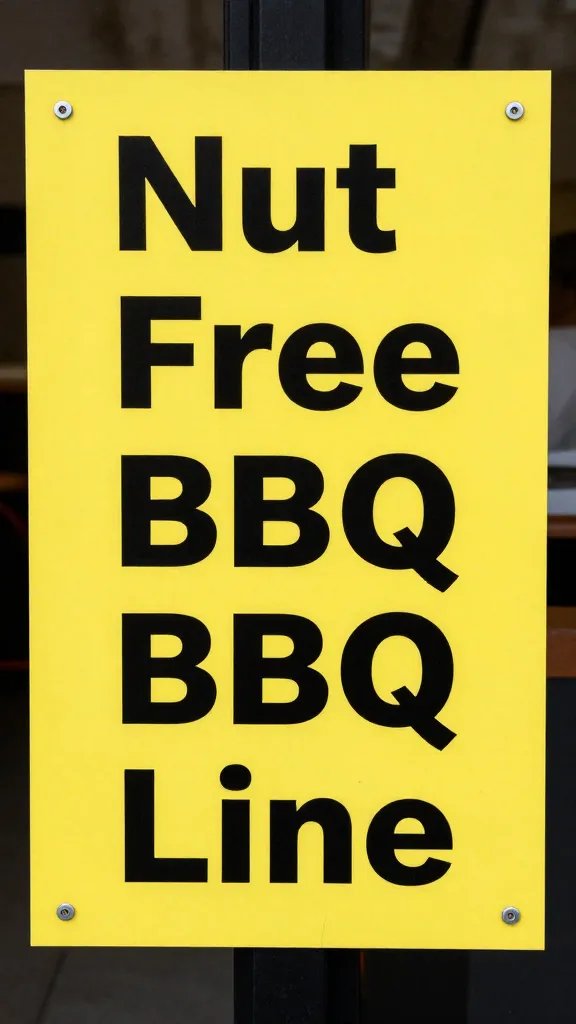
- Run a single, clearly labeled nut-free buffet. Place plates first, proteins second, sides next, condiments last, drinks separate.
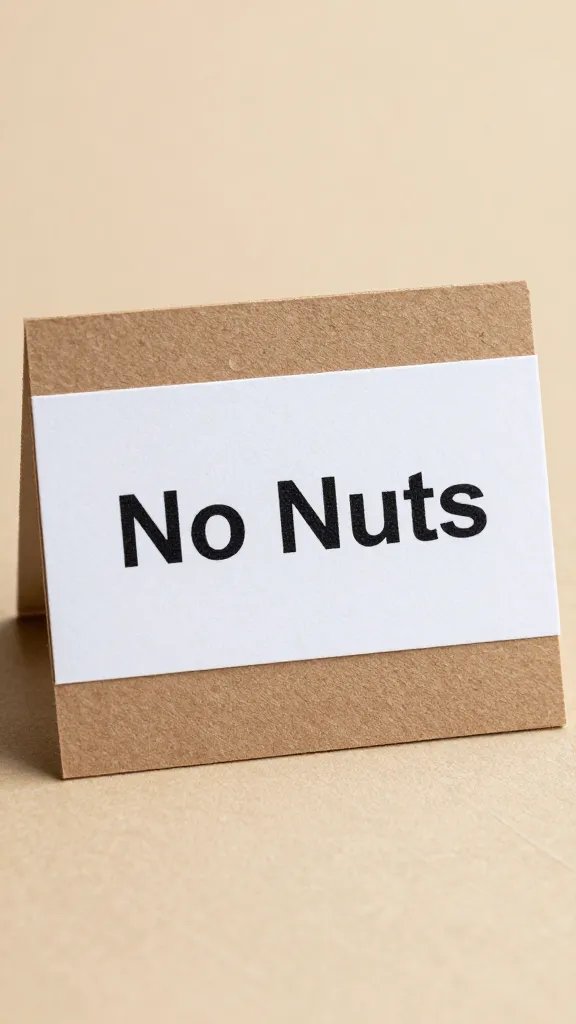
- Place allergen signage before the first platter so decisions happen early in the line.
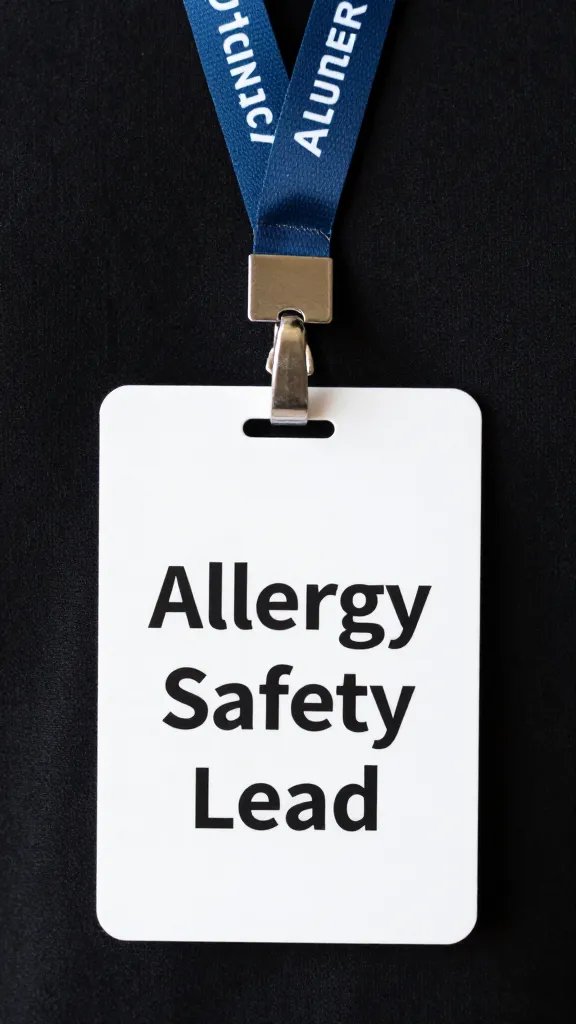
- Station a trained volunteer at the start to answer questions and manage flow.
Volunteer Training: Scripts, Roles, and Gloves
Ten minutes of training saves the day. Focus on scripts and tool discipline.
- Roles: Grill team (stays on grill), Line team (stays on buffet), Runner (refills), Float (answers questions).
- Scripts: “All items today are nut-free. Packaging is available at the label station if you’d like to review ingredients.”
- Gloves and handwashing: Gloves don’t replace washing. Change gloves after touching phones, trash, face, or non-food surfaces.
- Tool discipline: Tongs stay with their tray; if a tong crosses trays, it goes to the wash bin and gets replaced.
Labeling That Parents Trust
Generic “safe” claims aren’t enough. Use specific, consistent labels and place them on the table and on the menu board.
- “Nut-Free: No peanuts or tree nuts. No shared-equipment warnings on ingredients.”
- “Contains: dairy, egg, soy” — list all other major allergens if present.
- “Gluten-Free” only if you controlled for cross-contact with dedicated tools and verified products.
- Include brand names for buns, dogs, patties, and desserts. Parents recognize safe brands quickly.
Day-Of Checklist for 100 Guests
- Kitchen clean-down: Wash and sanitize prep surfaces, knives, and boards. Put away any nut products from the facility.
- Set zones: Prep table, grill station, buffet, label station, handwash station.
- Post signage: Entry sign (nut-free policy), menu board, allergen cards on the buffet.
- Open packaging: Unseal condiments and buns on-site so parents can scan labels.
- Cook order: Proteins first, then veg; keep cooked items covered and labeled.
- Brief volunteers: 10-minute huddle on scripts, tool colors, and no cross-use.
- Monitor the line: Replace dropped tongs immediately; wipe spills; refresh cards.
- After service: Store leftovers in labeled containers; save packaging for any follow-up questions.
Smart Substitutions That Keep Flavor Big
Miss the crunch or richness nuts bring? You can still serve memorable food.
- Crunch: Toasted pumpkin or sunflower seeds from nut-free facilities for salads. If unsure, skip.
- Umami: Caramelized onions, roasted mushrooms, or a smear of olive tapenade on burgers.
- Sauces: Bright herb sauces, pickled onions, or a lemon-garlic yogurt spread. Try pairing grilled meats with these make-ahead BBQ sides that steer clear of nuts.
From My Kitchen: What Actually Works
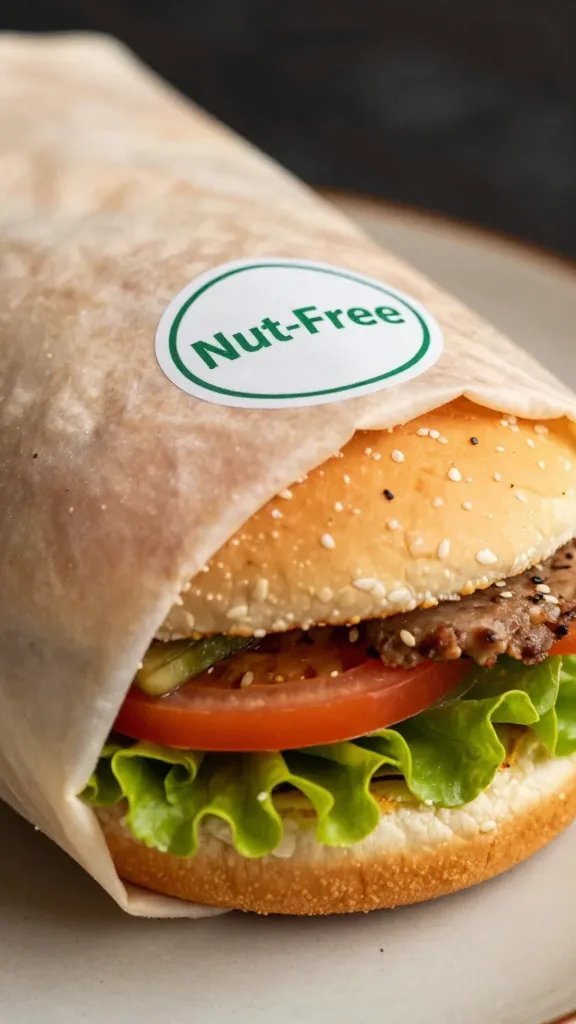
The most common slip I see is condiment chaos — one spoon bouncing between mayo and slaw. Setting one utensil per item and keeping backups in a clean bin fixes it. I also switched to pump bottles for sauces; cross-contact dropped to near zero and the line moved faster. For 100 people, I bring four sets of color-coded tongs per protein so a dropped tool never forces a wait. Lastly, I print the exact bun and hot dog brands on the menu board — parents spot their trusted labels and relax immediately.
Frequently Asked Questions
How do I guarantee Nut-Free BBQ Safety for a 100-person school event?
Use a fully nut-free menu, verify every label, and separate prep, cooking, and serving tools. Assign roles so no one crosses stations, and keep all packaging on-site for parents to review. Clear signage plus a volunteer at the start of the line keeps questions and risk low.
Can I make nut-free BBQ sauces and marinades ahead of time?
Yes. Make them 2–3 days ahead in a clean kitchen with dedicated tools, then store in labeled squeeze bottles. List every ingredient and keep the spice containers for verification.
What are hidden nut risks at school BBQs?
Common culprits include bakery buns with “may contain,” pesto or satay-style sauces, granola toppings, and shared serving utensils. Also watch for bulk cookies from unknown facilities and desserts brought by well-meaning volunteers.
How do I label a nut-free buffet so parents trust it?
Use cards that state “No peanuts or tree nuts; no shared-equipment warnings” and list any other allergens. Add brand names for key items and keep packaging visible at a label station.
What’s the safest way to serve desserts at a nut-free event?
Choose items from dedicated nut-free facilities or bake from scratch with verified ingredients. Keep desserts in closed containers until service, use tongs for each item, and avoid any products with advisory statements.
The Bottom Line
Nut-free doesn’t mean flavor-free — it means organized. With verified ingredients, dedicated tools, and confident signage, you’ll serve 100 happy guests and give allergy families real peace of mind.
Planning to try this? Save this post so you can find it when you need it — and tag us when you make it.