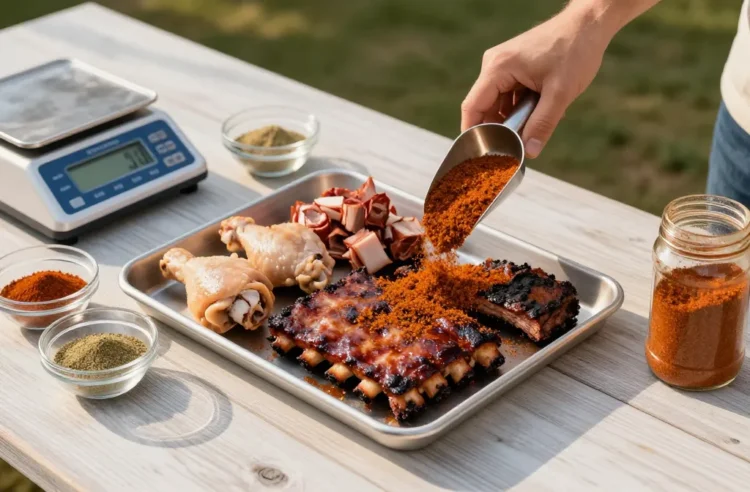
- Best for: Backyard cookouts, graduation parties, tailgates
- Make ahead: Yes — blend up to 1 month in advance
- Serves: 50 guests; 3–4 pounds of dry rub total
- Key tip: Plan 1 ounce of rub per pound of meat, plus a 10–20% buffer
How Much Dry Rub to Buy for a BBQ of 50 People sounds simple, but the answer depends on your meats and how generously you season. Skip the guesswork and use the per-pound rule that pitmasters rely on. We’ll cover exact amounts for ribs, chicken, pork shoulder, and brisket, plus make-ahead tips and storage. By the end, you’ll know exactly how much rub to buy or mix — and won’t run out mid-cook.
The Short Answer: Your BBQ Rub Calculator
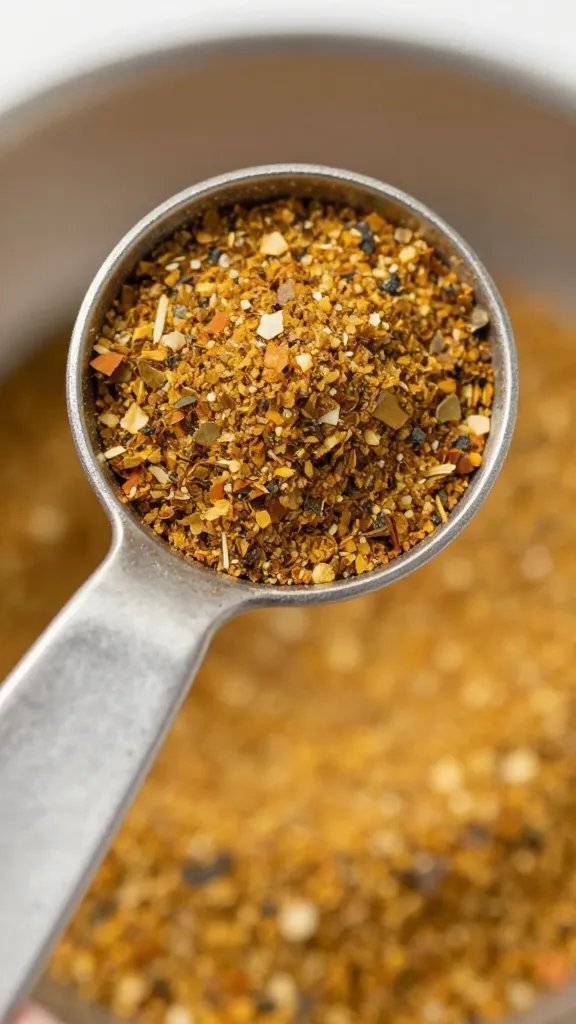
Use 1 ounce (about 2 tablespoons) of dry rub per pound of meat. For most mixed-meat menus, that lands at roughly 3–4 pounds of rub total for 50 people. This assumes about 3/4 pound of raw meat per person across a variety of proteins.
- Mixed menu estimate (50 guests): 35–45 pounds of total meat → 35–45 ounces rub → 2.2–2.8 pounds rub. Add a 20% buffer for re-seasoning and taste differences → 2.7–3.4 pounds. Round to 3–4 pounds to be safe.
- Heavily seasoned styles (Texas-style brisket crust, Memphis ribs): add another 10%.
- Light seasoning (delicate chicken, kids’ plates): subtract 10%.
Breakdown by Meat Type
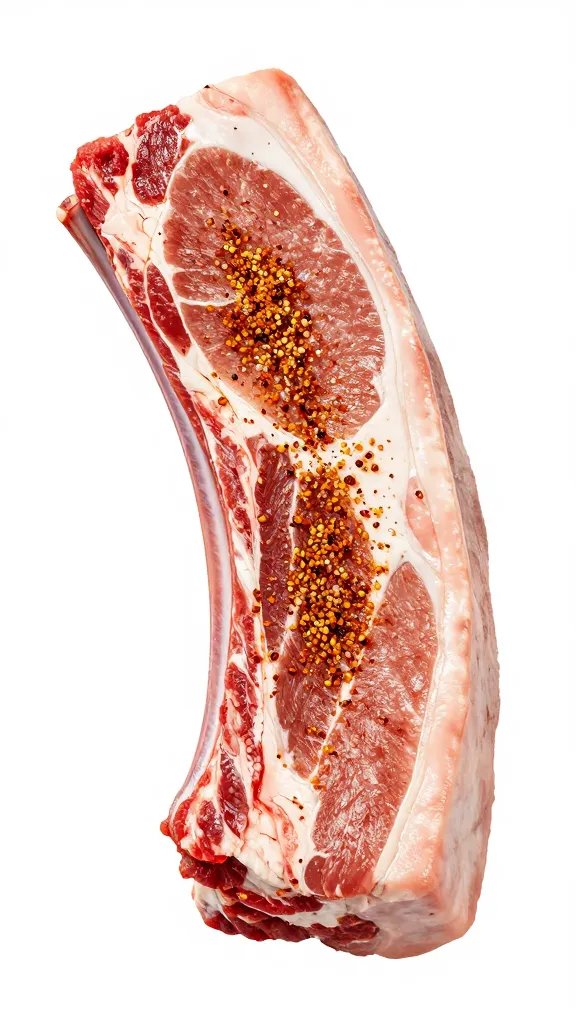
Different cuts “drink” rub differently. Here’s what to expect.
Pork Shoulder (Pulled Pork)
- Meat per person: 1/3–1/2 pound cooked; 1/2–3/4 pound raw
- Rub rate: 1 ounce per pound of raw meat
- Example: Two 8–9 lb shoulders (16–18 lb total) → 16–18 ounces rub (1–1.1 lb)
Ribs (Pork Spare or Baby Back)
- Meat per person: 1/3–1/2 rack per adult (depending on sides)
- Rub rate: 1–1.25 ounces per pound, or ~2–3 tablespoons per rack
- Example: 18 racks for 50 people → about 2–3 Tbsp per rack → 36–54 Tbsp → 1.1–1.7 pounds of rub
Brisket
- Meat per person: 1/3–1/2 pound cooked; 1/2–3/4 pound raw
- Rub rate: 1 ounce per pound; heavy bark lovers may go 1.25 ounces
- Example: Two packers totaling 24 lb raw → 24–30 ounces rub (1.5–1.9 lb)
Chicken (Thighs, Drumsticks, or Halves)
- Meat per person: 1–2 pieces
- Rub rate: 0.5–0.75 ounce per pound (skin holds less than pork/brisket)
- Example: 20 lb chicken pieces → 10–15 ounces rub (0.6–0.9 lb)
Sample Menus for 50 and Exact Rub Totals
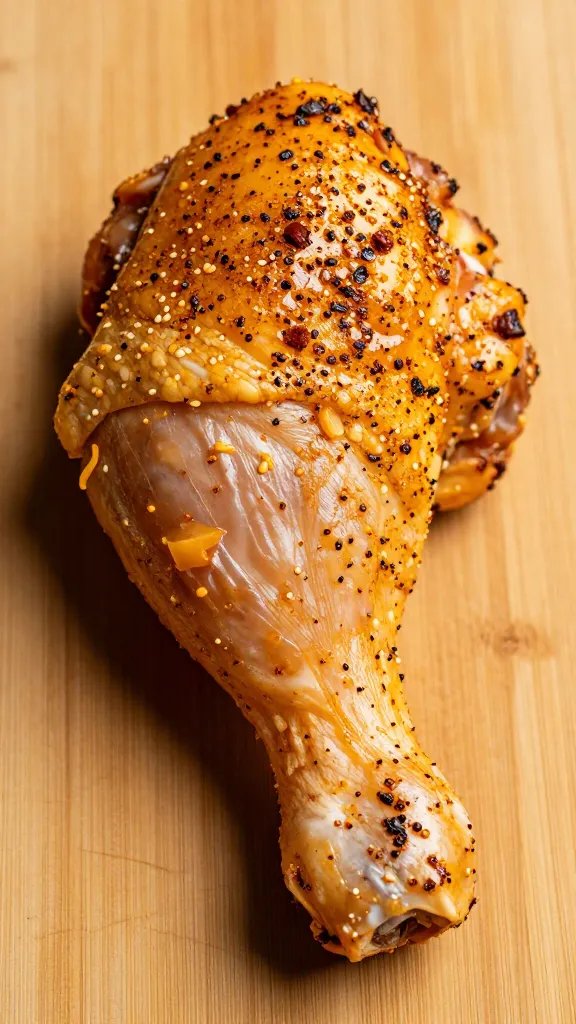
Option A: Pulled Pork + Chicken
- Meat: 18 lb pork shoulder + 20 lb chicken pieces
- Rub: Pork 18 oz + Chicken 10–15 oz = 28–33 oz (1.75–2.1 lb)
- Add 20% buffer: 2.1–2.5 lb total rub
Option B: Ribs + Brisket
- Meat: 16 racks baby backs + 18 lb brisket raw
- Rub: Ribs ~32–48 Tbsp (0.9–1.4 lb) + Brisket 18–22.5 oz (1.1–1.4 lb) = 2.0–2.8 lb
- Add 20% buffer: 2.4–3.4 lb total rub
Option C: Mixed Grill (Ribs + Pork Shoulder + Chicken)
- Meat: 10 racks ribs + 12 lb pork shoulder + 15 lb chicken
- Rub: Ribs ~20–30 Tbsp (0.6–0.9 lb) + Pork 12 oz (0.75 lb) + Chicken 8–11 oz (0.5–0.7 lb) = 1.85–2.35 lb
- Add 20% buffer: 2.2–2.8 lb total rub
How to Scale a Dry Rub Recipe for 50 People
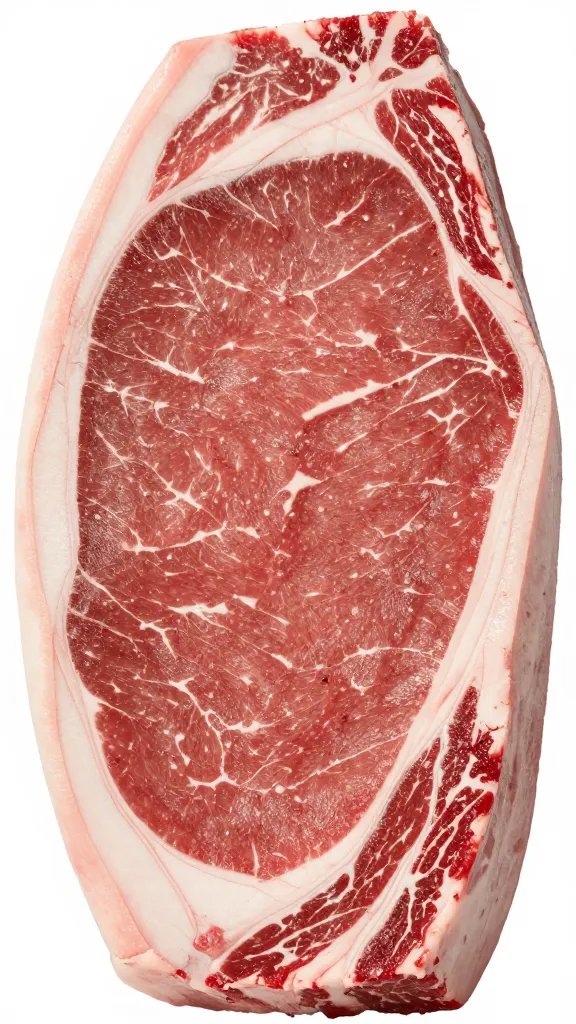
Pick a base recipe you like and scale by the total ounces you need. One cup of most rubs weighs about 4–5 ounces depending on salt and sugar content.
- Calculate target weight. Example: Need 48 ounces rub (3 pounds) for a brisket-heavy menu.
- Convert by weight, not volume. If your recipe yields 8 ounces, multiply all ingredients by 6 to reach 48 ounces.
- Salt caution. Start with 75–85% of the scaled salt, taste, then adjust. Rubs concentrate as they sit.
- Batch and blend. Mix in stages, then combine and whisk thoroughly to prevent spice “hot spots.”
Serving sauces too? Bright toppings like this chimichurri recipe can let you use a touch less rub while keeping flavor big and fresh.
Store-Bought vs Homemade Rub: What to Know
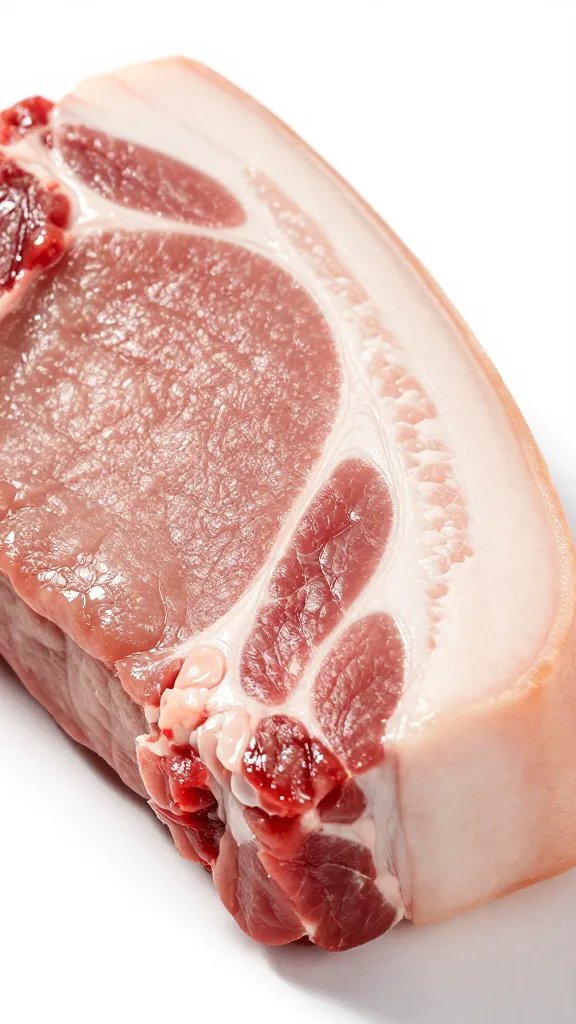
- Store-bought: Convenient and consistent. Check sodium — some blends are very salty. For 50 guests, plan on 3–4 large shakers (18–20 oz each) depending on your menu.
- Homemade: Cheaper per pound and customizable. Use kosher salt for texture, and add turbinado sugar for ribs to prevent scorching.
- Allergies: Keep one no-sugar, no-pepper batch for sensitive guests, and label the shaker.
Applying Rub Like a Pro
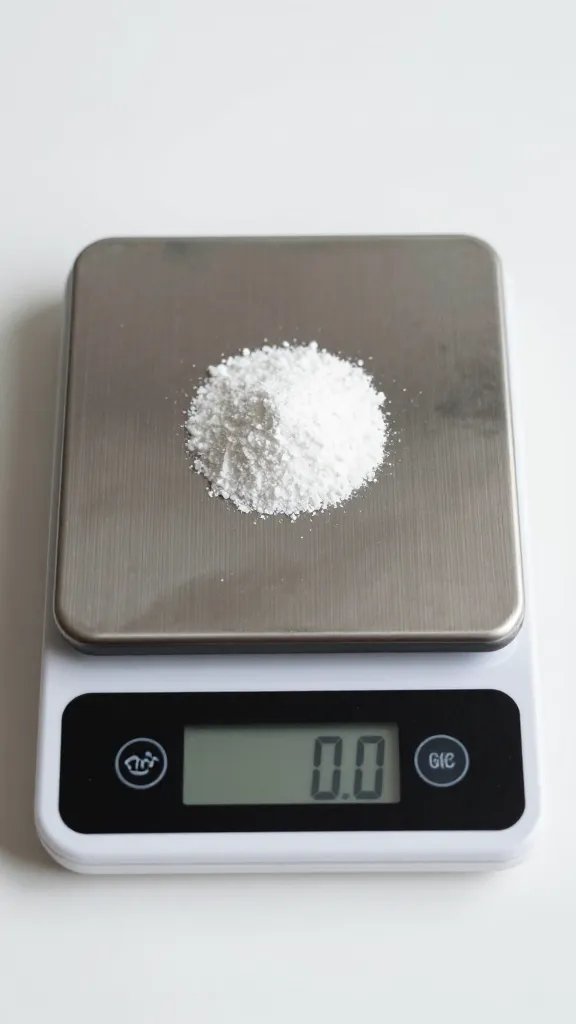
Prep and Timing
- Pat meat dry so rub sticks, not slides.
- Oil lightly only on lean meats (chicken breast, turkey). Fatty cuts don’t need it.
- Timing: Brisket and pork shoulder 2–12 hours before; ribs 1–2 hours; chicken 30–90 minutes.
Technique
- Season all sides, including edges and under flaps on ribs.
- Don’t cake it on. Aim for even coverage; you should still see some meat surface.
- Hold back 10–15% of rub for last-minute touch-ups before the meat hits the smoker.
Serving steak too? A vibrant sauce like this herb-forward steak marinade can complement a lighter rub on beef cuts.
From My Kitchen: What Actually Works
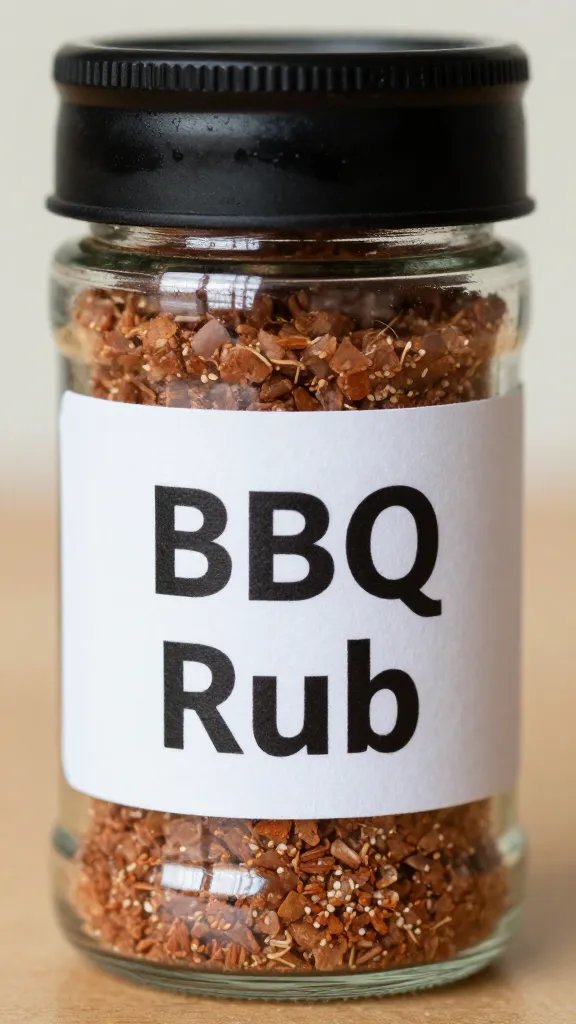
When I cook for 40–60 people, I weigh rub into deli containers by the cut: one for ribs, one for brisket, one for chicken. It prevents over-seasoning early trays and coming up short later. I also mix two versions of the same rub: a standard batch and a low-salt batch to finish right before the cooker — it keeps the bark flavorful without turning too salty as moisture evaporates. Finally, I’ve tested resting times: brisket and pork shoulder take rub best with a minimum of 4 hours in the fridge; shorter than that and the bark forms patchy.
Make-Ahead, Storage, and Food Safety
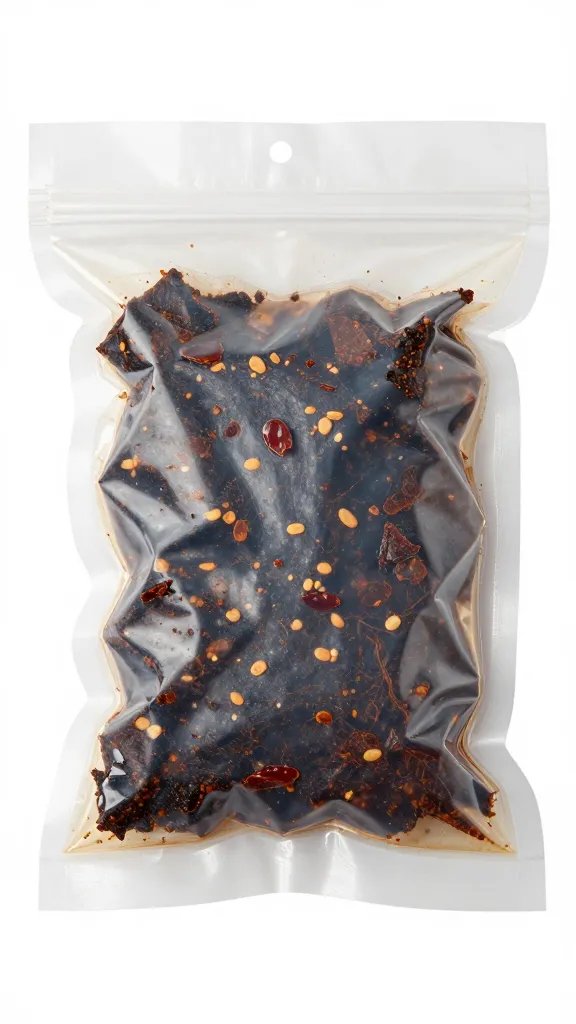
- Make ahead: Up to 1 month in an airtight jar; 3 months if vacuum-sealed.
- Storage: Cool, dark pantry; avoid steam from open pots. Label with date and salt level.
- After contact with raw meat: Discard any rub that touched raw surfaces. Pour from a shaker — don’t dip with a wet hand.
- Replenish freshness: If a rub sits more than a month, add a pinch of fresh paprika or black pepper to brighten it.
Frequently Asked Questions
How much dry rub do I need for a BBQ of 50 people?
Plan on 3–4 pounds of dry rub for a typical mixed-meat menu. Use the rule of 1 ounce of rub per pound of meat, then add a 10–20% buffer for touch-ups and preference.
How long does dry rub keep in the pantry?
Most rubs keep peak flavor for 1–3 months in a sealed container stored in a cool, dark place. They’re safe longer, but volatile spices fade. Mix a small fresh batch for finishing if your rub is older than a month.
Can I make dry rub ahead of time for a crowd?
Yes. Blend it up to 1 month ahead. For large batches, portion into labeled containers for each meat to avoid cross-contamination and overuse on early trays.
What’s the best way to apply dry rub for a crowd?
Pat meat dry, season all sides evenly, and rest: 2–12 hours for big cuts, 1–2 hours for ribs, 30–90 minutes for chicken. Hold back 10–15% of rub for last-minute touch-ups.
Should I use different dry rubs for different meats?
It helps. Use a lower-sugar, pepper-forward rub for brisket and a balanced sweet-heat rub for ribs and pork shoulder. Chicken benefits from herb and citrus zest notes with slightly less salt.
What if I run out of rub mid-cook?
Mix a quick emergency batch: 2 parts kosher salt, 2 parts brown sugar, 1 part paprika, 1 part black pepper, plus optional garlic and cumin. Whisk and apply lightly; you can always add more at slicing or pulling.
The Bottom Line
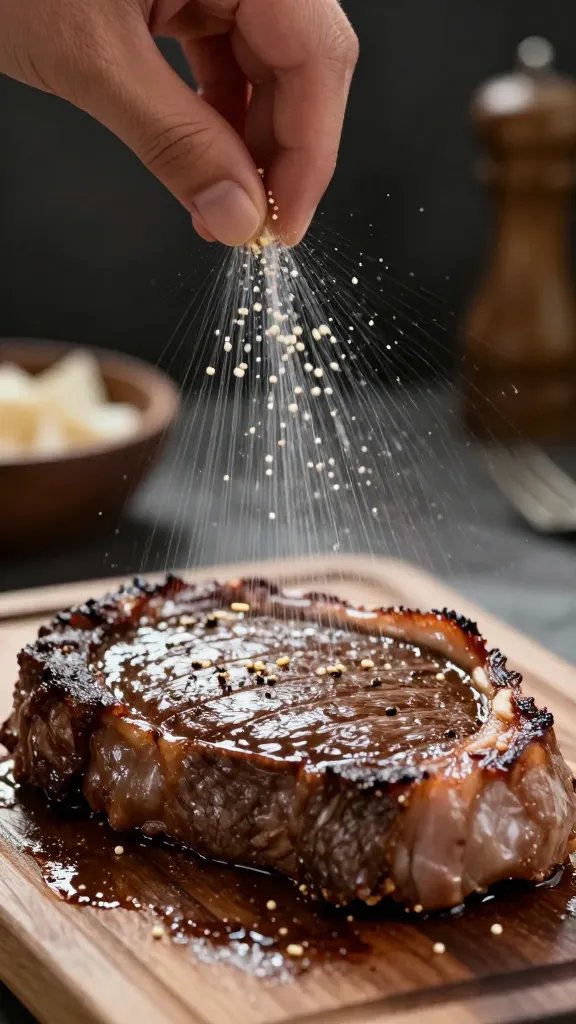
For 50 guests, plan on 3–4 pounds of dry rub, using 1 ounce per pound of meat and a small buffer. Portion by cut, season evenly, and rest the meat so the flavor bonds instead of falling off.
Planning to try this? Save this post so you can find it when you need it — and tag us when you make it.