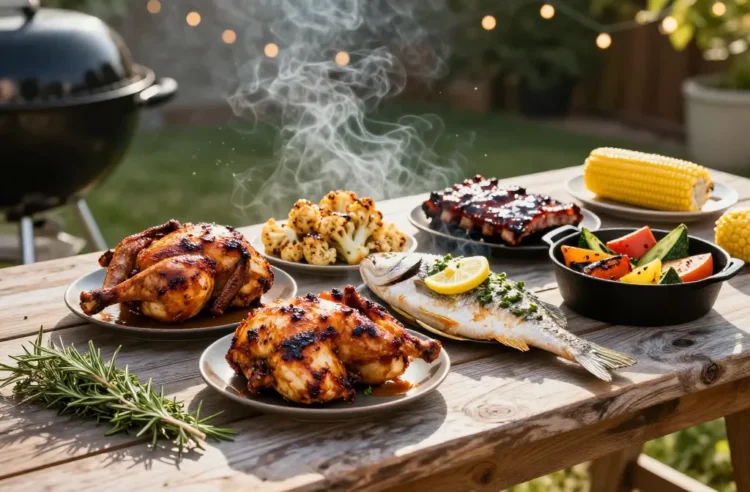
I’ve hosted backyard cookouts on wobbly patios, tiny balconies, and in parks with only a public grill and a bag of charcoal. The best results came when I stopped juggling twenty side dishes and focused on whole, shareable mains that cook evenly and stay juicy. In this guide, you’ll learn six reliable whole-BBQ recipes—from chicken to cauliflower—that deliver big flavor without fancy gear. Each one uses simple steps, garden-centre herbs, and hardware-store tools you already own.
1. Whole Spatchcock Chicken: Even Cooking and Crispy Skin
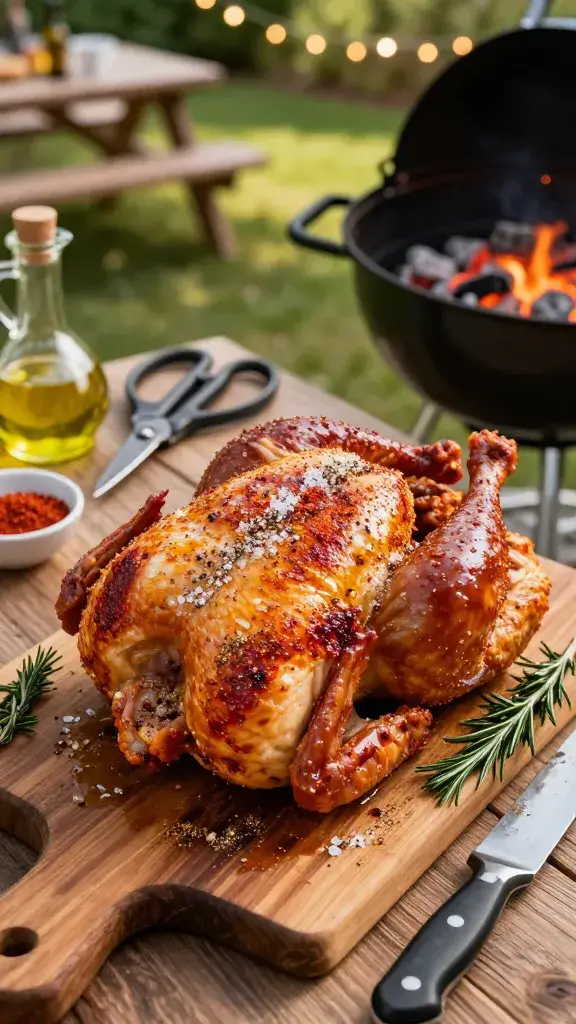
Roasting a whole chicken intact often means dry breast and underdone thighs. That mismatch frustrates hosts and keeps you hovering over the grill instead of enjoying your guests. Spatchcocking solves it by flattening the bird so heat hits everything evenly.
What You’ll Need
- 1 whole chicken (1.5–2 kg)
- Kitchen shears or a sturdy chef’s knife
- 2 tsp kosher salt, 1 tsp black pepper
- 2 tsp smoked paprika, 1 tsp garlic powder
- 2 tbsp olive oil
- Optional: small bunch of rosemary or thyme
Prep and Cook
- Pat the chicken dry with paper towels. Using shears, cut out the backbone (both sides), then flip and press firmly on the breastbone to flatten.
- Mix salt, pepper, paprika, garlic powder, and oil. Rub all over, including under some skin around the breast and thighs.
- Set grill for two zones: half hot (direct), half cooler (indirect). Aim for a grill that feels hot when you can hold your hand 12 cm above the grate for 2–3 seconds on the hot side.
- Start skin-side down over direct heat for 5–7 minutes to crisp, moving any flare-ups by shifting to a cooler spot.
- Flip skin-side up and move to indirect. Close the lid and cook 30–40 minutes until the thickest breast hits 73°C and thighs 76–79°C. No thermometer? Pierce the thigh: juices should run clear, not pink.
- Rest 10 minutes. Chop into quarters or eighths. Sprinkle chopped rosemary or thyme.
Takeaway: Flatten the bird and cook over two zones—quick sear, then gentle finish—to guarantee juicy meat and crisp skin every time.
2. Whole Pork Tenderloin: Fast, Tender, and Foolproof
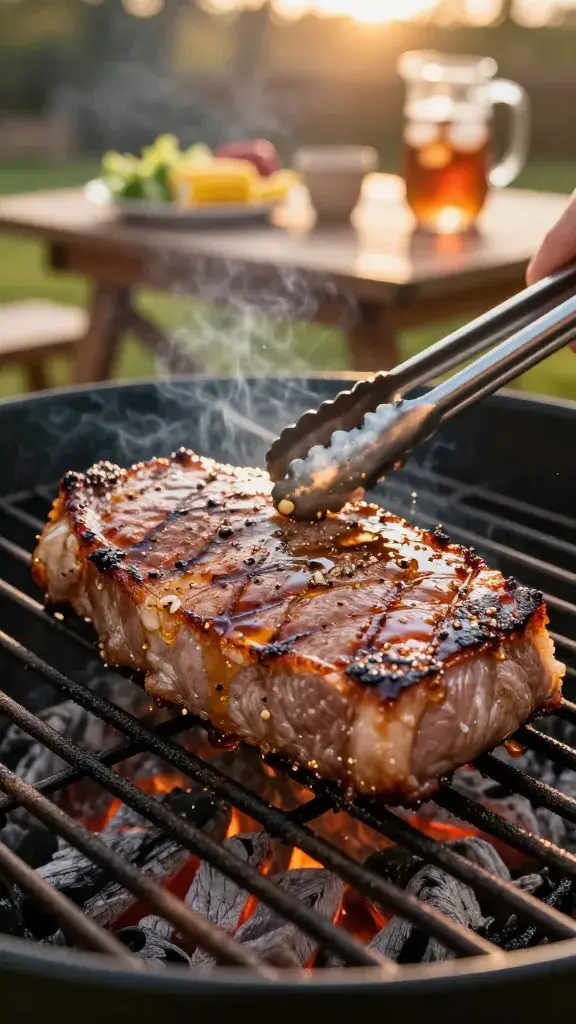
Pork dries out fast when sliced thin or overcooked. A whole tenderloin cooks in under 25 minutes and stays juicy if you season it simply and pull it off the heat early. It’s perfect when guests arrive hungry and you need a sure win.
Simple Marinade
- 1 pork tenderloin (500–700 g), silver skin trimmed
- 2 tbsp soy sauce
- 1 tbsp honey
- 1 tbsp olive oil
- 1 tsp Dijon mustard
- 1 tsp garlic powder, 1/2 tsp black pepper
Steps
- Combine marinade in a zip bag. Add pork and marinate 30–90 minutes in the fridge.
- Preheat grill to medium-high. Oil the grates with a folded paper towel dipped in oil, held with tongs.
- Sear on all sides over direct heat, about 2 minutes per side, until well browned.
- Move to indirect heat, close the lid, and cook 8–12 minutes until the thickest part reaches 63°C.
- Rest 8 minutes. Slice into 1.5 cm medallions. Taste a slice; add a pinch of salt if needed and a squeeze of lemon for brightness.
Action today: Marinate a tenderloin in a zip bag before guests arrive—your quickest path to a crowd-pleasing, juicy main.
3. Whole Side of Salmon: Buttery Flesh and Crisped Edges
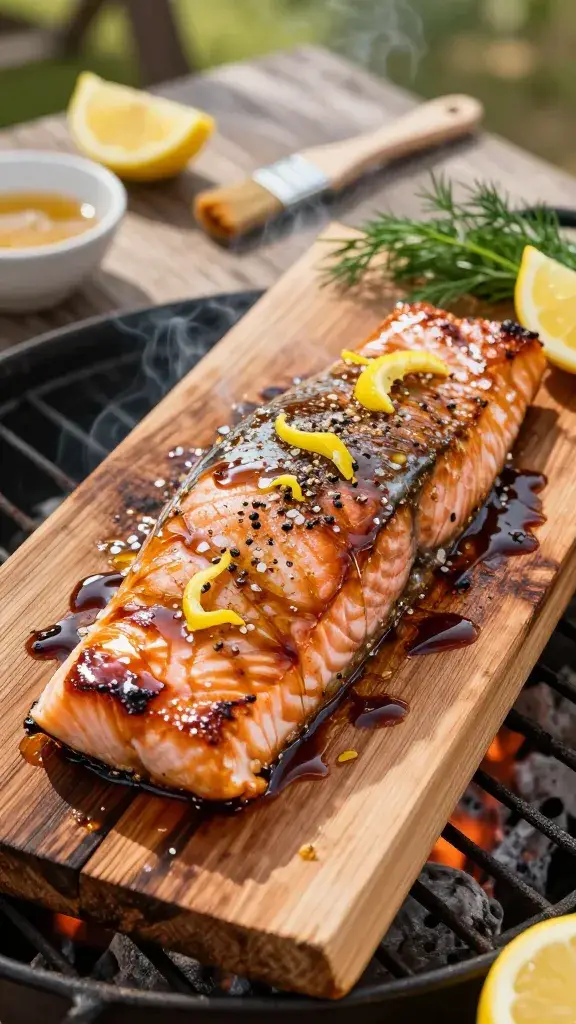
Fish fillets fall apart and stick when flipped too early. A whole side of salmon cooks as one piece, bastes itself with fat, and delivers impressive presentation with little effort. The key is steady, gentle heat and a simple glaze.
What You’ll Need
- 1 side of salmon (1–1.5 kg), skin on, pin bones removed
- 1 tbsp brown sugar
- 1 tbsp soy sauce
- 1 tbsp olive oil
- 1 tsp Dijon mustard
- 1 tsp lemon zest, 1 tbsp lemon juice
- Salt and pepper
- Heavy-duty foil or a shop-bought cedar plank (soaked 1 hour)
Method
- Lay salmon skin-side down on a lightly oiled foil sheet or soaked plank. Pat dry. Season with salt and pepper.
- Mix sugar, soy, oil, mustard, zest, and juice. Brush over the top.
- Cook over indirect medium heat with the lid closed for 15–25 minutes, depending on thickness. The salmon is done when it flakes with a fork and the centre looks just opaque, around 50–52°C if using a thermometer.
- Rest 5 minutes. Slide onto a board. Scatter chopped dill or parsley.
Takeaway: Cook salmon skin-side down over indirect heat and don’t flip—let gentle heat and a quick glaze do the work.
4. Whole Cauliflower With Herby Butter: Charred Outside, Tender Core
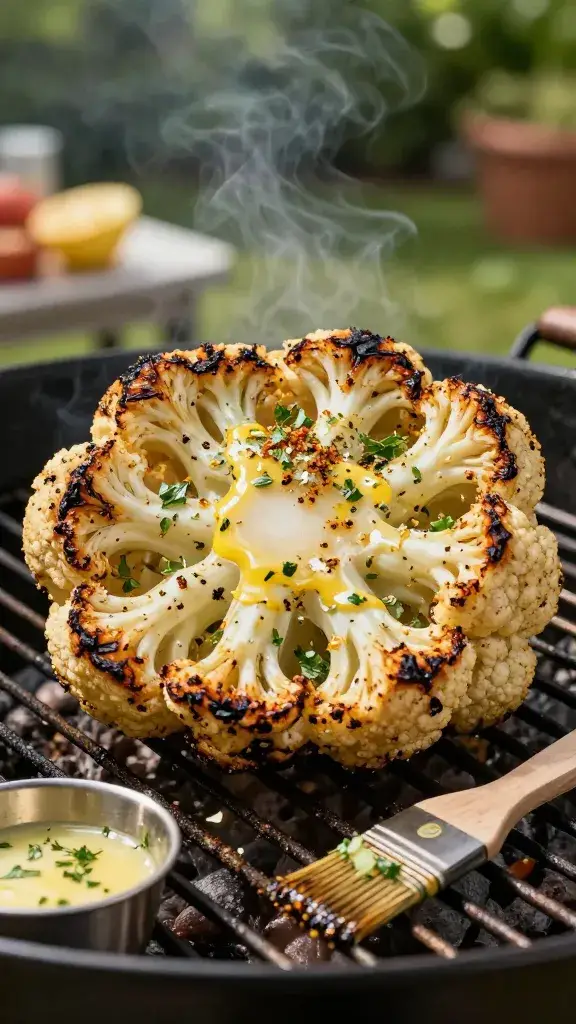
Vegetable sides often turn mushy or bland on the grill. A whole cauliflower develops smoky edges while staying sliceable like a roast. It satisfies vegetarians and steals attention from the meat without extra fuss.
Herb Butter Rub
- 1 large cauliflower, leaves trimmed but core intact
- 3 tbsp softened butter or olive oil
- 1 tsp garlic powder
- 1 tsp smoked paprika
- 1 tsp salt, 1/2 tsp black pepper
- Zest of 1 lemon
- 2 tbsp chopped parsley or oregano
Two-Stage Cook
- Bring a pot of salted water to a steady simmer. Submerge cauliflower head-down (hold with tongs) and simmer 6–8 minutes to start tenderizing. Drain well.
- Rub with herb butter, working it into crevices.
- Grill over indirect medium heat with lid closed for 30–40 minutes, turning once, until a skewer slides into the core with light resistance.
- Finish with 3–4 minutes over direct heat to char spots. Squeeze lemon over top. Slice into wedges like a cake.
Action today: Par-cook the cauliflower in salted water before it hits the grill—this guarantees a tender centre without burning the exterior.
5. Whole Butterflied Leg of Lamb: Big Flavor, Hands-Off Cooking
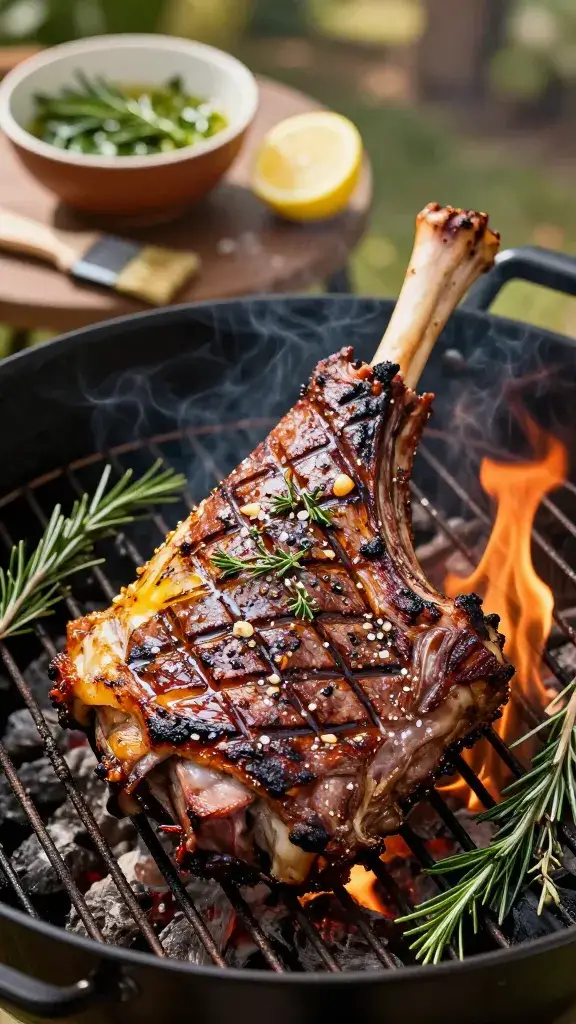
Lamb chops require constant attention and cook unevenly. A butterflied leg cooks flatter and feeds a crowd with succulent slices from edge to centre. The marinade takes five minutes and makes the meat taste like you fussed for hours.
Marinade and Prep
- 1 butterflied leg of lamb (1.5–2 kg), trimmed of thick pockets of fat
- 4 tbsp olive oil
- 2 tbsp lemon juice
- 1 tbsp chopped rosemary, 1 tbsp chopped thyme
- 1 tsp garlic powder, 1 tsp coarse salt, 1 tsp black pepper
Grill Plan
- Marinate lamb 2–12 hours in the fridge. Bring to room temp for 30 minutes before cooking.
- Set up a two-zone fire. Sear lamb fat-side down over direct heat for 4–5 minutes until well browned. Flip and sear the other side 3–4 minutes.
- Move to indirect heat, lid closed, and cook 20–35 minutes depending on thickness. Target 54–57°C for medium-rare or 60°C for medium.
- Rest 15 minutes under loose foil. Slice thinly across the grain. Finish with a sprinkle of salt and a drizzle of olive oil.
Takeaway: Butterfly, marinate, sear hot, then finish indirect—this sequence delivers tender lamb with deep crust and rosy slices.
6. Whole Stuffed Peppers on the Grill: Colourful, Make-Ahead Crowd-Pleaser
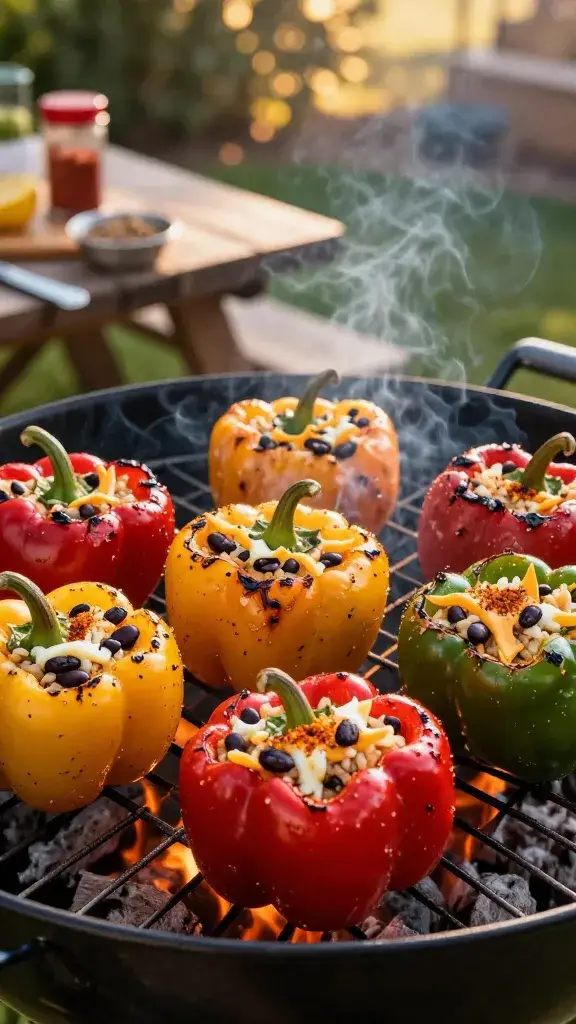
Side dishes stall a cookout when they require last-minute assembly. Stuffed peppers can be prepped earlier and grilled as a whole, holding their shape and soaking up smoke. They double as a main for vegetarians and a hearty side for everyone else.
Filling and Setup
- 6 large bell peppers, tops cut off and seeds removed
- 2 cups cooked rice or couscous
- 1 can black beans, drained and rinsed
- 1 cup grated cheese (cheddar or mozzarella)
- 1 tbsp olive oil
- 1 tsp cumin, 1 tsp smoked paprika, salt and pepper
- Optional: chopped cilantro or parsley, corn kernels, or chopped tomatoes
Method
- Mix rice, beans, cheese, oil, and spices. Season to taste. Spoon into peppers, mounding slightly.
- Place peppers upright in a disposable foil tray or a cast-iron pan to prevent tipping.
- Cook over indirect medium heat with lid closed for 25–35 minutes until peppers are tender and cheese is melted. For slight char, move to direct heat for 2 minutes.
- Top with herbs and a squeeze of lime.
Action today: Fill the peppers in the morning and keep them chilled—drop the tray on the grill when guests arrive for a zero-fuss side or veggie main.
Frequently Asked Questions
How do I set up a two-zone grill if I only have a small charcoal kettle?
Bank all the lit coals to one side for the direct zone and leave the other side empty for indirect cooking. Place a foil drip pan under the indirect side to catch fat and reduce flare-ups. Position the lid vent over the food on the indirect side to pull heat and smoke across. This gives you searing heat and a gentler finishing area in one setup.
I don’t own a meat thermometer—how can I tell when the meat is done?
Use doneness checks tailored to each item. For chicken, pierce the thigh—juices should run clear, not pink, and the leg should wiggle easily. For salmon, look for flakes and an opaque centre. For pork tenderloin, press the centre; it should feel springy, not firm like a well-done steak. Resting 5–15 minutes after cooking finishes the job and keeps juices in.
My food keeps sticking to the grill. What am I doing wrong?
Stickiness comes from dirty grates, low heat, or trying to flip too early. Preheat for at least 10 minutes, then scrub grates with a grill brush and oil them with a paper towel held by tongs. Place the food and wait until it naturally releases—protein will unstick once a crust forms. Avoid moving it around constantly.
How can I add smoke flavor without a smoker?
Use a small handful of wood chips from the hardware store. Soak them for 20 minutes, wrap in a foil packet with a few holes, and place over the hot coals or gas burner. Keep the lid closed to trap smoke, especially during the first half of cooking when food absorbs it best. Choose fruit woods like apple for fish and chicken, and stronger woods like hickory for lamb and pork.
What if flare-ups keep charring my food?
Flare-ups are fat hitting open flame. Keep a cooler indirect zone ready and move food there when drips ignite. Close the lid to cut oxygen, and keep a spray bottle of water for brief bursts—don’t soak the coals. Trim excess exterior fat before cooking and use a foil drip pan to catch drips under the indirect side.
Can I cook these recipes on an indoor grill pan if it rains?
Yes—use a heavy grill pan on medium-high. For items that need indirect heat (chicken, lamb), start with a strong sear on the stovetop, then transfer to a 180–200°C oven to finish to temperature. For salmon, cook skin-side down on the pan and finish in the oven as needed. You’ll miss the smoke, but seasoning and resting will still deliver great texture.
Conclusion
Whole-barbecue mains let you feed a crowd with less stress and more control. Choose one recipe, set up a simple two-zone fire, and commit to lid-closed cooking—your results will jump immediately. Next time, layer in a cedar plank or herb butter and you’ll have a signature cookout dish everyone asks for by name.