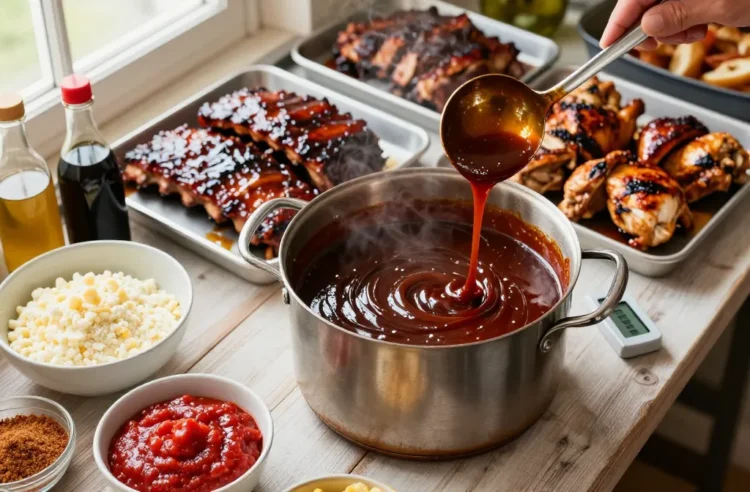
I’ve cooked for block parties where the grill line stretched down the street and the sauce was the make-or-break detail. If you’ve ever ended up with a pot that’s too thin, too sour, or just not stretching far enough, I’ve been there. In this guide, I’ll show you how to scale, balance, and hold BBQ sauce for 50 guests without surprises. You’ll learn exactly how to identify problems fast and fix them with ingredients and tools you already have.
1. Sauce Too Thin: Runs Off The Meat And Pools On The Plate
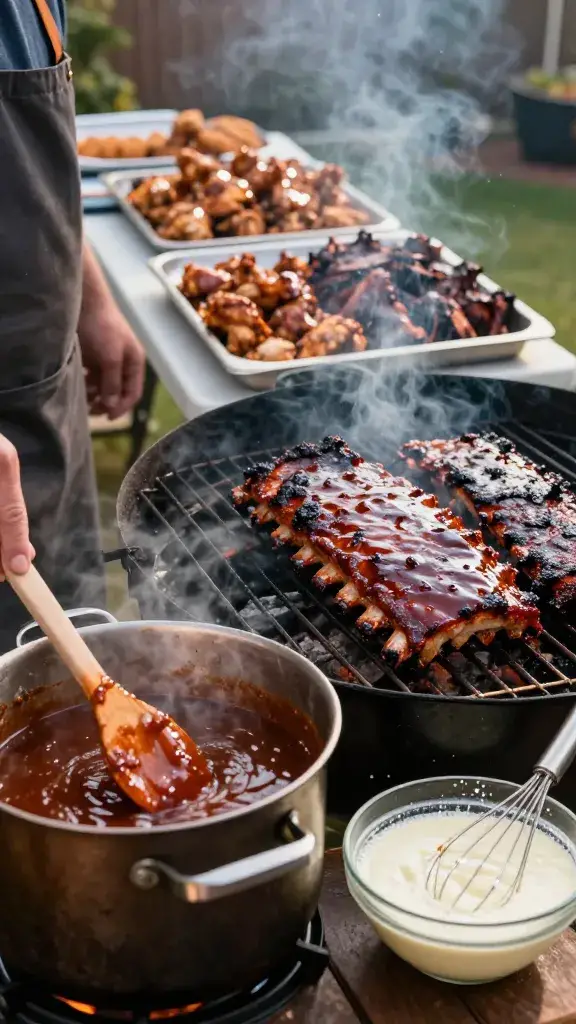
A thin sauce won’t cling to ribs or chicken; it slides off and dilutes in meat juices. Guests taste smoke and salt but miss the glaze and finish. This happens most when scaling recipes without adjusting water or simmer time.
How to Thicken Quickly
- Simmer uncovered for 10–20 minutes, stirring every 2–3 minutes, until it coats the back of a spoon.
- Make a slurry: whisk 1 tablespoon cornstarch into 2 tablespoons cold water per 3 cups sauce. Stir into simmering sauce and cook 2 minutes.
- Blend in 2–4 tablespoons tomato paste per quart to add body and color without extra sweetness.
Signs to Watch For
- Sauce drips cleanly off a spoon instead of leaving a thin film.
- Visible watery separation around the edge of a ladle.
Takeaway: Keep cornstarch and tomato paste on hand and always finish with a 10-minute uncovered simmer to lock in cling.
2. Sauce Too Thick: Gloppy, Burns Fast, And Overwhelms
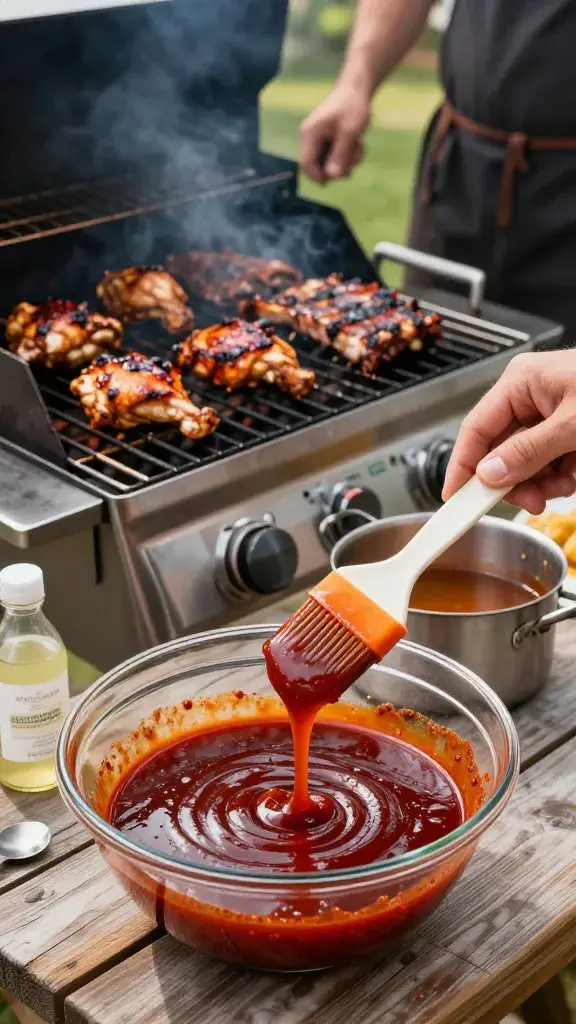
Overly thick sauce clumps on the brush and scorches on the grill, leaving bitter patches. It can also taste pasty from too much tomato or starch. This often happens when reducing too long or overusing thickener.
How to Loosen Cleanly
- Whisk in warm water or unsalted stock 1–2 tablespoons at a time until it runs in a slow ribbon off the spoon.
- Add 1–2 teaspoons apple cider vinegar per cup if flavor feels muddy after thinning.
- Avoid adding more sugar when thinning; it increases burn risk.
Brush Test
- Dip a pastry brush and flick—sauce should fan lightly, not blob.
Action today: Keep a kettle of hot water near the sauce pot to adjust consistency mid-service without shocking the sauce.
3. Overly Sweet: Syrupy Sauce That Masks The Meat
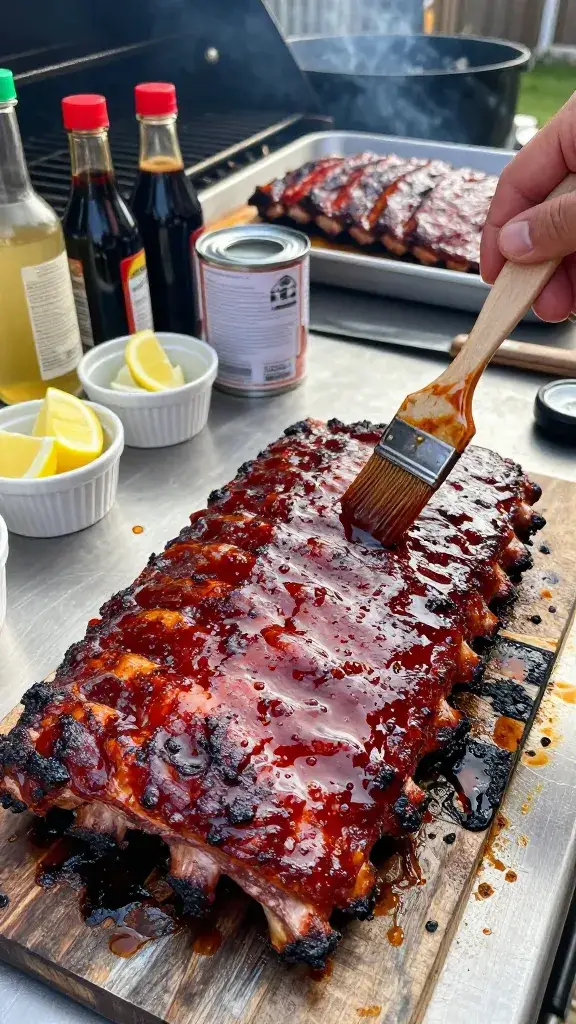
When sauce tastes like candy, the smoke and spice disappear and guests stop after two bites. Extra sweetness also makes the glaze burn faster. This happens with heavy brown sugar, honey, or bottled ketchup without balancing acids and salt.
How to Correct Sweetness
- Stir in acid: 1 teaspoon apple cider vinegar or lemon juice per cup, taste, repeat.
- Add savory: 1–2 teaspoons soy sauce or Worcestershire per cup for depth without more saltiness.
- Blend in unsweetened tomato puree to dilute sugar without thinning too much.
Warning Signs
- Tingling sweetness lingers after swallowing, with little tang.
- Glaze blackens quickly over medium heat.
Takeaway: Balance sugar with acid as you build; for a 1-quart batch, cap total sugars near 1/3 cup unless you plan a very light glaze.
4. Too Vinegary Or Harsh: Lip-Puckering Tang That Fights The Meat
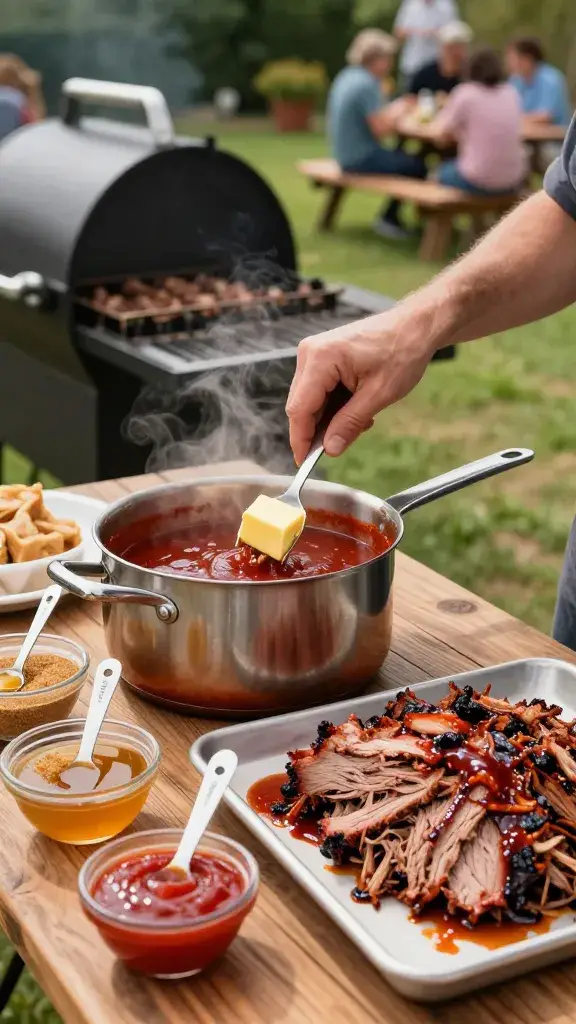
Excess acid makes pulled pork taste thin and sharp. Guests leave sauce on the side because the bite is unpleasant. Overshooting vinegar is common when doubling or tripling recipes.
How to Soften Acid
- Simmer 5–10 minutes to mellow sharp edges.
- Whisk in sweetness: 1 teaspoon brown sugar or honey per cup, then taste.
- Add fat for roundness: 1–2 teaspoons unsalted butter per cup at the end off heat.
- Stir in 1–2 tablespoons tomato ketchup per cup to buffer acidity.
Taste Check
- If your jaw tightens before you sense smoke or spice, add sweet and simmer.
Action today: Keep a small bowl to mix a 2–3 tablespoon “test fix” before adjusting the whole pot.
5. Flat Or Bland: No Depth, Just Red And Sweet
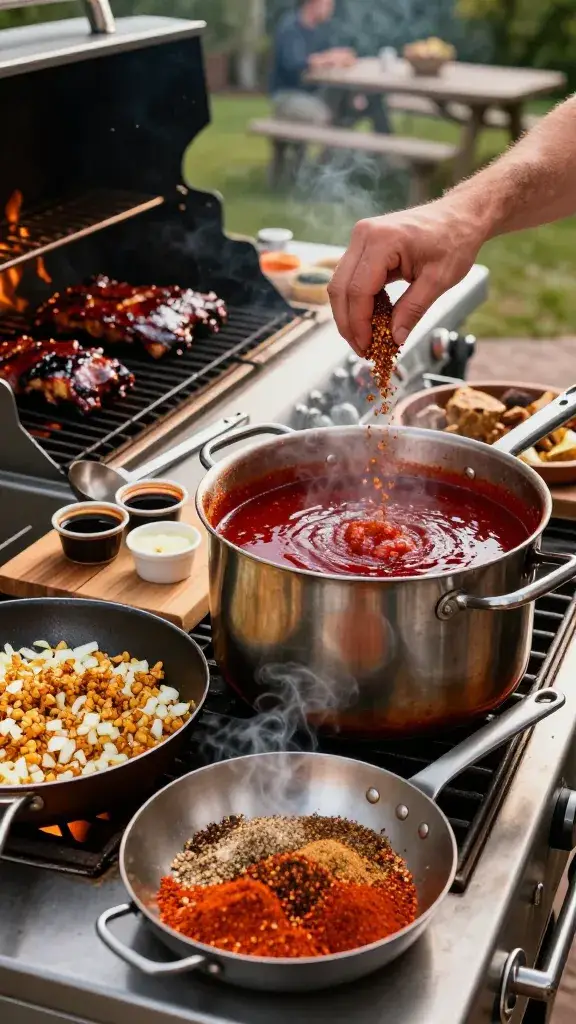
Flat sauce tastes like warm ketchup with sugar—forgettable on a crowd table. It lacks savory bass notes and aromatic lift. This happens when skipping onion, garlic, or umami boosters during scaling.
Build Backbone Fast
- Sweat 1 finely chopped onion and 2 minced garlic cloves in a little oil until soft and golden, then blend into the sauce.
- Add umami: 1–2 teaspoons Worcestershire, soy sauce, or fish sauce per cup.
- Toast dry spices (paprika, cumin, chili powder) in a dry pan 30–60 seconds and stir in.
Aromatics You Can Add Late
- Smoked paprika, mustard powder, black pepper—add 1/4–1/2 teaspoon per cup and simmer 5 minutes.
Takeaway: Never skip a quick onion–garlic base; it’s the cheapest way to add volume and depth for 50 people.
6. Too Spicy For A Crowd: Heat Dominates, Kids Tap Out
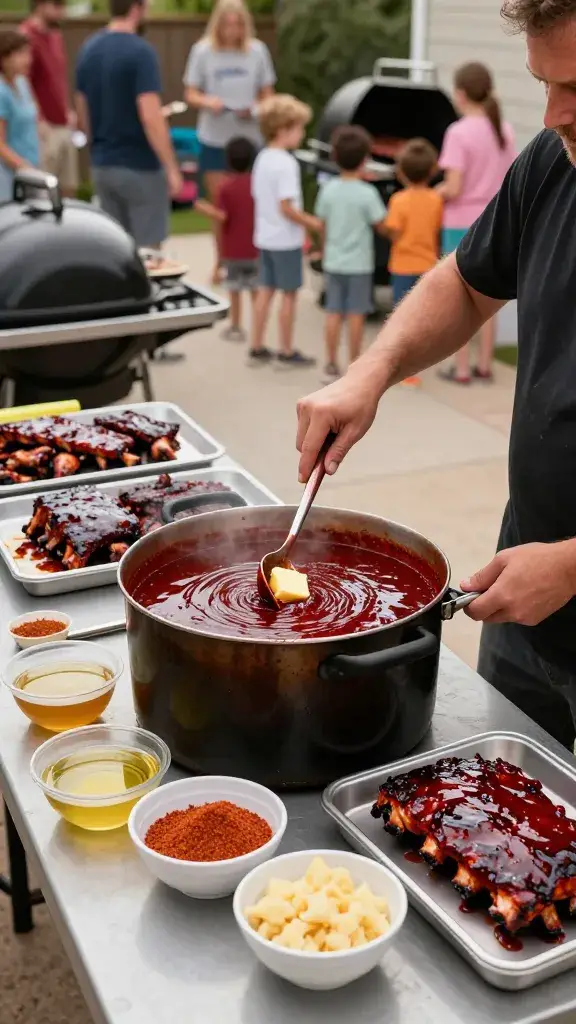
When capsaicin leads, guests eat less and you watch plates come back half-finished. Spice also blooms during holding, turning moderate heat into a surprise punch. Big-batch recipes often multiply chili powders and hot sauce straight across.
How to Tame Heat
- Stir in dairy-free fat: 1–2 tablespoons unsalted butter or neutral oil per quart.
- Add sweetness and acid together: 1 teaspoon brown sugar plus 1 teaspoon vinegar per cup.
- Fold in unsweetened tomato puree or plain applesauce to dilute without thinning.
Service Strategy
- Make one mild base sauce; serve a small bowl of concentrated spicy add-in (chili paste) on the side.
Action today: Hold back half the chili components until final tasting; add only if needed after a 5-minute simmer.
7. Burns On The Grill: Bitter, Black Spots And Sticky Brushes
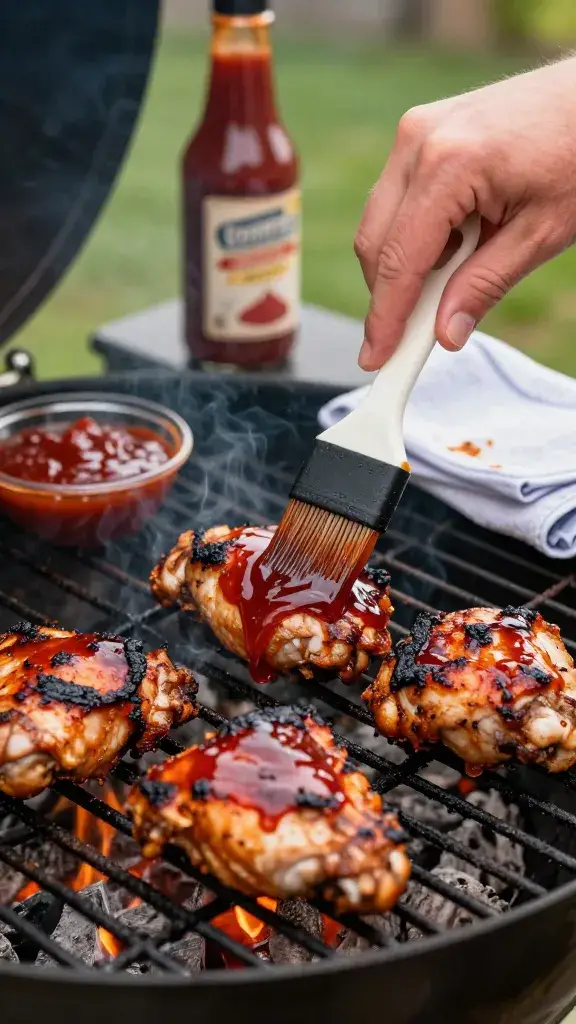
Burned sauce tastes acrid and ruins otherwise perfect meat. High sugars and thick texture char fast over direct heat. This shows up when brushing too early or cooking over flames.
Prevent Scorching
- Brush during the last 5–8 minutes over medium or indirect heat.
- Thin thick sauces slightly so they spread in a thin film.
- Use a clean, soft-bristle brush and wipe the grate before saucing.
If It Starts To Burn
- Move meat to indirect heat, brush with a thin layer of unsweetened tomato puree or warm water to loosen, and let set 2 minutes.
Takeaway: Sauce is a finisher—apply near the end and avoid direct flames to protect flavor.
8. Splitting Or Separating: Oily Puddles And Grainy Texture
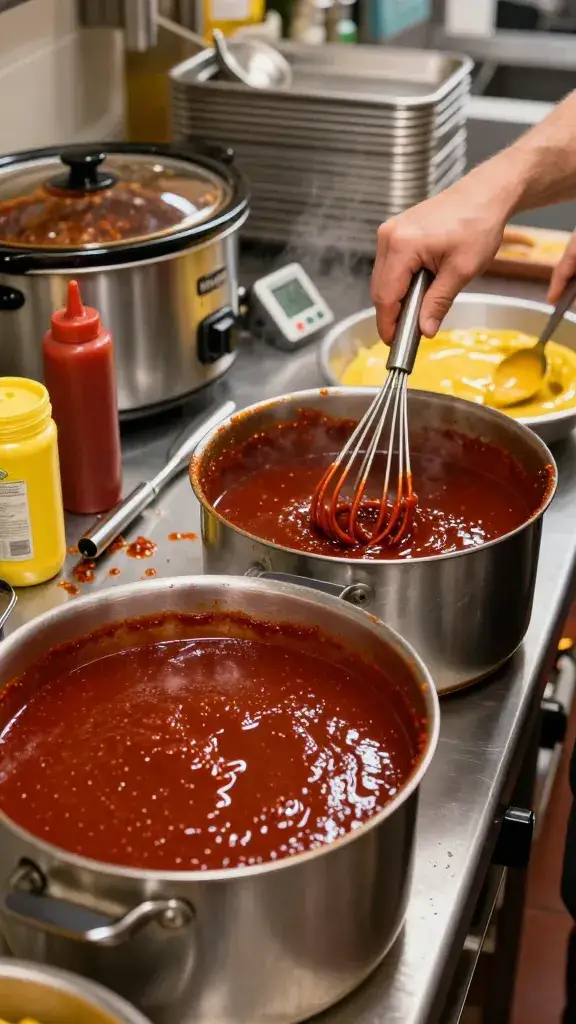
Broken sauce looks greasy with oil floating on top and tastes uneven. Guests think it’s old or cheap even if flavors are right. Separation happens with high oil, rushed emulsification, or long hot holds.
How to Re-Emulsify
- Take sauce off heat and whisk vigorously for 30–60 seconds.
- If still split, blend 1 teaspoon mustard or ketchup per cup and whisk again.
- Use an immersion blender 20–30 seconds to smooth before service.
Holding Best Practices
- Keep warm at 150–160°F in a covered pot or slow cooker on “warm,” stir every 15 minutes.
Action today: Limit added oils to a light sauté of aromatics; rely on tomato, vinegar, and water for body.
9. Not Enough Sauce For 50: Runs Out Mid-Line
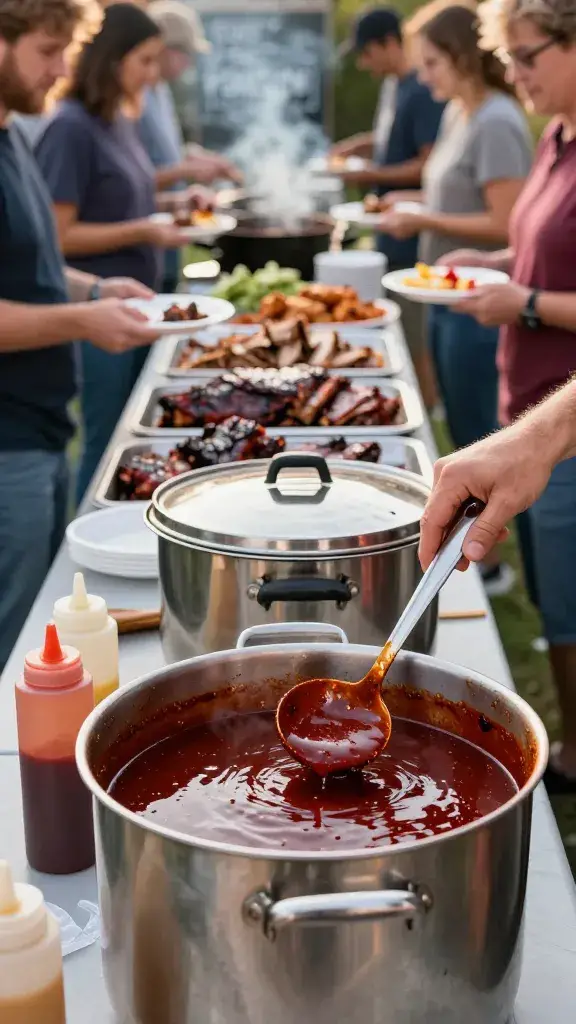
Nothing stalls a party like empty sauce bowls while ribs are still coming off the grill. Undershooting volume leads to uneven portions and guest frustration. Most home recipes assume 2–3 tablespoons per person; BBQ lines use more.
Plan The Right Volume
- For mixed meats, plan 1/3–1/2 cup per person. For 50 people, make 1.75–2 gallons (7–8 quarts).
- Split into two pots so one can be on the line while the other stays covered and hot.
Stretch Without Compromise
- Add unsweetened tomato puree, low-salt stock, and a matching spice mix; simmer 10 minutes to integrate.
Takeaway: Make at least 2 gallons for 50 and keep a reserved quart unsauced for emergency top-ups.
10. Poor Holding And Food Safety: Sour, Scorched, Or Questionable
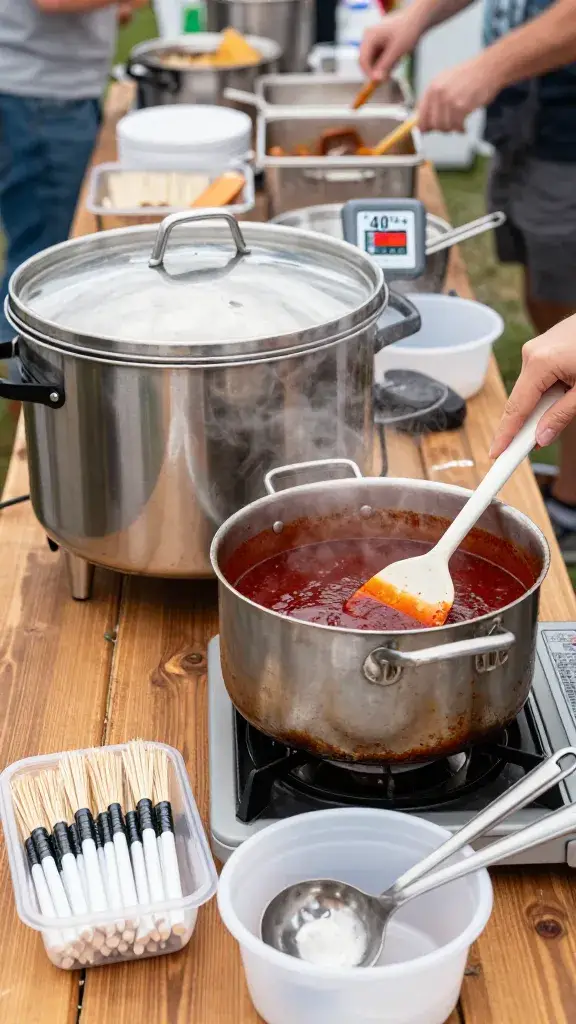
Left at room temp, sauce grows off flavors and risks safety; overheated, it scorches and tastes bitter. Guests notice when the second hour sauce tastes different from the first. Big batches need steady, safe holding.
Safe Holding For Events
- Keep hot above 140°F in a slow cooker on “warm” or in a covered pot over the lowest burner setting.
- Stir every 15 minutes, scraping the bottom and sides with a silicone spatula to prevent sticking.
- Use a ladle dedicated to sauce; don’t dip brushes used on raw meat.
Cooling And Reheating
- Cool quickly in shallow pans, refrigerate within 2 hours. Reheat to a steady simmer for 3 minutes, then hold warm.
Action today: Set one designated warm station for sauce with a thermometer and a 15-minute stirring reminder on your phone.
Frequently Asked Questions
How much BBQ sauce do I need per person for a mix of ribs, chicken, and pulled pork?
Plan 1/3–1/2 cup per person when you’re both glazing and offering sauce on the side. For 50 people, that’s 1.75–2 gallons total. Split it into two or three containers so you can rotate fresh, hot sauce to the serving table. Keep a small squeeze bottle for finishing at the grill to prevent cross-contamination.
Can I make BBQ sauce a day or two ahead for a large group?
Yes, sauce improves after 24 hours as flavors meld. Cook it, cool in shallow pans, and refrigerate covered. Reheat gently to a simmer for 3 minutes, then hold at 150–160°F. If it thickens overnight, whisk in a few tablespoons of warm water while reheating to restore the right consistency.
What’s the best way to sauce meat for large groups without burning it?
Grill or smoke the meat until it’s 5–10 minutes from done, then brush on a thin layer over medium or indirect heat. Let it set for 2–3 minutes, flip, and repeat once or twice. Keep the sauce thin enough to spread easily and avoid sugar-heavy glazes over direct flames. Finish with a light brush just before serving for shine.
How do I make a single base sauce that works for different tastes?
Build a balanced, mild base: tomato, a touch of brown sugar, apple cider vinegar, Worcestershire, onion, garlic, and smoked paprika. Serve add-ins on the side: chili paste for heat, extra vinegar for tang, honey for sweetness, and black pepper for bite. This lets you please kids and heat-seekers without cooking multiple pots. Keep each add-in in labeled squeeze bottles.
My sauce tastes good but looks dull and brown—how can I improve color?
Add 1–2 tablespoons tomato paste per quart and simmer 5–10 minutes for a richer red. A pinch of smoked paprika or sweet paprika brightens color without pushing heat. Avoid heavy soy or molasses if you want a vibrant finish; they darken the sauce. Finish with a teaspoon of butter per cup off heat for a slight sheen.
What if my guests include people who avoid gluten or dairy?
Use naturally gluten-free soy sauce or tamari, and check Worcestershire labels—some brands are gluten-free. Skip flour thickeners; use cornstarch or reduce by simmering. Avoid butter if dairy-free and use a neutral oil for richness. Make and label one pot gluten- and dairy-free so everyone can enjoy it safely.
Conclusion
Big-batch BBQ sauce only feels tricky until you learn how to balance thickness, sweetness, and tang while holding it safely. Set your plan—volume, consistency checks, and when to brush—and you’ll feed 50 with confident, consistent results. Next step: write your base recipe with exact per-cup “fixes” noted so you can adjust on the fly at your next cookout.