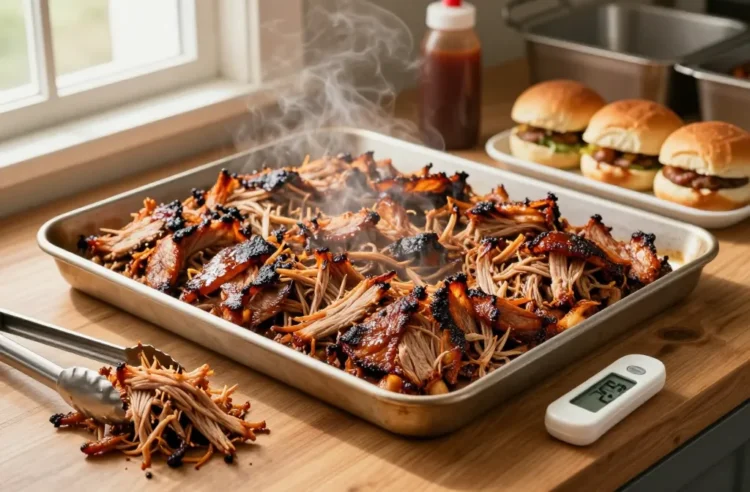
I’ve served pulled pork to big crowds more times than I can count, and I’ve also had a few pans turn out soft and pasty instead of juicy and shreddable. If you’re staring at a tray of mushy pork with guests arriving soon, I’ve been right where you are. The fixes below work with standard kitchen gear and a grocery run, and they’ll turn that soggy meat into something people actually want seconds of. You’ll learn how to firm texture, restore structure, and build back bite — fast and at scale.
1. Overcooking to 210°F+: Collagen Is Gone, Fibers Turn to Paste
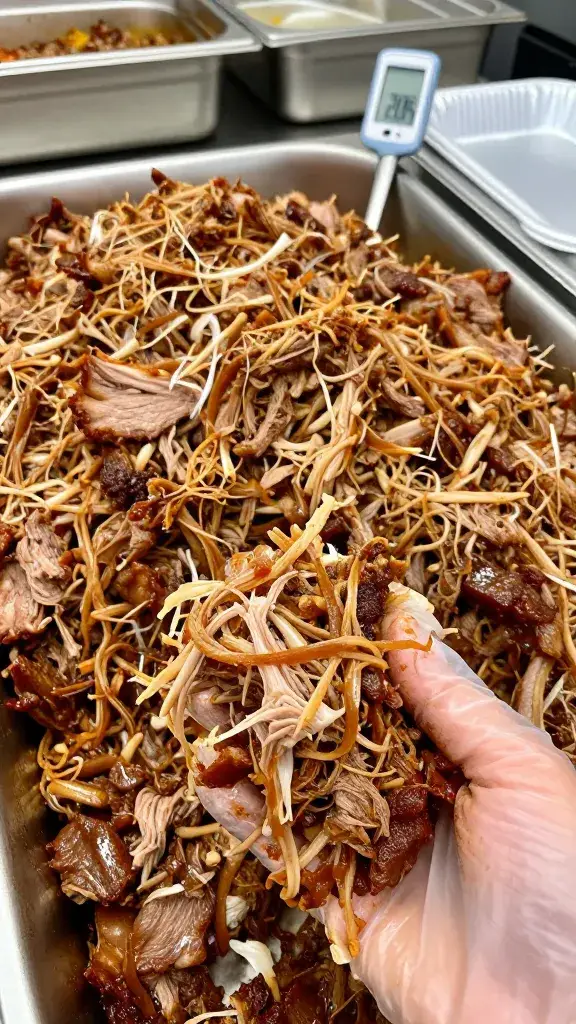
Mushy pulled pork often means the meat cruised past the sweet spot and sat too long at high temp. Once you blow past about 205°F internal and hold there, the collagen is gone and the muscle fibers break into a cottony mush. The result tastes fine but feels like baby food.
Signs to Watch For
- Shreds smear together instead of forming distinct strands
- Surface looks wet and greasy with no spring
- When squeezed in your palm, the meat compacts and doesn’t fluff back
How to Fix It
- Chill to reset structure: Spread pork in a thin layer on sheet pans and refrigerate 20–30 minutes. Cold firms fat and tightens texture so it shreds into strands, not paste.
- Reheat gently, uncovered: Return to a wide roasting pan in a 300°F oven, uncovered, 10–15 minutes to drive off excess surface moisture. Stir once midway.
- Add bite back with a crisp finish: Heat a large skillet or griddle on medium-high. Add a thin layer of pork and let it sit undisturbed 2–3 minutes until edges brown and crisp. Work in batches, then pan to a warmer.
What to Use Instead of Tech Tools
- Use your refrigerator as a “texture brake” — 20–30 minutes is enough
- A sheet pan and oven beat the microwave for even drying
- A nonstick skillet or cast-iron griddle adds crisp edges fast
Takeaway: Cool the pork briefly to firm it, then reheat uncovered and finish portions on a hot skillet to restore strands and crisp edges.
2. Drowning in Liquid: Braising Juices Turn Shreds Soggy
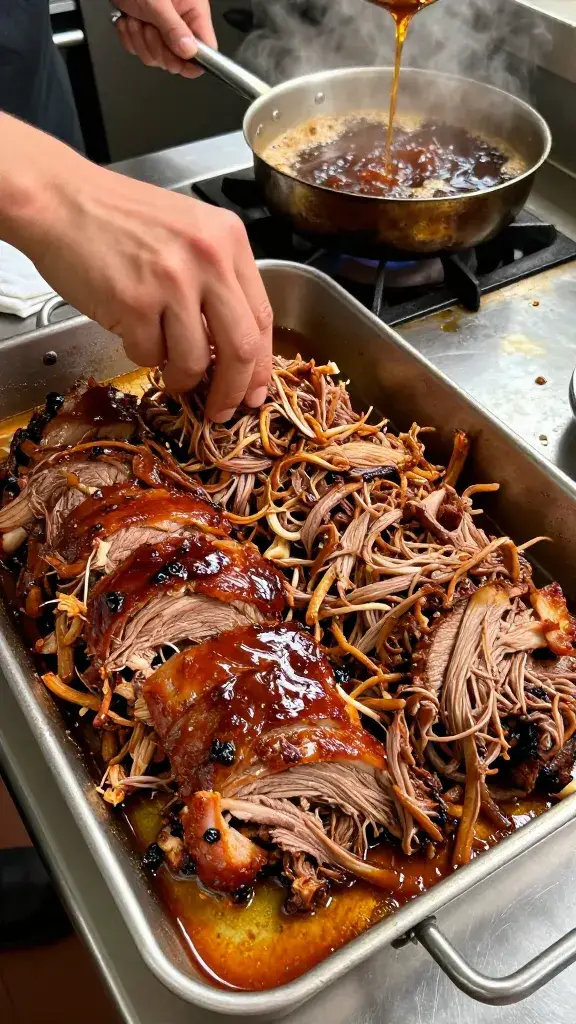
If your pork sat in its own juices, it keeps drinking and turns slushy. Liquid that was perfect for braising becomes the enemy once the meat is shredded. You end up with bloated fibers and a soupy pan.
Signs to Watch For
- Standing liquid at the bottom of the pan
- Shreds look saturated and heavy
- Flavor tastes diluted even though it’s salty enough
How to Fix It
- Drain and reduce: Pour off all pan juices into a saucepan. Boil hard on the stove 8–12 minutes until syrupy and glossy. You’re concentrating flavor without waterlogging the meat.
- Wring out excess moisture: Spread pork on a sheet pan. Use tongs to lift and shake — let excess liquid drip away. Pat lightly with paper towel if it’s swimming.
- Moisten with control: Toss the pork with reduced jus a little at a time — 1/4 cup per 2 pounds — just until juicy, not wet.
What to Use Instead
- Use a basic saucepan and your biggest burner to reduce fast
- If fat floats on the jus, chill it briefly to lift off the cap with a spoon
Action today: Strain, reduce, and re-add only enough concentrated jus to gloss the meat — stop the second you see shine without pooling.
3. Shredded Too Hot and Too Fine: You Lost All Texture
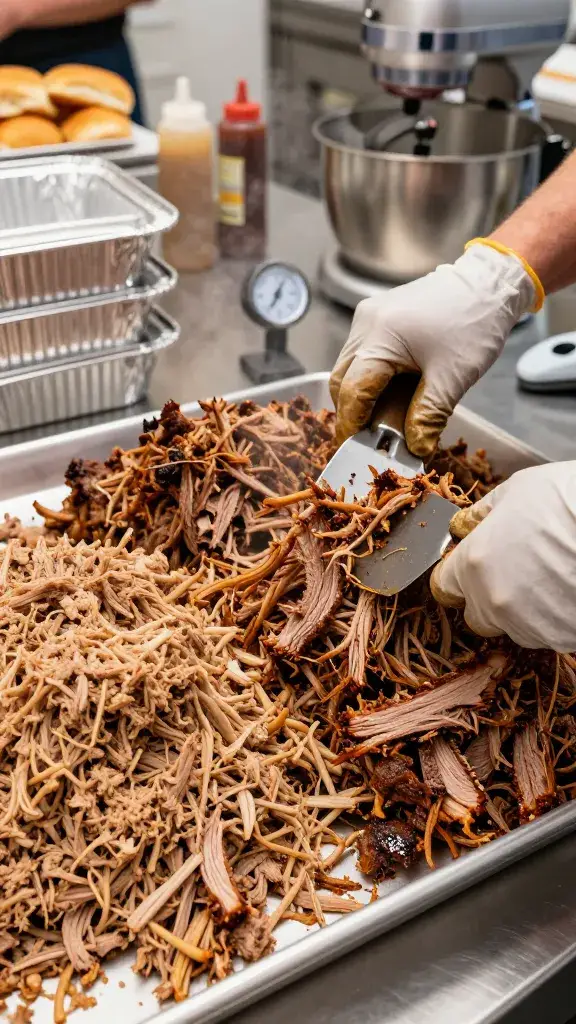
Attacking hot pork with forks or a mixer can pulverize fibers, especially right after cooking when tissues are fragile. Over-shredded meat traps liquid and collapses into mush. Texture comes from strands, not crumbs.
Signs to Watch For
- Short, fuzzy bits instead of long strands
- Clumps that compact like tuna salad
- Mixers or food processors were used at high speed
How to Fix It
- Re-chunk it: Gather over-shredded pork and press gently into loose 2–3 inch clumps. Don’t mash — just regroup so heat can crisp outer edges.
- High-heat retexturing: Spread in a single layer on a lightly oiled sheet pan. Roast at 425°F for 8–12 minutes, flipping once, until edges brown. The browning adds structure and bite.
- Fold in texture boosters: Mix in 15–20% by weight of chopped bark or crispy ends from the pan or a quick skillet batch for contrast.
What to Use Instead
- Two forks work, but use long strokes to pull strands 2–3 inches long
- A baking sheet and hot oven recreate bark without a smoker
Takeaway: Stop fine shredding — rebuild texture with a hot oven crisp and blend in crispy bits for chew.
4. Missing Bark and Salt: No Contrast Means Flat, Mushy Bites
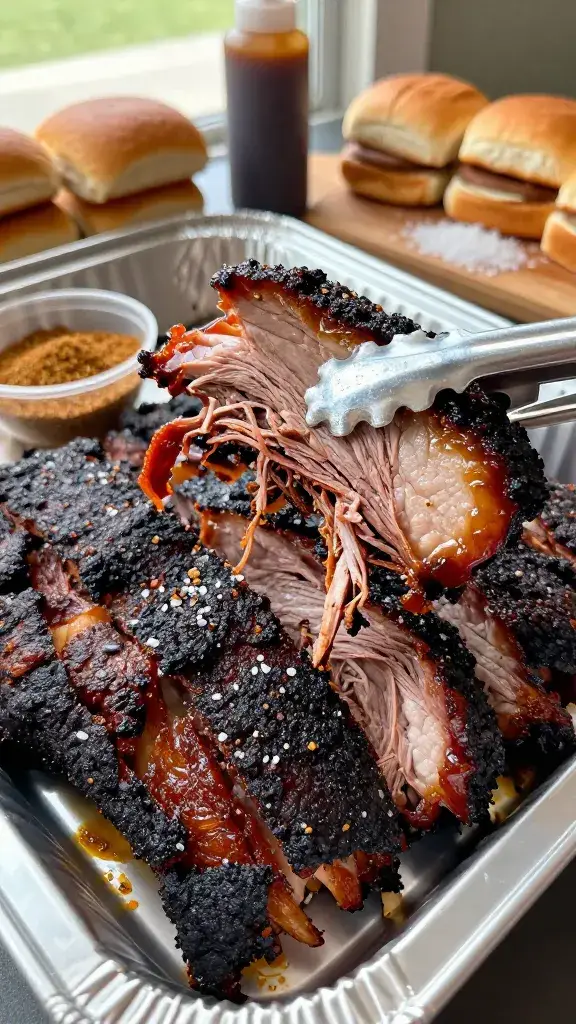
Even perfectly cooked pork tastes mushy if every bite is uniformly soft and undersalted. You need contrast — salty bark, caramelized edges, and a seasoning lift — to fight the soggy perception. Without it, your mouth reads “porridge.”
Signs to Watch For
- No dark bark or crust mixed through the shreds
- Needs more than one shake of salt at the table to wake up
- Sauce tastes good alone but the sandwich feels bland
How to Fix It
- Create instant bark: Toss 2 pounds of pork with 1 tablespoon brown sugar and 1 teaspoon paprika. Broil on the top rack 3–5 minutes, watching closely, to caramelize tips. Repeat in batches.
- Season in layers: For each 5 pounds pork, sprinkle 2 teaspoons kosher salt, 1 teaspoon black pepper, and 1 teaspoon cider vinegar. Toss, taste, and adjust by small pinches.
- Crisp-on-demand station: Keep a hot skillet at your serving area. Drop in portions to order for 1–2 minutes to refresh crust before plating.
What to Use Instead
- Broiler = bark maker. Keep a close eye to avoid scorching sugar.
- Use cider vinegar from your pantry for a bright pop without thinning texture.
Action today: Broil a batch to make quick bark, mix it through, and season with small, even pinches of salt, pepper, and a splash of cider vinegar.
5. Serving Setup Sabotage: Steaming Pans Turn Pork to Pulp
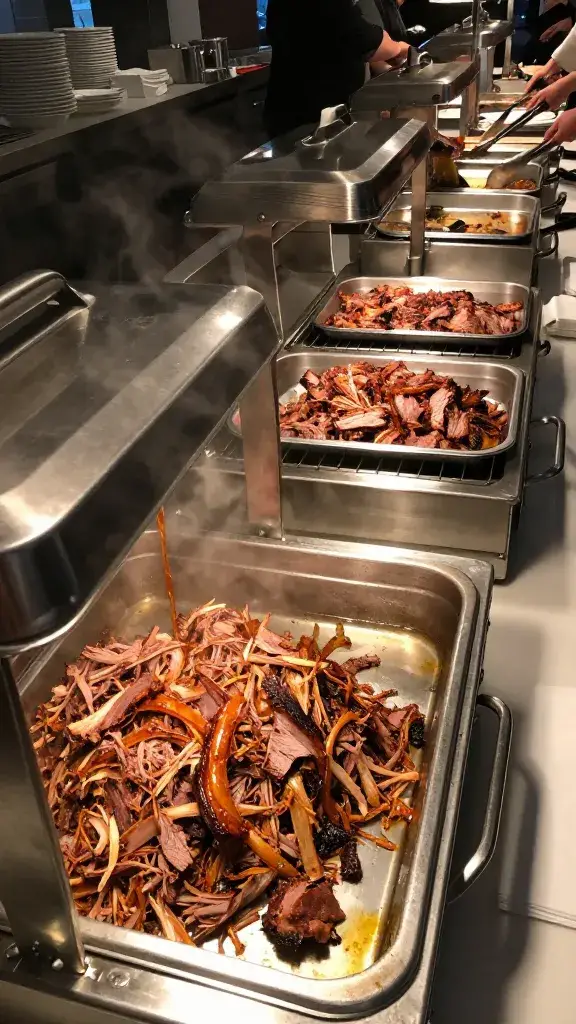
Even well-fixed pork goes mushy if you hold it wrong for a crowd. Covered pans, chafers with too much water, or tightly lidded slow cookers steam the meat and undo your crisping. The longer it sits hot and humid, the softer it gets.
Signs to Watch For
- Condensation on lids dripping back into the meat
- Pork that starts crisp and turns soggy within 20 minutes
- Bottom layer turning soupy while the top dries out
How to Fix It
- Hold “dry-warm” not “steam-hot”: Set oven to 170–180°F. Transfer pork to shallow pans in a 1–2 inch layer, uncovered or tented loosely with foil to let moisture escape.
- Add moisture control: Place a small ramekin of very hot water in the oven on a lower rack to prevent complete drying without steaming the meat itself.
- Batch and refresh: Only set out 15–20 minutes’ worth at a time. Keep the rest warm in the oven and rotate fresh, lightly crisped batches to service.
- Drain management: Place a cooling rack or a layer of crumpled foil under the meat in the pan so rendered fat drains away instead of soaking back in.
What to Use Instead
- Standard home oven or a turned-down toaster oven for small batches
- Foil “tents” rather than tight lids to reduce condensation
Takeaway: Hold pork warm in shallow, loosely covered pans and refresh small batches with a quick crisp to avoid steam-sog.
Frequently Asked Questions
How do I fix mushy pulled pork fast if guests arrive in 30 minutes?
Spread the pork on two sheet pans and refrigerate 15–20 minutes to firm it. While it chills, boil down the cooking juices until syrupy. Reheat the pork at 300°F, uncovered, for 10–12 minutes, then crisp a few skillet batches for edges. Toss with just enough reduced jus and a splash of cider vinegar to gloss, not soak.
My pork is bland and mushy — should I drown it in barbecue sauce?
No. Thick sauce hides problems but makes texture wetter. First reduce the pan juices, salt in small pinches, add black pepper, and brighten with 1–2 teaspoons cider vinegar per pound. Then offer sauce on the side and lightly brush only the top of each serving or bun for control.
Can I rescue pork that was shredded in a stand mixer and turned to fluff?
Yes. Pack the fluff loosely into clumps and spread on a lightly oiled sheet pan. Roast at 425°F for 8–12 minutes, flipping once to build browned edges. Fold in 15–20% crispy bits and adjust seasoning with salt and a touch of vinegar to bring back definition.
What’s the best way to hold pulled pork for 50 without it getting soggy?
Use shallow pans in a 170–180°F oven, uncovered or loosely tented. Put only 1–2 inches of meat in each pan and rotate batches to service every 20–30 minutes. Keep reduced jus hot in a small saucepan and add by the spoonful as you refresh, not as a bath.
How much reduced jus should I add back so it’s juicy but not mushy?
Start with 1/4 cup per 2 pounds of meat, toss, and assess shine. Add by tablespoons until the strands look glossy and feel slick but don’t leave a puddle in the pan. It’s easier to add more than to fix a soaked tray.
What if I have no time to crisp — can buns or toppings help texture?
Yes, you can build contrast on the plate. Lightly toast buns until edges brown, and add a crunchy slaw with a tangy dressing to cut richness. Keep sauce thin and tangy, and don’t soak the meat — drizzle the bun instead.
Conclusion
You don’t need a smoker or specialty gear to rescue mushy pulled pork — you need control: drain, reduce, crisp, and hold it right. Start with a quick chill, concentrate your juices, and serve in small, refreshed batches. Next time, plan for contrast from the beginning with firm shredding, restrained liquid, and a holding setup that preserves bark and bite.