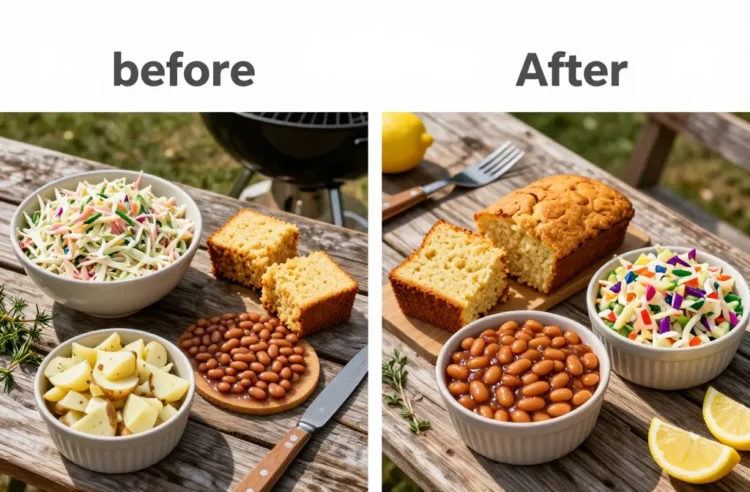
I’ve hosted more backyard cookouts than I can count, and I’ve rescued every side dish disaster at least once. If your slaw is watery, your beans taste flat, or your cornbread crumbles like sand, I’ve been there with a patio full of hungry guests watching. In this guide you’ll learn exactly how to fix the eight most common BBQ side failures with pantry staples and standard cookware. You’ll also see what to do next time so these dishes hold up outdoors, travel well, and earn seconds.
1. Watery Coleslaw Diluting the Whole Plate
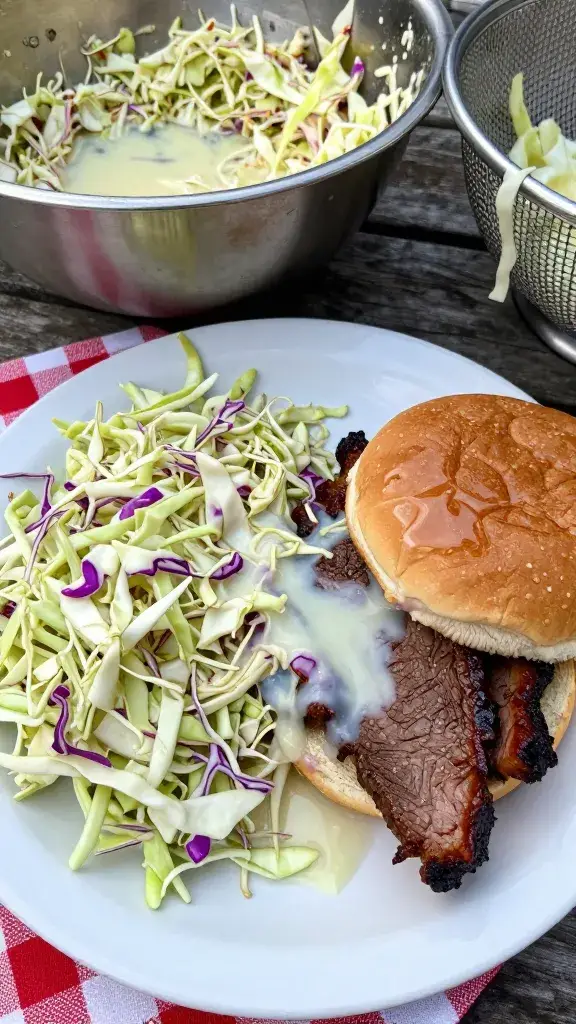
A watery slaw bleeds into buns and brisket, washing out flavor and turning everything soggy. The problem isn’t the dressing — it’s the cabbage leaking water because it wasn’t salted and drained.
Signs to Watch For
- Pooling liquid at the bottom of the bowl within 15–30 minutes
- Watery, bland dressing even after you added extra seasoning
- Cabbage strands that feel limp instead of crisp
How to Fix It Now
- Strain: Tip the slaw into a colander set over a bowl. Press gently with the palm of your hand for 30 seconds to release excess liquid.
- Thicken the dressing: Whisk 1 tablespoon mayonnaise and 1 teaspoon Dijon or whole-grain mustard with a pinch of sugar and 1–2 teaspoons apple cider vinegar. Toss just enough to recoat.
- Re-crisp: If it’s still limp, mix in a handful of dry shredded cabbage or bagged slaw mix straight from the bag to soak up moisture.
What to Do Next Time
- Salt and drain: Toss shredded cabbage with 1 teaspoon kosher salt per pound. Let sit in a colander 15 minutes, then squeeze dry in a clean kitchen towel.
- Dress late: Add dressing 10–15 minutes before serving, not hours ahead.
Takeaway: Strain first, then re-dress lightly — and salt-shred cabbage in advance next time to keep it crunchy and clean-tasting.
2. Gritty, Greasy Potato Salad That Separates
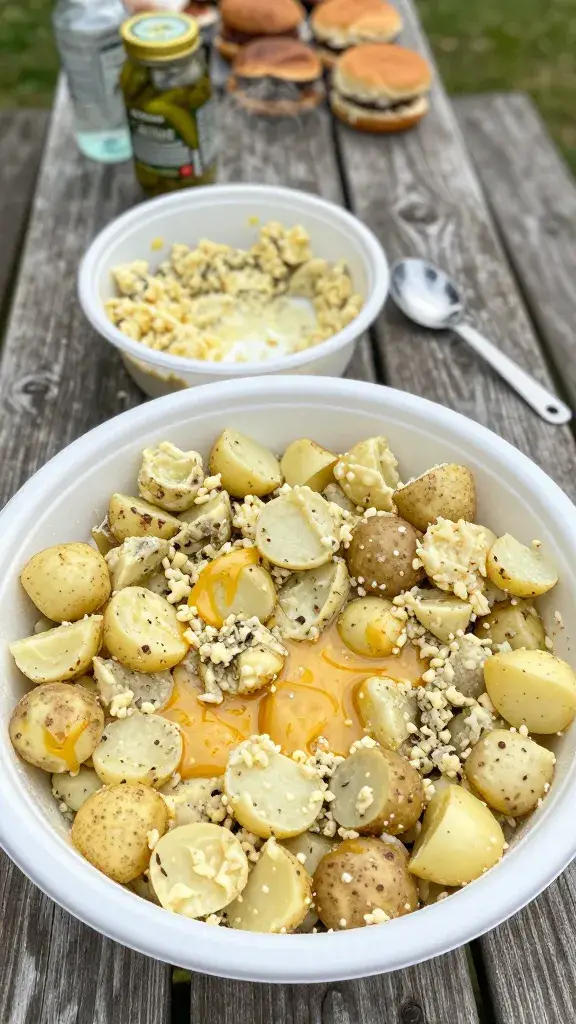
Oily slicks and mealy potatoes make guests skip the bowl. This happens when potatoes are overcooked on the outside, undercooked inside, or shocked cold before absorbing seasoning.
Signs to Watch For
- Oily puddles around the edges of the salad
- Potatoes that taste bland in the center
- Chalky texture that crumbles instead of yielding
How to Fix It Now
- Re-season warm: Microwave 1 cup of the salad for 30–45 seconds until just warm. Fold it back into the bowl with 1 tablespoon pickle brine or apple cider vinegar and a pinch of salt and pepper.
- Bind: Whisk 2 tablespoons mayonnaise with 1 teaspoon yellow mustard and 1 teaspoon sour cream or plain yogurt. Fold in gently until the salad looks glossy, not greasy.
- Freshen: Add chopped dill pickles or celery for snap; they distract from texture issues and add moisture without oil.
What to Do Next Time
- Start in cold, salted water: Cover potatoes by 1 inch, salt like pasta water, and simmer gently until a knife slides through (10–15 minutes for 1-inch chunks).
- Season warm: Drain, then splash with 1–2 tablespoons vinegar while hot. Cool 10 minutes before adding mayo.
Action today: Warm a small portion, fold in brine and a fresh binding sauce, and re-combine — it pulls the whole bowl back together.
3. Baked Beans That Taste Flat or Too Sweet
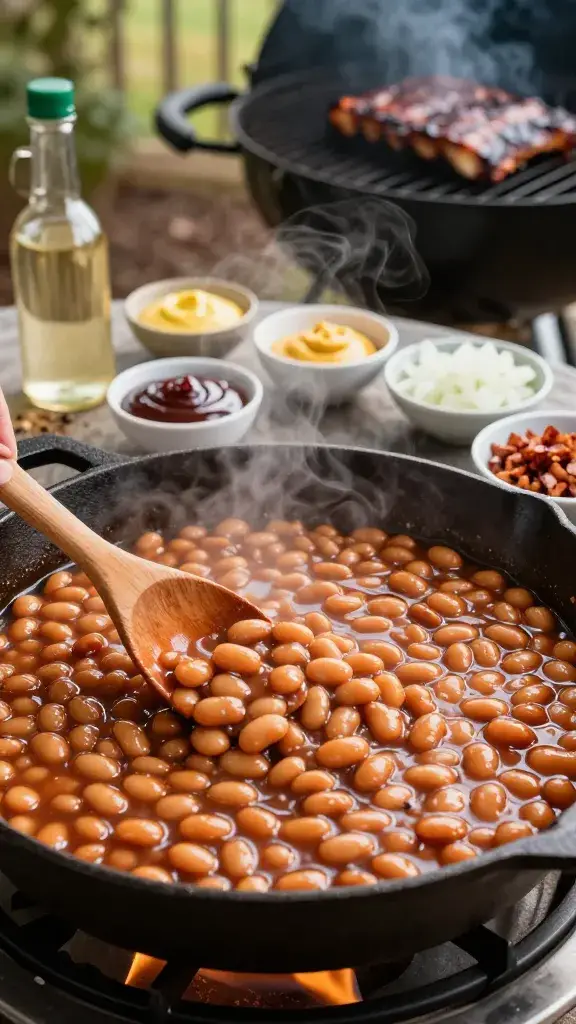
Flat beans vanish on a plate of smoky meat, while syrupy beans turn cloying fast. The issue is unbalanced sweet-salty-acid-smoke — and often a sauce that never reduced enough.
Signs to Watch For
- Sauce sits thin at the bottom instead of clinging
- Overwhelming brown sugar or molasses flavor
- No savory depth; tastes like plain canned beans with ketchup
How to Fix It Now
- Reduce: Pour beans into a wide skillet. Simmer 8–10 minutes, stirring, until the spoon leaves a trail that slowly fills.
- Balance: For every 3 cups beans, add 1 teaspoon yellow mustard, 1 teaspoon apple cider vinegar, and 1 teaspoon soy sauce or Worcestershire. Taste; add a small pinch of salt if needed.
- Smoky depth: Stir in 1–2 strips of crisp chopped bacon or 1/4 teaspoon smoked paprika.
What to Use Instead
- Use tomato paste, not ketchup alone, for body
- Swap some brown sugar for maple syrup to avoid harsh sweetness
Takeaway: Thicken in a skillet and re-season with acid plus umami (soy/Worcestershire) to cut sweetness and make the sauce cling.
4. Macaroni Salad That Turns Gluey or Dry
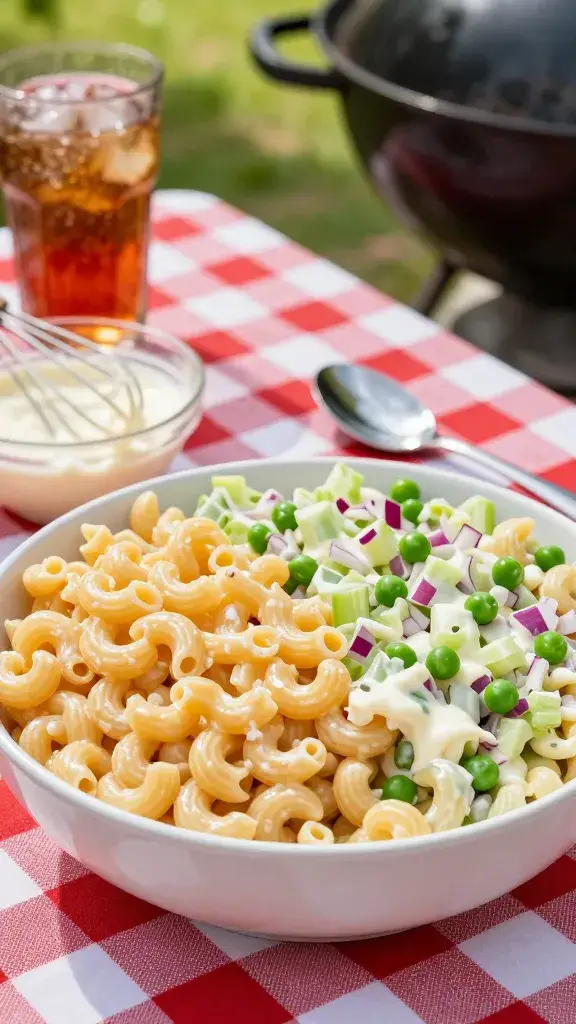
Outdoor heat accelerates starch release and mayo breakdown, giving you gummy noodles or dry clumps. The culprit is overcooked pasta and dressing absorbed too early.
Signs to Watch For
- Noodles sticking in a single mass
- Dressing disappearing after an hour
- Rubbery or mushy texture
How to Fix It Now
- Loosen: Whisk 2 tablespoons mayo with 1 tablespoon milk or water and 1 teaspoon vinegar. Toss just enough to separate noodles.
- Refresh: Add diced celery, red onion, and a handful of frozen peas rinsed under warm water. They add moisture and color.
- Chill briefly: 10 minutes in the fridge resets the texture without stiffening.
What to Do Next Time
- Cook to firm-tender: 1 minute less than package directions. Rinse quickly in cool water to stop cooking, then drain well.
- Double-dress: Toss warm pasta with half the dressing; add the rest right before serving.
Action today: Make a quick thin dressing to gently separate and recoat the pasta, then chill 10 minutes before serving.
5. Cornbread That Crumbles Like Sawdust
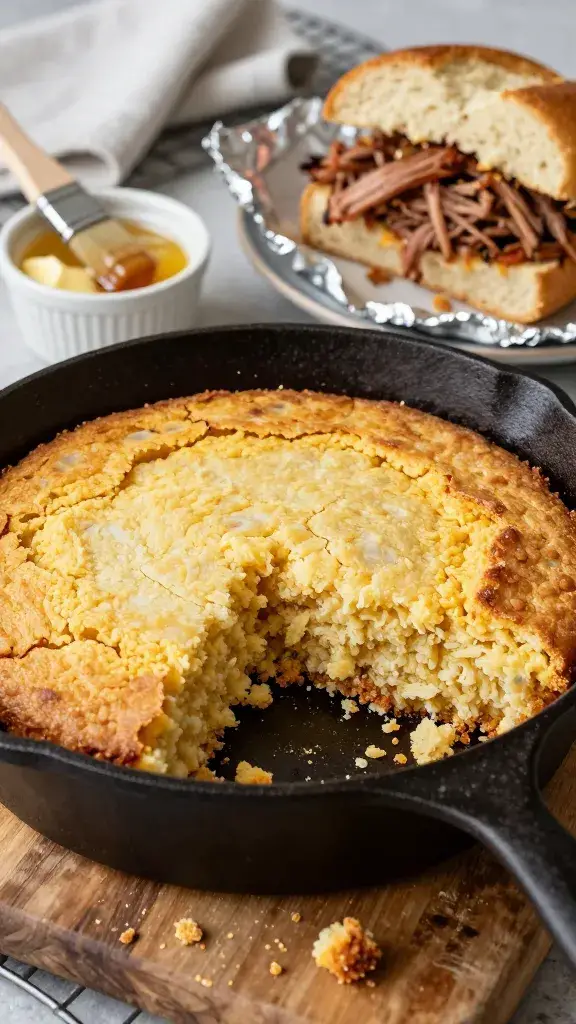
Dry, sandy cornbread ruins pulled pork sandwiches and leaves a chalky aftertaste. This happens when there’s not enough fat, it’s overbaked, or it cooled uncovered in a dry breeze.
Signs to Watch For
- Cracks across the top and dusty crumbs on slicing
- Edges hard, center pale and dry
- Flavor tastes flat even with butter
How to Fix It Now
- Moisture rescue: Brush the top with 2–3 tablespoons melted butter mixed with 1 tablespoon honey. Cover with foil 10 minutes to steam.
- Slice-and-warm: Reheat slices wrapped in foil at 300°F for 8–10 minutes to soften the crumb.
- Serve smart: Pair with a small dish of honey butter or a quick jalapeño-lime butter to mask dryness.
What to Do Next Time
- Add fat: Stir 2 tablespoons sour cream or plain yogurt into the batter.
- Don’t overbake: Pull when a toothpick has a few moist crumbs, 18–22 minutes for an 8-inch pan at 400°F.
- Cool covered: Tent with foil for 10 minutes.
Takeaway: Brush with honey-butter and steam under foil to restore moisture fast; next time, add a spoon of sour cream and pull earlier.
6. Pasta Salad or Grain Salad That Turns Bland Outdoors
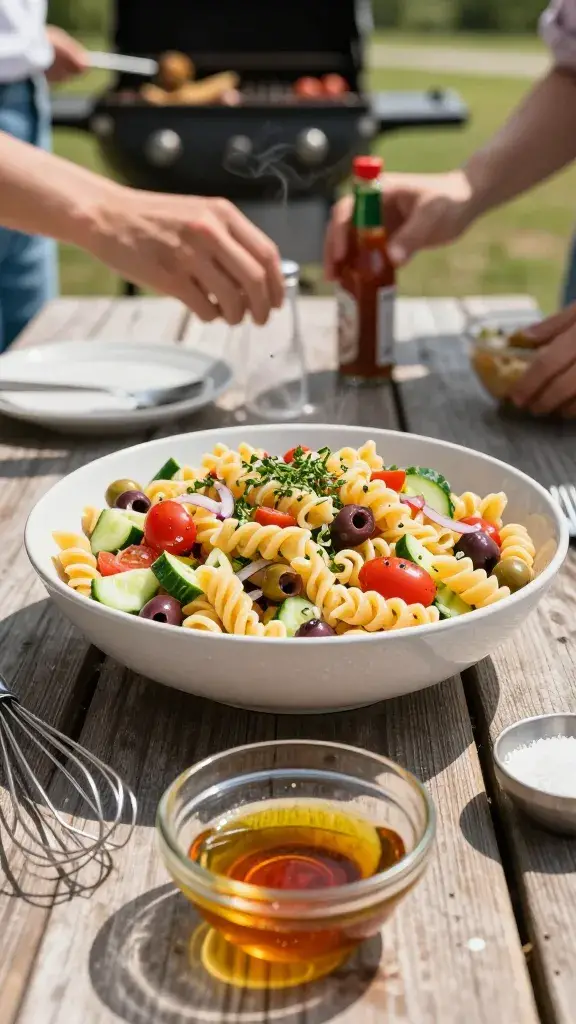
Chilled salads lose punch in the sun. Cold temperatures mute salt and acid, so what tasted bright in the kitchen tastes dull at the table.
Signs to Watch For
- Bright aroma but flat flavor when served cold
- Guests reaching for extra salt or hot sauce
- Olive oil seizing and dulling herbs
How to Fix It Now
- Acid lift: Whisk 1 tablespoon lemon juice or red wine vinegar with 2 tablespoons olive oil and a pinch of salt. Toss just before serving.
- Salt properly: Sprinkle a small, even pinch of kosher salt over the top and toss — don’t dump in one spot.
- Fresh herbs last: Fold in chopped parsley, basil, or dill at the end so they pop.
What to Do Next Time
- Season 10% heavier than “perfect” at room temp when serving cold.
- Pack extra dressing to add onsite — about 2 tablespoons per quart of salad.
Action today: Add a quick lemon-vinegar splash and fresh herbs right before plating to wake up chilled flavors.
7. Grilled Veggie Platters Turning Soggy and Gray
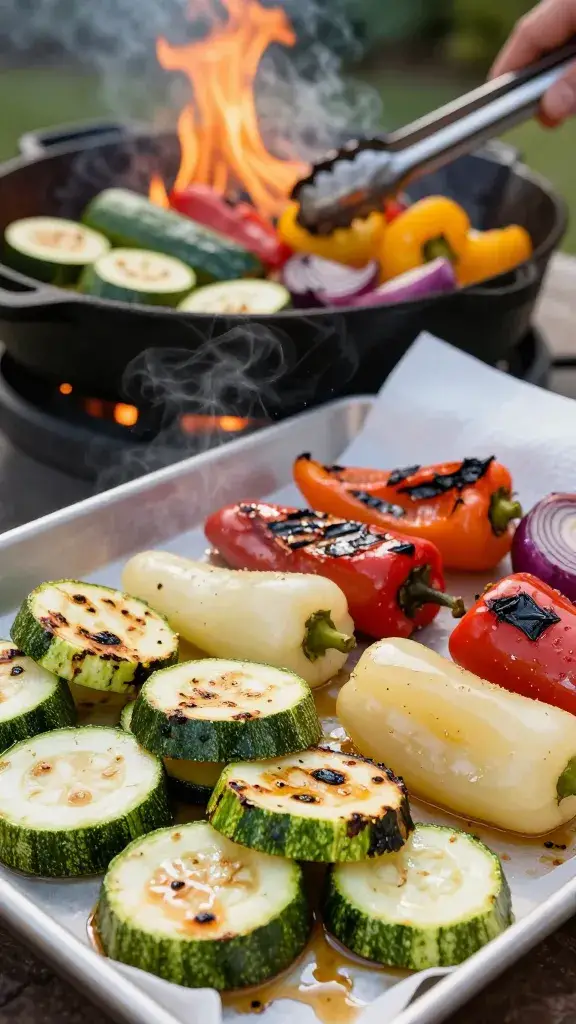
Mushy zucchini and pallid peppers make the platter a sad afterthought. The problem is overcrowded pans, low heat, and no post-grill seasoning.
Signs to Watch For
- Vegetables steaming instead of charring
- Lots of liquid on the tray within minutes
- Color fading from bright to dull gray-green
How to Fix It Now
- High-heat finish: Toss veggies in a hot skillet or on a ripping-hot grill for 2–3 minutes to get real color.
- Drain and dress: Move to a platter lined with paper towels for 1 minute, then toss with 1 tablespoon olive oil, 1 teaspoon red wine vinegar, and a pinch of salt and pepper.
- Texture contrast: Add toasted nuts (almonds, pine nuts) or crumbled feta to shift focus from softness.
What to Do Next Time
- Pat dry and oil lightly: 1 tablespoon oil per pound of veg is enough.
- Work in batches: Single layer only; flip once for defined grill marks.
Takeaway: Re-fire for color, drain briefly, then re-dress with oil and vinegar to restore snap and shine.
8. Fruit Salad Leaking Syrup and Turning Mushy
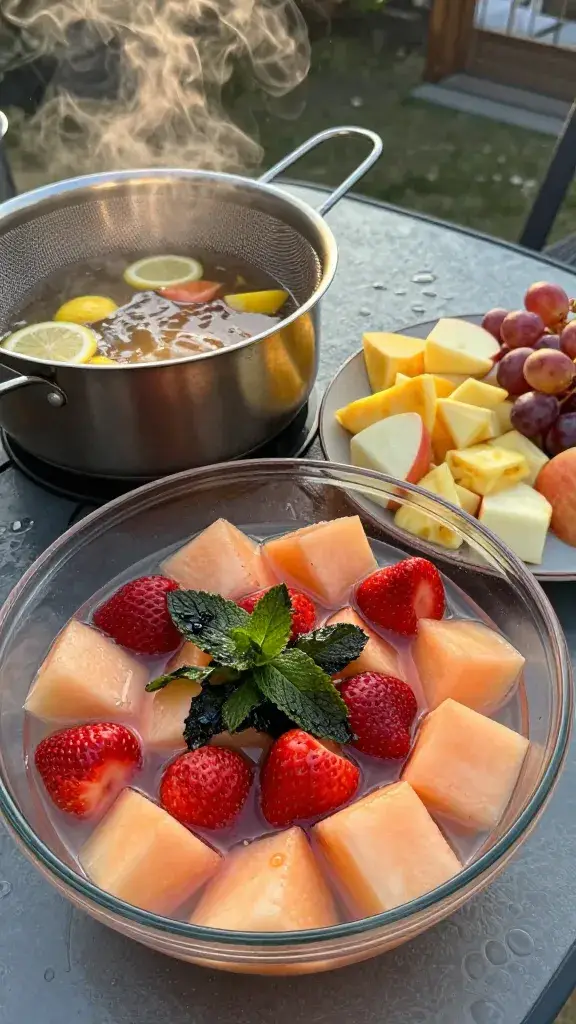
Warm patios turn fruit into a slushy pool that drowns everything else. The issue is juicy fruit cut too small, mixed too early, and acid-sugar balance off.
Signs to Watch For
- Liquid collecting fast at the bottom of the bowl
- Strawberries and melons going pale and soft
- Mint turning black and slimy
How to Fix It Now
- Strain and concentrate: Pour off the juices into a small saucepan. Simmer 5–7 minutes with a squeeze of lemon until syrupy; cool 2 minutes and drizzle back over.
- Firm it up: Fold in larger chunks of firm fruit (apple, just-ripe pineapple, grapes) to rebalance texture.
- Fresh finish: Add new mint or basil at the end; toss gently to avoid bruising.
What to Do Next Time
- Cut larger, especially for melon and berries.
- Dress with citrus and a pinch of salt to sharpen flavor without dumping sugar.
- Keep watermelon separate and add at the table.
Action today: Reduce the collected juices to a light syrup and fold in fresh, firmer fruit so the salad tastes bright, not watery.
Frequently Asked Questions
How can I keep mayo-based sides safe at a hot BBQ?
Keep salads in the shade and set the bowl over a larger bowl filled with ice. Bring them out right before serving, then return to the cooler after 60–90 minutes. Use clean serving spoons and smaller refillable bowls so the whole batch doesn’t sit out at once.
What’s the best way to transport sides without them getting soggy?
Pack dressings and crunchy add-ins separately. For slaw and pasta salads, reserve 25% of the dressing to add on arrival. Line containers with paper towels for grilled veg or greens; remove them before serving to leave excess moisture behind.
How do I fix over-salted sides quickly?
For salads, add bulk that isn’t salty: cooked unsalted pasta, more cabbage, or diced cucumber. For beans or sauces, stir in a spoon of tomato paste or a splash of creaminess (sour cream, yogurt) to diffuse salt. A squeeze of lemon or vinegar helps rebalance perception without diluting texture.
What if my side tastes bland but I’m out of special ingredients?
Use pantry acids and umami: a splash of vinegar or lemon juice, a dab of mustard, a few dashes of soy sauce or Worcestershire. Salt in small pinches and taste after 30 seconds. Freshly cracked black pepper and chopped fresh herbs or scallions add lift with basic groceries.
How far in advance can I make BBQ sides?
Make components up to two days ahead: cook beans and sauces, chop sturdy veg, and cook grains. Assemble mayo-based salads the morning of, then refresh with a bit of reserved dressing before serving. Dress slaws and green salads 10–30 minutes before they hit the table.
Why do cold dishes taste less seasoned at the table?
Cold temperatures mute salt, acid, and aroma. Season about 10% more assertively when serving chilled, and add a fresh squeeze of lemon or vinegar at the last minute. Let chilled dishes sit at room temperature for 10–15 minutes before serving when possible.
Conclusion
You don’t need fancy gear to rescue BBQ sides — just a few smart adjustments and the confidence to re-season and re-texture on the fly. Start with one fix today, like straining and re-dressing your slaw or reducing bean sauce in a skillet, and you’ll feel that click when the flavors snap into place.