
I’ve hosted enough backyard cookouts to know the sinking feeling when a “perfect” dry rub tastes flat, too salty, or burns on the grill—especially when twenty guests are due in an hour. I’ve rescued racks of ribs, trays of chicken thighs, and even a brisket that went sideways after a rushed seasoning. Here’s exactly how I fix a failed dry rub at scale using only what you’ll find in a regular kitchen or supermarket, so your spread still tastes planned—not patched.
You’ll learn fast, practical corrections for common rub failures and how to scale them for big batches without special tools. These steps protect tenderness, balance flavor, and keep you on schedule.
1. Over-Salted Rub: The Party-Wrecker You Taste Before Anything Else
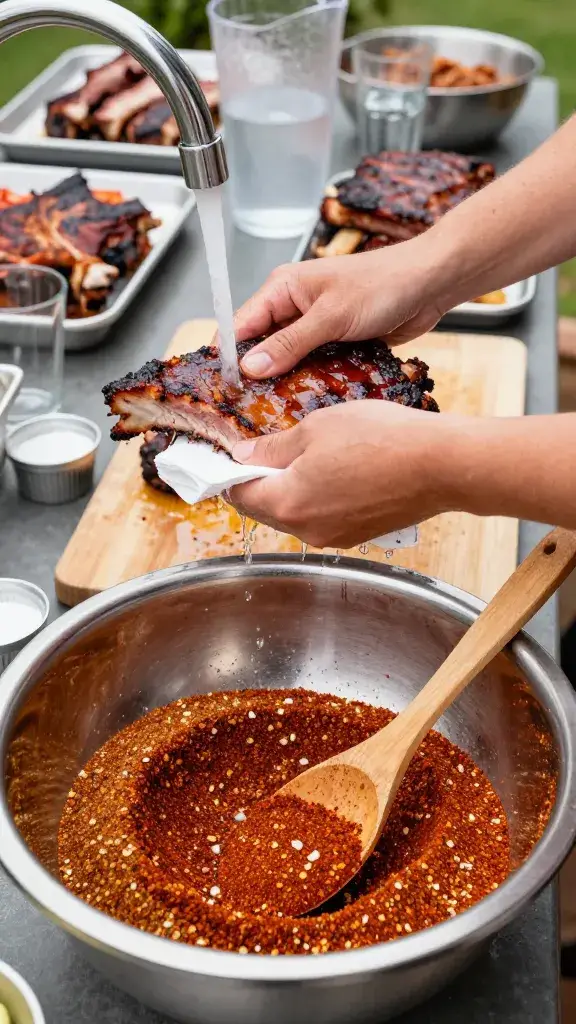
Too much salt hijacks flavors and dries the bite. On a platter, guests eat less, sip more water, and everything else you cooked suddenly tastes bland by comparison.
How to Fix It
- Rinse and pat: For raw meat, hold pieces under cool running water for 10–15 seconds per side, then pat dry thoroughly with paper towels. This removes surface salt without soaking the meat.
- Balance with no-salt bulk: Mix a second rub that’s salt-free: equal parts brown sugar and paprika, with garlic powder, onion powder, black pepper, and a pinch of chili powder. Apply lightly to rebuild flavor.
- Use a glaze: Near the end of cooking, brush with a low-sodium glaze—2 parts honey or maple syrup to 1 part apple cider vinegar. Sweet-acid balance smooths salinity on the surface.
- Serve with starch: Put out plain rolls, baked potatoes, or white rice. Starches blunt salt on the plate.
What to Use Instead Next Time
- Keep salt separate: Season meat with measured kosher salt first (about 1/2 teaspoon per pound), then apply a no-salt rub so you control salt independently.
- Use kosher salt, not table salt: It measures larger and is easier to control by hand.
Action today: If your rub is too salty and the meat is still raw, give it a fast rinse, pat dry, then recoat with a salt-free rub and plan a light honey–vinegar glaze to finish.
2. Burned Spices: Bitter Crust That Ruins Great Meat
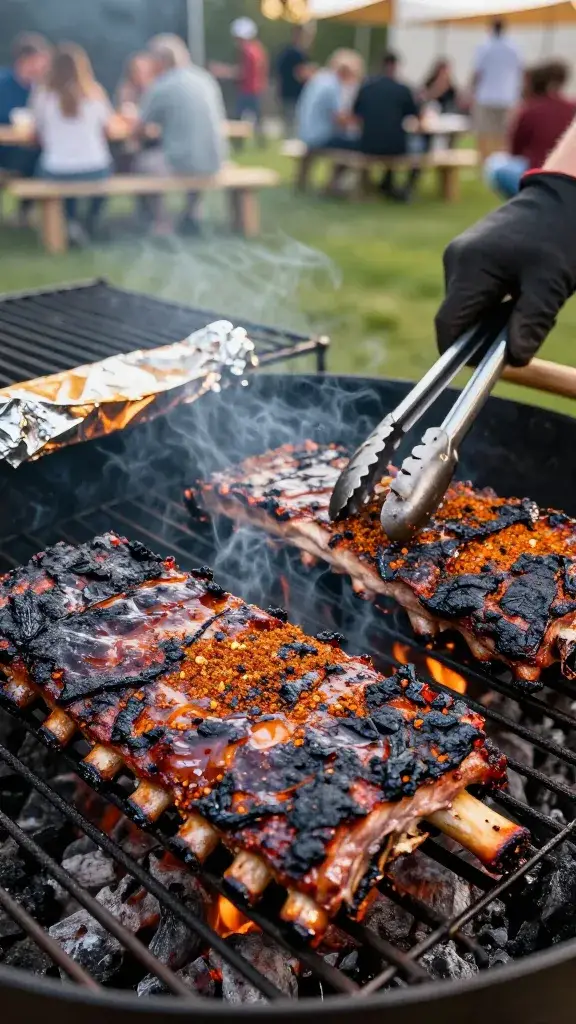
When sugar-heavy or fine-ground spices scorch, the bark turns bitter and black long before the inside finishes. On chicken or ribs, guests end up scraping off the exterior.
Signs to Watch For
- Rub darkening to black within 10–15 minutes
- Harsh, acrid smoke and a sharp nose-sting
- Sticky sugar crust that tastes burnt, not caramelized
How to Fix It Mid-Cook
- Drop surface heat: Move meat to a cooler zone or raise the rack. Aim for gentle sizzle, not aggressive sear.
- Foil shield: Tent loosely with foil shiny-side out for 20–30 minutes to halt scorching while the interior catches up.
- Vinegar mop: Mix 1 cup apple cider vinegar with 1 cup water. Lightly mop every 10–15 minutes to cool the surface and tame bitterness.
- Thin sauce rescue: In the last 10 minutes, brush a thin, low-sugar sauce to mask light bitterness. Avoid thick sweet sauces—they burn again.
What to Use Instead Next Time
- Apply sugar later: Start with a low- or no-sugar rub. Add a sweet glaze in the final 10–15 minutes.
- Grind coarser: Use coarser black pepper and chili flakes; they resist scorching better than powders.
Takeaway: If the crust is turning bitter, cool the surface fast with a foil tent and a light vinegar mop, then finish with a thin sauce to restore balance.
3. Flat, Muddy Flavor: Everything Tastes Brown and Tired
A rub that’s all sweet and savory without brightness tastes dull, especially across a big tray. Guests eat a couple bites and move on, leaving full platters behind.
How to Fix It
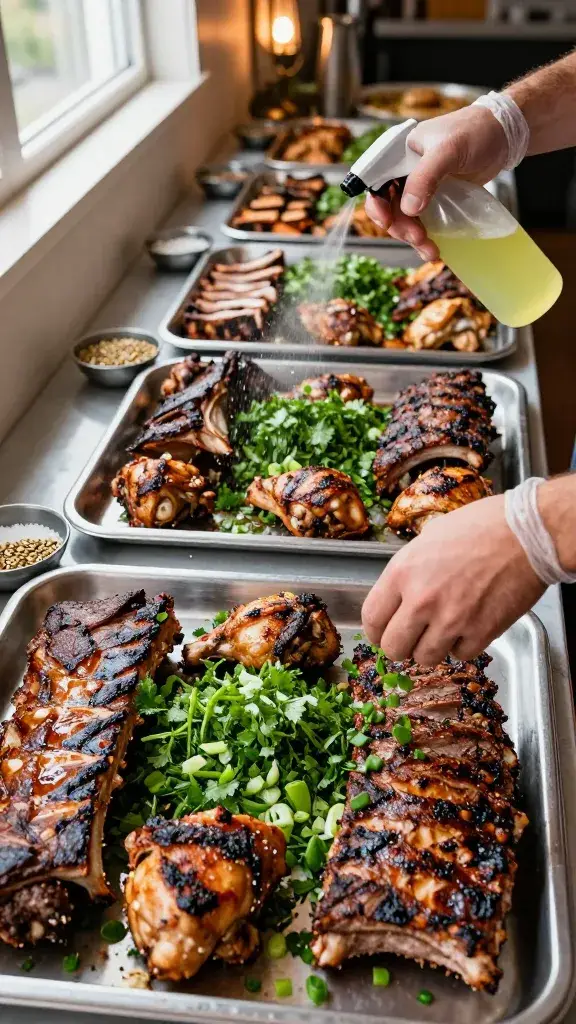
- Acid pop: Spritz cooked meat lightly with lemon juice, lime juice, or apple cider vinegar right before serving. One light pass per tray, not a drizzle.
- Fresh finishers: Scatter chopped fresh herbs—parsley, cilantro, or thinly sliced green onions—over the platter. Fresh aromatics lift tired flavors.
- Crunch and salt at the table: Add a small pinch of flaky salt on carved meats just before serving. Textural contrast makes flavors feel brighter without over-salting.
- Serve with bright sides: A simple cabbage slaw dressed with vinegar (not mayo) or quick-pickled red onions gives every plate a lift.
What to Use Instead Next Time
- Include a citrus element in your plan: Keep lemon wedges or a small spray bottle with half vinegar, half water on hand for service.
- Toast spices: Briefly toast cumin, coriander, and peppercorns in a dry pan until fragrant, then grind. Toasting wakes up flavor.
Action today: If your rub tastes flat at slicing, spritz the tray with diluted apple cider vinegar and finish with chopped parsley for immediate brightness.
4. Too Spicy: Heat Overwhelms, Guests Stop Eating
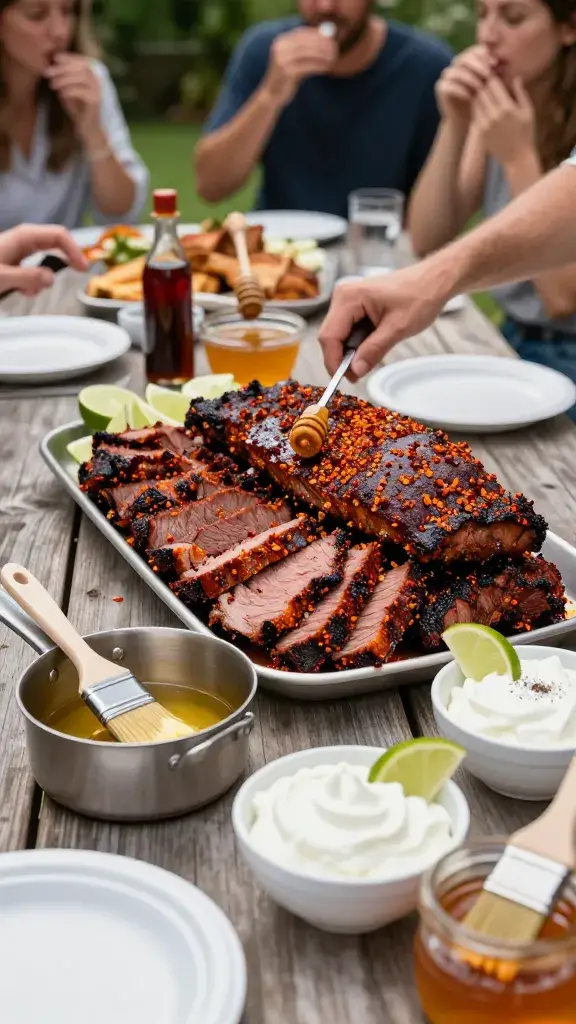
Overdoing cayenne or chipotle turns a party into a water line. People tap out early and avoid coming back for seconds.
How to Fix It
- Butter or oil buffer: Brush warm melted unsalted butter or neutral oil lightly over sliced meat. Fat coats the tongue and softens heat.
- Dairy on the side: Serve bowls of plain yogurt or sour cream with a squeeze of lime and pinch of salt. Guests self-moderate heat.
- Sweet-acid glaze: Warm 1/2 cup honey with 1/4 cup apple cider vinegar and a splash of water. Brush thinly in the last minutes of cooking or right before serving.
- Mix-and-match platters: Combine spicy pieces with unseasoned or lightly seasoned slices on the same tray to dilute overall heat per serving.
What to Use Instead Next Time
- Build heat late: Keep cayenne separate and dust lightly at the end. You’ll see color changes and can stop before it’s too much.
- Choose friendlier chilies: Use mild chili powder, smoked paprika, or ancho for depth without punishing heat.
Takeaway: Brush with a thin honey–vinegar glaze and put out a simple lime yogurt sauce so guests can dial heat down fast.
5. Uneven Seasoning: Some Pieces Sing, Others Taste Naked
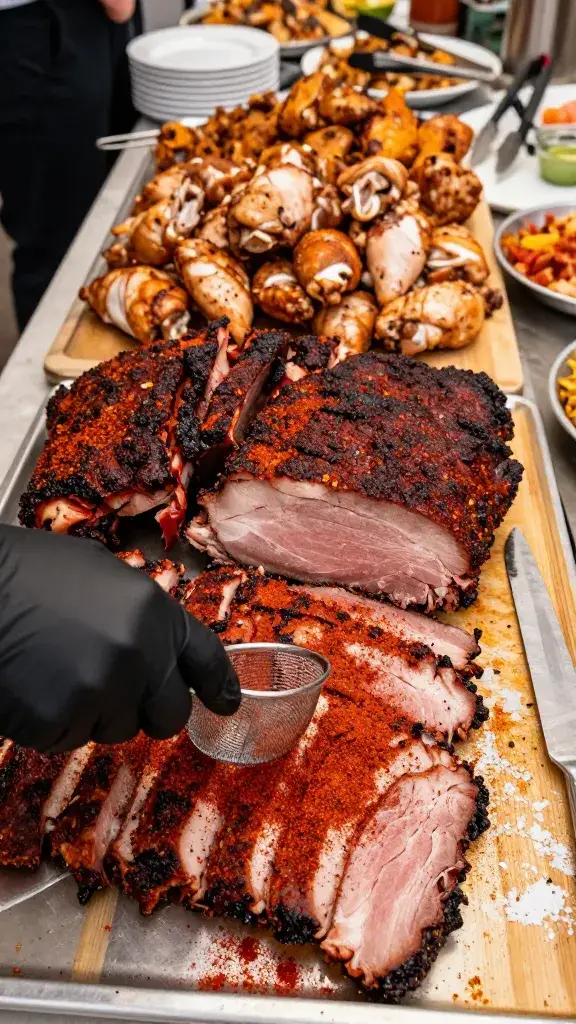
On a big spread, patchy coverage means inconsistent bites and wasted effort. Guests judge the whole tray by the least-seasoned piece.
Signs to Watch For
- Visible bare patches on the meat surface
- Flavor drops off in the middle bites
- Pooling spice clumps in the pan or cutting board grooves
How to Fix It
- Make a finishing dust: Mix 2 parts paprika, 1 part brown sugar, 1 part garlic powder, 1 part onion powder, 1 part black pepper, and only a small pinch of salt. Dust lightly over sliced meat on the platter.
- Use a shaker: Transfer the finishing dust to a clean spice shaker or a fine-mesh strainer for even coverage.
- Toss, don’t smear: For wings or boneless pieces, place slices in a large bowl, add 1–2 teaspoons neutral oil, sprinkle finishing dust, and toss to coat.
What to Use Instead Next Time
- Binder first: Lightly coat raw meat with a thin film of yellow mustard or oil before applying rub. It helps spices stick evenly.
- Season on a rack over a sheet pan so excess falls away and doesn’t clump underneath.
Action today: Whisk a low-salt finishing dust and apply with a shaker over the sliced platter for instant, even flavor.
6. Rub Clumped and Pasty: Slurry That Blocks Browning
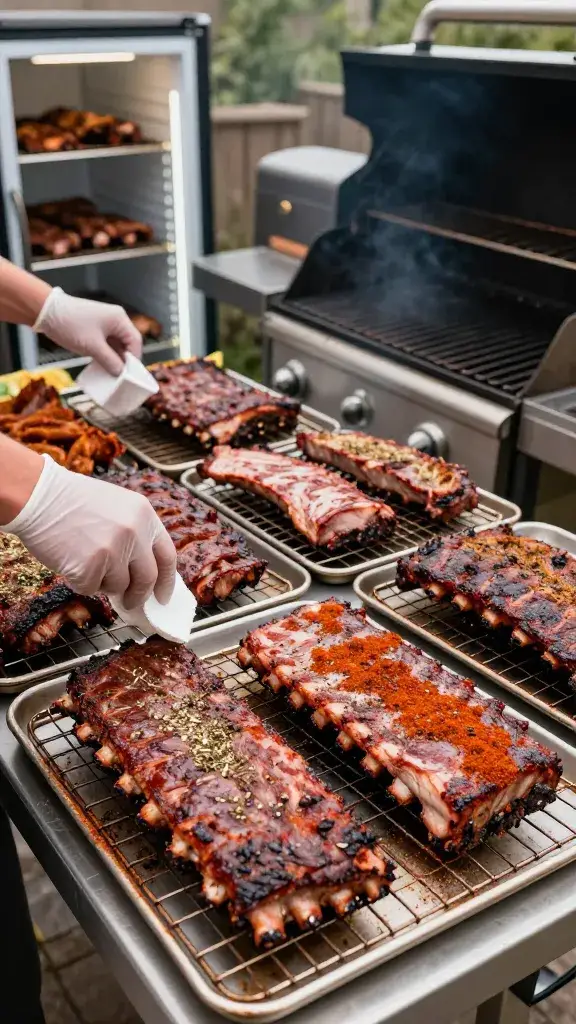
Too much moisture on the surface turns a rub into paste. The meat steams, never browns properly, and you lose that crisp, flavorful bark.
How to Fix It
- Air-dry quickly: Place meat uncovered on wire racks over sheet pans. Refrigerate 30–60 minutes to dry the surface before cooking.
- Blot and re-dust: Pat with paper towels to remove paste, then apply a lighter, drier rub layer focusing on paprika, pepper, and dried herbs.
- Increase airflow and reduce crowding: On the grill or in the oven, leave at least a finger’s width between pieces. Close spacing traps steam.
What to Use Instead Next Time
- Dry the meat first: Pat dry thoroughly before any binder or rub.
- Use minimal binder: A teaspoon of oil or mustard per pound is enough. If it looks glossy, it’s too much.
Takeaway: Get the surface dry on racks for 30 minutes, then reapply a light rub so browning can happen fast.
7. Wrong Profile for the Crowd: Great Meat, Mismatched Expectations

Sometimes the rub isn’t “bad”—it just clashes with the menu or guests. A heavy cumin–chipotle profile beside sweet corn and lemonade will feel out of place.
How to Fix It
- Create two lanes: Split the batch post-cook. Leave half as-is; rebrand the other half with a compatible sauce or finishing dust—like a simple BBQ glaze or a lemon–garlic butter.
- Anchor with classic sides: Serve neutral, familiar sides—buttered corn, plain coleslaw, rolls—to make bolder flavors feel intentional.
- Label clearly: Small cards that say “Smoky Chili Rub” vs. “Classic BBQ Glaze” set expectations and improve perceived flavor.
What to Use Instead Next Time
- Start with a base rub: Paprika, black pepper, garlic, onion, brown sugar, and kosher salt. Layer regional touches later with sauces.
- Taste a test piece: Cook one small piece first and adjust before committing the whole batch.
Action today: Split your trays and finish half with a lemon–garlic butter or light BBQ glaze to give guests a safe, familiar option.
Frequently Asked Questions
How do I fix a dry rub that’s already on meat and tastes too salty?
Rinse the raw meat under cool water for 10–15 seconds per side and pat completely dry. Apply a salt-free rub to rebuild flavor without adding sodium. If it’s already cooked, brush with a thin honey–vinegar glaze and serve with plain sides like rice or rolls to blunt the salt.
My rub burned fast on the grill—what should I do right now?
Move the meat to a cooler zone and tent with foil for 20–30 minutes to stop scorching. Mop lightly with a 50/50 mix of apple cider vinegar and water every 10–15 minutes. Finish with a thin, low-sugar sauce in the last few minutes to mask light bitterness.
Can I save a rub that tastes bland without remaking it?
Yes. Add brightness at the end: spritz sliced meat with apple cider vinegar or lemon juice and scatter chopped parsley or green onions. A small pinch of flaky salt on the platter just before serving sharpens flavors without overhauling the rub.
Guests say it’s too spicy—how can I tone it down quickly?
Brush the meat with melted unsalted butter or neutral oil to coat the palate. Offer a quick lime yogurt sauce (plain yogurt, lime juice, pinch of salt) on the side. A thin honey–vinegar glaze right before serving also softens perceived heat.
My rub turned to paste and the meat won’t brown—what now?
Refrigerate the meat uncovered on racks for 30–60 minutes to dry the surface. Blot away excess paste and reapply a light rub layer. Cook with space between pieces and moderate heat so the exterior can crisp instead of steam.
How much salt should I use in a rub for a large batch?
Season meat with kosher salt at about 1/2 teaspoon per pound before adding a mostly salt-free rub. This keeps salting consistent across big batches. Adjust at the end with a small pinch of flaky salt on sliced meat if needed.
Conclusion
When a dry rub misses the mark, you don’t need special gear or a restart—just targeted fixes and smart finishing. Choose one correction per problem, apply it decisively, and your platters will taste intentional and balanced.
Next time, separate salt from the rub, toast your spices, and taste a test piece first—that five-minute habit saves entire parties.