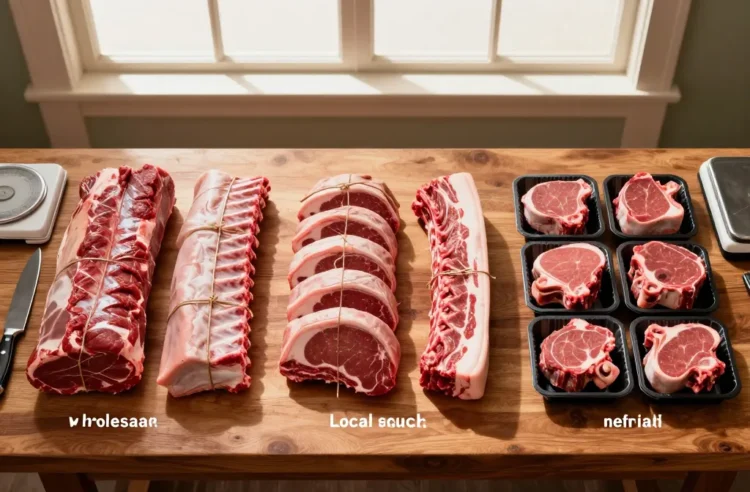
- Best for: Backyard parties, tailgates, and holiday cookouts
- Make ahead: Yes — buy and portion 2–4 weeks in advance, freeze
- Serves: Easily scales to 10–50+ guests with mixed cuts
- Key tip: Compare trim level and yield, not just sticker price
Buying BBQ Meat in Bulk — Wholesale vs. Butcher vs. Supermarket can save serious money and stress, but the best source depends on what you’re cooking and how many mouths you’re feeding. Prices only tell part of the story — weight lost to trimming, bone, and moisture matters just as much. In this guide, I’ll break down where to buy, what to ask, and how to store so your cook runs smooth. You’ll leave with a clear plan for brisket, ribs, pork shoulder, and chicken — without surprise costs.
Start With Yield: What Are You Really Paying For?
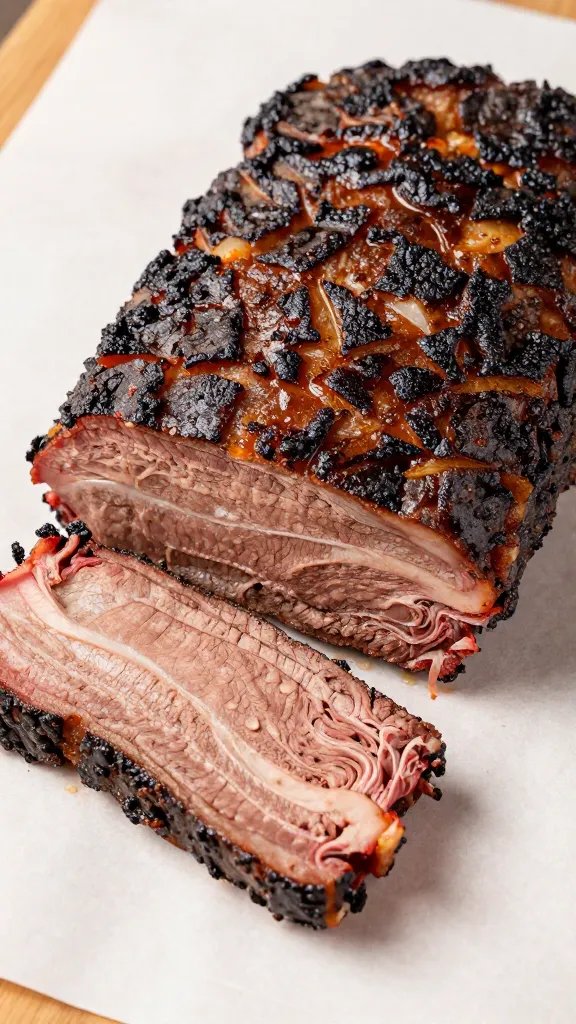
Sticker price isn’t the full picture. You pay for bone, fat caps, and purge (liquid in the package). Compare sources by edible yield, not raw weight.
- Brisket (packer, Choice): Expect 50–60% cooked yield. Heavy trim from fat cap and deckle.
- Pork shoulder (bone-in): 60–65% yield. Boneless runs slightly higher but may cost more per pound.
- Spare ribs: 45–55% edible meat after bones and shrink.
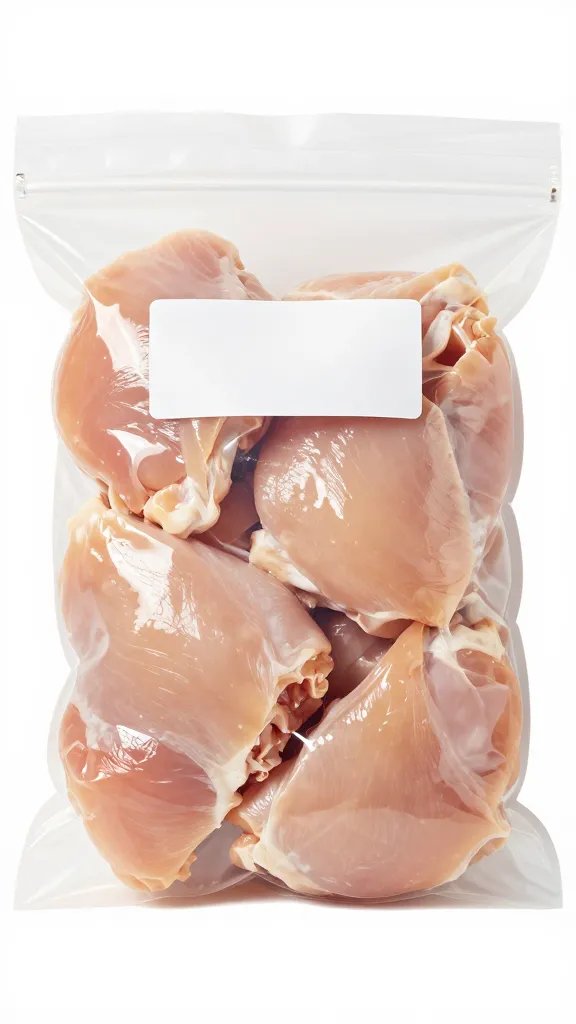
- Bone-in chicken thighs: 65–70% yield; boneless thighs ~85% but pricier.
Do the math: A $2.39/lb pork shoulder at 62% yield “costs” about $3.85 per edible pound. Suddenly, a slightly pricier but better-trimmed option might be the better buy.
Wholesale Clubs: Bulk Value With Minimal Fuss
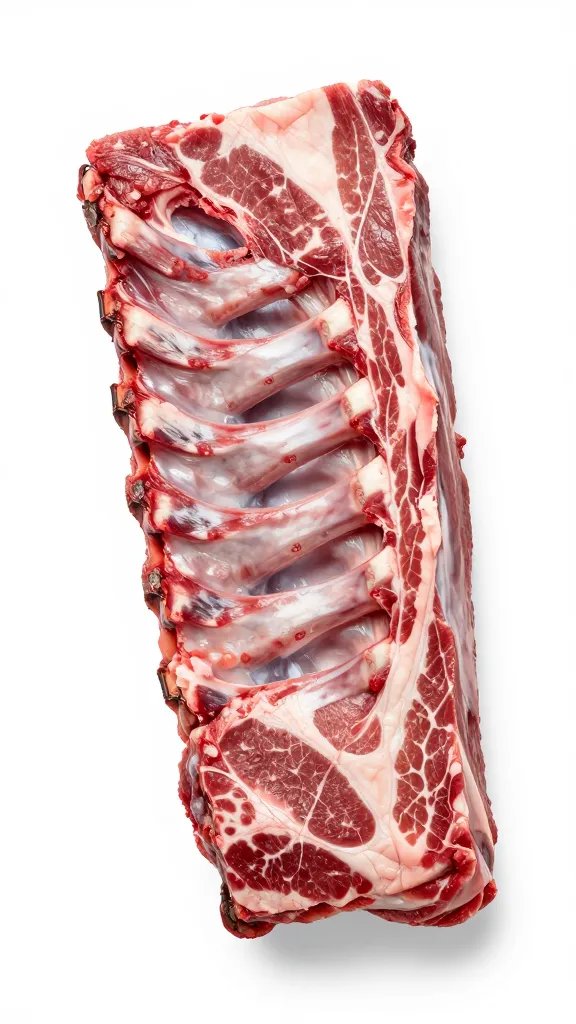
Costco, Sam’s, and Restaurant Depot shine when you need quantity and consistency. You’ll find multi-packs and full cases, often in cryovac with decent turnover.
- Pros: Competitive pricing, predictable grades (Choice/Prime), big pack sizes, good return policies.
- Cons: Limited custom trimming, occasional oversized cuts, membership required (Restaurant Depot needs a business/resale certificate).
- Best buys: Whole packer briskets, bone-in pork shoulders, chicken thighs, and St. Louis ribs by the case.
Tip: Look for case dates and tight cryovac with minimal purge. For brisket, feel for floppy bend — more flex usually means better rendering.
Butchers: Custom Cuts and Quality Control
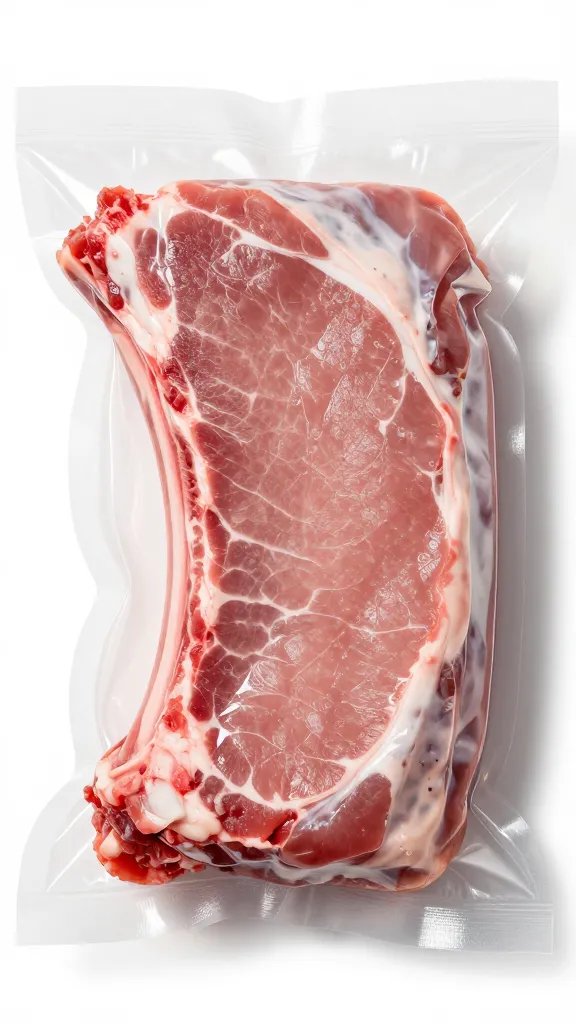
A good butcher is your ally when precision matters. You can specify trim levels, thickness, and exact weights — huge for repeatable cooks.
- Pros: Custom trim, expert advice, sourcing options (heritage pork, wagyu, dry-aged beef), smaller packaging for freezer management.
- Cons: Higher per-pound prices, lead times for special orders, limited discounting without volume commitments.
- Best buys: Pre-trimmed brisket flats/points for tight timelines, competition-style St. Louis ribs, and exactly sized chicken pieces.
Ask for a bulk order discount (often 5–10% at 20–30 lb+), and specify trim targets (e.g., brisket fat cap to 1/4–3/8 inch). That extra trimming can save hours and boost yield.
Supermarkets: Sales-Driven and Convenient
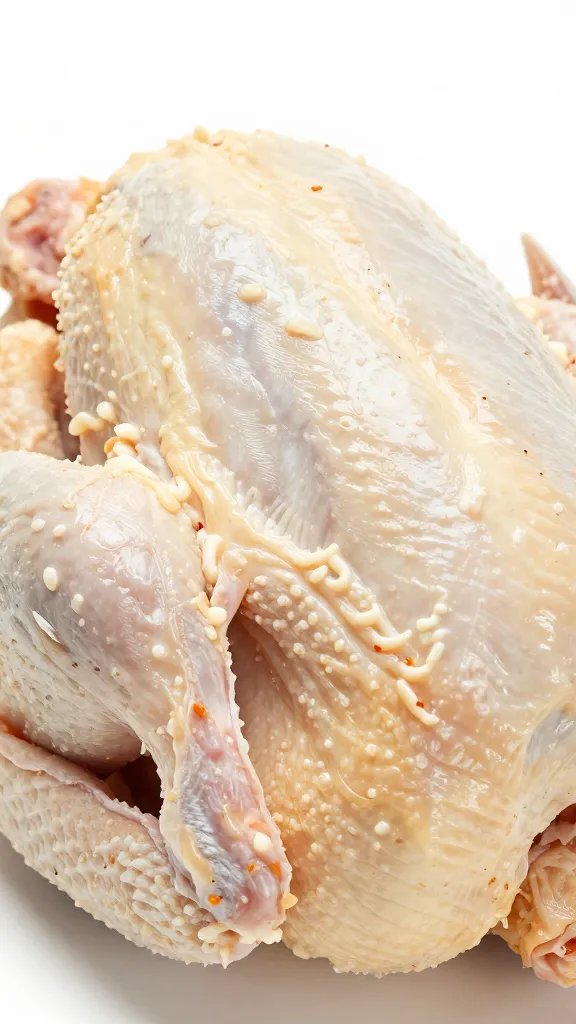
Grocery stores win on convenience and weekly specials. Watch for holiday sales on pork and chicken; brisket deals pop up around summer holidays.
- Pros: No membership, weekly deals, easy returns.
- Cons: Smaller pack sizes, variable grades, more liquid in tray packs, inconsistent rib quality.
- Best buys: Split chicken packs on sale, pork shoulder two-packs, and occasional Choice briskets in the meat case.
To save time, ask the counter to repack into larger cryovac or at least double-bag to prevent leaks on the drive home.
What to Buy for Popular BBQ Menus
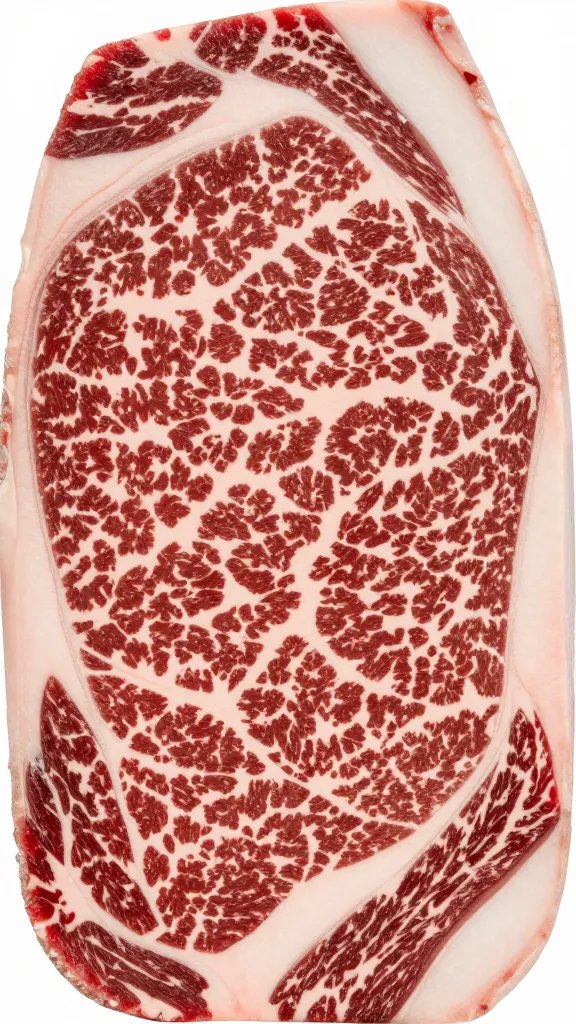
Brisket for a Crowd
- Source: Wholesale for full packers; butcher for pre-trimmed if time is tight.
- Target size: 12–17 lb packers for even flats; avoid “lumpy” deckle-heavy pieces.
- Plan: 1/2 lb cooked brisket per adult. For 30 people, buy two 14 lb packers.
Pulled Pork Sandwiches
- Source: Wholesale or supermarket sale; bone-in Boston butts are forgiving.
- Plan: 1/3–1/2 lb cooked per person. For 40 people, buy 35–40 lb raw.
- Tip: Choose 2-packs with firm feel and good marbling; avoid excessive purge.
Ribs Night
- Source: Wholesale cases of St. Louis cut for consistency; butcher for comp trim.
- Plan: 1/2 rack per adult if sides are substantial; 2/3 rack for rib-focused events.
- Watch out: Shiners (exposed bones) and uneven racks lead to dry sections.
Chicken for Variety
- Source: Wholesale trays of thighs/drums for stress-free cooks.
- Plan: 2 pieces per adult if chicken is the main; 1 piece when paired with pork or brisket.
- Tip: Thighs tolerate hold times better than breasts and stay juicy.
Storage, Freezing, and Thawing Without Quality Loss
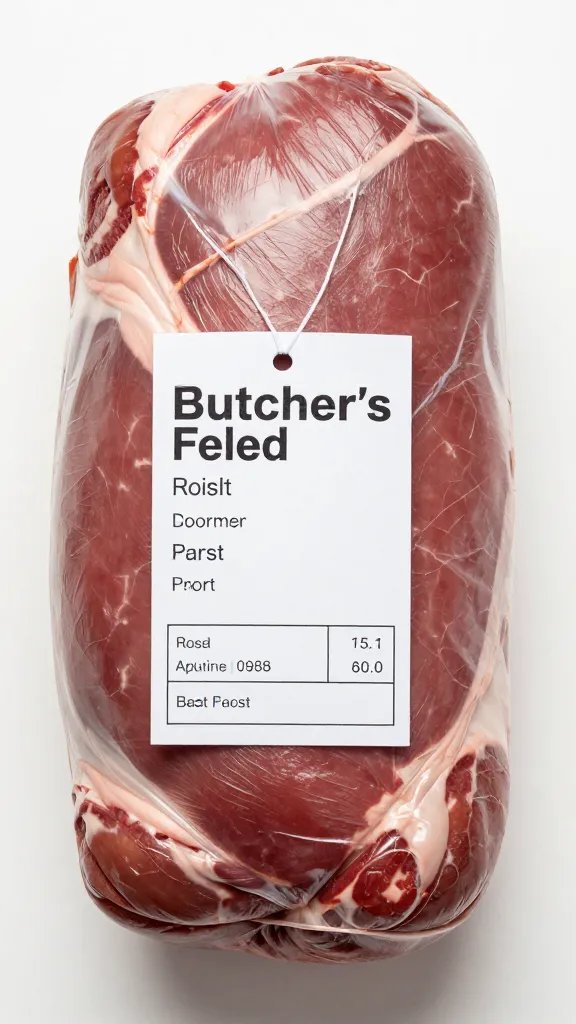
- Fridge: Fresh cryovac beef holds 30–45 days from pack date; pork 14–21; chicken 10–14. Always check labels and smell.
- Freezing: Repack into vacuum-sealed 5–8 lb portions for easy thawing. Label cut, weight, and date.
- Thawing: 24 hours per 4–5 lb in the fridge. Keep brisket and butts in a tray to catch purge.
- After thaw: Cook within 3–4 days; never refreeze thawed raw meat.
Wholesale vs. Butcher vs. Supermarket: When Each Wins
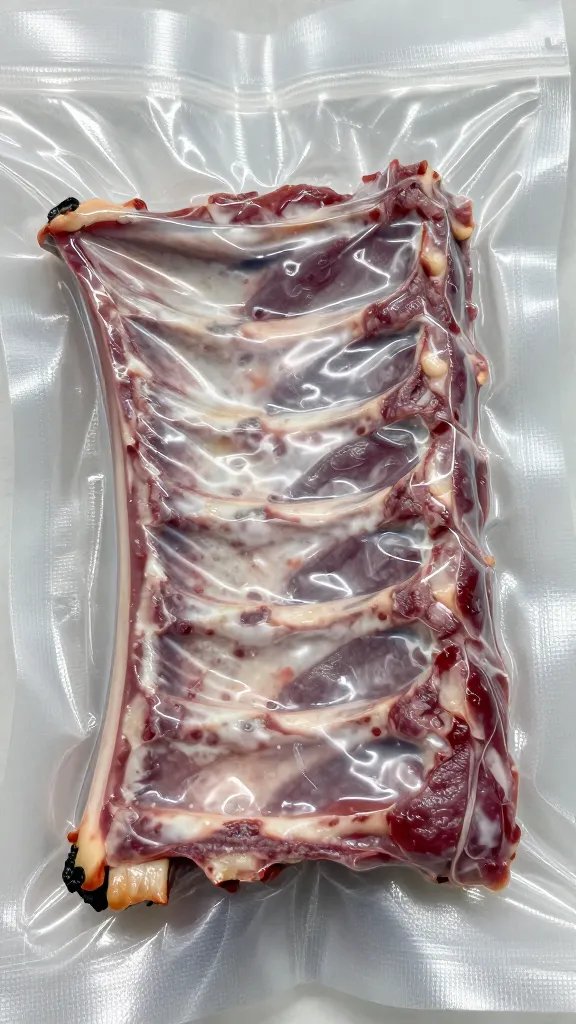
- Need low cost for a big party? Go wholesale. You’ll trim more, but the math works.
- Short on time or want exact specs? Choose the butcher for pre-trimmed, even cuts.
- Only cooking for 8–10 and love a deal? Watch supermarket sales and stock the freezer.
For sauce and sides planning, pair your meat choices with something bright like this chimichurri recipe and an easy make-ahead starch like smoked mac and cheese to balance rich cuts.
Smart Buying Checklist (Print This)
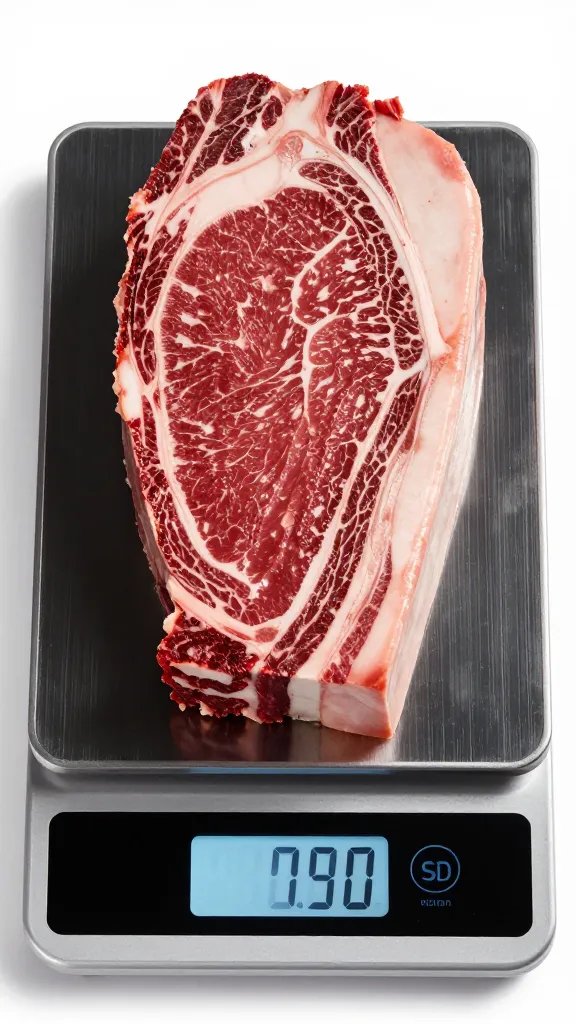
- Set headcount and menu; decide ounces cooked per person.
- Calculate raw pounds using realistic yields for each cut.
- Choose source based on priority: price (wholesale), precision (butcher), or convenience (supermarket).
- Inspect packaging: tight cryovac, minimal purge, clear pack dates.
- Plan storage: vacuum-seal into manageable portions; label clearly.
- Schedule thawing: 2–4 days for big cuts; build in buffer time.
From My Kitchen: What Actually Works
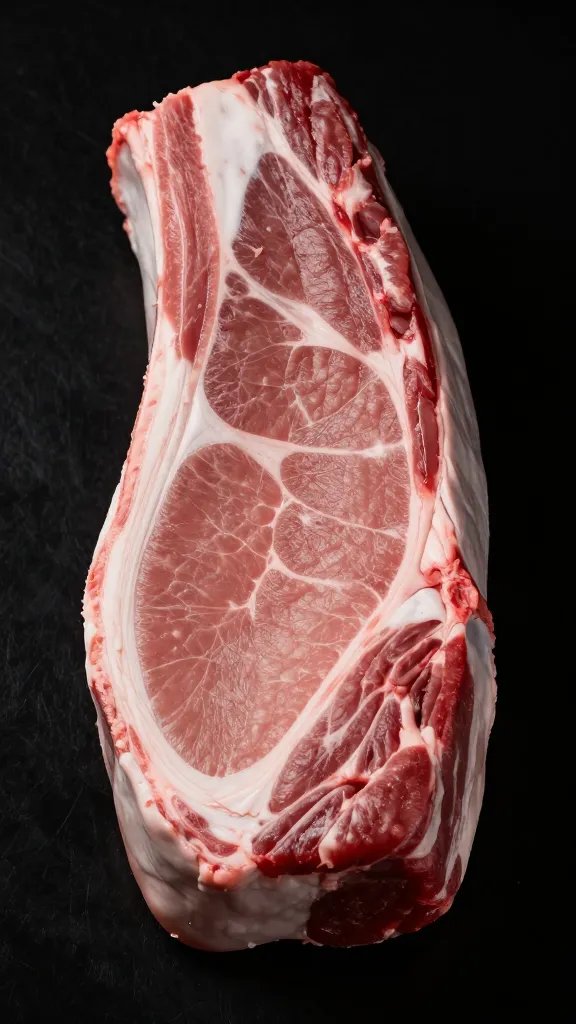
I stopped chasing the absolute cheapest brisket after tracking yield for a season. A slightly pricier, better-marbled Choice packer with a thinner, even fat cap consistently gave me 5–8% more edible meat and finished an hour sooner. For ribs, a full case from Restaurant Depot is worth it — the racks match in size, so they cook evenly and slice cleaner. When feeding 40+, I mix proteins: two pork shoulders plus chicken thighs handle timing swings better than banking on one massive brisket cook.
Frequently Asked Questions
Is buying BBQ meat in bulk cheaper than regular shopping?
Usually, yes — especially at wholesale clubs. The real savings show up when you consider edible yield and trim time. Bulk also reduces packaging waste and trips to the store.
How far ahead can I buy meat for a big BBQ?
Buy 2–4 weeks ahead and freeze in vacuum-sealed portions. Thaw in the fridge 2–4 days before the cook, depending on cut size. Always check pack dates and rotate stock.
What’s the best place for Buying BBQ Meat in Bulk — Wholesale vs. Butcher vs. Supermarket?
For big crowds on a budget, go wholesale. For exact sizes and pre-trimmed cuts, choose a butcher. For smaller gatherings and opportunistic deals, supermarkets work well.
How much brisket, pork, and chicken should I buy per person?
Plan 1/2 lb cooked brisket, 1/3–1/2 lb cooked pulled pork, and 1–2 chicken pieces per adult. Adjust up if sides are light, down if sides are hearty. Remember to back-calculate raw weights using yields.
Can I mix sources — wholesale for big cuts and butcher for specialty items?
Absolutely. Many hosts buy briskets and shoulders wholesale, then order specialty sausages or exact rib trims from the butcher. It balances cost control with quality where it counts.
How do I store bulk meat without a vacuum sealer?
Use heavy-duty freezer bags, press out air with the water displacement method, and double-bag to prevent leaks. Wrap ribs and brisket first in plastic, then foil, then bag for extra protection.
The Bottom Line
Choose your source based on what you value most: price (wholesale), precision (butcher), or convenience (supermarket). Run the numbers with yield in mind, portion and freeze smart, and your BBQ will feed a crowd without sticker shock.
Planning to try this? Save this post so you can find it when you need it — and tag us when you make it.