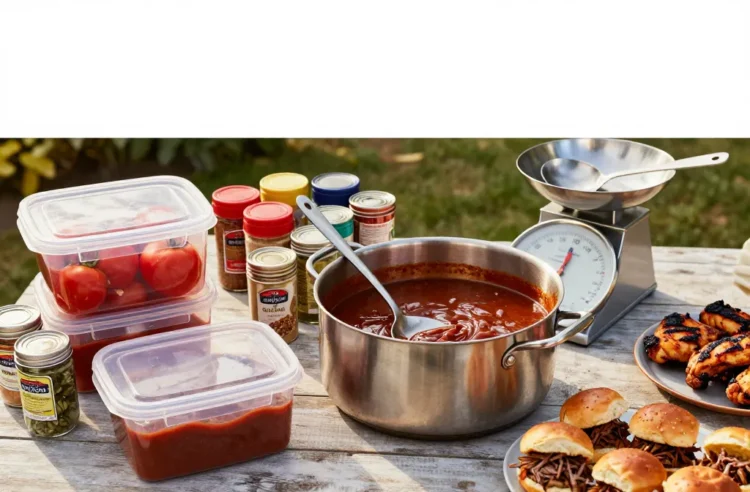
- Best for: Backyard graduations, reunions, team banquets
- Make ahead: Yes — up to 2 weeks refrigerated or 3 months frozen
- Serves: 100 people (about 1.5–2 ounces sauce per person)
- Key tip: Buy tomato base in bulk and season it yourself
Hosting 100 hungry people adds up fast, especially on sauce. How to Save Money on BBQ Sauce for a 100-Person Event isn’t about cutting corners on flavor — it’s about buying smarter, batching efficiently, and skipping the pricey labels. With a few strategic swaps and make-ahead moves, you can serve excellent sauce for pennies per person. Here’s how to plan, shop, and prep without sacrificing taste.
Figure Out How Much Sauce You Actually Need
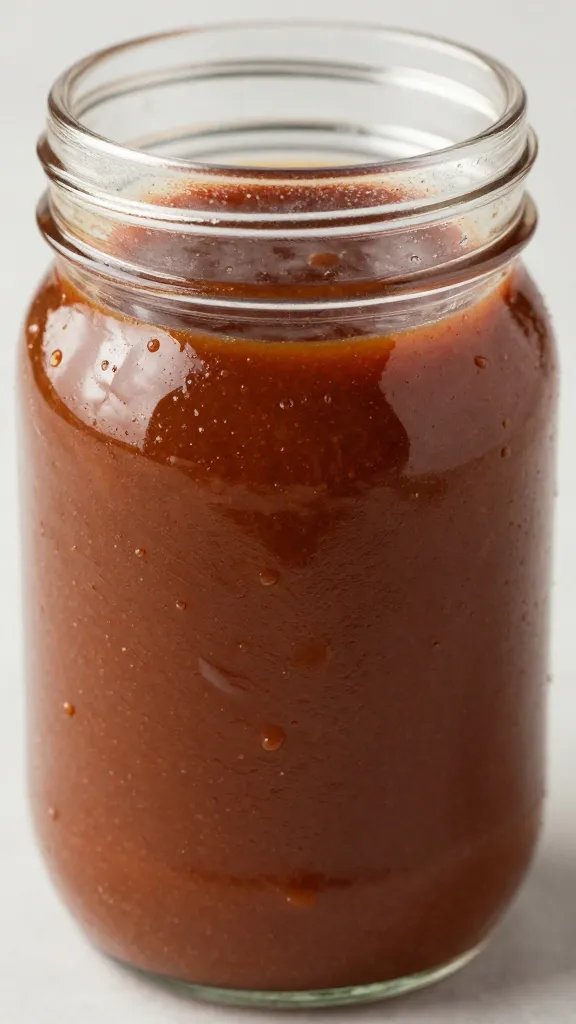
Most guests use 1.5–2 ounces of sauce across a plate of pulled pork, chicken, or brisket. Heavy sauce events (pulled pork sandwiches) trend closer to 2–2.5 ounces.
- Standard estimate: 1.75 ounces per person x 100 = about 175 ounces (1.37 gallons)
- Generous estimate: 2.25 ounces per person x 100 = about 225 ounces (1.76 gallons)
- Round up: Plan for 2 gallons to be safe, especially if sauce is on the tables
Why this matters: overbuying premade bottles kills your budget. When you know the target (2 gallons), you can batch efficiently and avoid waste.
Build a Cheap, Delicious Base
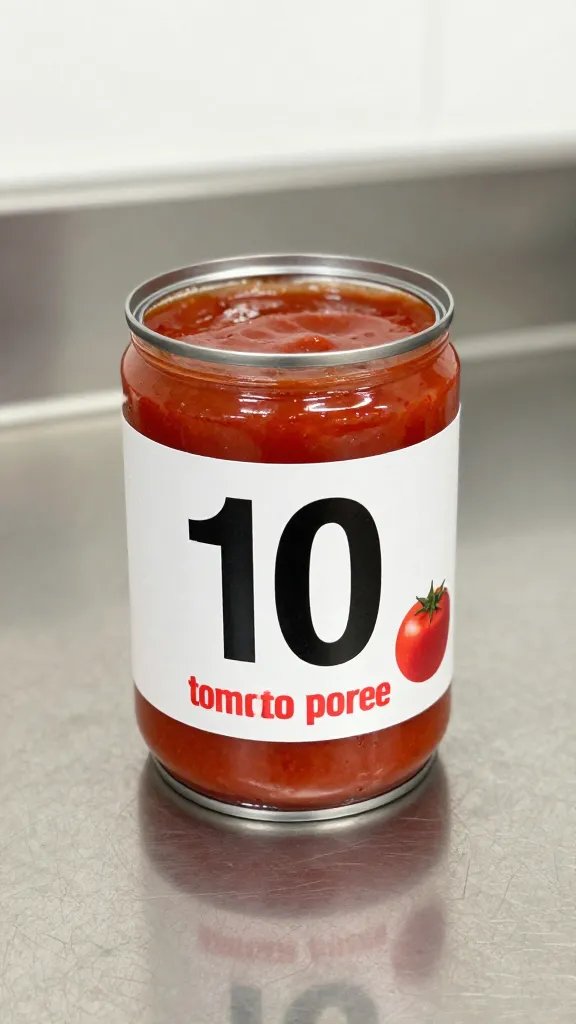
The most expensive part of store-bought sauce is the branding and the bottle. Make your own bulk base, then customize.
Smart bulk base options
- Tomato puree or passata (No. 10 cans): Clean flavor, no added corn syrup. Often $4–$6 per can at warehouse stores; a single can is ~6.5 lbs.
- Ketchup (No. 10 cans): Faster route to classic BBQ flavor. Look for foodservice brands to cut costs.
- Canned crushed tomatoes + tomato paste: Great balance of body and brightness at low cost.
Simple master mix (per half gallon)
- 8 cups tomato base (ketchup or puree)
- 1/2–3/4 cup brown sugar or molasses
- 1/2 cup apple cider vinegar (add more for Carolina tang)
- 1/4 cup yellow mustard
- 2 tbsp Worcestershire
- 2 tsp garlic powder, 2 tsp onion powder
- 1–2 tsp black pepper
- Optional heat: 1–2 tsp cayenne or hot sauce
Cost control: Sugar, vinegar, and spices are inexpensive in bulk. This approach lands at roughly $0.08–$0.15 per ounce, typically half the price of brand-name bottles.
Flavor Two Ways From One Batch
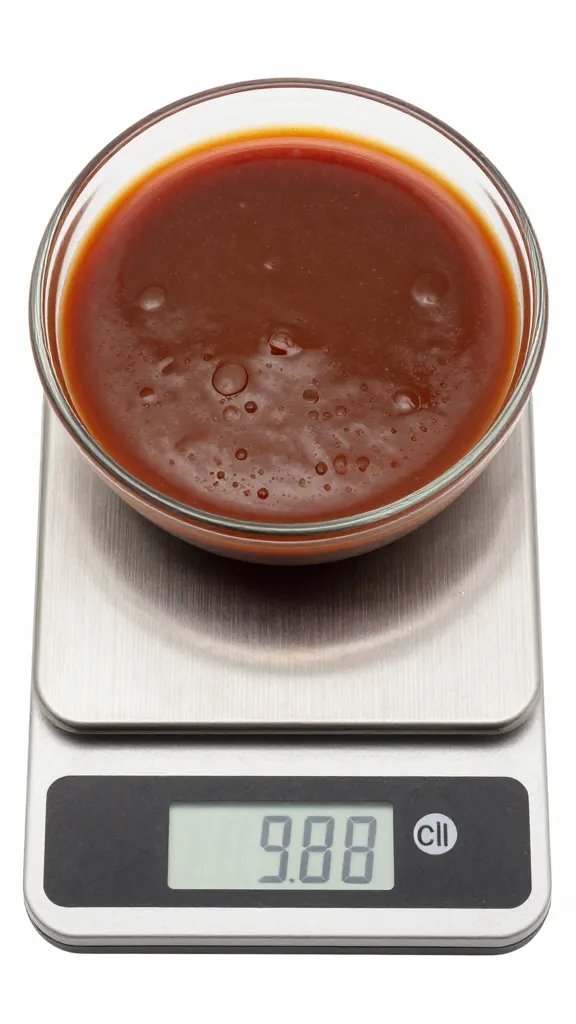
Serve variety without doubling your budget. Make one neutral base, then split and season.
- Sweet & Smoky: Add extra brown sugar, smoked paprika, and a splash of liquid smoke.
- Tangy & Spicy: Stir in more cider vinegar, chili flakes, and hot sauce.
Guests feel like they have options, and you’ve only made one big pot. Want a green, fresh counterpoint? Pair it with this chimichurri recipe instead of buying a third sauce.
Shop Like a Caterer, Not a Home Cook

Big savings come from where and how you buy.
- Warehouse stores and restaurant suppliers: Look for No. 10 cans of ketchup/tomatoes, gallon jugs of vinegar, 5-lb bags of sugar.
- Generic vs. name brand: Tomato purity and acidity matter, but blind tests often favor mid-tier foodservice labels. Trial one can first.
- Spices in bags, not jars: Buy 1-pound bags of paprika, garlic, onion powder — typically 70–85% cheaper per ounce.
- Check unit prices: Compare price per ounce across sizes; it’s not always linear.
Bonus: If you’re doing pulled pork, consider stretching flavor with a finishing vinegar sauce on the meat, then use less sweet sauce per sandwich.
Make-Ahead and Freeze for Stress-Free Service
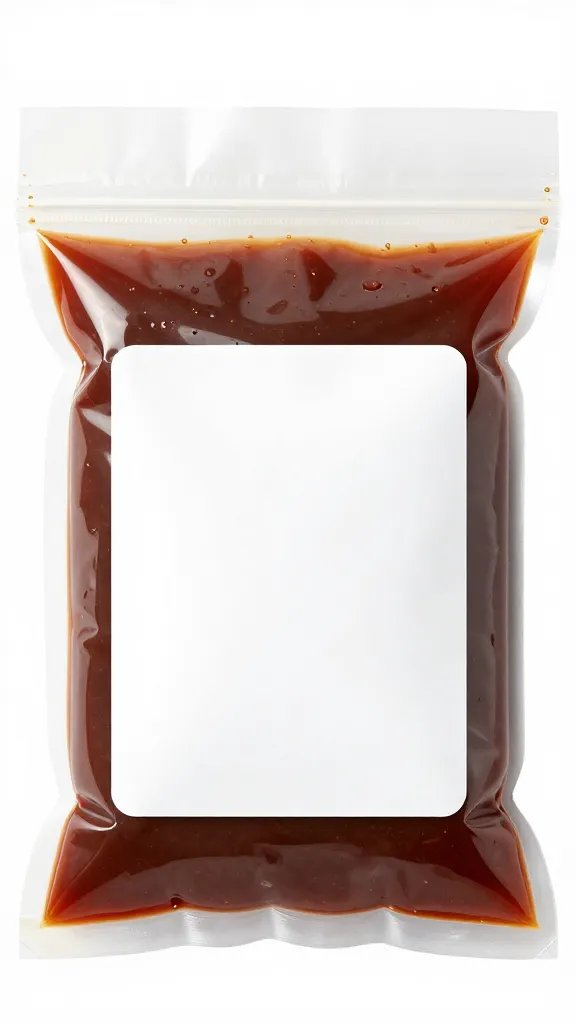
BBQ sauce improves after a rest. The flavors meld and the texture evens out.
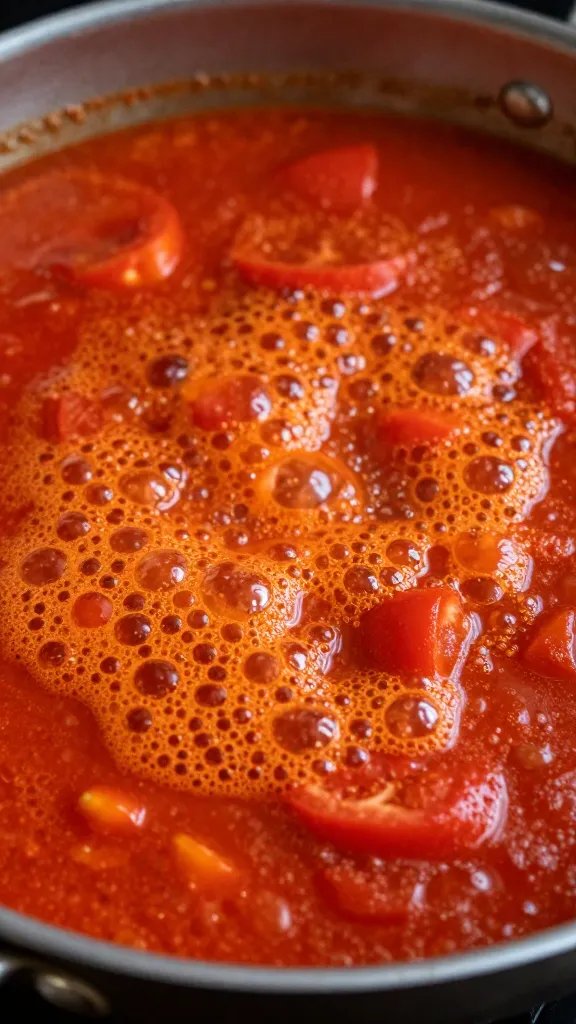
- Simmer: 8–12 minutes at a bare bubble to thicken and dissolve sugar. Stir to prevent scorching.
- Taste and balance: Too sweet? Add vinegar and a pinch of salt. Too tart? Add brown sugar or a bit of ketchup.
- Cool fast: Divide into shallow pans, then refrigerate within 2 hours.
- Portion and freeze: Use quart containers or heavy freezer bags labeled by flavor. Freeze flat for easy stacking.
- Reheat gently: Low heat, splash of water if needed. Don’t boil; it can dull the spices.
Storage guide: 2 weeks in the fridge, 3 months in the freezer. Always reheat only what you need for service.
Serving Strategy: Don’t Let the Sauce Run Wild

How you serve impacts how much you need. Open squeeze bottles on every table encourage overpouring.
- Portion control: Use 12–16 oz squeeze bottles behind the line or at a sauce station.
- Label clearly: “Sweet & Smoky” and “Tangy & Spicy” reduce curiosity overpours.
- Warm it up: Warm sauce spreads thinner, so guests use less. Keep bottles in warm water baths (not hot) for service.
- Offer a dry option: A simple spice rub and a finishing oil or quick pickled onions reduce reliance on sauce.
Cost Breakdown: DIY vs Store-Bought

Target costs will vary by region, but here’s a realistic snapshot for 2 gallons.
- DIY base: Two No. 10 cans ketchup or tomato puree: $8–$14
- Vinegar, sugar, mustard, spices: $6–$10 (bulk)
- Total DIY (2 gallons): $14–$24 → about $0.05–$0.09 per ounce
- Store-bought gallons: Mid-tier brand $11–$16 per gallon → $22–$32 total, often thinner and sweeter
- Premium bottles: $3–$5 per 18 oz → $42–$60 for 2 gallons equivalent
Takeaway: DIY beats premium by a mile and usually outperforms budget bottles on flavor and thickness.
From My Kitchen: What Actually Works

The biggest budget win I’ve tested is starting with tomato puree, not ketchup — it lets you control sweetness and lands a cleaner tomato note, especially after a 10-minute simmer. I also portion into quart containers; one quart covers roughly 25–30 sandwiches when you’re saucing in the line, which keeps usage predictable. If you scale for 100, salt at 75% of the multiplier — it concentrates as it sits and during reheating. Liquid smoke is potent: 1/2 teaspoon per quart is plenty; more tastes artificial. Finally, warm the sauce to about 140°F for service—thinner flow, fewer squeeze-bottle death grips.
Frequently Asked Questions
How much BBQ sauce do I need for 100 people?
Plan on 1.5–2.25 ounces per person depending on the menu. For pulled pork sandwiches or saucy chicken, budget closer to 2–2.25 ounces. Rounding up to 2 gallons covers most events with a small buffer.
Can I make BBQ sauce for a 100-person event ahead of time?
Yes. Make it up to 2 weeks in advance and refrigerate in sealed containers, or freeze for up to 3 months. The flavor actually improves after a day or two as the spices meld.
What’s the cheapest way to make BBQ sauce for a crowd?
Use No. 10 cans of tomato puree or ketchup as your base, then add bulk vinegar, sugar, mustard, and spices. This approach usually costs $0.05–$0.09 per ounce and tastes better than many store brands.
How do I serve BBQ sauce efficiently at a large event?
Keep sauce in labeled squeeze bottles at a staffed station or buffet end, not on every table. Warm it gently so it flows easily, which reduces overuse. Refill with quart containers to control portions.
Can I freeze homemade BBQ sauce?
Absolutely. Cool completely, portion into quart containers or freezer bags, and freeze for up to 3 months. Thaw in the fridge overnight and reheat gently with a splash of water if needed.
How do I keep BBQ sauce from burning when reheating?
Use low heat and stir often. Avoid boiling — it scorches sugars and flattens spices. A double boiler or slow cooker on “warm” works well for service.
The Bottom Line

For a 100-person crowd, build a simple tomato-based sauce in bulk, split it into two flavors, and serve it warm from squeeze bottles. You’ll cut costs dramatically while delivering better flavor and consistency than most store-bought options.
Planning to try this? Save this post so you can find it when you need it — and tag us when you make it.