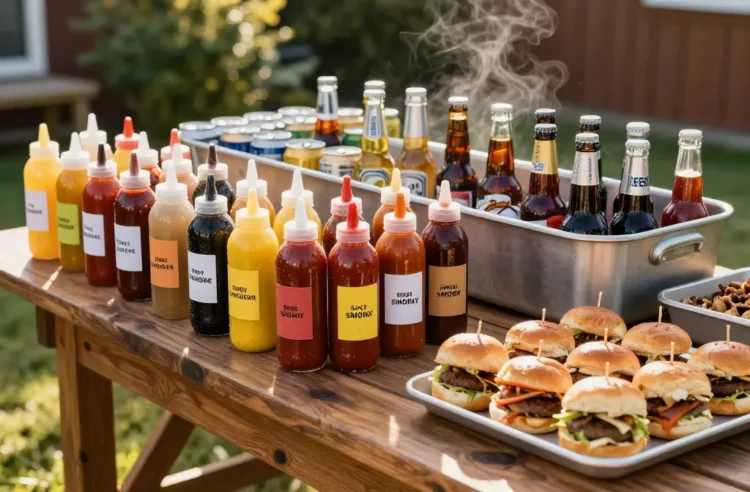
- Best for: Backyard parties, tailgates, graduations, casual weddings
- Make ahead: Yes — sauces 3–5 days; chill beer 24 hours
- Serves: 50 people (plan 2–3 sliders or 1 plate per person)
- Key tip: Match beer intensity to sauce sweetness, heat, and smoke
Pairing Beer with BBQ Sauce for 50 People — A Guide sounds specific because it is. The right beer can lift your sauce from good to crave-worthy, especially when you’ve got a crowd. We’ll cover smart pairings for classic sauce styles, how much beer to buy, and an easy serving plan that keeps lines moving. By the end, you’ll have a plug-and-play menu and confident quantities.
Start Here: The Flavor-Matching Playbook
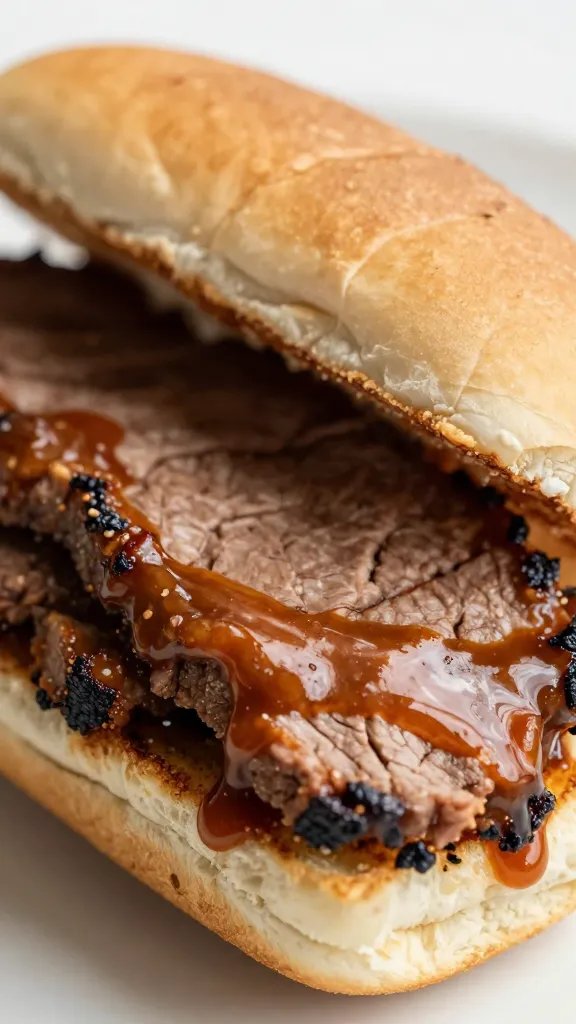
Think like a sauce sommelier. Match or contrast using three levers: sweetness, acidity, and heat/smoke. Get those aligned and everything clicks.
- Sweet sauces (ketchup/molasses base): Pair with crisp, bitter beers that cut through sugar.
- Tangy/vinegar sauces: Pair with malt-forward beers to soften the edges.
- Mustard sauces: German styles are natural — echo the pantry.
- Spicy sauces: Lower-ABV, slightly sweet beers cool heat without numbing flavor.
- Smoky sauces: Malty ambers or a touch of smoke in the beer adds depth.
BBQ Sauce Styles and Best Beer Pairings
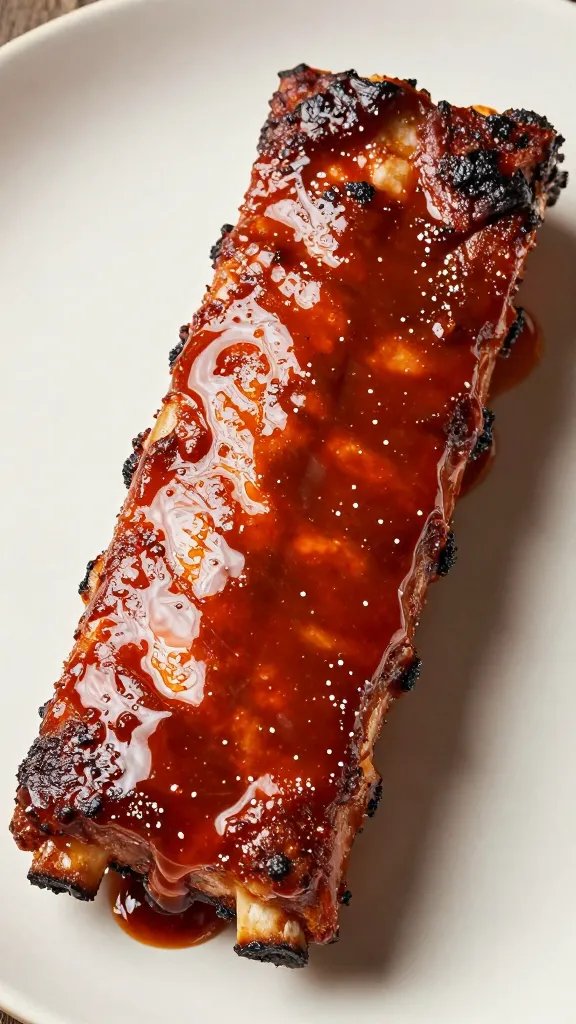
Kansas City–Style (Sweet, Thick, Molasses)
- Best with: American IPA or West Coast IPA
- Why: Hop bitterness and citrus/pine notes scrub sweetness and fat. Aim 6–7% ABV.
- Alternates: Pilsner for lighter meats; Black IPA for burnt ends.
Carolina Vinegar (Thin, Tangy, Peppery)
- Best with: Vienna Lager or Amber Lager
- Why: Toasty malt balances acidity without adding heaviness.
- Alternates: Kölsch or Helles if you want brighter, breadier notes.
South Carolina Mustard (Tangy, Savory, Slightly Sweet)
- Best with: Bavarian Hefeweizen (Weissbier)
- Why: Banana/clove esters play beautifully with mustard and pork.
- Alternates: Dortmunder or Märzen for a maltier echo.
Texas Tomato-Chile (Smoky, Peppery, Meat-First)
- Best with: American Amber Ale
- Why: Caramel malt mirrors bark and smoke; moderate bitterness keeps it clean.
- Alternates: Brown Ale or Porter for brisket; keep ABV under 6.5% for daytime events.
Alabama White (Tangy, Creamy, Peppery)
- Best with: Pilsner
- Why: High carbonation and herbal bitterness reset creamy mayo bases.
- Alternates: Belgian Wit for citrus/coriander lift on chicken and turkey.
Sweet Heat (Honey or Brown Sugar + Chili)
- Best with: Hazy IPA (NEIPA)
- Why: Juicy fruit esters and soft bitterness meet sweetness without clashing, while hops tame heat.
- Alternates: Session IPA or Pale Ale for wider crowd appeal.
How Much Beer for 50 People?
Daytime cookout vs. long tailgate? Plan for time. For a 3–4 hour event, assume 2–3 beers per adult. If your crowd skews beer-forward, budget 3–4.
- Baseline (3 beers/person): 150 beers total
- Mix: 40% light/crisp (Pilsner/Kölsch), 35% hops (IPA), 25% malt-forward (Amber/Brown)
- Kegs vs. cans: One half-barrel keg ≈ 165 12-oz beers; a sixtel ≈ 55 12-oz beers
- Gluten-free & NA: Stock 10–15% combined — NA lagers pair well with most sauces
Pro tip: If using multiple sauce stations, put matching beer styles at each to prompt the pairing you want.
Build a Crowd-Friendly Menu (With Pairing Stations)
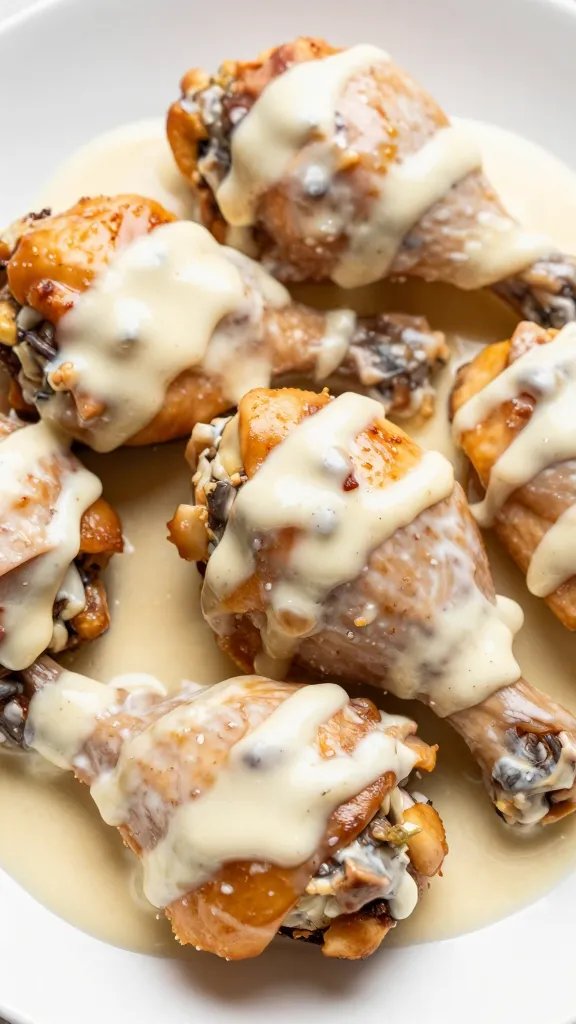
Use three sauces and three beers to cover 90% of tastes. Keep proteins simple and scalable.
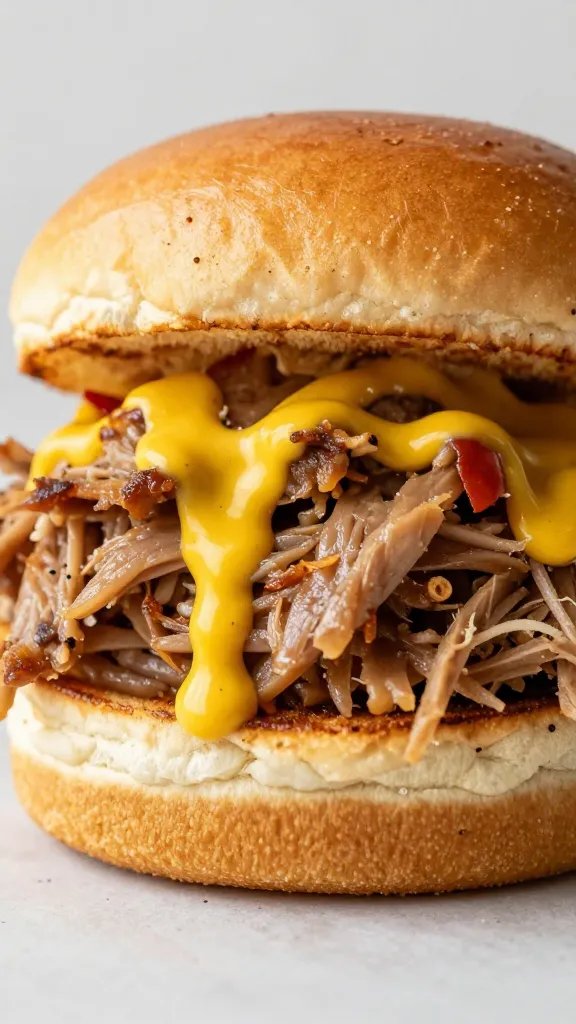
- Station 1: Pulled Pork + Carolina Vinegar — Beer: Vienna Lager
- Station 2: Brisket or Burnt Ends + Kansas City — Beer: West Coast IPA
- Station 3: Grilled Chicken + Alabama White — Beer: Pilsner or Belgian Wit
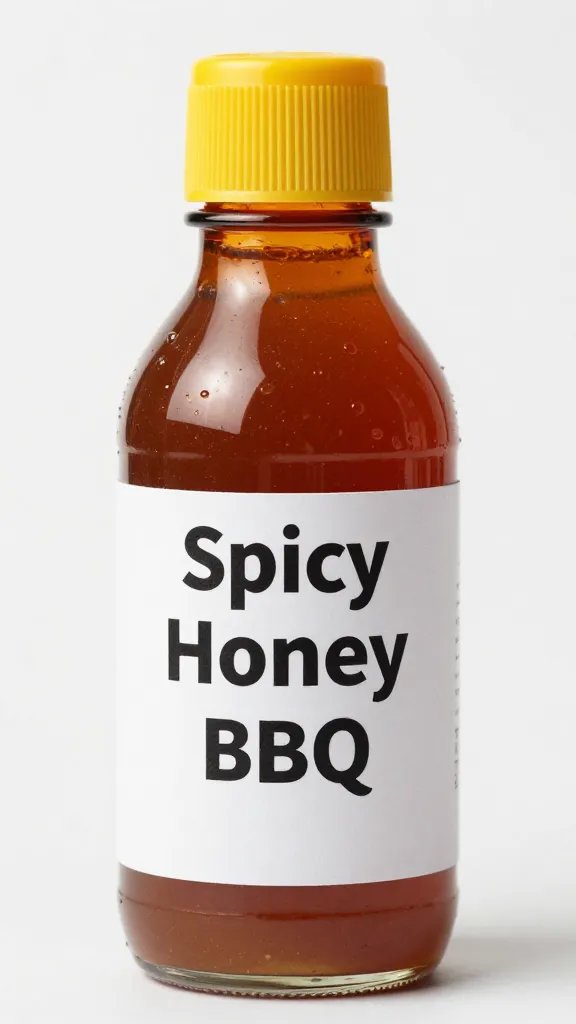
Offer a squeeze bottle of Sweet Heat as a wild card near Station 2 with a Hazy IPA stack. Label clearly; people love guidance.
Need a bright herb sauce for steak or veggies? Try this chimichurri recipe for a fresh, beer-friendly counterpoint.
Serving Logistics: Keep It Cold, Keep It Moving
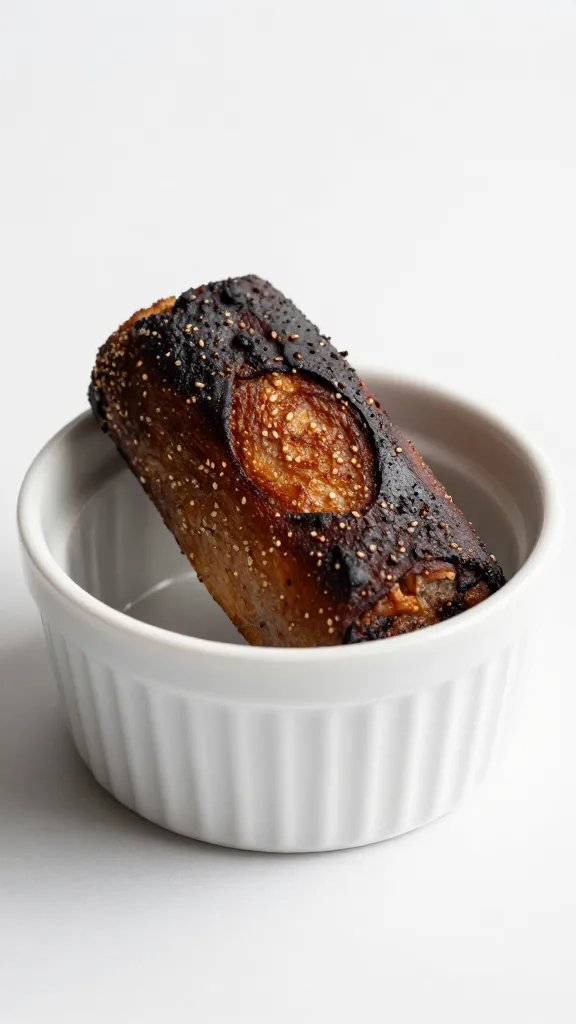
- Chill time: Put cans in ice 24 hours ahead. For kegs, 36 hours cold, then keep on ice jackets.
- Glassware: Skip it. Use 12–16 oz compostable cups and pour 8–10 oz to encourage pairings across sauces.
- Label boards: For each sauce, list: heat level, sweetness, and the recommended beer. Add a second-best option.
- Sauce flow: Thin vinegar sauces in squeeze bottles; thick sauces in warmers set to 150–160°F.
- Traffic: Duplicate your most popular station on both sides of the table during peak hour.
DIY Sauce for Scale: Two Batchable Bases
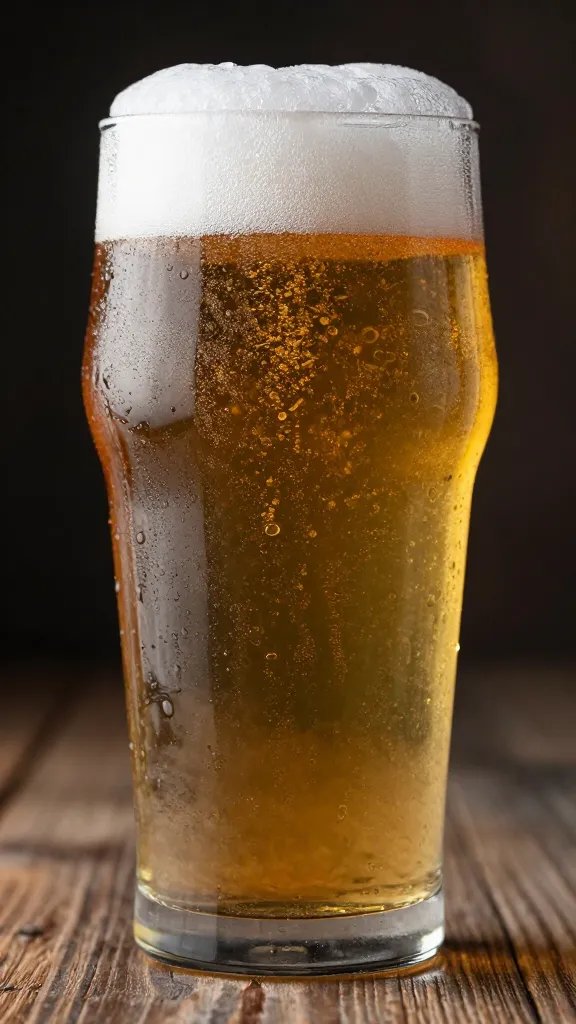
KC-Style Party Pan (Makes ~2.5 quarts; serves 50 as a condiment)
- Ingredients: 4 cups ketchup, 1 cup molasses, 1 cup brown sugar, 1 cup apple cider vinegar, 1/2 cup Worcestershire, 2 tbsp smoked paprika, 2 tsp black pepper, 1–2 tsp cayenne, 2 tsp onion powder, 1 tsp garlic powder, 2 tsp kosher salt.
- Method: Simmer 12–15 minutes until glossy and thick. Rest and cool. Hold 5 days refrigerated.
- Pairing: West Coast IPA or American IPA.
Carolina Vinegar (Makes ~2 quarts; ultra-economical)
- Ingredients: 5 cups apple cider vinegar, 1 cup water, 2 tbsp brown sugar, 2 tbsp kosher salt, 2 tbsp red pepper flakes, 2 tsp black pepper.
- Method: Warm just to dissolve; don’t boil. Chill overnight for the pepper to bloom.
- Pairing: Vienna or Amber Lager.
Scaling note: For 100 guests, double everything except salt — increase salt by 1.5x to account for reduction and holding.
Budgeting: Cost-Per-Guest Cheatsheet
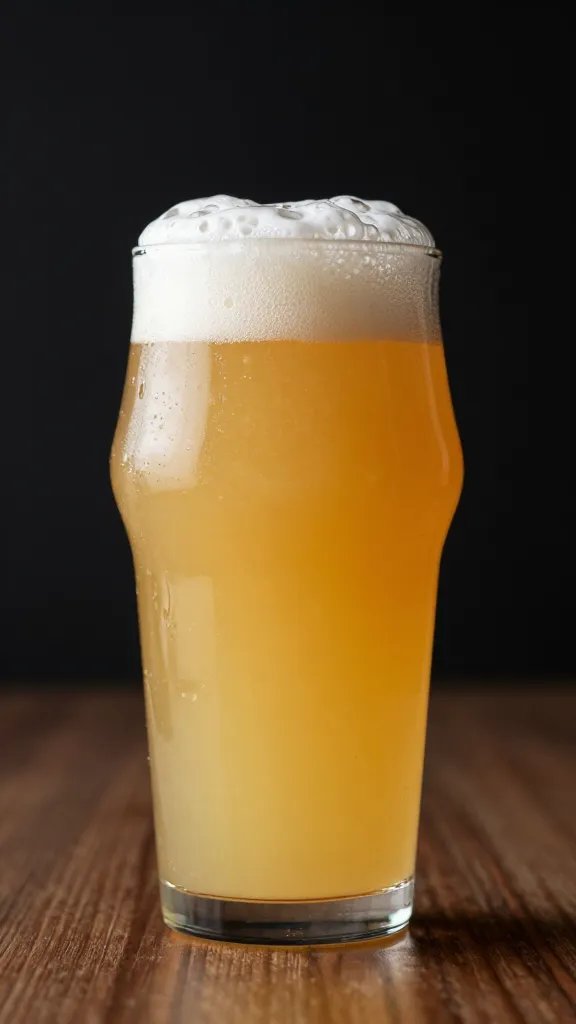
- Beer (mixed styles): $2–$3 per 12 oz serving (cans); kegs slightly lower if you’ll pour it all.
- Sauces (homemade): $0.15–$0.30 per guest across three styles.
- Ice: 1–1.5 lbs per person for 4 hours. Don’t skimp — warm beer kills pairings.
Want a bright side to balance rich meats? Pair the spread with these grilled vegetable skewers — they love Pilsner and Hefeweizen.
From My Kitchen: What Actually Works
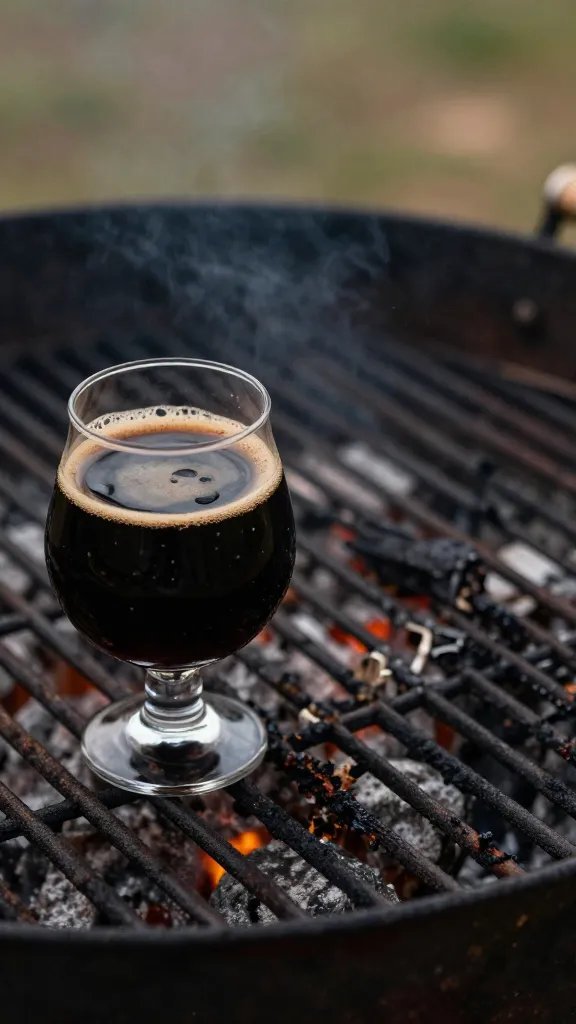
When I serve for 50, I pour 8-ounce beer samples at the start so guests try the pairing, then let them grab full cups. It nudges them toward the right match. The biggest miss I’ve seen is using stout with sweet sauce; it stacks sweetness and flattens smoke — save stout for dessert or chili. For KC sauce, a full 12-minute simmer is non-negotiable; pull it at 6–8 minutes and it won’t cling to ribs. Finally, hold vinegar sauce overnight; the pepper softens and the beer pairing becomes noticeably smoother.
Frequently Asked Questions
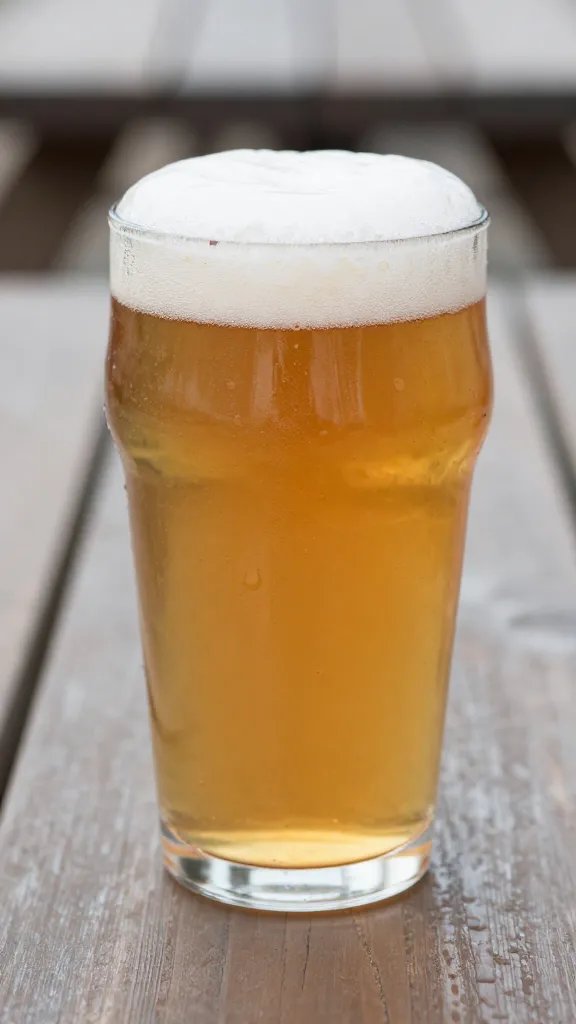
How much beer do I need for pairing beer with BBQ sauce for 50 people?
Plan 2–3 beers per person for a 3–4 hour event, or 100–150 12-ounce beers total. If it’s an all-day affair, go to 3–4 per person and increase non-alcoholic options by 10–15%.
What beers pair best with spicy BBQ sauce for a crowd?
Look for lower-ABV, gently sweet, and fruity styles like Hazy IPA, Pale Ale, or Belgian Wit. They cool heat without erasing flavor, and they’re crowd-friendly.
Can I make BBQ sauces ahead for pairing beer with BBQ sauce?
Yes. KC-style and mustard sauces hold 3–5 days refrigerated; vinegar sauces improve after 24 hours. Rewarm thick sauces gently to preserve texture.
What’s the best way to serve beer pairings at a buffet?
Place labeled beer stacks or taps at each sauce station with a “Try this with…” sign. Offer 8–10 oz pours to encourage guests to try multiple pairings.
Can I include non-alcoholic options that still pair well?
Absolutely. NA lagers and NA IPAs pair similarly to their alcoholic counterparts. Also offer sparkling water with citrus as a palate cleanser.
The Bottom Line
Match beer intensity to sauce sweetness, acidity, and smoke, and your crowd will taste the difference. Keep styles simple, label pairings clearly, and serve in smaller pours so guests can explore.
Planning to try this? Save this post so you can find it when you need it — and tag us when you make it.