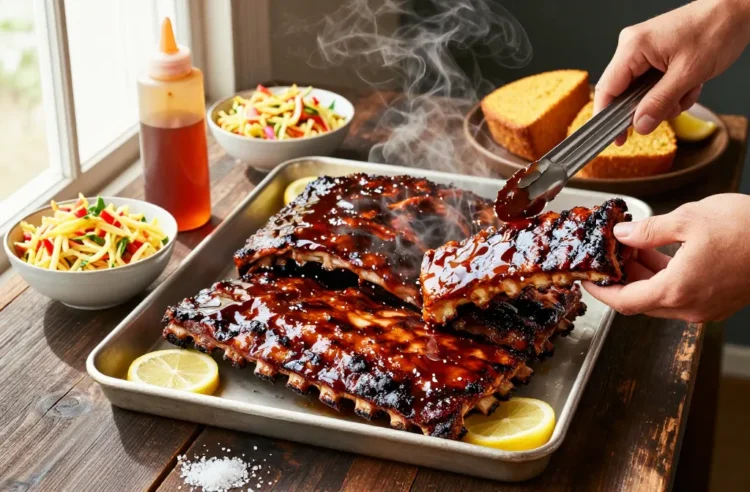
- Best for: Backyard parties, potlucks, and tailgates after an over-salted rub
- Make ahead: Yes — prep fixes up to 24 hours ahead
- Serves: 30 people (about 12–15 racks baby backs or 8–10 spare racks)
- Key tip: Dilute salt with unsalted moisture + sweetness + acidity, never more spice
How to Fix BBQ Ribs That Are Too Salty for 30 People isn’t a disaster story — it’s a plan. If your rub was heavy-handed or your ribs sat in brine too long, you can still serve a crowd without apologizing at every plate. We’ll pull out salt with soaking, buffer it with sauces and glazes, and balance it on the plate. By the end, you’ll have a clear step-by-step to rescue those racks and feed 30 happily.
Assess the Damage Fast
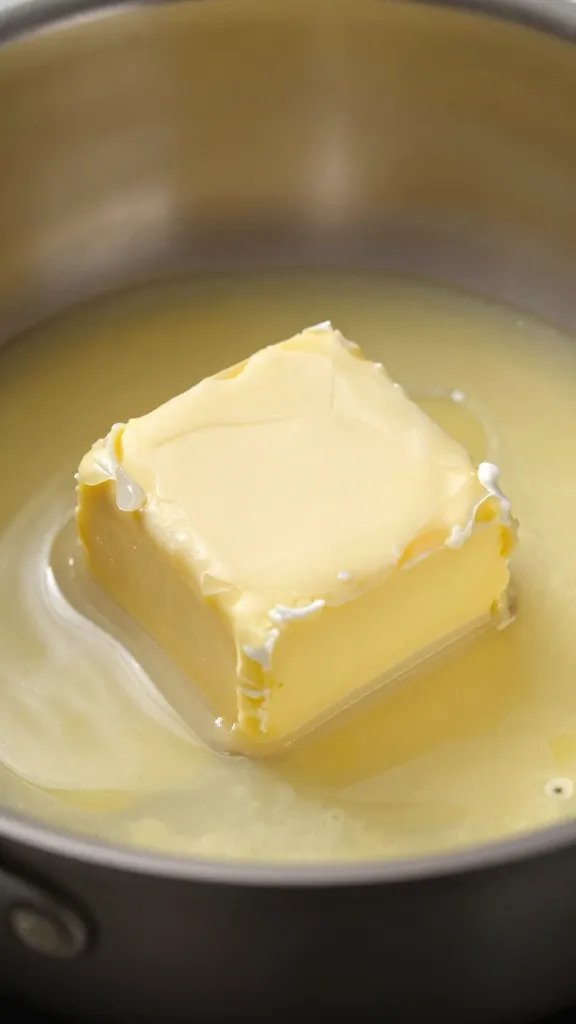
Taste a bite from the thickest part, not the edge. If it’s mildly salty, you can fix it with finishing sauces and sides. If it’s very salty, use soaking or braising to pull it back first.
Decide your path based on time:
- Have 2–4 hours? Do a quick soak or a low-sodium braise, then reheat and glaze.
- Only 30–60 minutes? Skip to balancing sauces, glazes, and plating strategies.
- Already over-smoked? Avoid long wet cooks that lock in smoke; use fast, flavorful glazes instead.
De-Salt Options That Actually Work
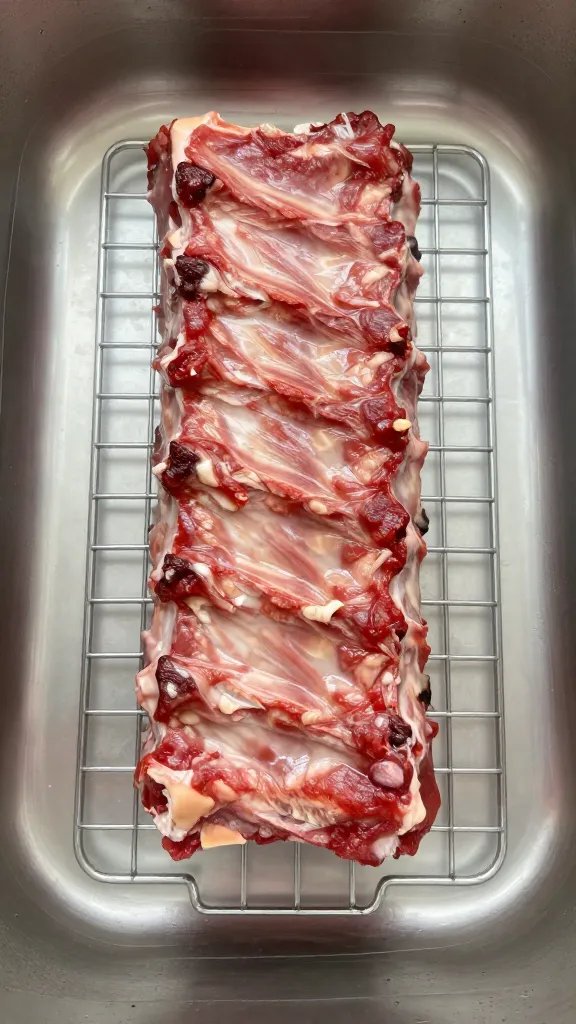
1) Cold Water Soak (Best Pre-Cook or Partially Cooked)
- Cut racks into halves or thirds for more surface area.
- Submerge in very cold water for 30–45 minutes. Change water once.
- Pat dry thoroughly. Re-season lightly with no-salt rub (pepper, paprika, garlic, onion, chili) and continue cooking.
Why it works: Osmosis pulls some surface salt back out, especially from rubbed, not sauced, ribs.
2) Low-Sodium Braise (Best for Cooked-Through but Salty Ribs)
- Pan up ribs in a single layer. Add a braising liquid to 1/3 height: water + apple juice (or pineapple), splash of cider vinegar, onion slices. Keep it unsalted.
- Cover tightly with foil. Oven at 275–300°F for 45–75 minutes, checking tenderness.
- Finish on grill or under broiler to set glaze.
Why it works: The unsalted liquid dilutes salt concentration and gives you a second chance to layer balanced flavors.
3) Slice-and-Toss (Emergency, Serving in 30 Minutes)
- Slice ribs into individual bones.
- Toss with a thin, tangy, unsalted sauce to coat lightly.
- Hold warm, uncovered 5–10 minutes so steam drives off some moisture and perceived salt drops.
Why it works: Thin coating distributes salt over more surface and adds acidity fast.
Balance Salt with Sauce, Glaze, and Smoke
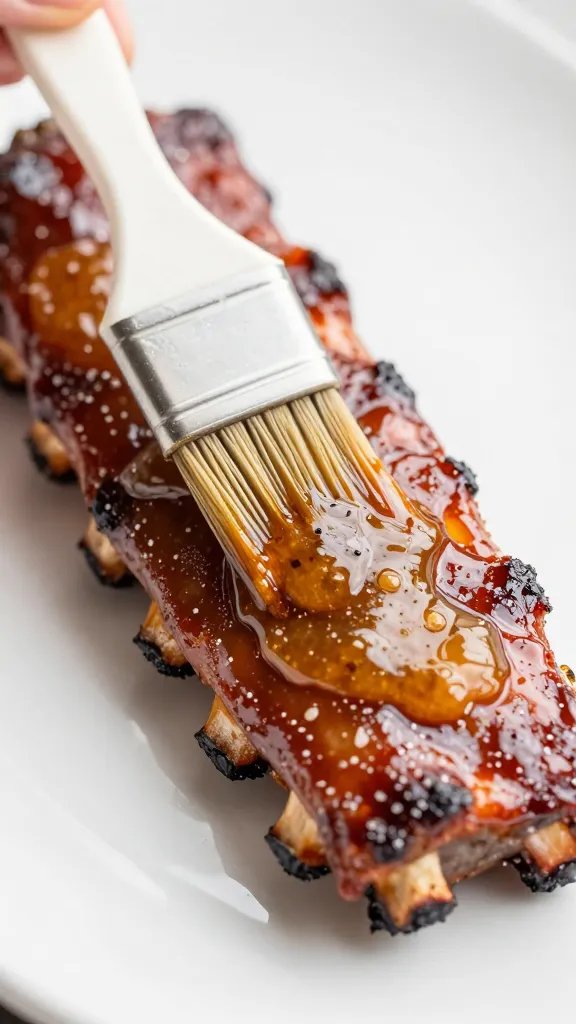
Once the salt is under control, add counterweights: sweetness, acid, fat, and umami. Keep added sodium minimal.
Low-Sodium Rescue Sauce (Crowd Quantity)
- 4 cups no-salt tomato puree
- 1 cup apple cider vinegar
- 1 cup apple juice or pineapple juice
- 1/2 cup brown sugar or honey
- 2 tbsp smoked paprika, 1 tbsp garlic powder, 1 tbsp onion powder
- 1–2 tsp black pepper, 1/2 tsp cayenne (optional)
- 2 tbsp yellow mustard
- Zero added salt — taste first; only add a pinch if truly needed
- Simmer 15–20 minutes to thicken slightly.
- Brush thin layers in the last 10 minutes of grilling or broiling, repeating 2–3 times.
Key move: Thin layers beat one heavy glaze. You’ll add sweetness and tang without gooping on hidden sodium.
Glaze Add-Ins That Help
- Acid: Extra cider vinegar, lemon juice, or a splash of pickle brine (watch sodium).
- Sweet: Honey, brown sugar, maple — go light; you can’t un-sweeten.
- Fat: A knob of butter blended into warm sauce softens edges of salt and heat.
- Fruit: Peach, apricot, or pineapple puree lifts perception without salt.
Use Sides and Serving Tricks to Dilute Per Bite
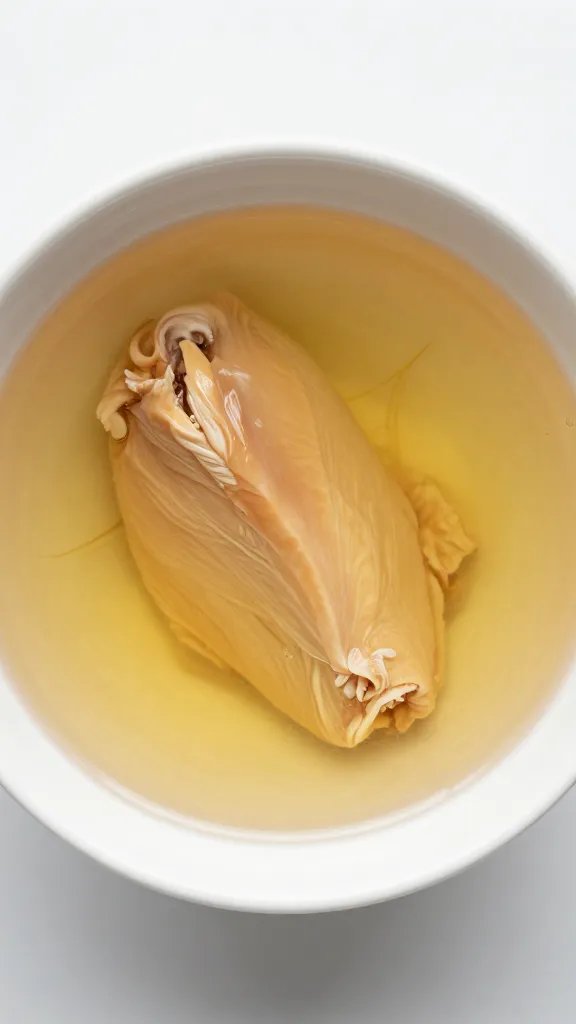
Even after fixes, the plate can make or break balance. Plan low-sodium, starchy, and tangy sides that sponge excess salt.
- Creamy, unsalted starch: Potato salad (light on salt), mac and cheese with low-sodium cheese, buttered rice.
- Plain carbs: Cornbread without added salt on top, buns, grilled polenta.
- Bright slaws: Vinegar-based cabbage slaw with no added salt cuts through salt and fat.
- Fresh crudités: Cucumber, celery, jicama — crunchy and hydrating.
- Low-sodium beans: Rinse canned beans thoroughly, then dress with citrus and herbs.
Serve sauces on the side too. A little more acid at the table lets guests tune their plate.
Scaling for 30 People Without Overdoing Salt
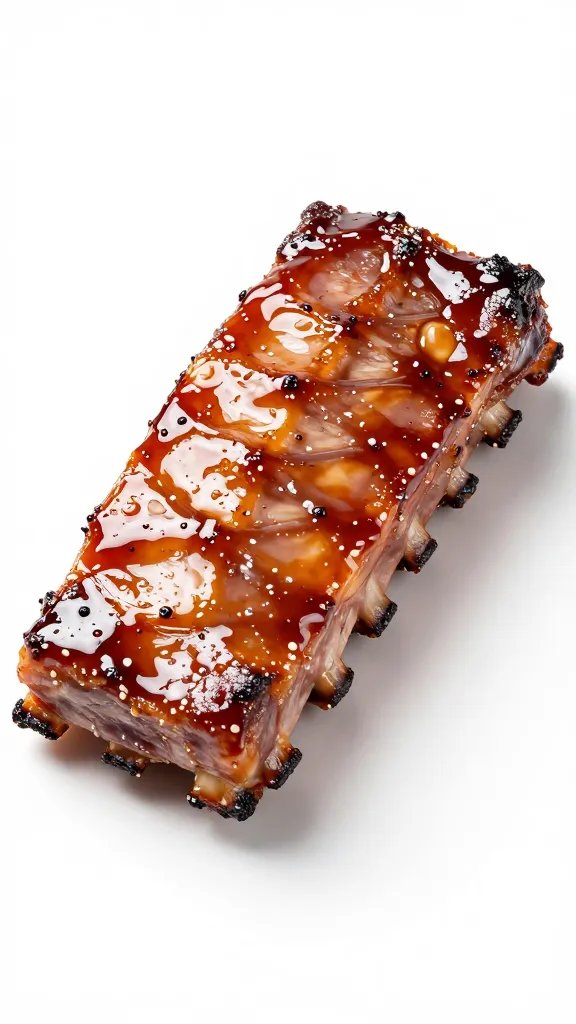
Cooking for a crowd multiplies mistakes. Salt doesn’t scale linearly in slow cooks because moisture loss concentrates it.
- Rule of thumb: Scale all rub ingredients by the crowd multiplier, but salt by half that multiplier. Add more at the end only if needed.
- Use no-salt base rubs: Pepper, paprika, garlic, onion, cumin, chili, coriander — then add salt sparingly.
- Dry brine safer: If you dry brine, do 0.5–0.7% salt by meat weight, not 1%. Ribs have a high surface-to-mass ratio.
Need a bright counter to rich meats? Try adding a fresh herb sauce like this chimichurri recipe to the buffet — herb, acid, and oil tame salt and fat fast.
Step-by-Step Rescue Plan for Salty Ribs
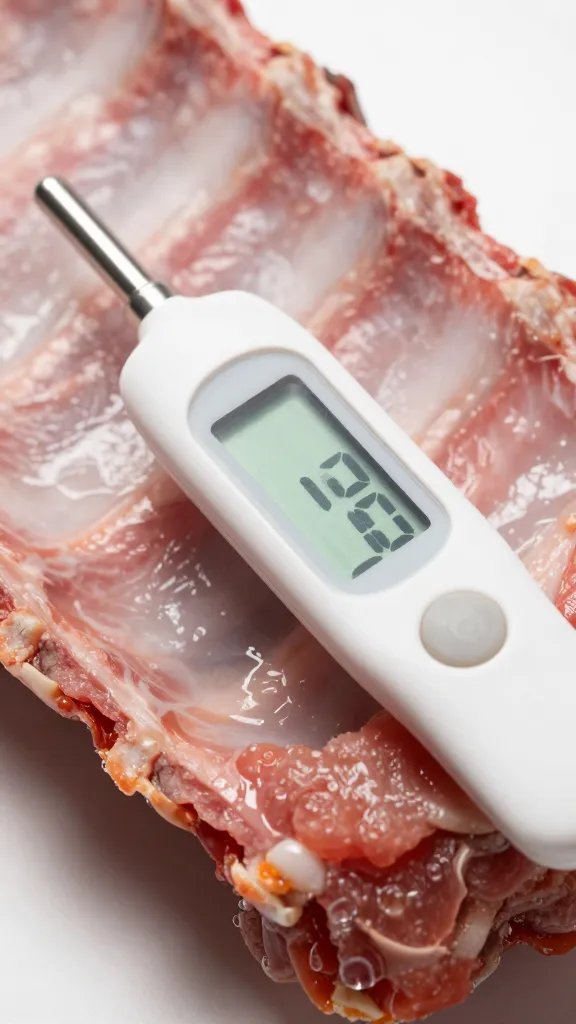
- Taste and decide. If very salty, choose soak or braise. If mildly salty, skip to step 4.
- Soak or braise. Cold water soak 30–45 minutes (change once), or unsalted braise 45–75 minutes at 275–300°F.
- Dry and re-season. Pat dry. Dust with a no-salt rub for aroma and color.
- Finish hot. Grill or broil to set bark. Apply thin layers of low-sodium rescue sauce.
- Rest and slice. Rest 10–15 minutes. Slice into singles or pairs; toss lightly with warm sauce if needed.
- Plate smart. Serve with starchy, low-sodium sides and a bright slaw. Keep extra tangy sauce on the side.
Want a make-ahead side that balances rich ribs? Pair with a light, herby potato salad or even these grilled vegetable skewers for crunch and freshness.
From My Kitchen: What Actually Works

When I oversalt ribs, a 40-minute cold soak is my first move — it reliably drops the edge without wrecking texture. If they’re already tender, I switch to a 1/3-depth unsalted braise with apple juice and onion; 60 minutes at 285°F pulls salt and gives me silky moisture back. I glaze in three thin passes, not one thick coat; sweetness stacks fast and can turn cloying. For 30 guests, I cap rub salt at 0.6% by meat weight and let the finishing sauce do the final balancing. The biggest crowd-save? Serving with a sharp vinegar slaw — people naturally alternate bites and the ribs taste perfectly seasoned.
Frequently Asked Questions

How do I fix BBQ ribs that are too salty without recooking them?
Slice the ribs, then toss lightly with a thin, tangy, low-sodium sauce to spread salt over more surface area. Pair with starchy, unsalted sides like rice or potato salad and a vinegar slaw to balance each bite.
Can I soak cooked ribs to remove salt?
Yes, but keep it short. A 30–45 minute cold water soak can reduce surface salt; dry well, then reheat and glaze to restore flavor and texture.
What’s the best way to serve salty ribs for a crowd of 30?
Serve ribs sliced with a bright, low-sodium sauce on the side, plus neutral, starchy sides and a tangy slaw. This lets guests calibrate their plate and keeps perceived salt in check.
Can I make salty ribs ahead and fix them the next day?
Yes. Cool, refrigerate, then do a short unsalted braise the next day to reheat and pull salt, finishing with a balanced glaze. Hold warm and slice before serving.
How much salt should I use in a rib rub when cooking for 30 people?
Scale spices fully but salt by half the multiplier; aim for about 0.5–0.7% salt by total meat weight. You can always add a little in the glaze or at the table, but you can’t take it out.
The Bottom Line
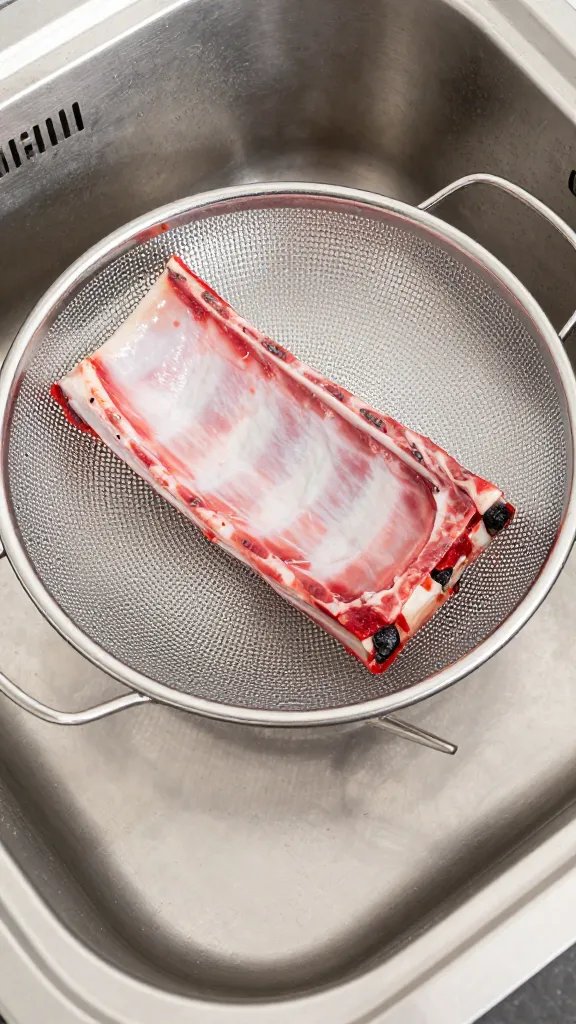
Too salty ribs aren’t a lost cause. Pull some salt with a soak or braise, then balance with acidity, a touch of sweetness, and smart sides. Finish hot, glaze thin, and serve with bright, starchy companions for a crowd-pleasing plate.
Planning to try this? Save this post so you can find it when you need it — and tag us when you make it.