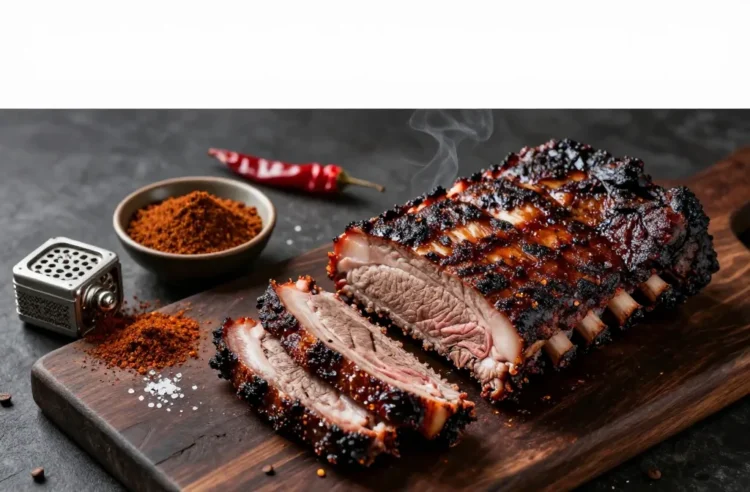
- Best for: Weekend smokes, tailgates, and make-ahead BBQ platters
- Make ahead: Yes — blend and store up to 3 months airtight
- Serves: Yields about 1 cup rub; seasons 8–10 lb brisket or 2 racks of beef ribs
- Key tip: Use very finely ground coffee; coarse grounds create bitterness and grit
Coffee and Ancho Chili Dry Rub for Beef Ribs and Brisket brings deep, roasty flavor and gentle heat that loves long, slow cooks. The coffee adds backbone and bark, while ancho keeps things warm without blasting your palate. You’ll get a balanced, savory rub that plays well with smoke, beef fat, and a low-and-slow schedule. By the end, you’ll have the exact blend, pro tips for application, and timing that delivers restaurant-level bark at home.
Why Coffee + Ancho Works on Beef
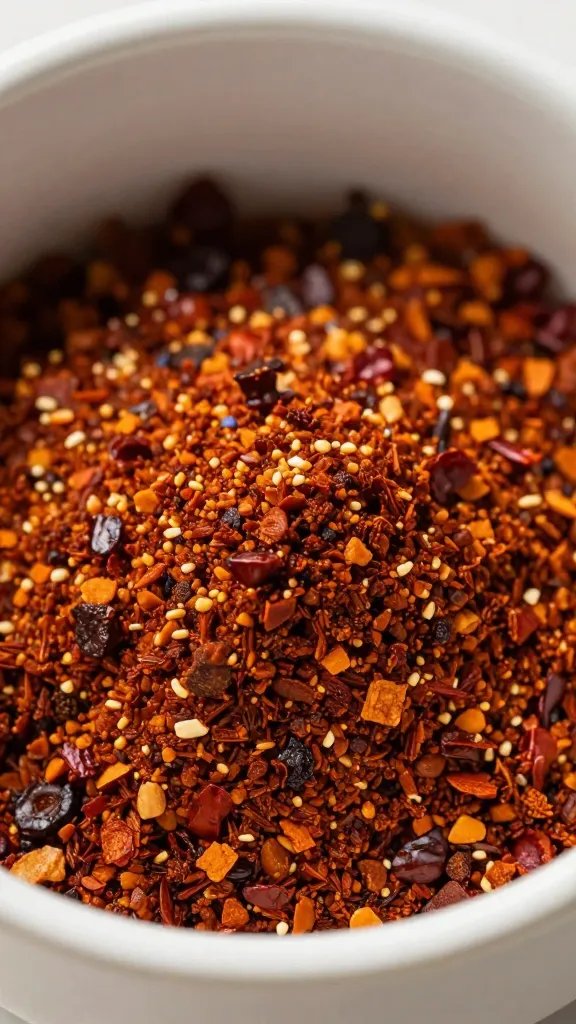
Coffee’s roasted notes echo the Maillard flavors that brisket and beef ribs develop over hours, doubling down on that steakhouse crust. It isn’t “coffee-flavored meat” — it’s deeper beef flavor.
Ancho chili (dried poblano) brings a mild-to-medium heat with chocolatey, raisin-like depth. It fills in the mid-palate, so the rub tastes round, not sharp.
Core Rub Recipe (Balanced, Not Bitter)
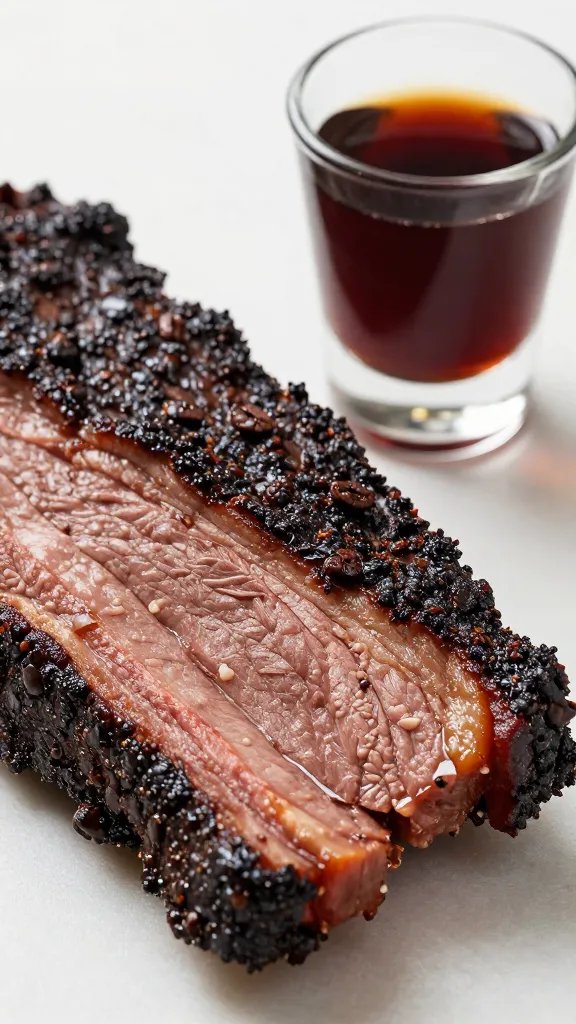
Blend the following until uniform. Use a spice grinder if any ingredients are coarse.
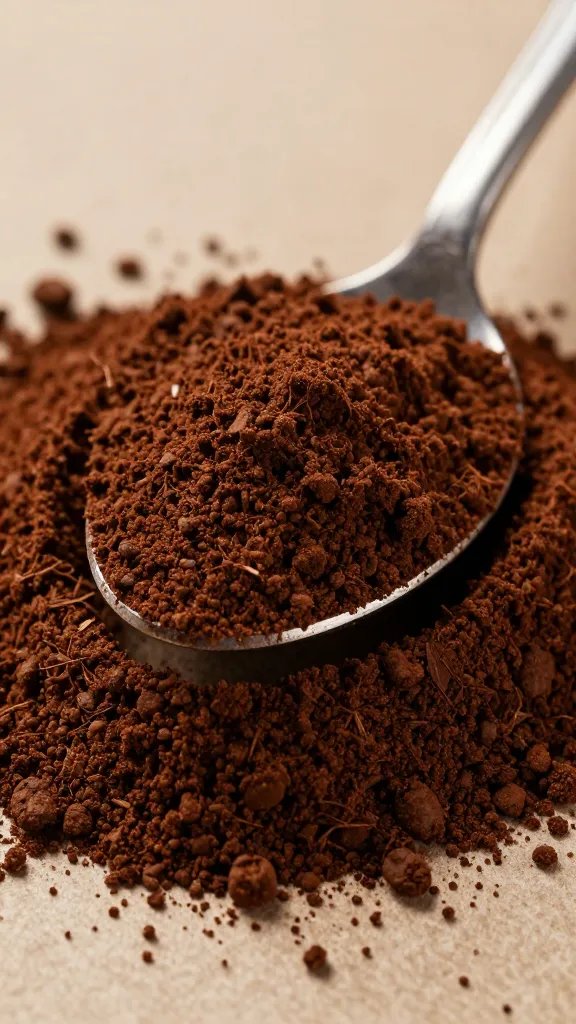
- 3 tbsp finely ground coffee (medium or dark roast, not espresso)
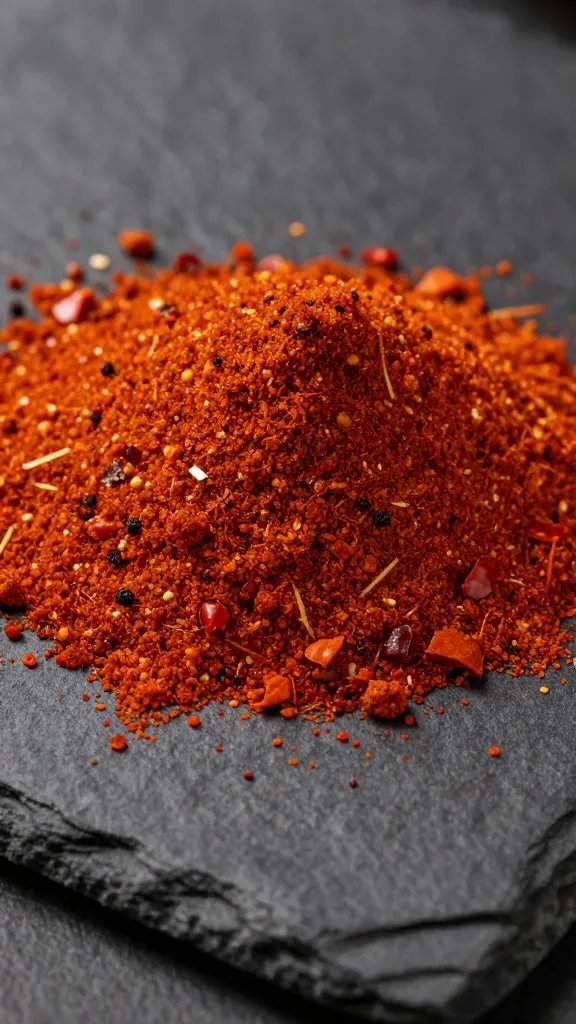
- 3 tbsp ancho chili powder
- 2 tbsp smoked paprika
- 2 tbsp kosher salt (Diamond Crystal; use 1 tbsp if using Morton)
- 1 tbsp black pepper, freshly ground
- 1 tbsp brown sugar (lightly packed)
- 2 tsp garlic powder
- 2 tsp onion powder
- 1 tsp ground cumin
- 1/2 tsp cayenne (optional, for a little kick)
Yield: About 1 cup. Enough for a whole packer brisket (8–10 lb trimmed) or two racks of beef back or plate ribs.
How to Prep and Apply the Rub
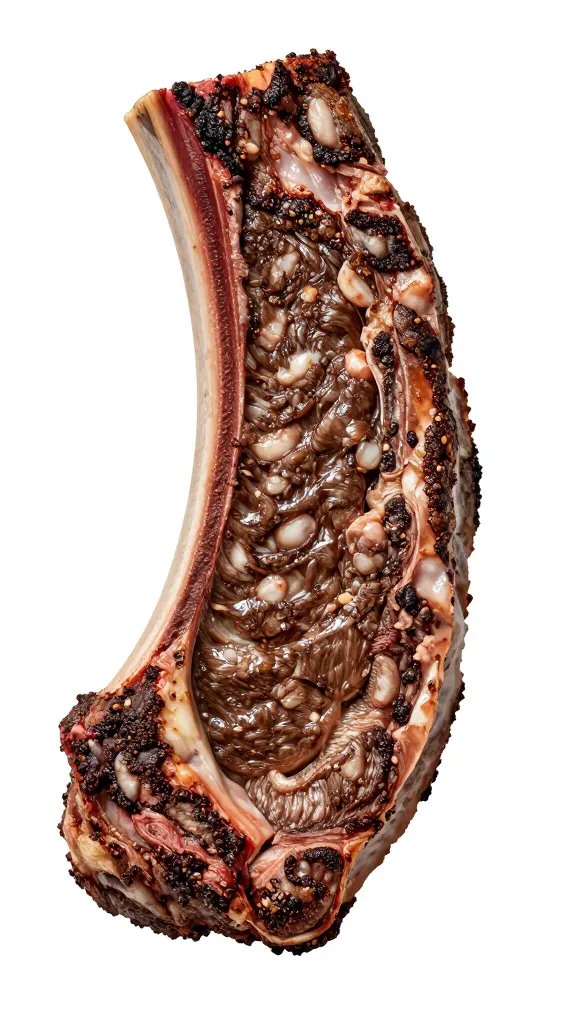
Trim and Pat Dry
Trim exterior hard fat from brisket and ribs to about 1/4 inch so the rub and smoke can actually hit the meat. Pat dry with paper towels.
Binder or No Binder?
- With binder: A thin coat of yellow mustard or oil helps adhesion and can reduce patchy spots.
- No binder: Fine — just press firmly. Meat surface moisture will grab the rub.
Season Generously
- Brisket: 1 tablespoon rub per pound, all sides. Don’t forget edges.
- Beef ribs: 2–3 tablespoons per rack; remove the silver skin on the bone side for better bite.
Rest Time
- Minimum: 30 minutes at room temp for the rub to hydrate.
- Best: 8–24 hours wrapped and chilled; enhances penetration and bark formation.
Smoking and Roasting: Timelines That Deliver Bark
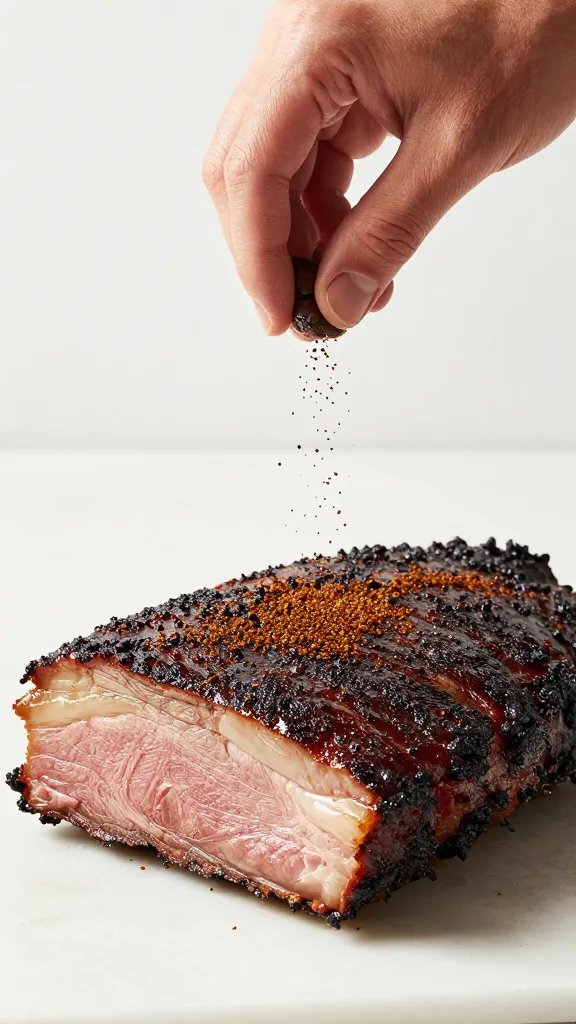
Brisket (Low-and-Slow)
- Smoker temp: 250°F (121°C). Wood: oak, hickory, or post oak.
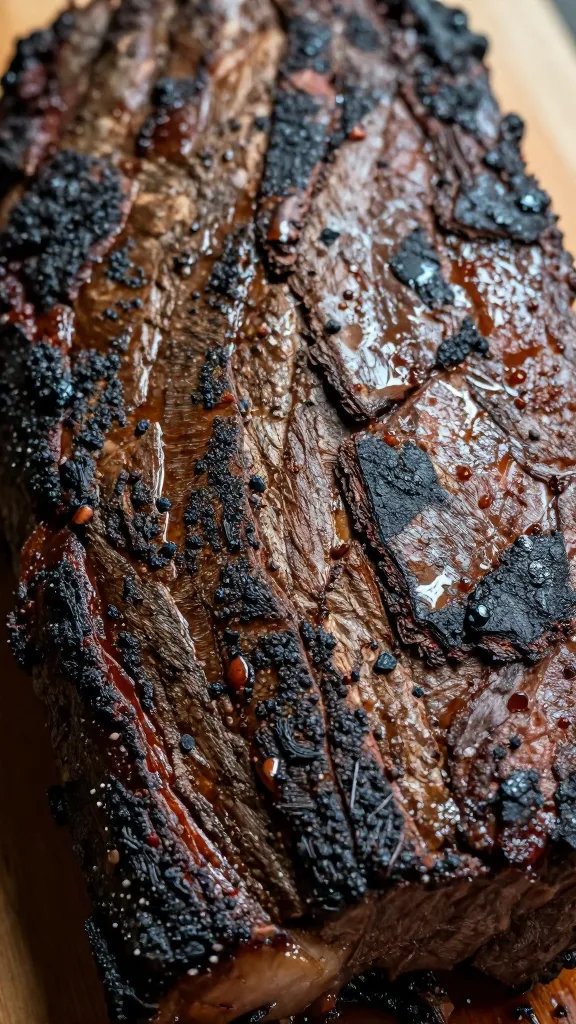
- Cook to color: 4–6 hours until bark is set and dark mahogany. Internal around 160–170°F.
- Wrap: Use unwaxed butcher paper to preserve bark; foil if you want faster, juicier results.
- Finish temp: 200–205°F internal, probe tender in the flat. Rest 1–2 hours in a cooler.
Beef Ribs
- Smoker temp: 275°F (135°C) for a slightly faster render.
- Unwrapped: 6–8 hours until probe tender, 200–205°F. If the surface dries early, spritz with beef stock or apple cider every hour after the first 3 hours.
- Rest: 30–45 minutes, tented.
Oven-only option: Roast at 275°F on a rack over a sheet pan. Add a small pan of water on a lower rack to help humidity. You’ll miss smoke, but the rub still shines. Finish under the broiler 1–2 minutes for a touch more char if needed.
Dial It In: Variations and Add-Ons
- For sweeter bark: Increase brown sugar to 2 tbsp, especially for ribs. Keep heat moderate to avoid scorching.
- More heat: Swap cayenne for chipotle powder for warmth plus smoke.
- Umami boost: Add 1 tsp ground dried mushroom or 1 tsp instant espresso (sparingly) for extra savoriness.
- Salt control: If dry brining separately (1/2 tsp kosher salt per lb meat, 12–24 hours ahead), cut rub salt in half.
Pairing and Serving Ideas
Slice brisket pencil-thick across the grain; for ribs, slice between bones and serve with minimal sauce so the rub stays the star.
- Fresh herb acidity wakes things up: try this chimichurri recipe for a bright counterpoint.
- For leftovers, fold chopped brisket into tacos with pickled onions and a drizzle from this smoky salsa roja.
- Sides that fit: vinegar slaw, skillet beans, roasted sweet potatoes, and cornbread.
Storage and Make-Ahead Tips
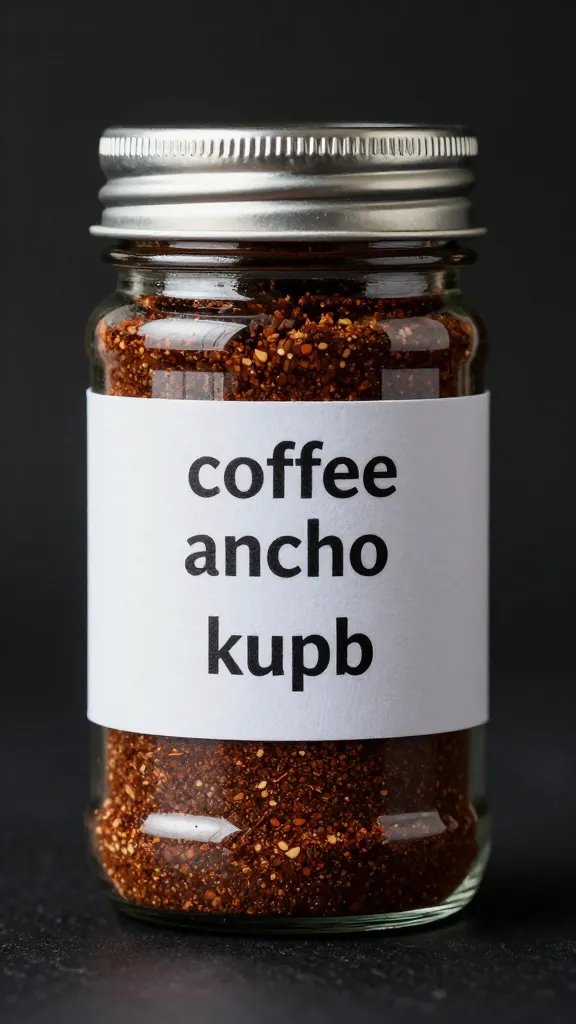
- Rub shelf life: Up to 3 months in an airtight jar, cool and dark. Aroma tells you when it fades.
- Pre-rubbed meat: Up to 24 hours in the fridge, wrapped. Unwrap 30 minutes before cooking.
- Leftover meat: 4 days refrigerated, 2–3 months frozen. Reheat gently, covered, 275°F until warm, or steam slices to keep them juicy.
From My Kitchen: What Actually Works
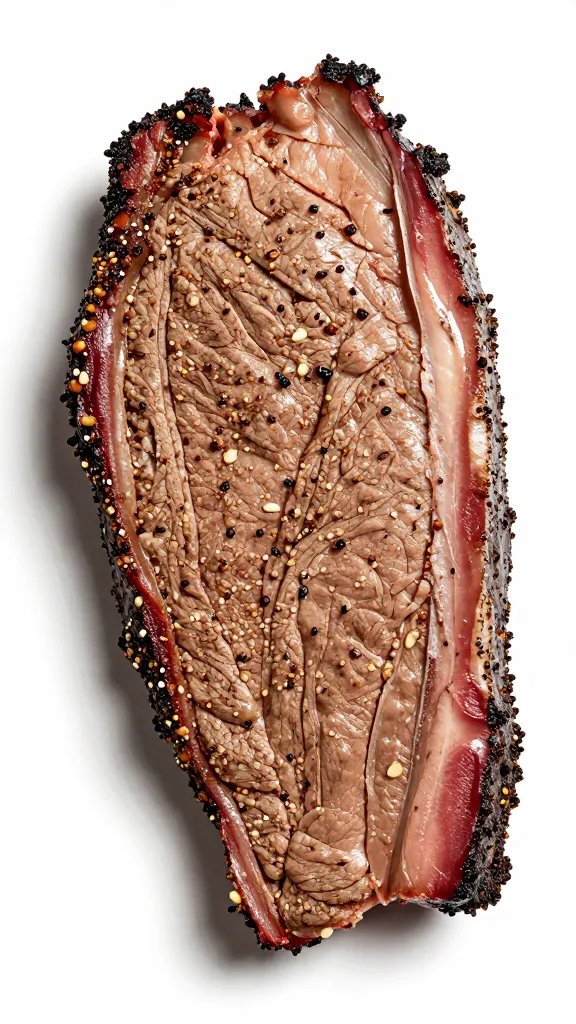
I get the best bark when the coffee is ground as fine as drip coffee, never coarse. Coarser grounds turned bitter and left a sandy texture in my tests. I also stopped spritzing during the first 3 hours; early spritzing washed off the rub and stalled bark formation. Finally, when I wrapped brisket in foil at 170°F, the bark softened too much, so I switched to butcher paper and regained that firm, bite-through crust.
Frequently Asked Questions
Can I make Coffee and Ancho Chili Dry Rub for Beef Ribs and Brisket ahead of time?
Yes. Mix the rub and store it in an airtight jar up to 3 months. Keep it away from heat and light to protect the volatile oils in chili and coffee. Shake before using to redistribute fine particles.
What coffee grind is best for this rub?
Use a fine drip grind. Espresso can read too intense and bitter, while coarse grinds won’t hydrate evenly and can feel gritty. If your coffee is coarse, pulse it briefly in a spice grinder.
How much Coffee and Ancho Chili Dry Rub should I use on brisket?
Plan about 1 tablespoon per pound. For a 10-pound packer, that’s roughly 10 tablespoons (a little over 1/2 cup). Press it on evenly and let it sit at least 30 minutes, or up to 24 hours.
Will the rub make my meat taste like coffee?
No — not if balanced. The coffee boosts roasted, beefy notes and bark formation rather than dominating. If you taste “coffee,” you likely used very dark espresso grounds or too much rub.
Can I use this rub on pork or chicken?
It’s best on beef, but it can work on pork shoulder with a touch more brown sugar. For chicken, reduce coffee by half and skip cayenne to avoid overpowering the meat.
The Bottom Line
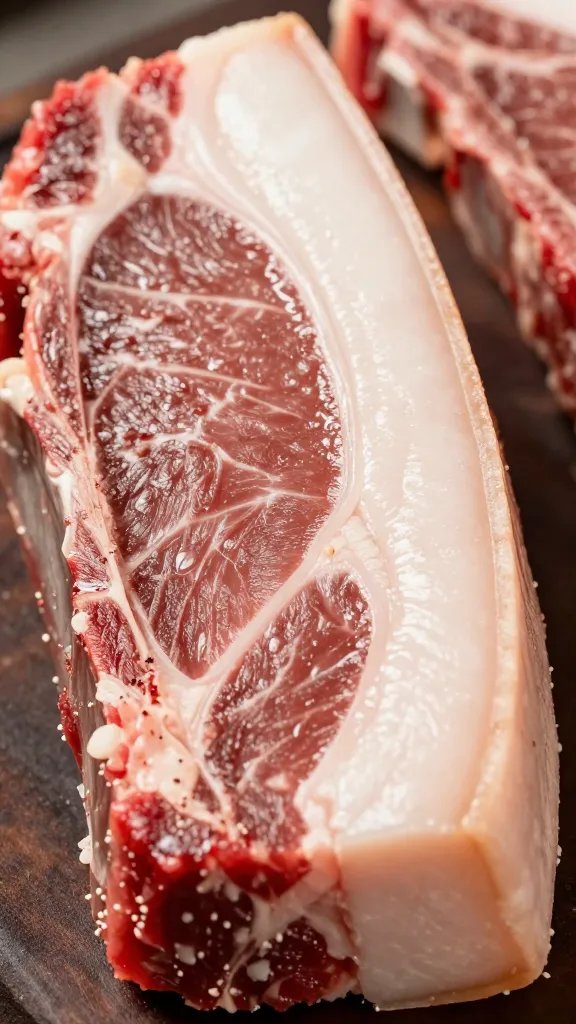
This Coffee and Ancho Chili Dry Rub for Beef Ribs and Brisket brings big bark, gentle heat, and layered savoriness tailor-made for long cooks. Mix once, keep a jar on hand, and you’re always one step from standout beef.
Planning to try this? Save this post so you can find it when you need it — and tag us when you make it.