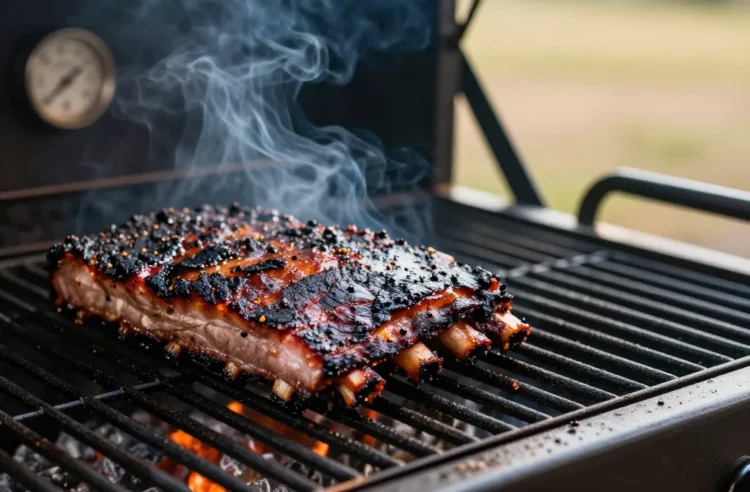
- Best for: Backyard cookouts, tailgates, and casual parties
- Make ahead: Yes — rub 12–24 hours before, smoke day-of
- Serves: One packer brisket + 2 racks ribs feeds 10–14
- Key tip: Keep surface dry and pit temp steady (250°F) to build bark
Bark on Ribs and Brisket is the smoky crust everyone fights over. That peppery, mahogany armor doesn’t happen by accident — it’s science you can repeat. Once you understand moisture management, rub composition, and airflow, you’ll get consistent bark every time. In this guide, you’ll learn exactly how to prep, rub, smoke, and wrap to build proper bark on both ribs and brisket.
What “Bark” Really Is (And Why It Forms)
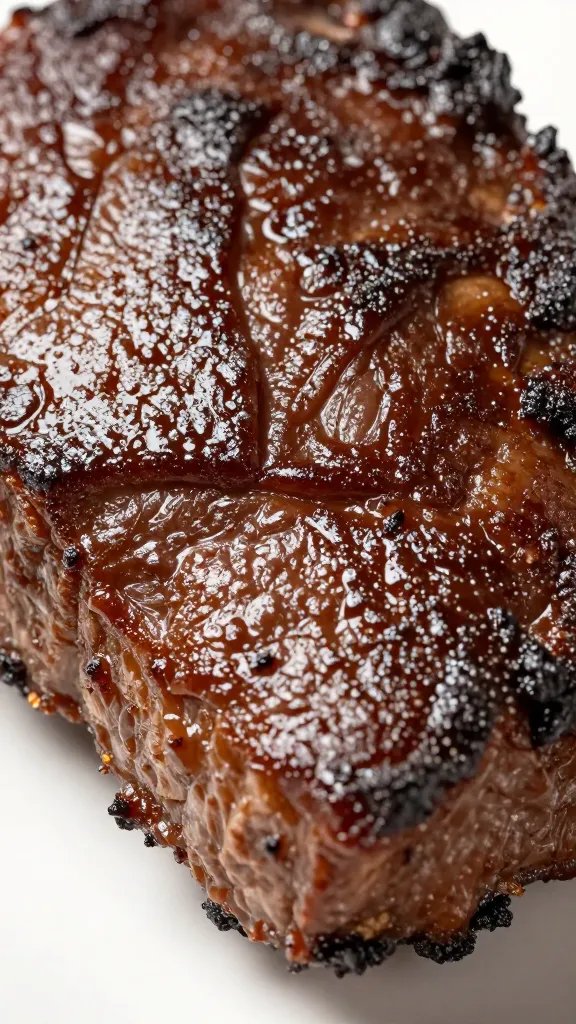
Bark is a dehydrated, seasoned crust formed by three forces: dehydration, Maillard browning, and smoke particle adhesion. Salt draws moisture to the surface, helping proteins denature and accept smoke.
The rub’s pepper and spices fuse with rendered fat and dehydrated protein to create that dark, flavorful shell. Too wet? Bark sloughs off. Too little heat or airflow? It stays soft.
Set Up Your Smoker for Bark
Target Temps and Fuel
- Cook at 250–275°F for brisket and 250°F for ribs. This range dehydrates without scorching.
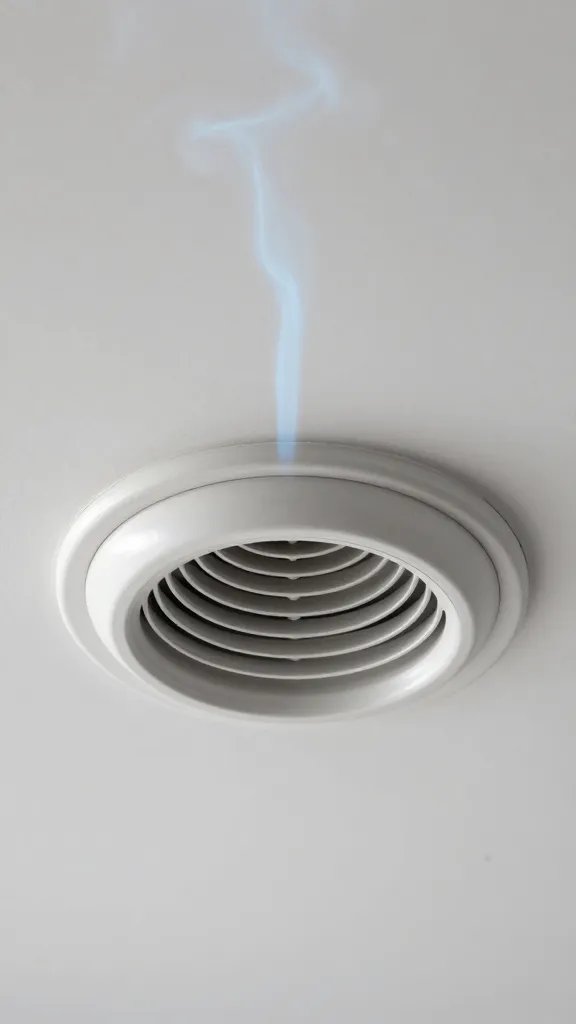
- Use clean-burning smoke (thin blue). White, billowy smoke tastes bitter and muddies bark.
- Hardwoods: Oak or hickory for brisket; post oak or a blend with fruit wood for ribs.
Airflow and Humidity
- Maintain steady airflow. Stale smoke softens bark. Keep top vents open; control heat with intake.
- Skip water pans early if your cooker runs humid. You want the surface to dry in the first 2–3 hours.
Rub Composition: Keep It Simple and Coarse
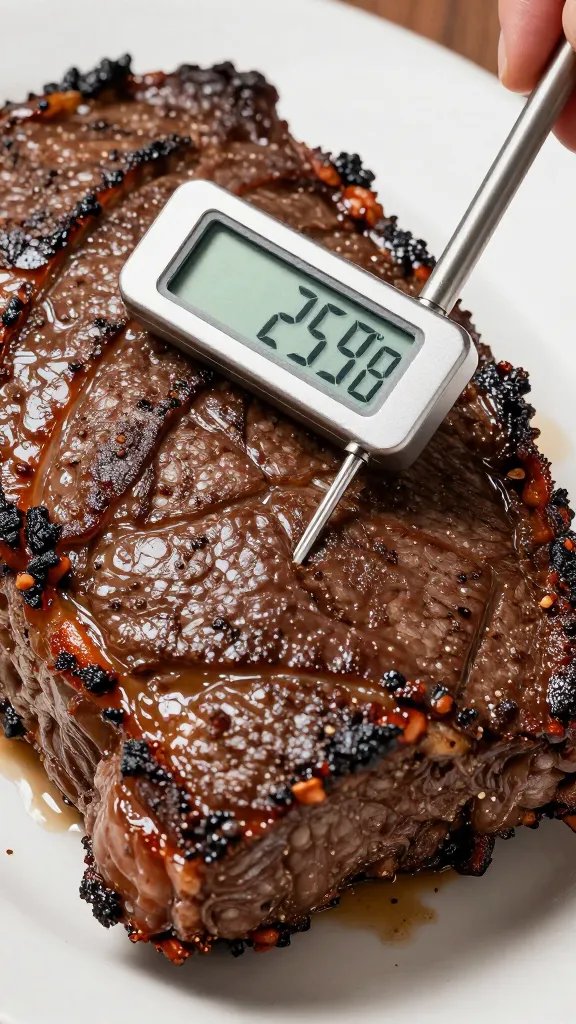
You don’t need 15 spices. For bark structure, focus on salt, coarse black pepper, and a small sugar component (more for ribs than brisket).
Brisket Rub (Central Texas-Style)
- 2 parts 16–20 mesh black pepper
- 1 part kosher salt
- Optional: 0.25 part granulated garlic
The coarse grind bites into the meat and supports a rugged crust. Fine spices cake and fall off.
Ribs Rub (Balanced, Bark-Friendly)
- 1 part kosher salt
- 1 part 16–20 mesh black pepper
- 1 part paprika (color, mild sweetness)
- 0.5 part light brown sugar (helps color; don’t overdo)
- 0.25 part granulated garlic + 0.25 part onion powder
Avoid heavy sugar on ribs if you cook hot — it can burn and turn bitter, sabotaging bark.
Surface Prep: Dry Is King
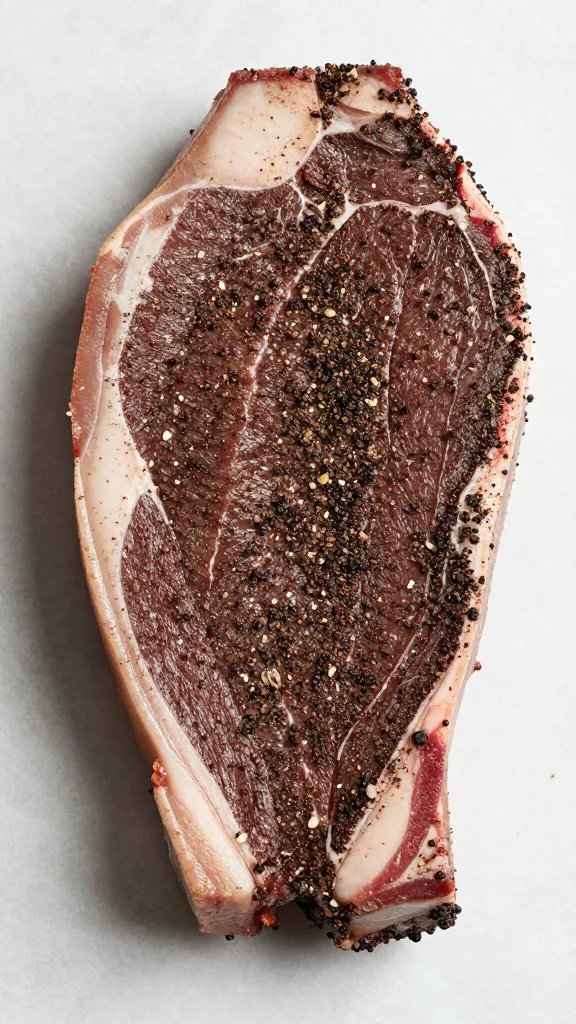
- Trim brisket to 1/4-inch fat cap; remove hard fat that won’t render. Expose the flat’s meat surface.
- Remove rib membrane for even seasoning and bite.
- Pat dry thoroughly. Skip oil binders. If needed, use a whisper of yellow mustard — it dries fast and won’t block bark.
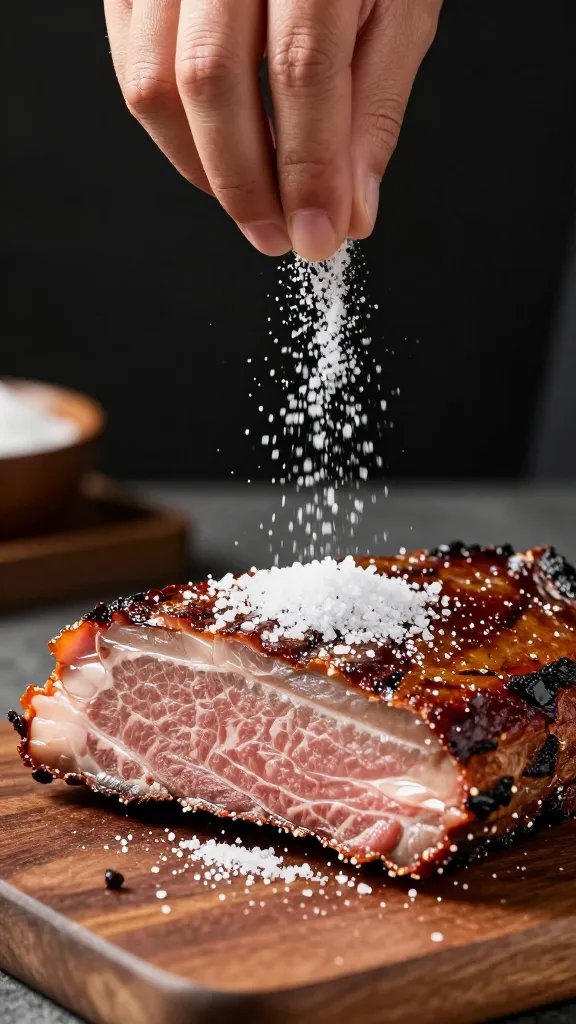
- Salt early. Dry brine 12–24 hours, uncovered on a rack in the fridge. This pulls moisture, seasons deeper, and jumpstarts bark.
How to Build Bark on Brisket: Step-by-Step
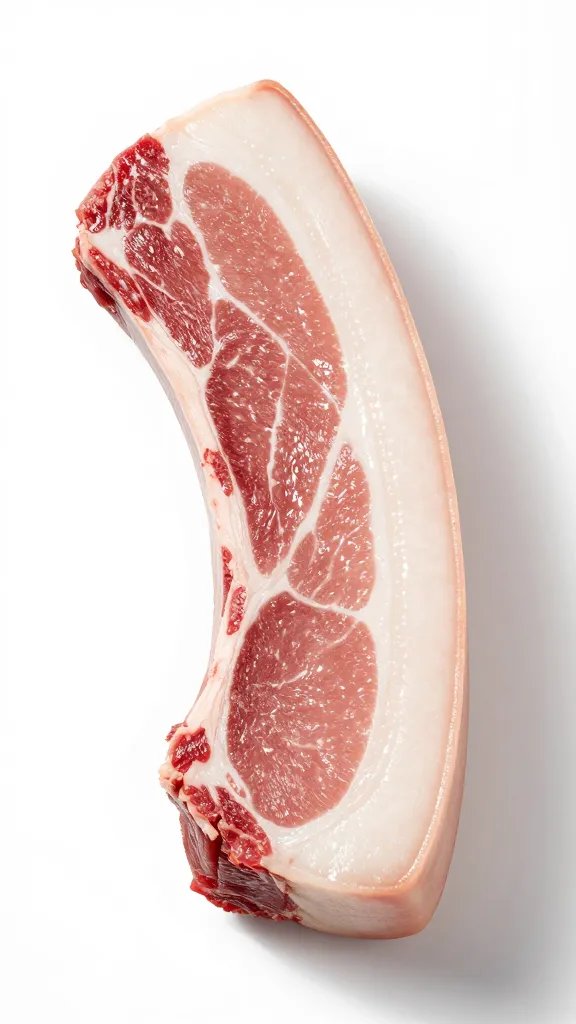
- Season aggressively. Coat all sides evenly, then rest 20–30 minutes until the surface looks damp — the rub should cling.
- Smoke at 250–270°F. Place brisket fat cap down if heat source is below to protect the flat.
- Don’t spritz early. Let the surface set for 2–3 hours. Spritzing too soon softens bark.
- Optional spritz after set: If edges look dry, light spritz every 60–90 minutes with apple cider vinegar and water (1:1) or straight water.
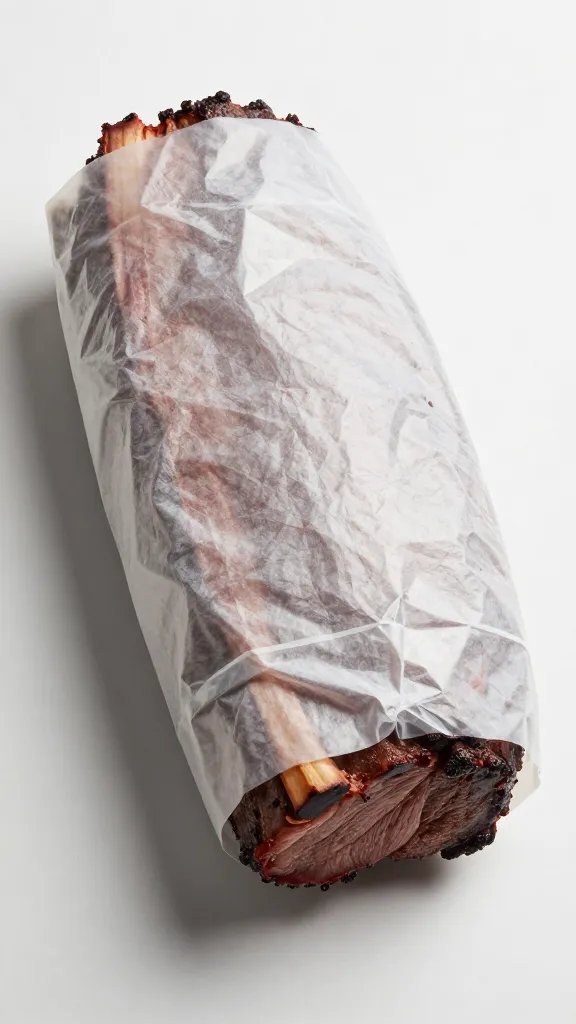
- Wrap only when bark is set. At roughly 170–180°F internal, the bark should be dark, dry, and resilient to a finger rub. If it smears, it’s not ready. Wrap in unwaxed butcher paper (breathes better than foil).
- Finish to probe-tender. Typically 200–205°F in the flat. Paper retains moisture but keeps bark from steaming soggy.
- Rest, vent, then hold. Vent steam 5 minutes, rewrap, and rest in a cooler or warm oven for 1–3 hours to relax fibers without ruining bark.
Bark on Ribs: Timing and Texture
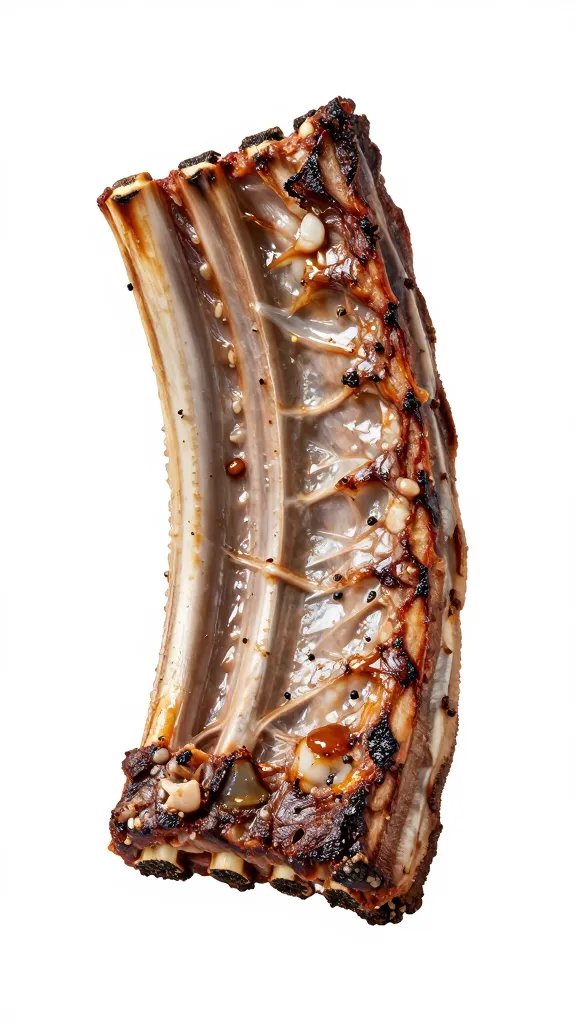
Ribs cook faster and have more sugar risk. You’re balancing color, texture, and bite without glazing away the crust.
- Season evenly and let ribs sit until tacky.
- Smoke at 250°F with steady airflow. Leave them alone for 90 minutes to set the crust.
- Light spritz every 45–60 minutes after bark sets, only if edges dry out.
- Wrap optional. For firmer bark, skip the wrap and cook 4.5–6 hours to tender. If you wrap for tenderness, use paper, not foil, and minimize liquids.
- Sauce carefully. If you like sauce, brush on thinly in the last 10–15 minutes to warm and tack — don’t drown the bark.
Common Bark Killers (And Fixes)
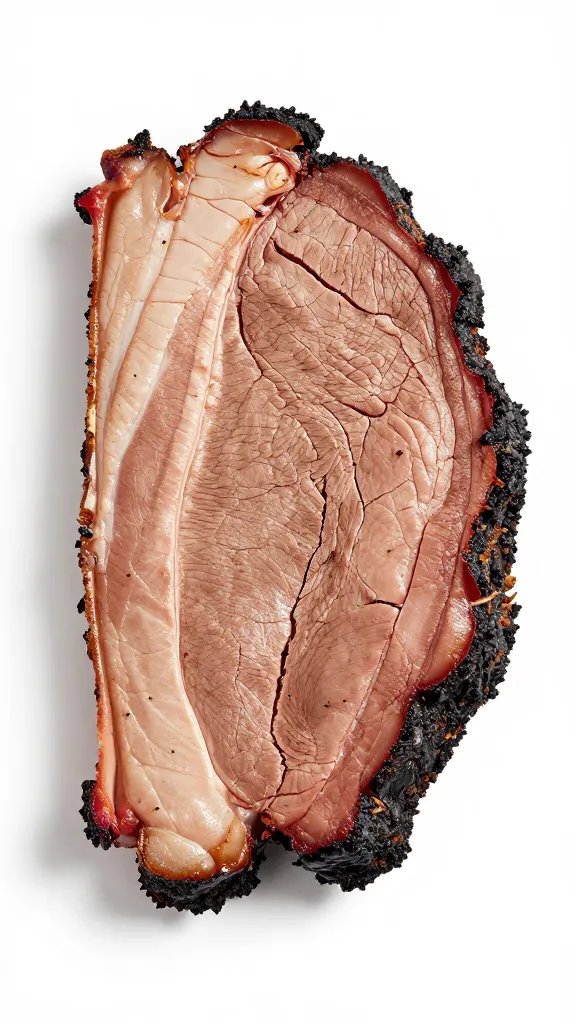
- Too humid: Remove water pan early; increase exhaust flow.
- Thin, fine rub: Switch to coarse pepper and kosher salt; cut powders.
- Spritzing too soon/often: Wait until the surface is matte and set; spritz no more than every 60–90 minutes.
- Foil wrap too early: Use butcher paper and wrap only when bark is firm and dark.
- Dirty smoke: Open vents, burn a clean fire, and preheat the pit fully before meat goes on.
Finishing Moves: Preserving Bark at the End
- Rest hot but dry. Use paper wrap or a vented pan; avoid sealed foil.
- Hold at 150–165°F for service. Lower holds can soften bark with condensation.
- Slice to order. Sliced brisket loses bark crispness quickly. Keep it whole until serving time.
From My Kitchen: What Actually Works
The best bark I’ve logged came from letting brisket ride unwrapped until the rub no longer smears at around 177°F internal — usually hour 6–7 at 265°F. Paper wrap then preserves texture without steaming. For ribs, I quit glazing heavy; a thin, late brush keeps color and leaves the bark intact. Also, when my pit ran humid, pulling the water pan for the first two hours made a visible difference in crust formation.
Flavor Add-Ons That Won’t Ruin Bark
- Post-cook finishes: A drizzle of warm beef tallow on sliced brisket enhances shine without softening bark if you apply lightly.
- Dry dust: A micro-dusting of your rib rub after the cook boosts aroma without adding moisture.
- Fresh herb sauces on the side: Serve with bright condiments like this chimichurri recipe — keep them off the bark until plating.
Tools That Make It Easier
- Instant-read thermometer for probe-tender checks.
- Butcher paper instead of foil for breathable wraps.
- Wire racks for overnight dry brining and resting.
- Coarse grind pepper (16–20 mesh) — the unsung hero of bark texture.
- For sides that match the smoke, try these make-ahead BBQ sides to keep the pit free for meat.
Frequently Asked Questions
How do I get a thick bark on brisket without burning it?
Cook at 250–270°F with clean smoke and coarse rub. Let the surface dry for 2–3 hours before any spritzing, and wrap only when the bark is firm and dark, usually 170–180°F internal. Use butcher paper to protect without steaming.
Why is my bark on ribs soft after resting?
Sealed foil traps steam. Rest in butcher paper or a vented pan, and avoid stacking ribs. If needed, set the ribs back on the smoker for 10 minutes to re-dry the surface before serving.
Should I spritz brisket to help bark form?
Only after the rub has set and the surface turns matte, typically after 2–3 hours. Light spritzing can help smoke particles stick and color develop, but over-spritzing softens the crust.
Can I build good bark on a pellet grill?
Yes. Run 250–265°F, use a strong smoke wood (oak/hickory), and choose “smoke boost” settings early if available. Skip water pans and avoid early wraps; use coarse rubs and give it time.
Does sugar ruin bark on brisket or ribs?
On brisket, skip sugar — it’s unnecessary and can taste off. On ribs, a modest amount (10–20% of the rub) helps color, but too much can burn at higher temps and soften bark when it melts.
The Bottom Line
Great bark comes from dry surfaces, coarse rubs, clean smoke, steady heat, and patience. Nail those, and both ribs and brisket will finish with the crunchy, peppery crust everyone wants.
Planning to try this? Save this post so you can find it when you need it — and tag us when you make it.