- Best for: Backyard cookouts, tailgates, potlucks, and family dinners
- Make ahead: Yes — rubs 1–3 days; sauces 1–2 weeks
- Serves: Easily scales from 4 to 40 with batchable rubs/sauces
- Key tip: Use dry rub for bark, finish with a light glaze to keep texture
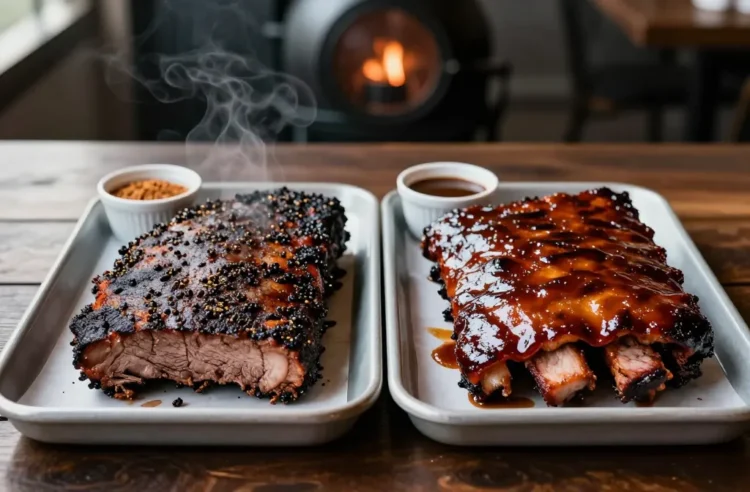
Wet vs Dry BBQ Style shows up at every cookout debate. Sauce or no sauce? Glaze or bark? The truth is both have a place, and picking right comes down to meat, timing, and crowd. In this guide, you’ll learn when to go dry for crusty bark, when to go wet for glossy, sticky ribs, and how to mix both without ruining texture.
Wet vs Dry: What Do They Actually Mean?
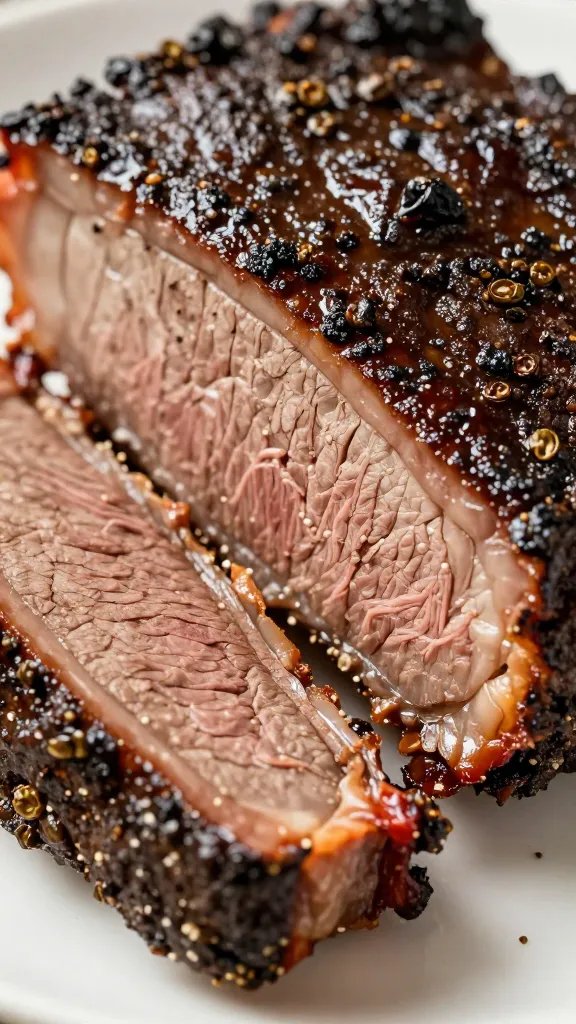
Dry BBQ relies on a seasoned rub and smoke to build a crust, or “bark,” on the meat. No sauce during the cook — maybe a light spritz or mop with a thin liquid to prevent drying out.
Wet BBQ adds a sauce during or after cooking. Think lacquered ribs, saucy pulled pork, or chicken with a shiny glaze. The sauce can be mopped on while cooking or tossed at the end.
When Dry BBQ Shines
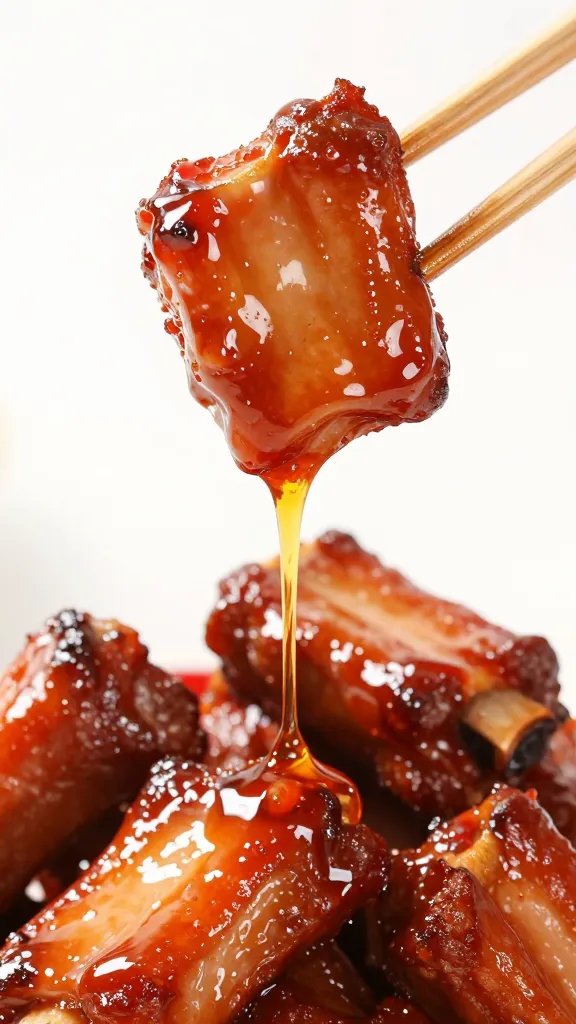
Go dry when bark matters. Brisket, pork shoulder, and meaty beef ribs benefit from a dry surface that caramelizes and stays crisp-ish even after resting.
Dry also plays better for longer buffet service. Sauce can weep and separate under heat, while a dry-rubbed cut holds texture and flavor longer.
- Best meats: Brisket, beef ribs, tri-tip, pork shoulder, wings
- Best methods: Low-and-slow smoking, reverse sear on steaks, hot-and-fast wings
- Flavor focus: Spice-forward, smoky, peppery, with a firm crust
When Wet BBQ Wins
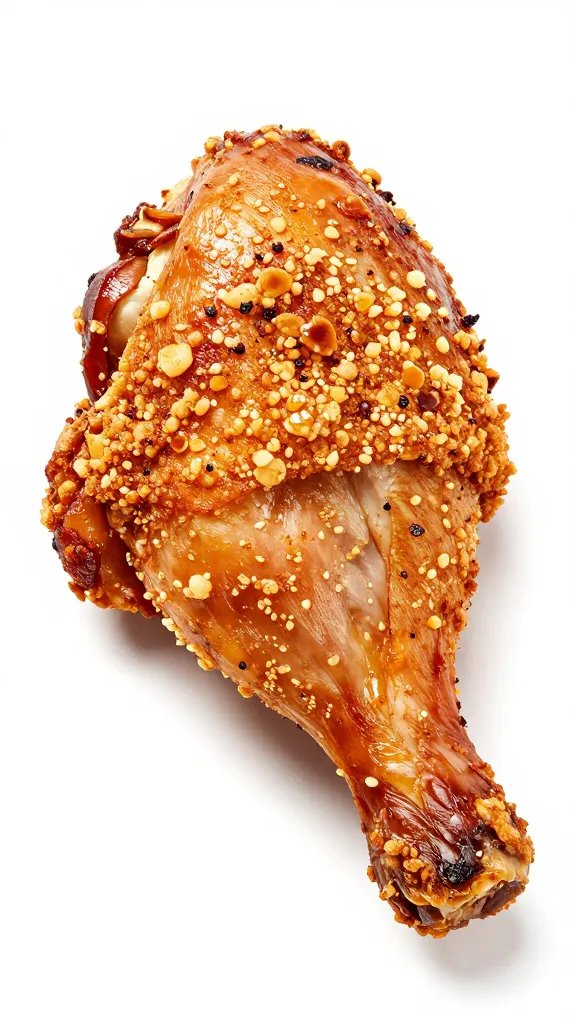
Wet BBQ is perfect when you want shine, sweetness, and stickiness. Sauced ribs, pulled pork sandwiches, and glazed chicken thighs hit the comfort-food button hard.
It’s also ideal when serving for parties where people build plates fast. A sauced protein integrates into buns and sides without extra condiments.
- Best meats: Baby back or spare ribs, pulled pork, chicken thighs/legs, meatballs
- Best methods: Glaze in the last 10–20 minutes, or toss with warm sauce post-shred
- Flavor focus: Tangy, sweet, or spicy layers with a glossy finish
How Sauce Timing Changes Everything
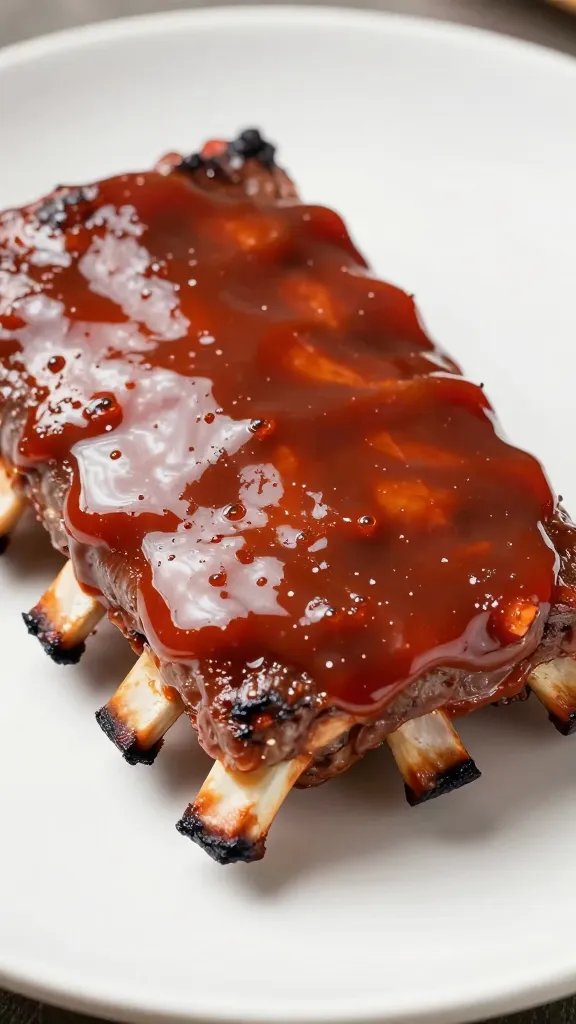
During the cook (mop or glaze)
Thin mops add moisture and tang without killing bark. Use vinegar, stock, apple juice, or beer — not thick sauce — in the first 75% of the cook.
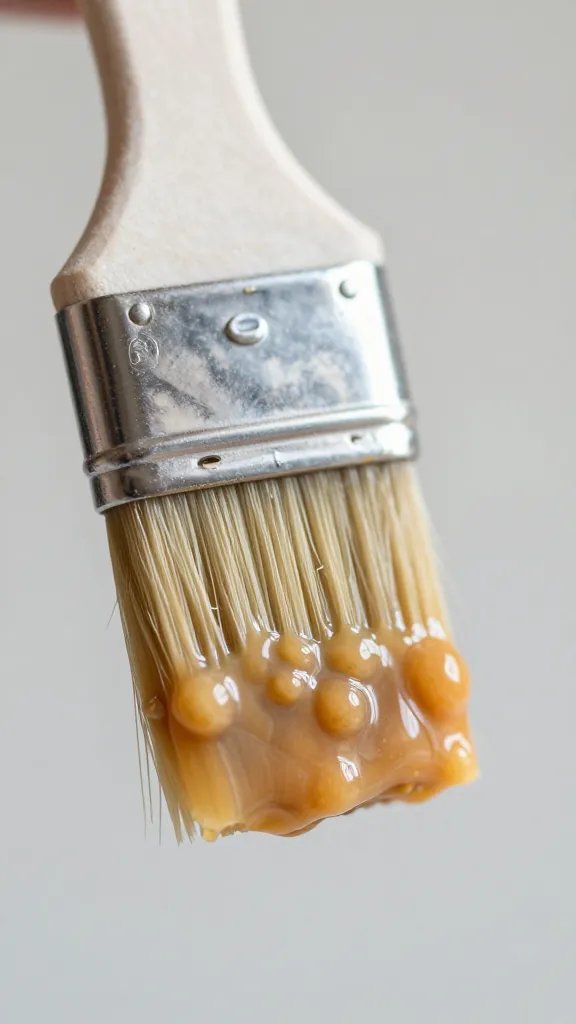
Glaze late with thicker sauces to set shine. Apply in 1–2 coats during the final 10–20 minutes so sugars don’t burn.
After the cook (toss or serve)
Toss pulled pork or chopped brisket ends with a modest amount of warm sauce to coat but not drown. Hold extra on the side so guests can dial in sweetness and heat.
Serving sauce on the side preserves the bark you worked for, especially with brisket slices and dry-rub ribs.
Building Flavor: Rubs, Spritzes, and Sauces
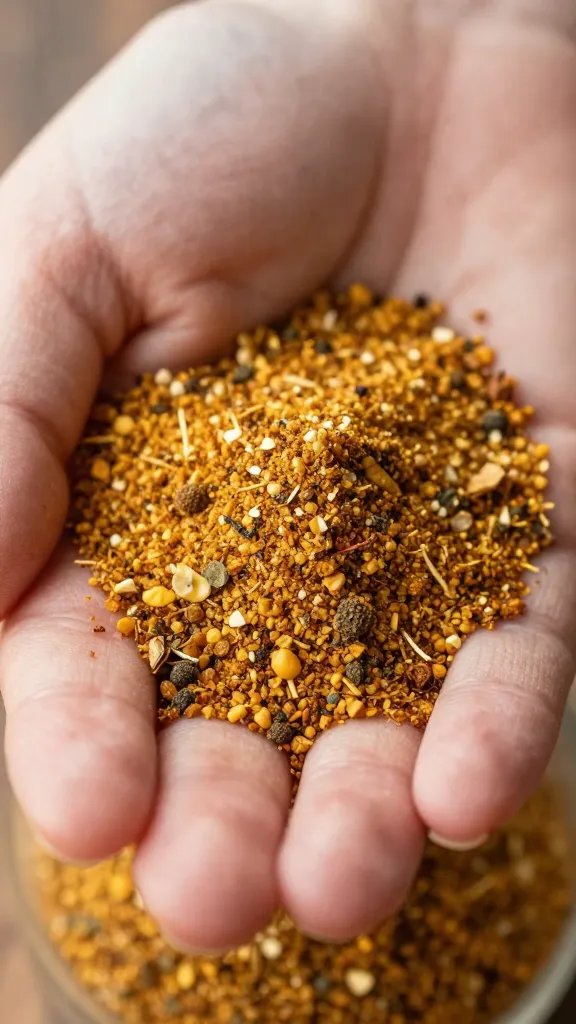
Dry rub essentials
- Base: Kosher salt and coarse black pepper set the foundation.
- Character: Paprika, garlic, onion, mustard powder, and a touch of sugar for ribs or pork.
- Heat: Cayenne, chipotle, or chili powder to taste.
Spritz and mop options
- Apple cider vinegar + water (1:1): Classic for pork.
- Beef stock + Worcestershire: Savory boost for brisket.
- Pineapple juice + soy (light): Great on chicken — apply late.
Sauce styles and where to use them
- Kansas City–style: Thick, sweet, tomato-based. Best as a late glaze on ribs and chicken.
- Memphis dry + table sauce: Ribs get a dry rub; sauce served on the side.
- Carolina vinegar: Thin, tangy, peppery. Mix into pulled pork or spritz during the cook.
- Alabama white: Tangy mayo-based. Fantastic on smoked chicken and turkey.
Want a bright, herb-first option with grilled meats? Try this chimichurri recipe as a fresh, no-sugar finisher.
Choosing Wet vs Dry for Different Meats
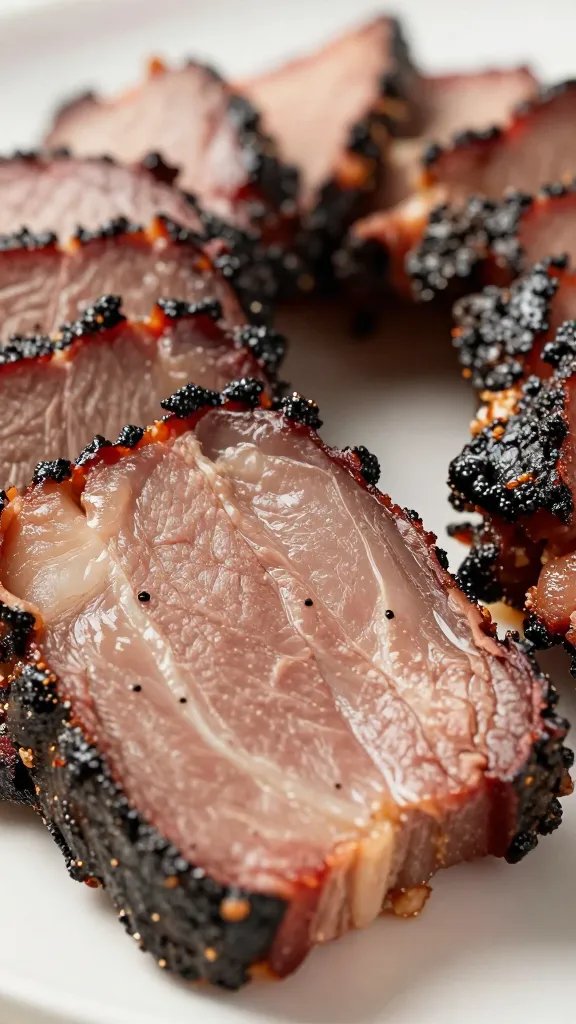
Ribs
For dry-style ribs, build bark and finish with a dusting of rub. For wet-style ribs, glaze twice in the final 15 minutes for shine without sog.
Brisket
Keep it dry. A peppery bark and rendered fat are the stars. Serve thin sauces or au jus on the side, never on the slices.
Pulled Pork
Cook dry, then lightly sauce after pulling so it stays juicy. Offer a vinegar sauce and a sweeter option so guests can choose.
Chicken
Chicken takes both well. Dry rub for crispy skin, then a thin glaze late to avoid burning. Boneless thighs love a sticky finish.
Serving a Crowd: Strategy That Works
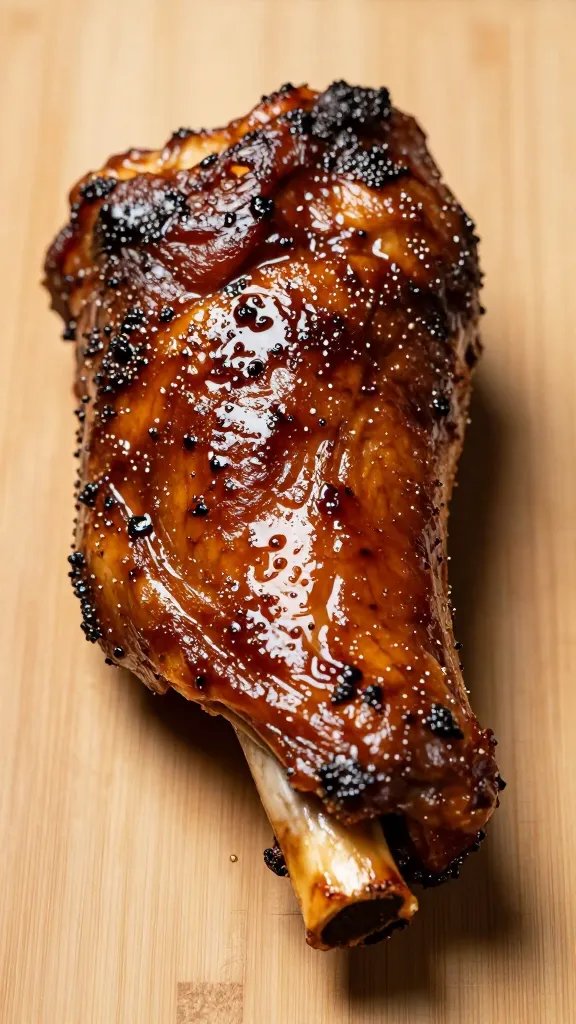
- Two-lane buffet: Present one dry protein (brisket or dry ribs) and one wet (pulled pork or glazed chicken). Everyone’s happy.
- Hold smart: Keep sauced meats in warmers at 150–160°F; hold dry meats wrapped and vented to protect bark.
- Portioning: Plan 1/2 lb cooked meat per adult for mixed menus; 1/3 lb if sides are hearty.
- Make-ahead: Rub up to 72 hours ahead; sauces 1–2 weeks ahead. Rewarm sauces gently to avoid separation.
If your menu leans Latin or you’re grilling steaks, brighten the table with this salsa verde guide — it cuts through rich barbecue beautifully.
From My Kitchen: What Actually Works
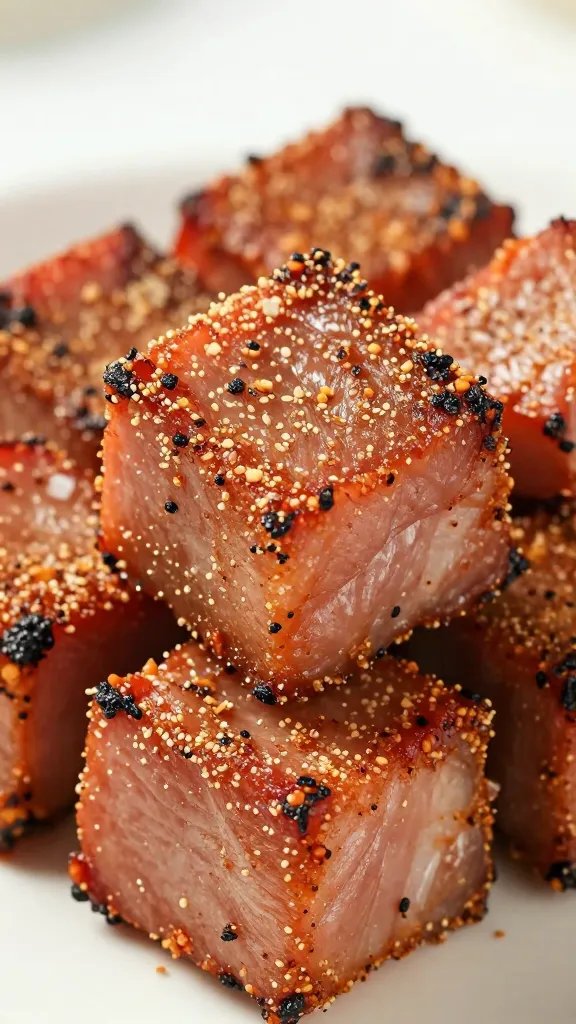
The best bark I’ve gotten on ribs came from no sugar in the rub and a two-stage glaze: a thin layer 20 minutes out, a second 8 minutes before pulling. The sugar in the sauce set without scorching, and the bark stayed intact.
For pulled pork, I weigh the meat after pulling and add 1/3 cup warm vinegar sauce per pound, then hold covered for 20 minutes. It tastes sauced but not wet, and it doesn’t dry out on the buffet.
Brisket gets only salt and coarse pepper, plus a beef stock + Worcestershire spritz if the surface looks dusty. Any thicker liquid softened the bark in my tests.
Frequently Asked Questions
Is wet or dry BBQ style better for ribs?
Both work. Dry ribs highlight spice and bark; wet ribs lean sweet and shiny. If you want a middle ground, cook dry and apply a light glaze in the last 15 minutes to set without softening the bark.
Should I sauce brisket or keep it dry?
Keep brisket dry. The bark and rendered fat are the flavor drivers. Serve a thin, warm sauce or jus on the side so guests can add it without softening slices.
Can I make wet vs dry BBQ style ahead of time?
Yes. Rubs can be applied 1–3 days in advance; sauces can be made 1–2 weeks ahead and refrigerated. Rewarm sauces gently and stir to re-emulsify before glazing or serving.
What’s the best way to hold sauced meats for a party?
Keep sauced meats in a covered pan at 150–160°F with a small splash of warm sauce to prevent drying. For dry meats, wrap in butcher paper and hold in a warm cooler; slice just before serving to protect bark.
How do I keep wet BBQ from getting too sweet?
Balance with acid and heat. Add apple cider vinegar, lemon juice, or mustard to your sauce, and a pinch of cayenne or chipotle. Apply thinner layers and finish with a fresh squeeze of lemon if it still tastes heavy.
What’s the right internal temp for saucing chicken or ribs?
Glaze when you’re within the final 10–20 minutes of cooking. Ribs: glaze around 190–195°F internal when they have good bend and pullback. Chicken: glaze at 155–160°F and cook to 165°F so sugars set without burning.
The Bottom Line
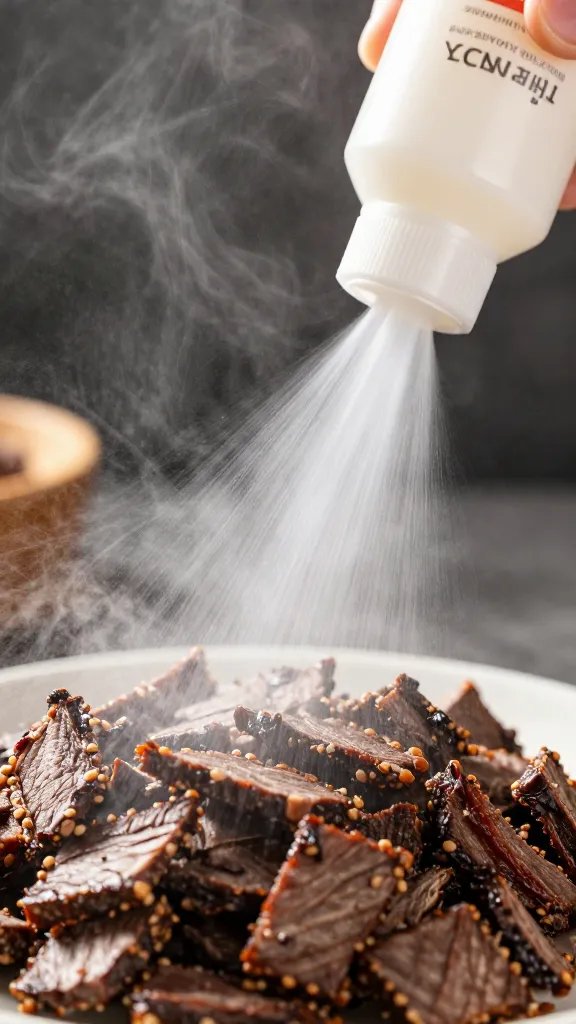
Wet vs Dry BBQ Style isn’t a battle — it’s a toolkit. Use dry for bark and pure smoke; go wet for shine, sweetness, and crowd-pleasing comfort. Or blend both: cook dry, glaze late, and keep extra sauce on the side.
Planning to try this? Save this post so you can find it when you need it — and tag us when you make it.