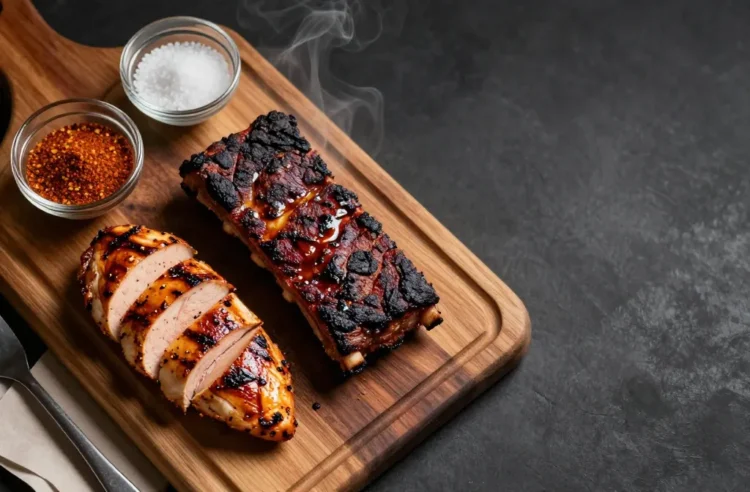
- Best for: Weeknight grilling, tailgates, and smoker sessions
- Make ahead: Yes — mix and store up to 6 months
- Serves: Yields about 1 cup; seasons 8–10 pounds of meat
- Key tip: Salt separately so you can dial in seasoning by cut and weight
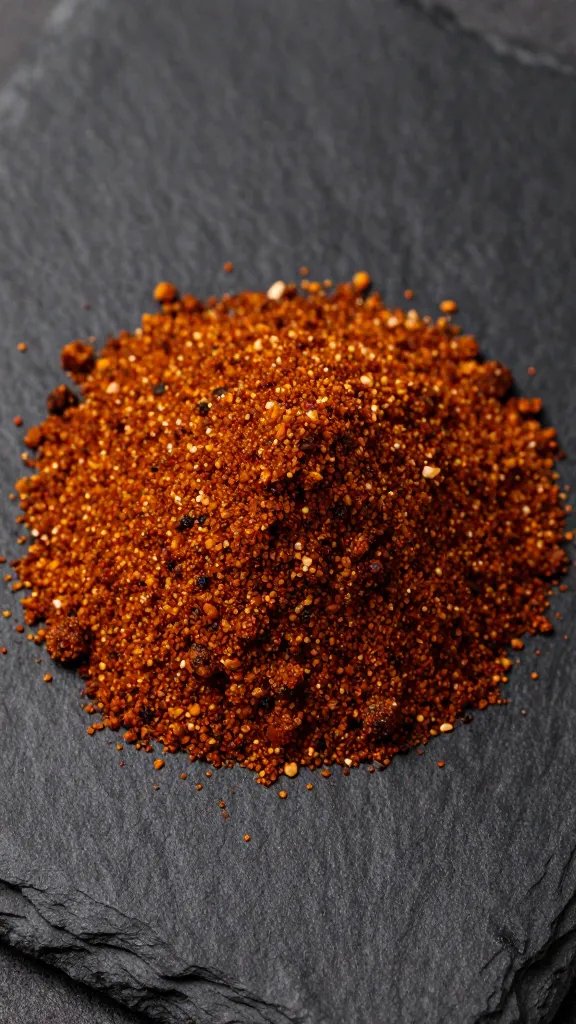
All-Purpose BBQ Rub for Chicken, Pork, and Beef does the heavy lifting so you don’t have to overthink dinner. It leans savory-sweet with a little heat, and it works on grilled, smoked, roasted, or air-fried proteins. Mix once, stash it in the pantry, and you’ve got flavor on standby. In this article you’ll get the exact blend, pro tips for different meats, and simple methods that deliver crusty bark and juicy bites.
Why This Rub Works Across Chicken, Pork, and Beef
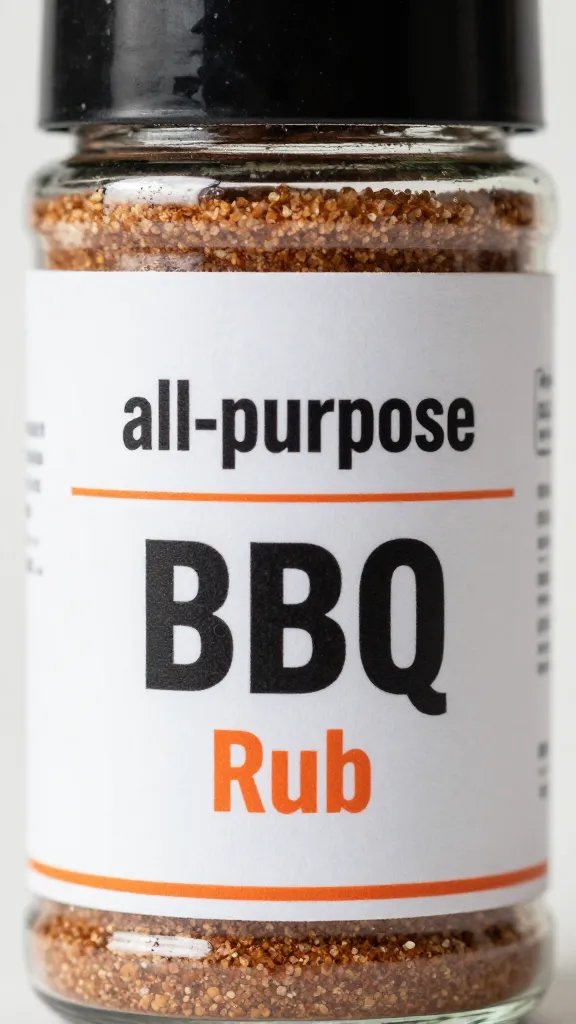
Different proteins shine with different balances of sweet, savory, and heat. This blend uses a brown sugar backbone for caramelization, paprika and chili for color and warmth, and aromatics that play nicely with poultry, pork, and beef.
Keeping salt separate prevents over-seasoning lean cuts while still letting you build a proper crust on fattier ones. It’s flexible, consistent, and pantry-friendly.
The Core Recipe: One Cup of Balanced Flavor
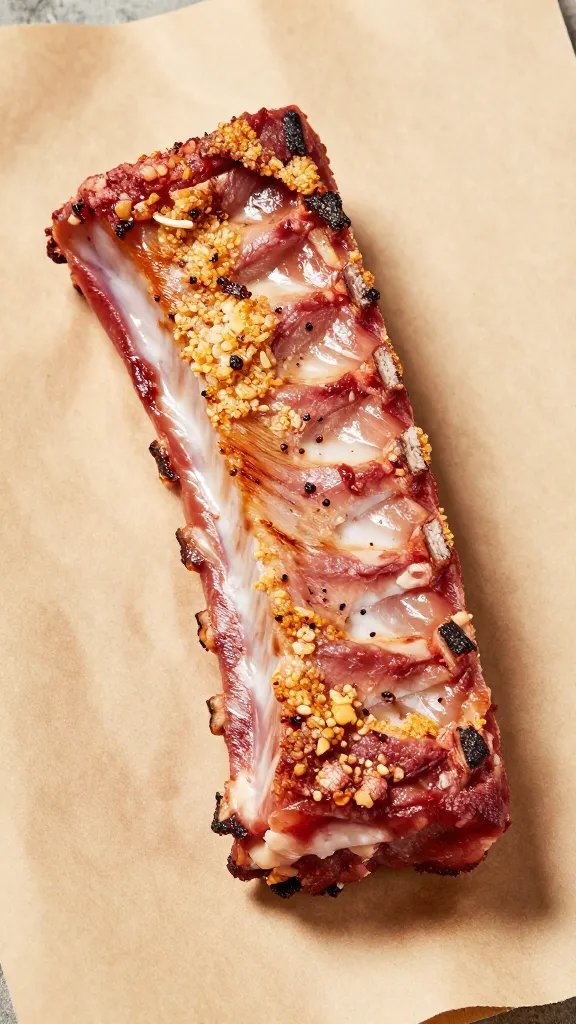
- 1/4 cup light brown sugar (packed)
- 3 tbsp sweet paprika (or half sweet/half smoked)
- 1 tbsp chili powder
- 1 tbsp garlic powder
- 1 tbsp onion powder
- 2 tsp ground black pepper
- 2 tsp mustard powder
- 1–2 tsp cayenne (to taste)
- 2 tsp ground cumin
- 1 tsp dried thyme (crumbled)
- Optional: 1 tsp ground coriander for citrusy lift
Salt Strategy
Do not add salt to the jar. Instead, salt the meat directly at 0.5–0.75% of its weight (2–3 g per lb), then coat with rub. This keeps the rub versatile for brining and varying cut thicknesses.
How to Use the All-Purpose BBQ Rub
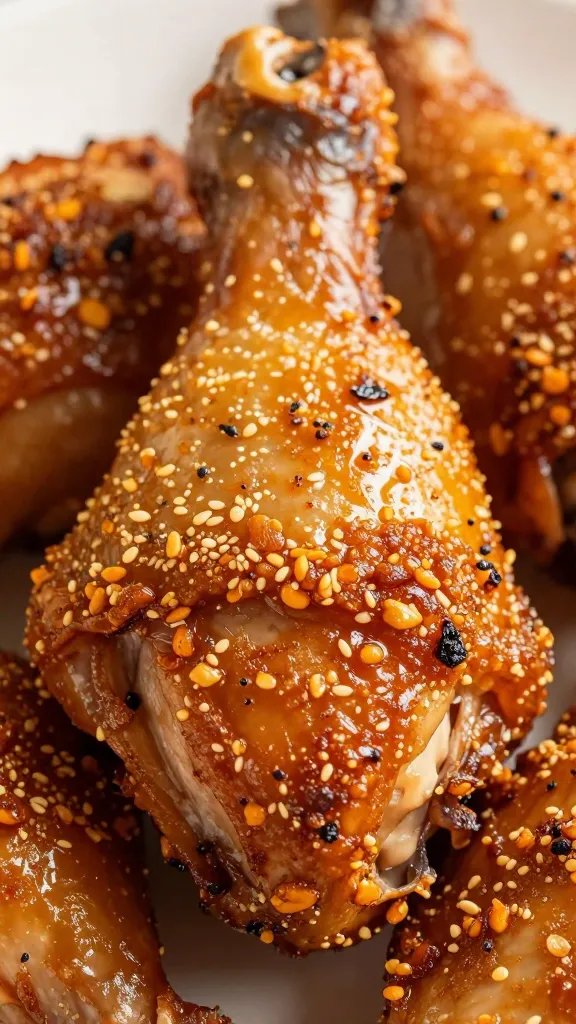
- Pat dry. Moisture blocks browning. Lightly oil only if the surface is very dry.
- Salt first. Use the weight-based guide. Rest 10–30 minutes (longer for thick cuts).
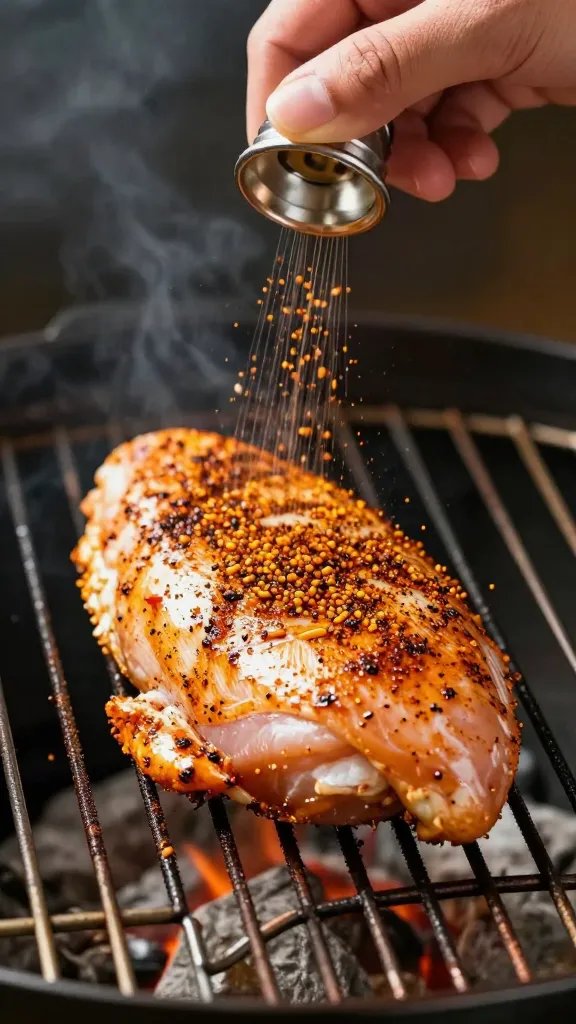
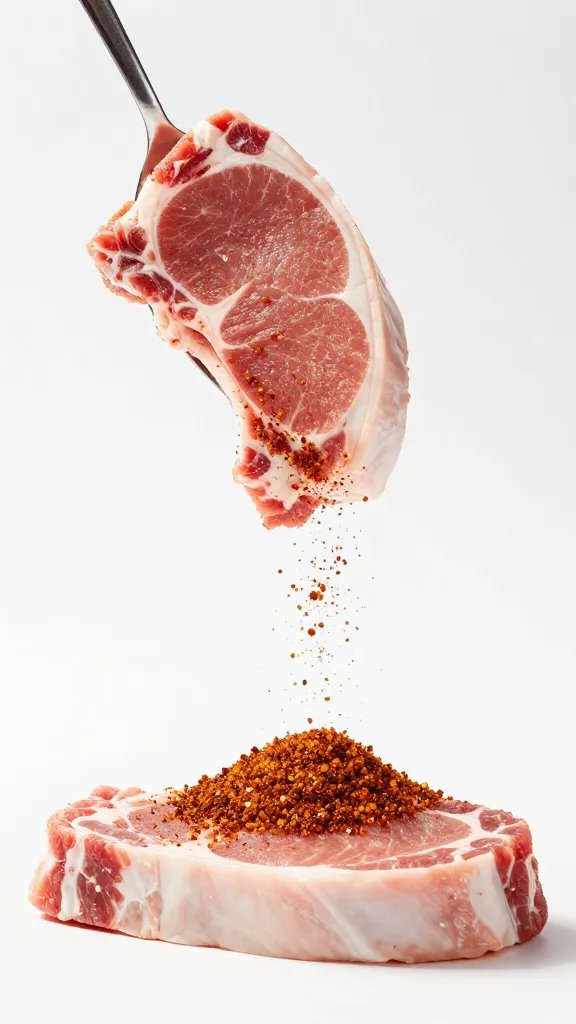
- Apply rub generously. About 1 tbsp per pound for chicken/pork; 2 tsp per pound for beef steaks; 2–3 tbsp per rack of ribs or per chuck roast.
- Rest again. 15–30 minutes for quick cooks; up to overnight for large roasts. This hydrates the spices and helps adhesion.
- Cook hot for crust, slow for bark. High-heat grills for chops and chicken pieces; low-and-slow smoke for ribs, butts, and brisket.
Dial It In by Protein
Chicken
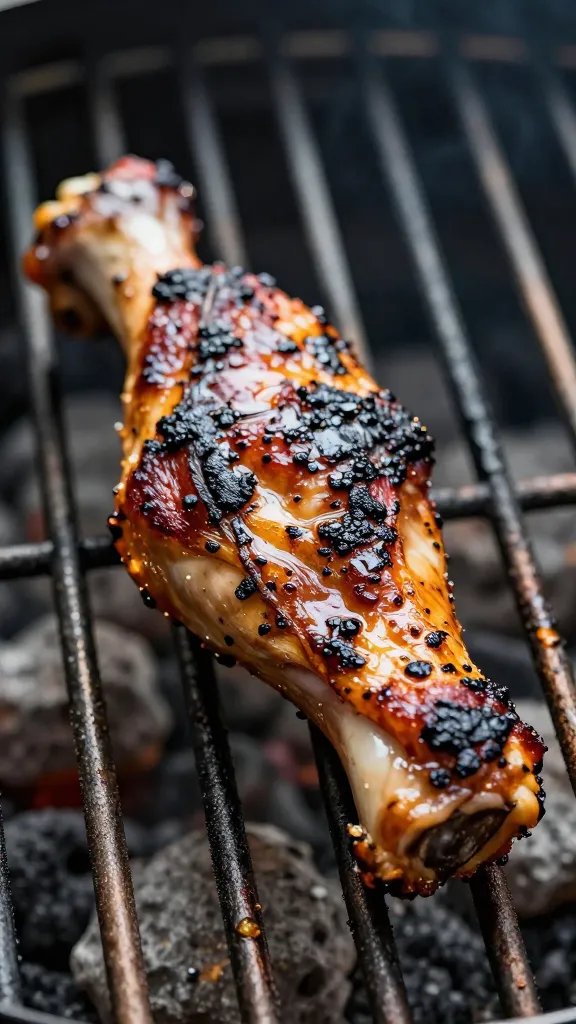
- Best cuts: Thighs, drumsticks, wings, spatchcocked whole birds.
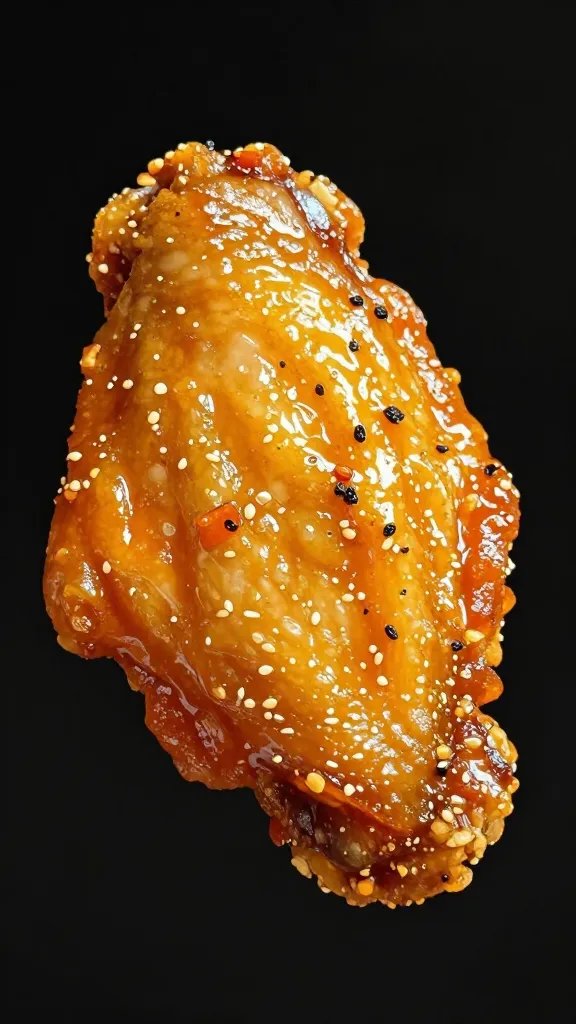
- Tips: Add 1 tsp baking powder per cup of rub for extra crispy skin on high-heat cooks. For breasts, cut the sugar by half to avoid over-browning.
- Cook temps: 400–425°F grill/oven for pieces; smoke whole birds at 300–325°F for bite-through skin.
Pork
- Best cuts: Ribs, shoulder/butt, tenderloin, chops.
- Tips: Pork loves a bit more sweet. For ribs and shoulder, keep the full brown sugar. For tenderloin, reduce sugar by 25% to prevent scorch on searing.
- Cook temps: 225–275°F for ribs/shoulder to build bark; 135–145°F pull temp for chops/tenderloin depending on preference.
Beef
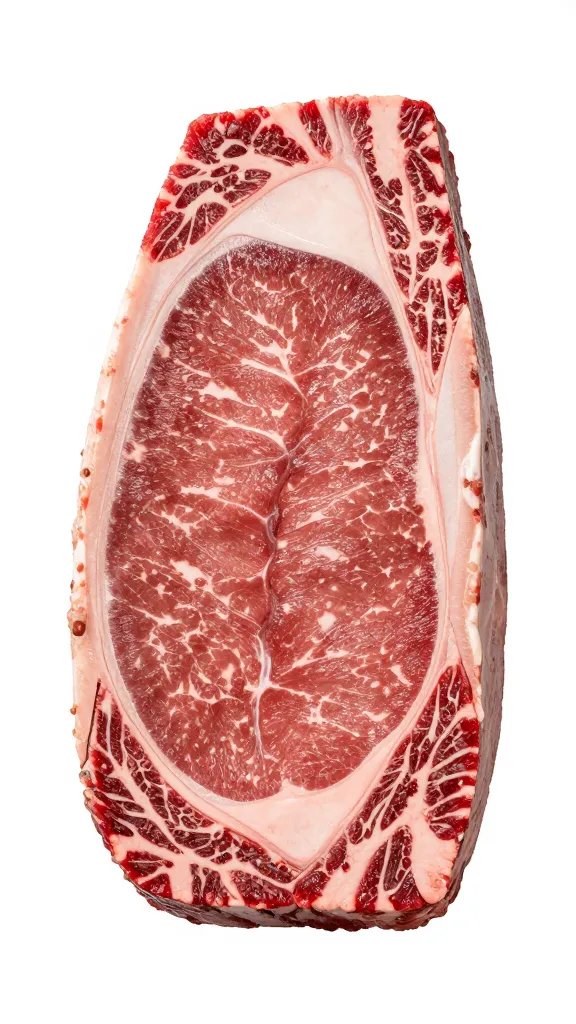
- Best cuts: Chuck roast, short ribs, tri-tip, and burgers.
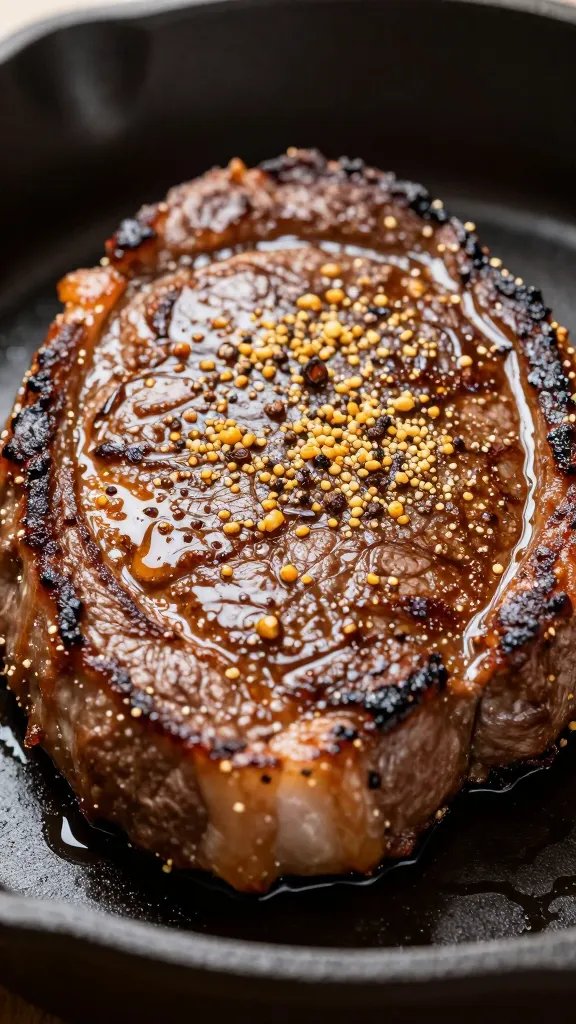
- Tips: Beef likes more savory and heat. Add 1 tsp espresso powder and 1 tsp cracked coriander to a half-cup of rub for steaks and roasts.
- Cook temps: Sear steaks hot and fast; for roasts, smoke at 250–275°F until probe-tender.
Make-Ahead, Storage, and Shelf Life
Mix a double or triple batch and store it in an airtight jar in a cool, dark spot. It holds peak flavor for 4–6 months. After that, it’s still safe, just less punchy.
To revive fading spice, add a pinch of fresh paprika and black pepper when you open the jar. Label with the date and heat level so you remember what’s inside.
Variations: Customize for Your Grill Style
- Smoky Southwest: Swap half the paprika for smoked paprika; add 1 tsp chipotle powder.
- Carolina-Inspired: Reduce brown sugar by half; add 1 tbsp yellow mustard powder and 1 tsp celery seed.
- Maple Espresso (great on beef): Sub 1 tbsp of brown sugar with maple sugar; add 1 tsp espresso powder.
- Mediterranean-ish: Drop cayenne to 1/2 tsp; add 1 tsp dried oregano and 1 tsp lemon zest powder.
Rubs, Sauces, and Sides That Play Nice
Prefer a green, herby finish on rich meats? Pair your rubbed steaks or pork with this chimichurri recipe for brightness and acidity.
Serving pulled pork or smoked chicken for a crowd? Round it out with a crunchy slaw and a tangy sauce like homemade Alabama white sauce to balance the sweet heat of the rub.
From My Kitchen: What Actually Works
I’ve tested salting inside the rub versus salting separately, and separating wins every time for even seasoning and better control across different cuts. For ribs, a 20-minute rest after rub application noticeably improves bark formation compared to going straight to the smoker. When I cook chicken thighs at 425°F, the baking powder trick reliably crisps the skin without a bitter taste at 1 tsp per cup of rub. On chuck roasts, adding espresso powder deepens color and mimics longer smoke time — but more than 1 tsp per half-cup tastes muddy.
Frequently Asked Questions
How long does All-Purpose BBQ Rub for Chicken, Pork, and Beef keep?
Stored airtight in a cool, dark cabinet, it keeps peak flavor for 4–6 months. After that, add a little fresh paprika and pepper to brighten it up. Always use a dry spoon to avoid clumping.
Can I make All-Purpose BBQ Rub for Chicken, Pork, and Beef ahead of time?
Yes. Mix a large batch and stash it for months. For meat prep, you can apply it the night before on large cuts like pork shoulder or chuck roast; for thinner cuts, 30–60 minutes is enough.
Should I put salt in the rub or season meat separately?
Season meat with salt separately. Use 0.5–0.75% of the meat’s weight so you can dial in seasoning for each cut, then apply the rub. This prevents oversalting brined or thinner cuts.
What’s the best way to keep the rub from burning on the grill?
Control sugar and heat. For high-heat grilling, reduce brown sugar by 25–50% and cook over two-zone heat, starting indirect and finishing with a quick sear.
Can I use this rub on vegetables or seafood?
Yes with tweaks. For vegetables, use as-is and finish with lemon. For seafood, cut the brown sugar in half and the cayenne by at least half, then cook hot and fast.
How much rub should I use per pound of meat?
Plan on 1 tbsp per pound for chicken and pork, about 2 tsp per pound for beef steaks, and 2–3 tbsp for ribs or large roasts. You want a full, even coat without caking.
The Bottom Line
This All-Purpose BBQ Rub for Chicken, Pork, and Beef earns a permanent spot in the pantry because it’s balanced, flexible, and easy to scale. Mix once, season smart, and you’ll get proud bark and juicy bites across your whole cookout menu.
Planning to try this? Save this post so you can find it when you need it — and tag us when you make it.
Pingback: How to Make Bbq Sauce for People Who Don’T Like Tomato Tonight - Whaley Cooks