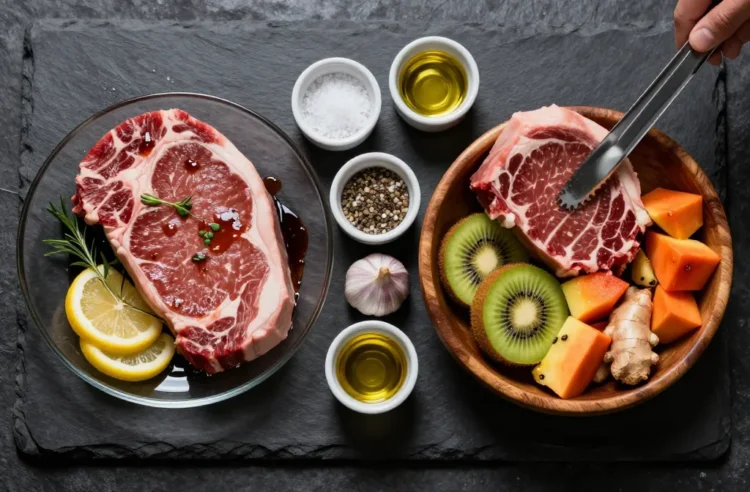
- Best for: Weeknight steaks, chicken breasts, and tougher cuts before grilling
- Make ahead: Yes — mix marinades up to 3 days ahead; marinate meat per timing below
- Serves: Flexible — each cup of marinade treats about 1–1.5 lbs (450–700 g) meat
- Key tip: Stop marinades at peak tenderness — overdoing acid or enzymes turns mushy
Acid vs Enzyme Marinades — Which Tenderises Better is the question every home griller hits sooner or later. Both can make meat more tender, but they work in different ways and on different timelines. Use the right one, and dinner sings; use the wrong one, and you get chalky chicken or mealy steak. In this guide, you’ll learn how each marinade works, when to use it, exact timing, and reliable flavor combos that won’t wreck texture.
How Acid Marinades Actually Work
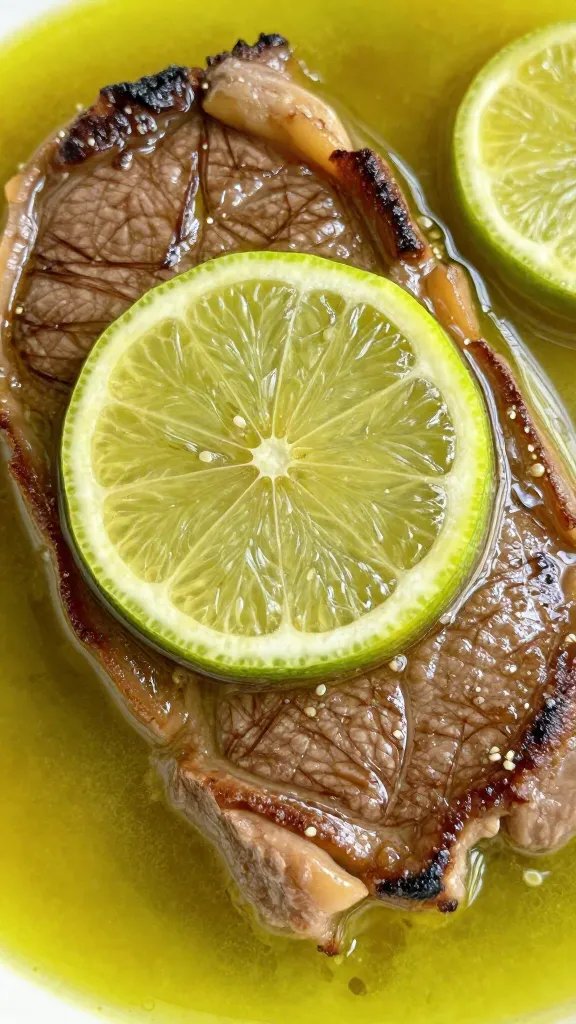
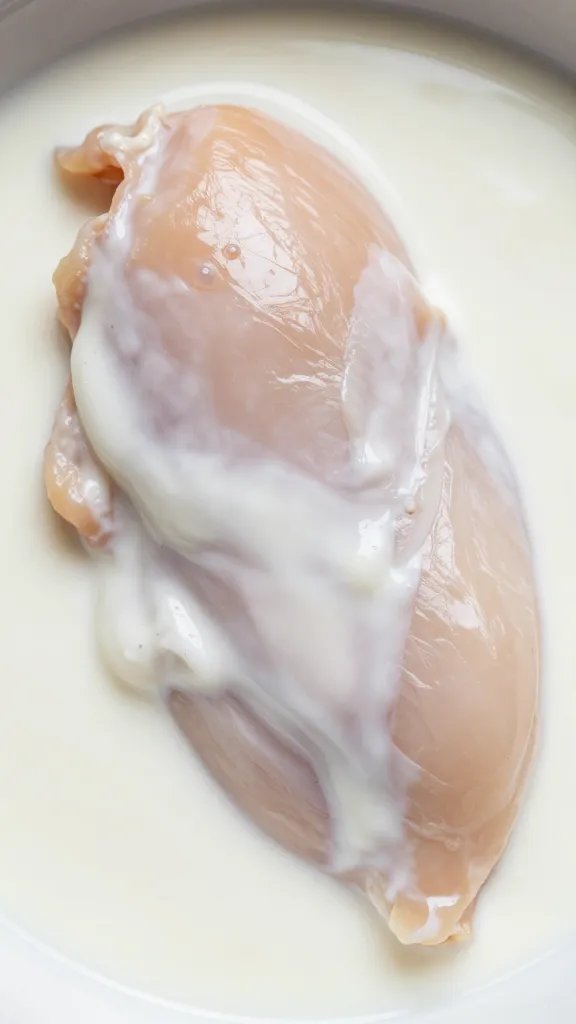
Acidic ingredients — think vinegar, citrus juice, wine, yogurt, and buttermilk — lower pH and denature surface proteins. That loosens the outer structure so bites feel more tender. Acids also brighten flavor and help salt penetrate a little faster.
The catch? Too much acid for too long tightens proteins and squeezes out moisture. That’s how you get stringy shrimp or chalky chicken. Balance acid with oil, aromatics, and salt, and keep the clock in mind.
Best Acids to Use
- Mild: Buttermilk, yogurt, rice vinegar, white wine
- Medium: Lemon/lime, apple cider vinegar, red wine
- Sharp: Distilled vinegar, pomegranate molasses
Timing for Acid Marinades
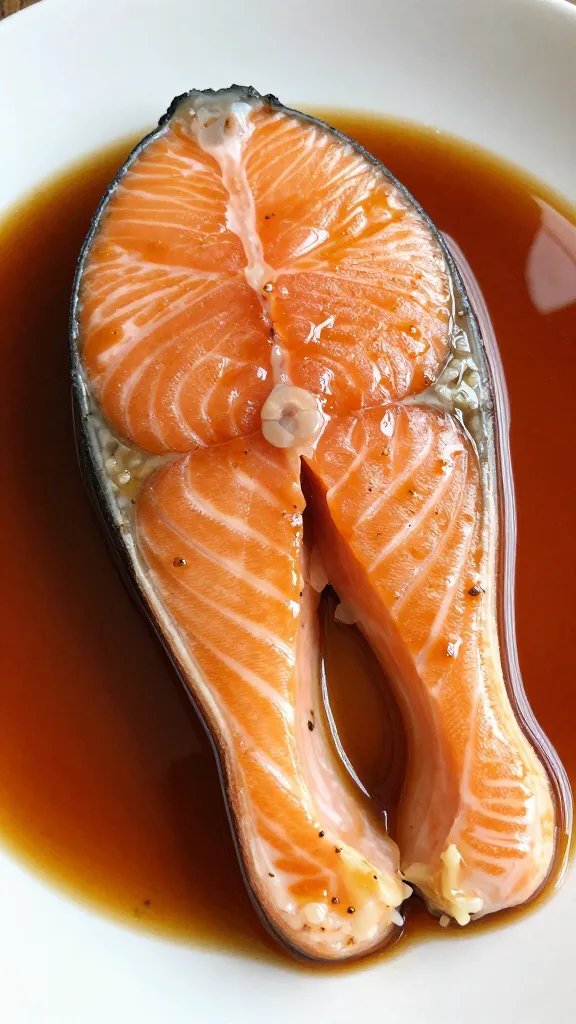
- Seafood: 15–30 minutes (any longer and it “cooks” like ceviche)
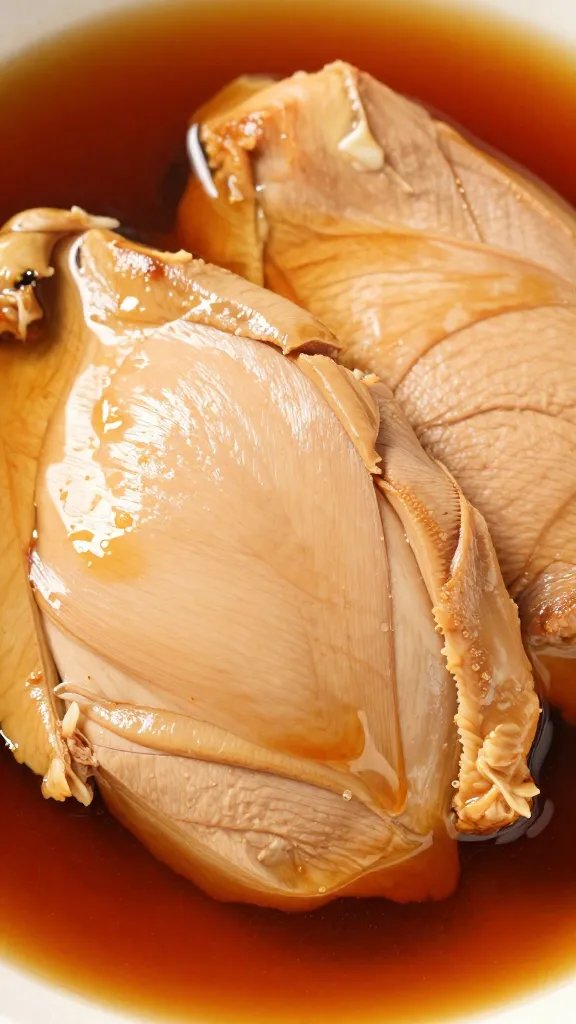
- Chicken breasts: 30–90 minutes (yogurt/buttermilk can go 2–4 hours)
- Chicken thighs/drumsticks: 2–6 hours
- Thin steaks/pork chops: 30–90 minutes
- Tough beef (flank/skirt): 2–8 hours (don’t exceed overnight with strong acids)
How Enzyme Marinades Break Down Tough Cuts
Enzyme marinades use natural proteases to snip long proteins into shorter fragments. The big players are bromelain (pineapple), papain (papaya), actinidin (kiwi), and ficin (fig). They act faster than acids and can tenderise deeper, but they’re easy to overdo.
Think of them like meat scissors: amazing in short bursts, disastrous if left running. The texture can flip from silky to mushy or mealy quickly, especially on thin cuts.
Common Enzyme Sources
- Pineapple: Strong; canned is weaker because heat deactivates bromelain
- Green kiwi: Potent and even; yellow/golden kiwi is milder
- Papaya: Classic tenderiser; seeds add peppery bite
- Fig: Gentle; good for longer, safer marinades
Timing for Enzyme Marinades
- Thin steaks/pork chops: 15–30 minutes
- Flank/skirt/flat iron: 20–45 minutes
- Chicken breasts: 15–30 minutes
- Chicken thighs: 30–60 minutes
- Seafood: Skip — enzymes can wreck the texture in minutes
So… Which Tenderises Better?
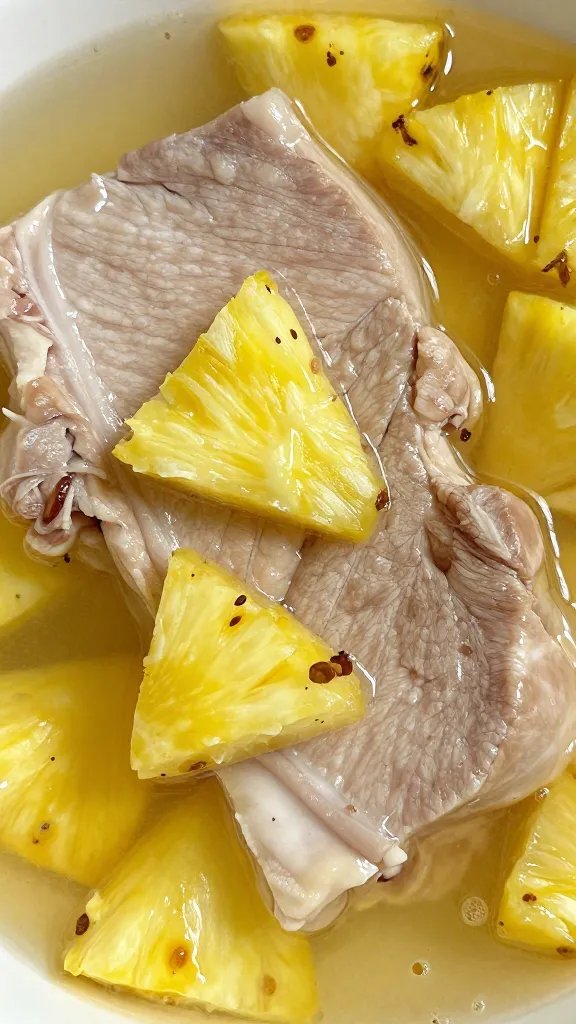
For tough beef and chewy pork, enzyme marinades tenderise more efficiently in less time. They break down connective tissue faster than acids can. Use them carefully and you’ll get a softer bite without hours of marinating.
For delicate proteins (chicken breast, seafood) or when you want bright flavor without texture risk, acids (especially dairy-based like yogurt/buttermilk) win. They tenderise gently and add tang with a wider timing window.
Quick Matchups
- Flank/Skirt Steak: Enzyme edge (kiwi or papaya, 20–30 min), then a hot, fast cook
- Chicken Breast: Acid edge (yogurt or buttermilk, 1–3 hrs) for juicier results
- Pork Shoulder Strips: Enzyme edge (pineapple 15–25 min), or acid plus salt overnight
- Seafood: Light acid (lemon/white wine 15–20 min); avoid enzymes
Build a Balanced Marinade (Without Ruining Texture)
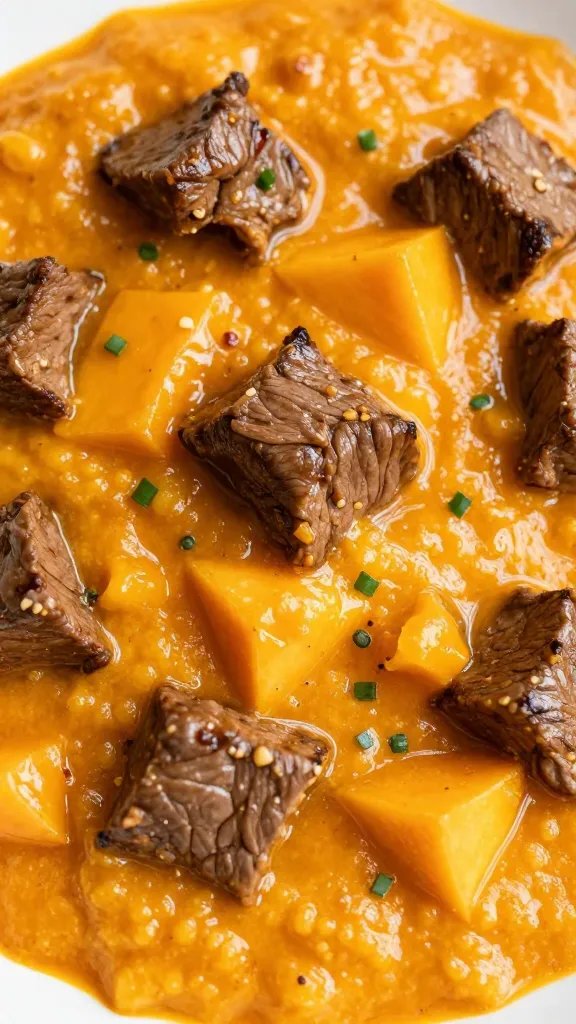
Great marinades use four parts: acid or enzyme, salt, fat, and aromatics. Salt seasons throughout; fat protects and carries flavor; aromatics create character.
For enzymes, keep the active fruit portion small and timed strictly. For acids, dilute sharp juices with oil and something creamy or sweet to soften the edges.
Reliable Ratios
- Acid-forward (per 1 lb meat): 2 tbsp acid + 2 tbsp oil + 1 tsp kosher salt + aromatics
- Dairy acid (per 1 lb): 1/2 cup yogurt/buttermilk + 1 tbsp lemon + 1 tsp salt + spices
- Enzyme (per 1 lb): 2–3 tbsp mashed kiwi or papaya + 2 tbsp oil + 1 tsp salt + aromatics; marinate 15–45 min max
Flavor Combos That Work
- Yogurt–Garlic–Lemon Chicken: 1/2 cup yogurt, 1 tbsp lemon, 2 cloves garlic, 1 tsp salt, 1 tsp cumin, 1 tbsp oil; 2–4 hours
- Kiwi–Soy Flank Steak: 2 tbsp mashed green kiwi, 1 tbsp soy, 1 tbsp oil, 1 tsp brown sugar, black pepper; 20–30 minutes, rinse and pat dry
- Buttermilk–Hot Sauce Wings: 1/2 cup buttermilk, 1 tbsp hot sauce, 1 tsp salt, paprika; 4–8 hours
- Lime–Garlic Shrimp: 1 tbsp lime, 1 tbsp oil, 1/2 tsp salt, chili flakes; 15–20 minutes
Common Mistakes to Avoid
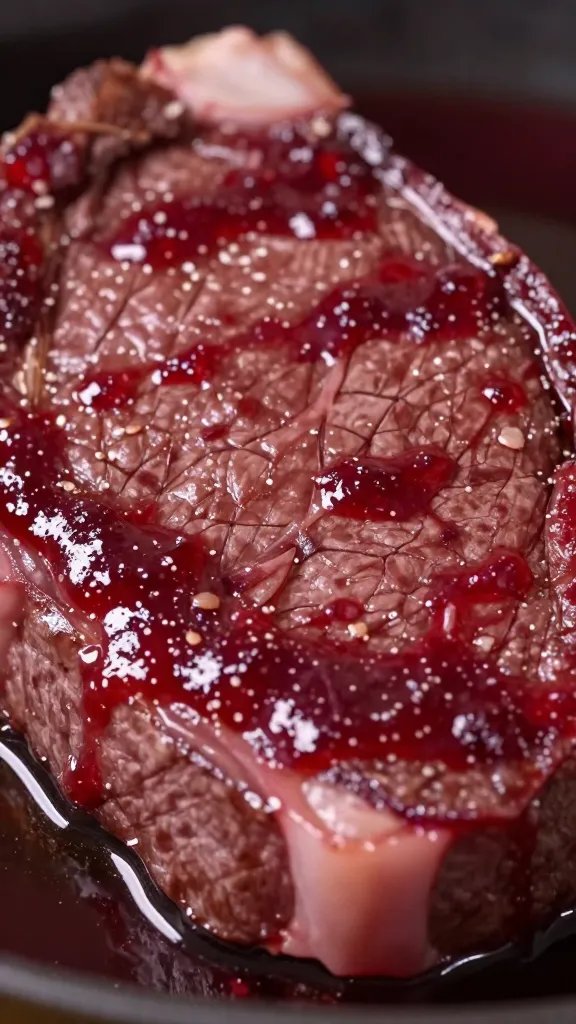
- Over-marinating: Most texture fails come from time, not ingredients.
- Too much acid: More is not better. It tightens or “cooks” protein.
- No salt: Marinades without salt taste flat and don’t penetrate.
- Wet-surface searing: Pat meat dry before high heat for proper browning.
- Enzyme on seafood: Ultra-risky — use acid or a simple brine instead.
Cooking and Safety Tips
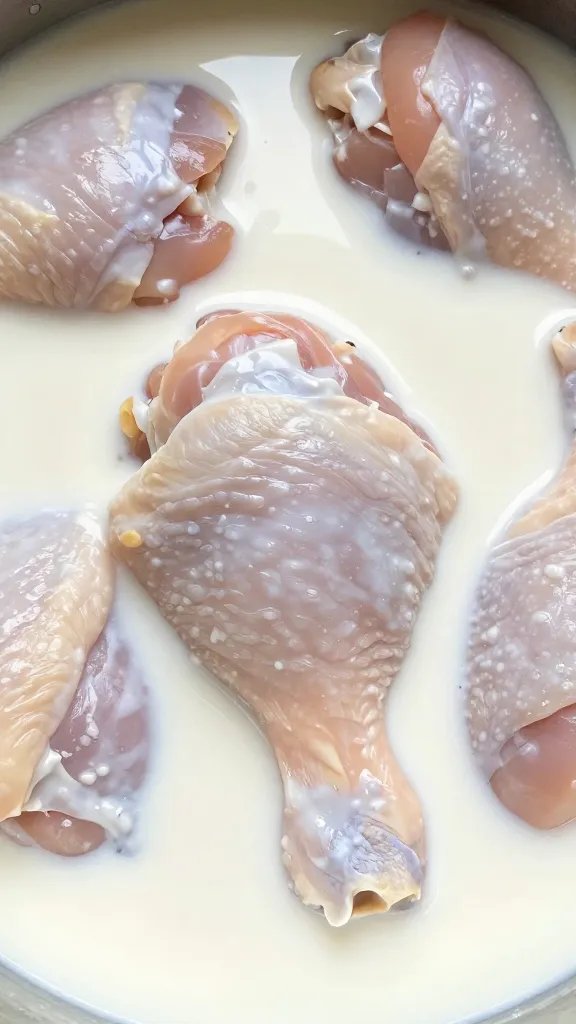
Marinate in the fridge, not on the counter. Discard used marinade or boil it for 3 minutes if you want to use it as a glaze. Don’t rely on color — use a thermometer.
- Chicken: 165°F/74°C in the thickest part
- Pork chops/steaks: 140–145°F/60–63°C with a short rest
- Beef steaks: Pull at your preferred doneness; enzymes make them feel more tender even at medium
Acid vs Enzyme Marinades: When To Choose Each
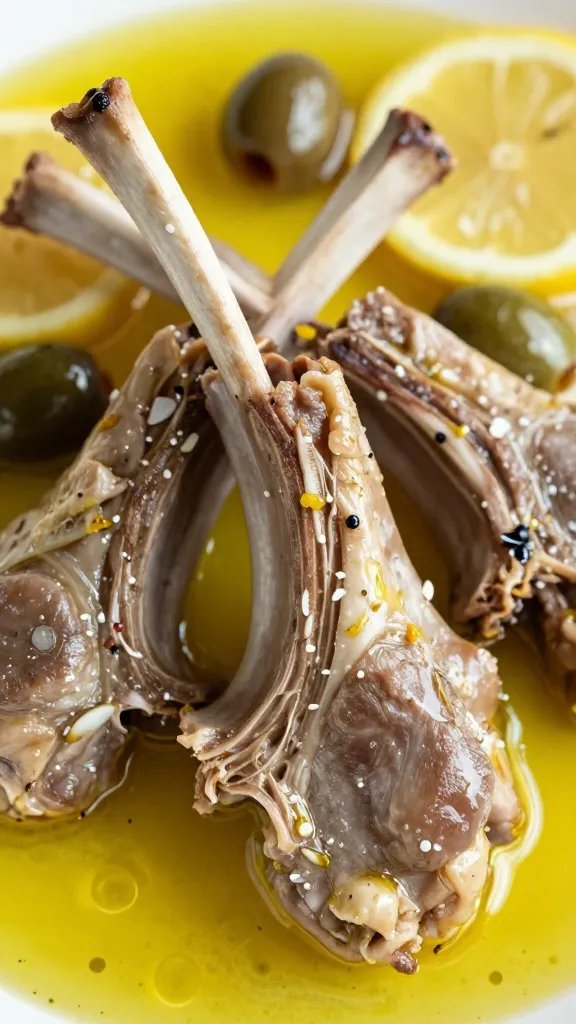
Use acid marinades when you want flavor brightness, a wider time window, or you’re dealing with delicate textures. Dairy acids are especially forgiving and keep meat juicy.
Use enzyme marinades when time is short and the cut is tough. Keep portions small, times short, and rinse/pat dry before cooking to avoid mush.
From My Kitchen: What Actually Works
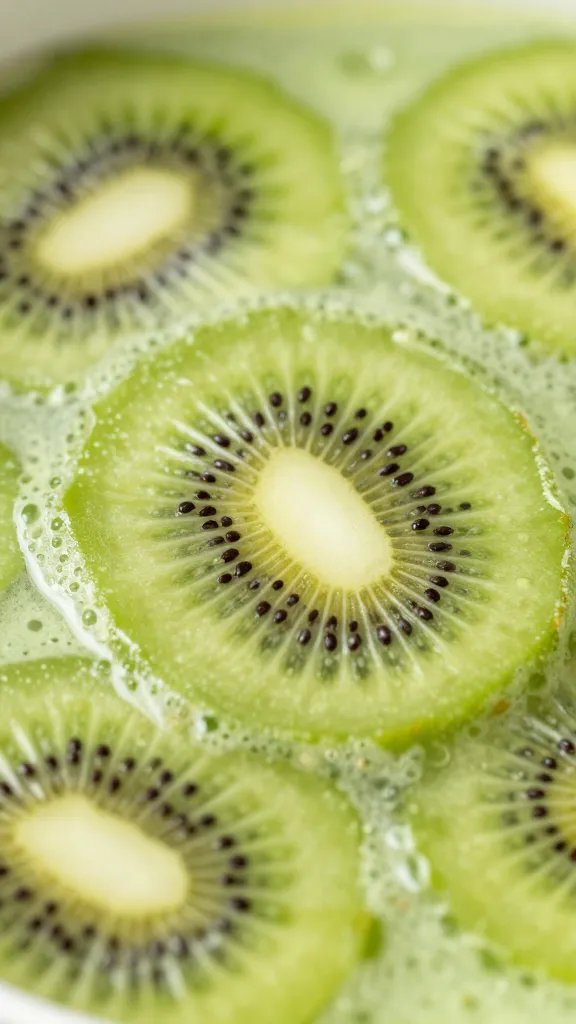
I’ve side-by-sided flank steak with kiwi at 10, 20, and 40 minutes. Ten was barely noticeable; 20 minutes was the sweet spot; at 40 minutes it started to go soft around the edges. I also tested canned vs fresh pineapple on pork — canned (heat-treated) was far gentler and gave me a bigger timing window. For chicken breasts, buttermilk plus 1% by weight salt for 2 hours consistently beats lemon-heavy marinades for juiciness. One more: rinsing off enzyme marinades before cooking helps texture and browning without losing tenderness.
Want a sauce that shines on enzyme-tenderised steak? Try this chimichurri recipe. If you went the yogurt route on chicken, finish with this creamy garlic sauce for a cool, tangy contrast.
Frequently Asked Questions
Is acid vs enzyme marinades timing really that strict?
Yes. Enzymes act fast and can turn meat mushy if you go past 30–45 minutes on thin cuts. Acids have a wider range, but going overnight with strong vinegar or citrus often dries and toughens the exterior.
Which is better for chicken: acid or enzyme marinades?
Acid wins for most chicken, especially breasts. Yogurt or buttermilk tenderise gently and protect against drying out. Enzymes can work on thighs but keep it to 30–60 minutes.
Can I combine acid and enzyme marinades?
Lightly, yes — but keep the enzyme portion small and the time short. For example, 1–2 tbsp mashed kiwi in a mostly soy–oil mix for 15–25 minutes on flank steak is safe and effective.
Do marinades actually penetrate meat deeply?
Not much. Flavor mostly affects the surface, with salt moving a bit deeper over time. For thick roasts, use a brine or inject if you need deep seasoning.
How do I stop enzyme marinades from making meat mushy?
Use a small amount of fruit, set a timer, and choose thicker cuts. Rinse the surface and pat dry before cooking, then sear hot to set the crust quickly.
Can I freeze meat in a marinade?
You can freeze in mild acid or dairy marinades; thaw in the fridge and cook. Avoid freezing with active enzymes — thaw time plus marinating time can over-tenderise and wreck texture.
The Bottom Line
Enzymes tenderise faster and deeper for tough cuts, while acids deliver bright flavor and gentle tenderising for delicate proteins. Choose based on the cut, keep a strict clock, and balance salt, fat, and aromatics for best results.
Planning to try this? Save this post so you can find it when you need it — and tag us when you make it.