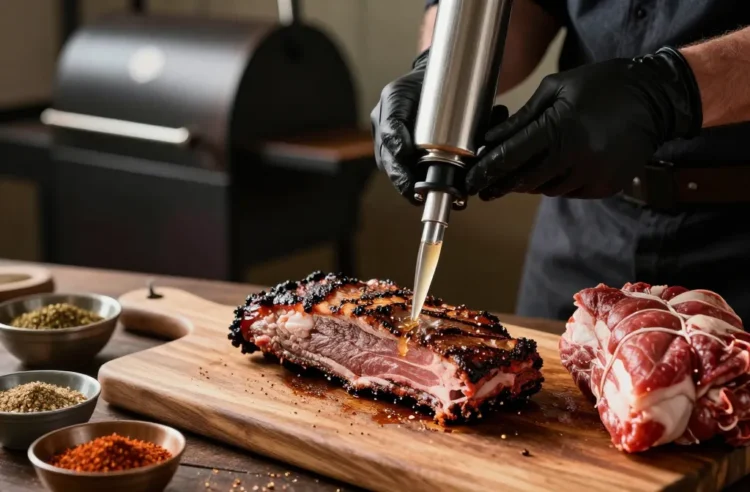
- Best for: Backyard parties, tailgates, and holiday cooks
- Make ahead: Yes — mix injections up to 3 days ahead
- Serves: 10–16 with one packer brisket or two pork shoulders
- Key tip: Inject in a grid pattern and rest meat at least 2 hours after injecting
Ready to level up your barbecue? How to Use Injection Marinades for Brisket and Pork means juicier slices, deeper flavor, and more consistent results. Instead of just seasoning the outside, you’re delivering flavor where it matters most — inside the meat. In this guide, you’ll learn what to inject, how to do it step by step, and the timing that keeps brisket and pork tender, not mushy.
Why Injecting Works (and When to Skip It)
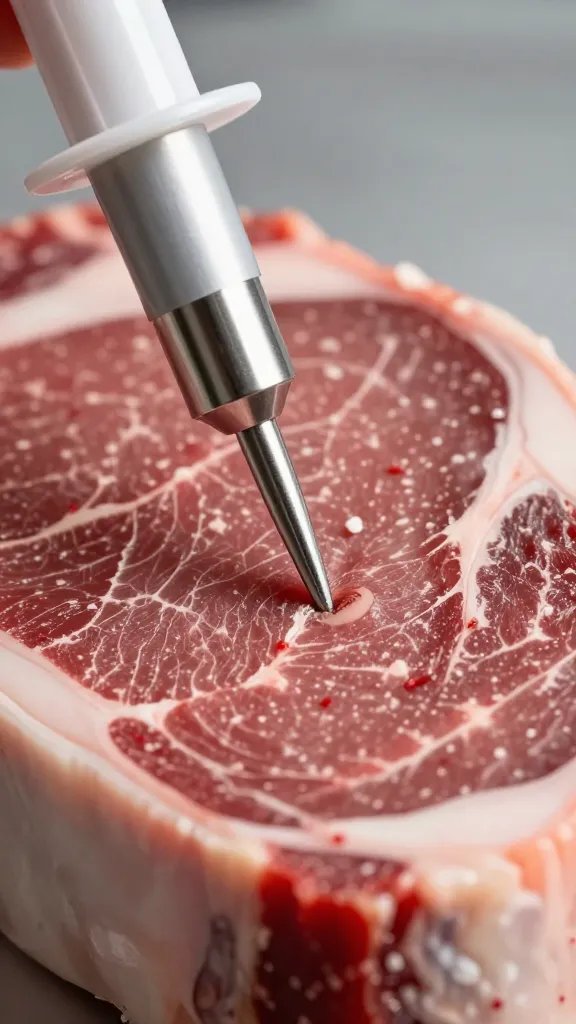
Injection marinades push seasoned liquid directly into the interior, helping retain moisture during long cooks. This is especially useful for lean flats on brisket and large pork shoulders that can dry out.
Skip injecting if you’re smoking a small, well-marbled cut or cooking hot-and-fast where moisture loss is minimal. A great rub and proper doneness may be enough for short cooks.
Brisket Injection Basics
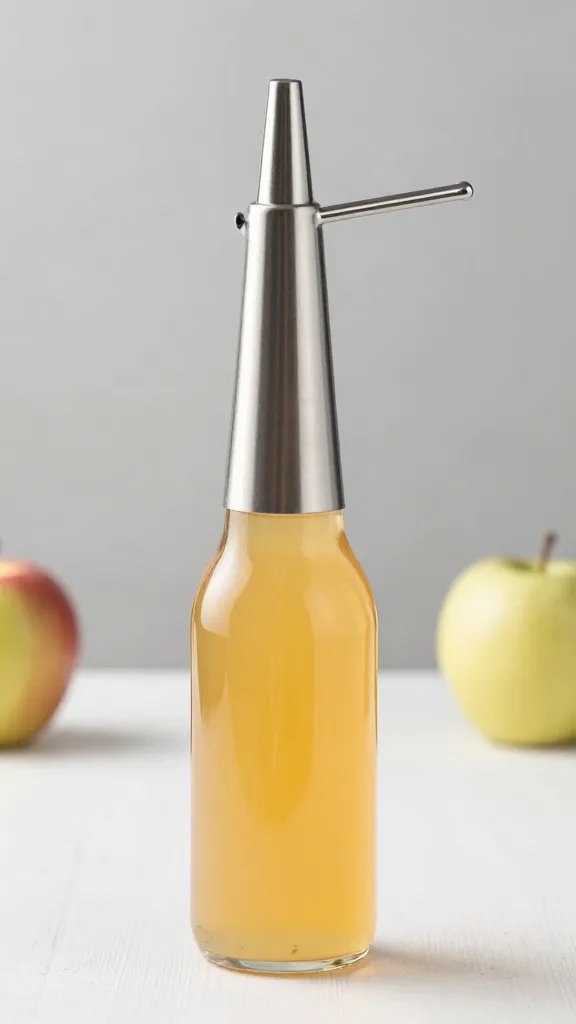
Flavor goals: subtle beef enhancement, gentle umami, a touch of salt balancing bark and smoke. Avoid strong sweetness.
- Core formula (per 10–12 lb brisket): 2 cups low-sodium beef broth, 2 tbsp Worcestershire, 1 tsp soy sauce, 1 tsp monosodium glutamate (optional but effective), 1 tsp onion powder, 1/2 tsp black pepper, 1/2 tsp kosher salt if broth is unsalted.
- Optional boosts: 1 tsp beef tallow (melted, well-emulsified), 1 tsp concentrated beef base (dissolved), 1–2 tsp apple cider vinegar for brightness.
- What to avoid: thick oils, large spice particles, sugar-heavy mixes — they clog needles and can scorch.
How Much to Inject
Plan on 3/4–1 cup total for a 10–12 lb brisket. The point needs less; focus on the flat. If liquid squirts back out, you’re adding too fast or too much.
Best Timing
Inject 2–12 hours before cooking. Less than 2 hours won’t distribute well; more than 12 can change texture. Keep the brisket refrigerated, covered, after injecting.
Pork Shoulder Injection Basics
Flavor goals: savory-sweet, with acid to balance richness. Pork handles a little more sweetness than beef.
- Core formula (per 7–9 lb shoulder/Boston butt): 2 cups apple juice, 1/2 cup low-sodium chicken stock, 2 tbsp apple cider vinegar, 1 tbsp kosher salt, 1 tbsp brown sugar, 1 tsp Worcestershire, 1 tsp garlic powder, 1/2 tsp white pepper.
- Optional boosts: 1 tsp hot sauce, 1 tsp mustard powder, 1 tsp MSG, 1 tsp phosphate-based tenderizer if competing (follow label; not necessary for home cooks).
How Much to Inject
Use 1–1 1/2 cups total for an average shoulder. Pork takes on liquid readily, but aim for even distribution without pooling.
Best Timing
Inject 1–8 hours before cooking. Pork is forgiving; even a 60-minute rest helps. Longer than 12 hours can make it hammy if salt is high.
Equipment and Setup
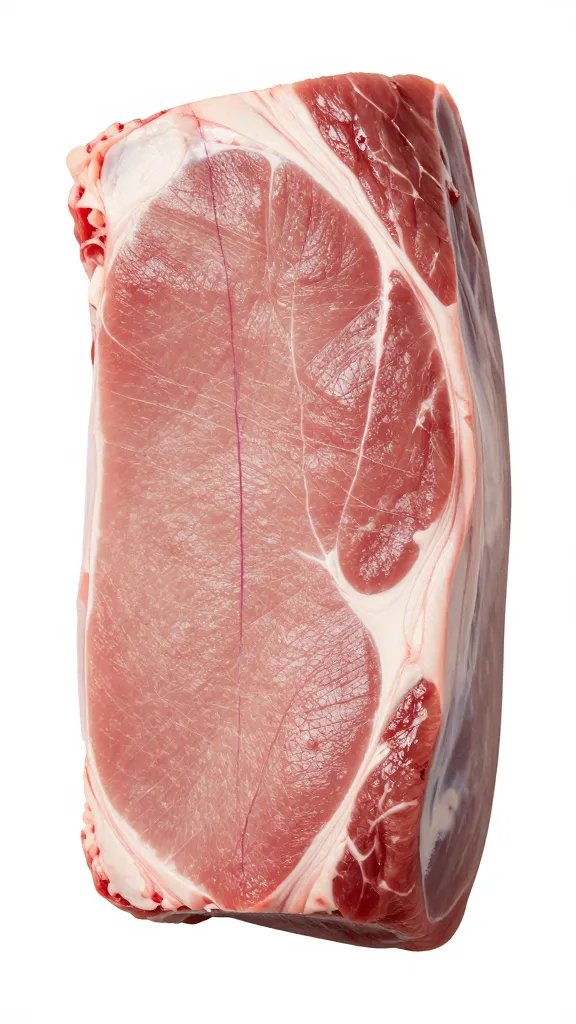
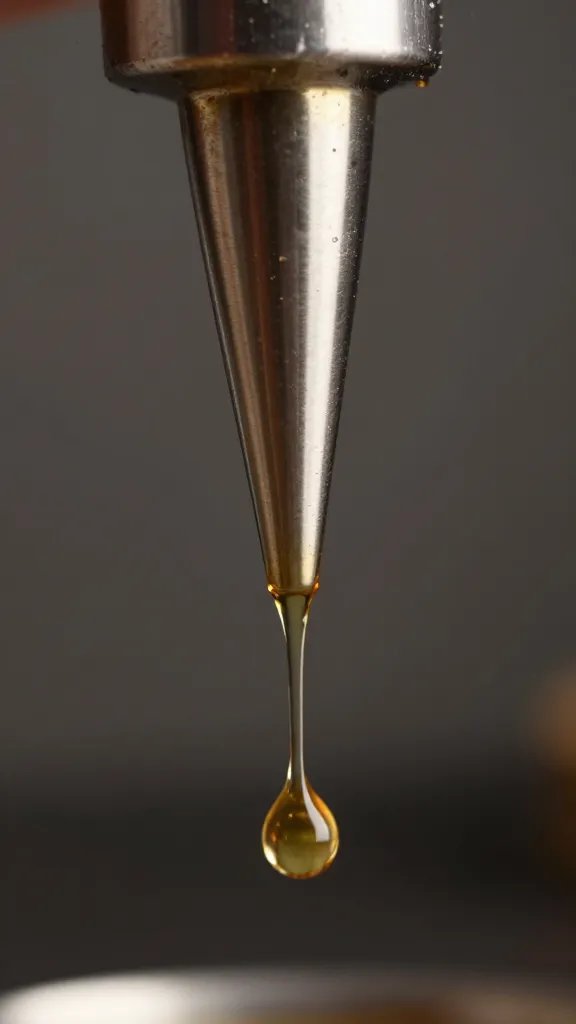
- Injector: A sturdy 2–4 oz metal injector with multiple-hole needle gives even dispersion. Keep a spare needle in case of clogs.
- Strainer: Fine-mesh strainer or coffee filter to prevent clogs from spices.
- Tray and towels: Catch drips and keep raw juices contained. Sanitation matters.
- Gloves: For grip and food safety.
How to Inject: Step-by-Step
- Mix and strain. Whisk your injection until dissolved. Warm slightly if using tallow, then strain.
- Load the injector. Purge air bubbles so pressure stays steady.
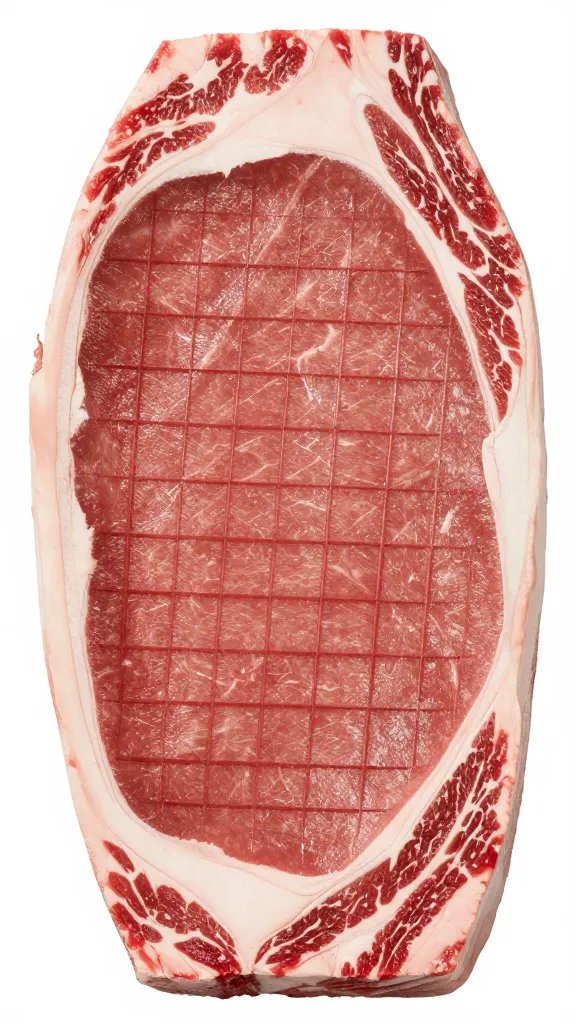
- Map a grid. For brisket flat: inject every 1–1.5 inches. For pork shoulder: target major muscle seams and thick zones.
- Insert with the grain. Slide the needle in, depress slowly as you withdraw to spread liquid along the channel.
- Watch for swell. A gentle bulge is perfect. If liquid squirts out, slow down and move over.
- Pat dry and rest. Wipe the surface, wrap, and refrigerate for the recommended window.
- Season the exterior. Apply rub right before smoking to avoid paste-like bark.
Flavor Variations That Work
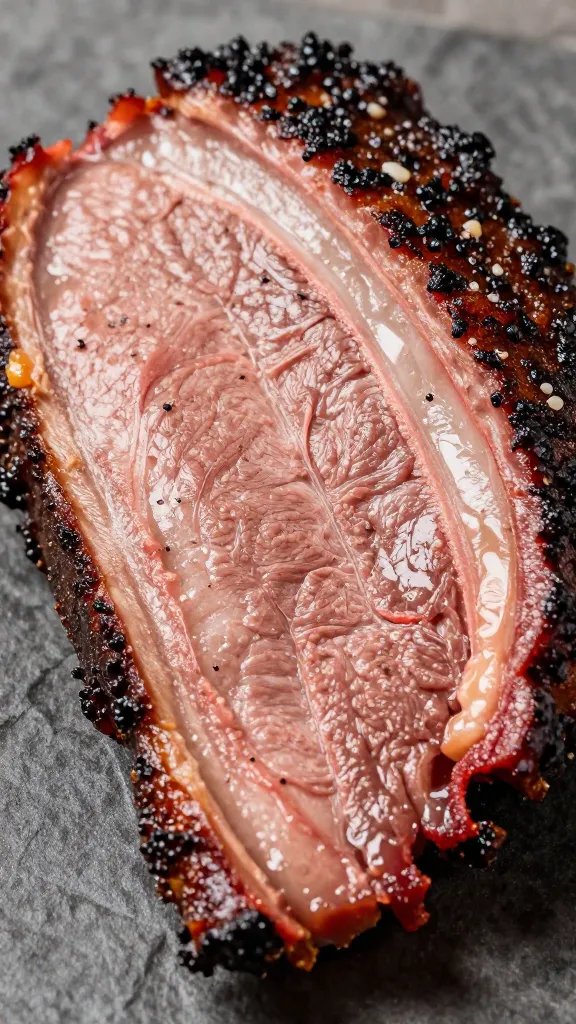
- Texas-Style Brisket: Broth + Worcestershire + black pepper + a pinch of espresso powder for deeper roast notes.
- Kansas City Pork: Apple juice + chicken stock + brown sugar + vinegar + mild hot sauce.
- Cuban-Inspired Pork: Orange juice + lime juice + garlic + oregano + cumin (strain well); reduce added salt.
- Umami-Boost Brisket: Beef broth + soy + fish sauce (1/4 tsp) + MSG + onion powder; stay light-handed.
Common Mistakes to Avoid
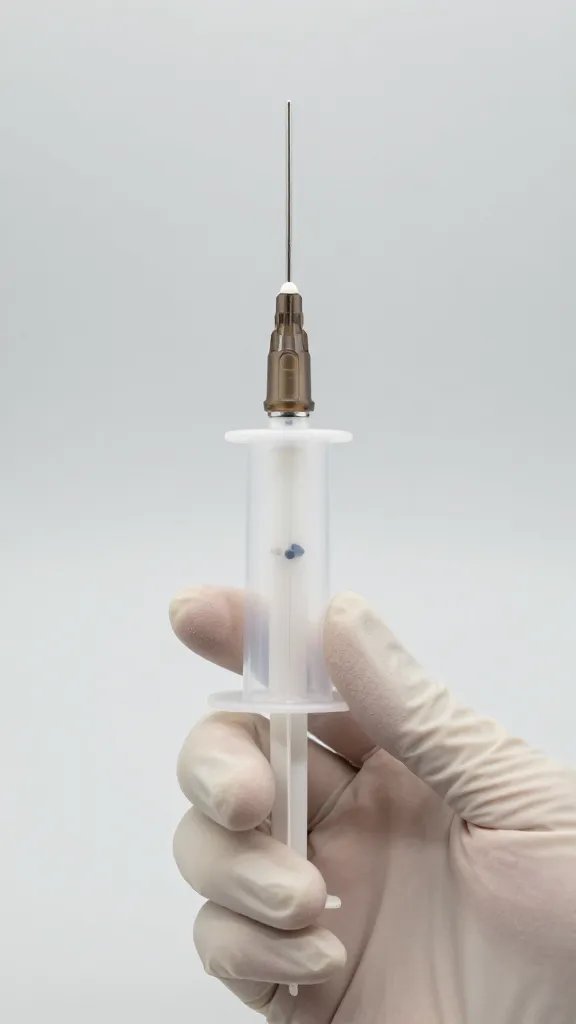
- Over-salting the injection: Remember you’ll still season the exterior. Keep injection milder than your rub.
- Clogged needles from spices: Use powders only and always strain.
- Skipping the rest: Without a rest, channels can leak and concentrate flavor unevenly.
- Soaking the point: The brisket point is fatty; focus on the flat to avoid mushiness.
- Too much sugar on brisket: It darkens fast and can taste burnt on long smokes.
Pairings and Serving Ideas
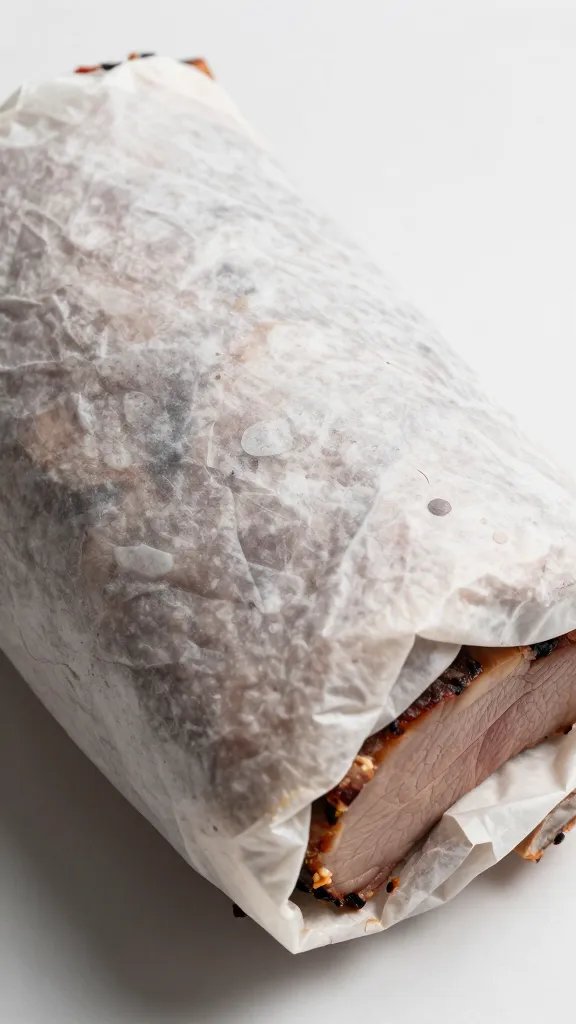
For sliced brisket, keep sides simple and bright. A herbaceous sauce adds lift without masking beefy flavor.
Try topping pulled pork with a tangy finish sauce and fresh slaw for balance. For a green, bold counterpoint, serve with this chimichurri recipe. And if you’re planning the full spread, rub your ribs with the blends from 10 BBQ Rubs for Brisket, Ribs, and Chicken to keep flavors consistent.
From My Kitchen: What Actually Works
I get the cleanest results when I inject brisket flat from two directions: half the shots lengthwise, half crosswise. The distribution is noticeably more even in the slices. I’ve also timed rests — 30 minutes vs. 4 hours — and the 4-hour rest keeps more liquid in the meat instead of the cutting board. For pork shoulders, I stop injecting at around 1 1/4 cups; past that, I see more weeping during the first hour of the cook without better moisture at the finish. One more note: reducing MSG from 1 tsp to 1/2 tsp in pork keeps it savory without tasting “processed.”
Frequently Asked Questions
How far in advance should I use injection marinades for brisket and pork?
For brisket, 2–12 hours is ideal; for pork shoulder, 1–8 hours works well. Longer rests can alter texture, especially if your injection is salty. Always keep injected meat refrigerated.
How much liquid do I inject per pound?
A good starting point is about 1–1.5 ounces per pound. For a 12 lb brisket, that’s roughly 3/4–1 cup total. For a 8 lb pork shoulder, plan on 1–1 1/4 cups.
Do injection marinades replace a dry rub?
No. Injection seasons the interior; rub builds bark and exterior flavor. Use both, but keep the injection slightly less salty to avoid overshooting.
Can I make injection marinades ahead of time?
Yes. Mix and refrigerate up to 3 days. Bring to room temp and whisk before loading the injector. If using fats like tallow, gently warm and re-emulsify, then strain.
What needle size is best for injections?
Use a multi-hole (perforated) needle for thin liquids and broad dispersion. For thicker mixes, a single-hole 12–14 gauge works, but always strain well to prevent clogs.
Will injecting affect my bark?
It can if the surface stays wet. Pat the meat dry after injecting, rest it wrapped, then apply rub right before it hits the smoker. This preserves a clean, crisp bark.
The Bottom Line
Injecting puts flavor and moisture where long cooks need it most. Keep formulas simple, inject evenly, and give the meat time to rest — your slices and sandwiches will show the difference.
Planning to try this? Save this post so you can find it when you need it — and tag us when you make it.