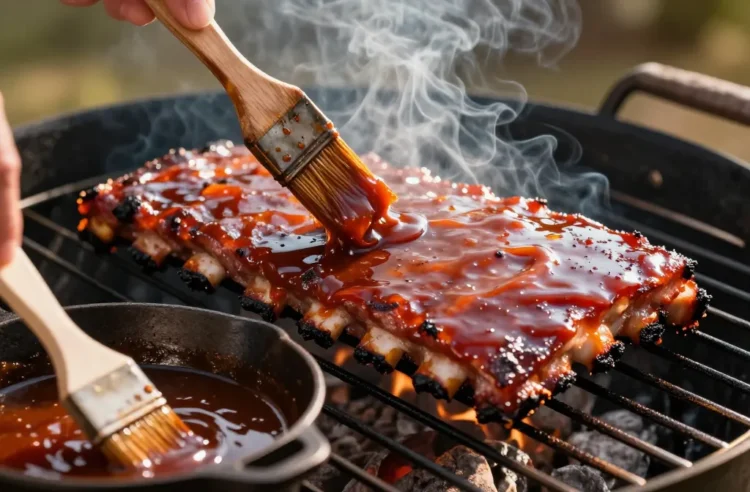
- Best for: Weekend cooks and backyard parties where ribs are the star
- Make ahead: Yes — up to 7 days refrigerated or 3 months frozen
- Serves: About 3–4 racks of spare ribs (2 cups sauce)
- Key tip: Simmer 8–10 minutes to activate pectin and reduce for thickness
When you’re cooking spare ribs, you want a sauce built for bigger bones and longer cooks. BBQ Sauce for Spare Ribs — Thicker and Tangier Than Baby Back — nails that balance: rich body to cling, bright acidity to cut through fat. It’s not just “more ketchup” or “extra brown sugar.” It’s calibrated for the spare rib’s extra collagen and marbling. In this guide, you’ll get a make-ahead recipe, science-backed tweaks, and timing tips that deliver lacquered, tangy ribs every time.
Why Spare Ribs Need a Different Sauce
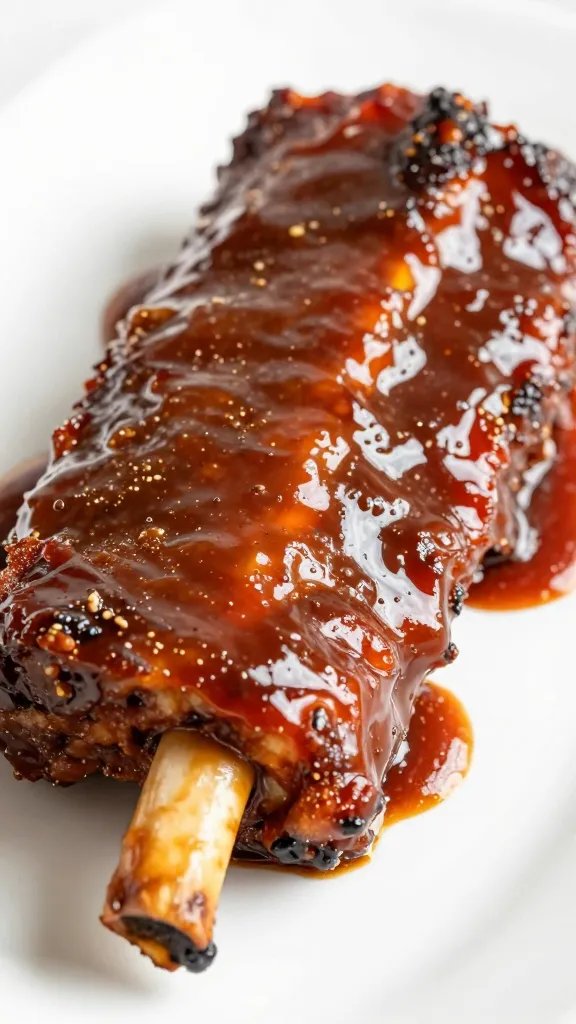
Spare ribs carry more connective tissue and fat than baby backs, so they shine with a sauce that’s thicker, tangier, and a touch less sweet. That lets smoke and porkiness lead, while acidity keeps each bite lively.
Baby back sauces often skew sweeter and thinner. For spares, we up the vinegar and molasses, and add a quick simmer to concentrate body, so the glaze doesn’t slide off during the last 20–30 minutes of the cook.
The Core Recipe: Thick and Tangy BBQ Sauce for Spare Ribs
Ingredients (Yields ~2 cups)
- 1 cup ketchup
- 1/3 cup apple cider vinegar
- 1/4 cup tomato paste
- 3 tbsp molasses (not blackstrap)
- 3 tbsp brown sugar
- 2 tbsp Worcestershire sauce
- 2 tbsp yellow mustard (or 1 tbsp Dijon for sharper bite)
- 1 tsp hot sauce (or 1/2 tsp cayenne), to taste
- 1 tsp smoked paprika
- 1 tsp onion powder
- 1/2 tsp garlic powder
- 1/2 tsp kosher salt, plus more to taste
- 1/4 tsp black pepper
- 1/2 cup water (start here; adjust 1–3 tbsp as needed)
Instructions
- Whisk everything in a saucepan. Start with 1/2 cup water; it will reduce.
- Bring to a low simmer over medium heat, then drop to medium-low.
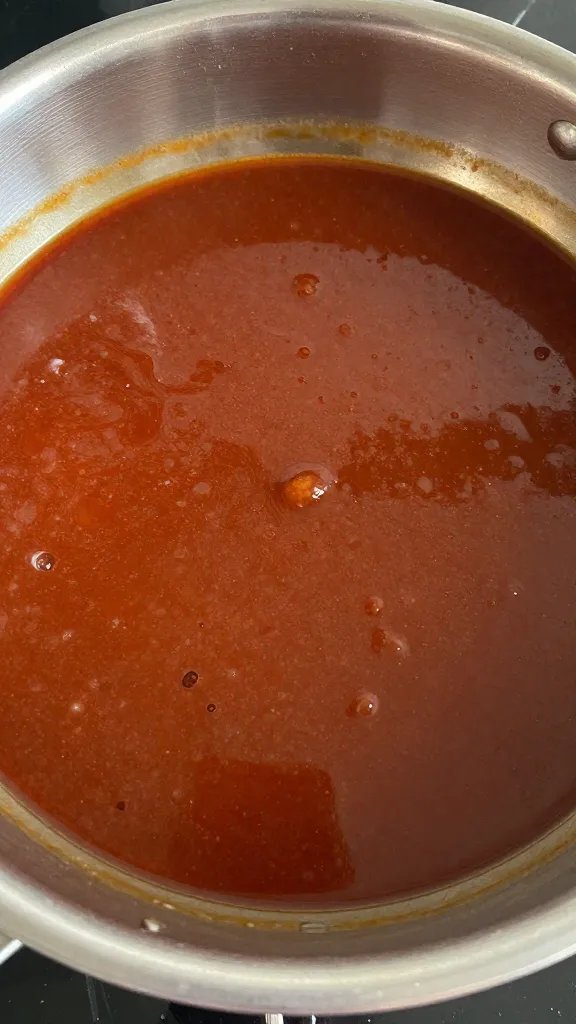
- Simmer 8–10 minutes, stirring often, until bubbles “blip” thickly and a spoon leaves a trail. It should coat the back of a spoon.
- Taste and adjust: more vinegar for tang, pinch of salt to pop flavors, splash of water if too thick.
- Cool 10 minutes; it thickens slightly as it stands.
Dialing Tang, Sweet, and Heat for Spare Ribs
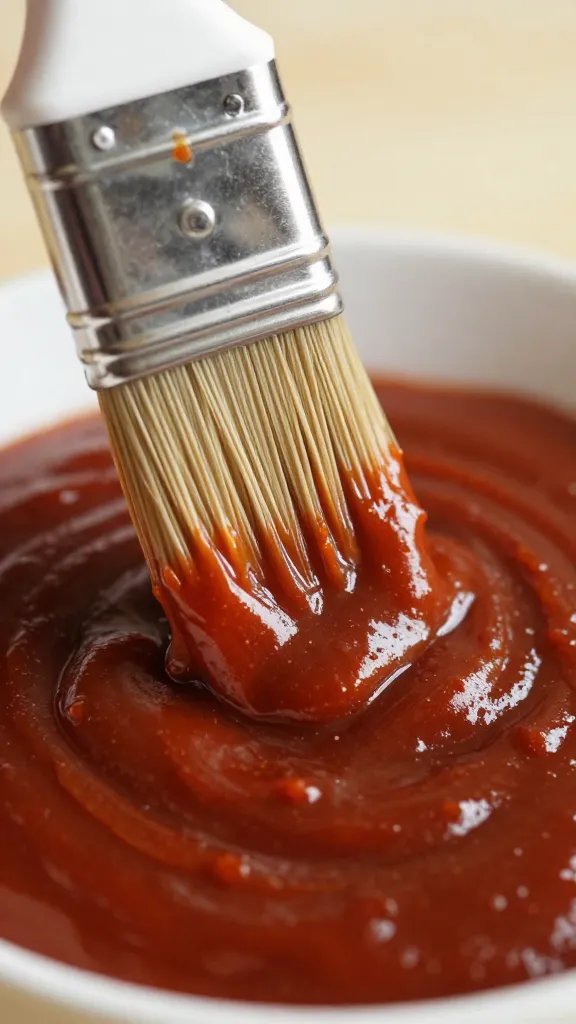
Use this base as a framework and tune to your ribs and crowd.
- More tang: Add 1–2 tsp cider vinegar at the end. Finish bright, not harsh.
- Less sweet: Reduce brown sugar to 1–2 tbsp; keep molasses for body and color.
- More heat: Add 1/2–1 tsp cayenne or 1 tbsp chipotle in adobo (minced) for smoky depth.
- Extra thickness: Simmer 2–3 minutes longer, or whisk in 1 tsp tomato paste near the end.
- Smokier profile: Add 1/4 tsp liquid smoke only if cooking indoors; skip if using a smoker.
When and How to Sauce Spare Ribs
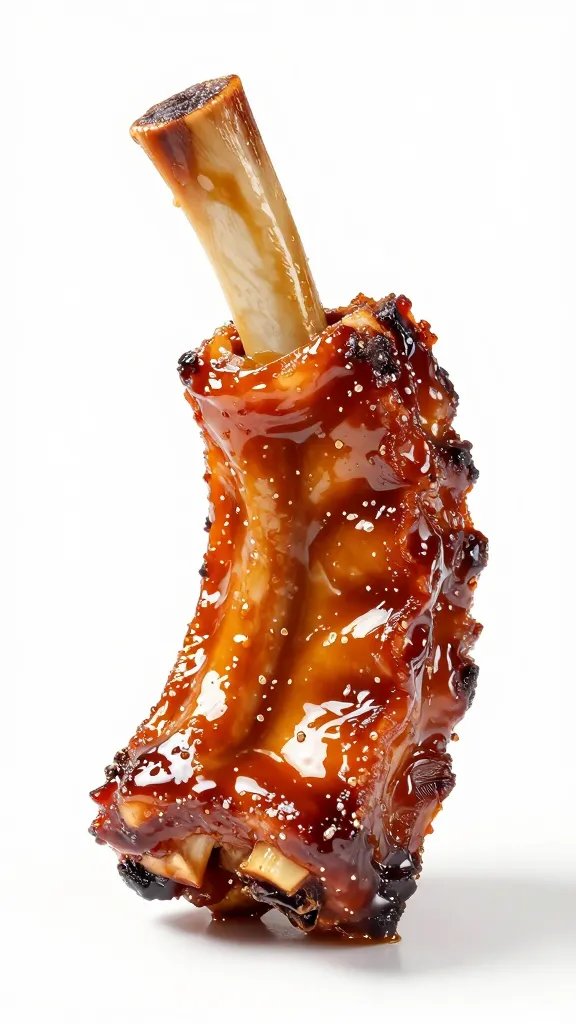
Apply sauce late so sugars don’t scorch and bark stays intact.
- Cook the ribs to tenderness first (wrap or not, your choice). You want the meat near done before saucing.
- First glaze at an internal temp around 185–190°F: brush on a thin coat, then cook 10–15 minutes to set.
- Second glaze right before pulling: a slightly heavier coat for shine and stick.
- Optional final pass on the board: a warm spoonful over sliced ribs for restaurant gloss.
Too early with sauce? You’ll burn the sugars and mute smoke flavor. Late and light wins.
Spare Ribs vs. Baby Backs: Sauce Tweaks That Matter
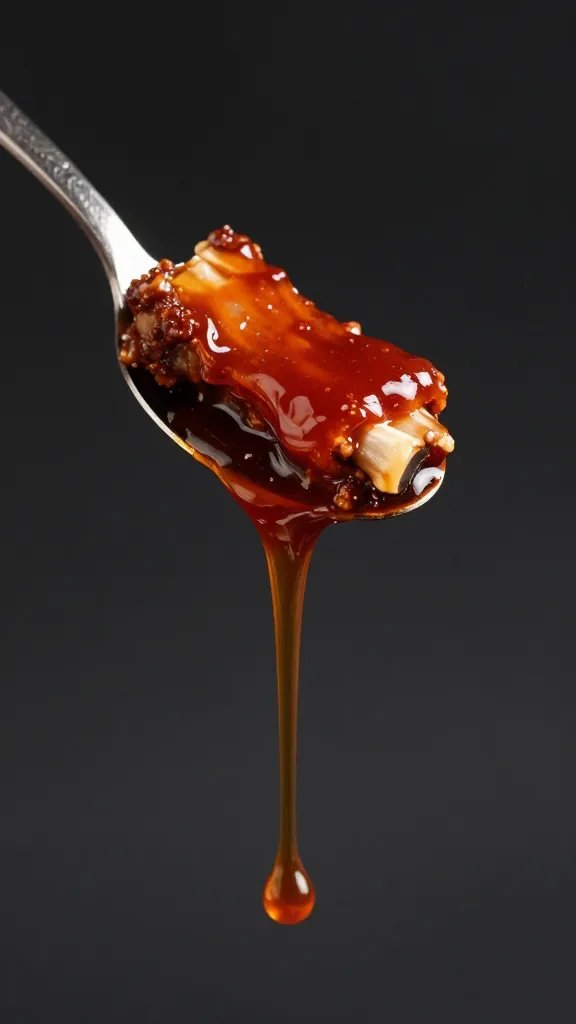
- Acidity: Spare ribs can handle 25–40% more vinegar than baby backs. Start with 1/3 cup and adjust.
- Body: Tomato paste + molasses build cling. Baby backs do fine with thinner, apple-forward sauces; spares want heft.
- Sweetness: Keep it moderate. Too much sugar muddies the rib’s savory notes.
- Heat: A subtle warm finish balances the richer fat content of spares.
Flavor Variations That Still Fit Spare Ribs
- Carolina Tangy: Swap half the ketchup for yellow mustard; bump vinegar to 1/2 cup; add 1 tsp honey.
- Kansas City Bold: Increase tomato paste to 3 tbsp; add 1 tbsp molasses and 1 tsp espresso powder for depth.
- Maple-Chipotle: Replace brown sugar with 2 tbsp maple syrup; add 1 minced chipotle in adobo.
- Bourbon Black Pepper: Stir in 2 tbsp bourbon off heat; grind in 1 tsp coarse black pepper.
Make-Ahead, Storage, and Freezing
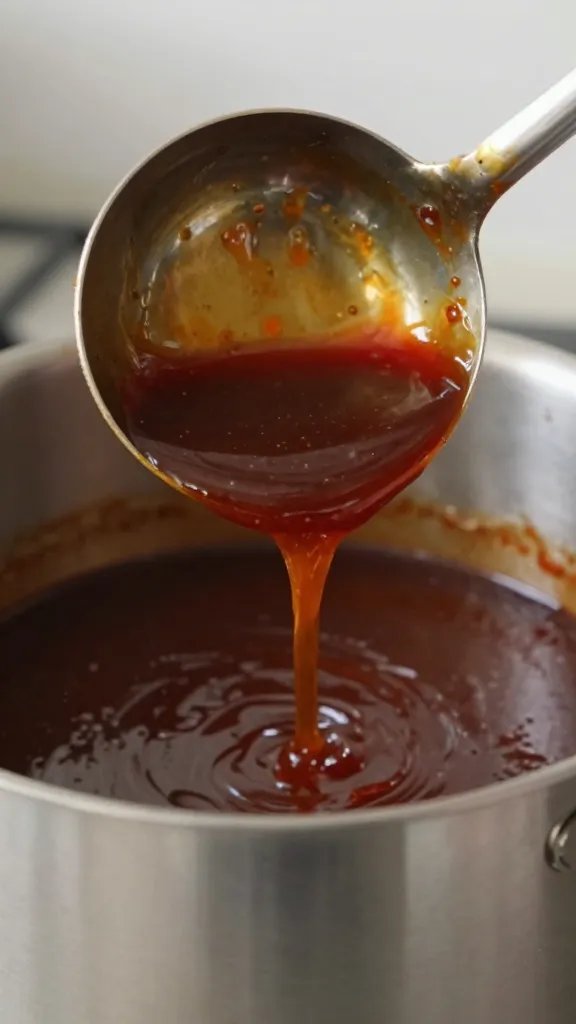
This sauce improves overnight as flavors meld. Cool, then store airtight.
- Fridge: 7 days. Reheat gently; splash water if needed.
- Freezer: Up to 3 months. Portion in 1/2-cup bags; thaw overnight.
- Food safety: Use clean spooning; don’t return a brush that touched raw meat to the sauce container.
From My Kitchen: What Actually Works
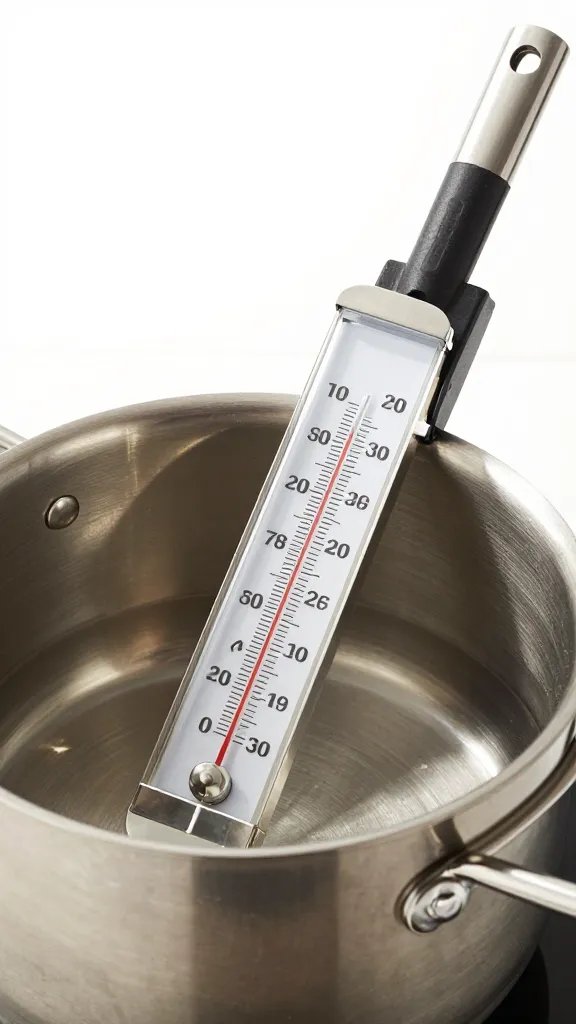
The biggest difference in thickness comes from time on the stove: I get a perfect nappe coat after a full 8–10 minute simmer; at 5–6 minutes it slides off the ribs. I also salt to taste only after simmering — reduction concentrates salt more than you expect. When cooking for a crowd, I scale every ingredient equally but cut the vinegar by 10% initially, then add it back to taste after simmering; larger pots reduce faster and can skew the tang. Finally, I warm the sauce before brushing on ribs — warm sauce sets faster and doesn’t cool the bark.
Layering with Rubs and Sides
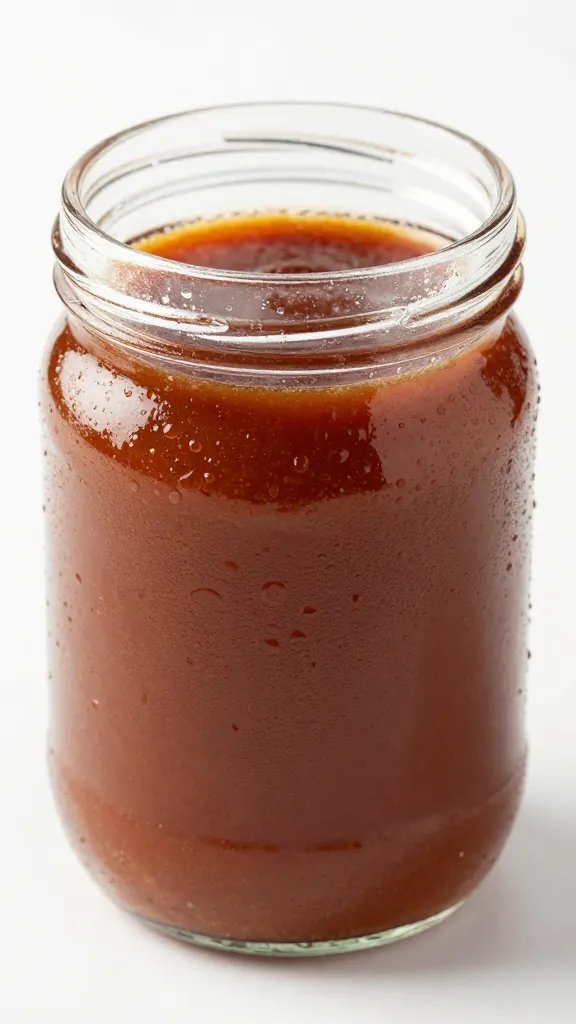
Use a rub that won’t fight your vinegar-forward glaze. Think paprika, black pepper, garlic, and a restrained sugar base. Too much sugar in the rub plus a sweet glaze equals burn risk.
Want a fresh, herbal counterpoint on the table? Balance your rib platter with bright sauces like this chimichurri recipe. Serving pulled pork alongside? Consider a contrasting thin mop, like a vinegar BBQ sauce, to keep plates interesting.
Frequently Asked Questions
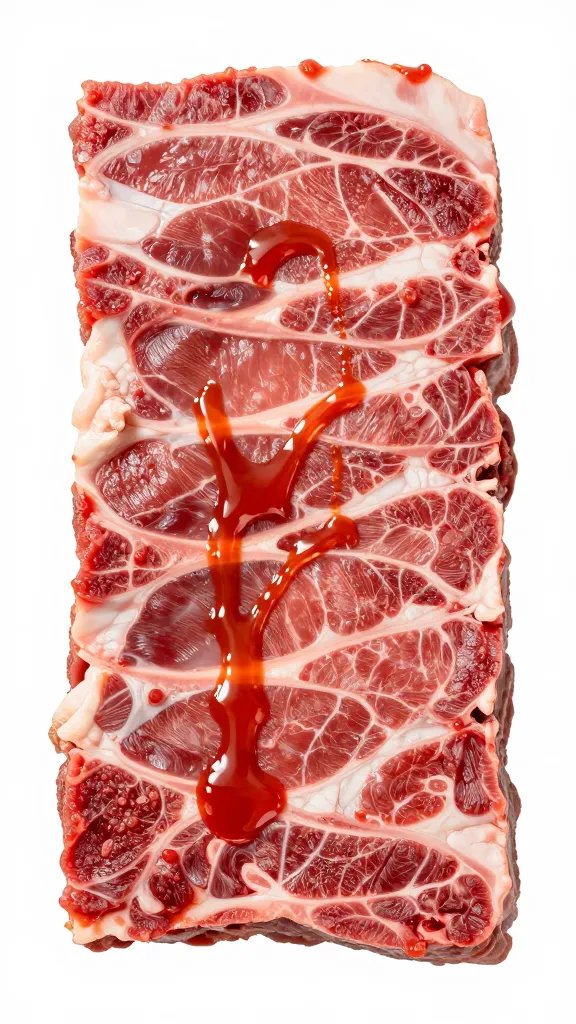
Can I make BBQ Sauce for Spare Ribs ahead of time?
Yes. Make it up to 7 days ahead and refrigerate in a sealed jar. The flavor improves by day two. Reheat gently and thin with a tablespoon of water if it’s too thick.
How long does BBQ Sauce for Spare Ribs keep in the fridge?
Up to 1 week when stored airtight. If you need longer, freeze in portions for up to 3 months. Always use clean utensils to prevent contamination.
What’s the best way to thicken my rib sauce without cornstarch?
Simmer to reduce. Tomato paste and molasses provide natural body; an 8–10 minute gentle simmer thickens without starch. If you overshoot, whisk in 1–2 tablespoons water to loosen.
When should I put sauce on spare ribs so it doesn’t burn?
Glaze during the last 20–30 minutes of cooking. Apply a thin coat, let it set, then add a final pass just before pulling from the grill or smoker. Keep heat moderate to avoid scorching sugars.
Can I use this sauce on baby back ribs too?
Yes, but reduce the vinegar slightly and thin the sauce with a tablespoon or two of water. Baby backs often prefer a touch more sweetness and a lighter glaze.
What vinegar works best for a tangier spare rib sauce?
Apple cider vinegar is the most versatile. For extra bite, swap in up to 1/3 white vinegar or add 1–2 teaspoons at the end to sharpen without cooking off acidity.
The Bottom Line
Spare ribs reward a sauce that’s thicker, tangier, and built to cling without burning. Simmer for body, finish bright, and glaze late — you’ll get lacquered ribs with real character.
Planning to try this? Save this post so you can find it when you need it — and tag us when you make it.