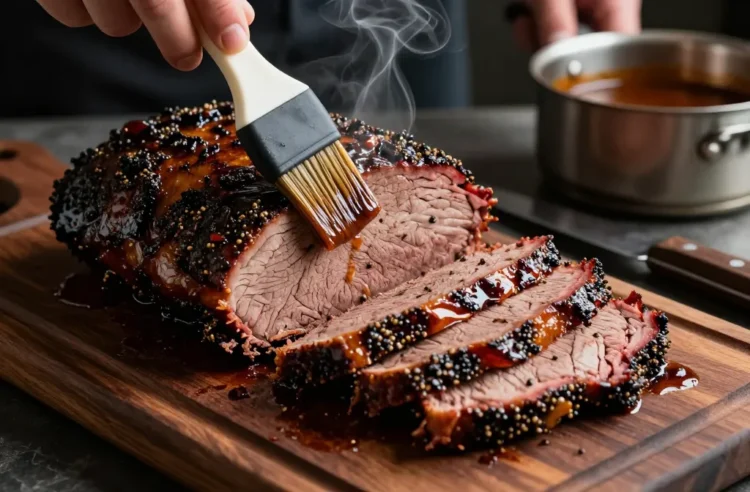
- Best for: Sliced or chopped brisket served buffet-style or plated
- Make ahead: Yes — up to 1 week; freezes 3 months
- Serves: About 12 with a full packer brisket; yields 2 cups sauce
- Key tip: Warm the sauce and apply lightly during the rest, not on the smoker
BBQ Sauce for Brisket — Applied During Rest, Not on the Smoker is a small shift that solves dry edges and bitter bark. Smoke builds flavor; sauce brings balance. Let the pit do its job, then glaze while the meat is relaxing and rehydrating. In this guide, you’ll get a balanced sauce formula, exact timing, and how to apply it so your bark stays crisp and your slices stay juicy.
Why Sauce After, Not During, the Cook
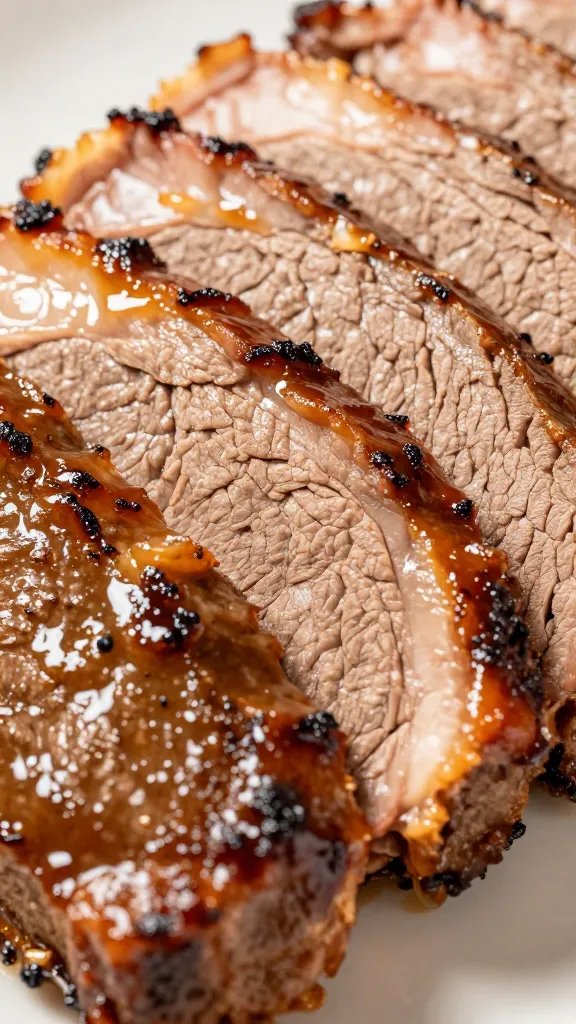
Smoke and heat can burn sugars in sauce, leaving a bitter, tacky crust. That ruins bark texture and darkens flavor past pleasant. Brisket needs clean smoke, not syrup in the chamber.
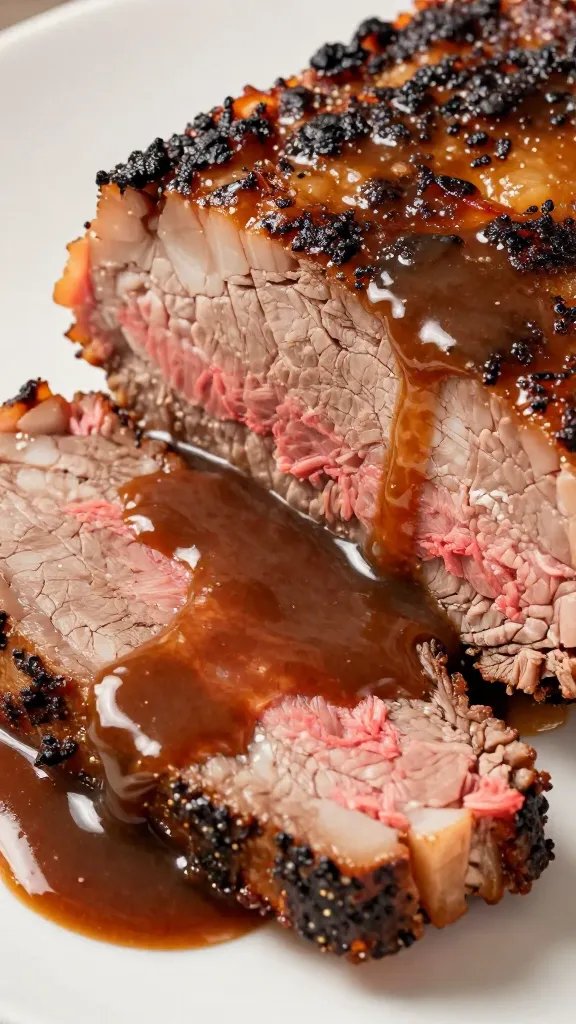
Resting is when juices redistribute. A thin, warm glaze during the rest mingles with rendered fat and collagen on the surface, creating a glossy, savory finish without softening the bark into mush.
The Flavor Profile That Loves Brisket
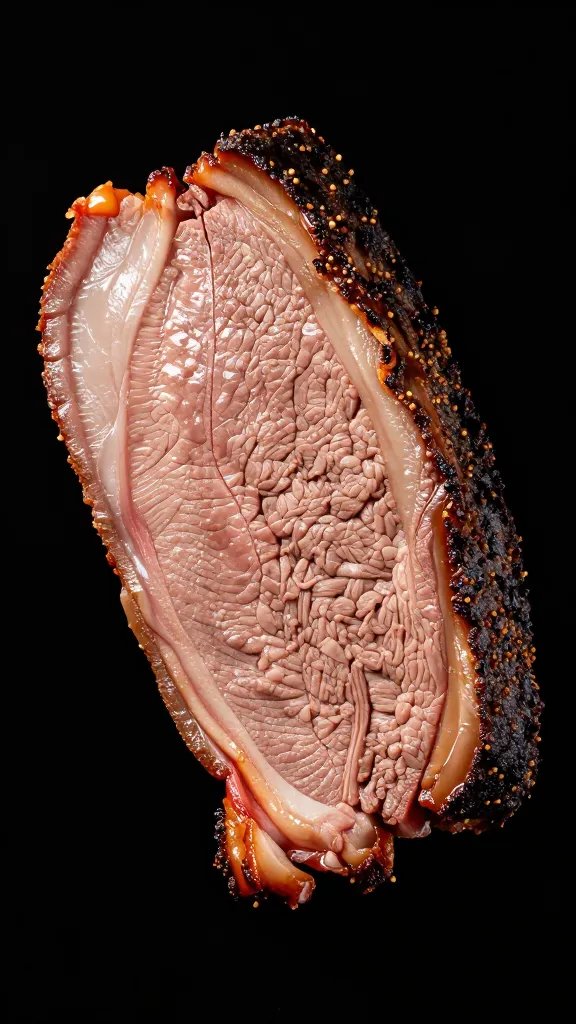
Beef handles bold flavors. You want tang for richness, umami for depth, and sweetness for balance—but not sticky-sweet.
- Acid: Apple cider vinegar + a splash of coffee or espresso for backbone
- Umami: Worcestershire and a touch of soy or fish sauce
- Sweet: Brown sugar or molasses—keep it modest
- Heat: Black pepper, chipotle, or cayenne—slow warmth beats sharp burn
- Body: Tomato paste, not only ketchup, for a thicker, glaze-friendly texture
My Go-To Brisket Resting Sauce (2 Cups)
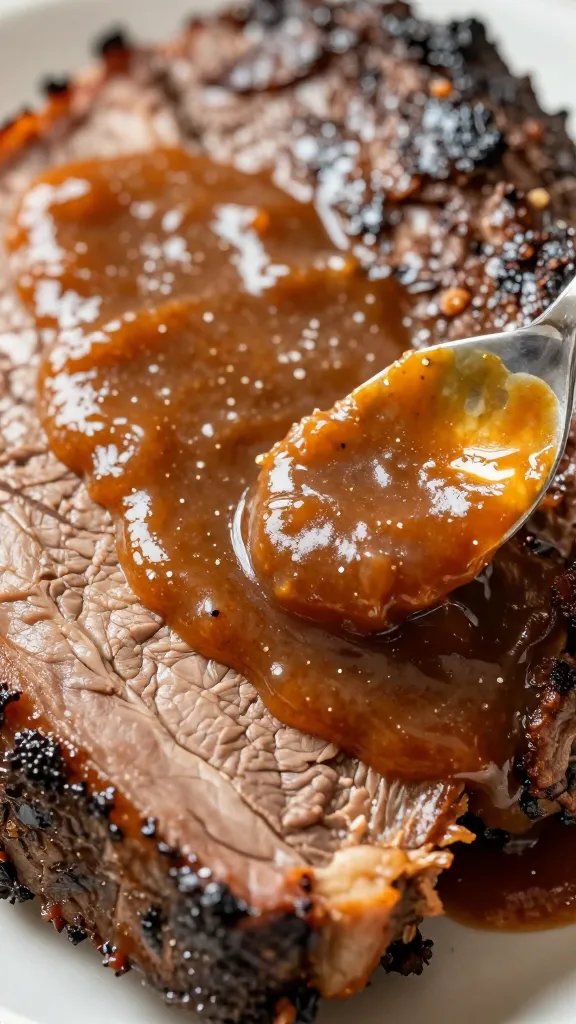
Ingredients:
- 1 cup ketchup
- 2 tablespoons tomato paste
- 1/3 cup apple cider vinegar
- 1/4 cup brown sugar (packed)
- 2 tablespoons molasses
- 2 tablespoons Worcestershire sauce
- 1 tablespoon soy sauce (or 1 teaspoon fish sauce)
- 1/2 cup strong brewed coffee (or 1/2 cup low-sodium beef stock)
- 1 teaspoon Dijon mustard
- 1 teaspoon black pepper
- 1/2 teaspoon kosher salt (taste and adjust)
- 1/2 teaspoon smoked paprika
- 1/4–1/2 teaspoon chipotle powder or cayenne, to taste
Method:
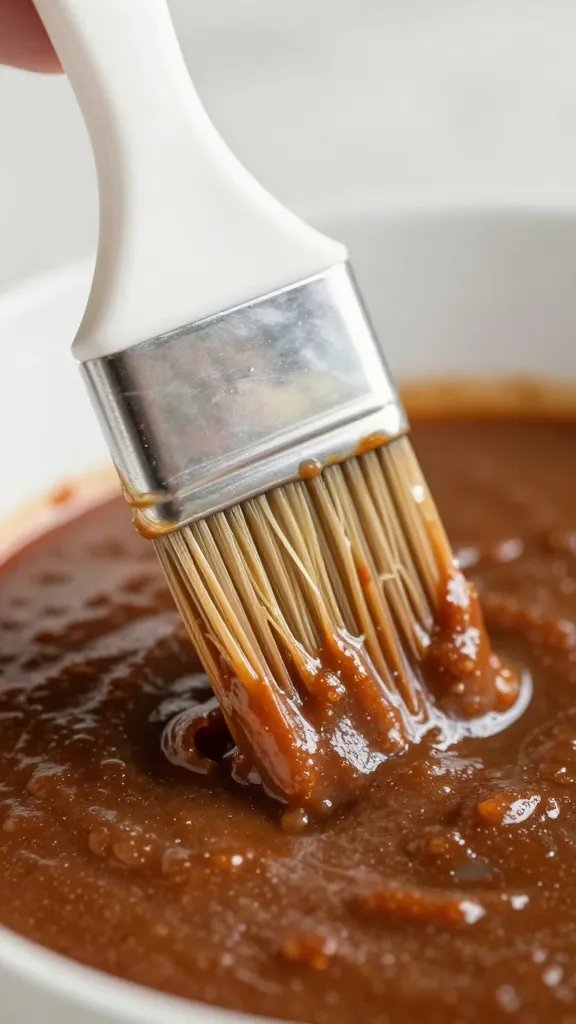
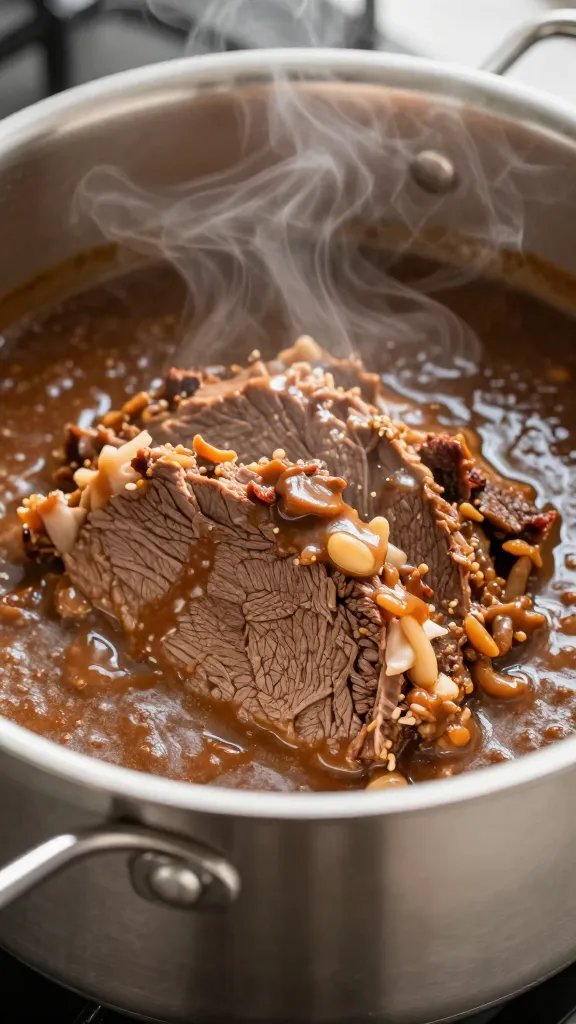
- Whisk all ingredients in a saucepan. Bring to a simmer over medium heat.
- Simmer 8–10 minutes, stirring, until glossy and slightly thick. It should coat a spoon.
- Cool to warm. Taste; adjust acid with vinegar, heat with chipotle, and salt last.
How to Apply Sauce During the Rest
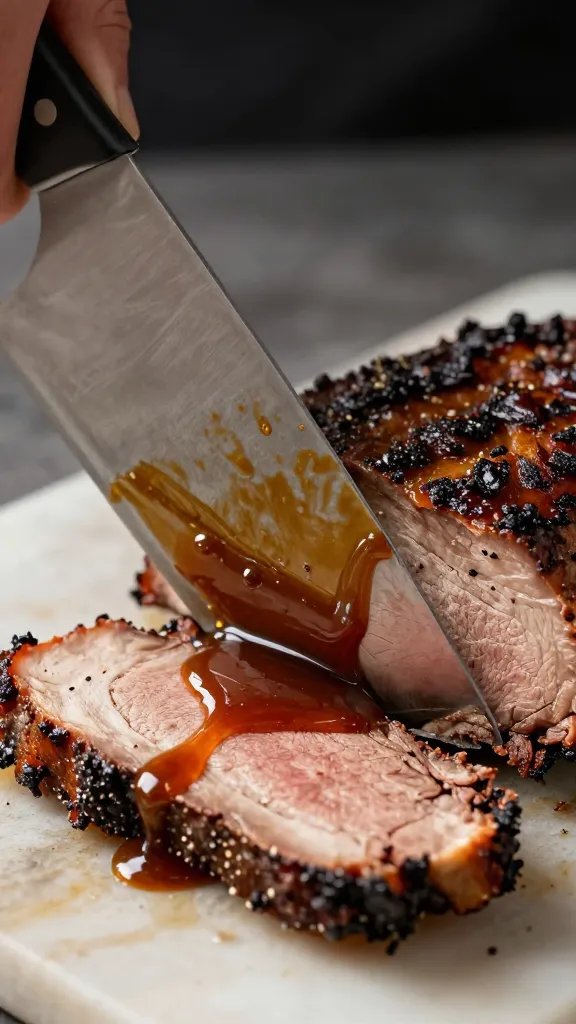
Timing matters. Pull brisket when it’s probe-tender (usually 195–205°F internal) and transfer to a cutting board or a clean tray.
- Vent first: If wrapped, crack the foil or paper for 3–5 minutes to stop carryover and steam-softening of bark.
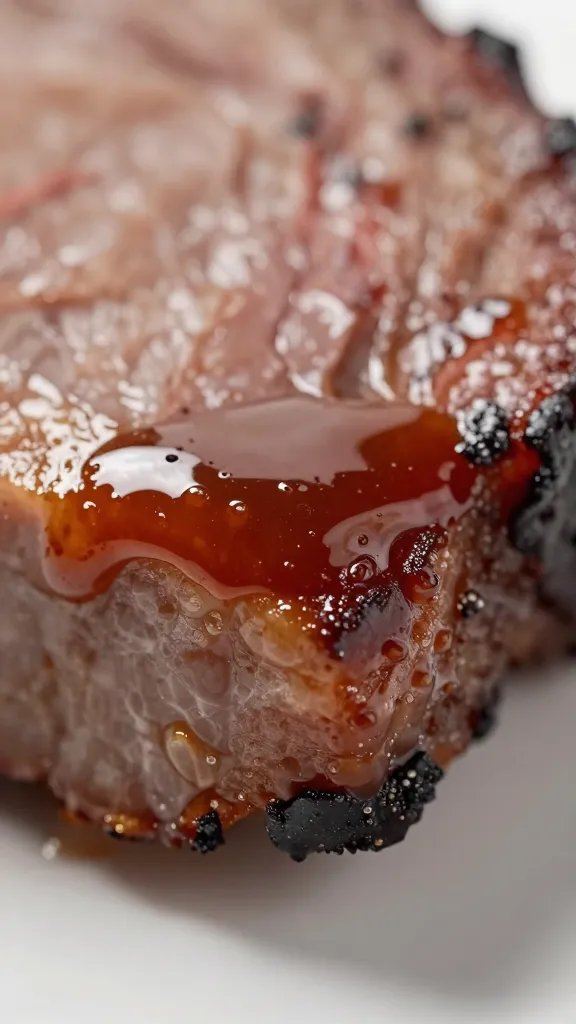
- Warm the sauce: About 140°F, pourable but not thin. Cold sauce shocks the fat cap and tightens slices.
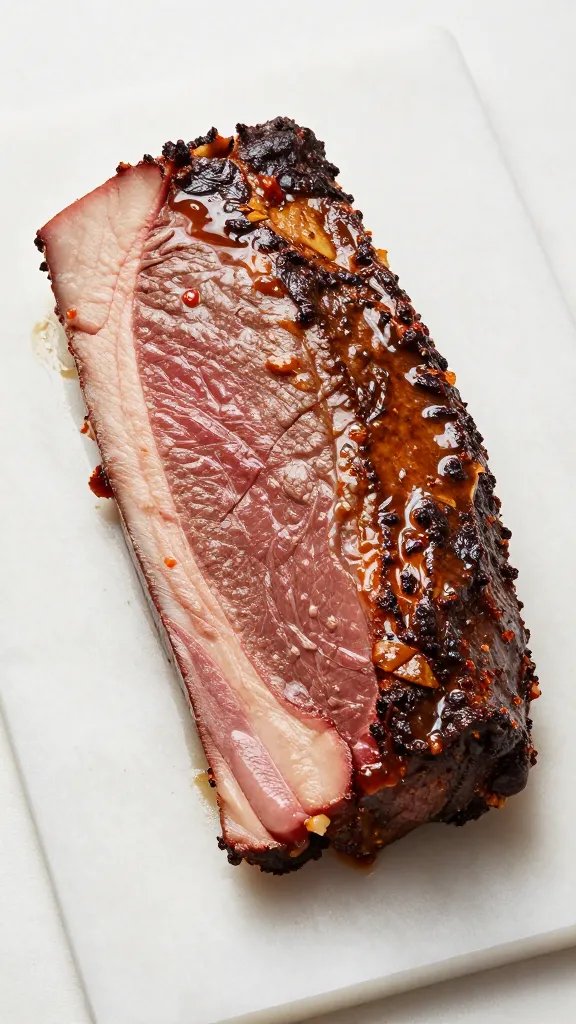
- Light glaze: Brush a thin coat over the top and sides—think a sheen, not paint. Rest 15 minutes.
- Optional second pass: Add another thin coat before slicing. Keep a small bowl for table-side brushing.
- Slice and finish: Slice against the grain. Dab the cut faces lightly if serving immediately to keep moisture high.
How much? About 1/4 cup per pound of finished brisket for glazing and service. Keep extra warm in a small pot for guests.
Adjusting for Different Brisket Styles
Classic Texas Lean Slices
Use the base sauce but increase vinegar by 1 tablespoon and reduce brown sugar by 1 tablespoon. Lean slices love brightness.
Fatty Point or Burnt Ends
Increase molasses to 3 tablespoons and add 1 teaspoon honey. The extra sweetness balances rendered fat and char.
Chopped Brisket Sandwiches
Thin the sauce with 2–3 tablespoons beef stock to help it coat chopped meat without clumping. Toss just before serving.
Common Mistakes to Avoid
- Slathering on the smoker: Sugars scorch, bark gets pasty, and smoke won’t stick as well.
- Applying sauce straight from the fridge: Cold sauce stiffens fat. Warm it lightly for a silky sheen.
- Over-reducing: Too thick and it sits on top instead of bonding with the meat’s surface juices.
- Skipping the vent: Unwrapping and glazing immediately traps steam, softening bark. Vent, then glaze.
- Oversalting: Remember the rub already brought salt. Taste your sauce with a slice before adding more.
Pairings and Serving Ideas
- Fresh counterpoints: Tangy slaw, pickled red onions, dill pickles
- Starches: Texas toast, potato salad, creamy grits
- Green sides: Charred broccoli or a crisp salad to cut the richness
- Sauce bar: Offer this base sauce plus a mustard-vinegar option and a spicy variant
If you want a fresh, herby option for leftovers, try this chimichurri recipe alongside sliced brisket. For a bright, no-cook contrast on sandwiches, add a spoon of homemade pickled red onions.
From My Kitchen: What Actually Works
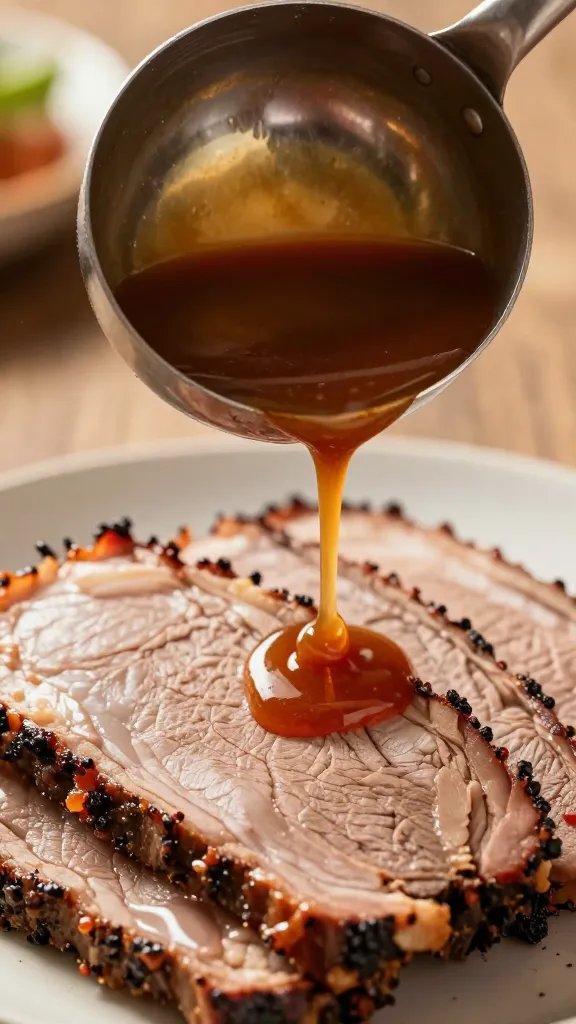
The glaze sticks best when the surface is tacky, not wet—venting 3–5 minutes makes a difference. I’ve timed the simmer at 8 minutes; at 5 minutes the sauce tastes raw and thins on hot meat, while at 12 minutes it gets too jammy. When feeding a crowd, I scale every ingredient linearly but hold back 25% of the salt, then season to taste after simmering. A silicone brush lays on a thinner coat than a pastry brush, which helps preserve bark texture. Finally, a 15-minute rest after the first glaze gives a gentle set and better slice definition.
Frequently Asked Questions
Should I put BBQ sauce on brisket while it’s smoking?
No. Sauce can burn and turn bitter in the smoker. Apply a thin, warm glaze during the rest so it bonds with surface juices without wrecking bark.
How long does BBQ Sauce for Brisket keep in the fridge?
Up to 1 week in an airtight jar. Rewarm gently before using so it spreads evenly and doesn’t seize the fat.
Can I make BBQ Sauce for Brisket ahead of time?
Yes. Make it up to a week ahead. For best flavor, simmer fully, cool, and store; flavors meld and improve by day two.
Can I freeze this brisket sauce?
Yes. Freeze up to 3 months. Thaw in the fridge and reheat gently; if it’s too thick, whisk in a splash of beef stock or water.
What’s the best way to serve sauced brisket for a crowd?
Lightly glaze during the rest, slice, and keep warm in a covered pan. Hold extra warm sauce on the side so guests can add more without drowning the bark.
How much sauce should I use per pound of brisket?
Plan about 1/4 cup per pound of finished meat for glazing and table service. Start light—guests can always add more.
The Bottom Line
Let smoke build flavor, and let sauce finish the story. Glaze brisket while it rests with a warm, balanced sauce for shine, moisture, and bark you can still hear when you slice.
Planning to try this? Save this post so you can find it when you need it — and tag us when you make it.