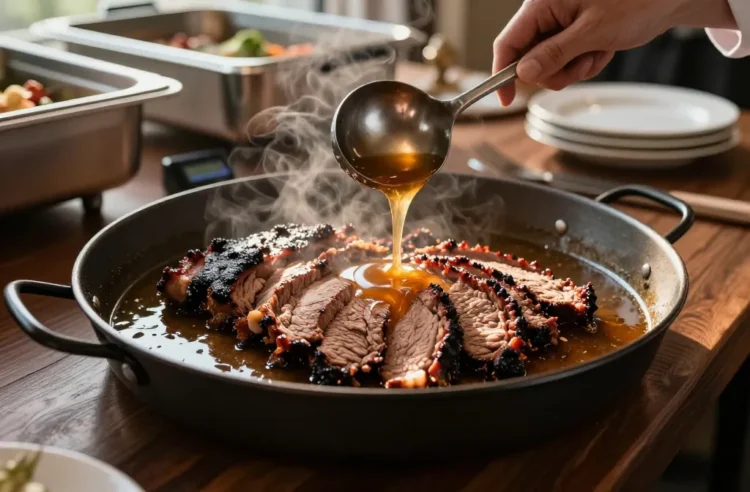
I’ve hosted enough backyard cookouts to know the sinking feeling when someone slices the brisket or pork shoulder too soon and the platter starts drying before guests line up. I’ve been there, staring at fifty hungry faces and a mountain of meat turning stringy by the minute. The good news: you can save it with smart moisture, heat, and service tweaks. Here’s exactly how I fix prematurely sliced BBQ at scale so the last guest gets meat as juicy as the first.
1. Moisture Recovery: Bring Back Juices With Warm Broth And Fat
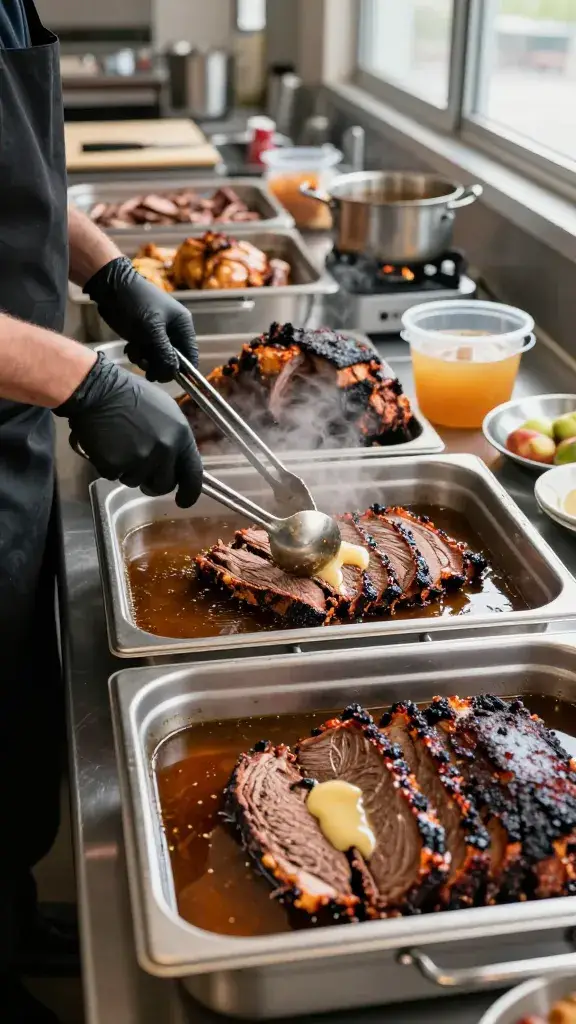
Once meat is sliced, exposed surfaces lose steam fast and fibers tighten, squeezing out juices. If you serve it as-is, you get dry, crumbly slices and guests burying everything in sauce. You need to replace moisture and add a thin sheen of fat to carry flavor back into the meat.
How to Fix It
- Heat low-sodium beef or chicken broth in a saucepan until it gently simmers — not boiling. For pork, use apple juice cut 50/50 with water; for beef, use beef broth with a splash of Worcestershire.
- Whisk in 1-2 tablespoons of a neutral oil or reserved rendered fat per quart of liquid. For pork, a spoon of bacon drippings works; for beef, a knob of unsalted butter adds body.
- Lay sliced meat in a deep roasting pan in loose layers. Ladle warm liquid lightly over the slices — aim for a glossy coat, not a soup.
- Cover tightly with foil and rest 10-15 minutes. The warm, steamy environment lets fibers relax and reabsorb moisture.
What to Use Instead of Specialty Gear
- A standard roasting pan or disposable aluminum tray
- Foil and a basic stovetop saucepan
- Low-sodium boxed broth from the supermarket
Takeaway: Make a simple warm broth-and-fat blend and lightly ladle it over sliced meat, then foil and rest 10-15 minutes to restore juiciness.
2. Gentle Reheat: Hold At Serving Temperature Without Overcooking
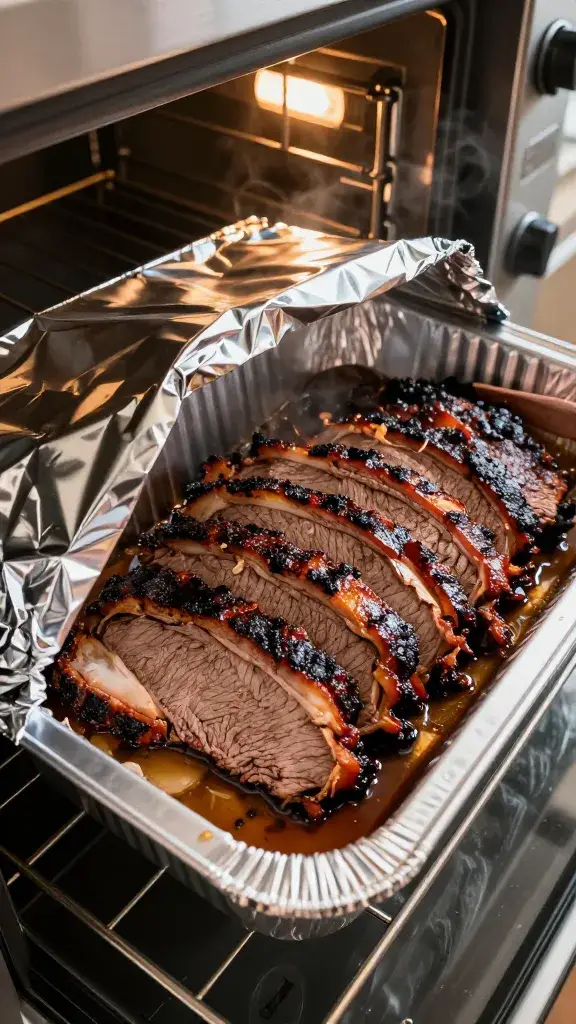
High heat toughens already-sliced meat and drives off moisture for good. If you try to “revive” it over open flame or in a hot oven, you turn tender slices leathery. You need a low, steady hold that keeps it hot enough for food safety but cool enough to protect texture.
How to Fix It
- Set your oven to 160–170°F (the “warm” setting). If your oven runs hot, crack the door with a wooden spoon.
- Place the foiled pan of moistened slices from Section 1 into the oven for 20–30 minutes to come up to serving temp (140°F+).
- Stir or flip sections gently with tongs every 10 minutes so the top doesn’t dry out. If edges look dry, mist with a bit more warm broth.
- Avoid stovetop burners on low — they heat unevenly and scorch the bottom. If you must use a grill, set it up for indirect heat and keep the lid closed.
Signs You’re Overheating
- Edges curl or darken further
- Slices stiffen and crack when bent
- Visible steam pours out when you lift the foil (too hot, moisture loss)
Action today: Hold moistened slices covered at 160–170°F and flip every 10 minutes; don’t exceed 30 minutes before service begins.
3. Service Strategy: Serve Smaller Batches And Protect With Steam
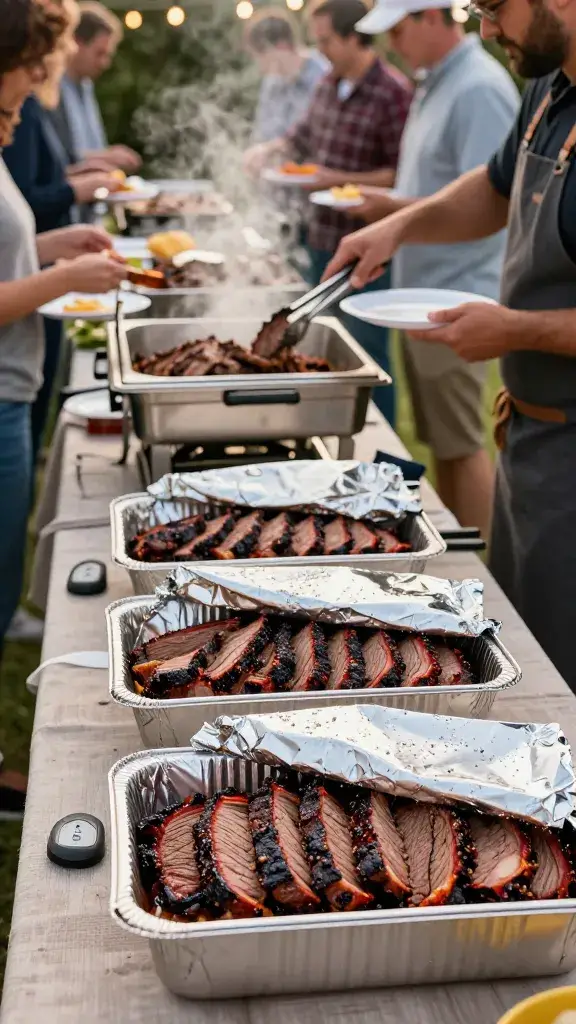
Even perfectly rescued meat dries out fast in a large open pan. A mountain of slices on a buffet loses steam from the top and edges, so late guests get the worst. Portion control and steam shielding keep everything juicy from first plate to last.
How to Fix It For 50 People
- Divide the meat into 3–4 smaller foil-covered pans. Keep most in the warm oven and only bring one out at a time.
- Use a chafing dish or an electric warming tray with a water pan underneath to create gentle steam. If you don’t have chafers, set a metal rack over a roasting pan filled with 1 inch of hot water and place the meat pan on the rack, covered.
- Serve with tongs and keep the serving pan covered between guests. Replenish in small waves every 10–15 minutes.
- Pre-warm serving pans and lids in the oven for 5 minutes so they don’t suck heat out of the meat.
What to Use Instead
- Disposable aluminum pans with tight foil lids
- Roasting pan + rack + hot water = budget chafer
- Clean towel draped over the foil to insulate when carrying to the table
Takeaway: Stage meat in multiple covered pans and swap in small batches, keeping the rest in a warm, steamy hold.
4. Texture Fix: Convert Dry Slices Into Chopped Or Pulled With Sauce
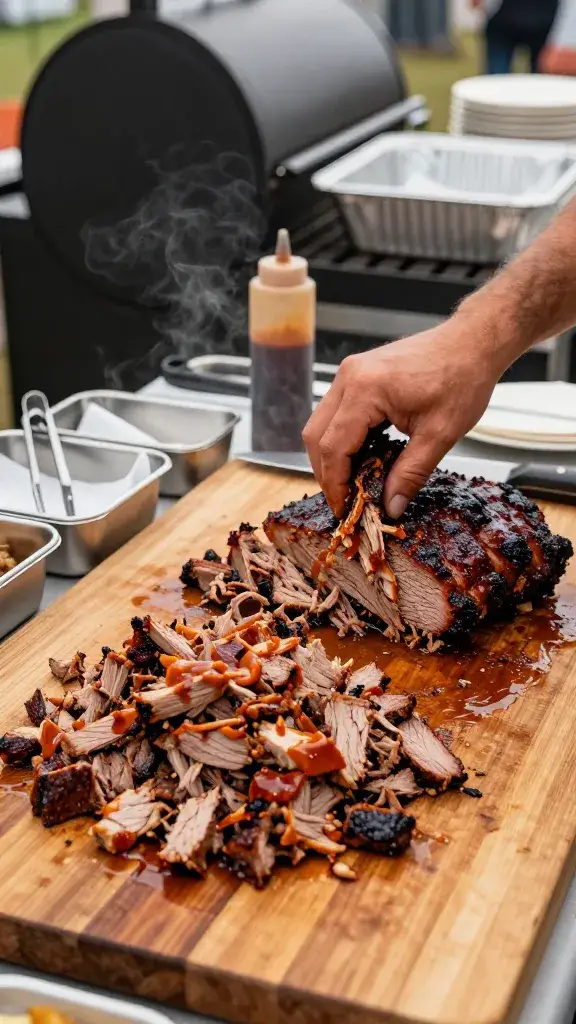
Some slices will be too far gone to serve as neat cuts, especially from edges or thinner muscles. Trying to pass off those dry pieces as slices highlights the problem. Convert them into a different format that welcomes moisture and sauce.
How to Fix It
- For pork shoulder: Chop the drier slices into 1/2-inch pieces. Toss with warm apple-juice-and-broth mix plus a modest pour of your BBQ sauce. Cover and hold warm 10 minutes.
- For brisket: Slice too-dry flats into cubes and fold in warm beef broth with a tablespoon of butter and a spoon of your rub. Offer as “Texas chopped brisket” sandwiches.
- For chicken or turkey: Shred along the grain with forks, then moisten with warm stock and a squeeze of lemon to brighten. Finish with a light sauce glaze, not a drowning.
Portioning For 50
- Plan 1/3 to 1/2 pan (9×13) of chopped/pulled as the designated “saucy” tray alongside your better slices.
- Label it clearly. Guests often prefer the chopped option for sandwiches, which stretches portions.
Action today: Reserve your best slices and convert the driest third into a chopped or pulled tray moistened with warm stock and light sauce.
5. Flavor Shield: Glaze, Fat-Finish, And Smart Slicing To Mask Dryness
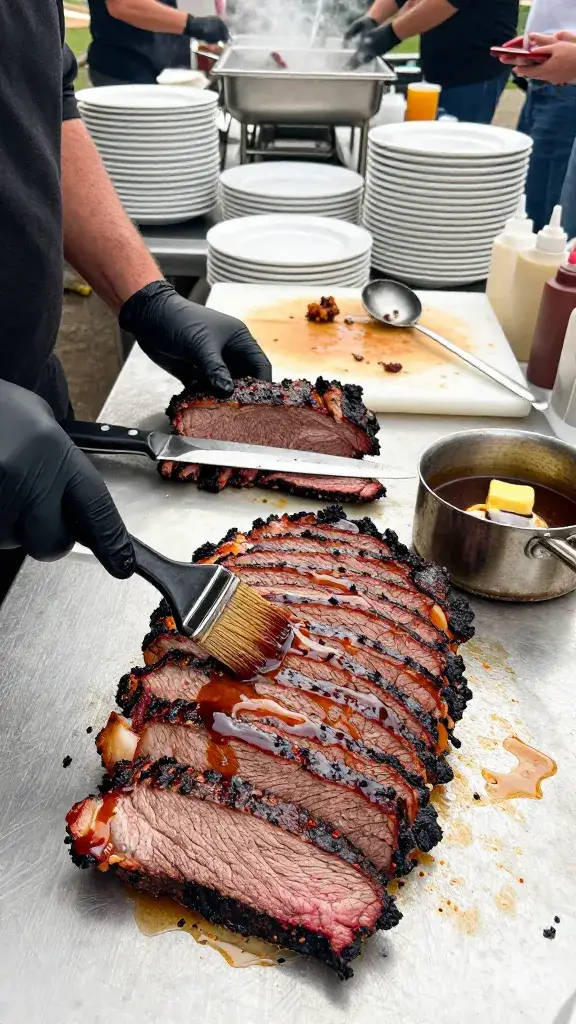
Even rehydrated meat can taste flat if the surface pith has dried out. A light glaze and fat finish restore sheen and mouthfeel while strategic slicing improves tenderness per bite. The goal is to deliver a juicy, flavorful impression the second a fork hits the plate.
How to Fix It
- Glaze lightly: Warm your BBQ sauce with a splash of broth to thin it to a syrupy consistency. Brush or toss enough to coat, not smother.
- Fat finish: Whisk a tablespoon of melted butter or beef tallow into the sauce for beef; a spoon of bacon fat or butter for pork. This creates a thin, flavorful film that fights dryness.
- Reslice thinner: If the texture is still firm, reslice across the grain at 1/8–1/4 inch. Thinner slices feel more tender and absorb glaze better.
- Add a finishing sprinkle of rub mixed 50/50 with brown sugar for pork or with cracked pepper for beef to wake up the crust flavor.
Service Pairings That Help
- Offer soft rolls and creamy slaw. The moisture and fat in sides balance drier bites.
- Place a squeeze bottle of thinned warm sauce at the end of the line for guests to add a touch, not a flood.
Takeaway: Apply a thinned warm glaze with a touch of fat, then slice a bit thinner across the grain to restore tenderness and shine.
Frequently Asked Questions
How much liquid should I add to sliced meat without turning it soggy?
Add just enough warm broth to coat the meat so every slice looks glossy, not wet. For a 9×13 pan holding 2–3 pounds of slices, start with 1/2 cup of warm liquid plus 1 teaspoon of fat. Toss gently, cover, and rest 10 minutes. If edges still look dry, add another 2–3 tablespoons and repeat.
What if I don’t have broth on hand?
Use hot water with a pinch of salt, a dash of Worcestershire or soy sauce, and a teaspoon of butter or oil. For pork, cut in apple juice 50/50 with hot water and a little salt. Heat it until steaming so it doesn’t cool the meat. Avoid straight water alone — you need salt and fat for flavor and mouthfeel.
Can I fix meat that’s been sliced and sitting out for an hour?
Yes, as long as it stayed within the 2-hour food safety window. Move it to a pan, add warm broth and fat, cover tightly, and rewarm at 160–170°F for 20–30 minutes. Convert the driest pieces to chopped or pulled. Keep everything covered and rotate small batches to the table.
How do I keep the first pan from drying out on a buffet table?
Set up a simple steam hold: a roasting pan with 1 inch of hot water and a rack to hold your meat pan above it, covered with foil. Crack the foil just enough for serving and cover between guests. Replenish with small batches from the oven every 10–15 minutes, and give a light ladle of warm liquid if edges start to dry.
Should I drown dry meat in sauce?
No. Heavy sauce masks smoke and rub and makes the texture gummy. Thin your sauce with warm broth, add a touch of fat, and glaze lightly so you see the meat through the sauce. Keep squeeze bottles on the table so guests can add more to taste.
What’s the right serving amount per person for a crowd of 50?
Plan 1/3 to 1/2 pound of cooked, trimmed meat per adult, depending on sides and buns. For mixed platters, offer a “slices” tray and a “chopped/pulled” tray; many guests choose the latter for sandwiches, which stretches portions. Keep at least half the total meat in reserve in the warm oven to maintain quality throughout service.
Conclusion
You can recover prematurely sliced BBQ with warm moisture, gentle heat, and smarter service flow. Set up your holding strategy now, and your last guest will get meat as juicy as your first. Next cook, guard the knife until the moment you serve — and keep that warm broth-and-fat blend ready as insurance.