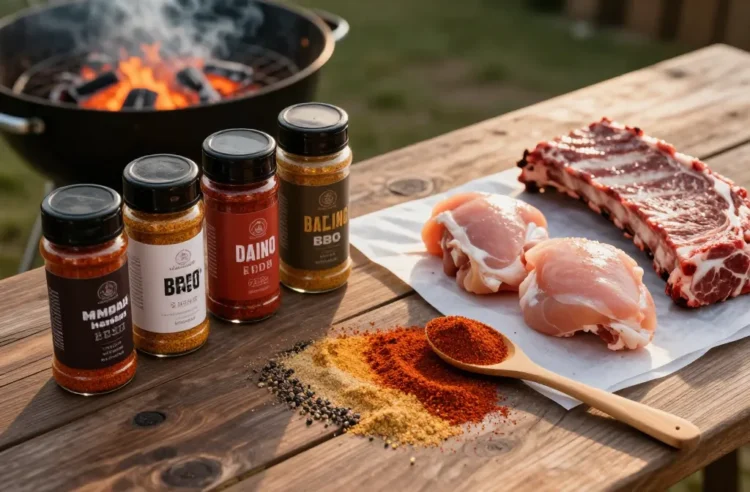
I used to scramble for flavor the hour before guests arrived, dumping random spices on meat and hoping for the best. Once I started mixing rubs on the weekend and storing them in jars, my weeknight grilling got faster, cheaper, and way more consistent. In this guide, you’ll learn five reliable, make-ahead rubs that cover chicken, pork, beef, seafood, and veggies — using only pantry spices from any supermarket. You’ll also get exact ratios, storage tips, and how to use each blend so dinner tastes like you planned it days ago — because you did.
1. Sweet-Smoke All-Purpose Rub: Caramelized Crust Without Burning
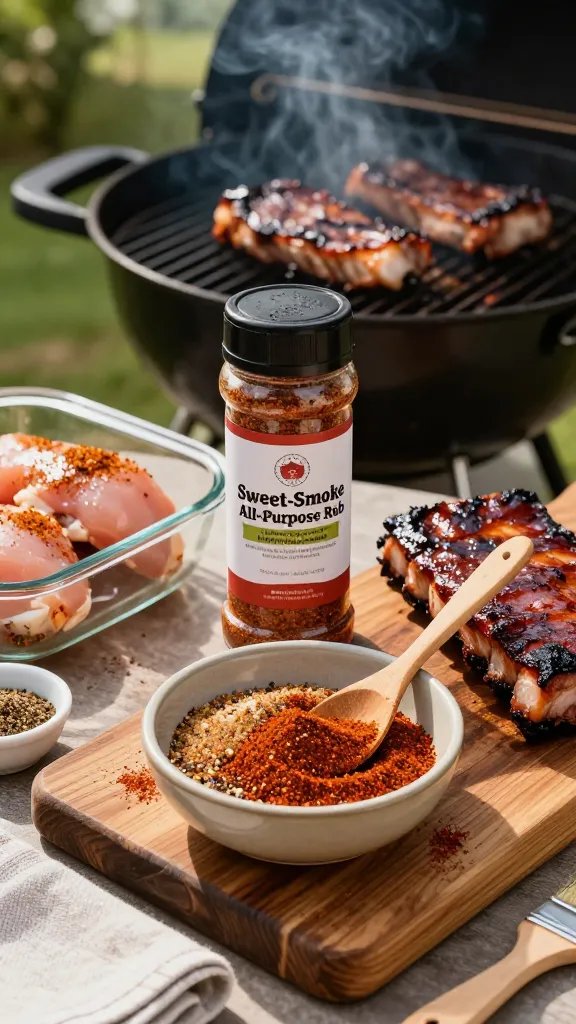
Dry rubs with too much sugar burn fast and leave a bitter edge. Too little sugar and you miss that shiny, lacquered bark everyone loves. This balanced blend gives you a deep mahogany crust on chicken, pork chops, and ribs while staying stable over direct heat.
Mix This (Makes ~1 Cup)
- 6 tbsp light brown sugar, packed
- 4 tbsp kosher salt
- 3 tbsp sweet paprika
- 2 tbsp granulated garlic
- 2 tbsp granulated onion
- 1 tbsp ground black pepper
- 1 tbsp chili powder (American blend)
- 1 tsp cayenne (adjust to heat preference)
- 1 tsp dry mustard
Why It Works
- Brown sugar melts and helps browning without the hard burn edge of white sugar.
- Salt seasons and draws surface moisture for better adhesion.
- Paprika + chili add color and gentle warmth.
- Onion/garlic fill in savory depth so it tastes “cooked” even on quick grills.
How To Use
- Chicken thighs, drumsticks, pork chops, and ribs.
- Pat meat dry. Use 1 tbsp rub per pound for quick cooks; 2 tbsp per pound for ribs.
- Rest rubbed meat 20–30 minutes at room temp so it hydrates into a paste.
- Grill over medium heat. If using ribs, keep heat low and indirect, then finish over medium to set the crust.
Action today: Mix a double batch and store in a clean jar with a tight lid; label it “Sweet-Smoke AP — 3 months.”
2. Pepper-Forward Texas Beef Rub: Big Bark, Clean Beef Flavor
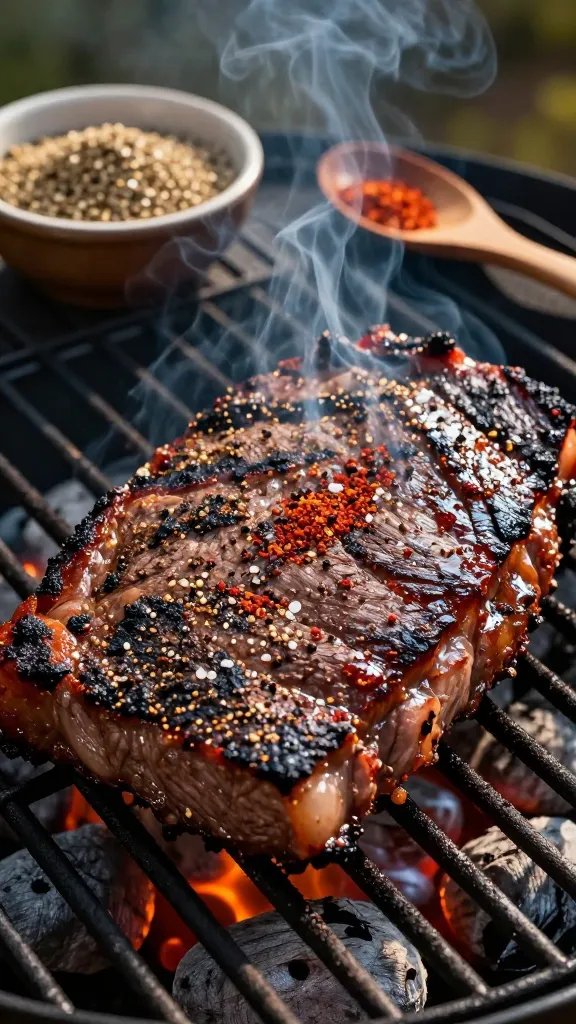
Beef loses character when buried under sweet, smoky mixes designed for pork. You want a bold, peppery crust that highlights beef’s richness and stands up to high heat. This simple blend locks in juices and builds a diner-style sear on steaks and a textbook bark on brisket and chuck roasts.
Mix This (Makes ~3/4 Cup)
- 3 tbsp kosher salt
- 3 tbsp coarse ground black pepper (preferably 16-mesh or freshly cracked)
- 2 tbsp smoked paprika
- 1 tbsp granulated garlic
- 1 tbsp granulated onion
- 2 tsp mustard powder
- 1 tsp ground coriander
Why It Works
- Coarse pepper creates texture for a bark that doesn’t fall off.
- Salt penetrates and seasons evenly.
- Smoked paprika gives smoke-kissed color even on gas grills.
- Mustard + coriander sharpen beef flavor without tasting “mustardy.”
How To Use
- Steaks, tri-tip, brisket, and burgers.
- Steaks/burgers: 1 tsp per side, 30 minutes before grilling.
- Roasts: 1 tbsp per pound, at least 1 hour before, or refrigerate overnight uncovered for a dry-brine effect.
- For gas grills, preheat 10–15 minutes to ensure a hot grate for searing.
Takeaway: Keep this rub coarse — grind pepper fresh if you can — and let it sit on the meat at least 30 minutes before it hits the grill.
3. Citrus-Herb Chicken & Fish Rub: Bright Flavor Without Overpowering
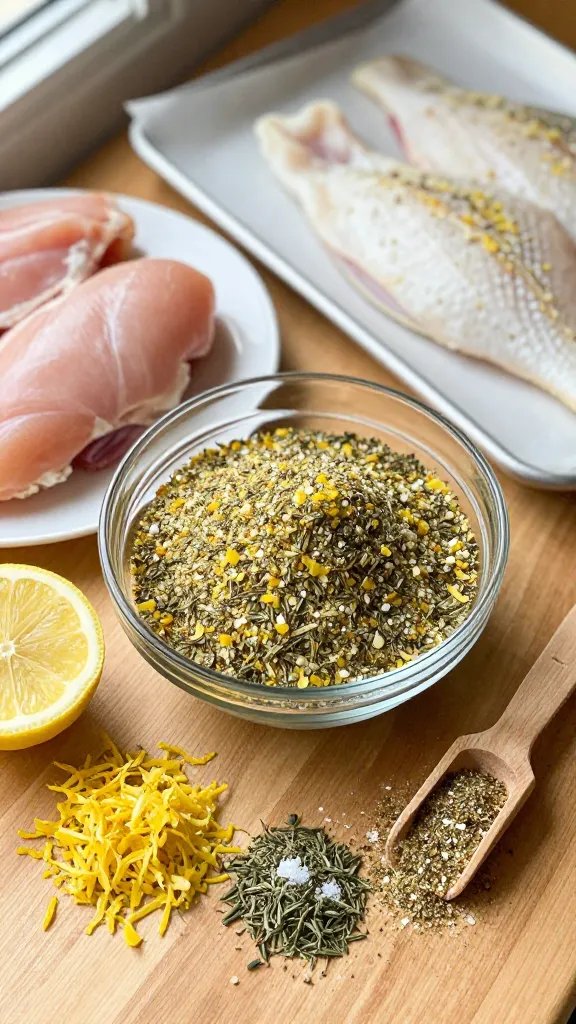
Lean proteins dry out fast and taste flat under heavy rubs. You need brightness, moderate salt, and fine textures that won’t clump on delicate surfaces. This citrus-herb blend keeps chicken breasts juicy and gives seafood a fresh lift that doesn’t mask its sweetness.
Mix This (Makes ~2/3 Cup)
- 2 tbsp kosher salt
- 2 tbsp lemon zest, very finely grated and air-dried 1 hour on a plate
- 2 tbsp dried oregano
- 1 tbsp dried thyme
- 1 tbsp garlic powder
- 1 tbsp onion powder
- 2 tsp white pepper (or fine black pepper)
- 1 tsp crushed red pepper flakes
- 1 tsp sugar
Why It Works
- Dried zest adds real citrus oils without wet clumps.
- Oregano/thyme stand up to heat and pair naturally with poultry and fish.
- Modest sugar balances acidity without burning.
How To Use
- Chicken breasts, wings, salmon, shrimp, white fish, and grilled vegetables.
- Use 1 tsp per side for fillets; 1 tbsp per pound for chicken.
- Oil the fish lightly first, then sprinkle rub so it adheres.
- For skewered shrimp, toss with 1 tsp rub + 1 tsp olive oil per pound, rest 10 minutes.
Action today: Zest two lemons, air-dry the zest while you pull spices, then mix and jar the blend so it’s ready for Tuesday’s salmon.
4. Espresso-Chile Steak Rub: Bitter-Sweet Edge For Deep Sear
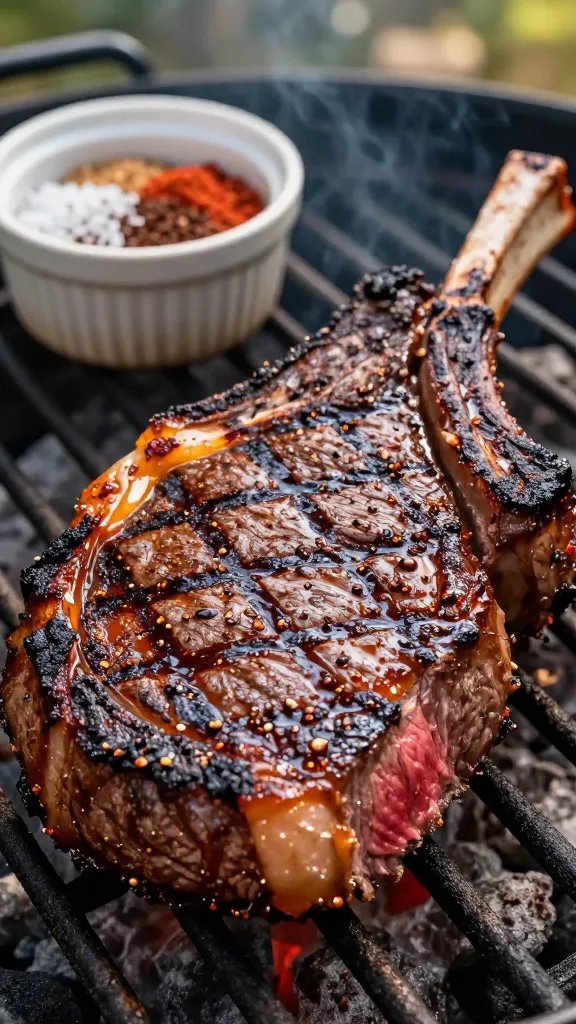
Steaks sometimes brown on the outside but taste one-note inside. Adding coffee and earthy chiles builds a dark crust with toffee-bitterness that makes beef taste beefier. Used lightly, this rub delivers steakhouse depth on ribeyes and skirt steak without tasting like coffee.
Mix This (Makes ~1 Cup)
- 3 tbsp kosher salt
- 3 tbsp coarse black pepper
- 2 tbsp finely ground espresso or very fine dark roast coffee
- 2 tbsp ancho chile powder
- 1 tbsp smoked paprika
- 1 tbsp brown sugar
- 1 tsp cumin
- 1 tsp cocoa powder (unsweetened, natural)
Why It Works
- Espresso + cocoa add roasted notes that intensify umami.
- Ancho brings gentle heat and fruitiness.
- Small sugar helps crust formation without burning at steak temps.
How To Use
- Ribeye, strip, skirt, flank, and portobello caps.
- Apply 1 tsp per side for steaks; go light to avoid a bitter edge.
- Rest 20 minutes before grilling; sear over high heat 2–3 minutes per side, then finish indirect if needed.
- For portobellos, brush with oil, sprinkle lightly, and grill gill-side down first.
Takeaway: Use a light hand — this rub is concentrated. Start with 1 tsp per side, taste, then adjust next time.
5. Maple-Mustard Pork & Veggie Rub: Savory-Sweet With Big Browning
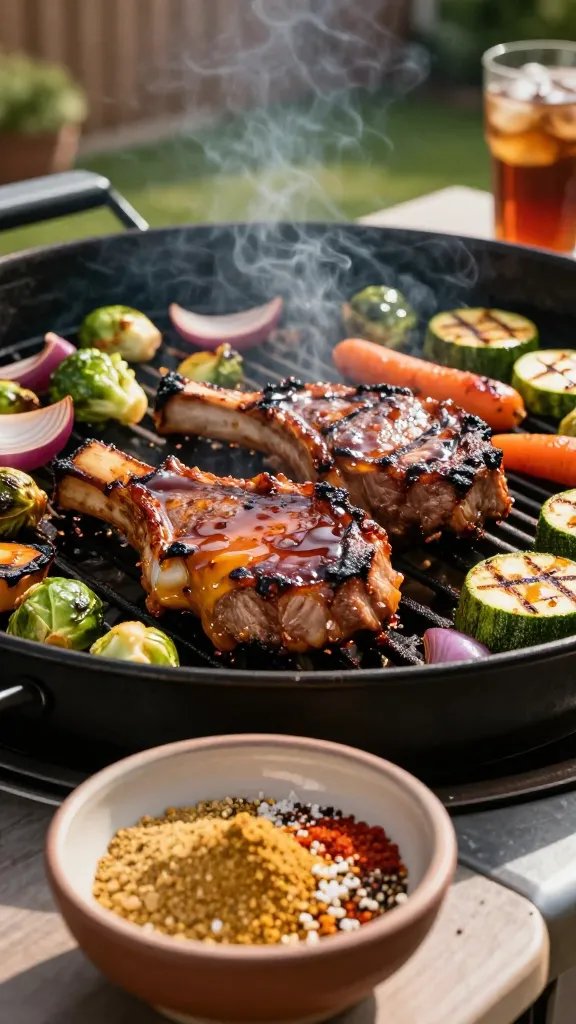
Thick pork cuts and hearty vegetables benefit from a rub that sticks and caramelizes fast. Mustard powder and maple sugar create a sticky glaze that clings to surfaces and browns evenly. The result is juicy pork and sweet-edged veggies even on a basic gas grill.
Mix This (Makes ~3/4 Cup)
- 3 tbsp maple sugar (or light brown sugar if needed)
- 2 tbsp kosher salt
- 1 tbsp mustard powder
- 1 tbsp smoked paprika
- 1 tbsp granulated garlic
- 2 tsp black pepper
- 1 tsp fennel seed, lightly crushed
- 1/2 tsp cayenne
Why It Works
- Maple sugar caramelizes cleanly and adds a woodsy note.
- Mustard powder boosts savory depth and helps emulsify surface juices.
- Fennel loves pork and gives veggies sausage-like aroma.
How To Use
- Pork tenderloin, chops, sausages, carrots, sweet potatoes, Brussels sprouts.
- For pork tenderloin: 1 tbsp per pound, rest 30 minutes, grill medium heat to 145°F internal, rest 5–10 minutes.
- For veggies: toss 1 lb cut vegetables with 1 tbsp oil + 2 tsp rub, grill in a grilling basket or on skewers.
Action today: Crush fennel with the bottom of a mug, mix the batch, and label it for pork and veggies so you reach for it midweek without thinking.
Frequently Asked Questions
How long do homemade rubs last, and how should I store them?
Most dry rubs keep peak flavor for 3 months in a cool, dark cupboard. Use clean, dry jars with tight lids and label the date. Keep them away from heat and steam — not next to the stove. If a rub clumps or loses aroma, stir to break clumps and refresh with a pinch of fresh pepper or paprika.
How much rub should I use per pound of meat?
For quick cooks like chicken pieces or chops, use about 1 tablespoon per pound. For large cuts like ribs or roasts, 1.5–2 tablespoons per pound gives a proper crust. Fish and shrimp need less — about 1 teaspoon per side or 1 teaspoon per pound when tossing with oil. Always pat the surface dry first so the rub sticks instead of sliding off.
Can I add salt separately instead of mixing it into the rub?
Yes. If you prefer more control, salt the meat evenly first, wait 10–20 minutes, then apply a salt-free rub. This helps you keep sodium consistent and prevents over-salting delicate proteins like fish. If you separate salt, increase the rub quantity slightly to maintain flavor coverage.
Do these rubs work on a gas grill without wood smoke?
Absolutely. Smoked paprika, ancho, and coffee deepen flavor and color even without wood. For a hint of smoke on a gas grill, place a small foil pouch of dry wood chips over a burner on high until it smokes, then reduce heat to cook. Keep the lid closed to trap that aroma while the rub forms a crust.
Should I oil the meat before or after adding the rub?
For most meats, pat dry and apply the rub first; the natural surface moisture helps it stick. Lightly oil grates or brush a thin film of oil on delicate items like fish or shrimp after rubbing to prevent sticking. For vegetables, toss with oil first, then add rub so the spices distribute evenly. Avoid heavy oiling, which can wash off spices and cause flare-ups.
Why let rubbed meat rest before grilling?
Resting 20–30 minutes lets salt and spices draw surface moisture, dissolving into a paste that clings during grilling. This prevents patchy seasoning and helps create an even crust. For larger cuts, resting longer — or refrigerating uncovered for several hours — also dries the surface slightly, improving browning.
Conclusion
Spend one hour this weekend mixing these five rubs, and your grill becomes a weeknight shortcut instead of a project. Label the jars, keep a small spoon in the bin with them, and you’ll season dinner in under a minute. Next step: pick two proteins and one veggie, rub them tonight, and enjoy how much easier — and better — your grilling tastes all summer.