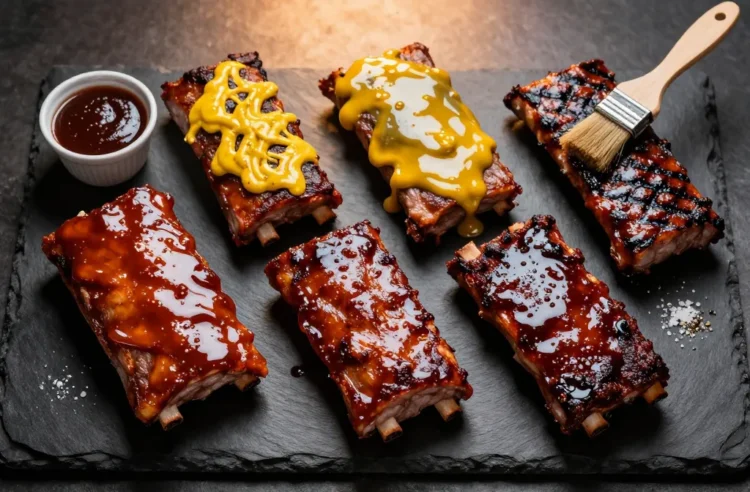
I’ve stood over a small charcoal grill on a tiny apartment balcony, basting ribs with whatever jar was on sale and wondering why the bark tasted flat and the meat felt greasy. The fix wasn’t a fancier smoker — it was using the right sauce, at the right moment, with ingredients I could grab at any supermarket or garden centre. In this guide, I’ll show you five proven regional sauces and exactly how to use them so your ribs finish glossy, balanced, and craveable. You’ll learn the flavor profiles, when to apply each sauce, and simple swaps that work with standard kitchen tools.
1. Kansas City Sweet: Thick, Glossy, Crowd-Pleasing Finish
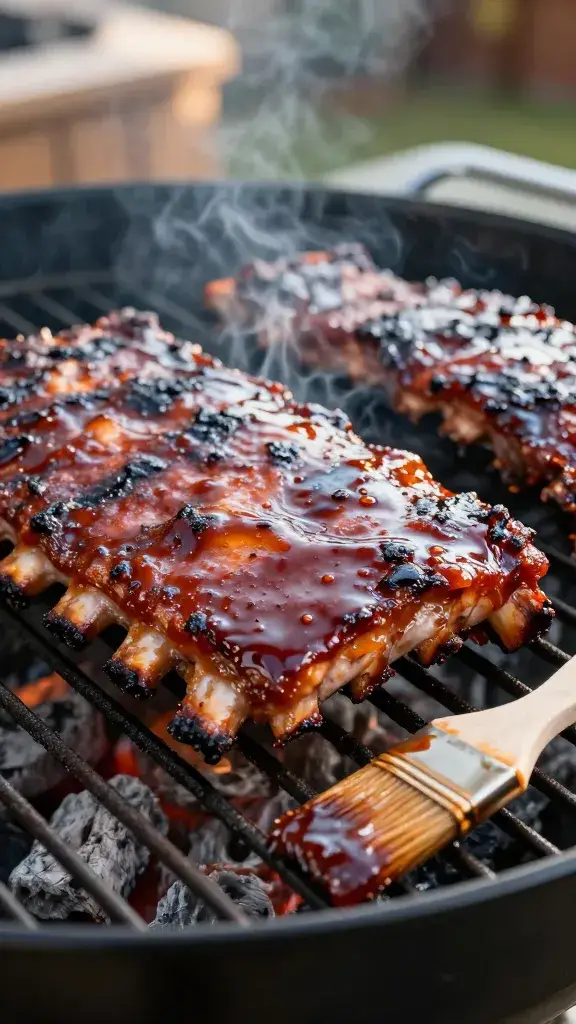
If your ribs look great but taste one-note, you’re probably missing the molasses-rich depth that clings during the last minutes of grilling. A true Kansas City–style sauce gives you a shiny lacquer and balanced sweetness that survives the heat without burning.
Flavor Profile And Uses
- Sweet and smoky with brown sugar or molasses, tomato base, and gentle heat.
- Best as a finishing glaze in the final 10–15 minutes to set a sticky bark.
- Great for family cookouts where you want “classic BBQ rib” flavor.
Simple KC Sauce You Can Make
- 1 cup ketchup
- 1/3 cup brown sugar
- 2 tbsp molasses
- 2 tbsp apple cider vinegar
- 1 tbsp Worcestershire
- 1 tsp smoked paprika, 1/2 tsp garlic powder, 1/4 tsp black pepper, pinch of cayenne
Simmer 10 minutes on low until glossy. It should coat a spoon in a thick layer.
How To Use On Ribs
- Smoke or bake ribs until tender (3–4 hours at 275°F/135°C).
- Brush on a thin layer, cook 5 minutes; repeat 2–3 times for a shiny set.
- Keep heat below 325°F/165°C to prevent sugar scorching.
Action today: Stir together the KC sauce on your stovetop and glaze your next rack in two thin coats during the final 10 minutes for a restaurant-quality shine.
2. Memphis Dry First, Light Red Sauce Later: Preserves Bark And Balance
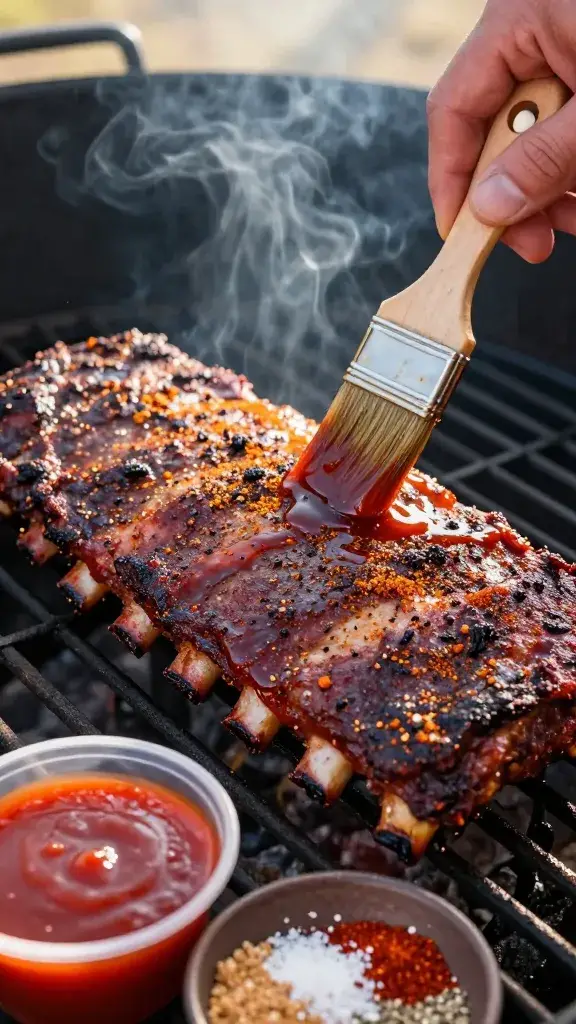
Soggy bark ruins texture. If you drown ribs early with sauce, you steam the crust and wash off spice. A Memphis approach starts with a dry rub to build bark, then adds a thin, tangy red sauce only at the end so you keep that peppery snap.
Dry Rub That Sets The Stage
- 2 tbsp brown sugar
- 2 tsp kosher salt
- 2 tsp paprika
- 1 tsp black pepper
- 1 tsp garlic powder
- 1/2 tsp cumin
- 1/2 tsp cayenne (optional)
Pat ribs dry, remove the membrane, and coat evenly 30 minutes before cooking. Let them sit while you light charcoal or preheat the oven.
Memphis-Style Finishing Sauce (Thin And Tangy)
- 3/4 cup tomato sauce (or thin ketchup with 2 tbsp water)
- 1/4 cup apple cider vinegar
- 1 tbsp Worcestershire
- 1 tsp yellow mustard
- 1 tsp brown sugar
- 1/2 tsp black pepper
Simmer 5 minutes; it should pour like cream, not cling like syrup.
How To Use On Ribs
- Cook ribs dry until tender.
- Brush a light coat of sauce in the last 5 minutes, or serve on the side.
- Spritz ribs with a 50/50 apple juice–apple cider vinegar mix every hour to keep the bark supple without softening it.
Takeaway: Build your bark with a dry rub first, then add a thin, tangy sauce only in the last 5 minutes to keep texture crisp and flavors bright.
3. Carolina Tangy Mustard: Cuts Fat And Wakes Up Pork
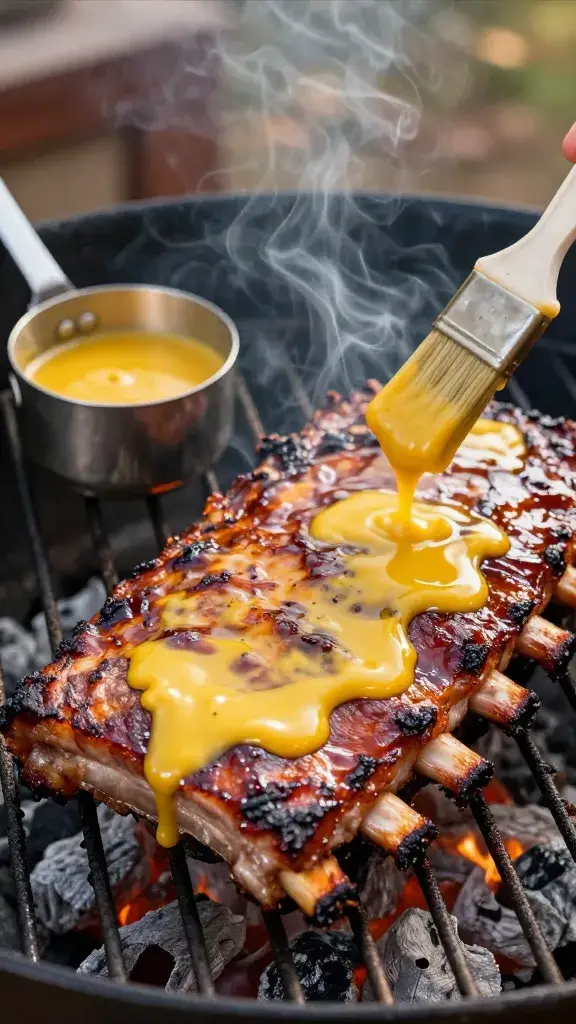
Ribs can feel heavy, especially spare ribs with more fat. A Carolina mustard sauce slices through the richness so every bite tastes clean, not greasy. The vinegar and mustard also help the meat pop with a gentle zing.
Flavor Profile And When It Shines
- Tangy and lightly sweet, mustard-forward with apple cider vinegar.
- Fantastic on richer pork ribs and with charcoal-grilled racks.
- Also great as a table sauce for dipping to dial up brightness.
Carolina Gold–Style Sauce You Can Whisk Cold
- 1/2 cup yellow mustard
- 1/4 cup apple cider vinegar
- 2 tbsp honey
- 1 tbsp brown sugar
- 1 tbsp ketchup (for color and body)
- 1 tsp Worcestershire
- 1/2 tsp black pepper, 1/4 tsp cayenne
Whisk until smooth. No simmer needed. It should be pourable and sharp.
How To Use On Ribs
- Glaze lightly for the final 5–8 minutes to set, or serve on the side.
- For extra tang, toss sliced rib tips in 2–3 tablespoons right before serving.
- Don’t apply early — mustard can turn bitter with prolonged high heat.
Action today: Mix mustard, vinegar, and honey in a bowl and set it on the table; dip one rib first before glazing the whole rack so you can tune the tang to your crowd.
4. Eastern Carolina Vinegar Mop: Crisp Bark, Zero Gummy Sweetness
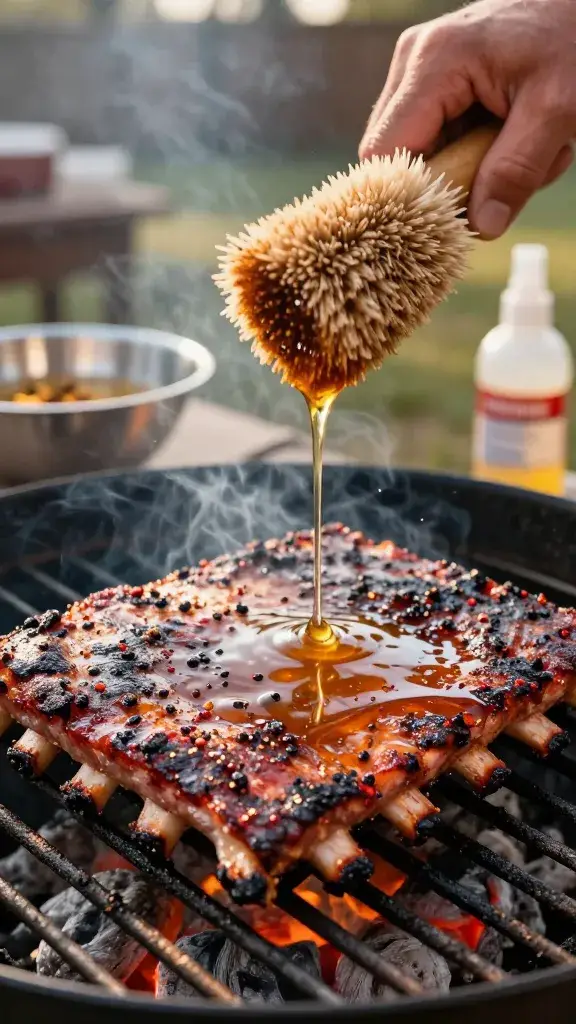
If your ribs taste cloying or the bark turns sticky-soft, you’re using too much sugar. An Eastern Carolina vinegar sauce keeps things sharp and lively with a peppery bite that won’t burn on the grill.
Flavor Profile And Role
- Thin, vinegary, peppery; no tomato, low or no sugar.
- Best as a mop or spritz during cooking and as a table splash.
- Ideal for hot-and-fast grilling where sugary sauces would scorch.
Quick Vinegar Mop
- 1 cup apple cider vinegar
- 1/2 cup water
- 1 tsp kosher salt
- 1 tsp crushed red pepper flakes
- 1/2 tsp black pepper
- 1 tsp white sugar (optional, just to round edges)
Shake in a jar. No cooking necessary. Taste for a bright, peppery kick.
How To Use On Ribs
- During cooking, mop or spritz lightly every 45–60 minutes to keep the surface lively.
- Serve more at the table so people can adjust acidity per bite.
- Don’t soak the ribs — too much liquid cools your grill and stalls bark.
Takeaway: Swap your sugary basting for a vinegar mop to keep bark crisp and the flavor refreshingly sharp from first bite to last.
5. Texas-Style Black Pepper And Tomato: Savory Heat For Smoke-Heavy Ribs
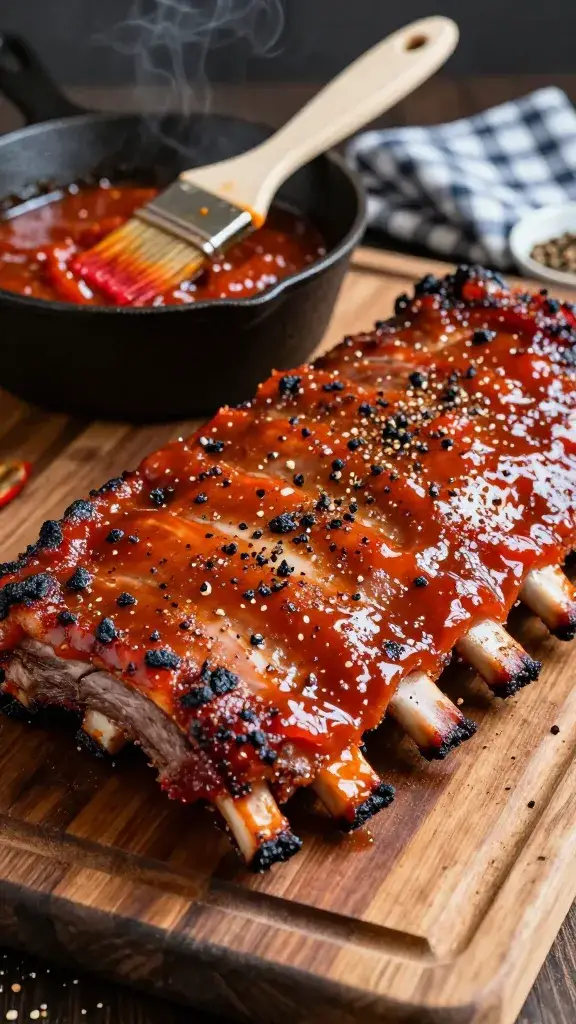
Strong smoke and beefy rubs can drown a sweet sauce. A Texas-inspired rib sauce leans savory with bold black pepper and a touch of chili, so the sauce supports the smoke instead of fighting it.
Flavor Profile And Pairings
- Savory, peppery, lightly spicy with tomato and beef-friendly notes.
- Excellent on meaty spare ribs or beef ribs; still great on pork when you want heat.
- Holds up to oak or hickory smoke.
Simple Texas Sauce
- 1 cup tomato sauce
- 1/4 cup beef broth (or water with a dash of Worcestershire)
- 1 tbsp Worcestershire
- 1 tbsp apple cider vinegar
- 1 tsp coarse black pepper (freshly cracked)
- 1 tsp chili powder
- 1/2 tsp garlic powder
- 1/2 tsp smoked paprika
- 1 tsp brown sugar (just to balance)
Simmer 10 minutes to meld. You’re aiming for a pourable sauce with a peppery nose.
How To Use On Ribs
- Brush a moderate coat in the last 10 minutes, then finish with a final light pass right off the grill for aroma.
- Crack fresh pepper on top before serving for a pop of heat.
- Keep the heat steady; pepper burns if you flare the grill.
Action today: Grind fresh black pepper and stir it into a warm tomato base; glaze once in the last 10 minutes, then a light finish at the table for layered heat.
Frequently Asked Questions
When should I sauce ribs so it sets without burning?
Apply sauce in the final 10–15 minutes of cooking. Sugars caramelize and set at this stage without scorching. If your grill runs hot, split it into two thin coats 5 minutes apart and keep the lid closed to avoid flare-ups.
My sauce is too sweet. How do I fix it fast?
Stir in 1–2 teaspoons of apple cider vinegar and a pinch of salt per cup, then simmer for 2–3 minutes. Taste and add cracked black pepper for bite. On the ribs, balance sweetness with a light spritz of 50/50 vinegar and water right before serving.
Can I use store-bought sauce and make it taste homemade?
Yes. Warm 1 cup of sauce with 1 tablespoon apple cider vinegar, 1 teaspoon Worcestershire, and 1/2 teaspoon smoked paprika. Finish with a teaspoon of butter off heat for gloss. Brush on in two thin coats to build a professional-looking finish.
How much sauce should I use per rack?
Plan on 1/2 to 3/4 cup per full rack for glazing. Thin sauces like vinegar mops use less during cooking—about 1/4 cup total via light spritzes. Always start thin; you can add more at the table, but you can’t un-sauce gummy ribs.
What if my grill flares and the sauce starts to char?
Move ribs to a cooler zone right away and close the lid to cut oxygen. Wipe grates with tongs and a folded, lightly oiled paper towel to calm hotspots. Brush a fresh, thin coat only after the fire settles and continue at a steady medium heat.
Do different woods change which sauce I should pick?
Yes. Heavier woods like hickory and oak pair best with peppery or tangy sauces (Texas or Carolina) that stand up to smoke. Fruit woods like apple and cherry love a KC or Memphis glaze for a balanced sweetness. Match intensity to intensity so the sauce complements, not competes.
Conclusion
Pick one of these five sauces, apply it only in the last 10–15 minutes, and you’ll serve ribs with real character and a clean finish. Next step: choose your flavor lane—sweet KC shine or sharp Carolina tang—then make a small batch today and test it on a single rack so you can dial it to your taste before the next cookout.
You might also love Chorizo-Stuffed Dates (Sweet & Savory Tapas) Recipe f….
You might also love Pumpkin Dump Cake – A Cozy, Crowd-Pleasing Dessert.
You might also love Honey Glazed Carrots – Simple, Sweet, and Savory Side.
You might also love Lemon Velvet Cake – Soft, Bright, and Simply Delicious.
Pingback: Smoked Spiral Ham – Tender, Sweet, and Perfect for Gatherings - Whaley Cooks