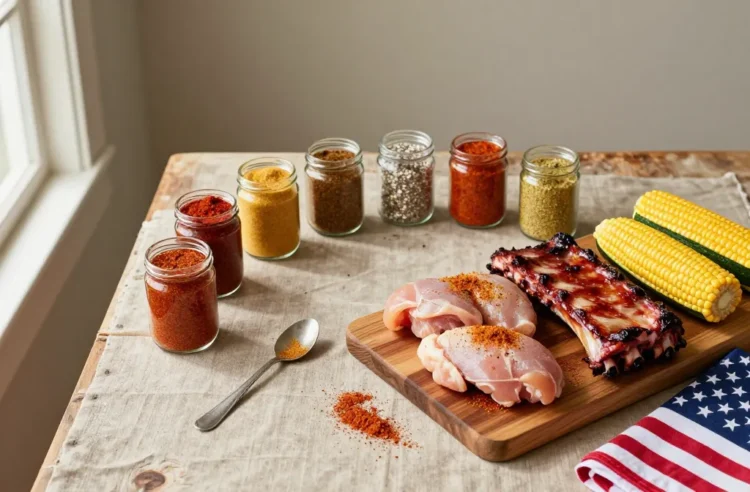
I used to scramble the morning of a cookout, measuring spices with one eye on the grill and the other on guests arriving early. The food tasted fine, but it never tasted consistent. When I started mixing dry rubs a few days ahead and storing them in jars, my cooks got calmer and my flavors got reliable. In this guide, you’ll learn eight proven rubs you can mix with standard pantry spices, how to store them, and exactly what meats and veggies they flatter so your 4th of July spread lands on time and on point.
1. Classic All-Purpose BBQ Rub: Balanced Sweet Heat That Works On Everything
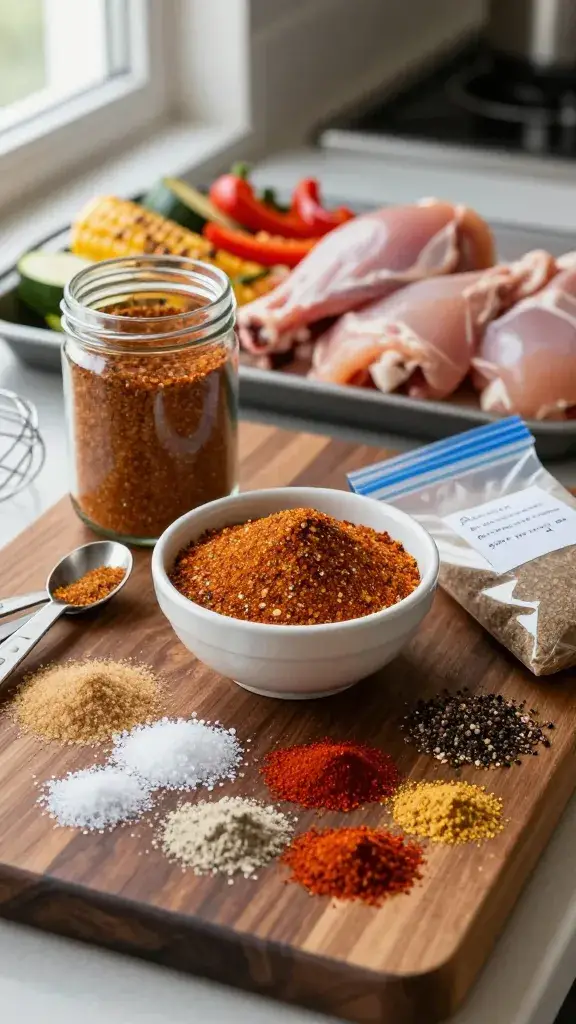
Bland chicken, pale ribs, and forgettable veggies usually trace back to unbalanced seasoning. Too much sugar scorches; too much salt deadens everything else. This classic rub hits salt, sweet, heat, and savory so you can dust anything and get dependable bark and color.
Mix This
- 3 tbsp brown sugar (light or dark)
- 2 tbsp kosher salt
- 2 tbsp sweet paprika
- 1 tbsp black pepper
- 1 tbsp garlic powder
- 1 tbsp onion powder
- 1 tsp cayenne
- 1 tsp mustard powder
Stir well and store in a small jar or zip bag. This covers about 4 lb chicken parts or 2 racks of baby backs.
How To Use It
- Pat meat dry. Light coat of neutral oil, then 1–1.5 tbsp rub per pound.
- Rest 20–30 minutes on the counter so it hydrates, or refrigerate up to 12 hours for deeper flavor.
Takeaway: Mix this base first and use it as your house rub; it rescues under-seasoned cooks and pairs with sauce without fighting it.
2. Texas-Style Brisket Rub: Pepper-Forward Bark Without The Burn
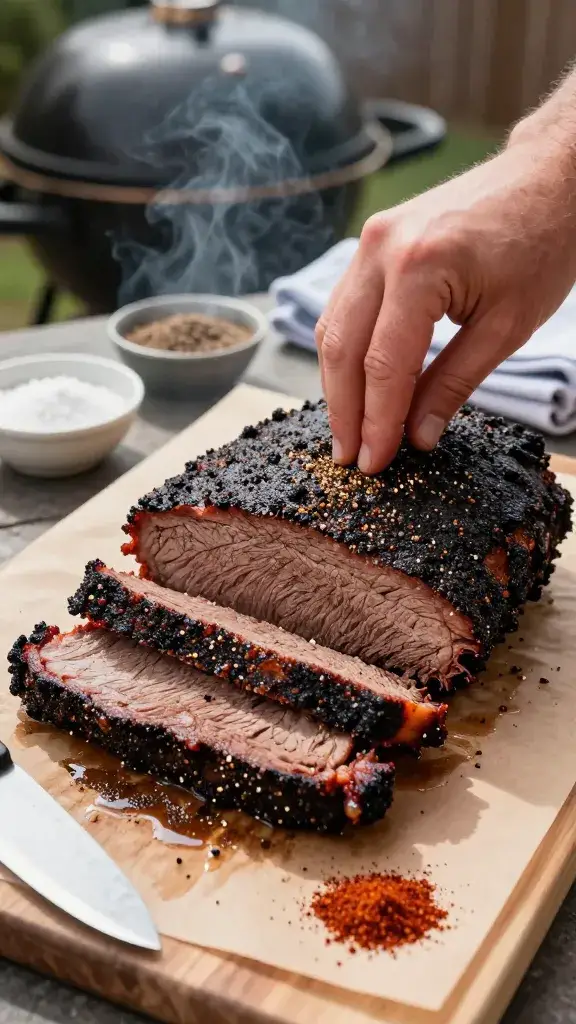
Brisket fails when the crust tastes bitter or disappears. Overly complex rubs also fight the beef. This two-pepper, salt-forward blend builds a thick bark that stays savory after a long smoke.
Mix This
- 2 tbsp kosher salt
- 2 tbsp 16-mesh coarse black pepper (or the coarsest grind from your grinder)
- 1 tbsp granulated garlic
- 1 tsp paprika (for color)
For a backyard grill that runs a bit hot, keep sugar out to avoid scorching.
How To Use It
- Use 1 tbsp rub per pound of brisket, pressing it in firmly.
- Let it sit uncovered in the fridge 4–12 hours to dry the surface for better bark.
Action today: Grind black pepper on the coarsest setting you have; fine pepper muddies the bark and turns harsh.
3. Memphis Rib Rub: Deep Color With No Sauce Required
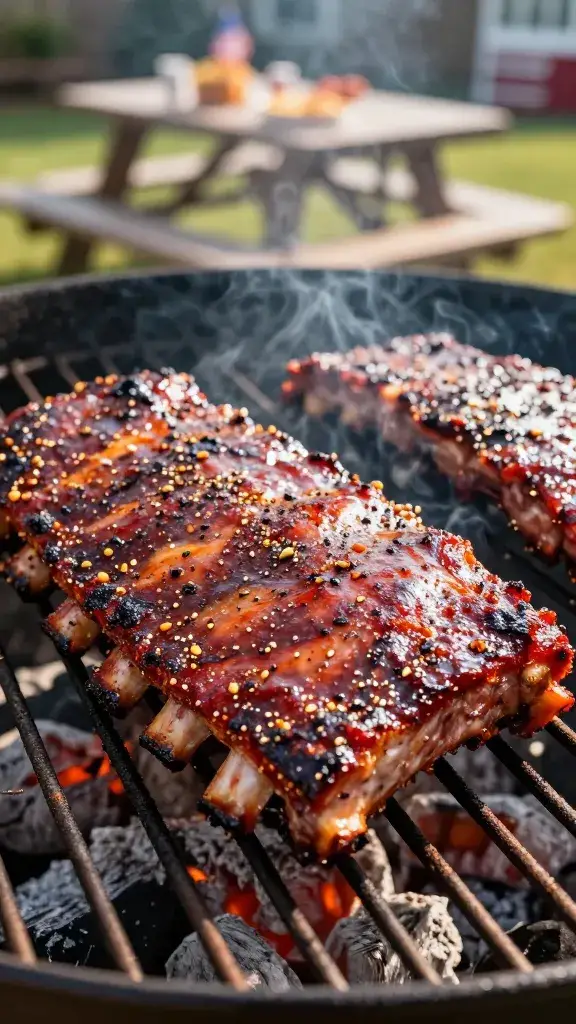
Ribs disappoint when the outside looks great but tastes flat. Memphis-style rub leans on paprika and aromatics so every bite pops even without glaze. The sugar level is tuned to caramelize, not burn.
Mix This
- 3 tbsp sweet paprika
- 1 tbsp brown sugar
- 1 tbsp kosher salt
- 1 tbsp garlic powder
- 1 tbsp onion powder
- 2 tsp black pepper
- 1 tsp celery seed, lightly crushed
- 1 tsp mustard powder
- 1/2 tsp cayenne
How To Use It
- Generously coat both sides of ribs after removing the membrane.
- Rest 30 minutes. Cook low and slow; dust a light extra layer in the last hour if you want a fresher spice pop.
Takeaway: Mix a double batch and portion into two bags—one for the initial rub, one for a finishing dust so spices taste bright at the table.
4. Carolina Pork Shoulder Rub: Tangy-Savory Base For Pulled Pork And Slaw
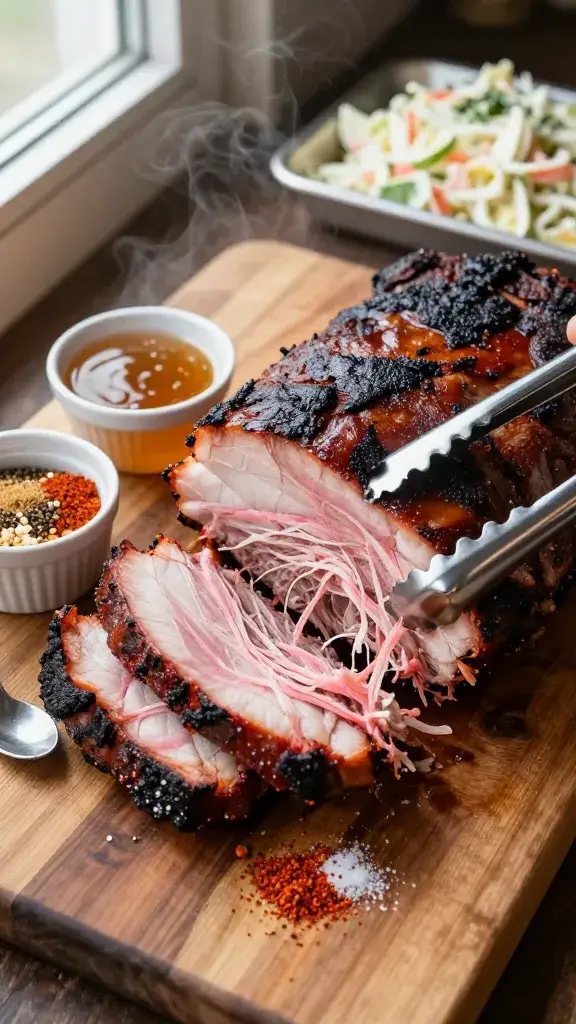
Pulled pork often turns rich but one-note. A tangy rub sets you up for a vinegar finish that cuts through the fat. This blend leans savory and peppery, so the pork shines without sticky sweetness.
Mix This
- 2 tbsp kosher salt
- 2 tbsp paprika
- 1 tbsp brown sugar
- 1 tbsp black pepper
- 1 tbsp dry mustard
- 2 tsp garlic powder
- 1 tsp cayenne
- 1 tsp white pepper (optional but great for tang)
How To Use It
- Rub 1–1.5 tbsp per pound on pork shoulder or butt.
- After shredding, toss with a splash of apple cider vinegar and a pinch more rub to wake it up.
Action today: Reserve 1 tablespoon of this rub to stir into your coleslaw dressing; it ties the plate together.
5. Citrus-Herb Chicken Rub: Zingy, Not Bitter, For Fast Weeknight Grills
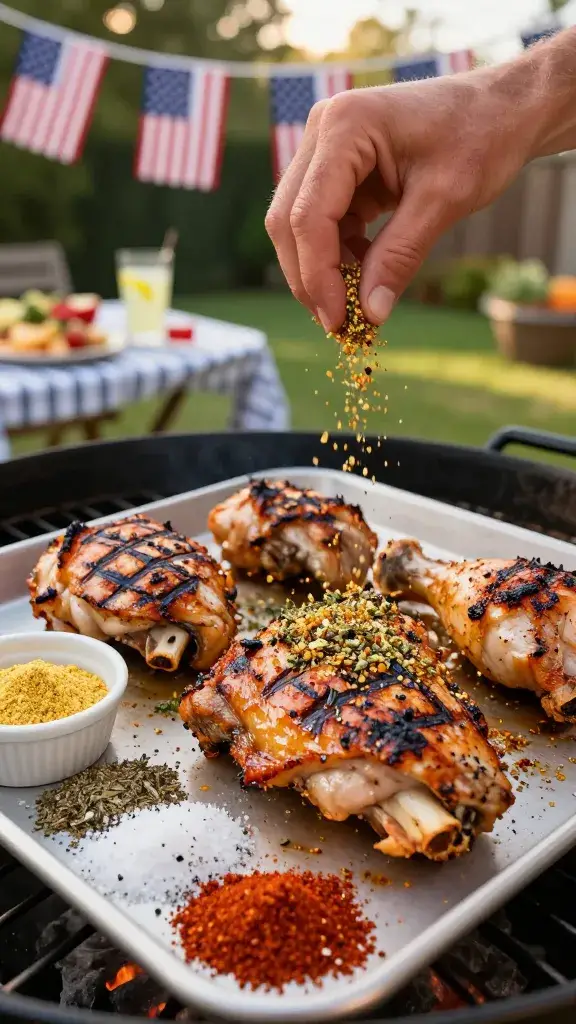
Chicken commonly dries out while the skin goes bitter from burned zest or sugar. Dried citrus and herbs give you brightness that survives direct heat. Keep the salt modest and the herbs sturdy.
Mix This
- 1 tbsp kosher salt
- 2 tsp black pepper
- 1 tbsp garlic powder
- 1 tbsp onion powder
- 1 tbsp dried thyme
- 1 tbsp dried oregano
- 2 tsp lemon zest powder or finely grated fresh zest dried on a plate for 1–2 hours
- 1 tsp smoked paprika
How To Use It
- Apply 1 tbsp per pound to chicken thighs, drumsticks, or spatchcocked chicken.
- For skin-on pieces, oil first, then rub; finish with a squeeze of fresh lemon after cooking.
Takeaway: Dry fresh zest on a plate in a sunny window for a couple of hours before mixing; it won’t clump in storage.
6. Smoky Coffee Steak Rub: Big Crust, Balanced Bitterness
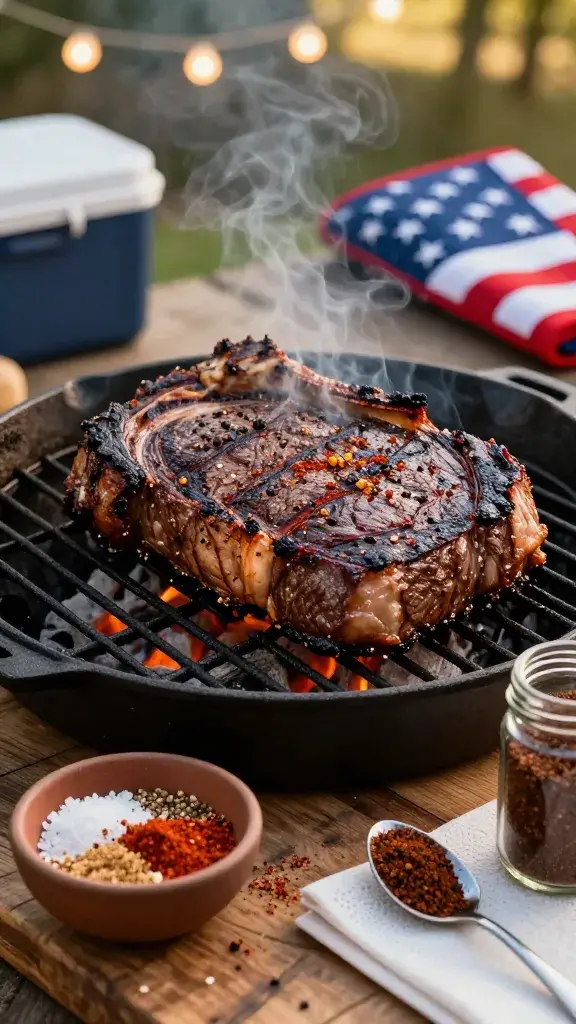
Steaks suffer when the crust lacks depth or tastes ashy. A touch of ground coffee adds roasted notes that amplify beef without turning acrid. The key is coarse texture and short rest.
Mix This
- 1 tbsp kosher salt
- 1 tbsp coarse black pepper
- 2 tsp smoked paprika
- 2 tsp brown sugar
- 1 tsp ground coffee (finely ground, not instant)
- 1 tsp garlic powder
- 1/2 tsp coriander, ground
How To Use It
- Pat steaks very dry. Apply 1 tsp per side for a 1-inch steak.
- Rest 10–15 minutes max before searing; longer rests pull moisture and can over-bitter the crust.
Action today: Test this first on a less pricey cut like sirloin; once you dial your sear time, move to ribeye or strip.
7. Chili-Lime Street Corn And Veggie Rub: Sizzle Without Sogginess
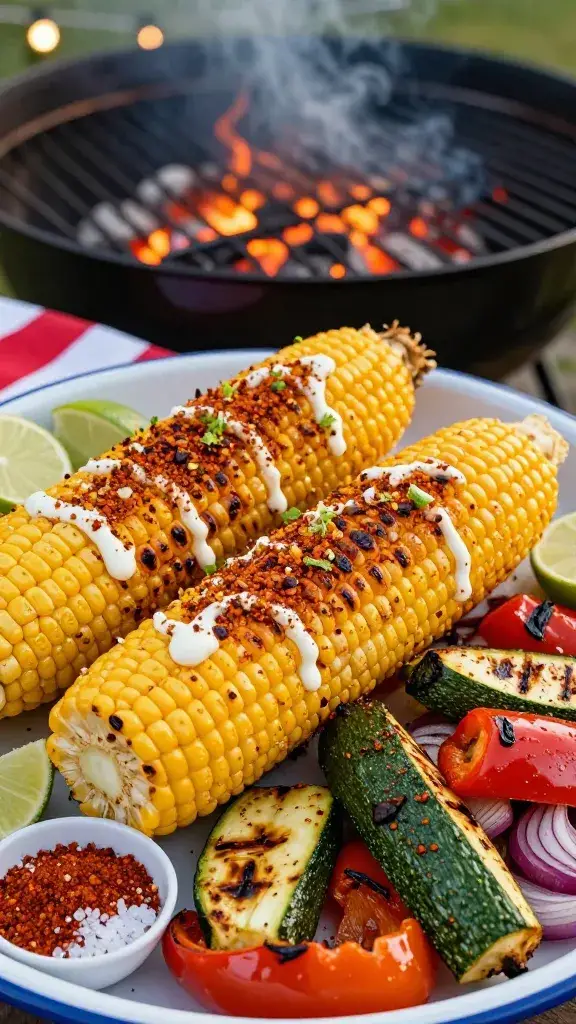
Grilled veggies and corn often come off watery with salt sliding off. A lightly sweet, chili-lime blend sticks and caramelizes so you taste seasoning in every bite. It doubles as a finishing sprinkle on mayo-brushed corn.
Mix This
- 1 tbsp kosher salt
- 1 tbsp chili powder (ancho or mild blend)
- 2 tsp smoked paprika
- 2 tsp brown sugar
- 1 tsp garlic powder
- 1 tsp cumin
- 1 tsp lime zest powder or citric acid (1/2 tsp if using citric acid)
How To Use It
- Toss cut veggies with a little oil and 1 tsp rub per cup of veg.
- For corn, grill, brush with a thin layer of mayo or butter, then sprinkle more rub to finish.
Takeaway: Add 1/4 tsp citric acid to a small portion for a last-minute sprinkle that amps tang without wetting the corn.
8. Maple-Mustard Salmon Rub: Sweet Savory Crust That Won’t Burn
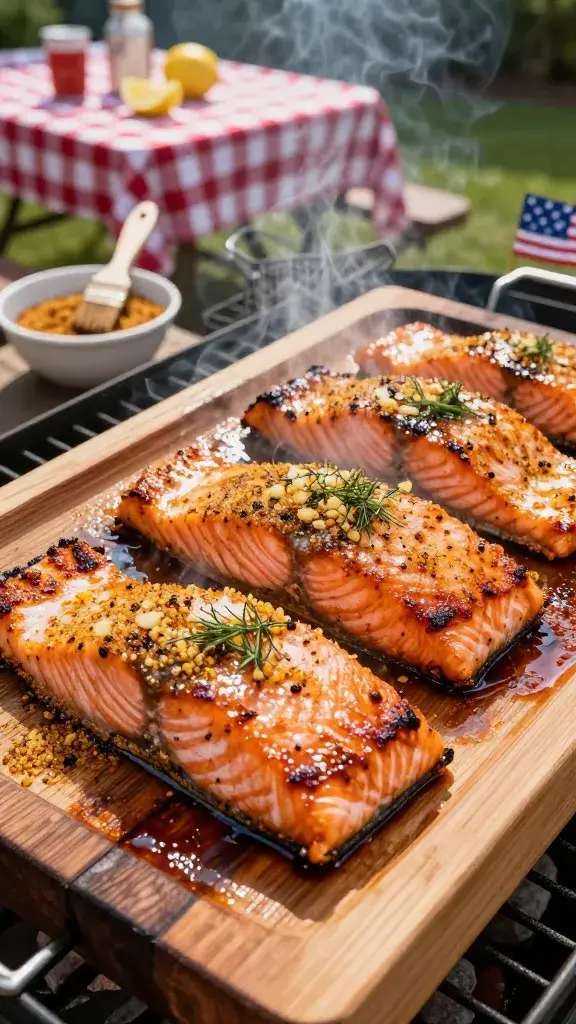
Fish turns bitter fast under high heat when sugar content is high. This blend uses dry mustard and just enough sugar to brown gently. It protects delicate fillets and complements cedar planks or a simple grill basket.
Mix This
- 1 tbsp light brown sugar
- 1 tbsp dry mustard
- 1 tsp kosher salt
- 1 tsp black pepper
- 1 tsp sweet paprika
- 1/2 tsp dill weed, dried
- 1/2 tsp granulated garlic
How To Use It
- Pat salmon dry. Oil lightly. Sprinkle 1 tsp per 6 oz fillet.
- Grill over medium heat or on a soaked cedar plank; brush with a tiny amount of maple syrup in the last 2 minutes only.
Action today: Keep this rub sugar-light and add maple at the end; you get caramelization without sticky flare-ups.
Frequently Asked Questions
How far ahead can I mix and store these rubs?
Mix them up to 3 months ahead if you keep them in airtight jars in a cool, dark cupboard. Label each jar with the name and the date. Avoid steam and light—don’t store over the stove. If a rub cakes, shake hard or add a few grains of uncooked rice to the jar to absorb moisture.
Can I use table salt instead of kosher salt?
You can, but reduce the amount to avoid over-salting. Use roughly half as much table salt as kosher salt because the crystals are finer and pack tighter. When in doubt, start lighter, season the surface, rest 10 minutes, then taste a small cooked piece and adjust.
What if I don’t have smoked paprika or specialty chilies?
Use regular sweet paprika and add a few drops of liquid smoke to your marinade or grill pan instead. For chilies, a basic chili powder works for most blends. Keep your ratios steady and adjust heat with cayenne in 1/4-teaspoon increments to avoid blowing out the balance.
How much rub should I use per pound of meat?
For most meats, 1–1.5 tablespoons per pound gives full coverage without clumping. Large cuts like pork shoulder and brisket benefit from the high end of that range. For steaks and fish, use less—about 1 teaspoon per side for a 1-inch steak and 1 teaspoon per 6-ounce fillet.
Do I need to oil the meat before applying a dry rub?
A thin film of neutral oil helps rubs stick to chicken, pork chops, and veggies. For brisket and pork shoulder, you can skip oil—the natural surface moisture is enough. If your rub has lots of herbs or zest, oiling keeps those lighter bits from blowing off on the grill.
How do I prevent sugar in rubs from burning?
Keep sugar at or below 1 tablespoon per 2–3 tablespoons of spices for high-heat grilling. Cook sugar-forward rubs over medium or indirect heat and move to direct heat only for the last 1–2 minutes. If you want a glossy finish, brush on a sweet glaze right at the end instead of loading sugar in the rub.
Conclusion
Set aside 30 minutes, line up eight jars, and build your 4th of July flavor kit today. When the grill’s hot and guests arrive, you’ll season with confidence, not guesswork—and every plate will come off tasting like you planned it that way.