- Best for: Backyard cookouts, graduation parties, casual weddings
- Make ahead: Yes — prep sauces and labels up to 3 days ahead
- Serves: 30 guests (about 6–8 sauces, 1.75–2 quarts total)
- Key tip: Offer both sticky-sweet and tangy-vinegar options, plus one white and one spicy sauce
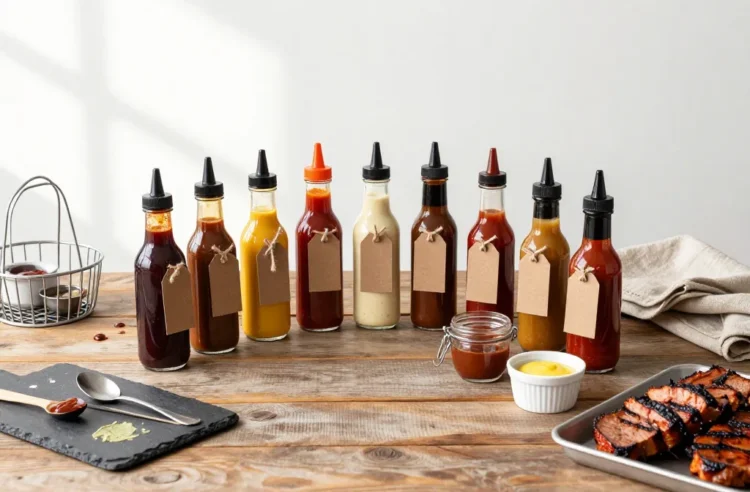
Hosting a crowd and wondering how to pull off a BBQ Sauce Bar Setup for a Party of 30 — Vessels, Labels, Quantities without chaos? You’re in the right place. The sauce bar is where picky eaters and flavor-chasers both win — but only if you plan it right. In this guide, you’ll get exact quantities, the best containers, labeling tips, and a plug-and-play menu for a crowd.
Plan the Spread: How Many Sauces and What Types
You want range without overwhelm. For 30 guests, aim for 6–8 distinct sauces covering sweet, tangy, spicy, and creamy. Offer at least one no-sugar or low-sugar option and one mild kid-friendly pick.
- Core set (6 sauces): Kansas City Sweet, Carolina Vinegar, South Carolina Mustard, Alabama White, Texas Mop (thin, peppery), Spicy Chipotle
- Optional add-ons: Peach Bourbon (summer), Maple Espresso, Korean-style Gochujang
- Balance: 2 sweet, 2 tangy, 1 creamy, 1 spicy; add a fruit-forward and a global twist if doing 8
BBQ Sauce Bar Quantities for 30 Guests
Most people sample 3–4 sauces and use 2–3 tablespoons total. Heavy users will take more, but they’re balanced by light dippers. Over-cater slightly to avoid running out of a favorite.
- Total sauce: 1.75–2 quarts (7–8 cups) covers typical use; 2.5 quarts for sauce-happy crowds
- Per sauce (for 6 sauces): 1.25–1.5 cups each
- Per sauce (for 8 sauces): 1 cup each
- Spicy sauces: Make 25% less — they move slower
- Kid-friendly sweet sauce: Make 25% more — it goes fast
Protein impact: If serving saucy pulled pork or ribs already glazed, expect lower bar usage (downshift total by 15%). If proteins are dry-rubbed only, expect higher usage (upshift by 15–20%).
Best Vessels: Clean, Refillable, and Drip-Safe
Choosing the right containers controls mess and speed at the line. Match vessel to sauce thickness and serving style.
Top picks
- 12 oz squeeze bottles (wide-mouth): Ideal for Kansas City, mustard, chipotle. Drip-guard caps help outdoors.
- 8 oz glass swing-top bottles: Great for thin sauces like Carolina vinegar or Texas mop. Easy to shake and pour.
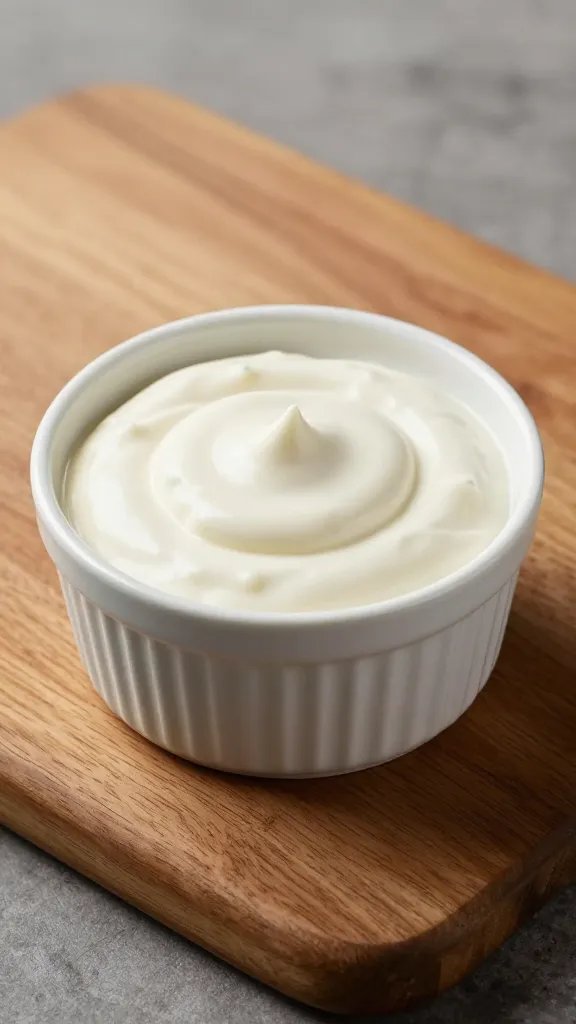
- 8–10 oz ramekins + ladles (1 oz): Best for Alabama White and creamy sauces that can clog tips. Refill as needed.
- Mini mason jars (8 oz) with pour spouts: Good for fruit-forward and special flavors; they feel “featured.”
How many vessels
- One primary bottle/jar per sauce on the table + one backup bottle prefilled and capped in a cooler or fridge.
- Total: 6–8 vessels on display, 6–8 backups ready to swap.
Pro setup tips
- Decant with a funnel to keep labels clean.
- Keep backups cold (especially dairy-based Alabama White) and rotate every 60–90 minutes in summer heat.
- Provide tasting spoons in a separate cup and a discard cup — it stops “test squirts” onto plates.
Labels That Prevent Line Jams
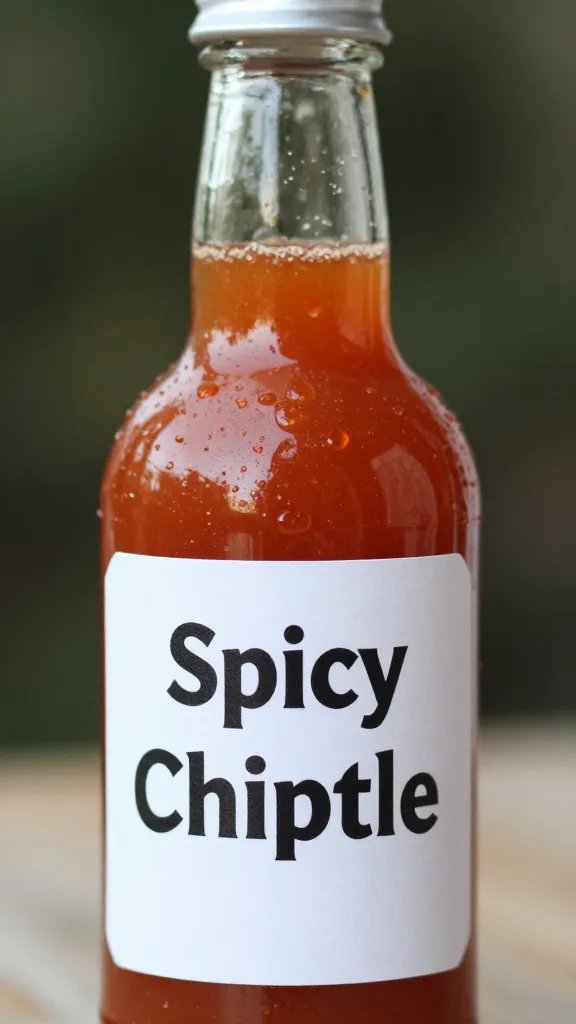
Labels do the heavy lifting: flavor profile, heat level, allergens. Keep them short and consistent so guests decide fast.
What to include
- Style + nickname: “Carolina Vinegar — Tangy & Peppery”
- Heat icon or word: Mild, Medium, Hot
- Diet flags: GF, DF, Low-Sugar, Vegetarian
- Allergens if present: Egg (Alabama White), Soy (Korean-style), Fish (if using Worcestershire with anchovy)
How to label
- Waterproof bottle labels or hang tags for glass bottles
- Color code heat: Green = mild, Yellow = medium, Red = hot
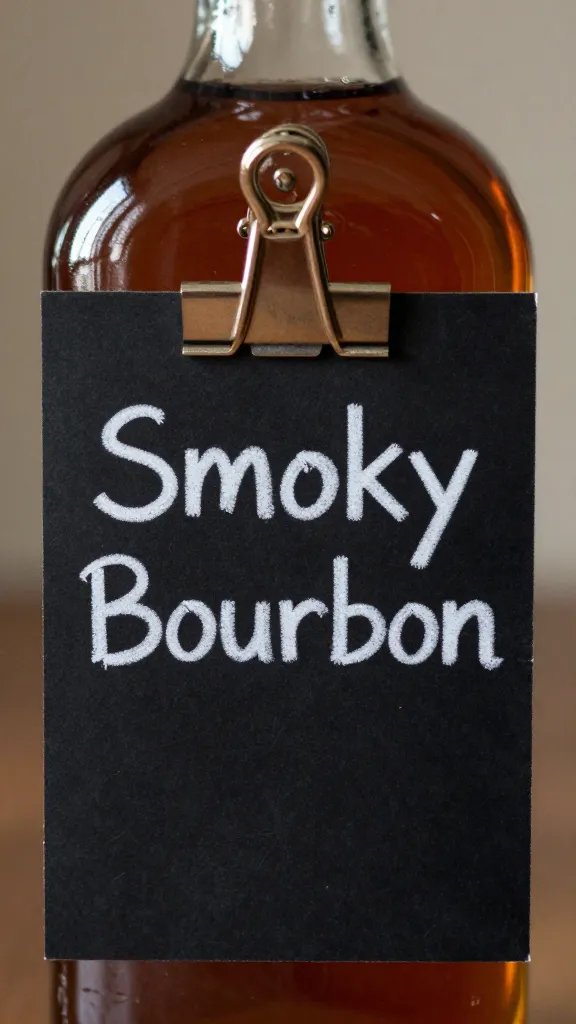
- Menu placard: One small board listing all sauces and best pairings to speed choices
Where to Place the Sauce Bar
Good flow matters. Keep it near, but not inside, the hot food queue. Sauces first create bottlenecks.
- Layout: Plates → Proteins → Buns → Slaw/Pickles → Sauces → Napkins
- Height: Elevate bottles on a shallow tray or riser to spot drips and wipe quickly.
- Shade: Keep out of direct sun; dairy and fruit sauces need cool temps.
Pairings and Serving Notes by Sauce
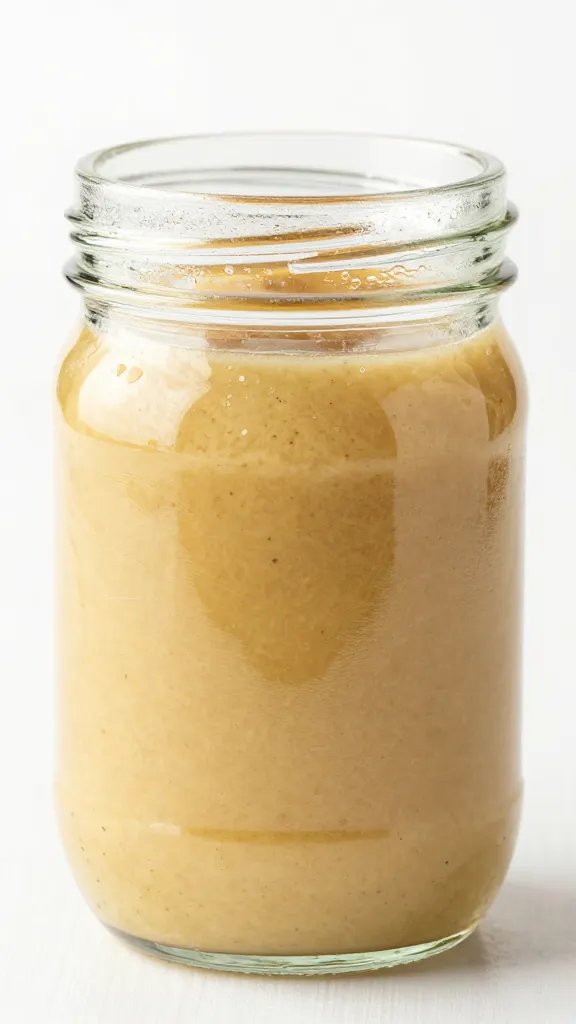
- Kansas City Sweet: Thick, molasses-y. Best on ribs and chicken. Make extra.
- Carolina Vinegar (Eastern): Thin, tangy, pepper kick. Brightens pulled pork and smoked turkey.
- South Carolina Mustard: Bold and balanced. Excellent on sausage and chicken thighs.
- Alabama White: Mayo-based, zippy. Perfect with smoked chicken and wings; keep chilled.
- Texas Mop: Thin, savory, black pepper. Brush on brisket slices or serve on the side.
- Spicy Chipotle: Smoky heat. Great for burnt ends and burgers; label as Medium/Hot.
- Bonus — Fruit-forward (Peach Bourbon): Summer crowd-pleaser on pork and grilled veggies.
Need a bright green counterpoint on the table? Add this chimichurri recipe — it cuts through fatty cuts like brisket and pork shoulder.
Make-Ahead, Storage, and Food Safety
Most sauces improve after a day as flavors meld. Build them in batches and label with dates.
- Make-ahead window: 2–3 days for most; 1 day for Alabama White
- Fridge storage: 1–2 weeks for cooked, sugar-based sauces; 4–5 days for mayo-based
- Room temp service: 2 hours max for mayo or dairy-based; 4 hours for vinegar/sugar-based if shaded
- Refills: Swap whole bottles; don’t top off partially used ones during service
Want a sauce that doubles as marinade? Try a gochujang glaze alongside the bar and use the leftovers on grilled veg — see this Korean-inspired grilled chicken method for timing cues.
Step-by-Step: Setting Up the Bar in 20 Minutes
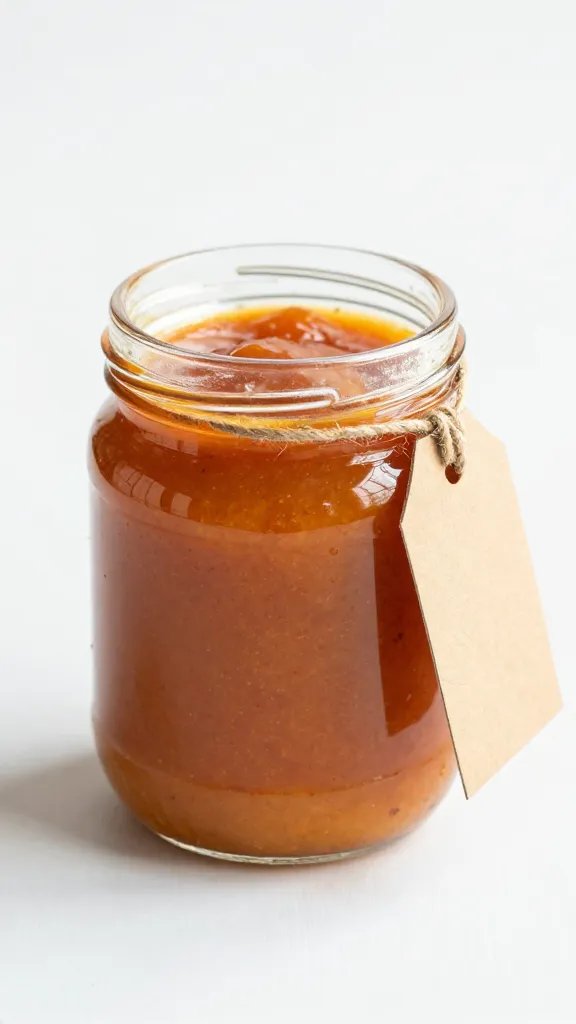
- Tray and towels: Line a rimmed sheet pan with a washable mat; place microfiber towels under bottles.
- Arrange vessels: Mild to hot left-to-right. Creamy last to avoid clogging the early flow.
- Add labels and tasting spoons: Put spoons in a cup with a “one-time use” sign.
- Place napkins and wet wipes: Right after sauces to catch sticky fingers before seating.
- Backup stash: Keep prefilled backups in a cooler with ice packs; rotate every hour in heat.
From My Kitchen: What Actually Works
The biggest crowd miss I see is underestimating vinegar sauces. When meats are dry-rubbed, my Carolina vinegar outpaces sweet sauce by about 20%. I also switched to 12 oz squeeze bottles with 2.8 mm tips — anything narrower clogs with mustard seeds and pepper flakes. For Alabama White, I thin to a pourable consistency with buttermilk at a 5:1 ratio; thicker versions get abandoned halfway through service. Finally, I label saltier sauces as “Use Lightly” — that single cue reduces over-pouring and waste by a third.
Frequently Asked Questions
How much sauce do I need for a BBQ sauce bar for 30?
Plan on 1.75–2 quarts total (7–8 cups) across 6–8 sauces. Make 25% more of your mild, sweet option and 25% less of your hottest sauce. If meats aren’t sauced, bump totals by 15–20%.
Can I make the BBQ sauce bar components ahead of time?
Yes. Cooked, sugar-based sauces are best 2–3 days ahead; flavors round out in the fridge. Make Alabama White the day before and keep it chilled. Store in sealed bottles and label with date and heat level.
What vessels work best for a BBQ sauce bar setup?
Use 12 oz wide-mouth squeeze bottles for thicker sauces, swing-top glass bottles for thin mop or vinegar sauces, and ramekins with 1 oz ladles for creamy sauces. Prep one identical backup per sauce to swap fast during service.
How do I label sauces so guests pick quickly?
Include style, a short flavor note, a clear heat level, and any allergens. Color-code heat (green/yellow/red) and post a small pairing guide near the bar. Keep names concise so the line moves.
Can I keep sauces out during the whole party?
Vinegar and sugar-based sauces can sit 3–4 hours in the shade; rotate or chill between waves if it’s hot. Mayo or dairy-based sauces should be out no more than 2 hours total. When in doubt, swap in a cold backup.
The Bottom Line
A great BBQ sauce bar for 30 is all about balance: a smart mix of sweet, tangy, spicy, and creamy; clean, refillable vessels; and clear labels that guide guests fast. Plan 7–8 cups total, keep backups cold, and let your proteins shine under the right drizzle.
Planning to try this? Save this post so you can find it when you need it — and tag us when you make it.