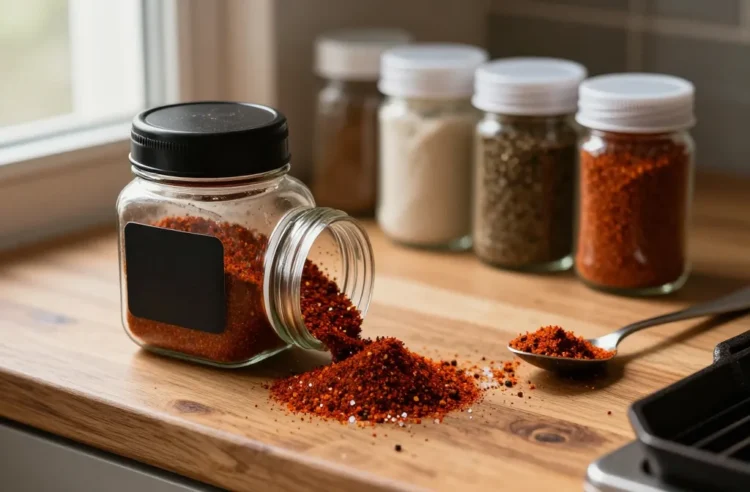
- Best for: Meal prep for summer grilling and tailgates
- Make ahead: Yes — mix up to 12 months in advance
- Serves: Yields about 1 cup per batch; seasons 8–10 pounds of meat
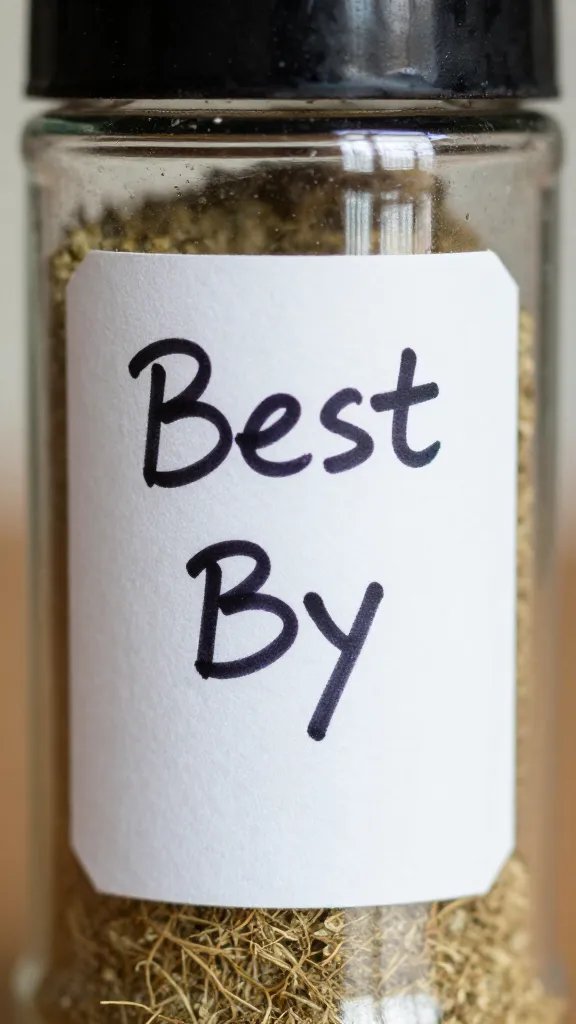
- Key tip: Use airtight, light-blocking containers and label with a “best by” date
Homemade spice blends save time and taste brighter, but only if you store them right. If you’ve ever asked yourself how to keep that smoky-sweet mix fresh, you’re in the right place. How to Store Homemade BBQ Rub comes down to moisture, air, heat, and light. In this guide, you’ll learn shelf life benchmarks, the best containers, labeling tips, and how to fix clumps fast.
BBQ Rub Shelf Life: What to Expect
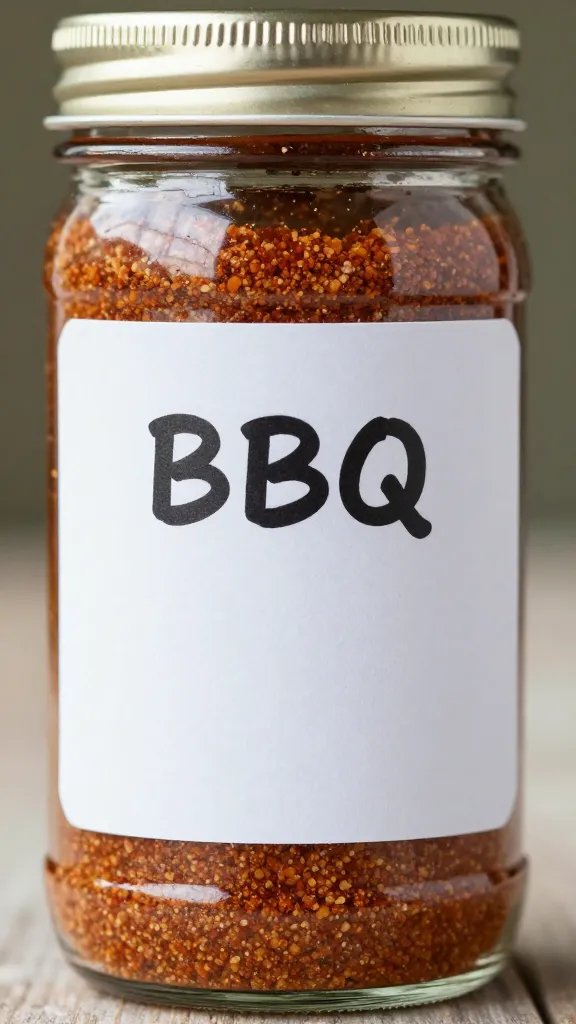
Dry spices don’t “spoil,” but they lose potency. For a typical salt-sugar-spice rub, plan on peak flavor for 6 months and usable flavor up to 12 months.
Whole spices last longer than pre-ground. If your rub leans on paprika, chili powders, or herbs, expect faster fade compared to a pepper-heavy mix.
Choose the Right Container
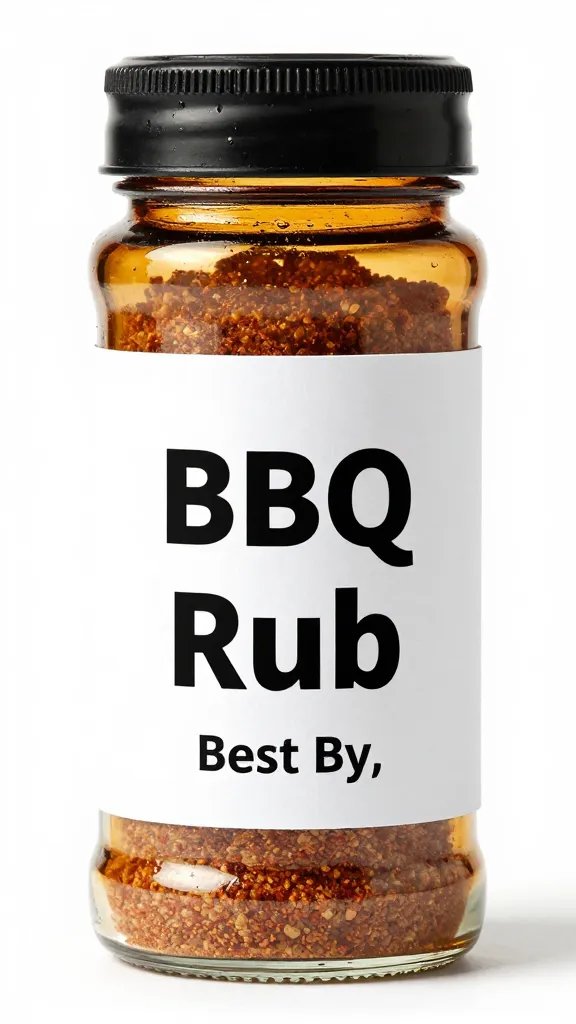
Air and light degrade flavor. Choose containers that block both, and you’ll notice the difference at the grill.
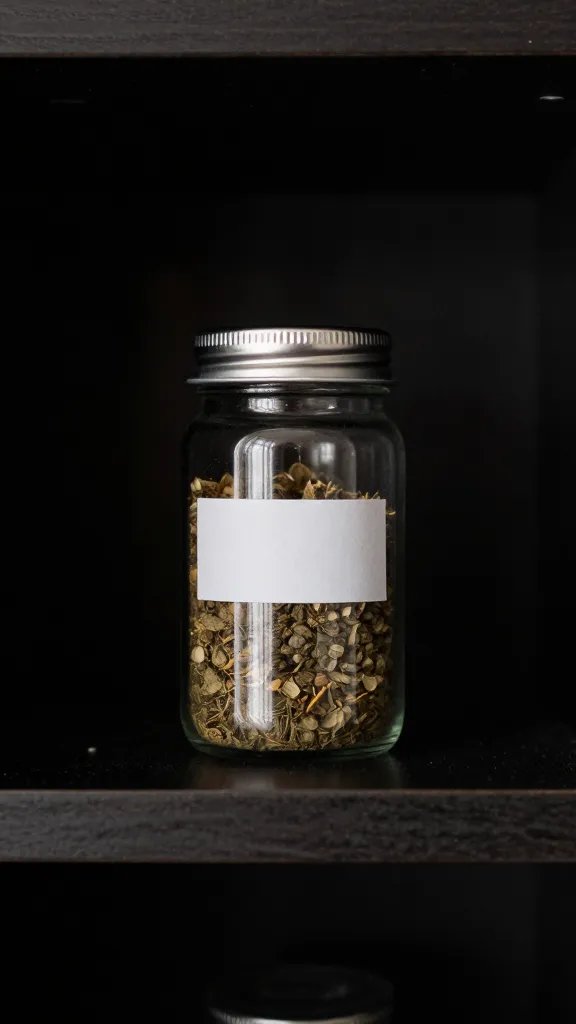
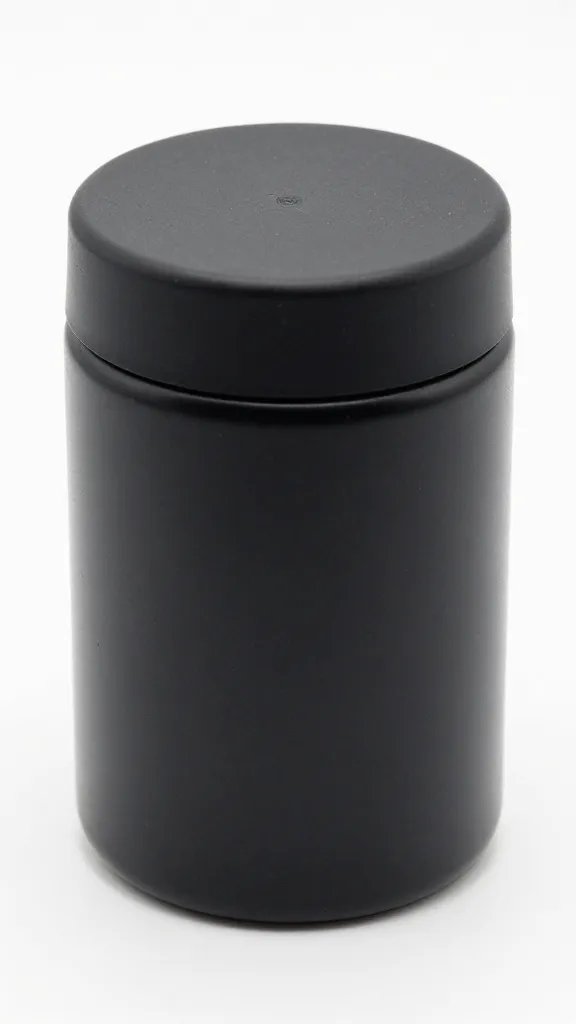
- Best overall: Opaque glass spice jars with tight screw lids and a shaker insert.
- Great budget pick: Small mason jars with two-piece lids; store in a dark cabinet.
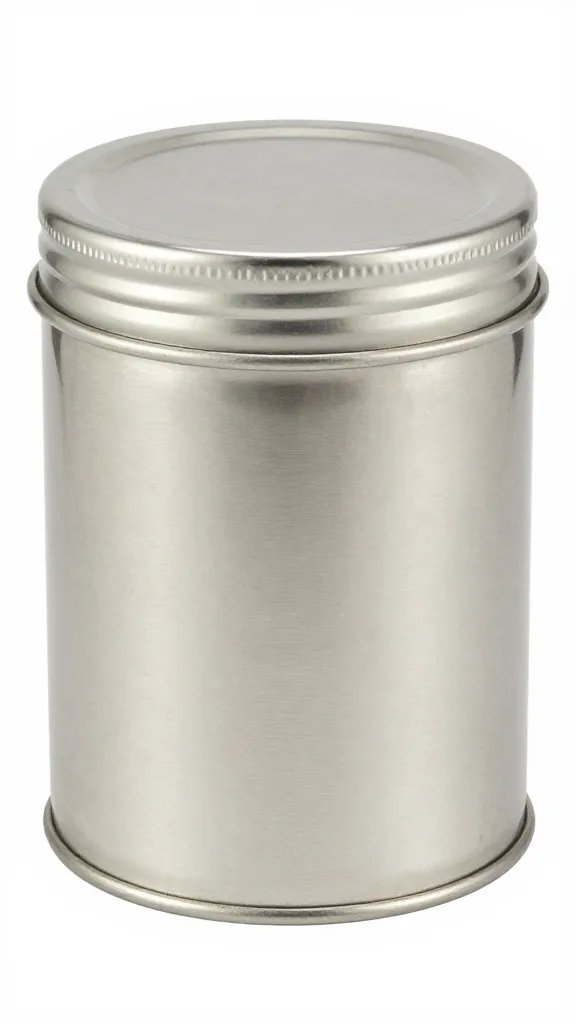
- Travel/camping: Mylar bags with zip seals; squeeze out excess air before closing.
- Avoid: Permeable plastic bags or repurposed containers that smell like their last occupant.
Moisture Is the Enemy: Keep It Dry
Clumps form when steam or humidity hits the jar. Keep the rub bone-dry and it will pour smoothly months later.
- Never shake over hot food. Steam creeps into the jar and creates clumps.
- Use a spoon to portion into a small prep bowl, then season the meat.
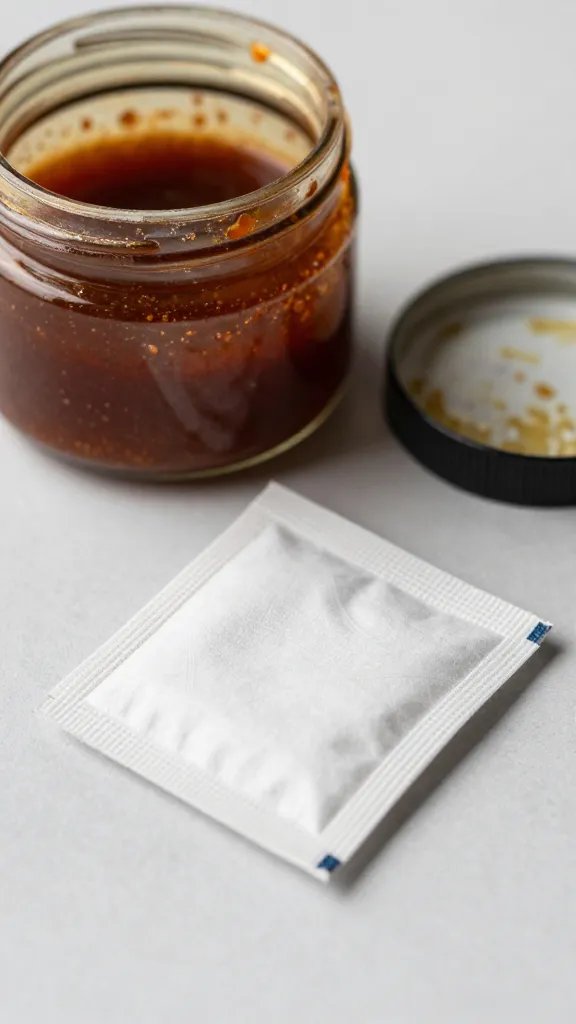
- Add a desiccant packet (food-safe) or a few grains of dry, uncooked rice in a tea bag to absorb humidity.
- Cool meat before re-seasoning; warm pans and smokers push moisture into open jars.
Label Like a Pro
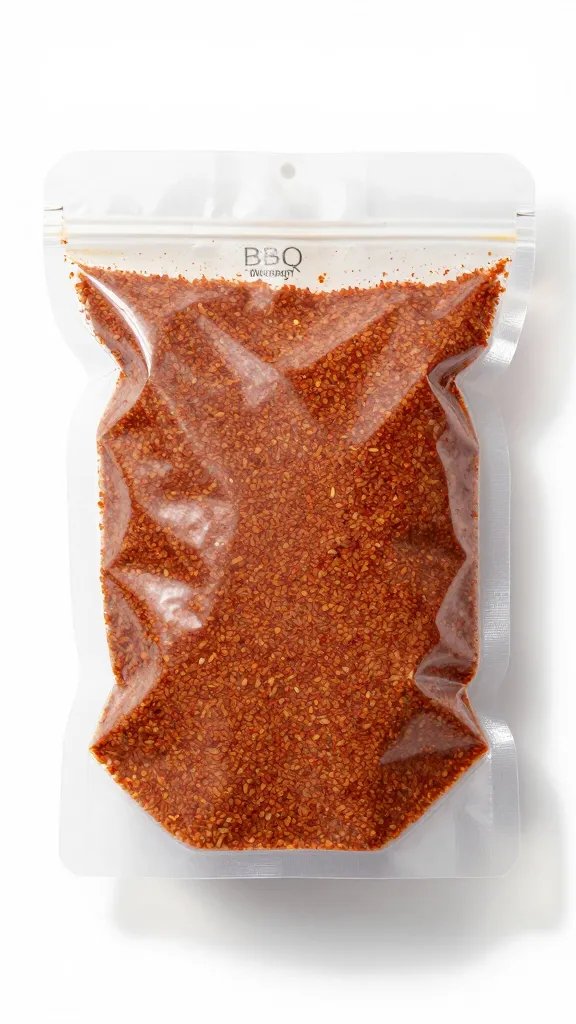
Future you will thank present you for clear labels. Spices fade gradually, so dates keep you honest.
- Name + heat level: “House BBQ Rub — Medium Heat.”
- Made on + best by: Date mixed and a 6–12 month window.
- Allergens: Note mustard, celery seed, or anti-caking agents if you used them.
Storage Conditions: Where to Keep It
Think cool, dark, and sealed. This slows oxidation and color loss.
- Pantry or cabinet away from the stove, dishwasher, or sunny windows.
- Temperature: Room temp is fine; aim for 60–75°F (16–24°C).
- No fridge needed. Condensation from temperature swings can cause clumping.
- Freezer? Only for long-term backup. Portion into small containers so you thaw what you’ll use in a month, and reseal the rest.
Batching and Scaling for a Crowd
Mix once, grill often. Batching saves prep time before big cooks.
- Weigh your spices. Weight is more accurate than volume, especially for flaky salt and brown sugar.
- Mix in a large bowl and whisk for a full minute to distribute salt and sugar evenly.
- Split into small jars. Open one at a time to keep the rest fresh.
- Salt smart: If you scale up 10×, consider starting with 8× the salt. You can always add more at the grill.
How to Refresh and Fix a Tired Rub
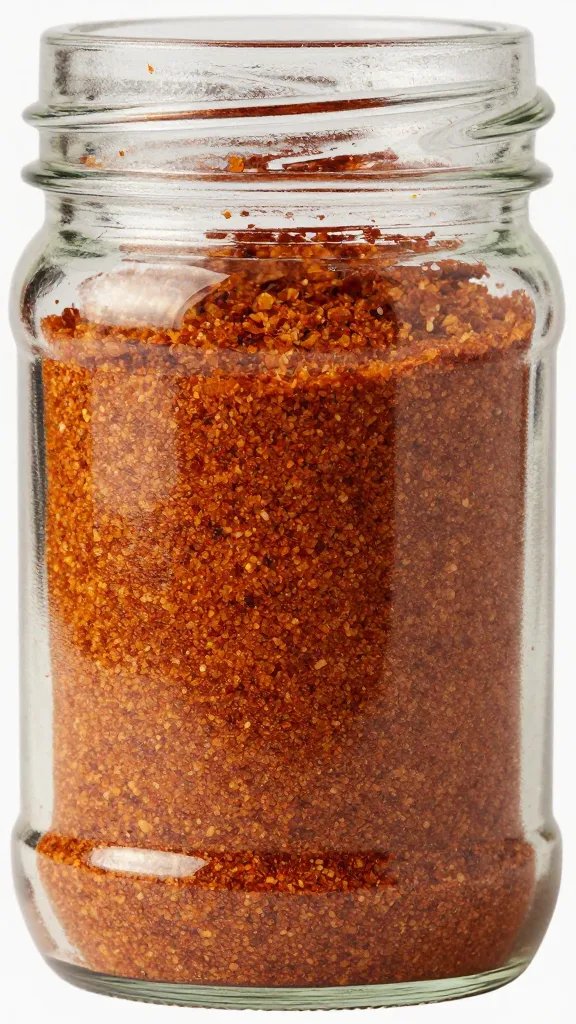
Flavor gone a bit flat? You can revive it.
- Brighten: Stir in freshly ground black pepper or toasted cumin to wake it up.
- Color bump: Add a pinch of new paprika for vibrancy and sweetness.
- De-clump: Pulse once or twice in a food processor, or press through a fine mesh sieve.
- Balance: If salt feels too forward as it ages, add a touch more brown sugar or smoked paprika.
How to Store Homemade BBQ Rub for Different Styles
Sugar-Heavy Rubs (Ribs, Pork Shoulder)
These clump fastest. Keep desiccant packets in the jar and avoid hot kitchens when portioning.
Low-Sugar or Salt-Forward Rubs (Brisket)
They hold potency longer but can taste harsh if over-concentrated. Store airtight and taste before using on delicate cuts like chicken.
Herb-Heavy Blends (Mediterranean BBQ)
Dried herbs fade faster than spices. Use within 3–4 months and consider grinding herbs just before mixing a new batch.
From My Kitchen: What Actually Works
I stopped clumps cold by switching to two smaller jars instead of one big one; the unopened jar stays pristine for months. When I batch a gallon for events, I keep the master mix unsalted and add kosher salt at cook time to match the cut and brining status. Paprika loses pop first, so I now stir in one fresh tablespoon per cup of rub at the 4–6 month mark. Also, shaking rub directly over a hot smoker invited steam; moving to a prep ramekin fixed that overnight.
Smart Pairings and When to Use It
Keep a base rub on hand and finish with fresh sauces or herb oils at the table. It stretches the life and keeps flavors bright.
- Pair smoky pork with this chimichurri recipe to add acidity and freshness.
- For weeknights, toss vegetables in oil and a teaspoon of rub, then finish with homemade garlic butter for richness.
Frequently Asked Questions
How long does homemade BBQ rub last in the pantry?
Expect 6 months of peak flavor and up to 12 months if stored airtight in a cool, dark place. Herb- and paprika-heavy rubs fade faster than salt-pepper blends.
Can I freeze homemade BBQ rub?
Yes, but portion it into small containers and keep air exposure low. Thaw only what you’ll use in a month to avoid condensation and repeated temperature swings.
What’s the best container for storing homemade BBQ rub?
Opaque or dark glass jars with tight lids are best. If you only have clear glass, store in a dark cabinet and add a food-safe desiccant packet.
How do I stop my BBQ rub from clumping?
Keep moisture out by never seasoning directly over steam, using a spoon or prep bowl, and adding a desiccant or a few grains of rice in a tea bag. Break existing clumps with a sieve or quick processor pulse.
Does homemade BBQ rub go bad?
It won’t spoil like fresh food, but it can taste dull or musty if very old. If the aroma is weak or the color is faded, refresh with new paprika, pepper, or cumin, or mix a fresh batch.
How to Store Homemade BBQ Rub if it contains brown sugar?
Use an airtight jar with a desiccant packet and store away from heat. Brown sugar attracts moisture, so portion into smaller jars and avoid opening near a hot stove or grill.
The Bottom Line
Great BBQ starts with a fresh, balanced rub — and staying fresh is all about airtight containers, cool storage, and moisture control. Label it, keep it dark, and portion smart, and your mix will taste backyard-ready for months.
Planning to try this? Save this post so you can find it when you need it — and tag us when you make it.