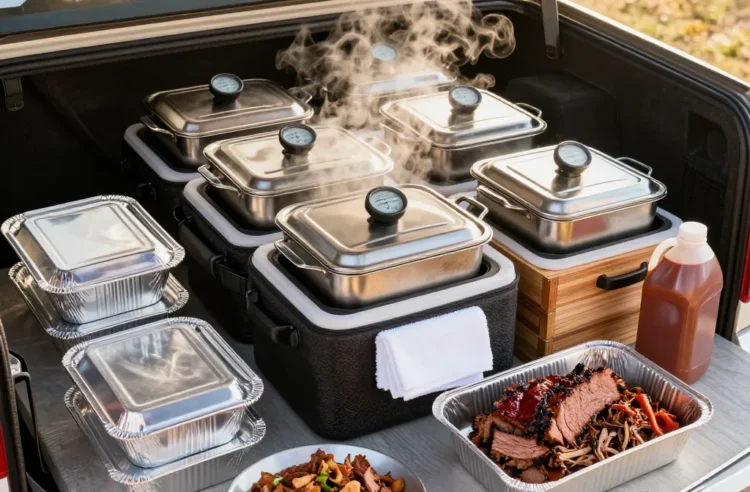
- Best for: Tailgates, park parties, potlucks, and backyard weddings
- Make ahead: Yes — up to 48 hours with safe reheating
- Serves: 50 hungry guests (with room for seconds)
- Key tip: Preheat your carriers; hot food goes into hot gear
How to Transport BBQ for 50 People Without Losing Heat sounds simple until you’re staring at four pans of pulled pork and a brisket the size of a shoebox. The trick isn’t just packing; it’s heat retention and food safety. You’ll use insulation, smart containers, and a timing plan to keep everything above 140°F. By the end, you’ll have a step‑by‑step system, gear options, and exact temperatures to hit so your BBQ arrives juicy and hot.
Start With the Right Containers
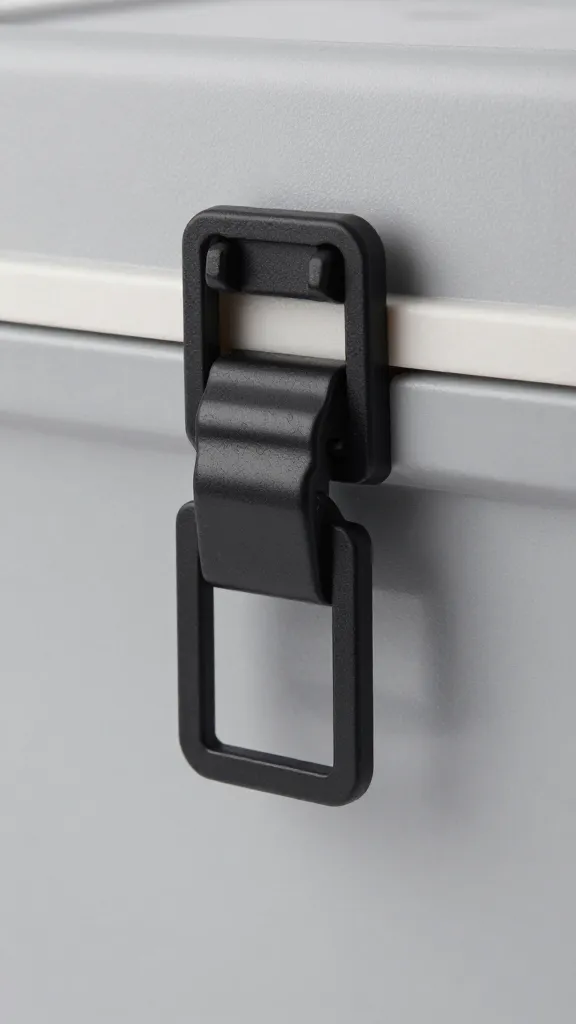
Great insulation starts at the pan. Skip flimsy foil-only trays for the main proteins. Use rigid pans with tight lids so steam stays put.
- Full-size hotel pans (2.5–4 in deep) with snap-on lids fit warmers and stack well.
- Disposable aluminum trays are fine if double-panned: one tray nested in another for strength and insulation.
- Vacuum-insulated jugs for sauces and au jus keep temps rock steady and avoid skinning over.
- Foil + parchment cap: press parchment on the meat surface, then heavy-duty foil, then the lid. This traps moisture.
Preheat Everything (Not Just the Meat)
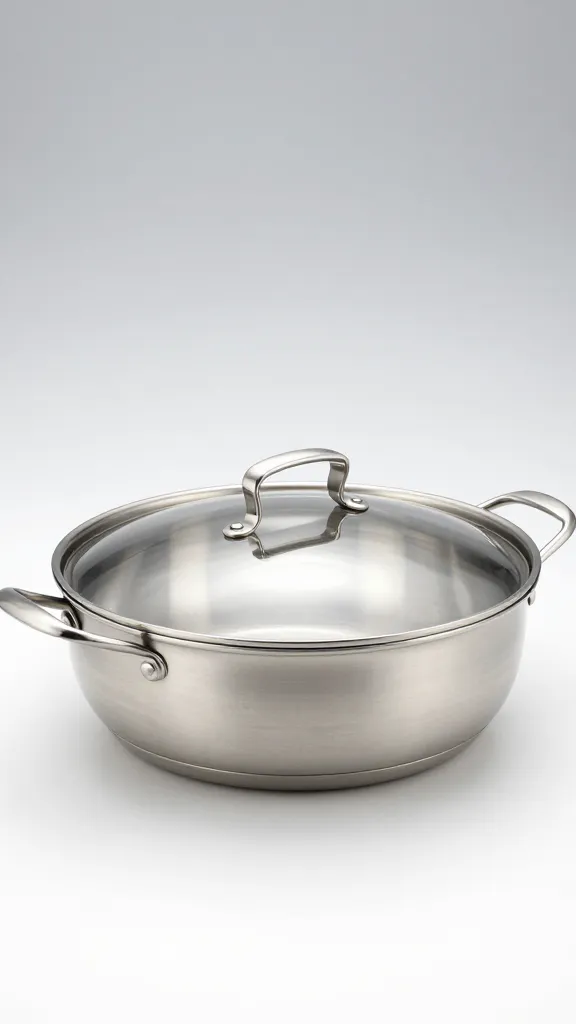
Hot food into cold equipment bleeds heat fast. Warm your carriers to buy an extra hour of safe holding time.
- Ovens: Heat empty hotel pans at 200°F for 10 minutes; warm cooler interiors with a pan of hot water (careful dumping).
- Coolers: Add two sealed jugs of near-boiling water for 20 minutes, then remove and load food immediately.
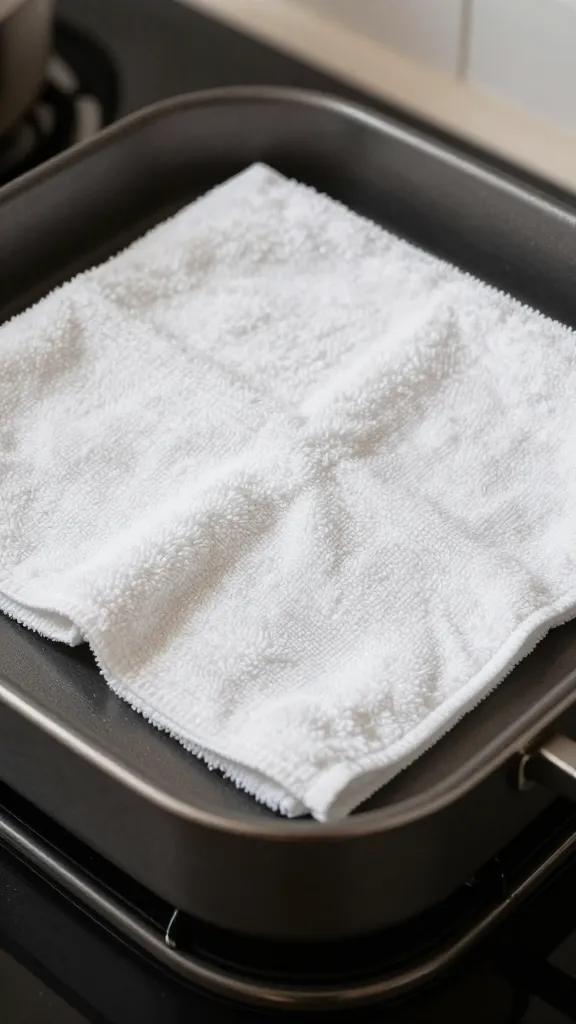
- Lids and towels: Warm them in the dryer or a low oven; warm fabric reduces condensation and heat loss.
Build a “Hot Box” Without a Caterer’s Van
No commercial hot box? Make one. You’re fighting convection, conduction, and time — layer accordingly.
- Insulated cooler or camp cooler lined with a dry folded towel on bottom.
- Insert hot bricks or heat packs wrapped in towels along the sides (never directly under delicate meats).
- Stack pans with 1/2-inch spacers (wooden spoons or cardboard strips) to let heat circulate.
- Top with another towel, close tightly, and don’t open en route. Every peek dumps heat.
Know Your Safe Temps and Holding Times
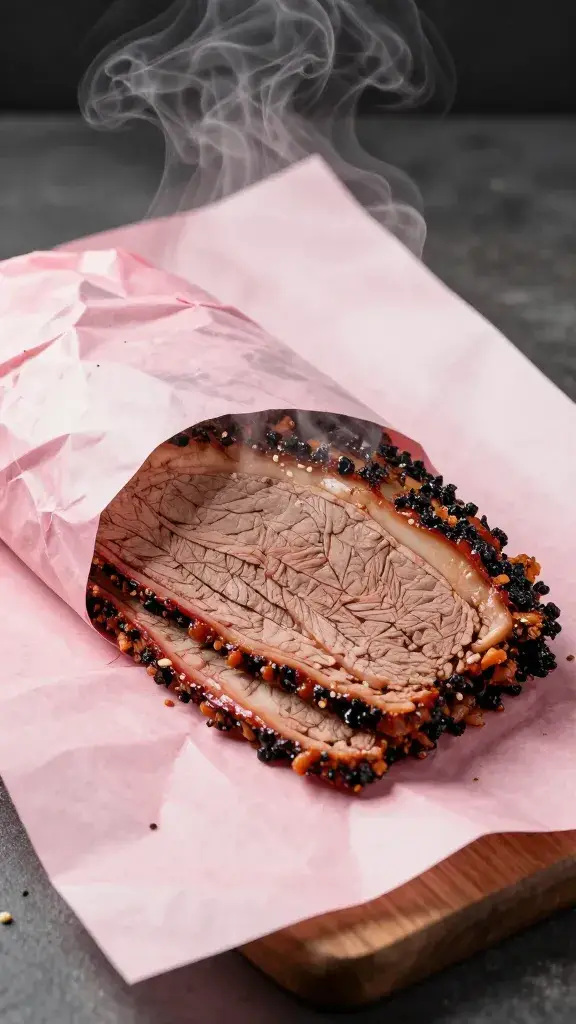
Flavor matters, but food safety rules the road. Keep hot foods at or above 140°F and cold foods at or below 40°F.
- Target load-in temp: 180–190°F for pulled pork and brisket slices; 165–175°F for chicken pieces.
- Holding range: 150–165°F is ideal for texture and safety over 2–4 hours.
- Transport window: Properly insulated, you’ll lose ~10–20°F per 2 hours. Start hot so you land safe.
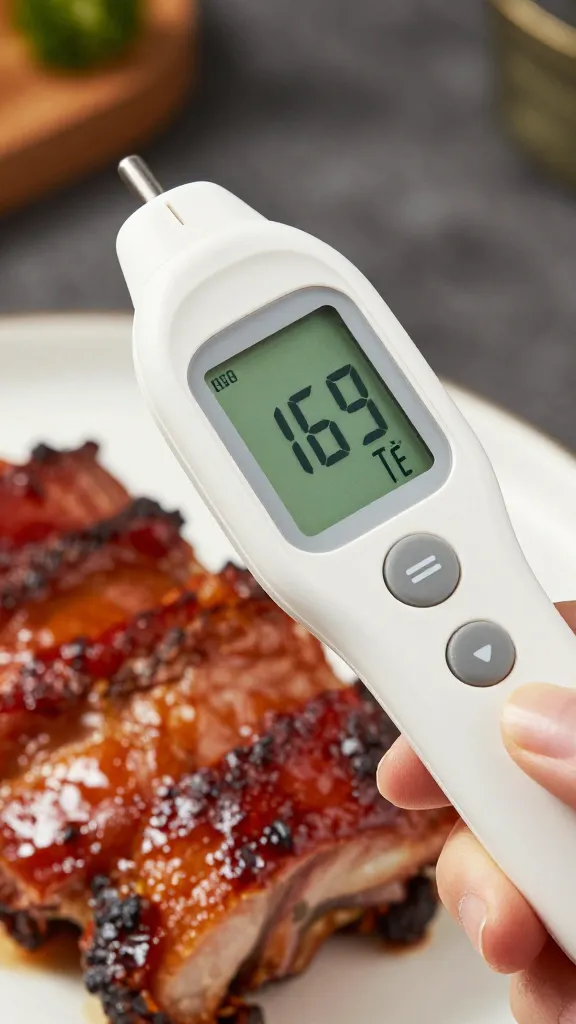
- Thermometers: Use a probe thermometer before loading and a quick-read on arrival.
Portion, Then Sauce Strategically

Large masses hold heat, but serving is faster if you pre-portion. Balance the two.
- Pulled meats: Toss with 1/3 of warmed sauce and a splash of hot stock to buffer moisture; transport extra sauce hot and add as you serve.
- Brisket: Slice thick (1/4-inch), shingle into pans, ladle hot jus over, cover tightly.
- Ribs: Keep racks whole or halved. Glaze lightly and finish with a hot brush of sauce on site.
- Chicken: Dark meat travels better than breast. If using breasts, hold in thin pan gravy.
Load the Vehicle Like a Caterer
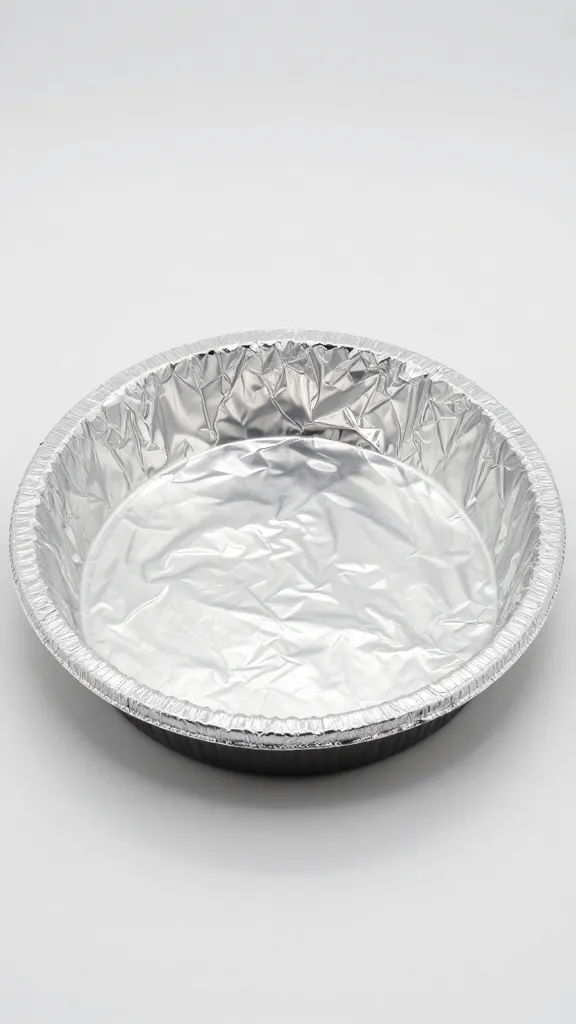
A stable ride is a hotter ride. Movement vents steam, bends lids, and leaks heat.
- Flat, non-slip surface: Line the trunk with yoga mats or shelf liner.
- Stack by heat dependence: Brisket and chicken lowest; beans and mac higher. Heat rises.
- Air gaps: Don’t wedge pans flush against cold metal doors.
- Vent for fried sides: If you’re transporting fried chicken or hushpuppies, leave a small vent to avoid sog.
Arrival Plan: Reheat, Hold, and Serve
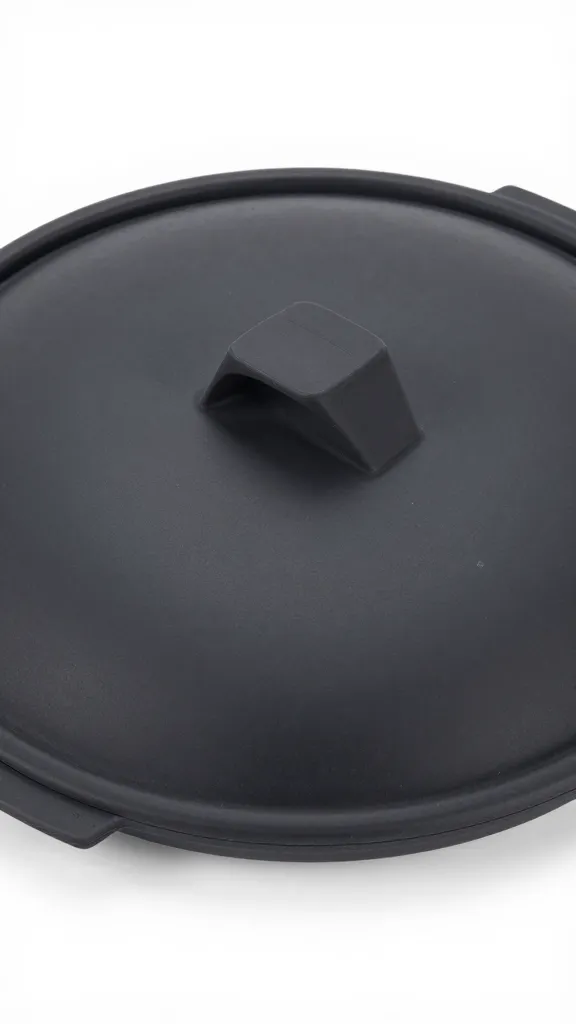
Have a landing routine so food stays hot while you set up. Assign one person as the warmer manager.
- Quick check: Temp every pan. Anything under 140°F goes to reheating first.
- Reheat options: Oven at 300°F, covered; chafers with boiling water; or induction with a lidded pot for sauced meats.
- Stir and rotate: Every 20 minutes, stir sauced meats so heat distributes and edges don’t dry.
- Serve hot, refill hot: Keep backup pans covered in the hot box; swap, don’t top off on the line.
How Much BBQ for 50 People?
Plan generous but avoid waste. Adjust for sides and time of day.
- Pulled pork: 12–15 lb cooked yield (24–30 lb raw pork shoulder).
- Brisket: 10–12 lb cooked (16–18 lb packer pre-trim).
- Chicken: 50 thighs or a mix totaling ~15 lb cooked.
- Ribs: 12–15 racks if ribs are the star; fewer if secondary.
- Buns: 60–70 buns; some guests go for seconds or doubles.
Smart Gear That Makes It Easier
You don’t need pro gear, but a few items make the difference between hot and lukewarm.
- Insulated food carriers: Cambro-style boxes fit hotel pans and lock in heat for hours.
- Chafing sets: Standard full-size with two burners per pan; keep water pan near-simmering.
- Heat packs or bricks: Oven-heated, wrapped in towels, reusable.
- Probe and instant-read thermometers: One for holding, one for spot checks.
From My Kitchen: What Actually Works
I’ve hauled brisket and pork for 60 using two preheated coolers and hotel pans. The biggest gain came from loading meat at 185°F and adding 1 cup of boiling stock per full pan before sealing — it held 155–160°F after a 90-minute drive. I tested foil-only vs. foil plus parchment; parchment reduced condensation drip and kept bark texture better. One more: chafers run hotter with lids slightly offset for steam escape, but that dries edges — keep lids fully closed and stir every 20 minutes for even heat.
Round out your spread with a bright sauce like this chimichurri recipe — it cuts the richness of brisket nicely. And if you’re planning sides, consider these make-ahead potato options that reheat well in chafers without turning gluey.
Frequently Asked Questions
How do I keep BBQ hot in a cooler for 2 hours?
Preheat the cooler with hot water or heated bricks for 20 minutes, then load hot pans at 180°F+, wrapped in towels. Add insulated heat packs along the sides and keep the lid closed. You’ll typically land around 150–160°F after 2 hours.
Can I make brisket ahead and still have it juicy?
Yes. Cook to probe-tender, rest, slice thick, and pan with hot jus. Reheat covered at 300°F until 165°F internal, then hold in a hot box. The jus and tight wrap keep slices moist.
What’s the best way to transport ribs without drying them out?
Glaze lightly, wrap in parchment then foil, and pan them shingled. Load hot into an insulated carrier and finish with a quick warm brush of sauce on arrival to reset shine.
How to Transport BBQ for 50 People Without Losing Heat if I don’t have chafing dishes?
Use preheated coolers with hotel pans and heat packs for holding. For serving, rotate one pan at a time through a 300°F oven or on an induction burner with a covered pot to reheat as needed.
Can I sauce pulled pork before transporting?
Partially. Mix in about one-third of warmed sauce plus a splash of hot stock so it doesn’t seize. Bring extra sauce hot in a thermos and add on the line so you control moisture and flavor.
What temp should chicken be when serving a crowd?
Reheat to at least 165°F in the thickest part and hold above 140°F. Transport dark meat when possible; it stays juicier and forgives a bit of holding time.
The Bottom Line
Keep it hot, sealed, and simple: preheat your gear, load food at high temps, and hold in insulated carriers you don’t open. With a reheat plan on arrival, your BBQ will taste like it never left the smoker.
Planning to try this? Save this post so you can find it when you need it — and tag us when you make it.